
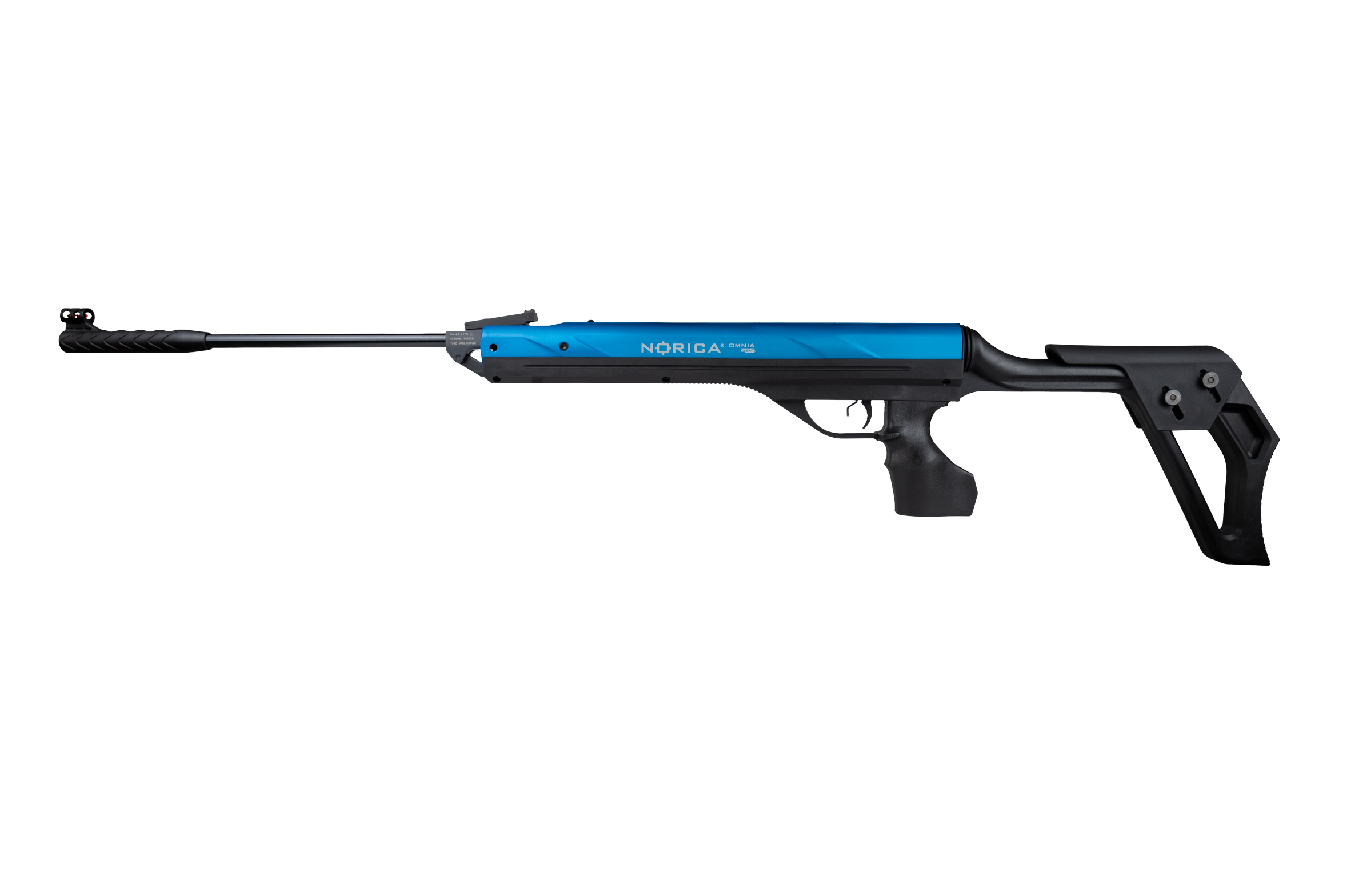
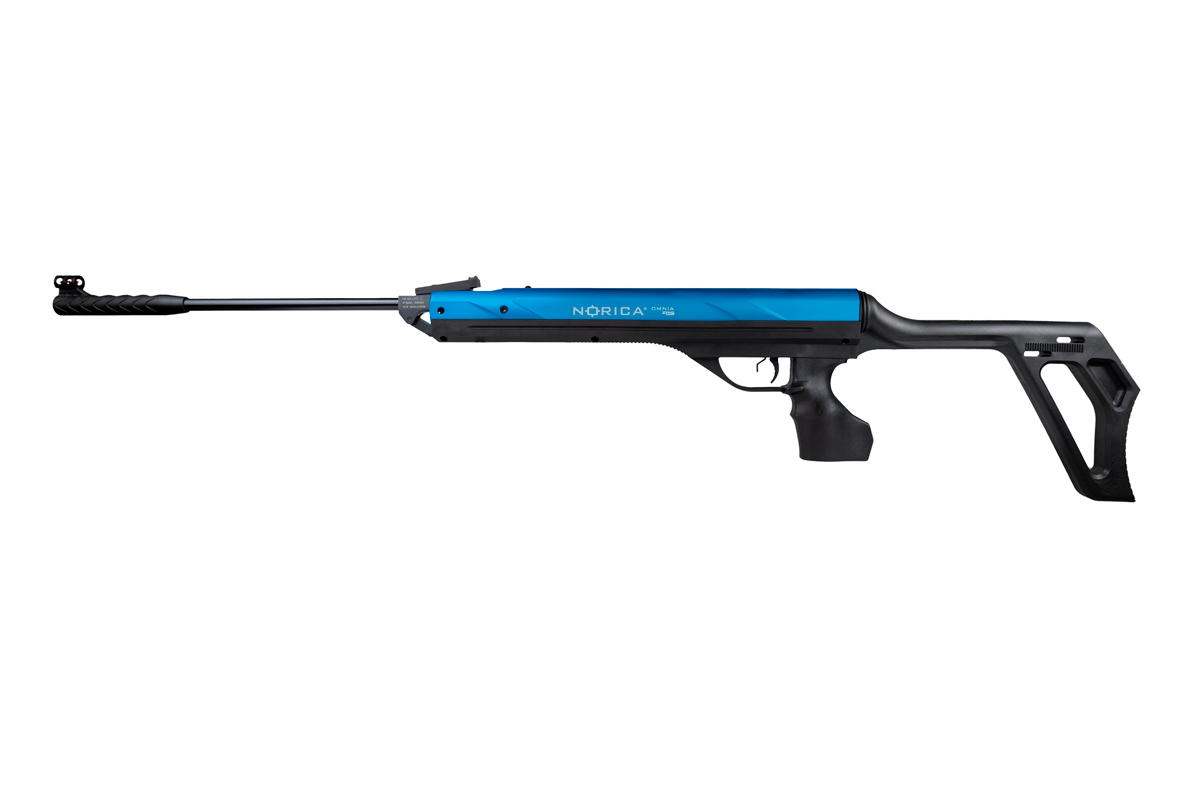
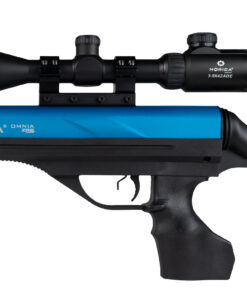
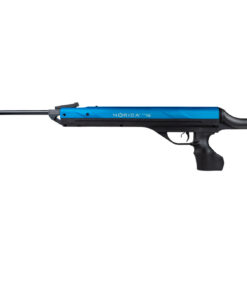
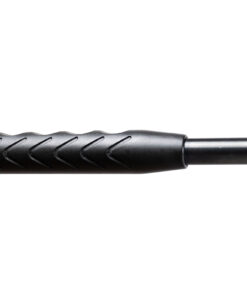
Omnia ZRS Ice
$300.00
WE ONLY NEED ONE SHOT!

“ZRS recoilless, we only need one shot.” A revolutionary technology in the field of break barrel air rifles, which consists in the elimination of recoil at the moment of firing, providing the shooter with maximum accuracy.
ZRS system: Maximum power without recoil:
- Shooting smoothness like a PCP.
- Maximum accuracy by eliminating recoil to the shooter.
- Total protection for the scope and other parts.
Ease of maintenance and maximum reliability:
- Simple disassembly and assembly without special tools.
- Maintenance-free mechanism.
Easy to use:
- Identical use as any break barrel air rifle.
- No need for a high pressure pump or pressurized air cylinders
Specifications
First air rifle on the world market with a recoilless ZRS system.
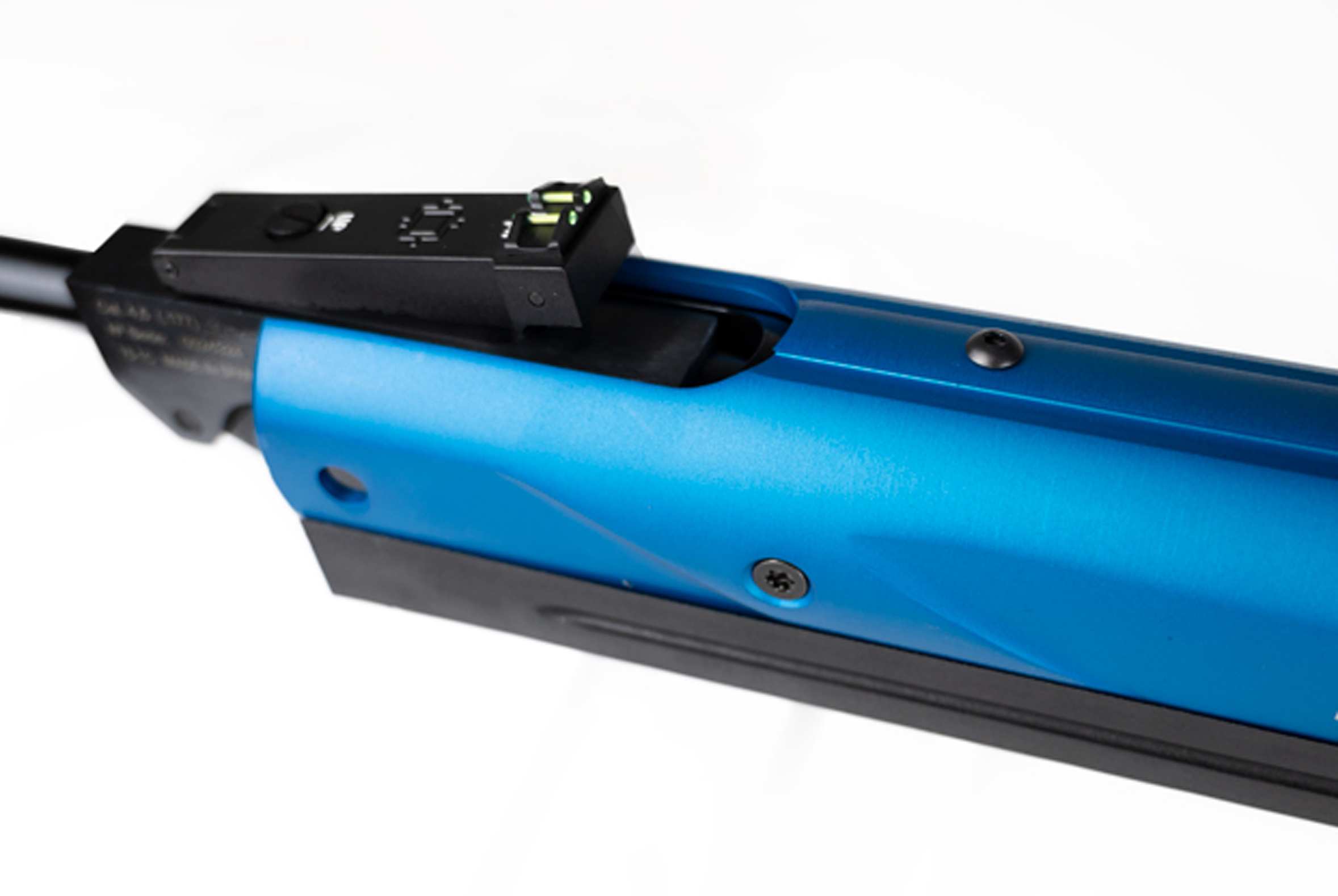
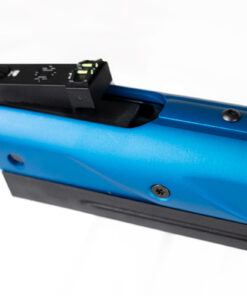
High quality anodized aluminum cylinder.
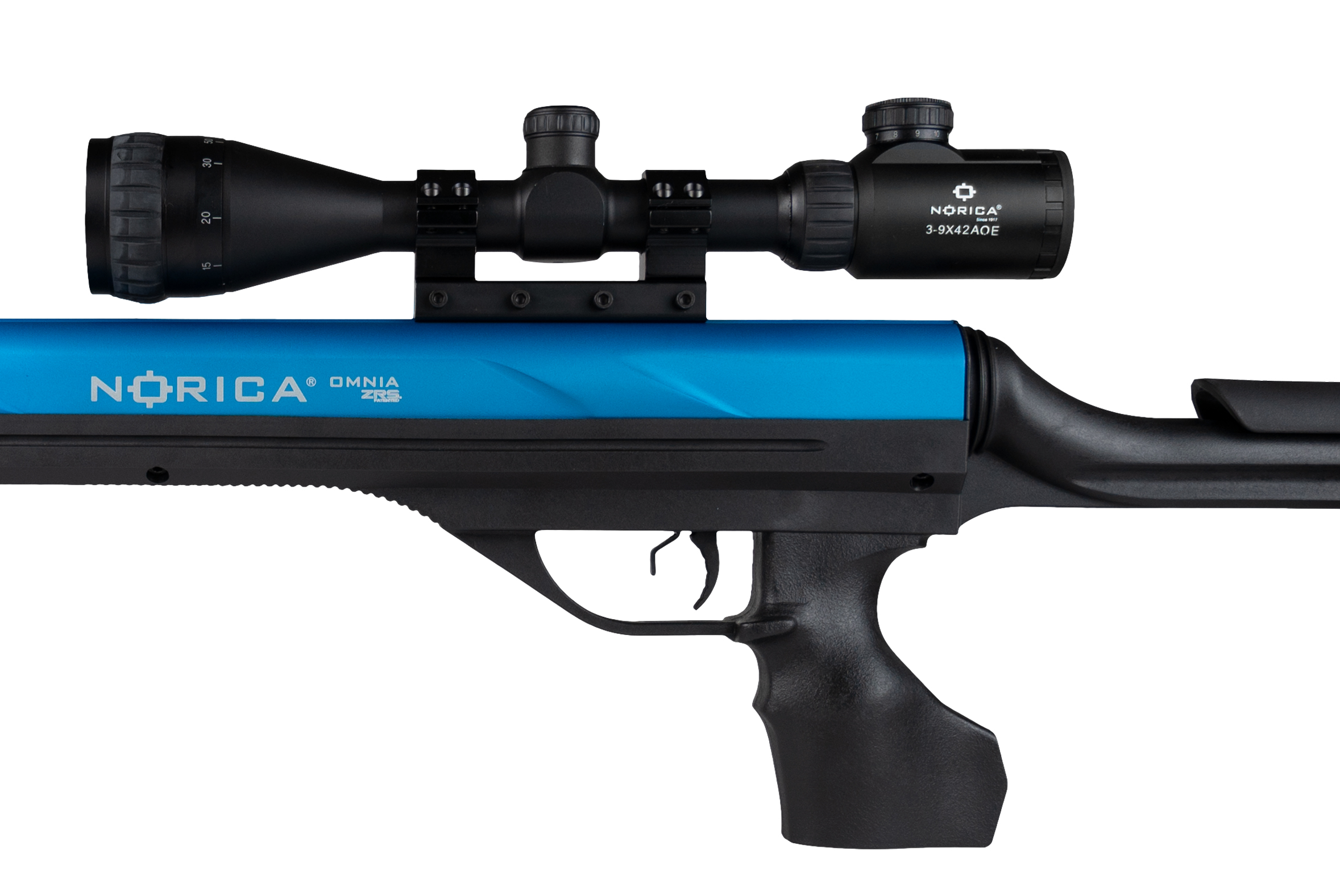
11mm rail along the cylinder for laserdot and high magnification scope on the same rail.
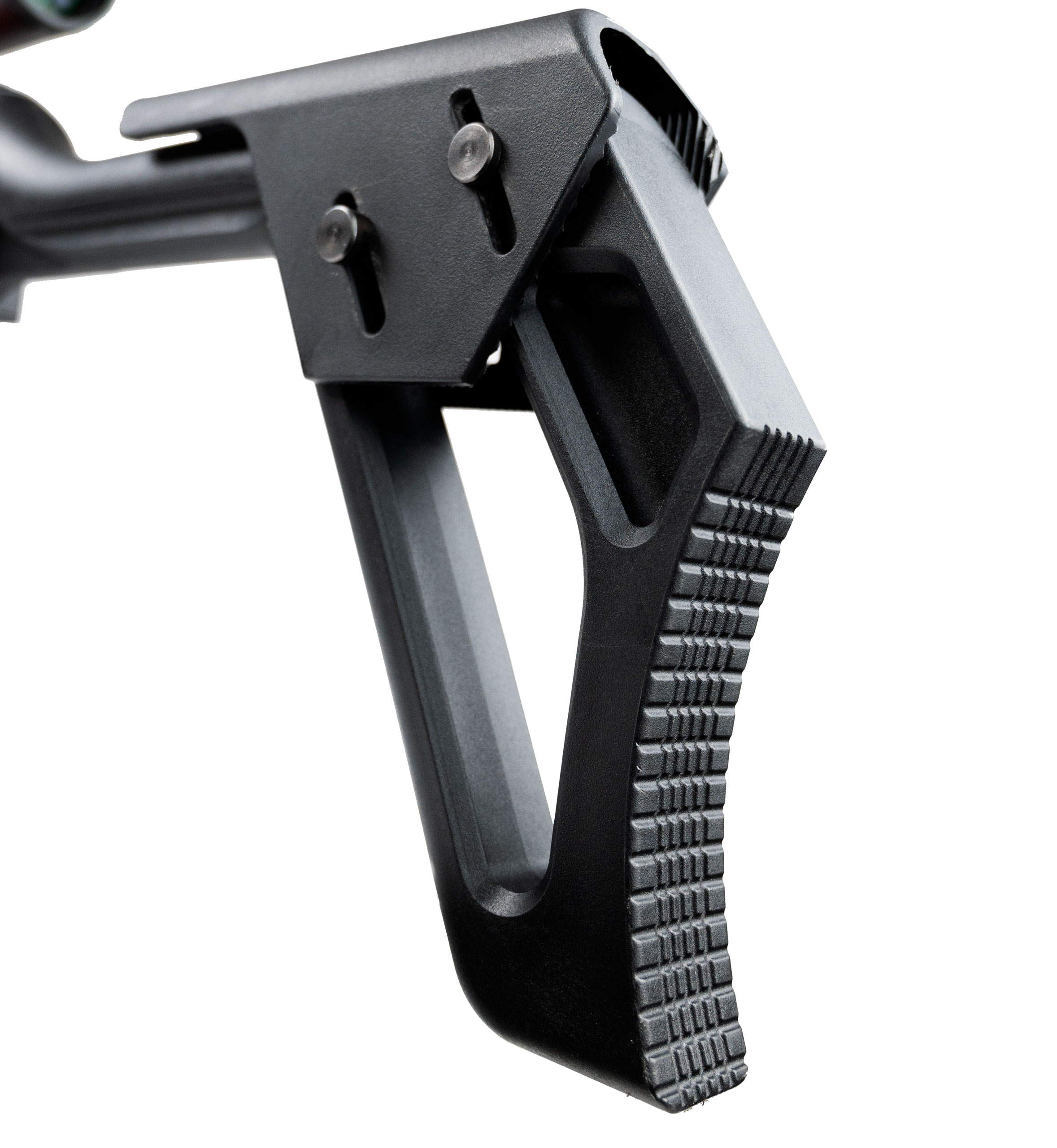
Ambidextrous ergonomics optimized for precise shooting in any situation.
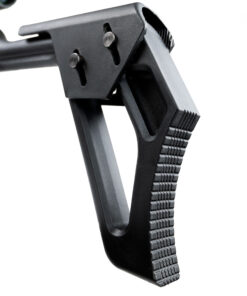
Cheek piece included.Technical data
Reference 111.30.040 111.30.041 Caliber (mm/inch) 4,5 (.177) 5,5 (.22) Weight (kg) 3,6 3,6 Barrel length (mm) 484 484 Total length (mm) 1195 1195 Speed (m/s) 330 275 Energy (J) * 24 24 *GRS technology is not included in models with energies below 16J.
*The indicated energy is the maximum possible. The energy will be modified according to the laws of each country. We reserve the right to make any changes without notice.
Omnia ZRS Ice Air Rifle – Recoilless Break-Barrel Engineering, Gas-Ram Power and Precision-Focused Performance
The Omnia ZRS Ice is an advanced break-barrel air rifle designed around Norica’s patented ZRS recoil-control system. Its purpose is simple but significant: reduce the recoil normally associated with powerful self-contained air rifles while maintaining the familiar convenience of a conventional break-barrel format.
Norica currently offers the Ice in 4.5mm / .177 and 5.5mm / .22. The rifle weighs approximately 3.6kg, uses a 484mm barrel, measures about 1195mm overall, and is listed at a maximum factory energy of approximately 24 joules, subject to country-specific legislation. Published maximum velocities are approximately 330m/s in .177 and 275m/s in .22.
Why Choose the Omnia ZRS Ice?
The strongest reason to choose the Ice is recoil management.
Traditional powerful break-barrel rifles create significant movement during the firing cycle. That movement can influence shooter comfort, practical accuracy and optic durability.
Norica’s ZRS system is designed to reduce the recoil transmitted to the shooter. The manufacturer describes the resulting firing sensation as smooth and comparable to a PCP while still retaining the simplicity of a self-contained break-barrel platform.
Therefore, shooters who want smoother behavior without relying on external high-pressure charging equipment may find the Ice particularly appealing.
ZRS Recoilless System
The ZRS system is the defining feature of the platform.
Norica states that it reduces recoil at the moment of firing, which can improve shooting stability and protect mounted optics from repeated mechanical shock.
This does not make accuracy automatic.
Pellet selection, sight alignment, trigger control, shooting position and environmental conditions still influence practical results.
However, reduced mechanical movement gives the shooter a more stable platform from which to build consistent technique.
Gas-Ram Power System
Current Norica catalogue material lists GRS Gas Ram System technology as part of the Omnia platform.
A gas-ram system uses compressed gas rather than a conventional coiled mainspring.
This can reduce spring vibration and create a cleaner firing cycle.
However, Norica specifically notes that GRS technology is not included on versions producing less than 16 joules. Therefore, the exact configuration should always be checked before purchase.
Norica .177 Air Rifle
The Norica .177 air rifle configuration uses the 4.5mm caliber.
Norica lists a maximum velocity of approximately 330m/s and maximum standard energy of approximately 24 joules for the unrestricted factory configuration.
This caliber is commonly selected for precision-focused target shooting because a broad selection of lightweight pellets is available.
Actual performance depends on pellet weight, legal power configuration and barrel preference.
Norica .22 Air Rifle
The Norica .22 air rifle configuration uses the 5.5mm caliber.
Its manufacturer-listed maximum velocity is approximately 275m/s, again with up to 24 joules in the standard maximum-energy configuration.
Heavier pellets generally behave differently from lighter .177 projectiles, so several suitable weights should be tested before deciding which performs best.
Norica 4.5mm Air Rifle and Norica 5.5mm Air Rifle
The search phrases Norica 4.5mm air rifle and Norica 5.5mm air rifle correspond directly to the two Ice caliber options.
The best choice depends on ammunition availability, trajectory preference, intended lawful use and country-specific energy restrictions.
Neither caliber should automatically be considered superior in every situation.
Precision and Shooting Stability
The Ice combines recoil control with several additional accuracy-oriented features.
Recent Norica catalogue information lists Shooting Stability Control, an adjustable trigger system, solid steel breech, fiber-optic open sights and automatic safety among the platform technologies.
The solid breech helps maintain repeatable barrel alignment, while the adjustable trigger can support a more predictable release.
Together, these features provide a strong mechanical foundation for consistent recreational target shooting.
11mm Scope Rail
An 11mm optics rail runs along the cylinder.
Norica states that it can accommodate both a laser sight and a high-magnification scope on the same rail.
This gives the shooter flexibility when setting up an optic.
Because sight position influences eye relief and cheek placement, mounting should be completed carefully.
Norica Scope Mounts
The phrase Norica scope mounts reflects an important part of optic setup.
Any mount used on the 11mm rail should remain secure and correctly aligned.
Even though recoil is reduced, suitable mounting hardware is still important.
Loose mounts can create unexpected changes in point of impact.
Ambidextrous Ergonomics
Norica lists ambidextrous ergonomics optimized for precise shooting.
This makes the platform suitable for both right- and left-handed users.
The current product page states that a cheekpiece is included, while recent catalogue material has shown some versions with the cheekpiece described as optional. Therefore, buyers should confirm the exact package offered by the retailer.
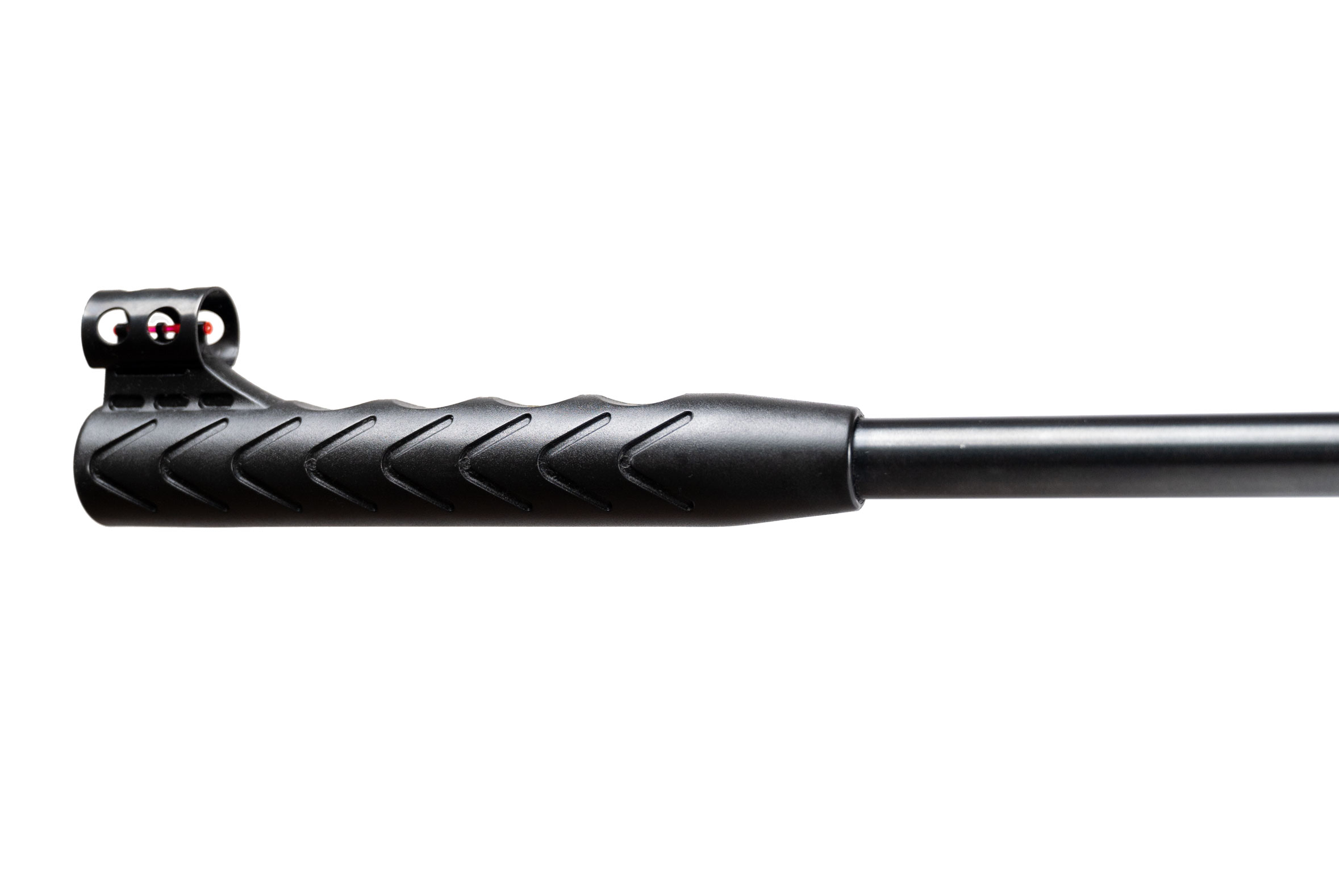
Fiber-Optic Open Sights
Current catalogue documentation lists fiber-optic open sights.
These provide a bright aiming reference without requiring an optic.
For recreational target shooting, they can also help shooters develop consistent sight alignment before adding magnified equipment.
Adjustable Trigger
Norica’s current catalogue identifies its adjustable trigger technology as part of the Omnia platform.
A predictable release is important because sudden trigger movement can disturb the rifle just before pellet exit.
Any adjustment should remain within safe manufacturer limits.
Automatic Safety
An automatic safety is also listed in current manufacturer documentation.
This adds another layer of protection during normal operation.
However, mechanical safety systems should never replace proper muzzle direction and trigger discipline.
Norica Air Rifle
The phrase Norica air rifle covers a broad range of models from the Spanish manufacturer.
The Ice is distinguished mainly by its recoil-control system rather than simply by maximum power.
Therefore, buyers comparing different products should consider firing behavior, powerplant type, stock design, trigger system, optics compatibility and overall weight.
Norica Springer Rifle
The phrase Norica springer rifle commonly refers to conventional spring-powered break-barrel models.
The Ice differs because current manufacturer documentation lists gas-ram technology on applicable power versions alongside the recoil-control system.
Therefore, it should not automatically be described as a conventional coiled-spring platform.
Norica Break Barrel Rifle
The phrase Norica break barrel rifle accurately describes the operating format.
The barrel forms part of the cocking cycle, which means the rifle remains fully self-contained.
No external compressed-air tank or pump is required.
That simplicity is one of the strongest practical advantages of this type of design.
Norica Synthetic Stock
The phrase Norica synthetic stock reflects buyer interest in durable modern stock designs.
The Ice uses an ambidextrous synthetic-style precision stock arrangement, which contributes to weather resistance and practical everyday handling.
The stock is also optimized around right- or left-handed use.
Norica Quick
The Norica Quick is another model family and should not be confused with the Ice.
Searches for Norica Quick review, Norica Quick accuracy review, and Norica Quick 500 relate to different products.
Specifications should therefore be checked independently.
Norica Marvic
The Norica Marvic belongs to another established product family.
Comparisons should focus on recoil behavior, powerplant, stock construction, trigger, weight and intended use.
The Ice’s key differentiator remains its recoil-control system.
Norica Titan and Norica Titan XS
Search terms such as Norica Titan, Norica Titan XS, and Norica Titan power output refer to another range.
These specifications should not be transferred to the Ice.
Power figures and technology vary between models and markets.
Norica Ox
The Norica Ox is another separate platform.
Its stock, powerplant and dimensions should be researched independently.
Model-specific accuracy is always more useful than assuming every rifle from the same manufacturer behaves identically.
Norica Black Hawk
The Norica Black Hawk is another common search within the brand.
Again, it should be treated as a separate model.
The Ice is positioned around smoother firing behavior and recoil management rather than simply conventional break-barrel operation.
Norica Quick Accuracy Review
The phrase Norica Quick accuracy review reflects shopper interest in practical grouping.
For the Ice, accuracy should be tested independently using several suitable pellet types.
A rifle’s real precision potential depends on ammunition compatibility, trigger technique, sight setup and shooter consistency.
Norica vs Hatsan
The phrase Norica vs Hatsan reflects common brand-comparison intent.
A meaningful comparison should consider recoil characteristics, trigger quality, powerplant, weight, stock ergonomics, optic compatibility, service support and local pricing.
The Ice is particularly distinctive because of its dedicated recoil-reduction architecture.
Best Norica Air Rifle
The Best Norica air rifle depends on the buyer’s priorities.
For someone who wants a self-contained break-barrel rifle with reduced recoil and strong precision potential, the Ice deserves serious consideration.
A lighter or simpler model may be more appropriate for another buyer.
Buy Norica Air Rifle
Searches for Buy Norica air rifle and Norica air rifle for sale represent strong purchase intent.
Before ordering, buyers should verify caliber, legal energy configuration, included cheekpiece, optic package, warranty support and retailer credibility.
Norica Air Rifle Moderator
The term Norica air rifle moderator refers to sound-management accessories rather than a defining Ice specification.
Compatibility and legal requirements should always be confirmed before adding one.
Regulations differ significantly between countries.
Norica Pellets
The choice of Norica pellets or other suitable quality ammunition can strongly influence group consistency.
Different pellet weights and head sizes should be tested under the same conditions.
The best-performing pellet is usually the one that produces the smallest repeatable groups, not simply the highest velocity.
Important Specifications
- .177 / 4.5mm and .22 / 5.5mm
- Approximately 24 joules maximum factory energy
- Approximately 330m/s in .177
- Approximately 275m/s in .22
- Approximately 3.6kg weight
- 484mm barrel
- 1195mm overall length
- Patented recoil-control technology
- Gas-ram system on applicable power configurations
- Shooting Stability Control
- Adjustable trigger
- Solid steel breech
- Fiber-optic open sights
- Automatic safety
- High-quality anodized aluminum cylinder
- 11mm optics rail
- Ambidextrous ergonomics
These details are supported by Norica’s current product information and recent manufacturer catalogue.
Why the Omnia ZRS Ice Offers Strong Practical Value
The Omnia ZRS Ice stands out because it combines the simplicity of a self-contained break-barrel system with advanced recoil-control engineering.
No external charging equipment is required. Meanwhile, the recoil-reduction system, gas-ram technology on applicable versions, adjustable trigger, steel breech, optic rail and ambidextrous ergonomics provide a more refined shooting experience than a basic conventional break-barrel design.
For shooters who want smoother firing behavior, practical precision and straightforward ownership, the Omnia ZRS Ice offers a compelling balance of engineering sophistication, durability and self-contained performance.
Accuracy, Recoil Control, Trigger Technique, Handling, and Practical Shooting Performance
Building Consistent Accuracy
Consistent accuracy begins with repeatable technique.
A self-contained break-barrel platform can perform very well when shoulder pressure, cheek placement, supporting-hand position, trigger movement, sight alignment, and ammunition choice remain stable from one shot to the next.
Rather than changing several variables at once, the shooter should develop a fixed routine.
This makes it easier to identify whether changes in group size are caused by ammunition, sight settings, shooter technique, or mechanical condition.
Understanding the Firing Cycle
Break-barrel systems generate internal movement during the firing cycle.
Even when recoil is reduced, some mechanical movement still occurs before the pellet exits the barrel.
For that reason, the shooter should avoid trying to restrain the rifle aggressively.
A repeatable hold is usually more effective than a very tight one.
The goal is not to eliminate every movement but to make the movement predictable from shot to shot.
Supporting-Hand Position
The supporting hand should remain in a consistent location.
Moving it farther forward or backward changes how the rifle balances.
That can influence both comfort and point of impact.
A natural support position should be chosen and repeated.
The palm should provide support without squeezing the fore-end excessively.
This helps the rifle move in a consistent way during the firing cycle.
Shoulder Contact
The butt should sit comfortably against the shoulder.
Too much pressure can create unnecessary upper-body tension.
Too little pressure can make the rifle feel unstable.
A light and repeatable shoulder contact is usually more useful than pulling the rifle tightly into the body.
Once a comfortable position is found, it should remain consistent during group testing.
Cheek Placement
Cheek placement affects eye alignment.
If the head moves to a different position for every shot, the sight picture may also change.
The shooter should allow the cheek to settle naturally on the stock.
Excessive downward pressure can create tension.
A stable head position improves both comfort and sight repeatability.
Trigger-Finger Position
The trigger finger should contact the trigger naturally.
Too much finger can pull the rifle sideways.
Too little contact can make the movement feel awkward.
The finger should move independently from the rest of the hand.
This helps prevent the firing hand from tightening during the final part of the trigger press.
Trigger Control
Trigger pressure should be applied progressively.
The shooter should become familiar with the first stage and final release point.
Once the trigger behavior becomes predictable, attention can remain focused on the sight picture.
A sudden trigger movement can disturb the rifle just before pellet exit.
Smooth pressure usually produces more consistent results.
Breathing Technique
Breathing creates natural body movement.
The shooter should avoid holding the breath for too long.
A brief pause after exhalation often provides a stable moment for firing.
If the position begins to feel strained, the shooter should reset.
Comfortable breathing supports concentration and helps maintain a consistent firing rhythm.
Follow-Through
Follow-through should continue after the shot.
The shooter should maintain cheek placement, shoulder contact, and sight alignment briefly rather than immediately lifting the head.
This helps preserve consistency through the complete firing cycle.
It also makes errors easier to identify.
A disciplined follow-through routine can noticeably improve group consistency over time.
Cocking Technique
The action should be cocked smoothly and through its complete intended movement.
The barrel should not be slammed or forced.
A controlled cocking stroke reduces unnecessary stress on the mechanism.
The shooter should keep the barrel under control during loading.
Once the pellet is seated correctly, the action should be returned to the closed position securely.
Pellet Seating
Pellets should be seated carefully in the breech.
The skirt should remain undamaged.
A distorted pellet can affect sealing and precision.
If one pellet type feels unusually tight or inconsistent during loading, another suitable design may perform better.
Pellet fit should feel repeatable from shot to shot.
Ammunition Selection
Different barrels often prefer different pellet weights, shapes, and head sizes.
Several suitable options should therefore be tested.
Each type should be evaluated under similar conditions.
Distance, sight settings, support method, and shooting technique should remain unchanged.
Changing one factor at a time provides clearer information.
Pellet Inspection
Pellets should be inspected before use.
Bent skirts, damaged heads, or contamination can affect performance.
A quick visual check is usually enough.
Obviously damaged pellets should be removed from testing.
This helps prevent poor ammunition from being mistaken for a mechanical accuracy problem.
Group Testing
Several-shot groups provide more useful information than single impacts.
One excellent shot can happen by chance.
Likewise, one poor shot may result from shooter error.
Multiple groups reveal whether performance is repeatable.
The shooter should compare the center and overall shape of each group rather than focusing on isolated shots.
Open-Sight Technique
When open sights are used, the front and rear elements should maintain the same alignment on every shot.
The same aiming point should be selected consistently.
Small alignment errors can create noticeable changes at distance.
The shooter should concentrate on maintaining a repeatable visual picture rather than trying to hold perfectly still.
Optic Setup
If an optic is installed, its mounting hardware should remain secure.
Loose mounts can create unexpected changes in point of impact.
The optic should also be positioned so the shooter obtains a clear image without stretching the neck.
Comfortable eye relief helps maintain consistent cheek placement.
Mounting screws should remain secure without being over-tightened.
Zero Confirmation
Zero should be established using groups rather than individual shots.
A complete group provides a more reliable indication of average point of impact.
Small adjustments should be made after evaluating the group center.
The process should then be repeated.
Once the desired zero is established, unnecessary changes should be avoided.
Supported Shooting
A stable rest can help reveal the mechanical potential of the setup.
However, the rifle should not be clamped excessively.
The same support point should be used for each shot.
This reduces variation and makes ammunition comparison more meaningful.
Supported shooting is especially useful during sight adjustment and initial accuracy testing.
Standing Practice
Standing shooting requires balance and muscular control.
The shooter should avoid excessive tension in the arms and shoulders.
Short practice strings are generally more useful than very long sessions.
As fatigue develops, trigger control and sight alignment become less consistent.
Accuracy should be developed gradually.
Kneeling and Seated Positions
Kneeling and seated positions can provide additional stability.
The same shoulder contact, cheek placement, and trigger technique should still be maintained.
These positions can be useful after the basic setup has been confirmed from a stable rest.
They also help develop practical control without relying fully on a bench.
Managing Barrel Lockup
Consistent barrel lockup is important for repeatable accuracy.
After loading, the barrel should return to the same position every time.
If noticeable movement develops at the breech, accuracy may begin to change.
The shooter should pay attention to unusual looseness or changes in closing feel.
Repeated inconsistency should be inspected rather than ignored.
Monitoring Mechanical Behavior
The rifle should feel broadly similar from session to session.
Cocking effort, trigger behavior, firing sound, and recoil characteristics should remain predictable.
A significant change in any of these areas can indicate wear or another mechanical issue.
Technique should not be used indefinitely to compensate for equipment changes.
Environmental Conditions
Wind can affect lightweight pellets significantly at longer distances.
Temperature can also influence performance.
Changing light may alter how sights appear.
For this reason, shifting point of impact should not automatically lead to mechanical adjustment.
Environmental conditions should first be considered.
Managing Fatigue
Fatigue affects grip, breathing, sight alignment, and trigger control.
The shooter may begin making small mistakes without noticing.
Regular breaks help maintain concentration.
A poor group late in a session should not automatically be treated as evidence of a rifle problem.
Recording Results
A simple shooting log can improve long-term understanding.
Useful details include pellet type, distance, group size, sight settings, support method, and weather.
Over time, patterns become easier to identify.
This reduces unnecessary experimentation and makes future adjustments more informed.
Long-Term Practical Performance
Strong practical performance comes from combining mechanical consistency with disciplined technique.
Stable shoulder contact, careful ammunition selection, smooth trigger control, secure sights, repeatable barrel lockup, and proper maintenance all contribute to predictable results.
When these factors are managed together, the rifle becomes easier to understand and increasingly dependable during lawful recreational and precision-focused target shooting.
Shooting Technique, Balance, Accuracy Development, Setup Refinement, and Consistent Results
Building a Repeatable Shooting Position
A repeatable shooting position is essential when the goal is consistent performance.
The relationship between the shoulder, cheek, supporting hand, trigger hand, and sighting system should remain as similar as possible from one shot to the next.
Small changes in posture can alter sight alignment and increase group size.
Therefore, the shooter should build a natural position that does not require excessive muscular effort.
A comfortable setup also reduces fatigue and makes longer practice sessions easier to manage.
Shoulder Contact
The rear of the rifle should sit securely against the shoulder without being forced into position.
Too much pressure can create unnecessary tension through the upper body.
Too little contact can reduce stability.
A light and repeatable contact point usually provides better results than trying to pull the rifle tightly into the shoulder.
Consistency matters more than force.
Cheek Position
Cheek placement should remain stable throughout the session.
If the head moves to a different position for each shot, the eye may not align with the sights in exactly the same way.
The shooter should allow the head to settle naturally.
Excessive cheek pressure can introduce tension, while too little contact may reduce repeatability.
A comfortable and consistent position helps maintain the same sight picture.
Supporting Hand Placement
The supporting hand should stabilize the rifle without squeezing it excessively.
Moving the hand farther forward or backward changes the balance point.
That can influence how the rifle behaves during the firing cycle.
Once a comfortable support position is found, it should be repeated as closely as possible.
A consistent support point helps make group testing more meaningful.
Trigger-Hand Control
The trigger hand should remain secure but relaxed.
The shooter should avoid tightening the grip immediately before firing.
That movement can pull the rifle away from the intended line of aim.
The trigger finger should move independently from the rest of the hand.
A smooth movement generally produces better results.
Trigger Release
The trigger should be pressed progressively rather than pulled suddenly.
The shooter should become familiar with the first stage and final release point.
Once the trigger feel becomes predictable, more attention can remain on sight alignment and breathing.
A sudden movement can disturb the rifle just before the pellet leaves the barrel.
Smooth trigger pressure supports better consistency.
Breathing Technique
Breathing creates natural movement through the upper body.
The shooter should avoid holding the breath for too long.
A brief pause after exhalation often provides a stable moment for firing.
If the position begins to feel strained, the shooter should reset rather than forcing the shot.
Comfortable breathing improves concentration and supports a consistent firing rhythm.
Follow-Through
Follow-through should continue briefly after the shot.
The shooter should maintain cheek placement, shoulder contact, and sight alignment rather than moving immediately.
This helps preserve consistency through the complete firing cycle.
It also makes technique easier to evaluate.
If the shooter lifts the head too early, the cause of a poor shot may become harder to identify.
Managing the Firing Cycle
A self-contained break-barrel action produces internal movement during every shot.
Even when recoil is reduced, the rifle should be allowed to move naturally rather than being held with excessive force.
A controlled and repeatable hold gives the firing cycle a consistent path.
Trying to restrain every movement can introduce more variation than it removes.
The shooter should focus on repeatability rather than stiffness.
Establishing a Shooting Rhythm
A repeatable rhythm can improve practical accuracy.
The sequence may include building the position, confirming alignment, controlling breathing, applying trigger pressure, firing, maintaining follow-through, opening the action, loading, closing the barrel, and resetting.
Rushing this process can introduce mistakes.
A deliberate rhythm also helps the shooter recognize when one part of the sequence feels different from normal.
Loading Technique
The barrel should be opened and closed smoothly.
Excessive force is unnecessary.
The shooter should avoid slamming the action shut.
The pellet should be seated carefully in the breech before the barrel is returned to the firing position.
A controlled loading routine supports both mechanical care and repeatable shooting.
Pellet Inspection
Pellets should be checked before loading.
Bent skirts, damaged heads, or visible contamination can affect performance.
A quick visual inspection is usually enough.
Defective ammunition should be removed from accuracy testing.
This helps ensure that poor results are not caused by damaged pellets.
Ammunition Testing
Different pellet designs can perform differently in the same barrel.
Several suitable weights and profiles should therefore be compared.
Each type should be tested under similar conditions.
Distance, support method, sight settings, and shooter technique should remain unchanged where possible.
Changing one variable at a time provides more useful information.
Group Evaluation
A group of several shots provides more useful information than a single impact.
One excellent shot can happen by chance.
Likewise, one poor shot may result from shooter error.
Multiple groups reveal whether performance is genuinely repeatable.
The shooter should look for patterns rather than focusing on isolated results.
Open-Sight Technique
When open sights are used, the relationship between the front and rear elements should remain consistent.
The same aiming point should be used for every shot.
Small alignment errors can create noticeable changes at distance.
The shooter should focus on maintaining the same visual picture rather than trying to eliminate every small movement.
Optic Alignment
If an optic is installed, it should remain level and secure.
The shooter should obtain a clear sight picture without stretching the neck.
Eye relief should remain comfortable.
Loose mounting hardware can cause unexpected changes in point of impact.
Mounts should therefore be checked periodically, although excessive tightening should be avoided.
Refining Zero
Zero should be adjusted gradually.
The shooter should fire a complete group before making changes.
Adjusting after every individual shot can make the process confusing.
Small corrections followed by another group provide more reliable information.
Once the desired zero is established, unnecessary changes should be avoided.
Supported Testing
A stable rest can help reveal the rifle’s mechanical consistency.
The support should steady the rifle without clamping it excessively.
The same contact point should be used for every shot.
This reduces variation and makes ammunition testing more meaningful.
Supported shooting is especially useful when refining sights or comparing pellet types.
Standing Practice
Standing shooting requires balance and muscle control.
The shooter should avoid excessive tension.
The supporting arm and body should work together to create a natural hold.
Short practice strings are usually more productive than long ones because fatigue can develop quickly.
The objective is repeatability rather than complete stillness.
Kneeling and Sitting Positions
Kneeling and sitting positions can provide additional stability.
The same shoulder contact, cheek placement, and trigger technique should still be maintained.
These positions are useful after the basic setup has been confirmed from a stable rest.
They also help develop practical control without relying completely on a bench.
Managing Environmental Conditions
Wind can influence lightweight pellets significantly at longer distances.
Temperature can also affect performance.
Changing light may alter how the sights appear.
For this reason, environmental conditions should be considered before making unnecessary mechanical adjustments.
What appears to be an equipment problem may actually be caused by changing conditions.
Recognizing Fatigue
Fatigue can affect grip, breathing, sight alignment, and trigger control.
The shooter may begin changing technique without noticing.
Regular breaks can help restore concentration.
If groups begin opening up late in the session, fatigue should be considered before assuming there is a mechanical problem.
Detecting Changes in Performance
A shooter who becomes familiar with the rifle can recognize unusual changes more easily.
Different cocking effort, altered trigger feel, shifting zero, or changed firing behavior may indicate that inspection is needed.
Repeated changes should be investigated rather than ignored.
Technique should not be used indefinitely to compensate for mechanical issues.
Keeping Shooting Records
A simple shooting log can improve long-term consistency.
Useful details include pellet type, distance, group size, sight settings, weather, and shooting position.
Over time, patterns become easier to identify.
This reduces unnecessary experimentation and makes future adjustments more informed.
Developing Long-Term Familiarity
Consistent performance develops gradually.
The shooter learns how the rifle balances, how the trigger feels, which ammunition performs best, and how the firing cycle behaves.
This familiarity improves confidence and makes unusual behavior easier to recognize.
When technique, ammunition selection, sight setup, body position, and maintenance are handled consistently, the rifle becomes increasingly predictable and effective for lawful recreational and precision-focused target shooting.
Be the first to review “Omnia ZRS Ice”
Related products
Norica Air Rifles
Norica Air Rifles
Norica Air Rifles
Norica Air Rifles
Norica Air Rifles
Norica Air Rifles
Norica Air Rifles
Reviews
There are no reviews yet.