
NTX 35
$260.00
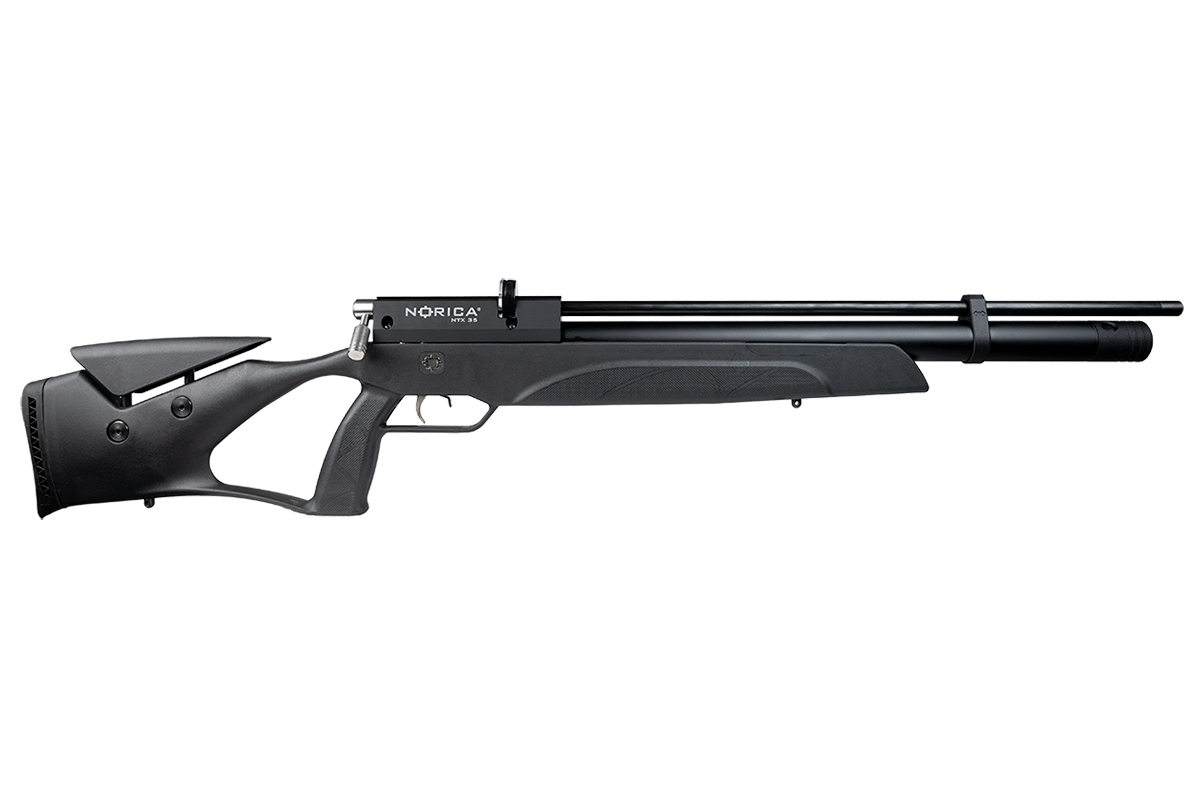
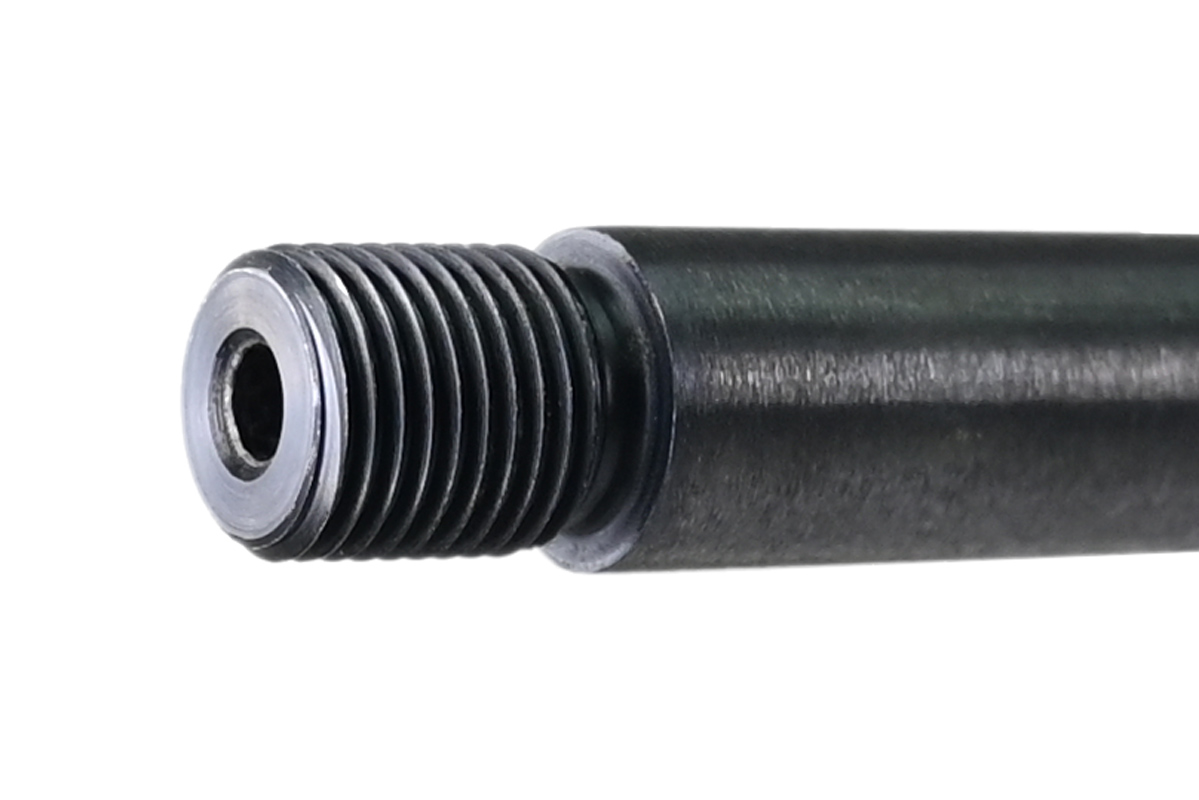
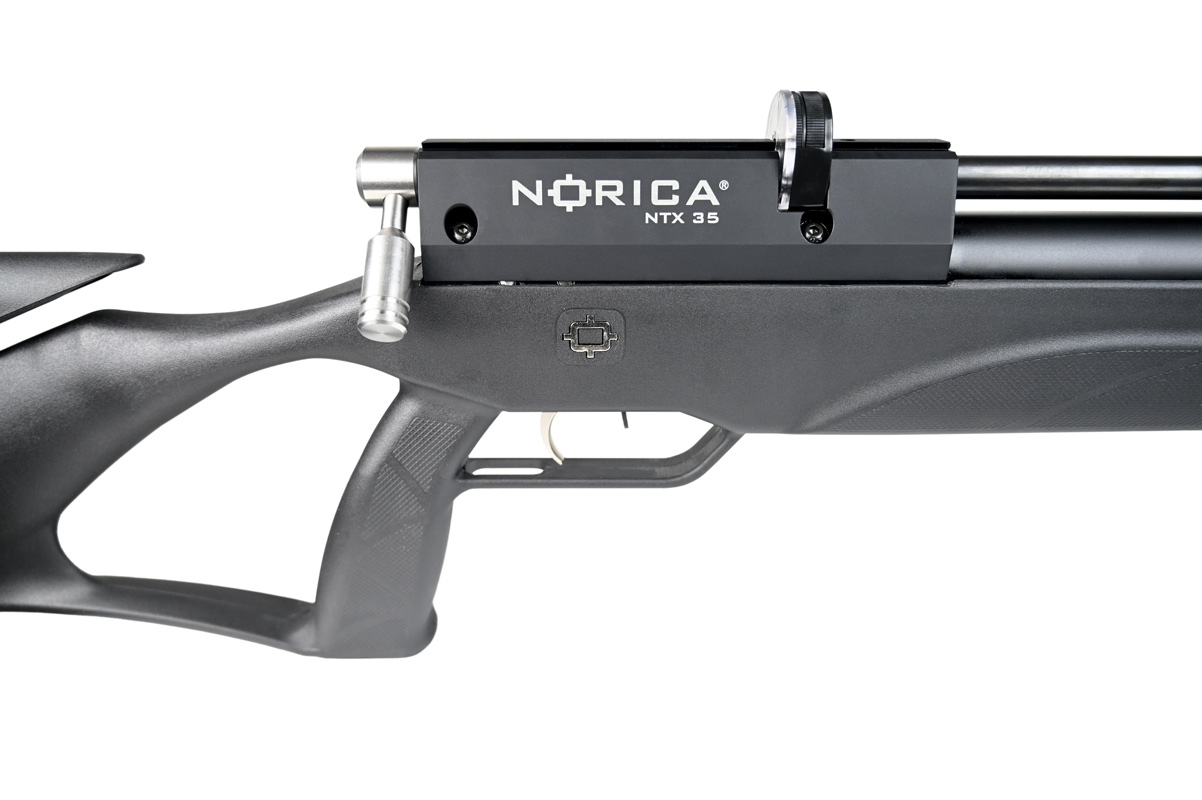
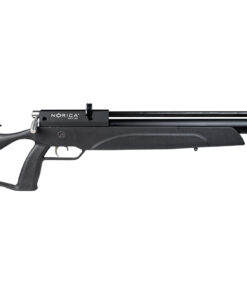
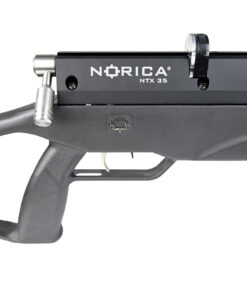
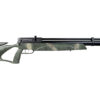
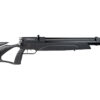
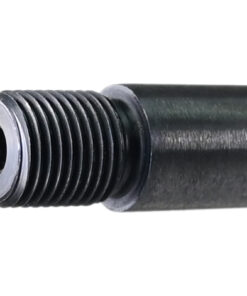
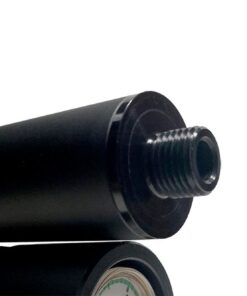
The Norica NTX 35 is a airgun designed to offer exceptional performance in sport shooting, with a pressure-regulated system that ensures greater accuracy and consistency in every shot. With a 600 mm barrel and 1/2 UNF thread for the installation of a sound suppressor, the NTX 35 ensures quiet operation.
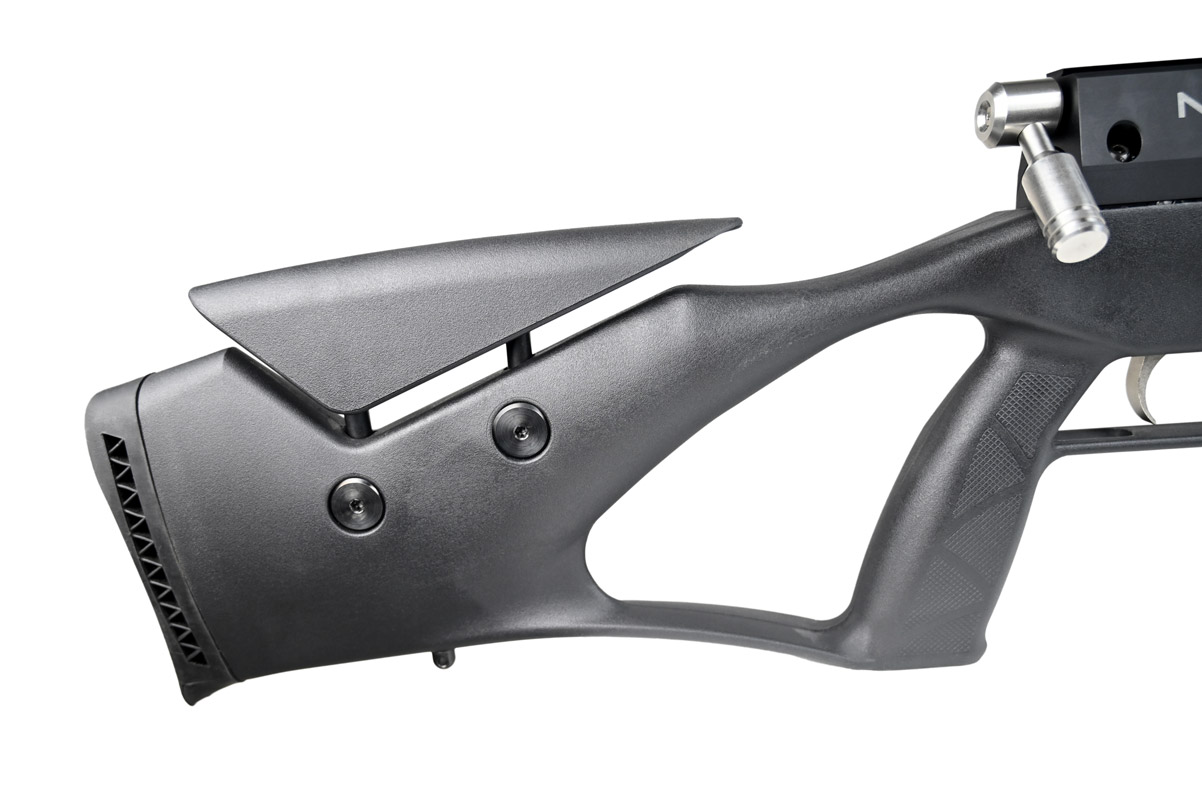
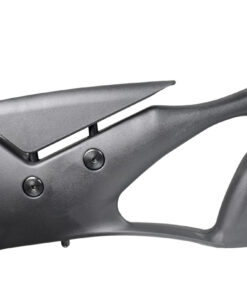
Its anti-shock, ambidextrous fibre stock with thumbhole design provides an ergonomic and comfortable grip for the shooter. The two-stroke adjustable trigger (200-400 grams) and the adjustable cheekpiece allow fine adjustment to the user’s preference. The 11mm rail is ideal for mounting optics, with a weight of 3.7 kg (8.16 lbs) and 70 shots per load, the NTX 35 is a perfect choice for those seeking precision and control with every shot.
* Our airguns comply with the legislation in each country where they are sold. The brand is not responsible for modifications made by users. Any modification will void the manufacturer’s warranty.
Specifications
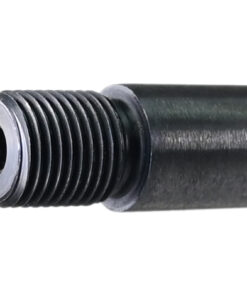
1/2 UNF barrel thread adaptor for sound supressor.
11 mm rail for optics.
2 stage adjustable trigger (200-400 gram).
Manual safety.
Sling swivel studs.
Anti-shock ambidextrous and thumbhole fiber stock.
Adjutable cheek piece.
Technical Data
| Reference | 111.17.400 | 111.17.401 | 111.17.402 |
| Caliber (mm (inch)) | 4,5 (.177) | 5,5 (.22) | 6,35 (.25) |
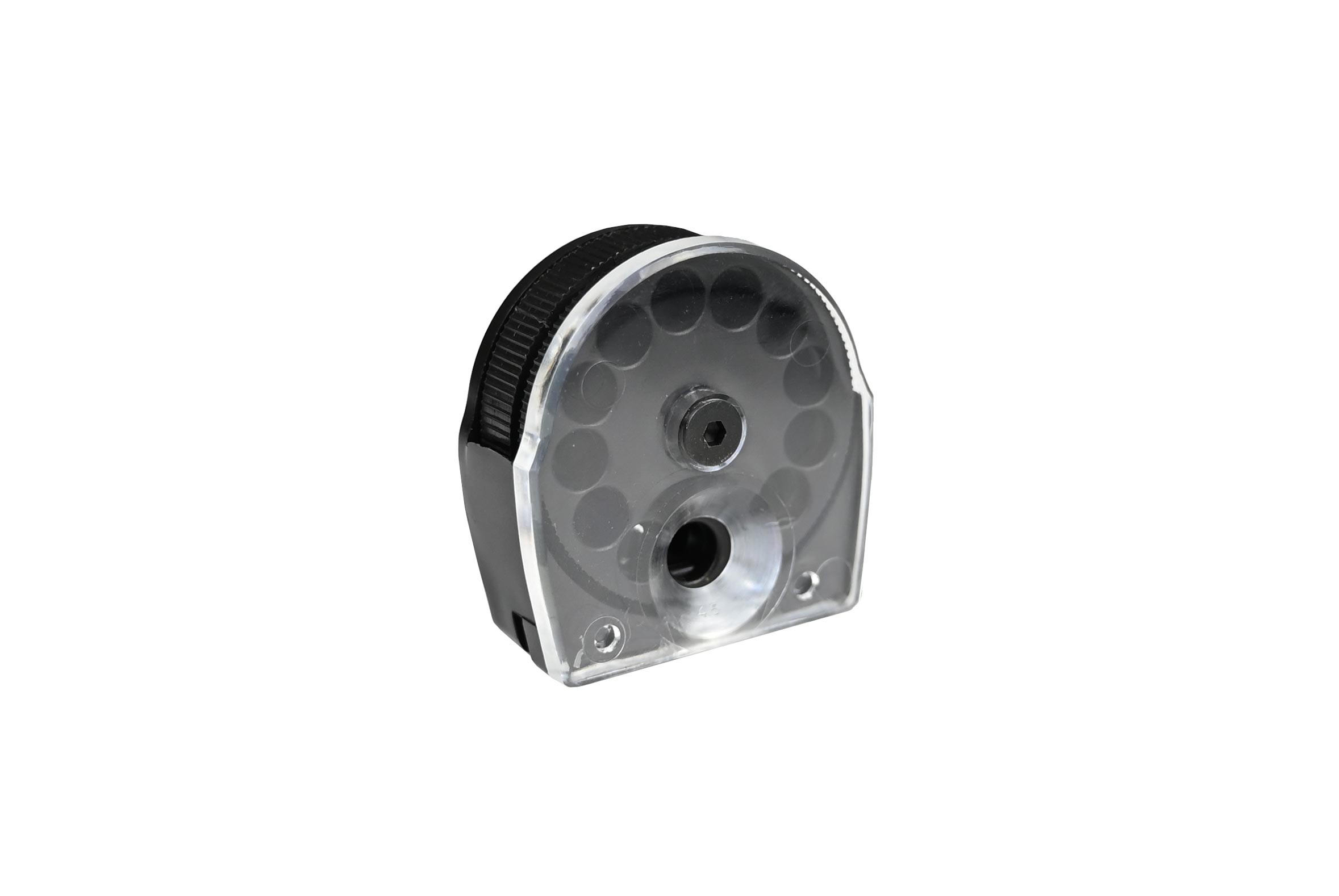
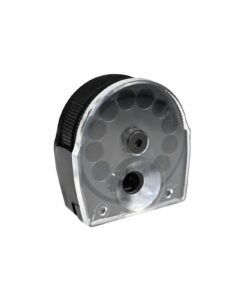
| Magazine | 12 | 10 | 8 |
| Energy (J) * | 30 | 45 | 60 |
| Max. All Pressure (Bar/PSI) | 250/3,620 | 250/3,620 | 250/3,620 |
| Air Tube Volume | 380 cc | 380 cc | 380 cc |
| Length (mm/inch) | 1070 / 42,12″ | 1070 / 42,12″ | 1070 / 42,12″ |
| Barrel length (mm/inch) | 600/ 23,6″ | 600/ 23,6″ | 600/ 23,6″ |
| Weight (Kg/lbs) | 3,7 / 8,16 | 3,7 / 8,16 | 3,7 / 8,16 |
| Shots Per Fill | 70 | 60 | 47 |
| Regulated | YES Working pressure 135 Bar/1959 PSI |
YES Working pressure 135 Bar/1959 PSI |
YES Working pressure 135 Bar/1959 PSI |
*Energy stated is the maximum possible. Energy will be modified according to the laws of each country. We reserve the right to alter the specifications without further notice.
Norica NTX 35 PCP Air Rifle – Regulated Precision, 380cc Air Capacity and Multi-Caliber Performance
The NTX 35 is a regulated pre-charged pneumatic rifle designed around consistency, controlled air delivery and practical sport-shooting performance. Unlike an unregulated pneumatic platform, its internal regulator manages the air supplied to the firing valve, helping produce more uniform pressure from shot to shot throughout the useful portion of the fill.
Current Norica specifications confirm three caliber choices: 4.5mm / .177, 5.5mm / .22 and 6.35mm / .25. Maximum listed energy is approximately 30J, 45J and 60J respectively. All three versions use a 380cc reservoir, accept a maximum fill pressure of 250 bar / 3,620 psi, and operate with a regulator working pressure of approximately 135 bar / 1,959 psi.
Why Choose the NTX 35?
The main reason to choose this rifle is consistency.
A regulator reduces the influence of changing reservoir pressure on each firing cycle. Consequently, the system can deliver a more stable supply of air as the reservoir gradually empties.
Norica specifically positions the rifle for sport shooting and emphasizes greater accuracy and consistency from its pressure-regulated system. Therefore, shooters who value predictable groups, repeatable point of impact and efficient multi-shot operation have a strong reason to consider it.
Regulated 135-Bar Operating System
The internal regulator operates at approximately 135 bar across all three calibers.
This is one of the most important differences between this rifle and an unregulated pneumatic design.
Instead of allowing reservoir pressure to influence valve behavior directly throughout the entire fill, the regulator creates a controlled working-pressure chamber.
As a result, shot-to-shot consistency can be improved within the system’s intended operating range.
Precision and Accuracy
Accuracy potential comes from several engineering features working together.
A regulated air supply, long barrel, predictable trigger, stable stock and adjustable cheek support all contribute to repeatable shooting.
Norica also identifies its Truechoke barrel technology in current catalogue material for this platform. The design uses a precision-stabilized choke concept intended to support consistent projectile exit.
Nevertheless, actual precision still depends on ammunition compatibility, sight setup, wind and shooter technique.
600mm Barrel
The barrel measures approximately 600mm / 23.6 inches.
This substantial length provides a controlled internal path for the pellet before muzzle exit.
The muzzle also incorporates a 1/2 UNF threaded interface for compatible sound-management equipment where legally permitted.
Norica .177 Air Rifle
The Norica .177 air rifle configuration uses a 4.5mm bore.
It carries a factory maximum energy rating of approximately 30 joules, uses a 12-shot magazine, and provides approximately 70 shots per fill under Norica’s listed test configuration.
This smaller caliber can be attractive for precision-oriented recreational target shooting because many pellet weights and profiles are available.
Norica 4.5mm Air Rifle
Buyers searching for a Norica 4.5mm air rifle can consider this version when they want regulated pneumatic operation rather than a conventional mechanical powerplant.
The combination of a 12-round magazine, regulated air delivery and large reservoir makes the configuration particularly suitable for extended controlled target sessions.
Norica .22 Air Rifle
The Norica .22 air rifle configuration uses a 5.5mm bore.
Norica lists approximately 45 joules maximum energy, a 10-shot magazine, and approximately 60 shots per fill.
This middle caliber provides a useful balance between energy and reservoir endurance.
Norica 5.5mm Air Rifle
The Norica 5.5mm air rifle version can appeal to shooters who want heavier ammunition while maintaining a strong practical shot count.
Because pellet designs differ considerably, controlled testing should be used to determine which compatible ammunition produces the most consistent groups.
.25 / 6.35mm Performance
The largest caliber produces up to approximately 60 joules, uses an 8-shot magazine, and is listed at approximately 47 shots per fill.
Higher-energy operation naturally consumes more stored air per shot.
Therefore, its lower shot count compared with the smaller calibers is expected.
380cc Reservoir
A 380cc air reservoir is fitted across all configurations.
This provides substantial onboard capacity while keeping overall rifle weight at approximately 3.7kg / 8.16lb.
Maximum filling pressure is 250 bar / 3,620 psi.
The combination of large reservoir volume and regulated operation is central to the rifle’s practical appeal.
Shot Capacity
Factory-listed endurance is approximately:
- 70 shots in 4.5mm
- 60 shots in 5.5mm
- 47 shots in 6.35mm
Actual results can vary with market power settings, temperature, ammunition and individual rifle behavior.
Two-Stage Adjustable Trigger
A two-stage adjustable trigger is included.
Norica specifies an adjustment range of approximately 200–400 grams.
A predictable trigger release is valuable for precision because unwanted finger movement can disturb alignment immediately before the shot.
Adjustment should always remain within safe manufacturer limits.
Adjustable Cheekpiece
The adjustable cheekpiece helps the shooter create a repeatable head position.
This becomes especially important when optics of different heights are installed.
Correct cheek support allows the eye to align more naturally with the sight picture.
Consequently, comfort and consistency can both be improved.
Norica Synthetic Stock
The Norica synthetic stock configuration used here is described as an anti-shock fiber stock with an ambidextrous thumbhole design.
The synthetic construction provides practical resistance to normal weather exposure while reducing the maintenance associated with traditional wood.
Its ambidextrous geometry also supports both right- and left-handed shooting.
11mm Optics Rail
An 11mm rail is provided for optics.
Suitable Norica scope mounts can therefore be selected according to the optic diameter and preferred sight height.
Because the stock includes adjustable cheek support, the optic and head position can be configured together for improved comfort.
Manual Safety
A manual safety is included among the factory specifications.
The shooter controls when the safety is engaged or disengaged.
However, mechanical safety systems should always supplement correct muzzle direction and trigger discipline.
Norica Air Rifle
The phrase Norica air rifle covers a wide range of designs.
This model belongs specifically to the regulated pneumatic category.
Therefore, it offers a fundamentally different firing cycle from mechanically powered products.
Norica Springer Rifle
A Norica springer rifle normally relies on mechanical spring energy.
That description does not accurately define this model.
Here, compressed air is stored inside an onboard reservoir and delivered through a regulated pneumatic system.
Norica Break Barrel Rifle
Likewise, a Norica break barrel rifle uses barrel movement during the cocking process.
This rifle does not operate that way.
Instead, it uses a multi-shot pneumatic action and detachable magazine.
Buyers should understand this distinction because pneumatic ownership requires compatible high-pressure filling equipment.
Norica Quick
The Norica Quick is a separate model family.
Searches for Norica Quick review, Norica Quick accuracy review and Norica Quick 500 concern different products and should not be used as specifications for this rifle.
Norica Marvic
The Norica Marvic belongs to another part of the manufacturer’s range.
Comparisons should focus on powerplant type, trigger, stock, caliber, filling requirements and overall shooting experience rather than model name alone.
Norica Titan
The Norica Titan is another separate product.
Therefore, Norica Titan power output should not be confused with the energy figures listed here.
This rifle’s confirmed maximum outputs are 30J, 45J and 60J depending on caliber.
Norica Titan XS
The Norica Titan XS should also be treated independently.
Its specifications should not be transferred to a regulated pneumatic platform.
Norica Ox
The Norica Ox belongs to another product category within the wider catalogue.
Any comparison should consider exact mechanical design, caliber choices and power system.
Norica Black Hawk
The Norica Black Hawk is another commonly researched model.
However, its specifications are unrelated to the regulated pneumatic system described here.
Model-specific information should always be used when comparing products.
Norica vs Hatsan
The phrase Norica vs Hatsan represents common comparison intent.
A useful comparison should consider reservoir capacity, regulator performance, trigger adjustment, barrel design, magazine capacity, stock ergonomics, warranty, weight and price.
For this platform, regulated operation and a 380cc reservoir are particularly important advantages to examine.
Best Norica Air Rifle
The Best Norica air rifle depends on the buyer’s priorities.
For shooters prioritizing regulated PCP operation, multiple calibers, a large reservoir and adjustable ergonomics, this model is one of the more technically capable choices in the current range.
Buy Norica Air Rifle
Searches for Buy Norica air rifle and Norica air rifle for sale represent direct buyer intent.
Norica currently lists the NTX 35 at approximately €400 in its official catalogue, although availability and regional pricing can change.
Before purchasing, buyers should verify caliber, local power limits, warranty, filling requirements and included accessories.
Norica Air Rifle Moderator
The term Norica air rifle moderator is relevant because a 1/2 UNF muzzle interface is included.
Compatible accessories should only be used where legal.
A sound suppressor should not automatically be assumed to be included with the rifle.
Norica Pellets
Suitable Norica pellets or other quality ammunition can significantly influence precision.
Different barrels may prefer different pellet weights and dimensions.
Therefore, controlled group testing provides better information than simply selecting the fastest or heaviest option.
Important Technical Specifications
- Calibers: .177 / 4.5mm, .22 / 5.5mm and .25 / 6.35mm
- Maximum energy: 30J, 45J and 60J
- Magazine capacity: 12, 10 and 8 rounds
- Maximum fill pressure: 250 bar / 3,620 psi
- Regulated working pressure: 135 bar / 1,959 psi
- Reservoir: 380cc
- Approximate shot count: 70, 60 and 47
- Barrel: 600mm / 23.6 inches
- Overall length: 1070mm / 42.12 inches
- Weight: 3.7kg / 8.16lb
- Adjustable two-stage trigger: 200–400g
- Adjustable cheekpiece
- 11mm optics rail
- 1/2 UNF muzzle thread
- Manual safety
- Sling swivel studs
- Ambidextrous thumbhole fiber stock
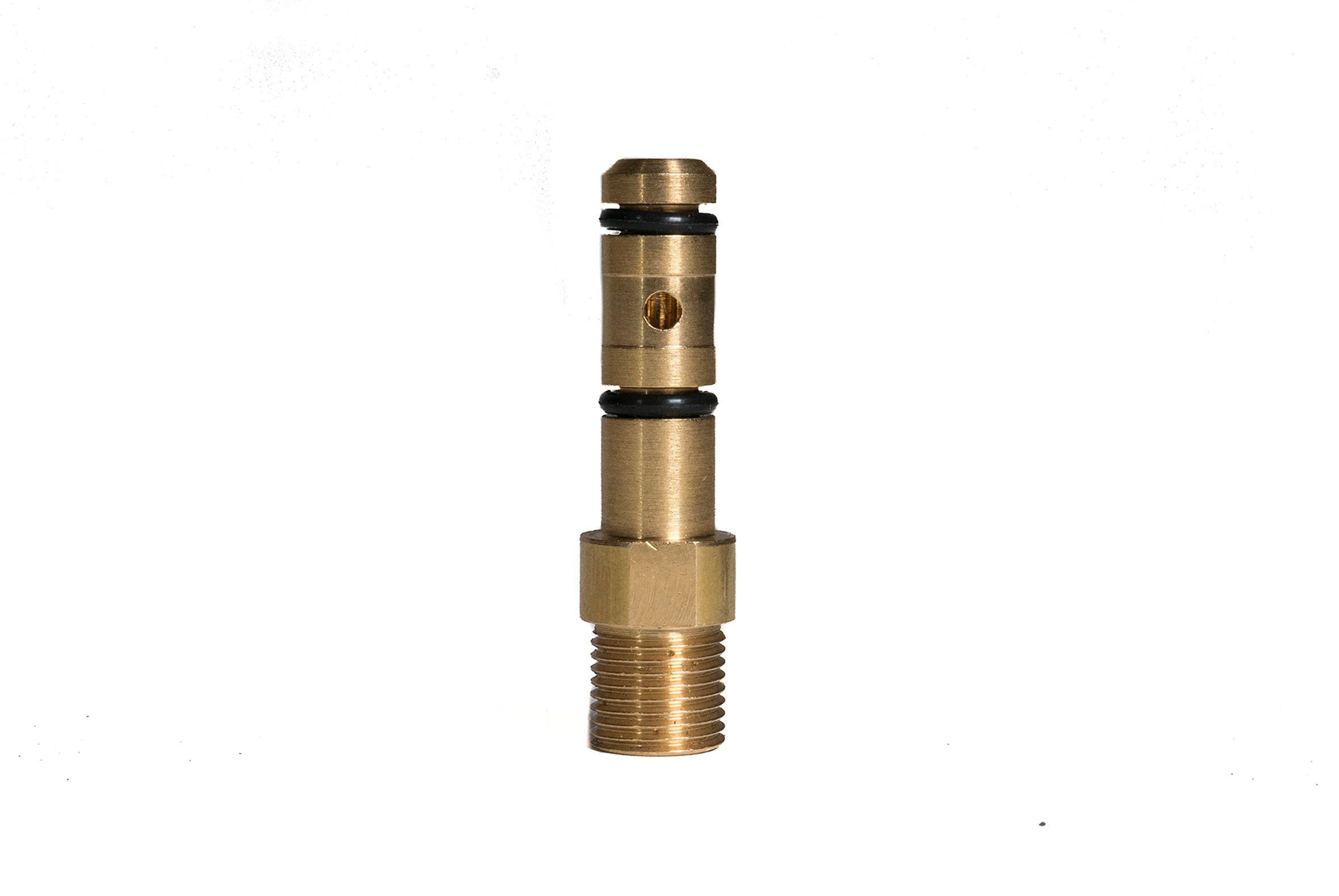
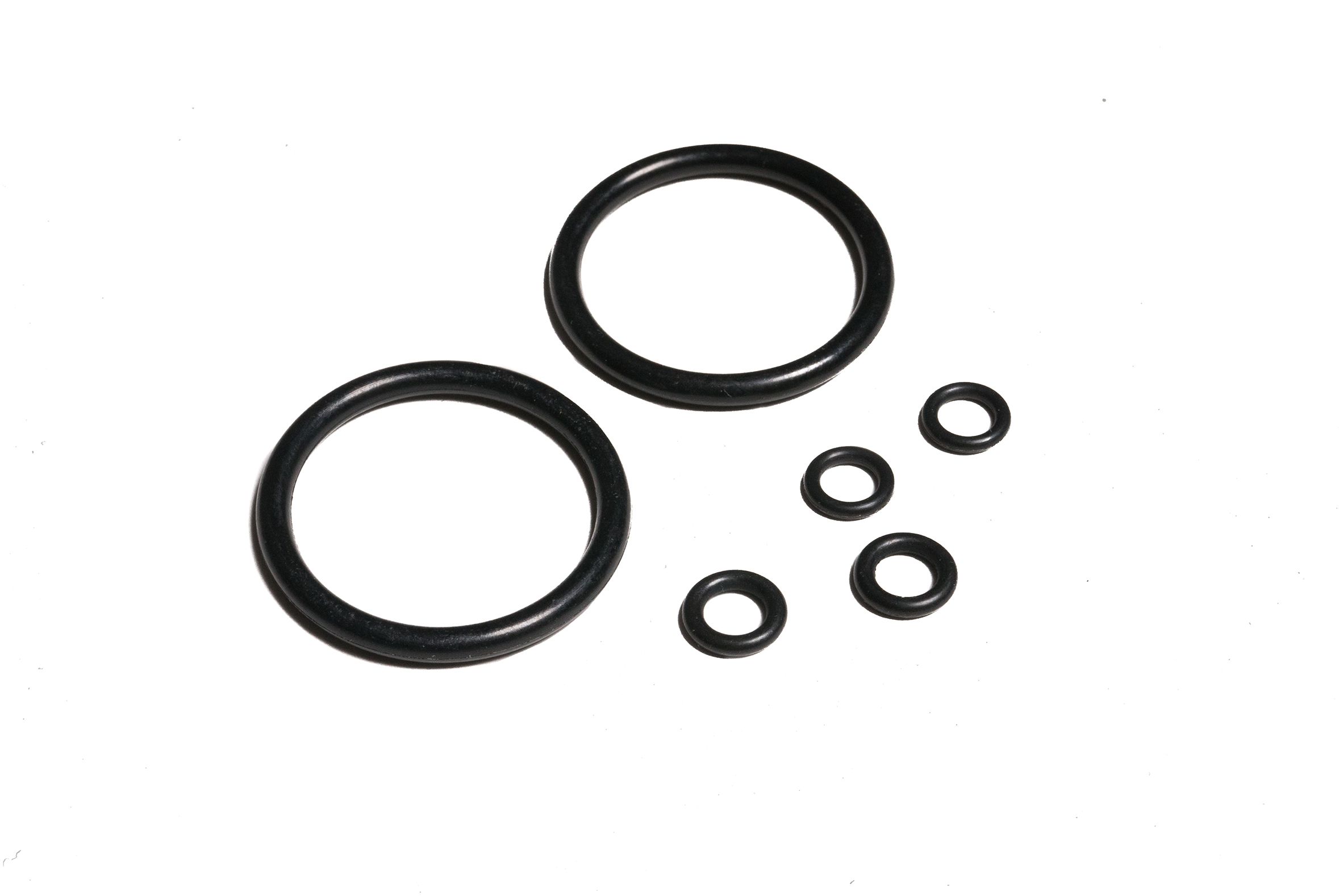
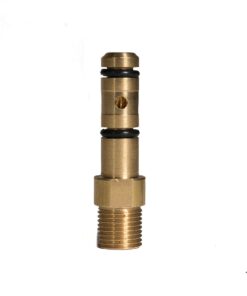
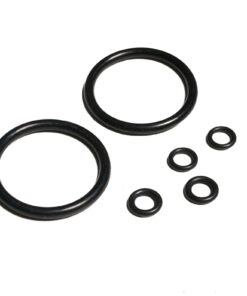
- Automatic magazine, Foster adaptor and O-ring kit included
Why the NTX 35 Offers Strong Practical Value
The NTX 35 combines a regulated pneumatic system, substantial 380cc air capacity, three caliber choices, multi-shot operation and precision-focused ergonomics in a 3.7kg platform.
Most importantly, regulation provides a controlled 135-bar working pressure that differentiates it from simpler unregulated designs.
Therefore, for lawful sport and recreational target shooting, the NTX 35 offers an attractive combination of shot consistency, adjustable ergonomics, reservoir capacity, precision potential and practical multi-shot performance.
Accuracy, Regulated Air Management, Trigger Control, Handling, and Practical Shooting Performance
Developing Consistent Accuracy
Consistent accuracy depends on controlling the same variables from one shot to the next.
A regulated pre-charged pneumatic platform provides a smooth firing cycle and helps keep air delivery more uniform as reservoir pressure falls. However, the shooter still needs to maintain consistent cheek placement, shoulder contact, trigger movement, sight alignment, and ammunition choice.
Mechanical consistency and shooter technique work together.
Therefore, the most effective approach is to develop a repeatable routine and change only one setup variable at a time.
Understanding Regulated Air Delivery
A regulator creates a controlled working-pressure chamber between the reservoir and the firing valve.
Instead of allowing full reservoir pressure to influence each shot directly, the system meters air at a more consistent pressure.
This can improve shot-to-shot uniformity during the useful portion of the fill.
As a result, changes in point of impact are less likely to be caused by large pressure variations when the rifle is operating within its intended pressure range.
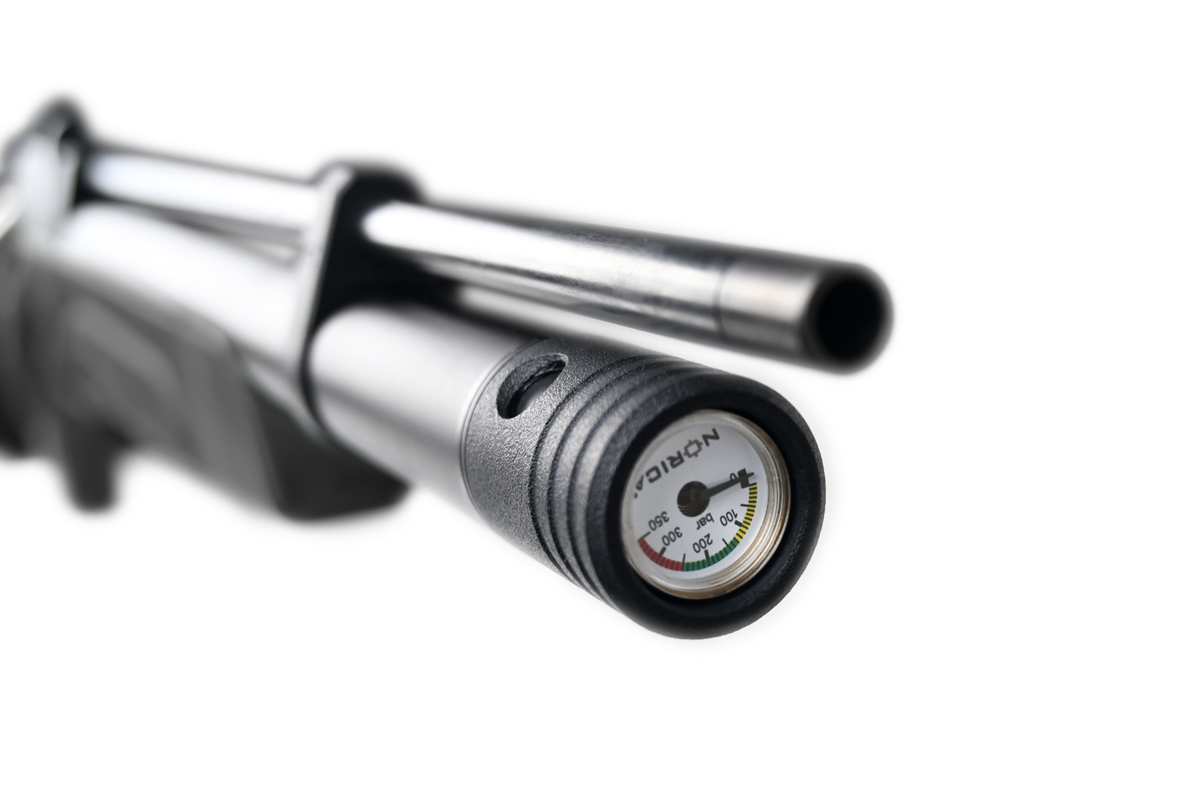
Monitoring Reservoir Pressure
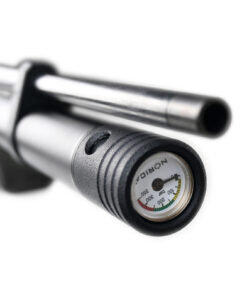
The pressure gauge should be checked before, during, and after shooting.
The reservoir should never be filled beyond the manufacturer’s specified maximum.
Likewise, pressure should not be allowed to fall so low that the regulator can no longer maintain its intended working pressure.
Once pressure drops below the regulator threshold, shot behavior may begin to change.
Understanding this relationship helps the shooter plan sessions more effectively.
Filling Technique
The reservoir should be filled with clean, dry compressed air using compatible equipment.
The filling port and adaptor should be kept free from dust, grit, and moisture.
Pressure should be increased gradually while the gauge is monitored.
A controlled filling process reduces unnecessary heat buildup and helps protect seals.
Once the desired pressure is reached, the filling equipment should be disconnected according to its safe operating procedure.
Air Quality
Clean, dry air is essential for long-term reliability.
Moisture introduced into a compressed-air system can contribute to internal corrosion.
For this reason, properly maintained pumps, cylinders, compressors, and filtration systems should be used.
Unknown gas sources should be avoided.
Correct air quality protects internal metal surfaces, valves, seals, and regulator components.
Understanding Shot Count
Shot count depends on caliber, energy setting, reservoir volume, and environmental conditions.
Smaller calibers generally consume less air per shot, while larger configurations use more.
A regulated system helps maintain consistent delivery, but it cannot create unlimited endurance.
The shooter should therefore plan sessions according to realistic air consumption.
Monitoring the gauge helps prevent performance changes caused by low pressure.
Magazine Loading
The magazine should be loaded carefully.
Each pellet should enter its chamber without being crushed or distorted.
The skirt is especially important because damage can affect sealing and accuracy.
The magazine should rotate smoothly.
If unusual resistance is felt, it should be removed and inspected rather than forced.
A clean and correctly loaded magazine supports reliable feeding.
Pellet Inspection
Pellets should be checked before loading.
Bent skirts, damaged heads, or contamination can reduce consistency.
A quick visual inspection is usually enough.
Obviously damaged ammunition should be removed from testing.
This helps prevent poor pellet quality from being mistaken for a mechanical issue.
Ammunition Selection
Different barrels can prefer different pellet weights, profiles, and head sizes.
Several suitable options should therefore be compared.
Each type should be tested under similar conditions.
Distance, sight settings, support position, reservoir pressure, and shooting technique should remain as consistent as possible.
Changing one variable at a time produces more reliable information.
Trigger-Finger Position
The trigger finger should contact the blade naturally.
Too much finger can pull the rifle sideways.
Too little contact can make the movement awkward.
The finger should move independently from the rest of the hand.
This helps prevent grip pressure from changing immediately before the shot.
Two-Stage Trigger Control
A two-stage trigger allows the shooter to approach the release point progressively.
The first stage can be taken up smoothly.
The second stage should then be pressed with controlled pressure.
Once the release becomes predictable, more attention can remain on sight alignment and breathing.
A sudden trigger movement can still disturb the rifle even when recoil is minimal.
Adjusting Trigger Feel
Trigger adjustment should remain conservative and safe.
The goal should be predictable operation rather than the lightest possible setting.
An excessively light trigger may reduce safety and consistency.
Once a comfortable configuration has been established, unnecessary adjustment should be avoided.
Any changes should be tested carefully before regular use.
Shoulder Contact
The butt should sit securely against the shoulder.
Because pneumatic recoil is relatively mild, excessive rearward pressure is unnecessary.
A relaxed but stable position generally works well.
The same contact point should be repeated for each shot.
Consistency remains more important than force.
Cheek Placement
Cheek position determines how naturally the eye aligns with the optic.
The shooter should allow the head to settle into the same position each time.
If the eye repeatedly appears above or below the sight line, cheek height may need refinement.
A comfortable head position helps reduce fatigue and supports repeatable alignment.
Adjustable Cheek Support
An adjustable cheek support allows the sight line and head position to be matched more closely.
The ideal height should provide a full sight picture without stretching the neck.
If the support sits too low, the shooter may lift the head.
If it sits too high, alignment can become uncomfortable.
Once correctly positioned, it should remain stable throughout the session.
Supporting-Hand Placement
The supporting hand should balance the rifle naturally.
A position too far forward can increase arm fatigue.
A position too far rearward may make the front end feel unstable.
The most effective location depends on body size, stance, and shooting position.
Once a comfortable balance point is found, it should be repeated during accuracy testing.
Managing Overall Balance
Reservoir size, barrel length, optic weight, and stock design all affect balance.
A rifle can feel heavier or lighter than its actual weight depending on where that mass is concentrated.
The shooter should learn where the rifle naturally settles in the hands.
A balanced hold reduces unnecessary muscular effort and improves practical control.
Optic Setup
The optic should be positioned so the shooter obtains comfortable eye relief.
The scope should remain level and secure.
Mounting hardware should be checked periodically.
Even slight movement can change point of impact.
The optic and cheek support should work together rather than forcing the shooter into an unnatural posture.
Establishing Zero
Zero should be established using complete groups rather than individual shots.
Several carefully fired shots provide a better indication of average point of impact.
Small corrections can then be made.
The process should be repeated until the group center matches the intended point of aim.
Once zero is stable, unnecessary adjustments should be avoided.
Supported Accuracy Testing
A stable rest can help reveal the mechanical potential of the setup.
The rifle should be supported securely without being clamped excessively.
The same contact points should be used throughout the test.
This reduces variation caused by body movement.
Supported testing is especially useful when comparing ammunition or confirming sight settings.
Standing Practice
Standing shooting requires balance and muscular control.
The shooter should avoid trying to hold completely still.
Instead, natural movement should be controlled within a small predictable area.
Short practice strings are usually more productive than prolonged unsupported shooting because fatigue can quickly affect accuracy.
Kneeling and Seated Positions
Kneeling and seated positions provide additional stability without requiring a bench.
The same shoulder contact, cheek placement, and trigger control should still be maintained.
These positions are useful after the basic setup has been confirmed.
They help develop practical consistency while reducing the muscular demands of standing shooting.
Breathing Control
Breathing creates natural upper-body movement.
The shooter should avoid holding the breath for extended periods.
A brief pause after exhalation often provides a comfortable moment for firing.
If the shot does not feel correct, the shooter should reset rather than force the trigger release.
A relaxed breathing rhythm supports concentration.
Follow-Through
The shooter should remain behind the sights briefly after firing.
Cheek placement, shoulder contact, and trigger-hand position should remain stable.
Good follow-through helps preserve consistency and makes technique easier to evaluate.
It also reduces the tendency to lift the head early to look for the impact.
Managing Environmental Conditions
Wind can influence pellet trajectory significantly.
Temperature may affect both air pressure and external ballistics.
Changing light can alter how the target appears through an optic.
For this reason, a shift in point of impact should not automatically lead to mechanical adjustment.
Environmental conditions should first be considered.
Recognizing Fatigue
Fatigue affects grip, breathing, sight alignment, and trigger control.
The shooter may begin making small mistakes without noticing.
Regular breaks help restore concentration.
If groups begin opening up late in a session, fatigue should be considered before assuming there is an equipment problem.
Recording Performance
A simple shooting record can provide valuable information.
Useful details include starting pressure, ending pressure, pellet type, group size, distance, sight settings, weather, and shooting position.
Over time, these records can reveal the most consistent ammunition and operating conditions.
This reduces unnecessary experimentation.
Long-Term Practical Performance
Strong practical performance comes from combining regulated air delivery with disciplined technique.
Careful pressure management, suitable ammunition, smooth trigger control, comfortable ergonomics, secure optics, and consistent body position all contribute to predictable results.
When these factors are managed together, the rifle can deliver efficient air use, stable shot behavior, and dependable precision during lawful recreational and target-focused shooting.
Shooting Technique, Balance, Pressure Consistency, Accuracy Development, and Setup Refinement
Building a Repeatable Shooting Position
A repeatable shooting position is one of the strongest foundations for consistent accuracy.
The relationship between the shoulder, cheek, supporting hand, trigger hand, and sighting system should remain as similar as possible from one shot to the next.
Small changes in posture can alter alignment, balance, and point of impact.
Therefore, the shooter should build a natural position that does not require excessive muscular effort.
A comfortable setup also reduces fatigue and makes longer practice sessions easier to manage.
Shoulder Contact
The rear of the rifle should sit securely against the shoulder without being forced into position.
Too much pressure can create unnecessary tension through the upper body.
Too little contact may reduce stability.
A light and repeatable amount of pressure usually works best.
The shooter should avoid pulling the rifle harder into the shoulder immediately before the shot because that can change alignment.
Cheek Placement
Cheek position strongly influences eye alignment with the optic.
If the head moves to a different position for each shot, the sight picture can change.
The cheek should settle naturally onto the stock.
Excessive downward pressure is unnecessary.
A comfortable and repeatable head position helps the shooter return to the same visual alignment each time the rifle is mounted.
Refining Cheek Height
An adjustable cheek support can help the shooter create a more natural sighting position.
The correct height should allow the eye to align with the center of the optic without excessive neck movement.
If the support is too low, the shooter may lift the head.
If it is too high, the neck may be forced into an uncomfortable angle.
Once the position is correct, frequent adjustment should be avoided unless the optic setup changes.
Supporting-Hand Placement
The supporting hand should balance the rifle naturally.
Moving it too far forward can increase muscular effort.
Placing it too far rearward may make the front end feel unstable.
The ideal position depends on body size, stance, and the weight distribution of the setup.
Once a comfortable balance point is found, it should be repeated during accuracy testing.
Trigger-Hand Control
The trigger hand should remain secure but relaxed.
The shooter should avoid tightening the grip immediately before firing.
That movement can pull the rifle away from the intended line of aim.
The trigger finger should move independently from the rest of the hand.
Smooth hand control helps preserve alignment through the final part of the shot.
Two-Stage Trigger Technique
A two-stage trigger allows the shooter to approach the release point gradually.
The first stage should be taken up smoothly.
The second stage should then be pressed progressively while the sight picture is maintained.
The shooter should avoid suddenly increasing finger pressure.
A predictable release generally produces better results than an abrupt trigger pull.
Breathing Technique
Breathing creates natural movement through the upper body.
The shooter should avoid holding the breath for too long.
A brief pause after exhalation often provides a stable moment for firing.
If the shot does not feel correct, the shooter should reset rather than forcing the release.
Comfortable breathing improves concentration and supports a consistent rhythm.
Follow-Through
Follow-through should continue briefly after firing.
The shooter should maintain cheek placement, shoulder contact, and trigger-hand position rather than moving immediately.
This helps preserve consistency through the complete firing cycle.
It also makes technique easier to evaluate.
Lifting the head too early can make the cause of a poor shot harder to identify.
Understanding Regulated Pressure Behavior
A regulated pneumatic system is designed to provide a controlled quantity of air to the firing valve.
This helps maintain more uniform shot behavior while reservoir pressure remains above the regulator’s working level.
The shooter should still understand that the system has an effective operating range.
Once reservoir pressure falls too low, the regulator can no longer maintain the same output.
Performance may then begin to change.
Monitoring the Pressure Gauge
The pressure gauge should be checked periodically during the session.
This helps the shooter understand how many shots remain within the most useful pressure range.
The gauge also makes it easier to compare air consumption between different sessions.
A consistent approach to starting and ending pressure can improve the quality of accuracy testing.
Finding the Best Operating Window
Even with regulation, it is useful to identify the pressure range that produces the most repeatable performance.
This can be done by recording pressure before and after several groups.
If point of impact, firing sound, or group size starts changing near the lower end of the fill, that information can be used to define a practical refill point.
This approach is more useful than simply shooting until pressure becomes extremely low.
Magazine Loading
The magazine should be loaded carefully.
Each pellet should enter its chamber without being crushed or distorted.
Bent skirts and damaged heads can affect accuracy.
The magazine should rotate smoothly and should not require force.
If resistance is felt, it should be removed and inspected.
Forcing a feeding mechanism can damage both the magazine and ammunition.
Pellet Inspection
A quick visual inspection can remove obviously damaged pellets from testing.
Dirt, deformation, and crushed skirts can create inconsistent results.
When accuracy is being evaluated, using clean and undamaged ammunition reduces unnecessary variables.
This makes it easier to determine whether changes in performance come from technique, pressure, or pellet compatibility.
Ammunition Testing
Different barrels can prefer different pellet weights and profiles.
Several suitable options should therefore be compared under similar conditions.
Distance, sight settings, starting pressure, support method, and shooting technique should remain as consistent as possible.
Changing one variable at a time provides clearer information.
The smallest repeatable groups are more useful than isolated excellent shots.
Group Evaluation
A single impact does not provide enough information to judge consistency.
Several-shot groups give a better picture of actual performance.
The shooter should compare the center, shape, and overall size of each group.
Repeated patterns are more meaningful than individual impacts.
If several groups shift in the same direction, the cause should be investigated before sight adjustments are made.
Optic Alignment
The optic should remain level and secure.
Eye relief should allow a full sight picture without stretching the neck.
Mounting hardware should be checked periodically.
Even a small amount of movement can affect point of impact.
The optic and cheek support should work together to create a natural head position.
Refining Zero
Zero should be adjusted gradually.
A complete group should be fired before making any correction.
Adjusting after every individual shot can create confusion.
The center of the group provides a more reliable reference.
Small corrections followed by another group usually produce the most consistent setup.
Supported Accuracy Testing
A stable rest can help reveal the mechanical consistency of the rifle.
The support should steady the rifle without clamping it rigidly.
The same contact points should be used for each shot.
Supported testing is especially useful when comparing pellets, confirming zero, or checking pressure-related consistency.
Standing Practice
Standing shooting requires balance and muscular control.
The shooter should avoid trying to hold perfectly still.
Natural movement should instead be controlled within a small predictable area.
Short practice strings are usually more productive than very long unsupported sessions.
Fatigue can quickly affect trigger control and sight alignment.
Kneeling and Seated Positions
Kneeling and seated positions provide more stability than standing while still developing practical control.
The same shoulder contact, cheek placement, and trigger technique should be maintained.
These positions can be useful once the basic setup has been confirmed from a rest.
They also reduce muscular demand during longer practice sessions.
Managing Overall Balance
Barrel length, reservoir size, optic weight, and stock shape all influence balance.
The shooter should learn where the rifle naturally settles in the hands.
A well-balanced position reduces unnecessary effort and helps preserve consistency.
If the front end feels heavy, shorter practice strings may prevent fatigue from affecting accuracy.
Environmental Conditions
Wind can influence pellet trajectory significantly.
Temperature may affect both external ballistics and air-system behavior.
Changing light can alter how the target appears through an optic.
Therefore, a shift in point of impact should not automatically lead to mechanical adjustment.
Environmental conditions should first be considered.
Recognizing Fatigue
Fatigue affects breathing, grip, trigger control, and sight alignment.
The shooter may begin making small errors without noticing.
Regular breaks help restore concentration.
If groups become larger late in the session, fatigue should be considered before assuming there is a mechanical problem.
Keeping Shooting Records
A simple shooting record can improve long-term consistency.
Useful information includes starting pressure, ending pressure, pellet type, group size, distance, weather, and shooting position.
Over time, these records make it easier to identify the most reliable combination of pressure, ammunition, and technique.
Developing Long-Term Familiarity
Consistent performance improves as the shooter becomes familiar with the rifle’s balance, trigger feel, pressure behavior, magazine operation, and preferred ammunition.
That familiarity makes unusual behavior easier to recognize.
When air management, body position, sight setup, ammunition choice, and trigger control are handled consistently, the rifle becomes increasingly predictable and dependable for lawful recreational and precision-focused target shooting.
Be the first to review “NTX 35”
Related products
Norica Air Rifles
Norica Air Rifles
Norica Air Rifles
Norica Air Rifles
Norica Air Rifles
Norica Air Rifles
Norica Air Rifles
Reviews
There are no reviews yet.