
NTX 35 Commando
$280.00
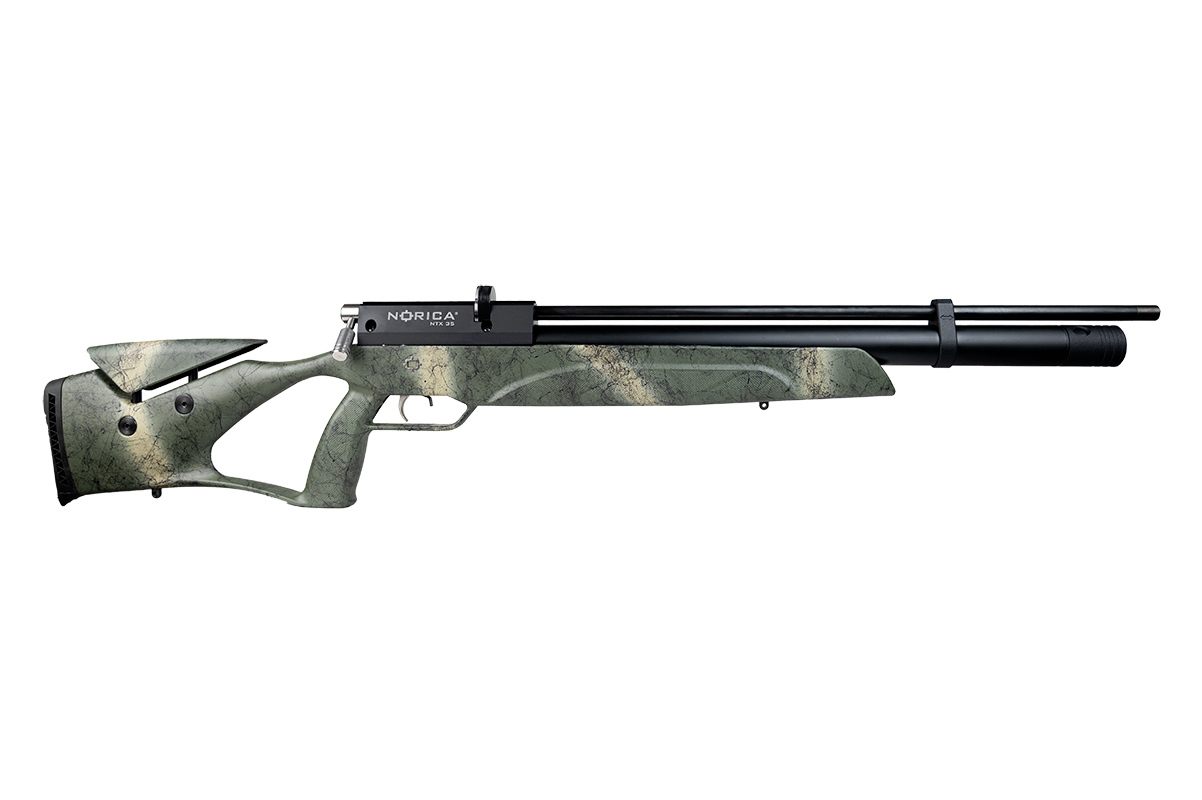
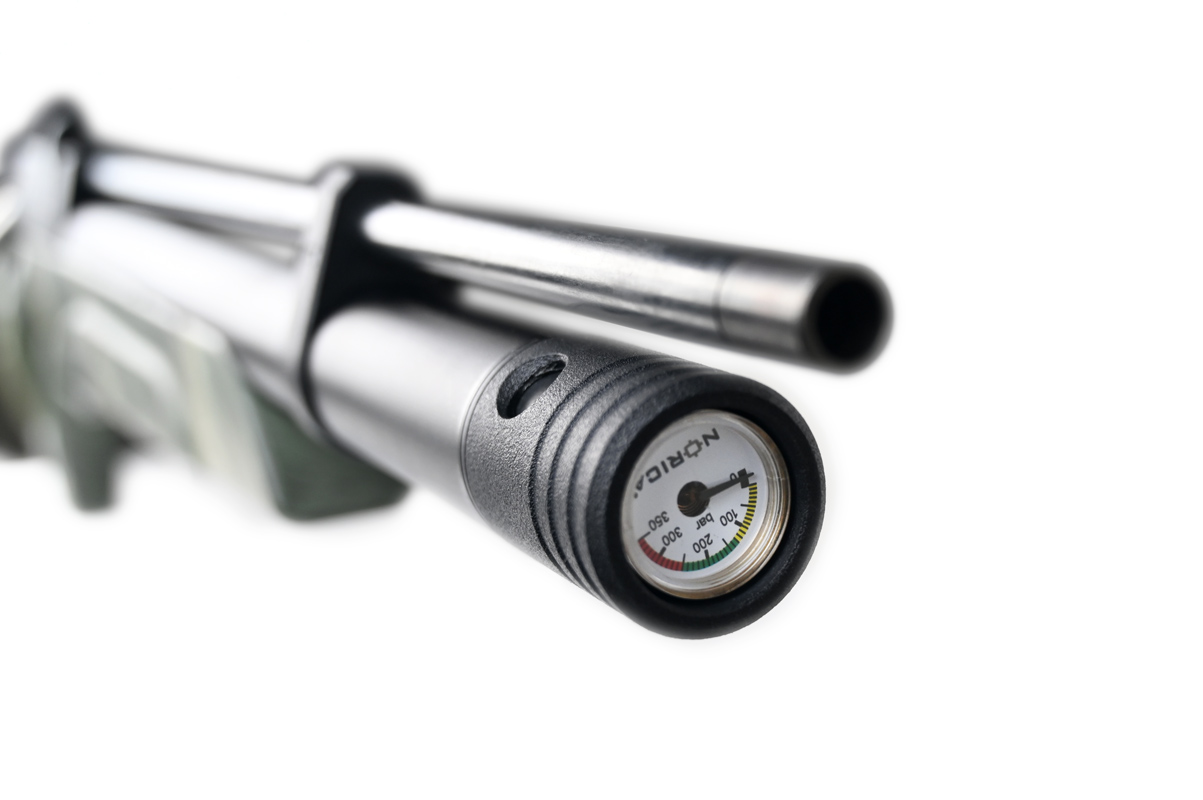
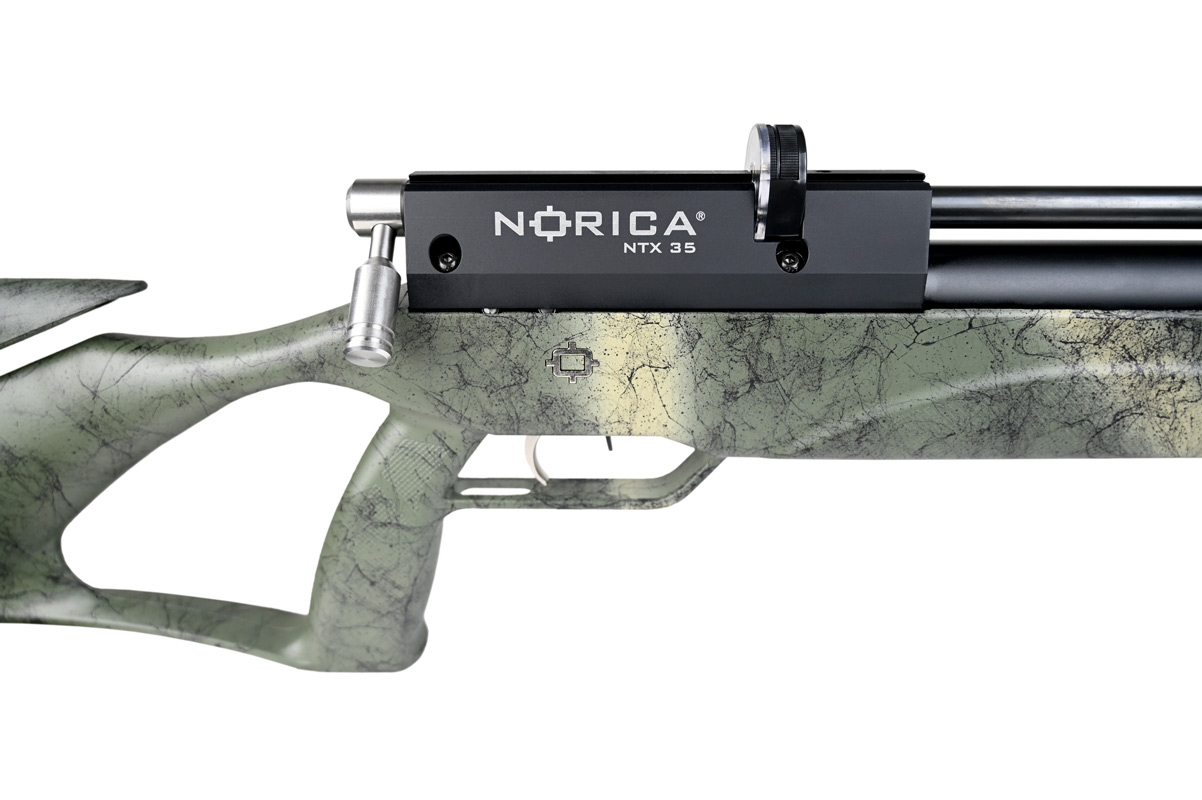
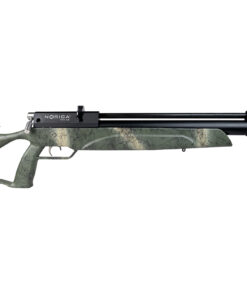
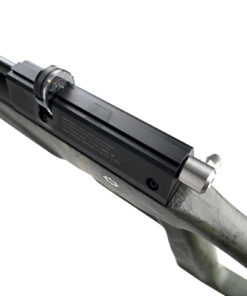
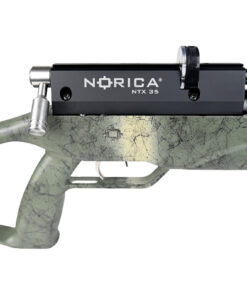
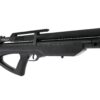
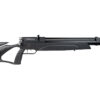
The Norica NTX 35 Commando is the ultimate evolution in sport shooting airguns, with a stunning camouflage finish that makes it a visually appealing and functional choice. Equipped with the Norica Truechoke barrel, a precision stabilised choke barrel with ½ UNF threaded tip, it ensures greater accuracy and versatility, especially for the use of sound suppressors. The NTX 35 Commando also integrates the new Norica EVO Adjustable Trigger System, which allows for trigger adjustment (200-400 grams). Its EVO air pressure regulator provides more precise regulation, achieving a constant rate of fire for greater accuracy on every shot. In addition, the anti-shock, ambidextrous fibre stock with thumbhole design, together with an adjustable cheek piece, ensures comfort and control.
* Our airguns comply with the legislation in each country where they are sold. The brand is not responsible for modifications made by users. Any modification will void the manufacturer’s warranty.
Specifications
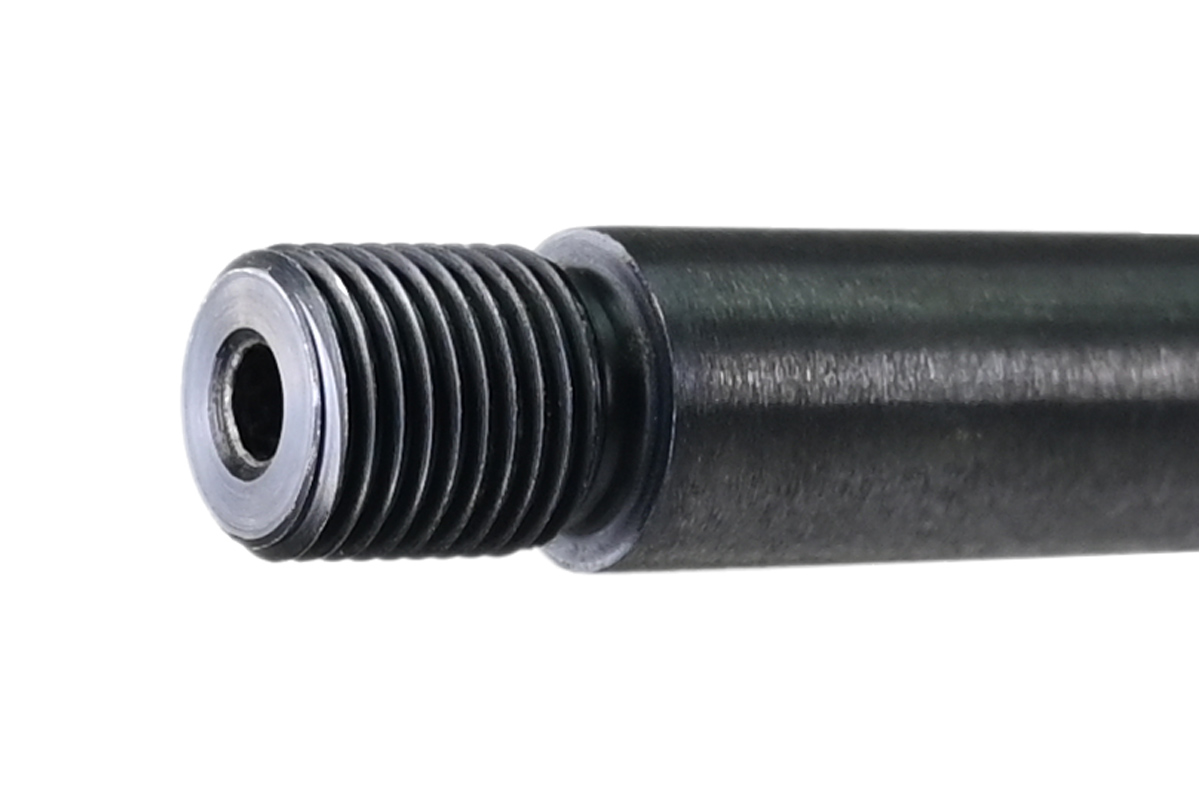
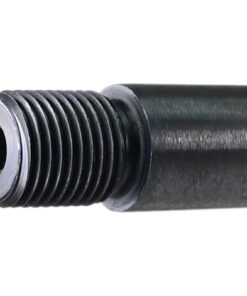
1/2 UNF barrel thread adaptor for sound supressor.
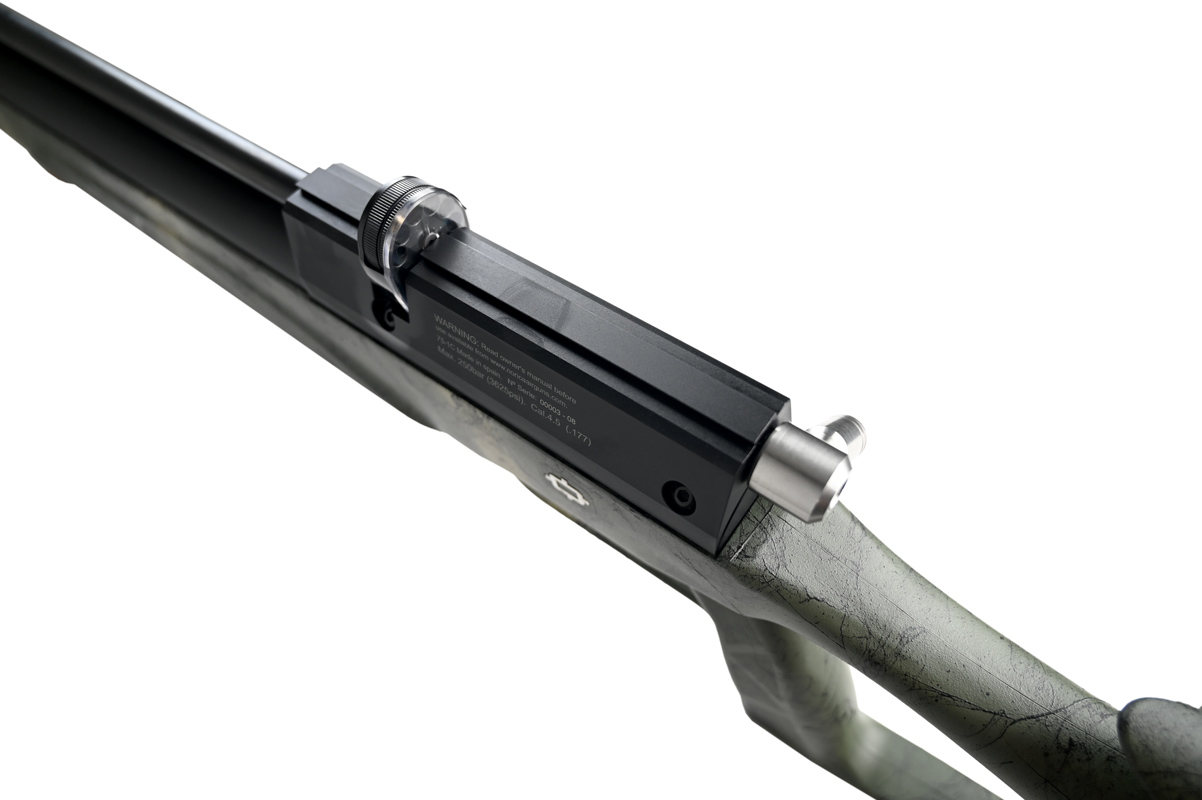
11 mm rail for optics.
2 stage adjustable trigger (200-400 gram).
Manual safety.
Sling swivel studs.
Anti-shock ambidextrous and thumbhole fiber stock.
Adjutable cheek piece.
Technical Data
| Reference | 111.17.500 | 111.17.501 | 111.17.502 |
| Caliber (mm (inch)) | 4,5 (.177) | 5,5 (.22) | 6,35 (.25) |
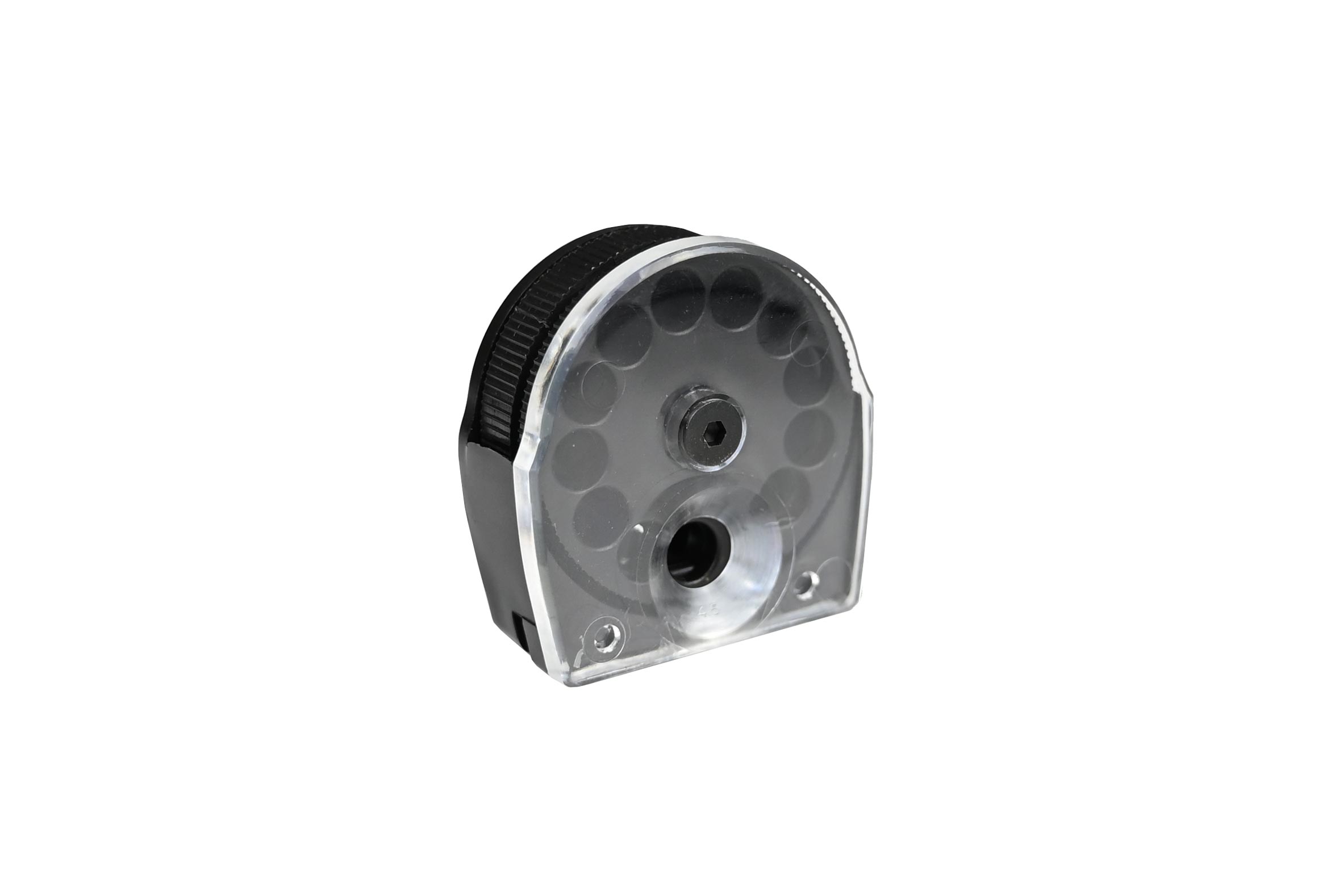
| Magazine | 12 | 10 | 8 |
| Energy (J) * | 30 | 45 | 60 |
| Max. All Pressure (Bar/PSI) | 250/3,620 | 250/3,620 | 250/3,620 |
| Air Tube Volume | 380 cc | 380 cc | 380 cc |
| Length (mm/inch) | 1070 / 42,12″ | 1070 / 42,12″ | 1070 / 42,12″ |
| Barrel length (mm/inch) | 600/ 23,6″ | 600/ 23,6″ | 600/ 23,6″ |
| Weight (Kg/lbs) | 3,7 / 8,16 | 3,7 / 8,16 | 3,7 / 8,16 |
| Shots Per Fill | 70 | 60 | 47 |
| Regulated | YES Working pressure 135 Bar/1959 PSI |
YES Working pressure 135 Bar/1959 PSI |
YES Working pressure 135 Bar/1959 PSI |
*Energy stated is the maximum possible. Energy will be modified according to the laws of each country. We reserve the right to alter the specifications without further notice.
Norica NTX 35 Commando PCP Air Rifle – Regulated Precision, Camouflage Styling and Multi-Caliber Performance
The NTX 35 Commando is a regulated pre-charged pneumatic air rifle designed for shooters who want stable air delivery, multi-shot capability, substantial reservoir capacity and distinctive camouflage styling in one precision-oriented platform.
Norica equips the rifle with its EVO pressure regulator, Truechoke barrel, adjustable two-stage trigger, ambidextrous anti-shock fiber stock, adjustable cheekpiece and 11mm optics rail. It is available in 4.5mm / .177, 5.5mm / .22 and 6.35mm / .25, with maximum listed energy levels of approximately 30J, 45J and 60J respectively.
Why Choose the NTX 35 Commando?
The strongest reason to choose this platform is its combination of regulated pneumatic operation and practical shooting ergonomics.
A regulator controls the pressure delivered from the main reservoir to the firing valve. Consequently, shot behavior can remain more consistent while reservoir pressure stays above the regulator’s operating threshold.
Norica specifically describes its EVO regulator as providing more precise regulation and a more constant firing velocity, which supports repeatable accuracy.
The Commando version also adds a camouflage finish, creating a visually distinctive alternative to the standard configuration.
EVO Regulated Air System
The rifle operates with a regulator working pressure of approximately 135 bar / 1,959 psi.
Meanwhile, maximum reservoir pressure is listed at 250 bar / 3,620 psi.
This means the main air tube stores air at considerably higher pressure than the firing system uses directly.
As a result, the regulator can meter a controlled supply of air across the useful portion of the fill.
That regulated design is especially important for shooters who value predictable shot-to-shot behavior.
380cc Air Reservoir
A 380cc air cylinder is fitted across all three caliber versions.
This substantial capacity supports factory-listed shot counts of approximately:
- 70 shots in .177
- 60 shots in .22
- 47 shots in .25
Higher-energy calibers consume more air, which explains why the larger configurations provide fewer shots from the same reservoir volume.
Norica .177 Air Rifle
The Norica .177 air rifle version uses a 4.5mm bore, a 12-shot magazine and a maximum listed energy of approximately 30 joules.
This configuration provides the highest factory-listed shot count of the three versions.
For recreational target shooting, .177 ammunition can also offer a broad range of pellet weights and profiles.
Norica 4.5mm Air Rifle
The Norica 4.5mm air rifle version can appeal to shooters who value ammunition availability, flatter trajectory characteristics and high reservoir endurance.
Because the platform is regulated, its pneumatic system is designed to deliver more stable pressure than a simple unregulated configuration.
Norica .22 Air Rifle
The Norica .22 air rifle version uses a 5.5mm bore.
Norica lists a 10-shot magazine, approximately 45 joules maximum energy, and around 60 shots per fill.
This middle caliber offers a balance between reservoir endurance and increased projectile mass.
Norica 5.5mm Air Rifle
The Norica 5.5mm air rifle configuration can suit shooters who want heavier ammunition while still maintaining a substantial practical shot count.
However, pellet weight and barrel compatibility should be tested rather than selected purely according to caliber.
.25 / 6.35mm Configuration
The largest caliber uses an 8-shot magazine and is rated at up to approximately 60 joules.
Its factory-listed endurance is approximately 47 shots per fill.
This higher-energy configuration naturally uses more stored air per shot.
Truechoke Precision Barrel
The Truechoke barrel is one of the defining engineering features.
Norica describes it as a precision-stabilized choke barrel intended to improve accuracy and projectile consistency.
The barrel measures approximately 600mm / 23.6 inches.
At the muzzle, a 1/2 UNF threaded interface is provided for compatible sound-management equipment where permitted by law.
Precision and Accuracy Potential
Practical precision depends on several components working together.
The regulated air supply helps stabilize pressure delivery.
Meanwhile, the long choke barrel supports consistent projectile exit.
In addition, the adjustable trigger, thumbhole stock and cheekpiece help the shooter develop a repeatable position.
Therefore, the platform has several mechanical features that support accurate recreational target shooting.
Actual group size still depends on pellet quality, optic setup, wind and shooter technique.
Adjustable Two-Stage Trigger
Norica equips the rifle with its EVO adjustable trigger system.
The factory lists an adjustment range of approximately 200 to 400 grams.
A predictable two-stage trigger allows the shooter to approach the release point progressively.
The objective should always be a safe, repeatable trigger feel rather than simply the lightest possible adjustment.
Norica Synthetic Stock
The Norica synthetic stock configuration uses an anti-shock fiber construction with an ambidextrous thumbhole layout.
The Commando version is especially distinctive because of its camouflage finish.
The stock also includes an adjustable cheekpiece, which can help the shooter establish more consistent alignment with an optic.
Adjustable Cheekpiece
Cheek height influences how naturally the shooter’s eye aligns with the sighting system.
An adjustable cheekpiece helps accommodate different scope heights and mounting setups.
When head position becomes easier to repeat, sight alignment can also become more consistent.
This makes the feature practically important rather than merely cosmetic.
11mm Optics Rail
The rifle includes an 11mm rail for optics.
Suitable Norica scope mounts can therefore be selected according to the optic diameter and desired sight height.
Mounting hardware should remain secure because even slight scope movement can alter point of impact.
Norica Air Rifle Moderator
The term Norica air rifle moderator is relevant because the barrel includes a 1/2 UNF muzzle interface.
However, compatibility should always be confirmed before installation.
In addition, sound suppressor laws vary considerably between jurisdictions.
The presence of a threaded muzzle should not be interpreted as meaning an accessory is automatically included.
Manual Safety
A manual safety is included as standard.
This allows the shooter to control when the safety is engaged.
Nevertheless, the mechanism should supplement proper handling rather than replace safe muzzle direction and trigger discipline.
Sling Swivel Studs
Sling swivel studs are also included.
These can improve practical carrying comfort during transport between shooting locations.
Any sling should be installed securely and checked periodically.
Norica Air Rifle
The phrase Norica air rifle covers multiple powerplant types across the manufacturer’s catalogue.
This model belongs specifically to the regulated pneumatic category.
Therefore, it should not be evaluated in the same way as traditional mechanically powered rifles.
Norica Springer Rifle
A Norica springer rifle relies on spring-driven internal energy rather than stored compressed air.
That operating method differs fundamentally from this platform.
The regulated pneumatic system provides a smoother firing cycle and requires compatible filling equipment.
Norica Break Barrel Rifle
A Norica break barrel rifle uses barrel movement as part of the cocking cycle.
This platform does not.
Instead, compressed air is stored in the onboard reservoir and shots are fed through detachable magazines.
Norica Quick
The Norica Quick is a separate model family.
Likewise, Norica Quick review, Norica Quick accuracy review and Norica Quick 500 refer to different products.
Those specifications should never be transferred to this rifle.
Norica Marvic
The Norica Marvic belongs to another part of the manufacturer’s range.
Comparisons should focus on powerplant type, stock design, trigger, weight and operating requirements.
Norica Titan and Norica Titan XS
The Norica Titan and Norica Titan XS are separate models.
Therefore, searches for Norica Titan power output should not be confused with the verified energy values of this platform.
The confirmed maximum ratings here are 30J, 45J and 60J depending on caliber.
Norica Ox
The Norica Ox is another distinct product.
Any comparison should consider the exact action, caliber, stock and powerplant rather than treating all products from the same manufacturer as mechanically similar.
Norica Black Hawk
The Norica Black Hawk is another commonly searched model.
Its specifications should be researched independently.
The regulated pneumatic architecture of this platform distinguishes it clearly from other product families.
Norica vs Hatsan
The phrase Norica vs Hatsan reflects common buyer-comparison intent.
A useful comparison should consider regulator performance, reservoir capacity, barrel quality, trigger adjustment, stock ergonomics, magazine capacity, weight, warranty and price.
The 135-bar regulated system and 380cc reservoir are particularly important points of comparison here.
Best Norica Air Rifle
The Best Norica air rifle depends on the shooter’s priorities.
For someone seeking a regulated pneumatic platform, three caliber options, substantial air capacity and camouflage styling, the Commando represents one of the more feature-rich configurations.
Buy Norica Air Rifle
Searches for Buy Norica air rifle and Norica air rifle for sale indicate strong purchase intent.
The manufacturer currently lists the Commando at approximately €420, although regional prices and availability can differ.
Before ordering, buyers should verify caliber, local power restrictions, warranty, included accessories and filling requirements.
Norica Pellets
Suitable Norica pellets or other quality ammunition can significantly affect practical accuracy.
Different barrels may prefer different head sizes, weights and profiles.
Therefore, controlled group testing is more useful than selecting ammunition solely by advertised speed.
Important Technical Specifications
- Calibers: .177 / 4.5mm, .22 / 5.5mm and .25 / 6.35mm
- Magazine capacities: 12, 10 and 8 rounds
- Maximum energy: 30J, 45J and 60J
- Maximum fill pressure: 250 bar / 3,620 psi
- Regulator working pressure: 135 bar / 1,959 psi
- Reservoir volume: 380cc
- Approximate shots per fill: 70, 60 and 47
- Overall length: 1070mm / 42.12 inches
- Barrel length: 600mm / 23.6 inches
- Weight: approximately 3.7kg / 8.16lb
- Truechoke barrel
- EVO regulator
- Two-stage adjustable trigger
- Trigger adjustment: approximately 200–400g
- Adjustable cheekpiece
- Ambidextrous thumbhole fiber stock
- Camouflage finish
- 11mm optics rail
- 1/2 UNF muzzle thread
- Manual safety
- Sling swivel studs
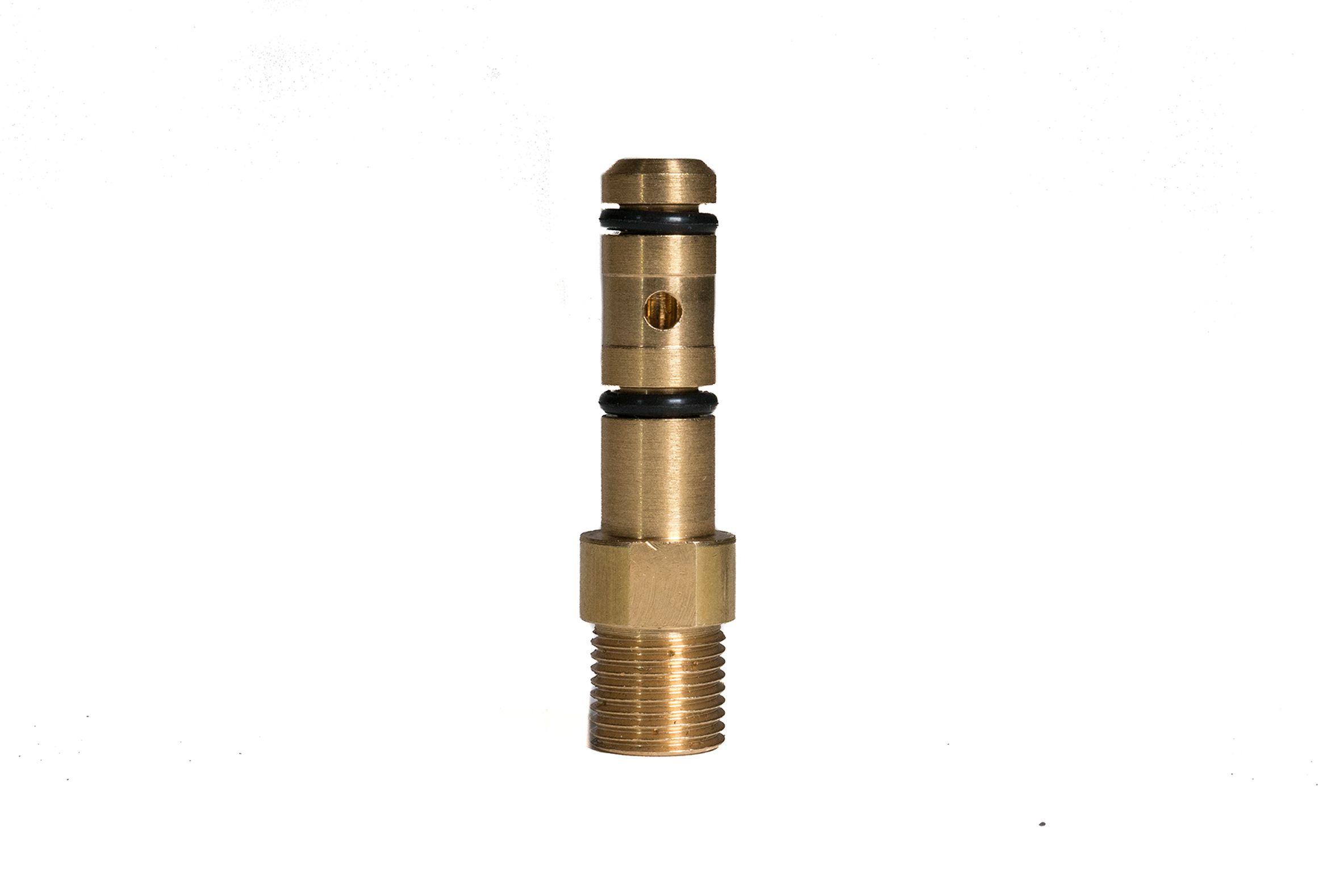
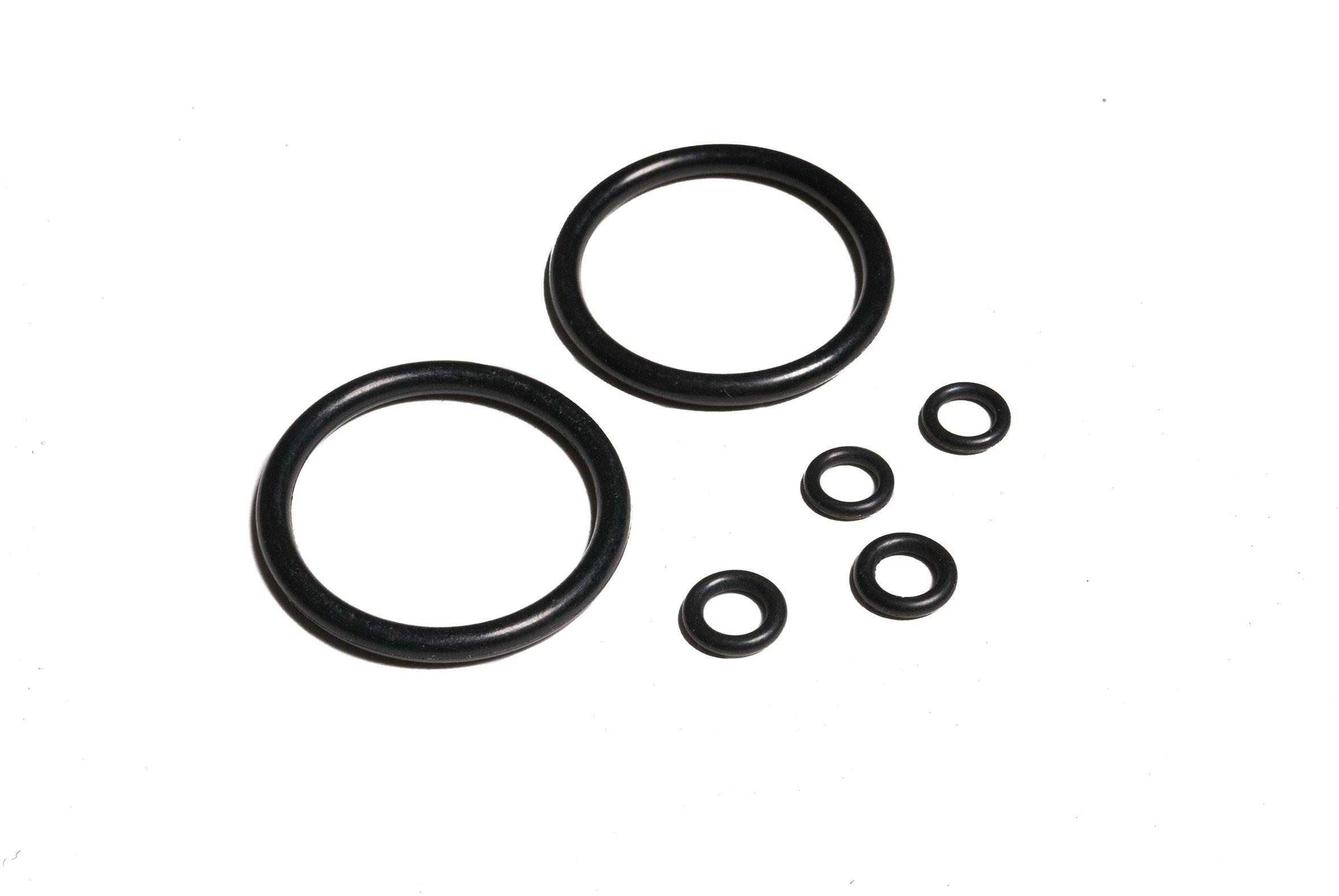
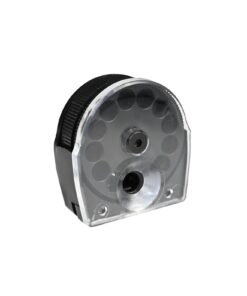
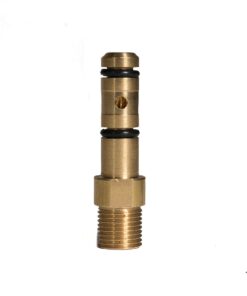
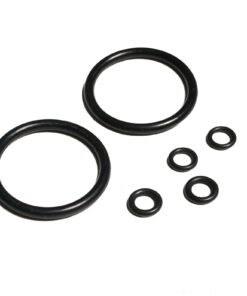
- Automatic magazine, Foster adaptor and O-ring kit included
Why the NTX 35 Commando Offers Strong Practical Value
The NTX 35 Commando combines regulated air delivery, large reservoir capacity, a long precision-focused barrel, multi-shot magazines, adjustable ergonomics and a distinctive camouflage stock.
Its strongest technical advantage is the regulated 135-bar working system. Meanwhile, the 380cc reservoir provides useful endurance across all three calibers.
For lawful sport and recreational target shooting, the NTX 35 Commando offers a compelling balance of consistency, precision potential, air efficiency, comfort and modern pneumatic engineering.
Accuracy, Regulated Air Delivery, Trigger Control, Handling, and Practical Shooting Performance
Developing Consistent Accuracy
Consistent accuracy depends on controlling the same variables from one shot to the next.
A regulated pneumatic system helps provide stable air delivery, but the shooter still needs to maintain consistent body position, cheek placement, shoulder contact, trigger control, sight alignment, and ammunition choice.
Therefore, the most effective approach is to develop a repeatable routine and avoid changing several settings at the same time.
When one variable is changed at a time, the effect on group size and point of impact becomes easier to understand.
Understanding Regulated Air Delivery
A regulator controls the pressure supplied from the main reservoir to the firing valve.
This helps keep the firing cycle more consistent while the reservoir remains above the regulator’s operating threshold.
As a result, shot behavior can remain more stable over a larger portion of the fill.
However, once reservoir pressure drops too low, the regulator can no longer maintain the same working pressure.
The shooter should therefore learn the practical pressure range that produces the most consistent results.
Monitoring Reservoir Pressure
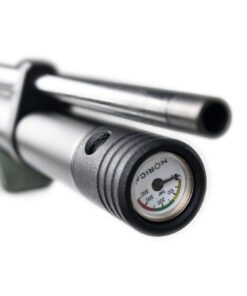
The pressure gauge should be checked periodically during the session.
The reservoir should never be filled beyond the manufacturer’s specified maximum.
Likewise, allowing pressure to fall excessively low can reduce consistency.
A useful habit is to note the starting pressure before shooting and the ending pressure after several groups.
Over time, this helps the shooter understand how quickly air is being consumed.
Filling Technique
The reservoir should be filled with clean, dry compressed air through compatible equipment.
Connections should remain free from dirt and moisture.
Pressure should be increased gradually rather than extremely quickly.
A controlled filling process helps reduce unnecessary heat and protects seals.
Once the desired pressure is reached, the filling equipment should be disconnected according to the correct safe procedure.
Air Quality
Clean air is essential for long-term reliability.
Moisture introduced into the system can contribute to internal corrosion.
For this reason, properly maintained filling equipment and appropriate filtration should be used.
Unknown gas sources should be avoided.
Protecting the internal air system supports consistent valve operation, regulator performance, and seal life.
Understanding Shot Count
The number of useful shots available from one fill depends on caliber, energy level, temperature, and shooting conditions.
Smaller calibers generally require less air per shot.
Larger calibers normally consume more.
The regulator helps maintain consistency, but it does not eliminate air consumption.
Therefore, the shooter should plan sessions according to realistic reservoir capacity.
Magazine Loading
The magazine should be loaded carefully.
Each pellet should enter its chamber without damage.
The skirt should remain round and undistorted.
A damaged pellet can affect sealing and accuracy.
The magazine should also rotate smoothly.
If unusual resistance is felt, the magazine should be removed and inspected rather than forced.
Pellet Inspection
Pellets should be checked before loading.
Bent skirts, damaged heads, contamination, or visible deformation can reduce consistency.
A simple visual inspection can remove obviously defective ammunition from testing.
This helps prevent ammunition quality from being mistaken for a mechanical issue.
Ammunition Selection
Different barrels often prefer different pellet weights, shapes, and head sizes.
Several suitable options should therefore be compared.
Each type should be tested under similar conditions.
Distance, sight settings, support method, starting pressure, and shooting technique should remain as consistent as possible.
Changing one variable at a time makes the results easier to interpret.
Trigger-Finger Position
The trigger finger should contact the blade naturally.
Too much finger can pull the rifle sideways.
Too little contact can make the movement awkward.
The finger should move independently from the rest of the hand.
This helps prevent grip pressure from changing immediately before the shot is released.
Two-Stage Trigger Control
A two-stage trigger allows the shooter to approach the release point progressively.
The first stage can be taken up smoothly.
The second stage should then be pressed with controlled pressure.
Once the release becomes predictable, attention can remain on sight alignment and breathing.
A sudden trigger movement can disturb the rifle even when recoil is mild.
Adjusting Trigger Feel
Trigger adjustment should remain conservative and safe.
The goal should be predictable operation rather than the lightest possible setting.
An excessively light trigger can reduce safety and consistency.
Once a comfortable configuration is established, unnecessary changes should be avoided.
Any adjustment should be tested carefully before normal use.
Shoulder Contact
The butt should sit securely against the shoulder.
Because the firing cycle is relatively smooth, excessive rearward pressure is unnecessary.
A relaxed but stable position usually works well.
The same contact point should be repeated for each shot.
Consistency remains more important than force.
Cheek Placement
Cheek position determines how naturally the eye aligns with the optic.
The shooter should allow the head to settle into the same place each time.
If the eye repeatedly appears above or below the sight line, cheek height may need adjustment.
A comfortable head position supports both accuracy and reduced fatigue.
Adjustable Cheek Support
An adjustable cheek support helps match the stock to the sighting system.
The correct height should provide a full sight picture without requiring the shooter to stretch or lift the head.
Once the position is correct, it should remain stable throughout the session.
Frequent unnecessary adjustment can make it harder to develop a repeatable shooting position.
Supporting-Hand Placement
The supporting hand should balance the rifle naturally.
Placing it too far forward can increase arm fatigue.
Placing it too far rearward may make the front end feel unstable.
The ideal position depends on body size, stance, and the overall balance of the setup.
Once a comfortable point is found, it should be repeated.
Managing Overall Balance
Reservoir size, barrel length, optic weight, and stock design all influence balance.
A rifle can feel heavier or lighter depending on where that weight is concentrated.
The shooter should learn where the rifle naturally settles.
A balanced position reduces muscular effort and helps maintain better control during longer sessions.
Optic Setup
The optic should be mounted so the shooter obtains comfortable eye relief.
The scope should remain level and secure.
Mounting hardware should be checked periodically.
Even slight movement can change point of impact.
The optic and cheek support should work together to create a natural head position.
Establishing Zero
Zero should be established using complete groups.
Several controlled shots provide a better indication of average point of impact than one isolated shot.
Small corrections can then be made.
The process should be repeated until the group center matches the intended aiming point.
Once zero is stable, unnecessary changes should be avoided.
Supported Accuracy Testing
A stable rest can help reveal the mechanical potential of the setup.
The rifle should be supported securely without being clamped excessively.
The same contact points should be used for every shot.
Supported testing is particularly useful when comparing ammunition or confirming zero.
Standing Practice
Standing shooting requires balance and muscular control.
The shooter should avoid trying to hold perfectly still.
Instead, natural movement should be controlled within a small predictable area.
Short practice strings are generally more productive than very long unsupported sessions.
As fatigue develops, trigger control and sight alignment become less consistent.
Kneeling and Seated Positions
Kneeling and seated positions provide additional stability.
The same shoulder contact, cheek placement, and trigger technique should still be maintained.
These positions can be useful once the basic setup has been confirmed.
They also help develop practical control while reducing muscular demand.
Breathing Control
Breathing creates natural movement through the upper body.
The shooter should avoid holding the breath for too long.
A brief pause after exhalation often provides a stable moment for firing.
If the shot does not feel correct, the shooter should reset rather than forcing the release.
Follow-Through
The shooter should remain behind the sights briefly after firing.
Cheek placement, shoulder contact, and trigger-hand position should remain stable.
Good follow-through helps preserve consistency and makes technique easier to evaluate.
It also reduces the tendency to lift the head early to look for the impact.
Managing Environmental Conditions
Wind can influence pellet trajectory significantly.
Temperature may affect both air pressure and external ballistics.
Changing light can alter how the target appears through an optic.
For this reason, a change in point of impact should not automatically lead to mechanical adjustment.
Environmental conditions should first be considered.
Recognizing Fatigue
Fatigue affects breathing, grip, trigger control, and sight alignment.
The shooter may begin making small errors without noticing.
Regular breaks help restore concentration.
If groups become larger late in the session, fatigue should be considered before assuming there is an equipment problem.
Recording Performance
A simple shooting record can provide valuable information.
Useful details include starting pressure, ending pressure, pellet type, group size, distance, weather, and shooting position.
Over time, these records can reveal the most consistent operating conditions.
This reduces unnecessary experimentation and makes future adjustments more informed.
Long-Term Practical Performance
Strong practical performance comes from combining stable air delivery with disciplined technique.
Careful pressure management, suitable ammunition, smooth trigger control, comfortable ergonomics, secure optics, and consistent body position all contribute to predictable results.
When these factors are managed together, the rifle can provide efficient air use, stable shot behavior, and dependable precision during lawful recreational and target-focused shooting.
Shooting Technique, Balance, Pressure Consistency, Accuracy Development, and Setup Refinement
Building a Repeatable Shooting Position
A repeatable shooting position is one of the most important foundations for consistent accuracy.
The shoulder, cheek, supporting hand, trigger hand, and sighting system should return to nearly the same relationship before every shot.
Even small changes in posture can alter balance and sight alignment.
Therefore, the shooter should use a natural position that does not require excessive muscular effort.
A relaxed setup generally produces better long-term consistency than a position that feels forced.
Shoulder Contact
The rear of the rifle should sit securely against the shoulder.
Excessive pressure is unnecessary because the firing cycle is comparatively smooth.
However, extremely loose contact can reduce stability.
The best approach is usually a light but repeatable amount of pressure.
The contact point should remain the same throughout each group so that changes in technique do not influence the results.
Cheek Placement
Cheek position determines how naturally the eye aligns with the optic.
If the head settles differently for every shot, the sight picture may change.
The shooter should allow the cheek to contact the stock naturally.
Excessive downward pressure can create tension.
A comfortable head position improves both repeatability and shooting endurance.
Refining Cheek Height
An adjustable cheek support can help create a more natural sight line.
The correct height should allow the eye to align with the center of the optic without stretching the neck.
If the support is too low, the shooter may lift the head.
If it is too high, the head can be forced into an uncomfortable angle.
Once the correct setting has been found, it should remain unchanged unless the optic setup is altered.
Supporting-Hand Placement
The supporting hand should balance the rifle without creating unnecessary tension.
A position too far forward can increase arm fatigue.
A position too far rearward may make the front end feel unstable.
The ideal location depends on body size and shooting stance.
Once a comfortable support point is found, it should be repeated during accuracy testing.
Trigger-Hand Control
The firing hand should remain secure but relaxed.
The shooter should avoid tightening the grip immediately before firing.
That movement can pull the rifle away from the intended point of aim.
The trigger finger should move independently from the rest of the hand.
Smooth hand control helps maintain alignment throughout the shot.
Two-Stage Trigger Technique
A two-stage trigger allows the shooter to approach the release point progressively.
The first stage can be taken up smoothly.
The second stage should then be pressed with controlled pressure while the sight picture remains stable.
The shooter should avoid suddenly increasing finger pressure.
A predictable release generally produces more consistent results than an abrupt trigger pull.
Breathing Technique
Breathing naturally moves the upper body.
The shooter should avoid holding the breath for extended periods.
A brief pause after exhalation often provides a comfortable moment for firing.
If the sight picture is not satisfactory, the shooter should reset rather than force the shot.
A relaxed breathing rhythm improves concentration and supports a repeatable firing sequence.
Follow-Through
Follow-through should continue briefly after the shot is released.
The shooter should maintain cheek position, shoulder contact, and trigger-hand placement rather than immediately moving.
This helps preserve consistency through the complete firing cycle.
It also allows the shooter to evaluate technique more accurately.
Lifting the head too early can make it harder to understand why a shot landed away from the intended point.
Understanding Pressure Consistency
A regulated pneumatic system is designed to provide a controlled quantity of air to the firing valve.
This helps maintain more uniform shot behavior while the reservoir remains above the regulator’s operating pressure.
However, the shooter should still monitor the pressure gauge.
Once reservoir pressure becomes too low, the regulator can no longer maintain the same controlled output.
Performance may then begin to change.
Finding the Best Pressure Window
The most useful pressure range should be identified through repeated testing.
The shooter can record the pressure before and after several groups.
If group size or point of impact begins changing near the lower end of the fill, that information can be used to establish a practical refill point.
This approach is more effective than shooting until the reservoir becomes almost completely depleted.
Managing Air Consumption
Air consumption varies with caliber, energy level, temperature, and shooting conditions.
Higher-energy configurations generally use more stored air.
For that reason, the shooter should not expect every setup to provide the same number of shots.
Monitoring pressure during a session helps prevent unexpected changes in performance.
Magazine Loading
The magazine should be loaded carefully.
Each pellet should enter its chamber without deformation.
Bent skirts or damaged heads can reduce consistency.
The magazine should rotate smoothly.
If unusual resistance is felt, it should be removed and inspected rather than forced.
A clean and correctly loaded magazine supports reliable feeding.
Pellet Inspection
A quick visual inspection should be completed before loading.
Pellets with obvious damage, dirt, or deformation should not be used for serious accuracy testing.
Removing defective ammunition helps reduce unnecessary variables.
This makes it easier to determine whether a poor group is caused by technique, pressure, or ammunition compatibility.
Ammunition Testing
Different barrels can prefer different pellet weights and shapes.
Several suitable options should therefore be compared.
Each type should be tested under similar conditions.
Distance, sight settings, starting pressure, support method, and shooting position should remain consistent.
Changing one variable at a time produces more meaningful results.
Group Evaluation
Several-shot groups provide better information than individual impacts.
One excellent shot can happen by chance.
Likewise, one poor shot may result from shooter error.
The shooter should compare the center, shape, and overall size of repeated groups.
Consistent patterns are more useful than isolated shots when evaluating performance.
Optic Alignment
The optic should remain level and secure.
Eye relief should provide a complete sight picture without requiring excessive head movement.
Mounting hardware should be checked periodically.
Even a small amount of movement can change point of impact.
The optic and cheek support should work together to create a comfortable and repeatable head position.
Refining Zero
Zero should be adjusted gradually.
A full group should be fired before any correction is made.
Adjusting after every individual shot can create confusion.
The center of the group provides a more reliable reference.
Small corrections followed by another group usually produce better results.
Supported Accuracy Testing
A stable rest can help reveal the mechanical consistency of the setup.
The rifle should be supported securely without being clamped rigidly.
The same contact points should be used for every shot.
Supported testing is especially useful when comparing ammunition, confirming zero, or evaluating pressure consistency.
Standing Practice
Standing shooting requires balance and muscular control.
The shooter should not attempt to eliminate all natural movement.
Instead, movement should be controlled within a small predictable area.
Short practice strings are usually more productive than very long unsupported sessions.
As fatigue develops, sight alignment and trigger control become less consistent.
Kneeling and Seated Positions
Kneeling and seated positions provide greater stability than standing.
The same shoulder contact, cheek placement, and trigger technique should still be maintained.
These positions can be useful once the basic setup has been confirmed.
They allow the shooter to develop practical control without relying completely on a bench.
Managing Overall Balance
Barrel length, reservoir size, optic weight, and stock shape all influence balance.
The shooter should learn where the rifle naturally settles.
A balanced position reduces unnecessary muscular effort.
If the front end begins to feel heavy during longer sessions, shorter shooting strings and regular breaks can help preserve consistency.
Environmental Conditions
Wind can influence pellet trajectory significantly.
Temperature may affect both external ballistics and pressure behavior.
Changing light can alter how the target appears through an optic.
Therefore, a change in point of impact should not automatically lead to mechanical adjustment.
Environmental conditions should first be considered.
Recognizing Fatigue
Fatigue affects breathing, grip, trigger control, and sight alignment.
The shooter may begin making small errors without noticing.
Regular breaks help restore concentration.
If groups become larger late in a session, fatigue should be considered before assuming there is a mechanical problem.
Keeping Shooting Records
A simple shooting record can improve long-term consistency.
Useful information includes starting pressure, ending pressure, pellet type, group size, distance, weather, and shooting position.
Over time, these records make it easier to identify the most reliable combination of pressure, ammunition, and technique.
Developing Long-Term Familiarity
Consistent performance improves as the shooter becomes familiar with the rifle’s balance, trigger feel, pressure behavior, magazine operation, and preferred ammunition.
That familiarity makes unusual behavior easier to recognize.
When pressure management, body position, sight setup, ammunition choice, and trigger control are handled consistently, the rifle becomes increasingly predictable and dependable for lawful recreational and precision-focused target shooting.
Be the first to review “NTX 35 Commando”
Related products
Norica Air Rifles
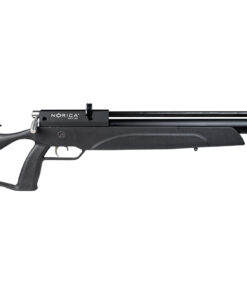
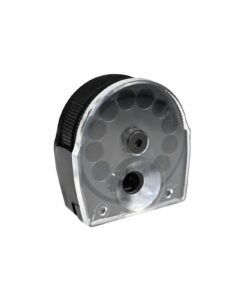
Norica Air Rifles
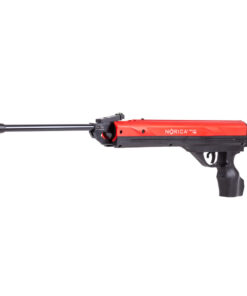
Norica Air Rifles
Norica Air Rifles
Norica Air Rifles
Norica Air Rifles
Norica Air Rifles
Reviews
There are no reviews yet.