
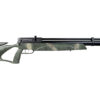
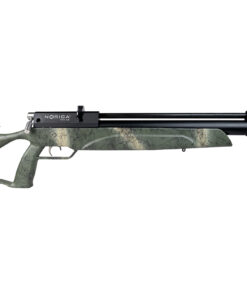
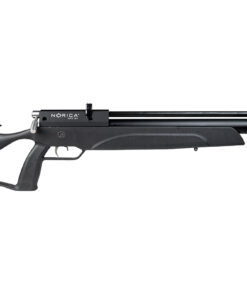
Norica Viriatus BP HT Black Wood PCP Air Rifle
$700.00
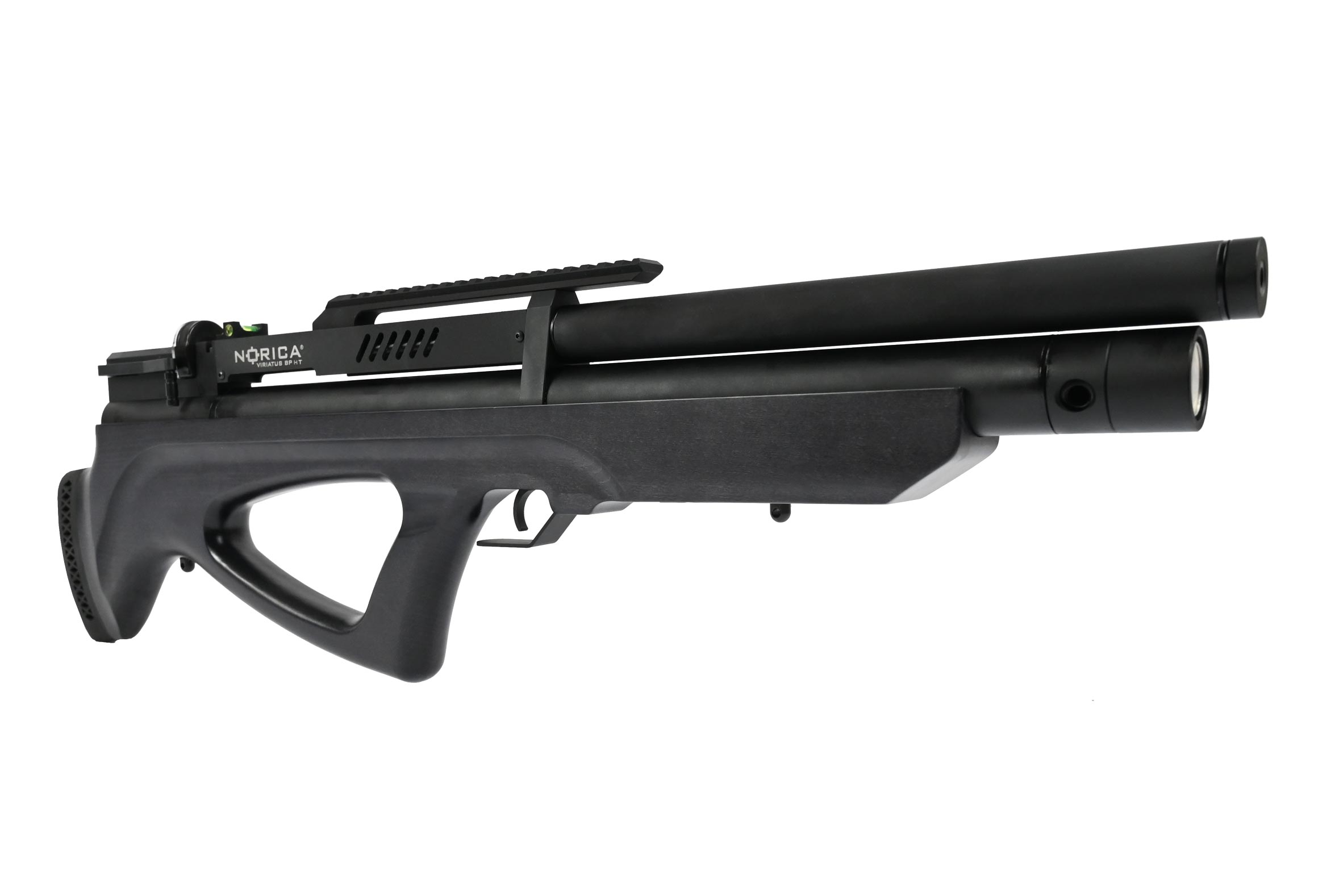
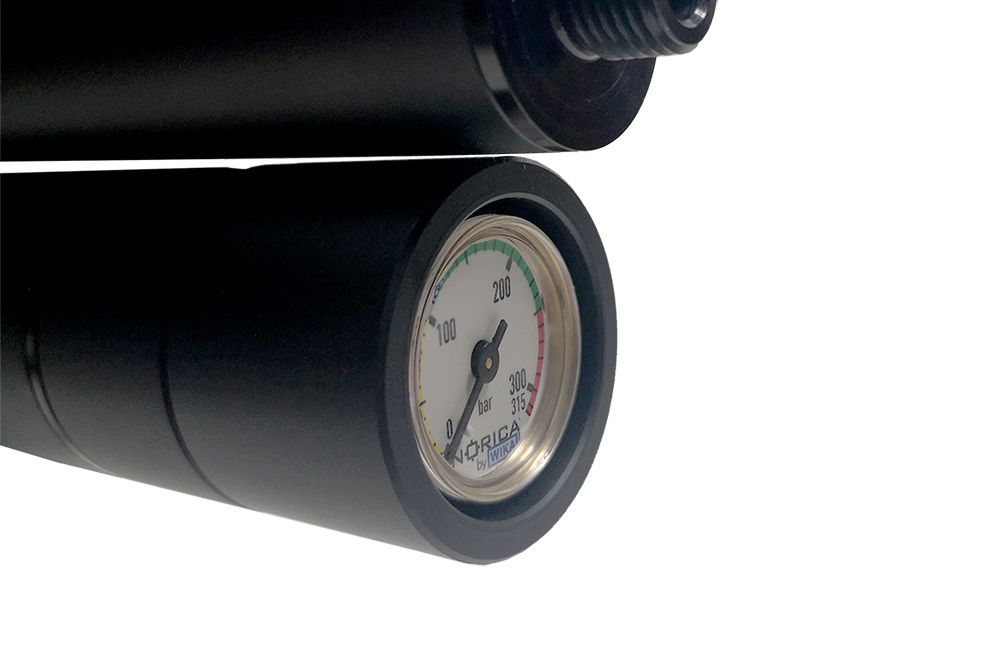
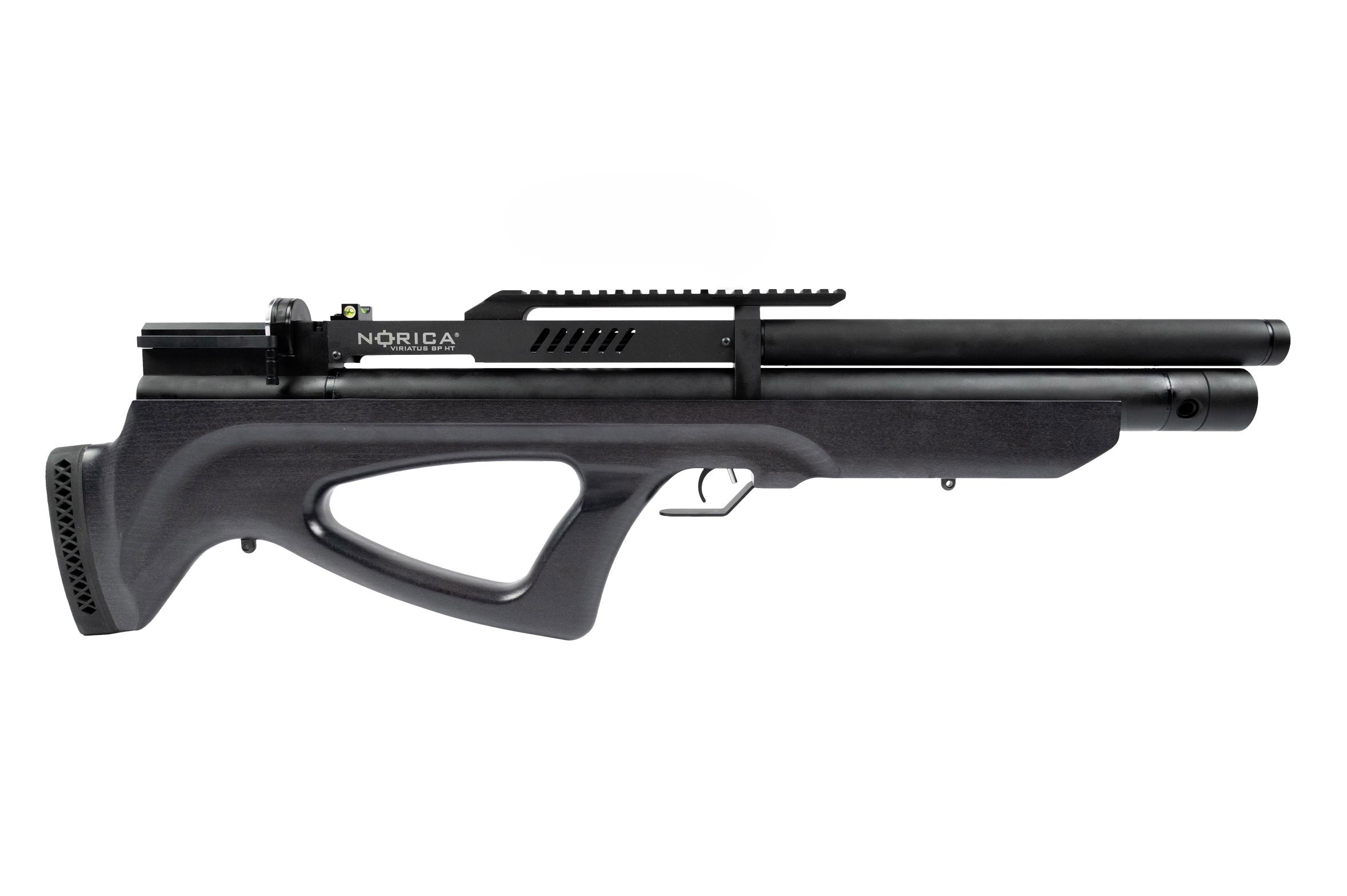
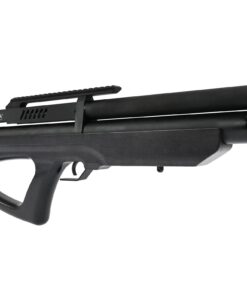
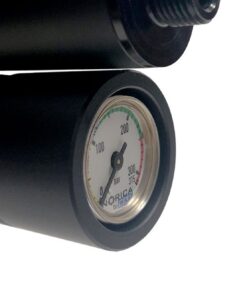
Norica launches the Viriatus BP HT model, with an internal configuration ideal for hunting and with the new side lever loading system, which provides amazing comfort and lightness. The Lothar Walther barrel with 450 mm choke. in length, accuracy is guaranteed. Pressure regulator set at 135 Bar (1,959 PSI) and maximum tank filling pressure at 250 Bar (3,620 PSI). The shooter can easily visualize the pressure on the WIKA colour-coded pressure gauge.
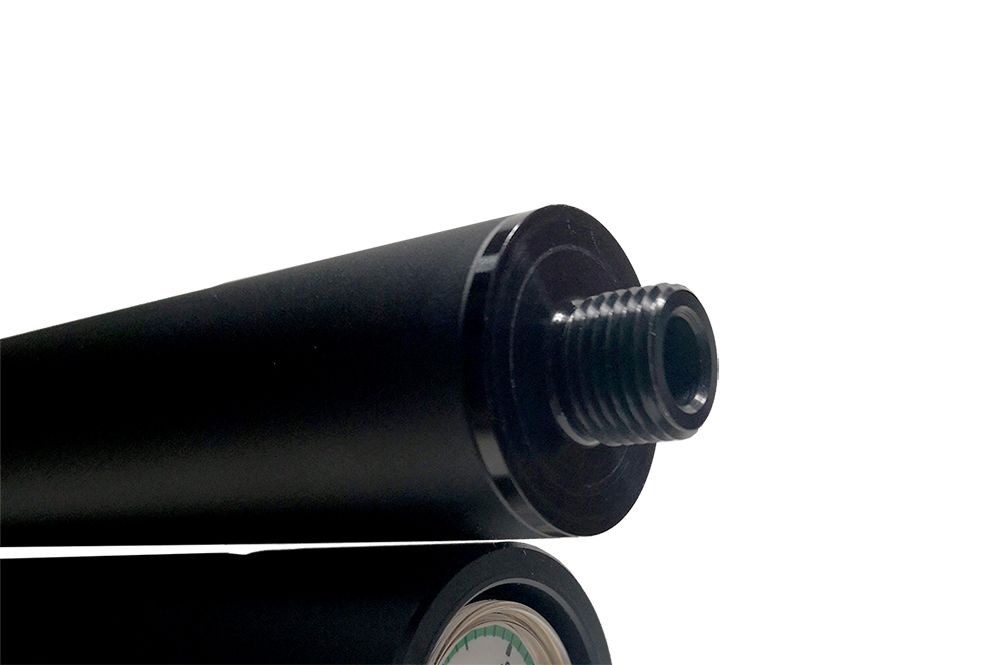
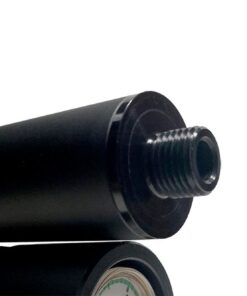
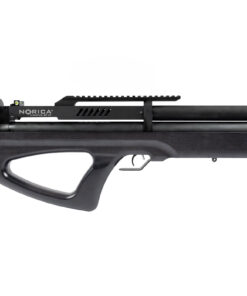
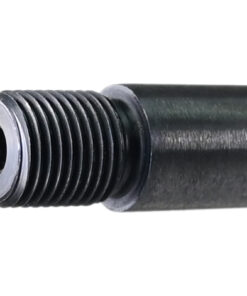
The barrel is semi-shrouded and integrates suppressing functions in order to keep the Viriatus BP HT surprisingly quiet. Includes a ½ UNF thread for mounting an additional suppressor. The new design of the stock provides a perfect coupling to the shooter. It includes cheek piece for convenience of facing and swivel studs, for mounting a sling or bipod.
* Our airguns comply with the legislation in each country where they are sold. The brand is not responsible for modifications made by users. Any modification will void the manufacturer’s warranty.
Specifications
Lothar Walther barrel with choke
Shrouded barrel with 1/2 UNF thread adaptor for additional suppressor
Trigger: 2-stage adjustable (200-400 gram)
Manual safety
Side lever
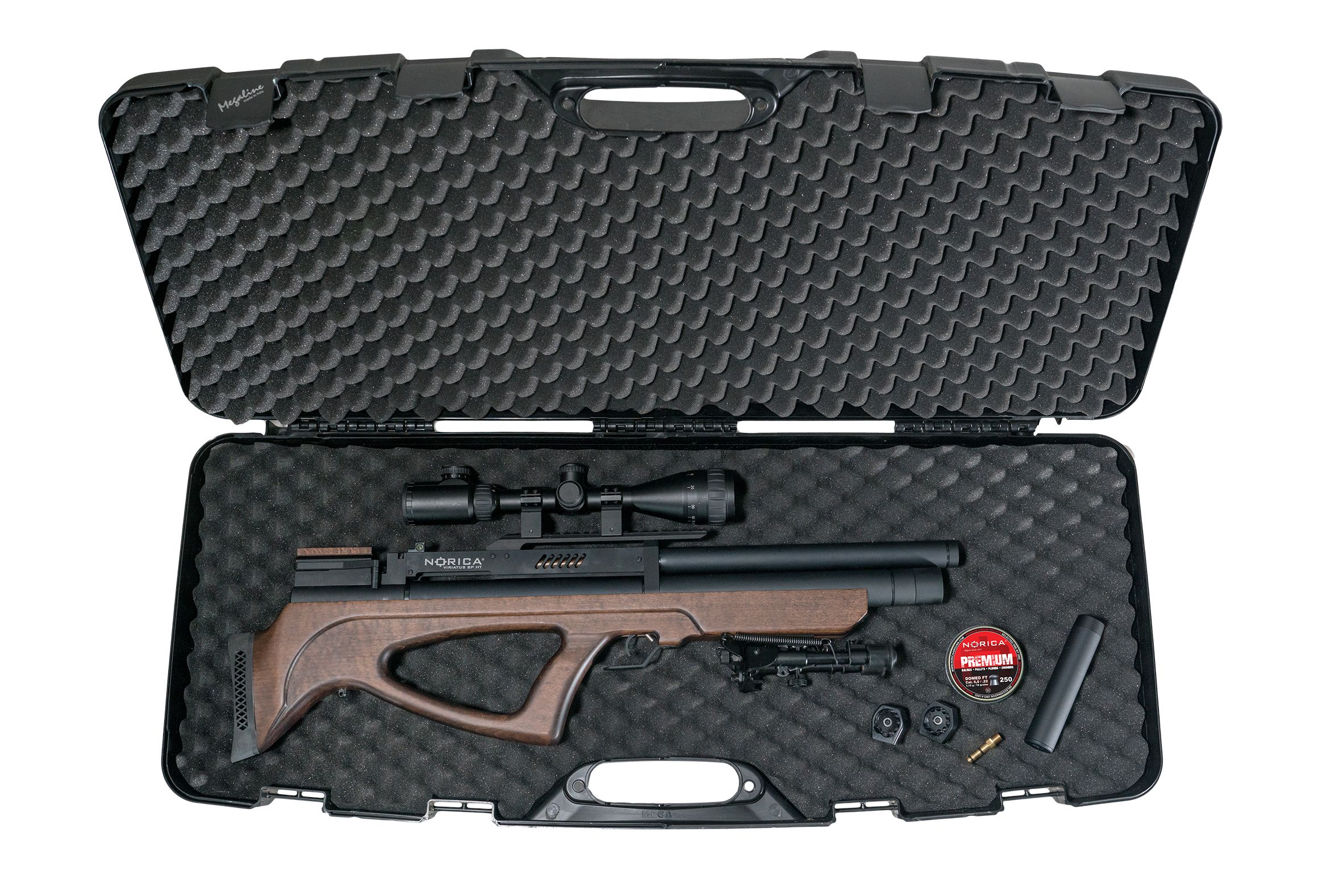
210 mm Picatinny rail for optics. Optional scope
Colour coded built-in pressure gauge by WIKA
European vaporized beech wood stock
Ventilated rubber butt plate
Sling swivel stud.
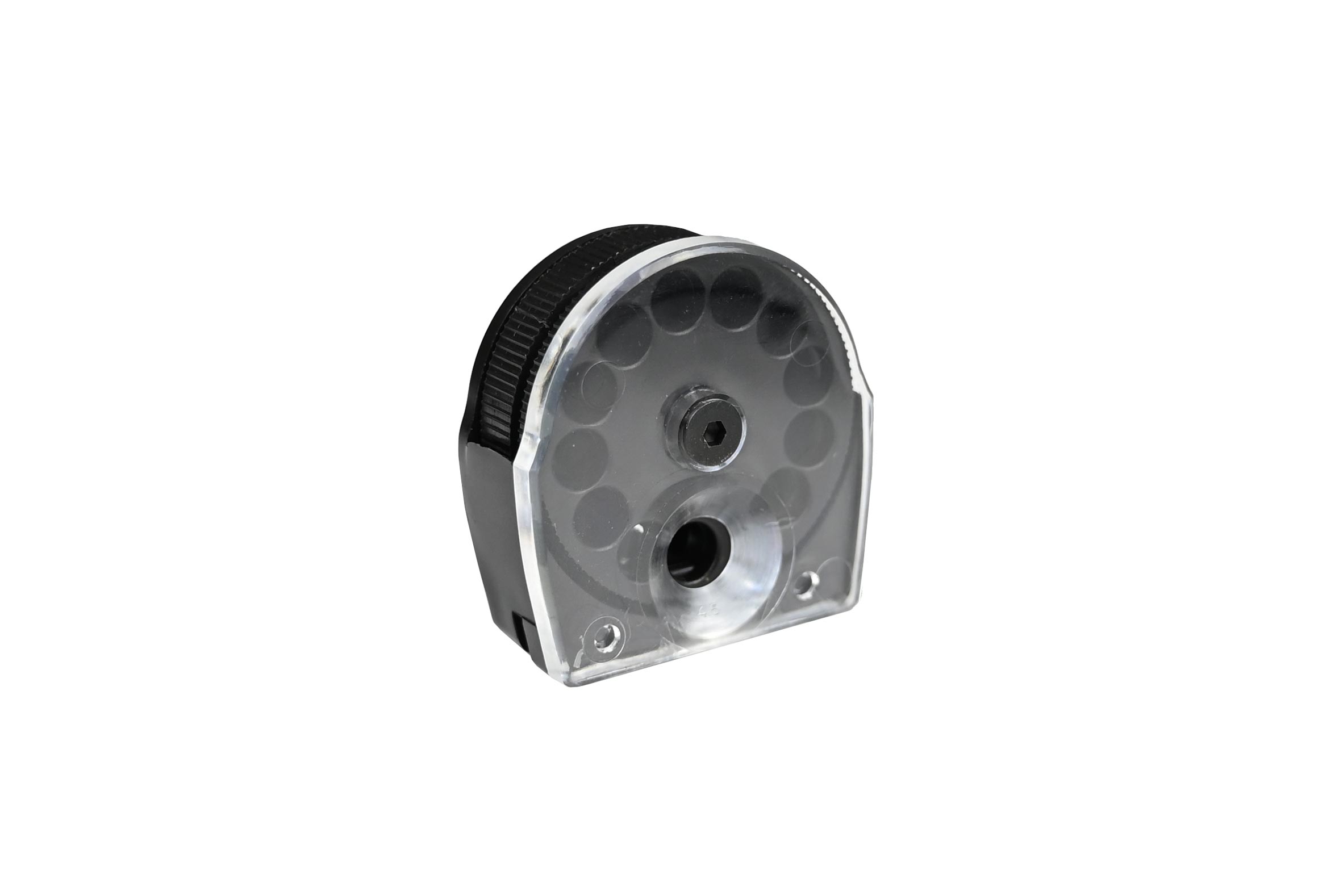
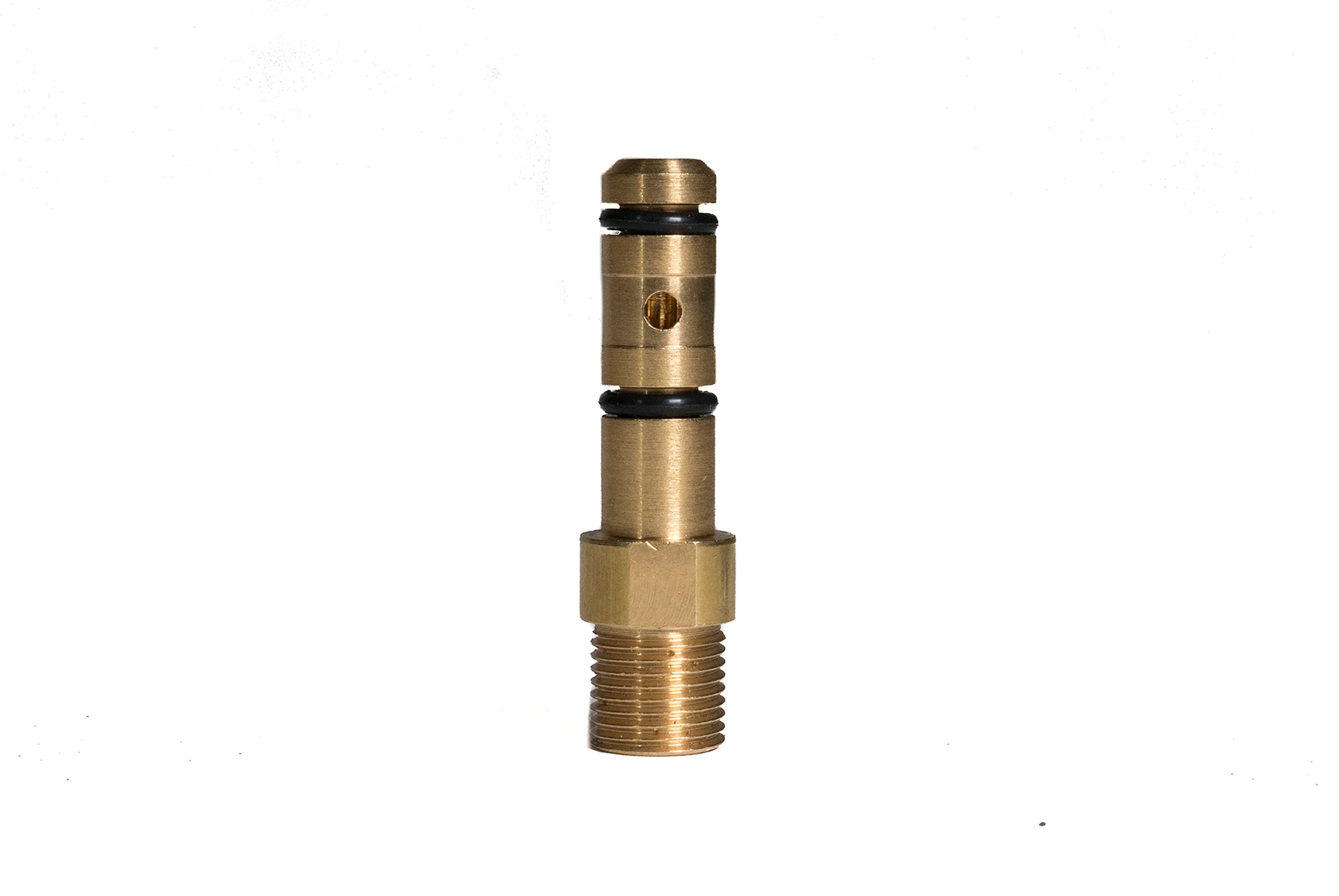
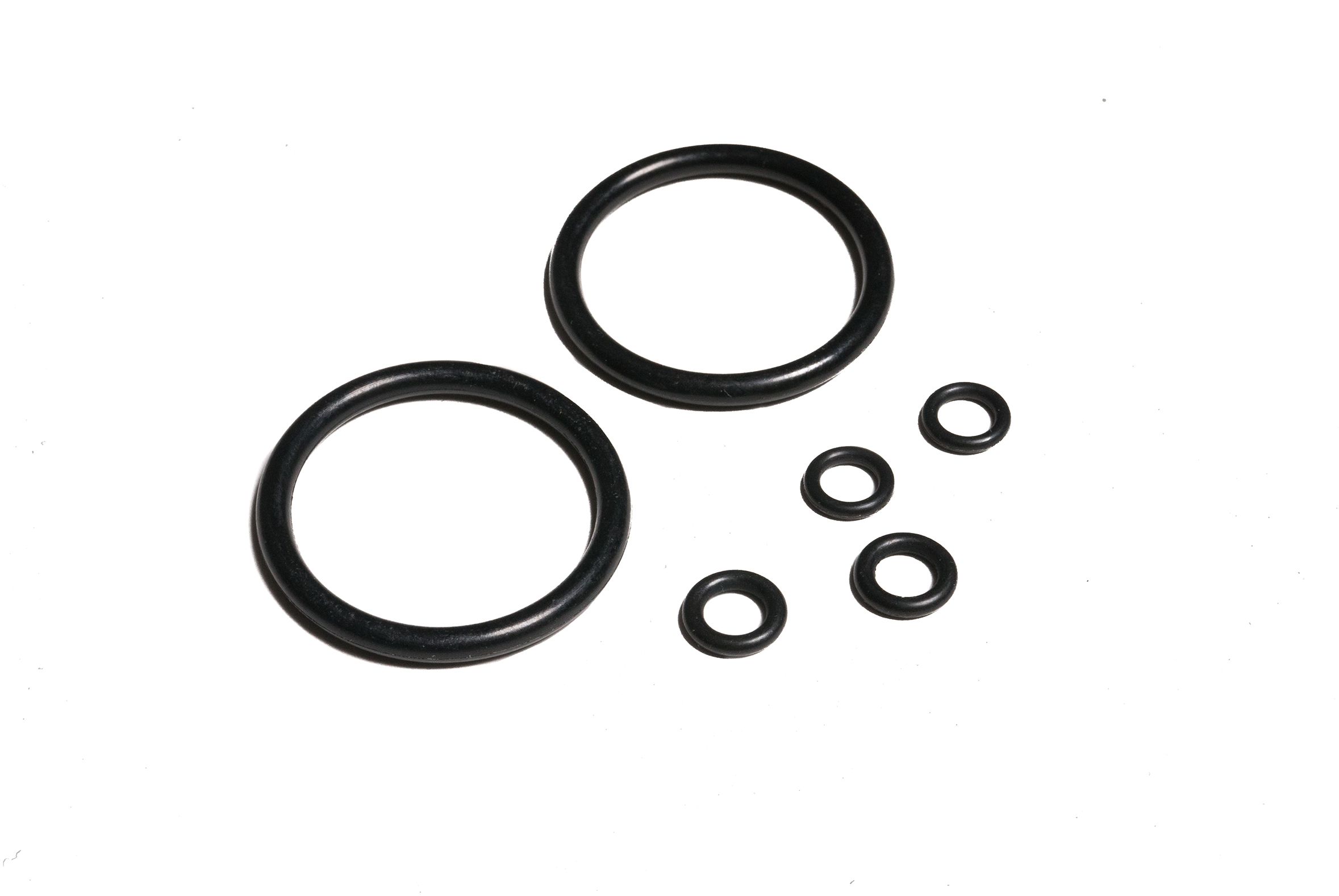
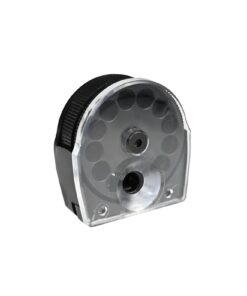
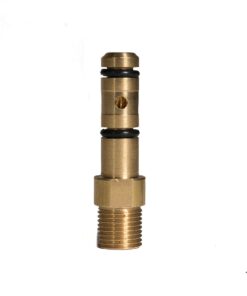
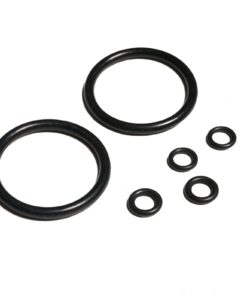
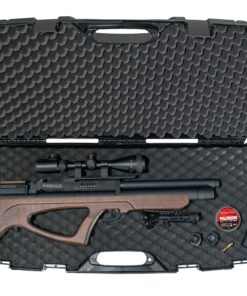
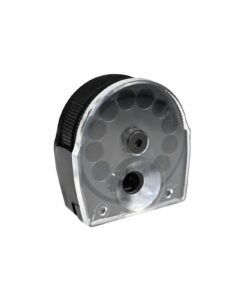
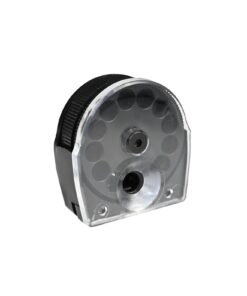
Includes: Automatic magazine, foster adapter, o-rings kit and PCP case
Technical Data
| Reference | 111.28.028 | 111.28.029 | 111.28.030 |
| Caliber (mm (inch)) | 4,5 (.177) | 5,5 (.22) | 6,35 (.25) |
| Magazine | 12 | 10 | 8 |
| Energy (J) * | 30 | 45 | 60 |
| Max. All Pressure (Bar/PSI) | 250/3,620 | 250/3,620 | 250/3,620 |
| Air Tube Volume | 340 cc | 340 cc | 340 cc |
| Length (mm/inch) | 740 / 29,13″ | 740 / 29,13″ | 740 / 29,13″ |
| Barrel length (mm/inch) | 450 / 17,7″ | 450 / 17,7″ | 450 / 17,7″ |
| Weight (Kg/lbs) | 2,9 / 6,39 | 2,9 / 6,39 | 2,9 / 6,39 |
| Shots Per Fill | 70 | 60 | 47 |
| Regulated | YES Working Pressure 135 Bar/1959 PSI |
YES Working Pressure 135 Bar/1959 PSI |
YES Working Pressure 135 Bar/1959 Bar/1550 PSI |
*Energy stated is the maximum possible. Energy will be modified according to the laws of each country. We reserve the right to alter the specifications without further notice.
Norica Viriatus BP HT Black Wood PCP Air Rifle – Regulated Bullpup Precision, Lothar Walther Barrel and Premium Black Wood Styling
The Viriatus BP HT Black Wood is a compact regulated PCP bullpup designed around precision, efficient air management and premium ergonomics. It combines a 450mm Lothar Walther choked barrel with a 340cc compressed-air reservoir, 135-bar regulated working pressure, side-lever loading, multi-shot magazines and a distinctive vaporized European beechwood stock.
Despite using a full-length precision barrel, the bullpup configuration keeps overall length to approximately 740mm / 29.13 inches. Weight is approximately 2.9kg / 6.39lb, making it considerably more compact than many conventionally stocked pneumatic rifles. Norica currently offers the platform in 4.5mm / .177, 5.5mm / .22 and 6.35mm / .25, with maximum listed energy outputs of approximately 30J, 45J and 60J respectively.
Why Choose the Viriatus BP HT Black Wood?
The primary reason to choose this platform is its combination of compact dimensions and full-featured pneumatic performance.
Bullpup architecture places much of the action behind the trigger area. Consequently, a substantial barrel can be retained without creating an excessively long rifle.
Furthermore, regulated air delivery improves shot-to-shot consistency, while the side-lever system provides smooth multi-shot operation.
The black wood-grain appearance also distinguishes this model from more utilitarian synthetic-stock platforms. Norica introduced the Black Wood version with a black wood-grain finish and an updated autoloader intended to make loading faster and easier.
135-Bar Regulated PCP System
The rifle uses a pressure regulator set at approximately 135 bar / 1,959 psi.
Meanwhile, its maximum reservoir filling pressure is 250 bar / 3,620 psi.
The regulator controls the air supplied from the main reservoir to the firing system. Therefore, reservoir pressure can decrease while the valve continues receiving a more stable working pressure throughout the useful part of the fill.
This regulated design supports consistent velocity and repeatable point of impact during precision-focused target sessions.
340cc Air Reservoir
A 340cc air cylinder is fitted across all three calibers.
Factory-listed shot counts are approximately:
- 70 shots in .177
- 60 shots in .22
- 47 shots in .25
Naturally, the higher-energy configurations consume more stored air per shot.
Lothar Walther Choked Barrel
One of the most important technical features is the 450mm Lothar Walther barrel with choke.
Norica specifically emphasizes this barrel as a major contributor to the rifle’s accuracy potential.
A choked barrel uses a carefully controlled constriction toward the muzzle, helping stabilize pellet exit.
Furthermore, the barrel is shrouded, which integrates sound-reduction characteristics into the design.
Precision and Accuracy Potential
Precision comes from several systems working together.
The regulated action helps stabilize pressure delivery, while the choked barrel supports consistent pellet exit.
Additionally, the adjustable trigger, stock geometry, cheekpiece and rigid optics rail help the shooter maintain a repeatable position.
Nevertheless, actual group size still depends on ammunition selection, wind, optic setup and shooter technique.
Therefore, several suitable pellet weights and head profiles should be tested under consistent conditions.
Norica .177 Air Rifle
The Norica .177 air rifle configuration uses a 4.5mm bore and a 12-shot magazine.
Norica lists maximum energy at approximately 30 joules, while approximate endurance reaches 70 shots per fill.
This configuration can suit precision-oriented recreational shooting because .177 ammunition is widely available in numerous weights and shapes.
Norica 4.5mm Air Rifle
The Norica 4.5mm air rifle version combines the highest magazine capacity and highest listed shot count in the range.
For shooters prioritizing efficient air consumption and target-oriented performance, this is an important configuration to consider.
Norica .22 Air Rifle
The Norica .22 air rifle version uses a 5.5mm bore.
It carries a 10-shot magazine, approximately 45 joules maximum energy, and a factory-listed endurance of roughly 60 shots per fill.
This middle caliber offers a useful balance between ammunition mass, energy and reservoir efficiency.
Norica 5.5mm Air Rifle
The Norica 5.5mm air rifle configuration can appeal to shooters wanting heavier pellets without moving to the largest caliber.
Because pellet design influences precision considerably, several compatible options should be tested before choosing a preferred load.
.25 / 6.35mm Performance
The largest caliber uses an 8-shot magazine and carries a maximum listed energy rating of approximately 60 joules.
Norica specifies around 47 shots per fill in this configuration.
As expected, the larger caliber uses more compressed air per shot.
Side-Lever Loading System
A side-lever mechanism is used instead of a traditional bolt.
Norica highlights the system for its comfort and light operating feel.
A well-positioned side lever can make repeated loading smoother, particularly during multi-shot target sessions.
The current package also includes an automatic magazine.
Two-Stage Adjustable Trigger
The trigger is a two-stage adjustable unit with an adjustment range of approximately 200–400 grams.
A predictable trigger release is particularly important for precision shooting.
However, adjustment should prioritize safe, repeatable operation rather than simply achieving the lightest possible pull.
Black European Beechwood Stock
The stock uses European vaporized beech wood with distinctive dark styling.
This provides a premium alternative to a conventional Norica synthetic stock.
The wood construction contributes traditional visual appeal, while the compact bullpup shape keeps overall dimensions manageable.
A ventilated rubber butt pad is also fitted.
Cheekpiece and Bubble Level
The rifle includes a cheekpiece and bubble level according to Norica’s current catalogue documentation.
The cheekpiece helps establish repeatable head position.
Meanwhile, the level can help the shooter recognize unwanted rifle cant during supported precision shooting.
210mm Picatinny Rail
A substantial 210mm Picatinny rail is provided for mounting optics.
This provides considerably more flexibility than a short mounting section.
Appropriate Norica scope mounts can therefore be selected according to the optic and desired height.
A scope is optional rather than automatically included.
Shrouded Barrel
The barrel is semi-shrouded and incorporates sound-reduction functionality.
Norica specifically describes the system as helping keep the rifle surprisingly quiet.
This is integrated into the barrel arrangement rather than simply being a decorative outer sleeve.
Norica Air Rifle Moderator
Searches for a Norica air rifle moderator are relevant because the muzzle includes a 1/2 UNF thread for an additional compatible suppressor.
However, such equipment is regulated differently across jurisdictions.
Compatibility and local legality should therefore be confirmed before installation.
WIKA Pressure Gauge
A colour-coded WIKA pressure gauge allows reservoir pressure to be checked quickly.
Clear pressure information is useful both when filling and during extended shooting sessions.
The shooter can monitor remaining air without estimating reservoir condition from shot count alone.
Manual Safety
A manual safety is installed as standard.
This provides direct control over the safety mechanism.
Nevertheless, correct muzzle direction and trigger discipline remain necessary regardless of the safety position.
Norica Air Rifle
The phrase Norica air rifle covers several different powerplant types within the manufacturer’s catalogue.
This model belongs specifically to the regulated PCP bullpup category.
Therefore, it should be compared with other pneumatic rifles rather than assumed to operate like every model carrying the same brand.
Norica Springer Rifle
A Norica springer rifle uses mechanically stored spring energy.
That design is fundamentally different from this platform.
Here, compressed air is stored in a reservoir and delivered through a regulator and valve system.
Consequently, the firing cycle and ownership requirements are different.
Norica Break Barrel Rifle
A Norica break barrel rifle uses barrel movement during cocking.
This model does not.
Instead, a side lever cycles the action while the barrel remains fixed.
That fixed-barrel layout is particularly relevant to precision-oriented pneumatic design.
Norica Quick
The Norica Quick belongs to another model family.
Likewise, searches for Norica Quick review, Norica Quick accuracy review and Norica Quick 500 concern different rifles.
Their specifications should not be transferred to this bullpup platform.
Norica Marvic
The Norica Marvic represents another product line.
Comparisons should focus on powerplant type, overall length, stock design, barrel configuration, trigger system and filling requirements.
Norica Titan
The Norica Titan is another separate platform.
Therefore, Norica Titan power output should not be confused with the energy figures listed here.
This rifle’s verified maximum outputs are approximately 30J, 45J and 60J depending on caliber.
Norica Titan XS
The Norica Titan XS is also a separate model with its own dimensions and mechanical characteristics.
Search overlap does not indicate technical equivalence.
Norica Ox
The Norica Ox belongs to another segment of the manufacturer’s range.
Its specifications should be researched independently rather than applied to this regulated bullpup.
Norica Black Hawk
The Norica Black Hawk is another commonly searched product.
Again, its powerplant, dimensions and stock should not be confused with this pneumatic configuration.
Norica vs Hatsan
The phrase Norica vs Hatsan reflects broader brand-comparison intent.
A meaningful comparison should consider regulator quality, reservoir volume, barrel manufacturer, overall length, trigger adjustment, magazine capacity, stock material, optic mounting and warranty support.
The regulated action, Lothar Walther barrel and compact dimensions are particularly strong comparison points here.
Best Norica Air Rifle
The Best Norica air rifle depends on the buyer’s requirements.
For someone prioritizing compact dimensions, regulated pneumatic operation, a premium wood stock, a high-quality choked barrel and multi-shot functionality, this configuration is one of the more sophisticated choices.
Buy Norica Air Rifle
Searches for Buy Norica air rifle and Norica air rifle for sale indicate strong purchase intent.
Norica’s current Spanish store lists this model at approximately €835, although regional price and availability can differ.
Before purchasing, buyers should verify caliber, local energy restrictions, warranty, included filling equipment and retailer credibility.
Norica Pellets
Suitable Norica pellets or other quality ammunition can significantly influence accuracy.
Different barrels may prefer different pellet weights, head dimensions and shapes.
Controlled group testing is therefore more useful than choosing ammunition according to advertised velocity alone.
Important Technical Specifications
- Calibers: .177 / 4.5mm, .22 / 5.5mm and .25 / 6.35mm
- Maximum energy: approximately 30J, 45J and 60J
- Magazine capacity: 12, 10 and 8 rounds
- Maximum fill pressure: 250 bar / 3,620 psi
- Regulated working pressure: 135 bar / 1,959 psi
- Reservoir volume: 340cc
- Approximate shots per fill: 70, 60 and 47
- Overall length: 740mm / 29.13 inches
- Barrel length: 450mm / 17.7 inches
- Weight: approximately 2.9kg / 6.39lb
- Lothar Walther choked barrel
- Semi-shrouded barrel
- 1/2 UNF muzzle thread
- Side-lever action
- Two-stage adjustable trigger
- Trigger adjustment: approximately 200–400g
- Manual safety
- 210mm Picatinny optics rail
- Colour-coded WIKA pressure gauge
- European vaporized beechwood stock
- Ventilated rubber butt pad
- Cheekpiece and bubble level
- Sling swivel studs
- Automatic magazine
- Foster filling adaptor
- O-ring kit
- PCP case included
Why the Viriatus BP HT Black Wood Offers Strong Practical Value
The Viriatus BP HT Black Wood combines compact bullpup dimensions with a premium regulated pneumatic system.
Its 740mm overall length makes the platform unusually compact considering that a 450mm Lothar Walther barrel is retained.
Meanwhile, the 340cc reservoir, 135-bar regulator, multi-shot magazines, adjustable trigger, long Picatinny rail and carefully shaped wood stock provide a strong foundation for consistent recreational target shooting.
For shooters seeking a compact, premium PCP with distinctive styling and serious precision-focused engineering, the Viriatus BP HT Black Wood offers an attractive combination of regulated consistency, ergonomics, air capacity and barrel quality.
Accuracy, Regulated Air Delivery, Trigger Control, Bullpup Handling, and Practical Shooting Performance
Developing Consistent Accuracy
Consistent accuracy depends on controlling the same variables from one shot to the next.
A regulated pneumatic system helps provide stable air delivery, while a fixed barrel supports repeatable alignment. However, the shooter still needs consistent cheek placement, shoulder contact, trigger control, sight alignment, and ammunition selection.
Therefore, the best approach is to establish a repeatable shooting routine and change only one setup variable at a time.
That makes it easier to understand whether a change in group size comes from ammunition, sight settings, pressure, environment, or technique.
Understanding Regulated Air Delivery
A regulator controls the pressure supplied from the main reservoir to the firing valve.
Instead of exposing the firing system directly to full reservoir pressure, the regulator creates a more stable working-pressure environment.
This helps keep shot behavior more consistent while reservoir pressure remains above the regulator threshold.
Once pressure falls too low, however, consistency may begin to change.
For this reason, the shooter should learn the useful operating range rather than simply shooting until the reservoir is nearly empty.
Monitoring Reservoir Pressure
The pressure gauge should be checked regularly.
The reservoir should never be filled beyond the manufacturer’s specified maximum.
Likewise, allowing pressure to fall too far can reduce consistency.
A useful habit is to note the starting pressure before a group and the ending pressure afterward.
Over time, this makes air consumption easier to understand.
Filling Technique
The reservoir should be filled with clean, dry compressed air using compatible filling equipment.
Connections should remain free from dust, moisture, and grit.
Pressure should be increased gradually while the gauge is monitored.
A controlled filling process helps reduce unnecessary heat and protects internal seals.
Once the desired pressure is reached, the filling equipment should be disconnected using the correct procedure.
Air Quality
Clean air is important for long-term reliability.
Moisture introduced into a high-pressure system can contribute to internal corrosion.
For that reason, properly maintained pumps, cylinders, compressors, and filtration equipment should be used.
Unknown gas sources should be avoided.
Protecting the internal air system helps maintain valve, regulator, and seal performance.
Understanding Bullpup Balance
A bullpup layout places more of the action and mass closer to the shooter.
As a result, the rifle can feel shorter and more compact than a conventional design with a similar barrel length.
The balance point may also sit farther rearward.
This can make supported shooting feel stable, but the shooter should spend time learning where the rifle naturally settles in the hands.
Shoulder Contact
The rear of the rifle should sit securely against the shoulder without excessive pressure.
Because the firing cycle is relatively smooth, there is little benefit in pulling the rifle aggressively into the body.
A relaxed but repeatable contact point usually works better.
The same shoulder position should be maintained throughout each group.
Cheek Placement
Cheek position is particularly important on a compact layout.
The shooter should allow the head to settle naturally on the cheek support.
If the head moves to a different position for each shot, sight alignment can change.
A comfortable and repeatable cheek weld helps maintain a consistent sight picture.
Optic Height
Optic height should match the shooter’s natural head position.
If the sight sits too high, the shooter may lift the head away from the cheek support.
If it sits too low, neck position may become uncomfortable.
The mounting system should therefore be selected carefully.
A natural sight line reduces fatigue and improves repeatability.
Trigger-Finger Position
The trigger finger should contact the blade naturally.
Too much finger can pull the rifle sideways.
Too little contact can make the movement awkward.
The finger should move independently from the rest of the hand.
This helps prevent grip pressure from changing as the shot is released.
Two-Stage Trigger Control
A two-stage trigger allows the shooter to approach the release point gradually.
The first stage can be taken up smoothly.
The second stage should then be pressed with controlled pressure while the sight picture remains stable.
A sudden trigger movement can disturb alignment.
A predictable release generally produces better practical results.
Trigger Adjustment
Trigger adjustment should remain conservative and safe.
The goal should be a clean, repeatable release rather than the lightest possible setting.
An excessively light trigger can reduce safety and consistency.
Once a comfortable setting is established, unnecessary adjustments should be avoided.
Side-Lever Operation
The side lever should be cycled smoothly.
Excessive force is unnecessary.
A controlled movement helps maintain reliable feeding and reduces mechanical wear.
If the lever suddenly becomes unusually stiff or rough, the action should be inspected rather than forced.
The magazine should also be checked for correct alignment.
Magazine Loading
The magazine should be loaded carefully.
Each pellet should enter its chamber without being crushed or distorted.
The skirt is especially important because deformation can affect sealing and accuracy.
The magazine should rotate freely.
If unusual resistance is felt, it should be removed and inspected.
Pellet Inspection
Pellets should be checked before loading.
Bent skirts, damaged heads, or contamination can reduce consistency.
A quick visual inspection can remove obvious defects from accuracy testing.
This helps prevent poor ammunition from being mistaken for a mechanical problem.
Ammunition Selection
Different barrels can prefer different pellet weights and head sizes.
Several suitable options should therefore be compared.
Each type should be tested under similar conditions.
Distance, sight settings, reservoir pressure, support method, and shooting technique should remain as consistent as possible.
Changing one variable at a time produces clearer information.
Group Testing
Several-shot groups provide more useful information than single impacts.
One excellent shot can happen by chance.
Likewise, one poor shot may result from shooter error.
Repeated groups reveal whether performance is genuinely consistent.
The shooter should compare group center, shape, and overall size rather than focusing on isolated shots.
Optic Security
The optic should remain level and securely mounted.
Even small movement can change point of impact.
Mounting hardware should be checked periodically.
However, excessive tightening should be avoided.
Secure alignment is more important than applying unnecessary force.
Establishing Zero
Zero should be established using complete groups.
Several controlled shots provide a better indication of average point of impact than one isolated impact.
Small corrections can then be made.
The process should be repeated until the group center matches the intended aiming point.
Once zero is stable, unnecessary changes should be avoided.
Using a Bubble Level
A bubble level can help identify rifle cant.
If the rifle is tilted differently from shot to shot, the point of impact may shift at distance.
The shooter should use the level as a reference rather than staring at it continuously.
Once proper alignment becomes familiar, maintaining a repeatable upright position becomes easier.
Supported Accuracy Testing
A stable rest can help reveal the mechanical consistency of the setup.
The rifle should be supported securely without being clamped rigidly.
The same contact points should be used for each shot.
Supported testing is particularly useful when comparing ammunition or confirming zero.
Standing Practice
Standing shooting requires balance and muscular control.
The compact layout may feel different from a conventional rifle because more weight is located closer to the body.
The shooter should avoid trying to hold perfectly still.
Instead, natural movement should be controlled within a small predictable area.
Kneeling and Seated Positions
Kneeling and seated positions provide additional stability without requiring a bench.
The same cheek placement, shoulder contact, and trigger technique should still be maintained.
These positions can be useful once the basic setup has been confirmed.
They also reduce muscular demand during longer sessions.
Breathing Control
Breathing creates natural movement through the upper body.
The shooter should avoid holding the breath for too long.
A brief pause after exhalation often provides a stable moment for firing.
If the shot does not feel correct, the shooter should reset rather than forcing the release.
Follow-Through
The shooter should remain behind the sights briefly after firing.
Cheek position, shoulder contact, and trigger-hand placement should remain stable.
Good follow-through helps preserve consistency and makes technique easier to evaluate.
It also reduces the tendency to lift the head immediately to look for the impact.
Managing Environmental Conditions
Wind can influence pellet trajectory significantly.
Temperature may also affect external ballistics and air-system behavior.
Changing light can alter how the target appears through an optic.
Therefore, a shift in point of impact should not automatically lead to mechanical adjustment.
Environmental conditions should first be considered.
Recognizing Fatigue
Fatigue affects breathing, grip, trigger control, and sight alignment.
The shooter may begin making small errors without noticing.
Regular breaks help restore concentration.
If groups become larger late in a session, fatigue should be considered before assuming there is an equipment problem.
Recording Performance
A simple shooting record can provide valuable information.
Useful details include starting pressure, ending pressure, pellet type, group size, distance, sight settings, weather, and shooting position.
Over time, these records can reveal the most consistent ammunition and operating conditions.
This reduces unnecessary experimentation.
Long-Term Practical Performance
Strong practical performance comes from combining regulated air delivery with disciplined technique.
Careful pressure management, correct optic setup, suitable ammunition, smooth trigger control, compact balance, and consistent body position all contribute to predictable results.
When these factors are managed together, the rifle can deliver efficient air use, stable shot behavior, and dependable precision during lawful recreational and target-focused shooting.
Shooting Technique, Balance, Pressure Consistency, Accuracy Development, and Setup Refinement
Building a Repeatable Shooting Position
A repeatable shooting position is essential for consistent performance.
The shoulder, cheek, supporting hand, trigger hand, and sighting system should return to almost the same relationship before every shot.
Even small changes in posture can affect balance, eye alignment, and point of impact.
Therefore, the shooter should use a natural position that does not require excessive muscular effort.
A relaxed setup usually produces better consistency than one that feels forced or uncomfortable.
Shoulder Contact
The rear of the rifle should sit securely against the shoulder without excessive pressure.
Because the firing cycle is relatively smooth, there is little benefit in pulling the rifle aggressively into the body.
A light but repeatable contact point generally works better.
The shooter should keep that pressure consistent throughout each group.
Changing shoulder pressure just before firing can alter alignment.
Cheek Placement
Cheek position affects how naturally the eye aligns with the optic.
If the head settles differently for every shot, the sight picture may also change.
The cheek should rest naturally against the support surface.
Excessive downward pressure can create tension.
A comfortable and repeatable position helps the shooter return to the same sight line each time.
Managing Compact Balance
A compact bullpup-style layout concentrates more mass closer to the shooter.
This can make the rifle feel shorter and easier to control, even when the barrel itself is substantial.
However, the balance may feel different from a conventional layout.
The shooter should learn where the rifle naturally settles in the hands.
Once that point is understood, unsupported shooting can become more comfortable and predictable.
Supporting-Hand Placement
The supporting hand should stabilize the rifle without creating unnecessary tension.
A position too far forward can increase muscular effort.
A position too far rearward may make the front feel unstable.
The ideal location depends on body size, shooting stance, and optic weight.
Once a comfortable position is found, it should be repeated during group testing.
Trigger-Hand Control
The firing hand should remain secure but relaxed.
The shooter should avoid tightening the grip immediately before firing.
That movement can pull the rifle away from the intended point of aim.
The trigger finger should move independently from the rest of the hand.
Smooth hand control helps preserve alignment through the complete shot.
Two-Stage Trigger Technique
A two-stage trigger allows the shooter to approach the release point gradually.
The first stage can be taken up smoothly.
The second stage should then be pressed with controlled pressure while the sight picture remains stable.
The shooter should avoid suddenly increasing finger pressure.
A predictable release generally produces more consistent groups.
Breathing Technique
Breathing creates natural movement through the upper body.
The shooter should avoid holding the breath for too long.
A brief pause after exhalation often provides a stable moment for firing.
If the sight picture does not feel correct, the shooter should reset rather than force the shot.
A relaxed breathing rhythm supports concentration and consistency.
Follow-Through
Follow-through should continue briefly after firing.
The shooter should maintain cheek placement, shoulder contact, and trigger-hand position rather than moving immediately.
This helps preserve consistency through the full firing cycle.
It also makes technique easier to evaluate.
Lifting the head too early can make the cause of a poor shot harder to identify.
Understanding Regulated Pressure Behavior
A regulated pneumatic system is designed to provide a controlled supply of air to the firing valve.
This helps maintain more uniform shot behavior while reservoir pressure remains above the regulator threshold.
However, the shooter should still monitor pressure throughout the session.
Once pressure falls too low, the regulator can no longer maintain the same working conditions.
Performance may then begin to change.
Identifying the Best Pressure Window
The most useful operating range can be identified through repeated testing Norica Viriatus BP HT Black Wood PCP.
The shooter can record pressure before and after several groups Norica Viriatus BP HT Black Wood PCP.
If point of impact or group size begins changing near the lower end of the fill, that information can be used to establish a practical refill point.
This is more useful than simply shooting until the reservoir is nearly empty.
Managing Air Consumption
Air consumption depends on caliber, energy level, pellet weight, temperature, and operating conditions.
Higher-energy configurations generally use more stored air.
For this reason, the shooter should not expect the same number of useful shots from every setup.
Monitoring the gauge during a session helps prevent unexpected changes in consistency.
Side-Lever Technique
The side lever should be cycled smoothly.
Excessive force is unnecessary.
A controlled movement supports reliable feeding and reduces unnecessary mechanical wear.
If the lever becomes unusually stiff or rough, the action should be inspected rather than forced.
The magazine should also be checked for correct alignment.
Magazine Loading
The magazine should be loaded carefully.
Each pellet should enter its chamber without damage.
Bent skirts or distorted heads can reduce consistency.
The magazine should rotate smoothly and should not require force.
If unusual resistance is felt, it should be removed and inspected.
A clean loading routine helps maintain reliable feeding.
Pellet Inspection
A quick visual inspection can remove obviously damaged pellets from testing.
Dirt, deformation, or crushed skirts can affect accuracy Norica Viriatus BP HT Black Wood PCP.
Using clean and undamaged ammunition reduces unnecessary variables.
This makes it easier to determine whether a poor group is caused by technique, pressure, or pellet compatibility.
Ammunition Testing
Different barrels can prefer different pellet weights, shapes, and head sizes.
Several suitable options should therefore be compared.
Each type should be tested under similar conditions.
Distance, sight settings, starting pressure, support method, and shooting position should remain as consistent as possible.
Changing one variable at a time produces more meaningful results.
Group Evaluation
Several-shot groups provide more useful information than single impacts.
One excellent shot can happen by chance.
Likewise, one poor shot may result from shooter error.
The shooter should compare the center, shape, and overall size of repeated groups.
Consistent patterns are more meaningful than isolated shots.
Optic Alignment
The optic should remain level and secure.
Eye relief should provide a complete sight picture without requiring excessive head movement.
Mounting hardware should be checked periodically.
Even a small amount of movement can alter point of impact.
The optic and cheek support should work together to create a natural position.
Using the Level Reference
A level reference can help reduce rifle cant Norica Viriatus BP HT Black Wood PCP.
If the rifle is tilted differently from one shot to the next, point of impact may shift, especially as distance increases.
The level should be used as a quick reference rather than the main focus of attention.
Over time, the shooter can develop a more natural sense of correct alignment.
Refining Zero
Zero should be adjusted gradually.
A complete group should be fired before any correction is made.
Adjusting after every individual shot can create confusion.
The center of the group provides a better reference for sight changes.
Small corrections followed by another group generally produce the most reliable result.
Supported Accuracy Testing
A stable rest can help reveal the mechanical consistency of the setup.
The rifle should be supported securely without being clamped rigidly.
The same contact points should be used for each shot.
Supported testing is especially useful when comparing ammunition, confirming zero, or evaluating pressure consistency.
Standing Practice
Standing shooting requires balance and muscular control.
A compact layout can make the rifle easier to keep close to the body.
However, the shooter should not attempt to eliminate all natural movement.
Instead, movement should be controlled within a small predictable area Norica Viriatus BP HT Black Wood PCP.
Short practice strings are usually more productive than prolonged unsupported sessions Norica Viriatus BP HT Black Wood PCP.
Kneeling and Seated Positions
Kneeling and seated positions provide additional stability.
The same shoulder contact, cheek placement, and trigger technique should still be maintained.
These positions are useful Norica Viriatus BP HT Black Wood PCP once the basic setup has been confirmed.
They also reduce muscular demand while preserving practical shooting skills.
Environmental Conditions
Wind can influence pellet trajectory significantly.
Temperature may affect both Norica Viriatus BP HT Black Wood PCP external ballistics and pressure behavior.
Changing light can alter how the target appears through an optic.
Therefore, a shift in point of impact should not automatically lead to mechanical adjustment.
Environmental conditions should first be considered Norica Viriatus BP HT Black Wood PCP.
Recognizing Fatigue
Fatigue affects breathing, grip, trigger control, and sight alignment.
The shooter may begin making small errors without noticing Norica Viriatus BP HT Black Wood PCP.
Regular breaks help restore concentration.
If groups become larger late in a session, fatigue should be considered before assuming there is a mechanical problem.
Keeping Shooting Records
A simple shooting record can improve long-term consistency.
Useful information includes starting pressure, ending pressure, pellet type, group size, distance, weather, and shooting position.
Over time, these records make it easier to identify the most reliable combination of pressure, ammunition, and technique.
Developing Long-Term Familiarity
Consistent performance improves as the shooter becomes familiar with the rifle’s compact balance, trigger feel, pressure behavior, magazine operation, and preferred ammunition.
That familiarity makes unusual behavior easier to recognize.
When pressure management, body position, sight setup, ammunition selection, and trigger control are handled consistently, the rifle becomes increasingly predictable and dependable for lawful recreational and precision-focused target shooting.
Be the first to review “Norica Viriatus BP HT Black Wood PCP Air Rifle”
Related products
Norica Air Rifles
Norica Air Rifles
Norica Air Rifles
Norica Air Rifles
Norica Air Rifles
Norica Air Rifles
Norica Air Rifles
Reviews
There are no reviews yet.