
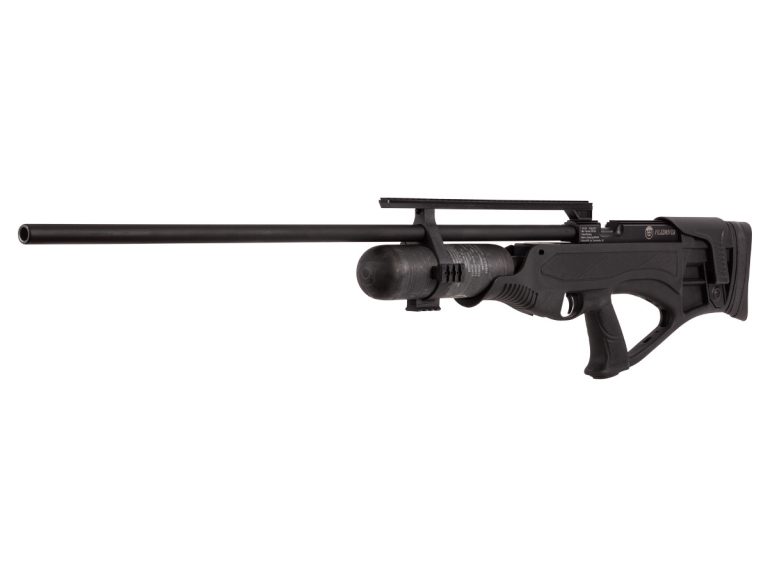
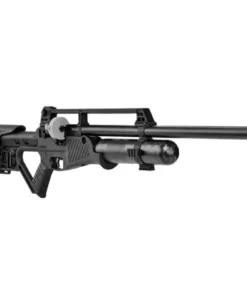
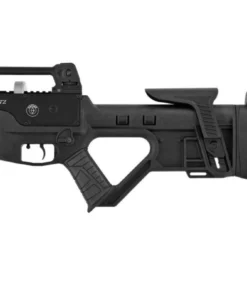
Hatsan Piledriver Big Bore PCP Air Rifle
Price range: $700.00 through $851.00
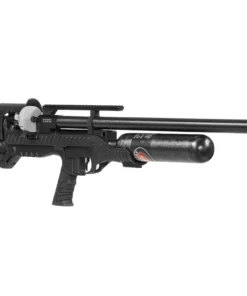
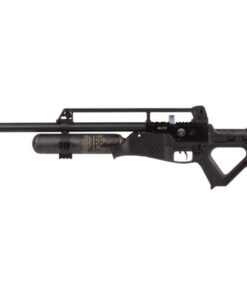
he Hatsan Piledriver is exactly what the name implies — a big-bore PCP built to deliver maximum energy on target. This is a serious hunting rifle chambered for large-caliber projectiles, and we stock it for hunters who need real stopping power for hogs, deer-sized game, and other large animals that demand a substantial airgun.
Available in .457 Cal at 900 fps, .510 Cal at 850 fps, and .620 Cal at 780 fps — the Piledriver covers the full spectrum of big-bore hunting applications.
- .457 Cal at 900 fps — proven big-bore hunting caliber with substantial energy
- .510 Cal at 850 fps — larger projectile for even more terminal impact
- .620 Cal at 780 fps — among the largest calibers available in a production airgun
- PCP platform — consistent, powerful shots without recoil management issues
Caliber Hatsan Piledriver .45 Air Rifle Kit, Hatsan Piledriver .45 Air Rifle, Hatsan Piledriver .50caliber, Hatsan Piledriver .50 Air Rifle, Hatsan Piledriver .62 Air Rifle Kit, Hatsan Piledriver .62 Air Rifle Brand Hatsan
Hatsan Piledriver Big Bore PCP Air Rifle – Technical Big-Bore Pneumatic
Piledriver Engineering, Big-Bore PCP Architecture, Precision Factors, and Related Hatsan Terminology
Hatsan Piledriver
hatsan piledriver refers to Hatsan’s large-bore, single-shot PCP platform. Unlike magazine-fed models, the Piledriver uses manual loading and emphasizes a long barrel, substantial pneumatic reservoir, and bullpup packaging.
Hatsan
hatsan manufactures a broad range of spring-powered, PCP, semi-automatic, bullpup, pistol, and specialty airgun platforms. Specifications should therefore remain tied to the exact model being discussed.
Hatsan Air Rifle
The phrase hatsan air rifle covers several different powerplant types. The Piledriver belongs specifically to Hatsan’s high-pressure PCP category rather than its spring-piston or CO₂ product families.
Big-Bore PCP Architecture
The Piledriver stores compressed air in an onboard reservoir rather than relying on a spring-driven piston. This reduces large reciprocating mechanical movement during discharge, although the pressure-bearing system introduces its own maintenance and inspection requirements.
480 cc Carbon-Fiber Reservoir
The current large-caliber Piledriver uses a 480 cc carbon-fiber air cylinder. Hatsan specifies a maximum fill pressure of 300 BAR, making reservoir integrity, gauge condition, seals, fittings, and professional servicing important parts of long-term ownership.
Single-Shot Configuration
The Piledriver is a single-shot platform rather than a magazine-fed repeater. HatsanUSA identifies its action as a bullpup side-lever system with manual loading.
Long Precision-Rifled Barrel
HatsanUSA describes the barrel as high-strength steel and precision rifled. The current U.S. page lists a 33-inch barrel, while the international specification lists approximately 35 inches for the .45 and .50 versions and 33 inches for the .62. Regional specifications should therefore be checked for the exact configuration.
Bullpup Synthetic Stock
The bullpup layout places the action rearward, allowing a long barrel while keeping overall length below what a conventional rifle layout might require.
The stock incorporates a pistol grip, adjustable cheek rest, and adjustable rubber butt pad.
Precision Considerations
Practical precision depends on more than barrel length or energy.
Projectile consistency, barrel condition, sight stability, pressure behavior, trigger control, environmental conditions, and mechanical health all influence repeatability.
CARABINA HATSAN PCP BT65 SB ELITE
CARABINA HATSAN PCP BT65 SB ELITE refers to a different PCP platform.
The BT65SB uses a detachable air cylinder, side-bolt action, multi-shot magazine, fiber-optic sights, and other features that distinguish it mechanically from the single-shot Piledriver.
Hatsan BT65.25 Specifications
The phrase hatsan bt65.25 specifications concerns the .25-caliber BT65 family and should not be used as Piledriver technical data.
Hatsan Sortie
The hatsan sortie belongs to Hatsan’s semi-automatic PCP family rather than its big-bore single-shot category.
Hatsan Sortie Tact
The hatsan sortie tact is a tactical variation of the Sortie platform and should remain separate from Piledriver specifications.
Hatsan Sortie Tact Semi-Auto PCP
The phrase hatsan sortie tact semi-auto pcp describes a semi-automatic PCP architecture, whereas the Piledriver uses manual loading.
Hatsan Sortie Threaded Adapter
The phrase hatsan sortie threaded adapter concerns an accessory associated with another platform, not the Piledriver’s core engineering.
Hatsan Velox
The hatsan velox is a semi-automatic PCP pistol family and belongs to a fundamentally different size and operating category.
Hatsan Jet
The hatsan jet is a compact PCP platform rather than a large-bore bullpup.
Hatsan Jet 2
The hatsan jet 2 is another compact PCP configuration, supported separately in HatsanUSA’s current manuals and diagrams.
Hatsan Jet I PCP .22 Caliber Pellet Rifle Kit
The phrase hatsan jet i pcp .22 caliber pellet rifle kit relates to a much smaller .22-caliber PCP configuration and should not be confused with the Piledriver.
Hatsan Flash
The hatsan flash is a lightweight PCP family, mechanically distinct from the large-bore single-shot platform discussed here.
Hatsan FlashPup QE
The hatsan flashpup qe uses a compact bullpup arrangement but is designed around a very different pressure, caliber, and magazine architecture.
Hatsan BullBoss
The hatsan bullboss is another bullpup PCP platform but should be treated separately because its reservoir, caliber range, action, and intended design differ.
Hatsan Hercules
The hatsan hercules belongs to a high-capacity PCP family.
Its architecture and magazine system differ from the Piledriver’s single-shot design.
Hatsan Hercules Bully
The hatsan hercules bully is a bullpup derivative in the Hercules family and is listed separately within HatsanUSA’s PCP support resources.
Hercules Bully Air Rifle
The phrase hercules bully air rifle therefore refers to a separate PCP platform.
Hatsan Harpoon
The hatsan harpoon is an arrow-launching PCP platform rather than a conventional pellet or slug rifle. HatsanUSA maintains separate documentation for it.
Hatsan Invader
The hatsan invader belongs to Hatsan’s semi-automatic PCP family rather than the single-shot large-bore category.
Hatsan Neutron Star
The hatsan neutron star is another PCP platform supported separately in HatsanUSA’s exploded-diagram library.
Hassan Blitz
hassan blitz is a common misspelling of Hatsan Blitz.
The Blitz is a magazine-fed semi/full-automatic PCP system, mechanically distinct from the manual-loading Piledriver.
Hatsan Model 95
The hatsan model 95, hatsan 95, hatsan mod 95, and model 95 refer to Hatsan’s spring-powered break-barrel family.
These designs do not use an onboard high-pressure reservoir.
Hatsan 135
The hatsan 135 is another spring/Vortex-powered break-barrel platform.
It should not be treated as mechanically equivalent to the Piledriver simply because both can exist in larger-caliber configurations.
Hatsan AirTact Air Rifle
The hatsan airtact air rifle belongs to Hatsan’s break-barrel family, which is supported separately from the manufacturer’s PCP range.
Hatsan Mod 25
The hatsan mod 25 belongs to Hatsan’s air-pistol range rather than the large-bore PCP category.
Hatsan Refurbished
The phrase hatsan refurbished describes condition rather than a specific model.
Any refurbished high-pressure pneumatic platform should be assessed for reservoir condition, seals, pressure-system history, barrel integrity, and professional service records.
Air Pellet Gun
The phrase air pellet gun is broad terminology that can encompass many propulsion systems.
The Piledriver is more accurately categorized as a high-pressure, single-shot big-bore PCP.
CO2 Pellet Rifle
A co2 pellet rifle uses carbon dioxide rather than the compressed-air reservoir architecture used here.
The two systems differ in operating pressure, temperature behavior, servicing requirements, and pressure-source design.
H&N Field Target Trophy
h&n field target trophy refers to a pellet family rather than a Hatsan model.
Projectile suitability should always correspond to the exact caliber and manufacturer recommendations.
Manual Safety
HatsanUSA lists a manual safety on the current Piledriver. As with any mechanical safety, responsible handling remains necessary regardless of safety position.
Quattro Trigger
HatsanUSA lists the Piledriver with the company’s Quattro Trigger system. Trigger consistency contributes to predictable control, although any internal adjustment should remain within manufacturer guidance.
Optics Rail
The rifle incorporates a long combination optics rail designed to accept both 11 mm and 22 mm mounting systems.
Accessory Rails
Three accessory rails are positioned around the air cylinder on the current U.S. configuration. These are part of the external mounting architecture rather than the pneumatic power system.
Why the Pressure System Matters
A 300 BAR pneumatic platform contains substantial stored energy.
Reservoir damage, persistent leakage, damaged gauges, or suspected internal valve problems should therefore receive qualified professional attention rather than improvised repair.
Why the Bullpup Layout Matters
The bullpup arrangement allows the action to sit behind the trigger area, preserving a long barrel while keeping overall length relatively compact.
The result is a distinctive balance and handling profile compared with a conventionally laid-out rifle.
Why the Single-Shot Architecture Matters
The manual-loading system contains fewer feeding components than a magazine-fed repeater.
However, loading-port condition, cocking mechanism integrity, barrel alignment, and pressure-system consistency still matter for reliable operation.
Why Precision Depends on More Than Energy
High muzzle energy does not automatically guarantee precision.
Projectile uniformity, barrel condition, sight stability, pressure consistency, trigger behavior, and environmental conditions remain important contributors to repeatability.
Overall Technical Perspective
The Hatsan Piledriver Big Bore PCP Air Rifle is a high-pressure, single-shot bullpup platform built around a 480 cc carbon-fiber reservoir, 300 BAR fill specification, long precision-rifled barrel, side-lever cocking system, adjustable stock components, manual safety, Quattro Trigger, and combination 11 mm/22 mm optics rail. Current large-caliber configurations include .45, .50 and .62 caliber, with manufacturer-published maximum energy figures reaching approximately 800 ft-lb in .50 caliber.
Its technical identity should remain clearly separated from Hatsan’s spring-powered, semi-automatic, pistol, arrow-launching, magazine-fed, and smaller-caliber PCP families. For a neutral technical assessment, the most important considerations are verified manufacturer specifications, reservoir integrity, barrel condition, seal health, valve consistency, sight stability, stock condition, maintenance history, and professional servicing of pressure-bearing components.
Engineering Construction, Pneumatic Performance, Precision, Handling, Reliability, and Maintenance
A large-caliber high-pressure pneumatic platform places considerable emphasis on structural integrity, pressure management, barrel quality, predictable mechanical operation, and long-term component durability. Unlike a conventional spring-powered design, compressed air stored within an onboard pressure vessel provides the operating energy. Consequently, there is no large spring-driven piston rapidly moving through the action during discharge. This architecture creates a comparatively smooth mechanical cycle while introducing additional responsibilities surrounding the reservoir, valves, seals, gauge, and other pressure-bearing components. Reliable performance therefore depends on the entire system remaining in appropriate condition.
High-Pressure Pneumatic Architecture
The pressure vessel represents the foundation of the propulsion system.
Compressed air is retained until controlled internal components regulate its release.
Because substantial pressure is involved, the integrity of the vessel and associated hardware is particularly important.
Reservoir Construction
A lightweight composite reservoir can provide substantial air capacity without the mass associated with an equivalent all-steel vessel.
However, external appearance should never be the only method used to determine condition.
Significant impact or suspected structural damage requires professional assessment.
Pressure-System Integrity
The reservoir, gauge, seals, valves, fittings, and connection points function as an integrated pressure-management system.
A problem affecting one component can influence overall reliability.
Pressure-bearing components should never be casually modified.
Pressure Monitoring
An integrated indicator provides information about the condition of the stored-air supply.
The indicator should remain readable and physically undamaged.
Any questionable pressure-reading component should receive appropriate technical attention.
Smooth Operating Character
One advantage of pneumatic propulsion is reduced internal reciprocating movement.
A heavy piston is not accelerated through the action during the firing cycle.
Therefore, mechanical disturbance can be lower than in many traditional spring-driven systems.
Single-Loading Architecture
A manually loaded configuration provides a mechanically straightforward feeding arrangement.
Without a multi-projectile magazine controlling the feeding sequence, fewer components are involved in projectile presentation.
Nevertheless, loading-port condition and mechanical alignment remain important.
Loading-Port Integrity
The loading area should remain clean and physically sound.
Damage or contamination can interfere with normal operation.
Any unexpected change in mechanical feel deserves inspection.
Cocking-System Condition
The mechanical cocking system should provide predictable movement.
Unexpected stiffness, scraping, or looseness can indicate wear or contamination.
Abnormal movement should never simply be overcome with excessive force.
Barrel Engineering
A long rifled barrel provides the physical structure required to stabilize the appropriate projectile.
Manufacturing quality is important, but condition throughout ownership matters equally.
The barrel should remain protected from substantial impact.
Rifling Condition
Internal rifling contributes to projectile stabilization.
The bore should remain unobstructed and protected from significant corrosion.
Cleaning should be performed according to actual need rather than an unnecessarily aggressive schedule.
Muzzle Integrity
The muzzle deserves careful protection during handling and transportation.
Physical damage in this area can potentially influence consistency.
A properly fitted protective case can reduce accidental contact.
Practical Precision
Precision cannot be judged through energy or velocity alone.
Barrel condition, projectile consistency, pressure behavior, sight stability, trigger characteristics, environmental conditions, and user technique all contribute.
Repeatability is generally more meaningful than a single exceptional result.
Projectile Uniformity
Consistently manufactured projectiles provide a stronger foundation for evaluating mechanical performance.
Physical deformation or contamination can introduce unnecessary variation.
Only suitable ammunition corresponding to the correct equipment specifications should be considered.
Trigger Consistency
A predictable trigger provides consistent mechanical feedback.
Unexpected changes in resistance or movement can indicate developing wear.
Internal alteration should not replace appropriate servicing.
Safety Mechanism
A mechanical safety provides an additional layer of protection.
However, responsible handling remains the primary safeguard.
No mechanical safety should ever be considered incapable of malfunction.
Bullpup Construction
A bullpup arrangement places major action components farther rearward than a conventional configuration.
This allows a comparatively long barrel to be incorporated without requiring an equally long overall platform.
The resulting balance can feel different from traditional layouts.
Synthetic Furniture
Synthetic construction provides practical environmental durability.
It is generally less sensitive to ordinary humidity changes than many natural materials.
However, extreme heat, aggressive chemicals, and significant impact should still be avoided.
Adjustable Cheek Support
An adjustable cheek interface can help accommodate differences in user proportions and sighting configurations.
Once adjusted, the component should remain mechanically secure.
Excessive movement can reduce consistency and comfort.
Adjustable Shoulder Interface
An adjustable rear contact surface can support different body proportions.
Secure positioning remains important after adjustment.
Developing looseness should receive inspection.
Grip Ergonomics
Grip geometry contributes to overall handling comfort.
A natural hand position can reduce unnecessary muscular tension during controlled recreational sessions.
Individual preference naturally influences perceived fit.
Weight Distribution
Total mass provides only part of the handling picture.
The position of the reservoir, barrel, receiver, and stock determines balance.
A rearward action arrangement creates a distinctive center of gravity compared with conventional configurations.
Sighting Stability
Sighting equipment should remain securely mounted.
Loose hardware can create inconsistent alignment that may incorrectly appear to originate from the barrel or pressure system.
Periodic inspection can identify this relatively straightforward issue.
Mounting-Surface Integrity
Accessory mounting surfaces should remain structurally sound.
Compatible hardware should fit correctly without requiring excessive force.
Improvised installation can damage interfaces or compromise alignment.
Seal Condition
Seals maintain compressed air at critical interfaces.
Pressure cycles, age, contamination, environmental conditions, and storage practices can gradually influence their service life.
Persistent leakage can indicate that servicing is required.
Valve Reliability
Internal valves control the movement of stored compressed air.
Their consistent operation contributes to predictable pneumatic performance.
Significant internal valve concerns require appropriate technical expertise.
Environmental Conditions
Temperature and environmental exposure can influence materials and pneumatic behavior.
Although compressed air behaves differently from carbon-dioxide propulsion, extreme conditions should still be avoided.
Moderate storage conditions support component longevity.
Exterior Metal Care
Metal surfaces should remain protected from persistent moisture.
Handling residue and environmental contamination can gradually affect protective finishes.
Simple exterior preservation helps maintain condition.
Corrosion Prevention
Corrosion can begin as a minor cosmetic issue and eventually become more significant.
Equipment should therefore remain dry during storage.
Developing surface deterioration is generally easier to address when identified early.
Routine Inspection
Periodic inspection can identify changes before they become substantial.
The barrel, stock, pressure-vessel exterior, gauge, loading area, sights, mounting hardware, and accessible controls can all be visually assessed.
Routine inspection does not require internal disassembly.
Maintenance Philosophy
Maintenance should be proportional to actual mechanical condition.
Unnecessary internal disassembly can introduce additional wear, alignment problems, or damage.
Complex pressure-system work should remain a professional procedure.
Storage Environment
Secure, dry, temperature-stable storage supports long-term preservation.
The equipment should remain protected from unauthorized access and environmental extremes.
Pressure-system storage procedures should follow manufacturer guidance.
Protective Case Use
A suitable case can protect against scratches and accidental impact.
However, enclosed cases can retain moisture.
Equipment should therefore be dry before extended enclosure.
Transportation Care
Transportation can expose equipment to vibration and physical impact.
Secure positioning inside an appropriate protective case helps preserve the barrel, stock, pressure vessel, and sighting equipment.
Applicable transportation requirements should always be followed.
Long-Term Reliability
Reliability depends on both original engineering and subsequent ownership.
Reservoir integrity, healthy seals, consistent valves, a protected barrel, stable loading components, secure sights, and appropriate environmental protection all contribute.
Professional Servicing
High-pressure pneumatic equipment requires specialized technical knowledge.
Reservoir concerns, damaged gauges, substantial leakage, valve problems, or other internal pressure-system faults should receive qualified professional attention.
Improvised repairs can create serious hazards.
Overall Engineering Assessment
A well-maintained large-caliber pneumatic platform can provide smooth mechanical operation, stable construction, straightforward manual loading, adjustable ergonomics, and predictable recreational performance. Its pressure-based architecture reduces the large reciprocating movement associated with traditional spring-driven designs, while the rearward action layout allows a long barrel to be incorporated into a comparatively compact overall configuration.
Long-term quality ultimately depends on the complete system remaining healthy. Reservoir integrity, seal condition, valve consistency, barrel stability, trigger predictability, sight security, stock condition, appropriate ammunition, careful transportation, and suitable storage all contribute to serviceability. Routine inspection can identify developing problems early, while qualified professional servicing provides the appropriate response when pressure-bearing components require attention.
Long-Term Durability, Mechanical Consistency, Ergonomics, Inspection, Storage, and Ownership
A large-caliber high-pressure pneumatic platform should be assessed through its complete mechanical and structural condition rather than through performance figures alone. The pressure vessel, barrel, receiver, loading assembly, trigger, seals, valves, gauge, stock, sighting system, and mounting hardware all contribute to long-term reliability. Although pneumatic propulsion reduces the substantial reciprocating movement associated with traditional spring-driven designs, the high-pressure architecture creates its own maintenance requirements. Proper inspection, careful transportation, appropriate storage, and qualified servicing of pressure-bearing components therefore remain essential throughout ownership.
Long-Term Durability
Durability begins with appropriate materials and sound manufacturing.
However, construction quality alone cannot prevent every form of deterioration.
Physical impact, moisture, contamination, extreme temperatures, and neglected maintenance can gradually affect otherwise robust equipment.
Structural Integrity
Structural components should remain free from significant cracking, deformation, or impact damage.
Minor cosmetic marks may develop during normal handling.
Nevertheless, damage affecting load-bearing or pressure-bearing areas deserves professional assessment.
Receiver Stability
The receiver provides support for several mechanical components.
Its relationship with the barrel, stock, loading system, and mounting interface should remain stable.
Unexpected movement can indicate that inspection is necessary.
Barrel Condition
The barrel should remain securely positioned and protected from substantial impact.
Physical damage can potentially influence alignment and consistency.
Careful handling helps preserve its original condition.
Bore Preservation
Internal surfaces should remain unobstructed and free from significant corrosion.
Cleaning should respond to actual condition rather than an arbitrary schedule.
Excessively aggressive maintenance can be unnecessary.
Muzzle Protection
The muzzle is particularly vulnerable to accidental impact during transportation and storage.
Damage in this area can potentially affect consistency.
A suitable protective case provides useful physical protection.
Pressure-Vessel Condition
The pressure vessel deserves particular attention because it contains substantial stored energy.
Visible damage, unusual deformation, significant impact, or suspected deterioration should never be ignored.
Qualified assessment is appropriate whenever pressure-vessel integrity becomes questionable.
Pressure-System Reliability
Reliable pneumatic operation depends on several interconnected components.
The vessel, gauge, valves, seals, fittings, and associated interfaces must continue functioning correctly.
A problem affecting one area can influence overall system behavior.
Gauge Integrity
The pressure indicator should remain physically sound and readable.
Unexpected readings or visible damage deserve appropriate technical evaluation.
Pressure information should not be trusted blindly when the monitoring component appears compromised.
Seal Longevity
Seals naturally age throughout ownership.
Pressure cycles, temperature, contamination, storage conditions, and time can influence their service life.
Persistent leakage can provide an indication that maintenance is required.
Valve Consistency
Internal valves regulate compressed-air movement.
Predictable valve behavior contributes to consistent pneumatic operation.
Significant internal problems should be addressed by appropriately qualified personnel.
Mechanical Smoothness
Moving components should develop a familiar operating character.
Unexpected stiffness, scraping, looseness, or irregular movement can indicate wear or contamination.
Changes should be investigated rather than overcome with excessive force.
Loading-System Condition
A manually loaded arrangement is mechanically straightforward, but it still requires correct alignment.
The loading area should remain clean and physically sound.
Damage or contamination can interfere with normal operation.
Cocking Mechanism
The cocking assembly should retain predictable movement throughout its service life.
Significant changes in resistance or mechanical feel deserve inspection.
Improvised adjustment should not replace appropriate maintenance.
Trigger Reliability
A predictable trigger provides consistent mechanical feedback.
Unexpected changes in resistance, movement, or release characteristics can indicate developing wear.
Internal servicing should follow appropriate technical guidance.
Safety-System Condition
Mechanical safeguards should remain fully functional.
However, they should always be considered secondary protection.
Responsible handling remains essential regardless of the position of a safety mechanism.
Stock Durability
Synthetic furniture generally offers good resistance to ordinary environmental variation.
It also requires relatively straightforward exterior maintenance.
Nevertheless, extreme heat, substantial impact, and aggressive chemicals can still cause deterioration.
Stock Stability
The stock should continue supporting the action securely.
Mounting areas should remain free from cracking or unusual movement.
Structural concerns should receive appropriate attention.
Adjustable Components
Adjustable contact points should move correctly when intentionally repositioned and remain secure afterward.
Developing looseness can reduce comfort and stability.
Adjustment mechanisms should therefore be included in routine inspection.
Ergonomic Comfort
Ergonomics influence how naturally a substantial platform can be supported.
Grip geometry, cheek position, shoulder contact, balance, and overall dimensions all contribute.
Individual body proportions naturally affect perceived comfort.
Weight Distribution
Total weight alone does not fully describe handling.
The position of the pressure vessel, barrel, action, and stock determines the center of gravity.
A rearward mechanical layout can produce a different balance from conventional configurations.
Practical Consistency
Performance should be evaluated through repeated results under comparable conditions.
One isolated result provides limited information.
Mechanical health, projectile uniformity, sight stability, pressure behavior, and environmental conditions should all be considered.
Precision Over Time
Long-term precision depends on preserving the mechanical relationships that existed when the equipment was functioning correctly.
Barrel integrity, secure sights, predictable trigger behavior, and consistent pneumatic operation all contribute.
Developing problems in any of these areas can affect repeatability.
Projectile Condition
Appropriate projectiles should remain clean, dry, and free from significant deformation.
Physical inconsistencies can introduce unnecessary variation.
Proper storage helps preserve their condition.
Sight Stability
Sighting equipment should remain securely installed.
Loose hardware can cause alignment changes that may incorrectly appear to originate elsewhere in the system.
Periodic inspection can identify these straightforward problems.
Mounting Hardware
Accessory mounting surfaces should remain structurally sound.
Compatible hardware should fit correctly without excessive force.
Overtightening or unsuitable components can damage interfaces.
Exterior Finish
Protective finishes help shield metal surfaces from environmental exposure.
Minor handling marks may develop naturally.
However, deeper deterioration should receive attention before corrosion progresses.
Moisture Protection
Persistent moisture can gradually affect metal components.
Equipment should therefore be dry before storage.
Humidity should also be considered when selecting a long-term storage environment.
Routine Inspection
Regular visual inspection provides an effective method of recognizing developing problems.
The barrel, stock, pressure-vessel exterior, gauge, loading area, sights, controls, and mounting hardware can all be observed without internal disassembly.
Maintenance Planning
Maintenance should respond to actual condition.
Frequent unnecessary disassembly can introduce additional wear or alignment problems.
Complex internal work should be reserved for genuine servicing requirements.
Cleaning Philosophy
Routine cleaning should emphasize preservation.
Exterior contamination and moisture can be removed using materials appropriate for the surfaces involved.
Aggressive solvents should be avoided unless specifically suitable.
Storage Environment
A secure, dry, reasonably temperature-stable environment supports long-term preservation.
The equipment should remain protected from unauthorized access and significant environmental extremes.
Pressure-system storage procedures should follow manufacturer guidance.
Protective Case
A correctly fitted case can reduce scratches and accidental impact.
However, enclosed cases can retain moisture.
Equipment should therefore be dry before prolonged enclosure.
Extended Inactivity
Equipment can deteriorate even when it is rarely used.
Seals continue aging, while unsuitable storage conditions can affect metal and synthetic components.
Inspection is sensible after extended periods of inactivity.
Transportation Care
Transportation exposes equipment to vibration and potential impact.
Secure positioning inside an appropriate protective case can reduce unnecessary damage.
Applicable transportation requirements should always be respected.
Recognizing Developing Wear
Changes in mechanical movement, pressure retention, gauge behavior, trigger feel, sight stability, or component fit can provide useful warning signs.
Recognizing these changes early allows problems to be addressed before additional deterioration occurs.
Replacement Components
Replacement parts should correspond to the exact mechanical configuration.
Visual similarity does not guarantee compatibility.
Correct components help preserve intended reliability.
Professional Inspection
High-pressure pneumatic systems require specialized technical knowledge.
Reservoir concerns, significant leakage, damaged gauges, valve problems, or other internal pressure-related issues should receive qualified professional attention.
Maintenance Documentation
Basic service records can become increasingly valuable over time.
Professional inspections, component replacements, pressure-system servicing, and significant repairs can be documented.
A clear history simplifies future condition assessment.
Long-Term Serviceability
Serviceability depends on the combination of original construction and responsible ownership.
Sound engineering establishes the foundation, while appropriate maintenance helps preserve it.
Poor storage can accelerate deterioration even when equipment receives little use.
Responsible Ownership
Secure storage, lawful transportation, controlled recreational use, and appropriate maintenance are all essential aspects of ownership.
Mechanical condition should never be neglected simply because equipment continues to function.
Overall Long-Term Assessment
A properly maintained high-pressure pneumatic platform can retain smooth mechanical operation, stable construction, predictable handling, straightforward manual loading, and consistent recreational performance over an extended service life. Its pressure-based architecture reduces the substantial reciprocating movement associated with traditional spring-driven systems while placing greater importance on reservoir condition and pressure-system integrity.
Long-term reliability ultimately depends on preserving the complete mechanical system. Healthy seals, consistent valve behavior, a structurally sound pressure vessel, protected barrel, stable trigger system, secure sights, durable furniture, appropriate projectiles, and suitable environmental protection all contribute. Routine inspection, dry storage, careful transportation, compatible replacement components, and qualified servicing of pressure-bearing parts can help maintain dependable operation and structural integrity throughout long-term ownership.
Be the first to review “Hatsan Piledriver Big Bore PCP Air Rifle”
Related products
Hatsan
Hatsan
Hatsan
Reviews
There are no reviews yet.