
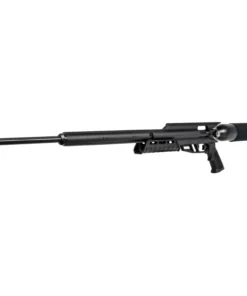
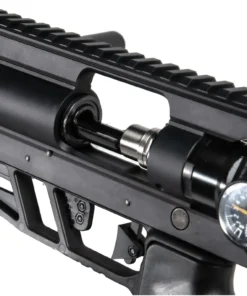
Texan® .510 Caliber
$800.00
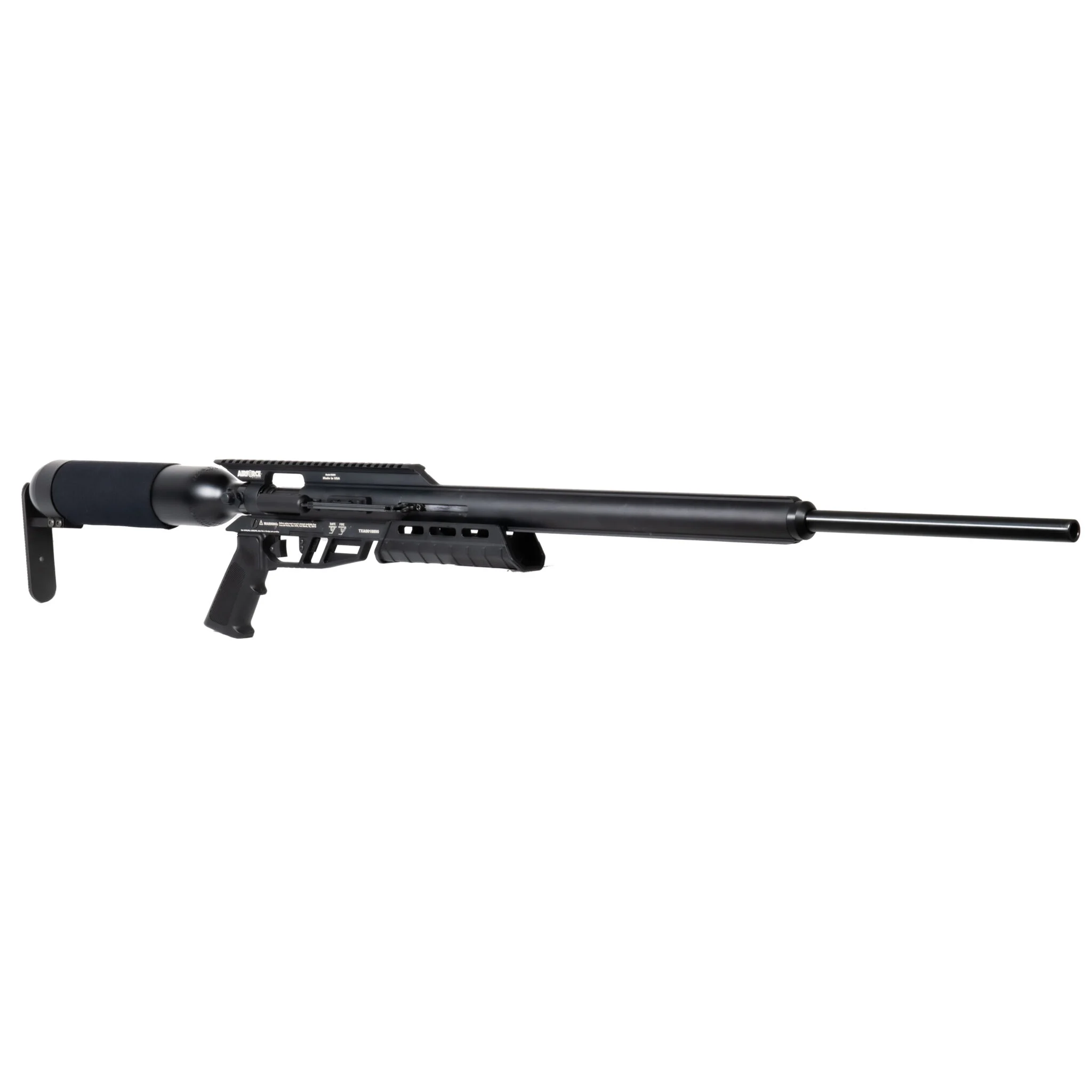
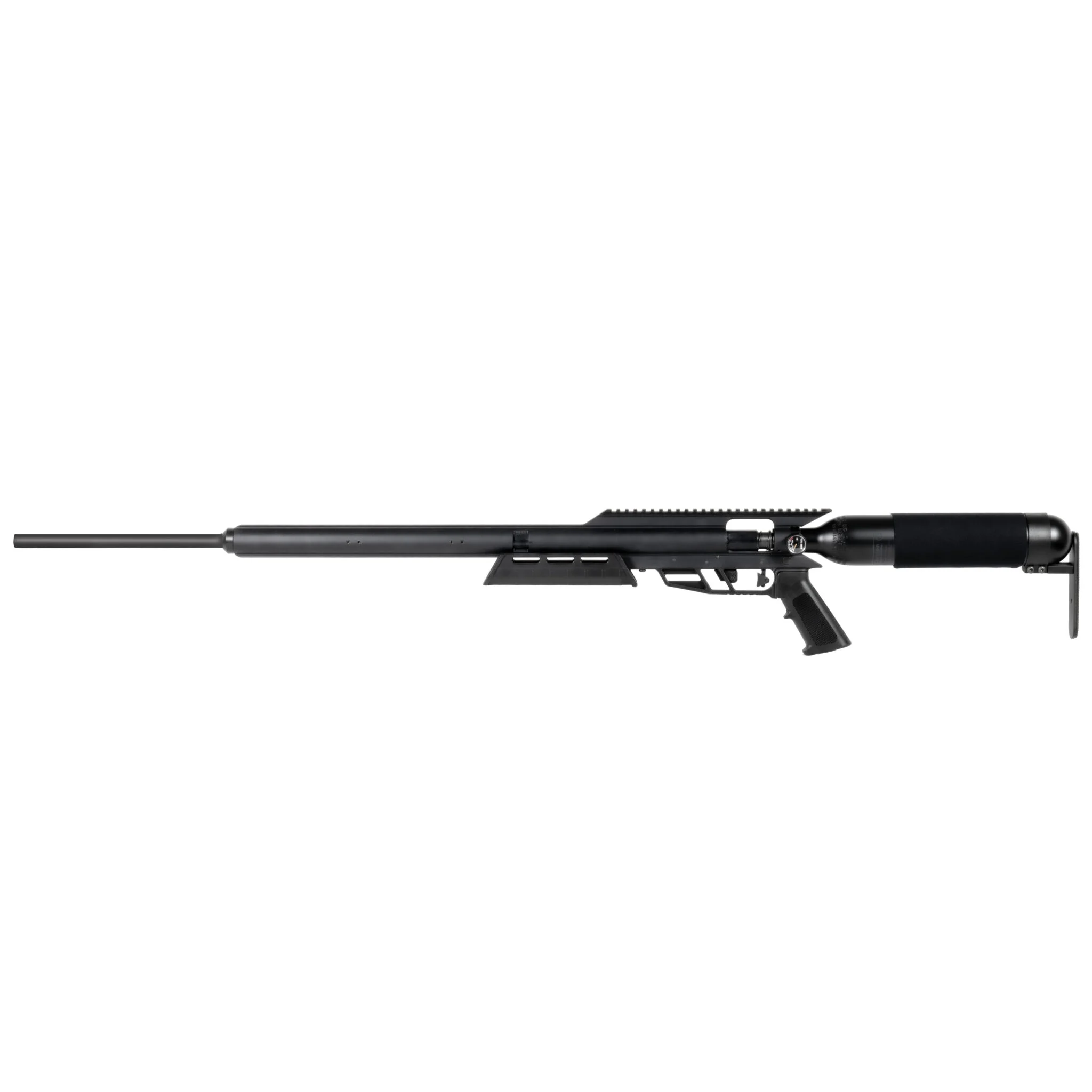
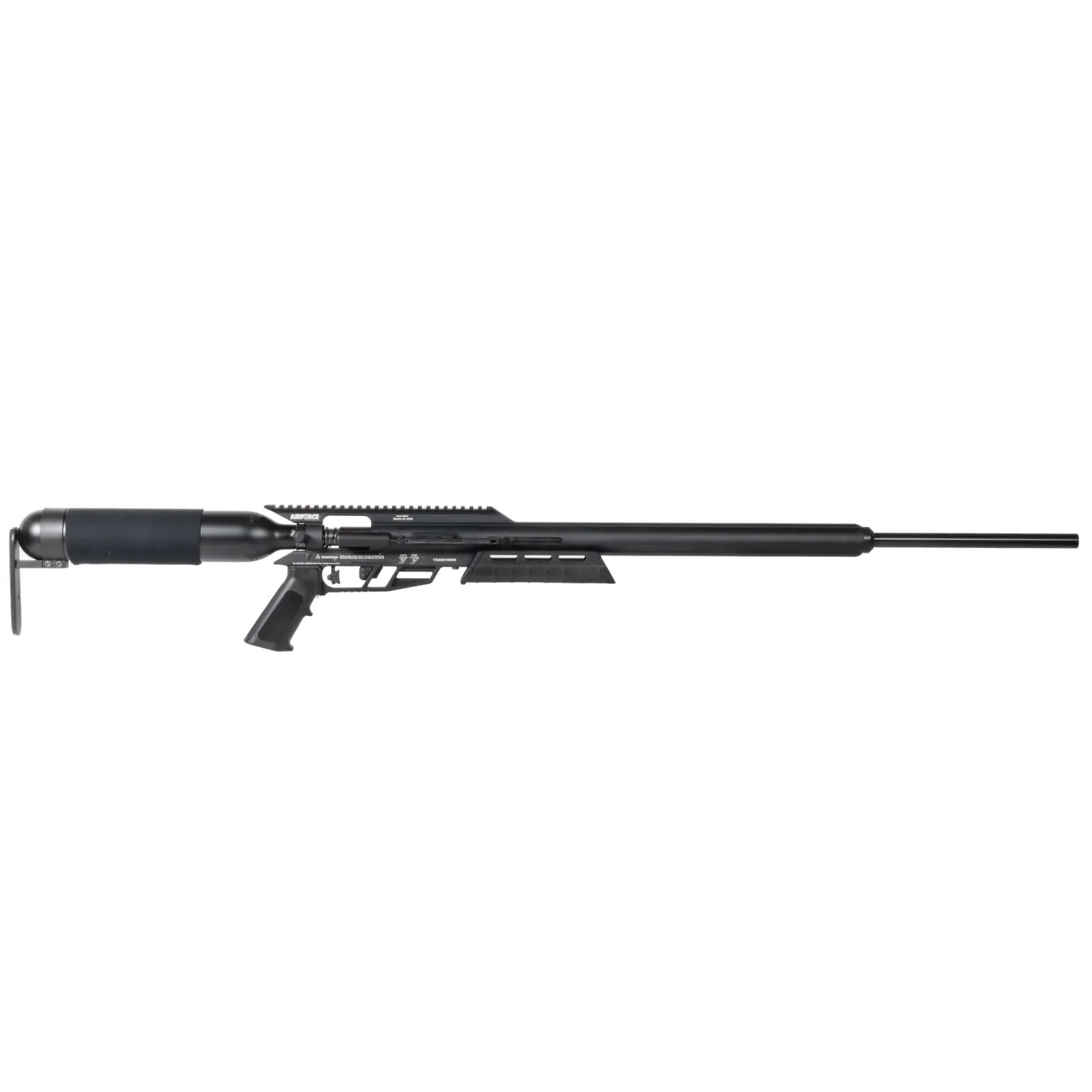
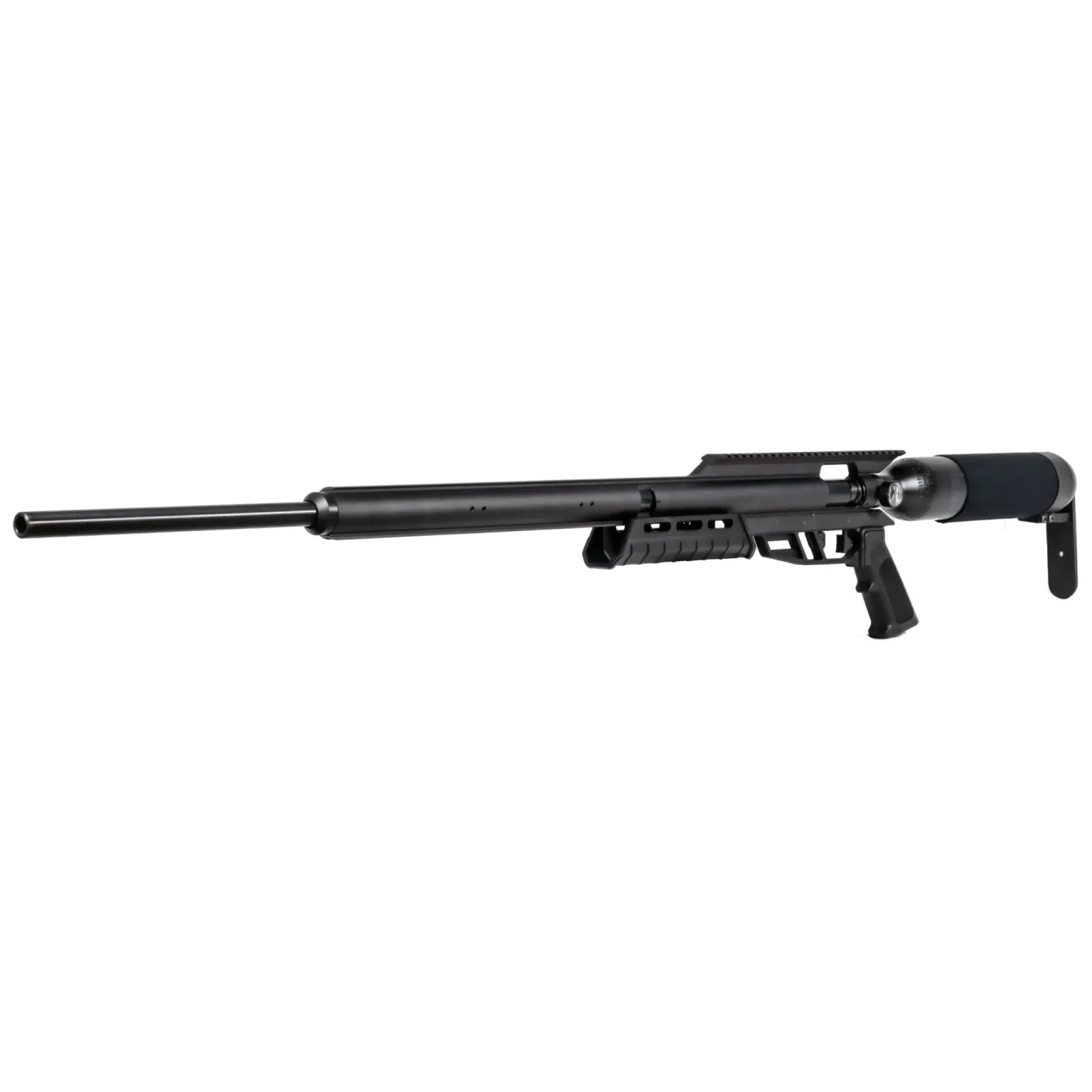
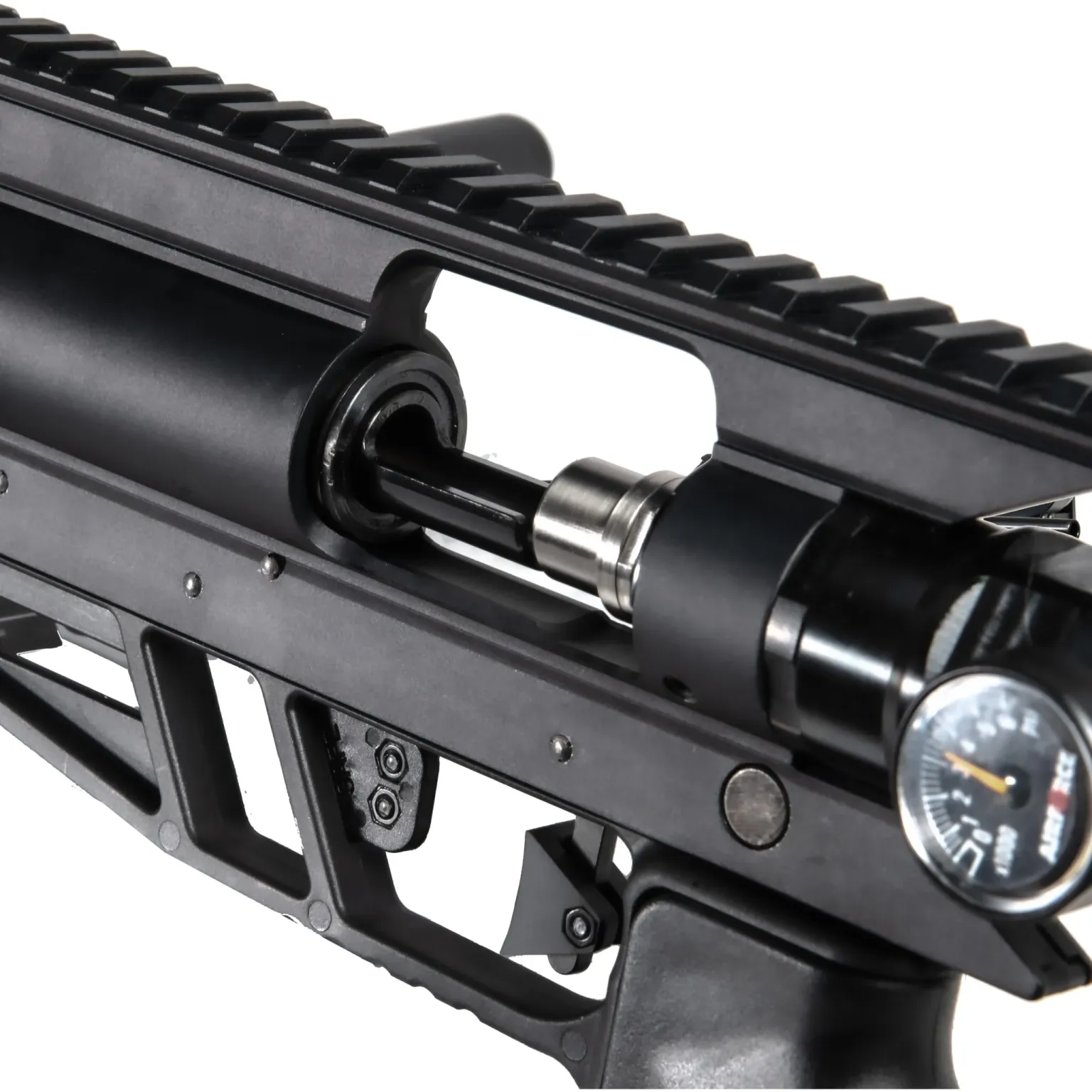
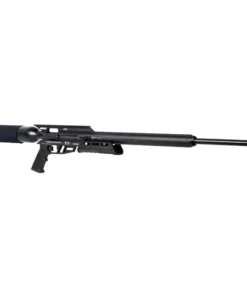
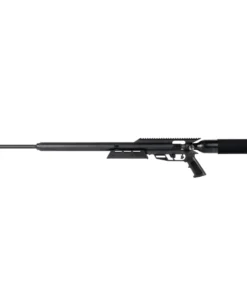
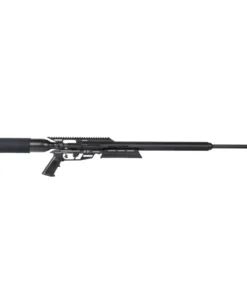
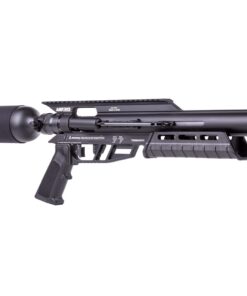
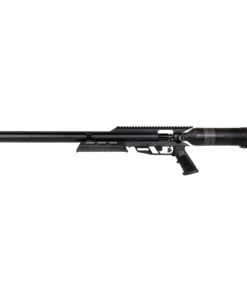
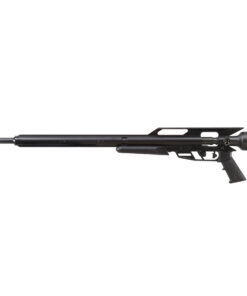
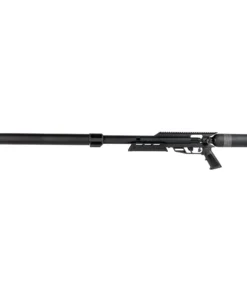
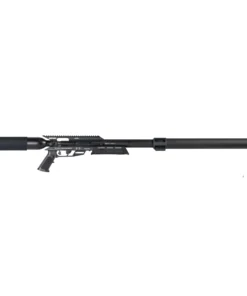
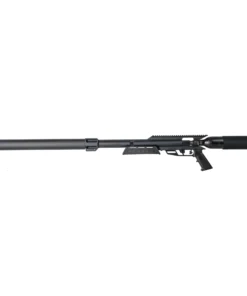
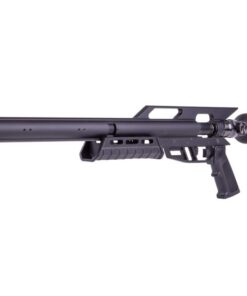
The AirForce Texan® .510 Big Bore PCP Air Rifle is built for one purpose: serious big-bore performance. Capable of launching .510 caliber projectiles at velocities exceeding 1,000 feet per second and producing more than 800 foot-pounds of muzzle energy*, the Texan .510 delivers the power, accuracy and simplicity that have made the Texan platform a benchmark in American-made big-bore air rifles.
At the heart of the rifle is a 34-inch Lothar Walther barrel, providing the length and precision needed to take full advantage of heavy .510 caliber projectiles. The rifle is powered by a 500cc Spin-Loc® aluminum air tank filled to 3,000 PSI, providing the air volume required for serious big-bore performance.
The latest Texan configuration adds a Picatinny optics rail, upper and lower dovetail accessory rails, and a manual safety, while retaining the straightforward single-shot design that has defined the Texan from the beginning.
An adjustable power wheel gives the shooter additional control over the rifle’s performance, allowing the Texan to be tuned for different projectiles and shooting applications. Despite its power and 34-inch barrel, the aircraft-grade aluminum construction keeps the rifle remarkably manageable in the field.
For hunters and shooters looking for maximum performance from the original Texan platform, the Texan .510 stands at the top of the lineup.
Made in America. Built for big bore.
The Texan .510 is available in Original Black.
*Velocity and energy will vary depending on projectile weight, fill pressure, power setting and other conditions.
AirForce Texan® .510 Big Bore PCP Air Rifle
AirForce Texan® .510 Big Bore PCP Air Rifle – Texan Series
- Action: Single Shot Sidelever
- Air Tank Volume: 500cc
- Barrel: 34” Lothar Walther
- Buttplate: Adjustable
- Caliber: .510
- Energy: 800+ FPE*
- Grip: Ambi
- Length: 48″
- Max Fill Pressure: 3,00 Psi /206 Bar
- Rails: Picatinny Scope Rail; Dovetail upper and lower for accessories
- Safety: Manual
- Sights: Open or Optical
- Shrouded: Yes
- Shots per Fill: 4-5
- Trigger 2 Stage, Adjustable
- Velocity: 1,000+ fps*
- Weight: 7.65 Lbs.
- Warranty: Limited Life Time
AirForce Texan® .510 Caliber Big Bore PCP Air Rifle
AirForce Texan .510 Caliber Overview
The AirForce Texan® .510 Caliber sits at the heavy-hitting end of the modern PCP market. Unlike a conventional pellet gun intended primarily for backyard plinking or light target work, this AirForce big bore air rifle is engineered around large .510-caliber projectiles, a high-capacity air system, and a long precision barrel. AirForce currently lists the standard Texan .510 with a 34-inch Lothar Walther barrel, 500cc air tank, single-shot sidelever action, two-stage adjustable trigger, manual safety, and performance rated at more than 800 foot-pounds of energy, depending on ammunition weight and operating conditions.
For shoppers comparing airforce airguns, air force guns, airforcetexan, airforce texan air rifle, or a texas air force rifle, this model represents the full-length big-bore platform rather than the shorter SS or Carbine configurations.
AirForce Texan .510 Power and Big-Bore Design
The heart of the rifle is its .510-caliber system. AirForce rates the standard current Texan at 1,000+ fps and 800+ FPE, with actual results varying according to projectile weight, fill pressure, power setting, and environmental conditions. The company also lists a 500cc Spin-Loc aluminum air tank, approximately 4–5 shots per fill, and a 3,000 PSI / 206 bar fill pressure on the current aluminum-tank configuration.
That places the rifle in a very different category from typical air rifle and air pistol products or smaller-caliber pcp airguns. Search phrases such as high powered air rifles 4000 fps should therefore be interpreted carefully: the Texan is not a 4,000-fps rifle. Its performance comes from combining a heavy big-bore projectile with substantial muzzle energy rather than chasing unrealistic velocity figures.
Precision 34-Inch Lothar Walther Barrel
AirForce equips the standard Texan .510 with a 34-inch Lothar Walther barrel. The long barrel helps the PCP system use its available compressed air efficiently while providing the rifled guidance needed for consistent projectile stabilization.
For buyers researching bolt action air rifles, it is important to note that the Texan uses a single-shot sidelever action, not a conventional bolt action. The rifle is designed around deliberate loading and precise shot placement rather than rapid magazine-fed shooting.
The latest standard model also incorporates a Picatinny scope rail together with upper and lower dovetail accessory rails, allowing suitable optics and field accessories to be mounted according to the user’s requirements.
Why Choose the Full-Length Texan Instead of the SS or Carbine?
AirForce offers several related .510 platforms, including the airforce texan ss, airforce texan lss, Texan Carbine, and newer Tex-Rex variants. The full-length Texan is the model for shooters who want the longer 34-inch barrel and the highest energy potential of the traditional platform.
The current Texan SS .510 uses a shorter 24.75-inch barrel and is rated up to around 930 fps, while the Texan Carbine also prioritizes compact handling. By comparison, the full-length Texan keeps the longer barrel and 800+ FPE capability.
For dense terrain, hunters may also encounter terms such as Tex-Rex AirForce brush gun, Brush Gun, AirForce Tex-Rex PCP rifle, Tex-Rex Brush Gun air rifle, AirForce Texan Brush Gun, AirForce Tex-Rex air rifle, AirForce Tex-Rex hunting rifle, brush gun PCP air rifle, and AirForce brush gun. Those refer to related compact AirForce models rather than this exact full-length Texan configuration.
Compressed-Air System and Filling
As a PCP rifle, the Texan does not use spring-piston operation or CO₂. Instead, its power comes from compressed air stored in the rifle’s reservoir.
The current standard model uses a 500cc tank, and AirForce specifies compressed air for filling. A suitable air gun pump, compressor, or properly regulated charging source may be used when it meets the manufacturer’s pressure requirements.
Anyone asking what is an air rifle should understand that PCP rifles differ significantly from low-powered recreational models. The Texan stores high-pressure air and releases a controlled volume behind a heavy projectile when fired.
Adjustable Trigger, Buttplate, and Controls
The rifle incorporates a two-stage adjustable trigger, an adjustable buttplate, and an ambidextrous grip. The latest configuration also uses a manual safety.
These features help the user establish a more consistent shooting position. In precision shooting, small improvements in shoulder placement, trigger control, optic setup, and follow-through can matter considerably.
Field and Hunting Applications
Searches such as 50 caliber air rifle for deer hunting reflect one of the main reasons shooters look at big-bore PCP rifles. AirForce markets the Texan .510 for serious hunting applications, including larger game, although the legal use of air rifles for hunting varies widely by jurisdiction.
Buyers should always confirm local hunting regulations, permitted calibers, energy requirements, seasons, projectile restrictions, and land-use rules before using the rifle on game.
The same applies when searching for airgun shooting range near me or air guns for target shooting. A .510-caliber Texan produces far more energy than ordinary target air rifles and should only be used at facilities with an adequate backstop and rules that permit big-bore PCP rifles.
Texan Compared With Other AirForce Platforms
The Texan belongs to the same broad AirForce family as models such as the AirForce Talon P, air force talon, airforce condor, and smaller AirForce configurations. However, the .510 Texan is purpose-built around big-bore performance rather than lightweight small-caliber shooting.
Searches including airforce 25, .30 cal air rifle, airbolt rifle, and air force talon p therefore describe noticeably different performance categories.
Likewise, Tex-Rex, air force tex rex, and newer carbon-fiber Tex-Rex rifles represent newer branches of the company’s big-bore platform. AirForce now offers CF-series models with carbon-fiber bottles and higher 250-bar fill pressures, but those specifications should not automatically be applied to the standard aluminum-tank Texan .510.
How It Compares With FX Airguns Searches
Shoppers researching premium PCP rifles may also encounter FX airguns, FX Panthera MkII, FX Impact M4, FX Impact M3, FX DRS Tactical, FX DRS Classic, FX DRS Pro, FX Leopard, FX Wildcat, FX King, FX Panthera, FX Dynamics, FX air rifle, FX chronograph, FX Airguns USA, FX Airguns Sweden, fx airguns sverige, fxairguns, fx outdoors, impact m4 500mm, impact m4 air rifle, fx m4, f x impact, and f x impact m3.
Those products occupy overlapping PCP search territory, but they should not be confused with the Texan .510. The Texan’s defining characteristic is its large-bore, single-shot hunting architecture and extremely high energy output rather than the magazine-fed precision platform associated with many FX models.
Why the Texan .510 Stands Out
The strongest reason to consider the AirForce Texan .510 Caliber is its combination of simplicity, big-bore energy, long precision barrel, substantial air capacity, and relatively lightweight construction.
AirForce lists the standard model at approximately 48 inches long and 7.65 pounds, which is comparatively manageable considering the rifle’s energy class. It is also manufactured in Texas and backed by a limited lifetime warranty according to the current manufacturer listing.
For buyers seeking a serious AirForce big bore airgun rather than a conventional recreational pellet rifle, the Texan .510 is designed around deliberate shooting, high energy, and heavy-projectile performance. Its exact suitability ultimately depends on the intended use, local laws, appropriate ammunition, safe filling equipment, and access to a range or hunting environment capable of handling a rifle in this power class.
Performance, Build Quality, Air System, Handling, and Practical Ownership
The Texan .510 is built around a straightforward big-bore design that prioritizes power, durability, and deliberate shot placement. Rather than relying on a high-capacity magazine or rapid cycling system, it uses a single-shot layout that encourages the shooter to load carefully, establish a stable position, and focus on each individual shot. That simplicity is one of the reasons the platform appeals to shooters who value mechanical directness and strong energy delivery over a more complicated operating system.
Its overall design combines a long precision barrel, high-pressure air reservoir, adjustable controls, and a rigid frame intended to remain stable under repeated use. Because the rifle operates in a much higher energy class than ordinary recreational air rifles, correct setup, safe handling, and proper maintenance become especially important.
Barrel Length and Shot Consistency
The long barrel plays a major role in the way the rifle develops energy.
A longer barrel gives compressed air more time to accelerate the projectile before it exits the muzzle. That does not mean longer is always better for every platform, but in this design the barrel length complements the large reservoir and heavy projectile format.
Consistency also depends on several factors beyond barrel length.
Projectile weight, projectile fit, fill pressure, remaining reservoir pressure, ambient temperature, trigger control, optic setup, and shooter technique can all influence results.
For that reason, owners should avoid judging performance based on a single shot or one projectile type.
Testing several appropriate projectiles under controlled conditions can help determine what the individual rifle prefers.
Single-Shot Operation
The single-shot system keeps the action relatively simple.
After each shot, the shooter manually prepares the rifle for the next projectile. This reduces the number of feeding components compared with a magazine-fed design and can make the loading process easy to inspect.
The main tradeoff is speed.
This is not a platform designed primarily around rapid follow-up shots.
Instead, it is better suited to deliberate shooting where the user has time to reload and establish the next sight picture carefully.
For many owners, that slower rhythm is not a disadvantage. It can encourage more disciplined shooting habits and better attention to shot placement.
High-Pressure Air Reservoir
The rifle relies on compressed air stored in the reservoir rather than combustion or a spring mechanism.
That means air management becomes part of normal ownership.
The user needs a suitable filling source and should understand the correct working pressure of the specific rifle configuration.
A high-pressure hand pump may be physically demanding with a large reservoir, so many owners prefer a suitable compressor or regulated charging system.
Regardless of the filling method, the equipment should be rated appropriately for the pressure involved.
The reservoir should never be filled beyond the manufacturer’s stated limit.
Connectors, hoses, fittings, and seals should also be inspected regularly for wear or damage.
Shot Count and Pressure Management
Big-bore rifles generally use much more air per shot than smaller-caliber target rifles.
As a result, the number of useful shots available from each fill is limited.
Owners should expect to monitor pressure carefully rather than simply shooting until the reservoir is nearly empty.
A pressure gauge helps indicate when the rifle is approaching the lower end of its efficient operating range.
As reservoir pressure drops, velocity and point of impact can begin to change.
For consistent results, shooters should learn the pressure window in which their particular rifle performs best.
Trigger and Shooter Control
A predictable trigger can improve practical accuracy.
The rifle uses an adjustable two-stage system, allowing the shooter to work with a defined first stage before reaching the break.
Any trigger adjustment should be approached cautiously.
The goal should be a clean and predictable release without compromising safe engagement.
A trigger that is set excessively light can create unnecessary risk.
Stable shoulder position, consistent grip pressure, smooth trigger movement, and follow-through remain just as important as the mechanical trigger itself.
Recoil and Movement
Although the rifle does not produce firearm recoil in the conventional combustion sense, a powerful big-bore pneumatic system can still create noticeable movement and sound.
The shooter should maintain a firm, repeatable position.
A properly adjusted buttplate can help improve consistency by placing the rifle in the same shoulder position from shot to shot.
The user should also choose an optic and mounting system that can tolerate the rifle’s overall operating environment.
Optics and Sight Setup
The rifle is commonly used with an optical sight rather than basic open sights.
A suitable optic should provide enough adjustment range and clarity for the distances at which the rifle will realistically be used.
Mounts should be tightened correctly and checked periodically.
After transporting the rifle or making major adjustments, the zero should be verified again at a safe range.
Owners should avoid assuming that an optic remains perfectly aligned after long-distance transport or rough handling.
Projectile Selection
Projectile selection has a major influence on accuracy and energy.
Because this is a large-caliber platform, projectile weight can vary substantially.
Heavier projectiles generally retain more momentum, while lighter projectiles may produce higher velocity.
However, the best choice depends on the rifle, intended use, local law, and the distance involved.
The owner should use projectiles that are properly sized and designed for the barrel.
Poorly fitting ammunition can reduce accuracy and may affect efficiency.
Accuracy Expectations
High power does not automatically guarantee precision.
Good accuracy comes from the combination of barrel quality, consistent air pressure, appropriate projectiles, a stable optic, correct shooting technique, and careful zeroing.
A shooter should test the rifle from a supported position before drawing conclusions about performance.
This also helps separate equipment-related issues from technique-related ones.
A consistent bench setup can be useful for identifying the projectile and pressure range that produce the best groups.
Practical Range Use
A rifle in this energy class should only be used where the backstop is designed to handle substantial projectile energy.
An ordinary backyard pellet trap may be completely unsuitable.
The safest option is a properly designed shooting range or private property with an adequate engineered backstop and legal permission.
The shooter should always identify what lies beyond the target.
Large-caliber projectiles can retain significant energy after passing through unsuitable materials.
Hunting Considerations
Where hunting with big-bore pneumatic rifles is legal, the owner should verify the exact local requirements before using the rifle in the field.
Rules may specify minimum caliber, minimum energy, approved species, hunting seasons, projectile requirements, or distance restrictions.
A powerful rifle does not remove the need for accurate shot placement.
The shooter should know the realistic distance at which they can consistently place shots within the intended target area.
Conditions in the field may also differ significantly from bench shooting.
Wind, shooting position, temperature, and uneven terrain can all affect practical accuracy.
Maintenance and Cleaning
Routine maintenance helps preserve reliability.
The exterior should be kept clean and dry.
Moving components should be inspected for unusual wear.
Seals should be monitored for air leaks, particularly if the rifle begins losing pressure while stored.
The barrel should not be cleaned aggressively without a reason.
If accuracy begins to deteriorate, the owner can inspect the barrel and follow appropriate manufacturer guidance.
Using unsuitable chemicals or abrasive cleaning tools can cause unnecessary damage.
Safe Storage
Because the rifle stores high-pressure air and is capable of substantial energy, storage should be treated seriously.
The rifle should be secured so unauthorized users cannot access it.
Projectiles and filling equipment should also be stored responsibly.
Before long-term storage, the owner should follow manufacturer recommendations regarding reservoir pressure rather than automatically emptying or fully filling the system.
Transporting the Rifle
A rigid or well-padded case can help protect the barrel, optic, frame, and air system during transportation.
The rifle should be secured so it cannot move freely inside the case.
Local rules regarding transport should also be checked because legal requirements vary considerably between regions.
Some jurisdictions may treat high-powered air rifles differently from low-powered recreational models.
Who This Platform Suits Best
This rifle is best suited to an adult shooter who understands high-pressure pneumatic equipment and wants substantial big-bore performance.
It is not an ideal choice for someone simply looking for inexpensive backyard plinking.
The limited shot count, specialized projectiles, high-pressure filling requirements, and strong energy output make it a more specialized platform.
However, for someone who values a straightforward single-shot design, significant power, and a long-barrel big-bore configuration, the system can provide a distinctive shooting experience.
Long-Term Ownership
Owning a powerful pneumatic rifle involves more than buying the rifle itself.
The user should also plan for suitable filling equipment, projectiles, optics, range access, replacement seals, maintenance, secure storage, and safe transportation.
Those costs should be considered before purchase.
When maintained correctly and used within an appropriate environment, the platform can provide many years of service.
Its long-term value comes from a relatively simple mechanical design, strong construction, and the ability to deliver substantial performance without relying on firearm ammunition.
– Ownership Planning, Performance Evaluation, Maintenance Strategy, and Long-Term Value
Owning a high-powered .510-caliber pneumatic rifle requires more planning than owning a lightweight recreational air rifle. The rifle itself is only one part of the complete setup. Filling equipment, suitable projectiles, a dependable optic, safe shooting facilities, maintenance supplies, secure storage, and transportation arrangements all contribute to the overall ownership experience.
For this reason, a prospective buyer should think beyond maximum power figures. Long-term satisfaction usually comes from choosing equipment that matches the intended use, understanding the operating system, maintaining consistent air pressure, and developing reliable shooting habits. When these areas are managed properly, the rifle can provide dependable performance over many years.
Evaluating the Rifle Before Regular Use
Before regular shooting begins, the owner should inspect the rifle carefully.
The air reservoir, barrel, action, trigger, mounting rails, pressure gauge, filling connection, and external fasteners should all be checked for visible damage or unusual wear.
If the rifle has been transported over a long distance, the optic mounting system should also be inspected before firing.
The first shooting session should ideally be used to establish a baseline.
Rather than immediately attempting maximum-distance shooting, the owner can start at a manageable range and observe accuracy, pressure behavior, trigger feel, and general operation.
This baseline becomes useful later because changes in performance are easier to recognize when the owner already understands how the rifle normally behaves.
Understanding the Complete Cost of Ownership
The purchase price does not represent the full investment.
A suitable high-pressure filling system can become one of the largest additional expenses.
Some owners choose a dedicated compressor, while others use high-pressure cylinders or another appropriate charging source.
The best option depends on available infrastructure, shooting frequency, and local access to filling services.
Projectiles should also be included in the ownership budget.
Large-caliber ammunition generally costs more than small recreational pellets.
Regular testing may require several projectile weights or designs before the owner identifies the combination that produces the most consistent results.
Optics, mounts, a protective case, targets, and maintenance items should also be considered.
Establishing a Reliable Shooting Routine
Consistency is especially important with a powerful single-shot rifle.
The owner should develop the same preparation sequence before each shooting session.
Reservoir pressure should be checked.
The optic should be inspected.
The barrel and action should be confirmed clear.
The shooting environment should be evaluated before loading begins.
Using the same routine reduces the likelihood of overlooking an important detail.
Once shooting begins, the owner should maintain a consistent position and avoid unnecessary changes to the rifle between shots.
If adjustments are required, they should be made methodically so their effects can be evaluated clearly.
Monitoring Pressure During a Session
Because large projectiles consume substantial volumes of compressed air, reservoir pressure should be monitored regularly.
Performance may begin to change as pressure falls outside the rifle’s preferred operating range.
The owner should learn how the point of impact and velocity behave across the usable portion of the fill.
A chronograph can be helpful for evaluating consistency, although it is not required for basic operation.
Recording pressure and shot results over several sessions can help identify a dependable refill point.
This approach is more useful than simply continuing to shoot until noticeable performance loss occurs.
Managing Heat and Environmental Conditions
Environmental conditions can influence both the rifle and the shooter.
High temperatures can affect pressure behavior, while cold conditions may alter the way the pneumatic system responds.
Wind can also have a major effect on large projectiles at extended distances.
The owner should therefore avoid assuming that a zero established under one set of conditions will remain identical in every environment.
After significant temperature changes or long-distance travel, the rifle should be checked again at a suitable range.
Humidity and moisture also deserve attention.
The rifle should be dried carefully if it has been used in wet conditions.
Choosing the Correct Shooting Distance
The practical shooting distance should be based on demonstrated accuracy rather than theoretical capability.
A rifle may remain mechanically capable at significant range while the shooter is unable to maintain the same level of precision under field conditions.
The responsible approach is to identify the distance at which consistent shot placement can be maintained.
Supported shooting generally produces better results than unsupported positions.
Therefore, a distance that feels easy from a bench may become much more demanding from a standing or kneeling position.
The owner should practice under realistic conditions rather than relying only on ideal range results.
Managing Optic Reliability
Optic reliability is critical because the rifle depends heavily on precise sight alignment.
Mounting screws should remain secure, but overtightening should be avoided because it can damage hardware or optic components.
If accuracy changes suddenly, the optic and mounts should be checked before assuming the rifle itself has developed a problem.
A shifted mount can produce large point-of-impact changes.
The owner should also protect the optic during transportation.
A hard impact to the scope can affect zero even when no external damage is visible.
Inspecting the Air System
The compressed-air system deserves routine attention.
Filling ports should remain clean and protected from dirt.
Hoses and connectors should be inspected for damage before use.
The reservoir pressure gauge should be observed for unexpected changes.
If pressure drops significantly while the rifle is stored, the system may have a leak.
Leaks should be addressed properly rather than ignored.
High-pressure components should not be modified casually because improper work can create serious hazards.
When repair is needed, manufacturer-approved procedures and suitable replacement components should be used.
Maintaining Mechanical Components
Moving parts should operate smoothly.
The loading mechanism should not require excessive force.
Trigger movement should remain predictable.
Fasteners should stay secure.
If the action suddenly becomes difficult to operate, the cause should be investigated rather than forced.
External surfaces should be wiped down periodically to remove moisture, fingerprints, dust, and residue.
The barrel should be cleaned only when necessary and with appropriate equipment.
Aggressive or excessive cleaning can cause more harm than benefit.
Secure Storage
Secure storage should be part of ownership from the beginning.
The rifle should be kept where unauthorized users cannot access it.
A locking cabinet or suitable secured case can provide protection while also reducing the risk of accidental handling.
The storage environment should remain dry and relatively stable.
Excessive heat, moisture, and corrosive chemicals should be avoided.
The filling equipment should also be stored safely.
High-pressure cylinders should be secured so they cannot fall or suffer impact damage.
Transportation Planning
The rifle’s long overall dimensions make a protective case especially useful during travel.
The barrel, optic, and air system should be supported so the rifle does not move freely inside the case.
The case should provide enough internal padding to absorb normal transportation impacts.
Before traveling, the owner should check the legal requirements that apply at both the departure and destination locations.
High-powered pneumatic rifles may be regulated differently depending on the jurisdiction.
Evaluating Long-Term Reliability
Long-term reliability depends heavily on preventative maintenance.
Seals, O-rings, fittings, fasteners, and moving components naturally experience wear.
The owner should pay attention to changes in pressure retention, operating feel, trigger response, and accuracy.
Minor issues should be addressed early.
A small air leak or loose mount is usually easier to correct before it becomes a larger problem.
Keeping simple maintenance records can also help identify patterns over time.
Knowing When Professional Service Is Needed
Some maintenance tasks are appropriate for routine owner care, while others require specialized knowledge.
Work involving high-pressure valves, reservoir components, or major internal parts should be approached cautiously.
Professional service may be the better option when the cause of a problem is unclear.
Attempting an incorrect repair can damage the rifle or create an unsafe condition.
Long-Term Ownership Value
The value of this platform comes from its combination of mechanical simplicity, substantial energy capability, long precision barrel, and straightforward single-shot operation.
It is not designed to compete with lightweight recreational rifles on shot count or convenience.
Instead, it serves shooters who prioritize deliberate shooting, heavy-projectile performance, and a robust pneumatic platform.
Owners who maintain the air system carefully, use appropriate projectiles, protect the rifle during storage and transport, and verify their equipment regularly are more likely to achieve consistent long-term results.
The most rewarding ownership experience comes from understanding the rifle as a complete system rather than simply a source of high power. Careful setup, disciplined shooting, routine inspection, safe range selection, and responsible maintenance allow the platform to perform as intended while preserving reliability over time.
Buyer Considerations, Practical Setup, Responsible Use, and Final Ownership Assessment
Choosing a .510-caliber pneumatic rifle should involve more than looking at maximum power or projectile size. A prospective owner should consider how the rifle will actually be used, what equipment is needed to support it, where it can be operated safely, and whether the overall ownership requirements fit their expectations. This type of rifle occupies a specialized category and is considerably different from a lightweight recreational air rifle used for casual plinking.
The strongest ownership experience comes from understanding the complete system before purchase. Filling equipment, ammunition availability, optics, storage, transportation, maintenance, and access to an appropriate shooting location should all be considered alongside the rifle itself.
Understanding What You Are Buying
This is a large-caliber, high-pressure pneumatic platform designed around substantial projectile energy and deliberate single-shot operation.
That distinction is important.
Someone expecting the convenience of a small recreational rifle with a large number of shots per fill may find this type of equipment very different. Larger projectiles require significantly more compressed air, so shot count is naturally lower.
The rifle is therefore better suited to deliberate shooting sessions where each shot is prepared carefully.
The user should be comfortable with manually loading each projectile, monitoring reservoir pressure, checking equipment condition, and refilling when required.
Planning the Complete Setup
The rifle should be viewed as one component of a larger shooting system.
A suitable compressed-air source will be required. Depending on the owner’s circumstances, this may involve an appropriate high-pressure compressor, cylinder, or another filling solution that meets the manufacturer’s specifications.
The filling equipment should be selected carefully.
Pressure ratings must be appropriate, hoses should be in good condition, and connections should remain clean.
Owners should also plan for a quality optic and dependable mounting hardware.
Because accurate shot placement depends heavily on sight alignment, the optic should provide good clarity and remain securely mounted during use and transportation.
A protective case, suitable projectiles, cleaning equipment, and secure storage should also be included in the overall ownership budget.
Choosing Suitable Projectiles
Projectile selection can have a major effect on performance.
Different weights and designs can produce different velocities, trajectories, points of impact, and levels of consistency.
The owner should avoid assuming that the heaviest or fastest option will automatically provide the best accuracy.
Instead, suitable projectiles should be tested carefully in a controlled environment.
Testing should begin at a manageable distance.
Once a combination produces consistent results, the shooter can confirm performance at other appropriate distances.
Changing projectile type should normally be followed by a zero check because point of impact may change significantly.
Establishing Consistent Accuracy
Mechanical capability alone does not guarantee accurate shooting.
The shooter remains a major part of the complete system.
Consistent shoulder placement, grip pressure, trigger movement, head position, and follow-through can improve repeatability.
During initial testing, using a stable support can help separate shooter movement from equipment performance.
The owner can then determine whether changes in group size are caused by technique, ammunition, pressure, or optic setup.
Accuracy testing should be methodical rather than rushed.
Several carefully fired groups usually provide more useful information than one unusually good or poor group.
Monitoring the Air Reservoir
Pressure management becomes a regular part of ownership.
The user should check the reservoir before beginning a shooting session and continue monitoring it throughout use.
Large-caliber projectiles consume substantial amounts of air.
Consequently, useful shot count may be relatively limited.
The owner should learn where performance begins to decline and refill before accuracy or velocity becomes noticeably inconsistent.
Keeping notes during early shooting sessions can help identify the most reliable operating range.
This can also make future sessions more predictable.
Filling Equipment Safety
High-pressure air should always be treated carefully.
Hoses, fittings, connectors, gauges, and cylinders should be rated appropriately and inspected regularly.
Damaged equipment should not be used.
Filling should be performed according to the manufacturer’s pressure limits.
Exceeding those limits does not provide a useful performance advantage and can create unnecessary risk.
The reservoir should also be filled in a controlled manner.
Owners unfamiliar with high-pressure pneumatic equipment should learn the correct procedure before attempting to operate a compressor or cylinder system.
Selecting an Appropriate Shooting Location
A powerful large-caliber air rifle requires a suitable shooting environment.
An ordinary lightweight pellet trap may not provide adequate containment.
The backstop should be capable of handling the energy of the projectile without allowing dangerous penetration or ricochet.
The area beyond the target also matters.
A responsible shooter should know exactly where a projectile will go if it misses the intended target or passes through unsuitable material.
A professionally operated range that allows equipment in this energy class can provide an excellent environment for initial testing and regular practice.
Private property should only be used where it is legal and where an appropriate backstop and safe shooting direction are available.
Legal and Regulatory Considerations
Laws affecting powerful pneumatic rifles vary considerably between countries, states, provinces, and local jurisdictions.
Some locations regulate them similarly to lower-powered recreational equipment, while others impose licensing, transportation, hunting, storage, or power restrictions.
The owner should confirm current local requirements before purchasing, transporting, or using the rifle.
When traveling, regulations should be checked for both the departure location and destination.
Assuming that the same rules apply everywhere can create unnecessary problems.
Field Use and Ethical Considerations
Where lawful hunting is permitted, power alone should never be treated as a substitute for accuracy and judgment.
The shooter should know the distance at which consistent shot placement can be maintained under realistic field conditions.
A rifle that produces excellent groups from a stable bench may be much more difficult to control from an unsupported position.
Wind, terrain, shooting angle, temperature, and available support can all influence field performance.
A conservative distance limit based on demonstrated ability is more responsible than attempting shots simply because the rifle has substantial power.
Routine Inspection
Before each shooting session, the owner should perform a basic inspection.
The barrel and action should be clear.
The air reservoir should show normal pressure.
Mounting hardware should remain secure.
The optic should not show signs of movement or damage.
The filling connection should remain clean.
Any unusual sound, resistance, pressure loss, or change in trigger behavior should be investigated before continued use.
Identifying small problems early can prevent larger maintenance issues.
Cleaning and Exterior Care
The rifle does not require aggressive cleaning after every shooting session.
Instead, maintenance should be based on condition.
External surfaces can be wiped down after handling, particularly when the rifle has been exposed to moisture.
The barrel should be cleaned carefully when accuracy begins to decline or when inspection indicates that cleaning is necessary.
Suitable materials should be used to avoid damaging the bore.
Harsh abrasives or inappropriate chemicals should not be introduced into the system without specific reason.
Managing Seals and Pressure Retention
Seals are critical to reliable pneumatic operation.
The owner should pay attention to pressure retention during storage.
If the reservoir loses a noticeable amount of pressure without use, an inspection may be necessary.
A small leak may begin around a seal, fitting, or valve area.
High-pressure internal components should not be disassembled casually.
When professional service is appropriate, using qualified support can protect both the equipment and the user.
Secure Storage
Secure storage is particularly important for equipment capable of substantial projectile energy.
The rifle should be protected from unauthorized access.
A suitable locked cabinet or secured case can provide both security and physical protection.
The storage environment should remain dry and free from extreme temperatures, excessive humidity, corrosive chemicals, and unnecessary dust.
Projectiles and filling equipment should also be organized and stored responsibly.
Protecting the Rifle During Transportation
The long barrel and mounted optic can be vulnerable to damage during transport.
A rigid or well-padded case can help protect these components.
The rifle should fit securely inside the case rather than sliding around during movement.
After significant travel, the optic zero should be confirmed again before serious use.
Even when there is no visible damage, an impact during transportation can sometimes shift mounting hardware.
Planning for Maintenance Costs
Long-term ownership includes routine expenses.
Replacement seals, filling equipment maintenance, suitable projectiles, optic accessories, professional service, and transportation equipment may all become part of the overall cost.
A buyer should consider these expenses before purchase.
Understanding the complete ownership commitment helps prevent disappointment later.
Final Ownership Assessment
This platform is most appropriate for someone who specifically wants a powerful, large-caliber pneumatic rifle and understands the responsibilities associated with that performance level.
Its appeal comes from substantial energy, straightforward single-shot operation, a long precision barrel, adjustable controls, and a mechanically simple layout.
However, responsible ownership requires more than power.
Reliable air management, suitable projectiles, secure optics, safe range access, appropriate storage, legal compliance, and regular inspection are equally important.
When the rifle is maintained correctly and used in an environment designed for its capabilities, it can provide a distinctive combination of precision, substantial pneumatic performance, and long-term mechanical simplicity.
Be the first to review “Texan® .510 Caliber”
Related products
AirForce
AirForce
AIR GUN RIFLES
AirForce
AirForce
AIR GUN RIFLES
Reviews
There are no reviews yet.