
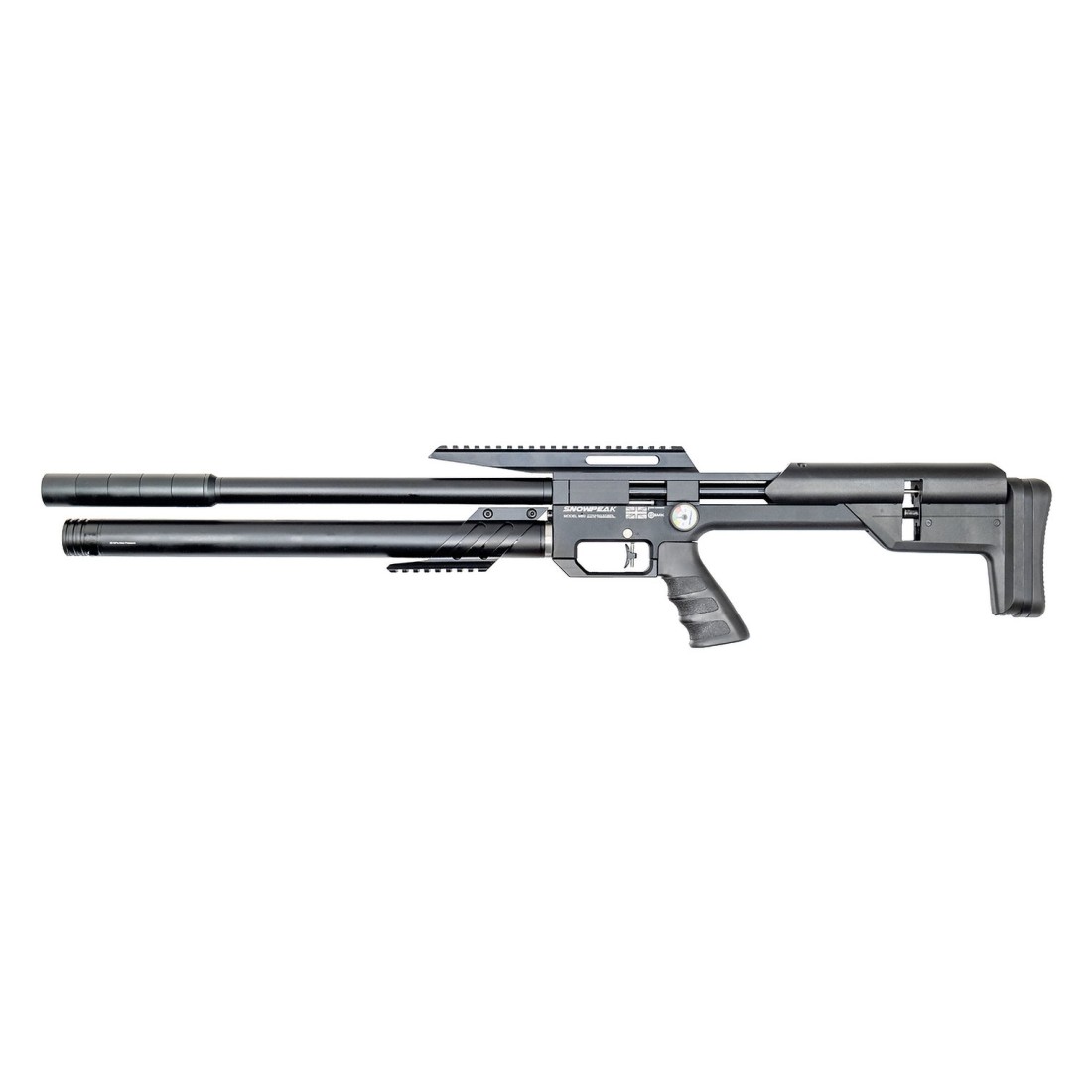
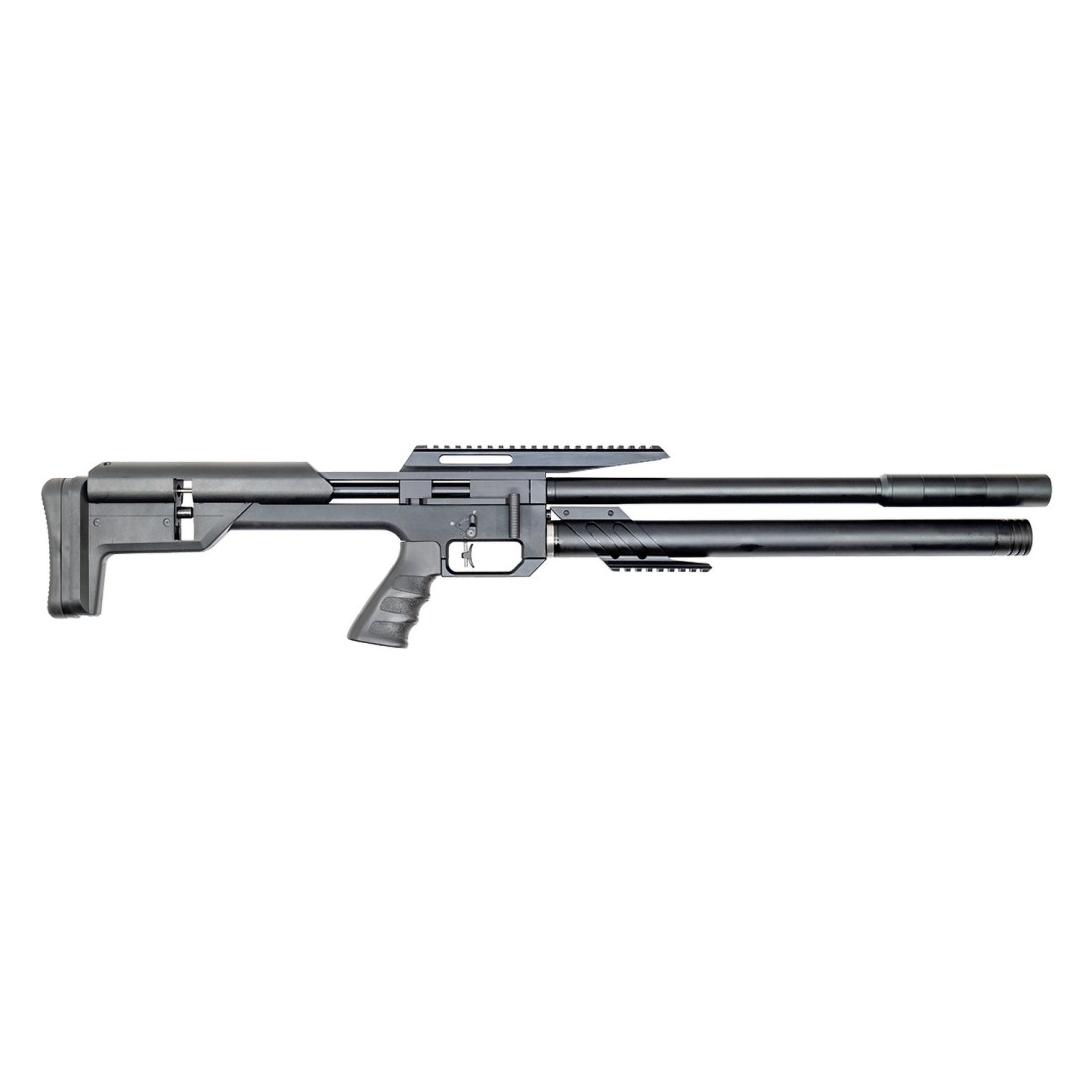
Snowpeak M60
$600.00
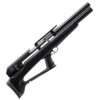
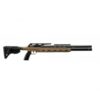
Snowpeak M60 – Precision, balance and unparalleled performance. This gun was designed to elevate your shooting experience, combining advanced features and excellent craftmanship, the results on the field speaks for itself. Equipped with a CN precision barrel and doubled with a state-of-the-art regulator ensures complete and total accuracy at all ranges time after time. The Snowpeak M60 boasts amazing balance, providing a comfortable and stable shooting platform. It’s well thought out design allows perfect weight distribution helps keep the shooter stable and reduces fatigue.
Featuring a crisp side lever, the M60 offers smooth and reliable cocking, allowing for quick and seamless follow up shots. The side lever design provides a far superior ease of use, almost gliding when cocking allowing you to focus on your marksmanship. Suited with a picatinny top and under rail, the Snowpeak M60 allows for versatile customization, whether it be a suitable scope on top or an underslung bipod. Wether you’re a competitive shooter or hunter, the Snowpeak M60 is designed to exceed your expectations. Take your shooting skills to new heights and embrace the power and precision that this air rifle brings.
| Caliber | .177/ .22 |
| Power | <16 Joules/ <12ft/lbs |
| Magazine capacity | 24 in .177/ 20 in .22 |
| Shot capacity | 210 in .177/ 235 in .22 |
| Trigger | Two stage adjustable |
| Regulated | Yes |
| Safety | Manual safety |
| Length | 36inches |
| Weight | 3.0kg |
Snowpeak M60 PCP Air Rifle – Regulated Multi-Calibre Performance, High-Capacity Magazine and Precision Control
Snowpeak M60 PCP Air Rifle Overview
Regulated PCP Performance for Precision Shooting
The snowpeak m60 combines regulated compressed-air power, a long rifled barrel and a high-capacity magazine within a compact tactical platform. It is designed for lawful target shooting, recreational marksmanship and other sporting applications authorised in the owner’s jurisdiction.
According to the manufacturer, the M60 features an adjustable regulator, a removable 205 cc air reservoir, a maximum fill pressure of 250 bar and a 610 mm barrel. It weighs approximately 3.0 kilograms and can provide up to 50 shots per fill in full-power configurations, although lower-power regional versions may deliver substantially higher shot counts. Magazine capacity varies by calibre: 24 rounds in .177, 20 in .22, 18 in .25, 14 in .30 and 12 in .35.
What Is a PCP Airgun?
Anyone asking what is a pcp airgun should know that PCP means pre-charged pneumatic. The shooter fills the rifle’s onboard reservoir with clean, dry compressed air before use. Pulling the trigger releases a controlled quantity of that air behind the pellet.
This system gives a pcp pellet rifle a smooth firing cycle because no heavy spring or piston moves through the action. Consequently, mechanical recoil remains low, sight alignment is easier to preserve and follow-through becomes more consistent.
The M60’s regulator manages the pressure supplied to the firing valve. Therefore, pellet velocity can remain more stable as the reservoir pressure gradually falls.
Snowpeak Airguns and Brand Background
The snowpeak airguns range includes pistols, sporting rifles, bullpups and tactical PCP platforms. snowpeak sports states that the company began in 1976 and has focused on shooting-equipment design and production for more than four decades.
Searches involving snowpeaks, snow peak equipment, snow peak customer service and snow peak brand origin should be directed toward the airgun manufacturer or an authorised regional distributor. The brand should not be confused with the Japanese outdoor company that produces camping equipment.
M60 Rifle Construction and Handling
The M60 uses a side-lever action, adjustable two-stage trigger and manual safety. Its stock provides adjustable support for the cheek and shoulder, helping different shooters create a more natural optic alignment and trigger reach.
The long barrel supports stable pellet guidance, while the compact 925 mm overall length keeps the rifle relatively manoeuvrable. Current retailer specifications list a Picatinny mounting rail and no factory open sights, so most users will install a compatible optic.
The common question how much did the m60 weigh may produce results for an unrelated military firearm. The Snowpeak sporting model weighs approximately 3.0 kilograms, although accessories and regional variations can alter the final equipped weight.
Snowpeak M60B Comparison
The snowpeak m60b is a bottle-equipped variation. While the standard model uses a 205 cc removable cylinder, the M60B is officially listed with a 350 cc reservoir. Both versions use a 610 mm barrel, pressure regulation, high-capacity magazines and adjustable stock components.
The larger bottle may extend the available shooting session, although it can change the rifle’s weight distribution. Buyers should confirm whether a listing refers to the standard model, the bottle version or the carbon-fibre-tank variant.
Pellet 9mm and Multi-Calibre Selection
The phrase pellet 9mm corresponds to the largest standard M60 calibre, also described as .35 calibre. Manufacturer specifications include 4.5 mm, 5.5 mm, 6.35 mm, 7.62 mm and 9 mm options. Magazine capacity and muzzle velocity decline as projectile size increases because the larger pellets require more air and occupy more magazine space.
A smaller calibre generally provides economical ammunition and a flatter trajectory. Larger pellets carry more mass, but they also consume more compressed air. Local power restrictions, target distance and the intended lawful activity should determine the final selection.
Snowpeak M25 and M50 Rifle Comparisons
The snowpeak m25, m25 rifle and m25 weapon searches identify a separate platform. Although “weapon” appears in online search language, these products should be marketed and handled as regulated sporting equipment.
The m50 rifle also belongs to another product family. Its action, stock design, reservoir and magazine system differ from those of the M60. Therefore, replacement magazines, fill probes and internal components should never be assumed interchangeable.
Snowpeak AP900 and AP900B PCP Air Rifle
The snowpeak ap900 and ap900b pcp air rifle belong to the Mercury line. Those platforms use compact tactical configurations with tube or bottle reservoirs.
By comparison, the M60 combines a 610 mm barrel, a high-capacity rotary magazine and a more conventional bullpup-style stock arrangement. Buyers should compare overall balance, reservoir capacity, calibre availability and shot count rather than relying on appearance alone.
Snowpeak PP750 and PP750L PCP Air Pistol
The snowpeak pp750, pp750, snow peak pp750, Snowpeak PP750L and Snowpeak PP750L PCP Air Pistol describe a compact pistol-carbine platform.
A Snowpeak Air Pistol, PCP Pistol, Airgun Pistol or High power PCP air pistol prioritises portability and short overall dimensions. Shoppers searching Snowpeak PP750L PCP Air Pistol for sale may prefer that option for compact target practice.
However, the M60 provides a longer barrel, greater magazine capacity, a full shoulder stock and wider calibre availability.
Snow Peak PP20 and Regional Pistol Products
The snow peak pp20, snowpeak pp20 and pistolet pcp arcea-snowpeak onix sport phrases identify pistol-oriented products sold under different market names.
Although these platforms use compressed air, their magazines, grips, filling systems and barrel assemblies differ substantially from the M60.
Snowpeak P35 and P35X PCP Platforms
The snowpeak p35, p35, snowpeak p35x, p35x, p35x pcp and pcp p 35 belong to compact bullpup lines.
A snowpeak p35 vs p35x comparison usually focuses on stock revisions, ergonomics and internal improvements. The M60 offers a longer barrel and considerably larger magazine capacity, making it more suitable for shooters who want fewer reloading interruptions.
PR900 Gen 3 and Lightweight Alternatives
The pr900 gen 3 provides a slimmer and lighter sporting format. It may be more suitable for buyers who prefer a traditional stock and straightforward side-lever operation.
The M60 is heavier and more complex, but it provides an adjustable regulator, removable reservoir and high-capacity magazine.
Snowpeak Max and Price Comparisons
The snowpeak max and snowpeak max 1 price phrases commonly appear when buyers compare performance and cost.
Purchase value should include calibre availability, regulator adjustment, magazine capacity, stock fit, barrel length, included accessories and regional warranty support. Price alone does not determine practical quality.
HP300 and T Rex 6000 Filling Equipment
The terms hp300 and t rex 6000 may refer to compressors or unrelated products, depending on the retailer.
Any filling source must provide clean, dry compressed air at the correct pressure. Ordinary workshop compressors, oxygen cylinders and unfiltered gases must never be connected to the rifle.
Air Gun Accessories and Snowfall Gun Clarification
Useful air gun accessories include a compatible optic, Picatinny rings, approved pellets, certified filling equipment, spare magazines and a padded transport case.
The phrase snowfall gun appears to be an unrelated or mistaken variation. Searching the complete product name will provide more accurate specifications, replacement parts and service information.
Why Choose the Snowpeak M60?
The strongest reasons to choose the M60 are its adjustable regulator, removable air reservoir, 610 mm barrel, high-capacity magazine and broad calibre selection. Its compact overall length also provides stable shoulder-supported handling without the excessive length of many conventional rifles.
It should be used only at an authorised range or on private land where airgun shooting is lawful and a dependable backstop is available. With suitable ammunition, clean compressed air, secure optic installation and disciplined technique, the Snowpeak M60 can provide consistent pressure delivery, efficient multi-shot operation and strong practical precision.
Engineering, Performance, Handling and Practical Ownership
Regulated Pressure Control
The internal regulator helps stabilise the pressure delivered to the firing valve as the reservoir gradually empties. Instead of allowing every shot to receive a different amount of compressed air, the system provides a more controlled operating pressure.
This consistency supports predictable pellet velocity and reduces vertical movement in shot groups. It also allows the shooter to build a more reliable trajectory chart because the point of impact is less likely to change unexpectedly during the useful portion of a fill.
However, regulation cannot compensate for damaged ammunition, loose optic mounts or inconsistent technique. The complete shooting setup must remain stable if the rifle is expected to deliver its best precision.
Removable Air Reservoir
The removable reservoir offers practical advantages for maintenance, transportation and charging. Depending on the exact configuration, the owner may be able to fill the cylinder separately using compatible high-pressure equipment.
Before removal or installation, the manufacturer’s instructions must be followed carefully. High-pressure components should never be loosened while unsafe pressure remains inside the connection.
The reservoir should be inspected regularly for scratches, dents, corrosion or damaged threads. Any visible concern requires professional assessment before the system is filled again.
Only clean, dry compressed air should be used. Oxygen, carbon dioxide and ordinary workshop air are unsuitable.
Safe Filling Procedure
Before charging, inspect the hose, probe, connector, seals and filling port. Dust, moisture and oil can enter the internal system and interfere with valves or sealing surfaces.
Air should enter gradually while both gauges are observed. Filling too quickly creates heat and may produce a temporary pressure reading that falls once the system cools.
The approved maximum pressure must never be exceeded. Overfilling will not necessarily increase the useful shot count and may damage seals or internal components.
After charging, the hose must be depressurised through its bleed valve before the connector is removed.
High-Capacity Magazine
The rotary magazine allows a large number of pellets to be prepared before shooting begins. This reduces loading interruptions and creates an efficient rhythm during organised target sessions.
Every pellet should be inspected before insertion. Bent skirts, damaged heads and visible contamination may affect feeding or accuracy.
Pellets should be seated evenly without excessive force. The magazine must then be installed in the correct orientation and pushed fully into position.
The shooter should still count shots. A high-capacity system can make it easy to lose track of the remaining ammunition.
Side-Lever Operation
The side lever provides a smooth and practical method of cocking the action and chambering the next pellet.
It should be moved through its full travel with controlled pressure. Partial movement may prevent correct indexing or leave the action incompletely prepared.
If resistance appears, the mechanism should not be forced. A damaged pellet, incorrectly positioned magazine or obstruction may be responsible.
The muzzle must remain directed toward a safe backstop while the cause is examined.
Long-Barrel Performance
The long rifled barrel gives the pellet sufficient guidance before it exits the muzzle. Internal rifling produces rotational stability, helping suitable ammunition maintain a predictable flight path.
Barrel length alone does not guarantee precision. Pellet diameter, weight, regulator consistency, optic alignment and trigger control all contribute to practical results.
Different ammunition types should be tested at a measured distance. The most suitable option will usually feed smoothly and produce repeatable groups across several sessions.
Calibre Selection
Smaller projectiles generally provide economical shooting and relatively flat trajectories. They may be particularly suitable for paper targets, metallic targets and recreational marksmanship.
Larger projectiles carry greater mass, although they normally consume more air and produce fewer shots from the same fill.
The correct choice depends on local law, available ammunition, target distance and intended lawful use.
The largest option should not be selected simply because it appears more powerful. Accuracy, air efficiency and ammunition availability may be more important.
Adjustable Stock Features
The adjustable stock allows the shooter to improve fit and eye alignment. Correct stock length creates natural trigger reach and comfortable shoulder contact.
The cheek support should position the eye directly behind the optic without forcing the head upward or sideways.
Before each session, adjustment mechanisms and fastening points should be checked for movement. A loose component may affect handling and change the point of impact.
The stock should remain comfortable rather than excessively tight against the shoulder.
Rifle Balance
Although the rifle uses a relatively long barrel, its compact arrangement helps keep the overall length manageable.
The supporting hand should rest beneath the natural balance point. Moving it too far forward can increase fatigue, while placing it too far rearward may make the muzzle unstable.
A relaxed grip normally produces better results than excessive pressure. Muscle tension can increase sight movement and interfere with trigger control.
Trigger Operation
A predictable trigger allows the shooter to release the shot without disturbing the sight picture.
The finger should contact the blade consistently. Pressure should increase smoothly and move directly toward the rear.
The shooting hand must remain relaxed. Tightening the entire grip during release can pull the muzzle away from the target.
Any permitted adjustment should remain within the manufacturer’s stated limits. An excessively light setting may become unsafe.
Choosing an Optic
A medium-sized variable-power scope generally provides a useful balance between target detail, weight and field of view.
Very large optics can make the platform top-heavy and may force the shooter into an uncomfortable head position.
Mounting rings must match the rail and scope-tube diameter. Eye relief should be set while the shooter maintains a natural shoulder position.
The full sight picture should appear without repeated head movement.
Installing the Scope
The rail and ring surfaces should be clean before mounting begins.
Screws must be tightened gradually and evenly. Excessive force can damage threads or distort the scope tube.
The optic should remain level, and its controls must stay accessible.
After installation, the mounting system should be inspected during the first several sessions. Any movement must be corrected before the rifle is zeroed again.
Zeroing Procedure
The first zeroing session should begin at a short distance with a large target and reliable backstop.
The shooter should fire a small group before making adjustments. A group provides more useful information than one isolated impact.
Once the centre has been identified, elevation and horizontal corrections can be made gradually.
The result should then be confirmed at the intended working distance. Changes in ammunition or optic position require another confirmation.
Understanding Trajectory
A pellet travels along a curved path because gravity affects it immediately after it leaves the barrel.
The point of impact should be tested at several measured distances. Depending on the selected zero, pellets may land above or below the aiming point.
A written range card can record these differences. It should also include the chosen ammunition and pressure range.
Practical testing is more reliable than estimating corrections.
Bench-Rest Testing
A padded bench rest helps evaluate mechanical performance and ammunition compatibility.
The support should contact the stock rather than the barrel or reservoir. The rear section may receive light support, although the rifle should not be clamped rigidly.
Grip pressure, cheek contact and shoulder position should remain consistent.
Several groups must be fired before accuracy is judged. One unusually small group may occur by chance.
Standing and Supported Positions
Standing requires balance because the rifle receives little external support.
The feet should remain comfortably apart, while the supporting elbow stays beneath the rifle.
Kneeling and seated positions offer greater stability. A padded support may also be used where range rules permit it.
In every position, the rifle should settle naturally on target. The shooter should reposition the body instead of forcing the muzzle sideways.
Pressure and Shot-Count Records
The owner should record the starting pressure and count the number of useful shots produced before performance changes.
A weaker sound, altered point of impact or difficult loading cycle may indicate that pressure has fallen too low.
After several sessions, a reliable refill point can be established.
This information also helps identify possible leaks or changes in regulator efficiency.
Routine Maintenance
After use, remove the magazine and confirm that the chamber is clear.
Wipe the exterior to remove dust, moisture and fingerprints. The lever, filling connection, stock fasteners and optic mounts should be inspected regularly.
The barrel does not require cleaning after every session. Cleaning becomes appropriate when accuracy declines or contamination is visible.
A soft pull-through system is generally safer than an abrasive rod.
Safe Storage
The rifle should be stored unloaded inside a locked cabinet or approved secure container.
The magazine should remain removed, and access to pellets and charging equipment must be controlled.
The storage location should remain dry and temperature-stable. Damp garages and outdoor sheds may encourage corrosion.
The reservoir should be stored according to the manufacturer’s pressure guidance.
Transportation
Before transportation, confirm that no pellet remains in the barrel.
Place the rifle in a padded case that protects the stock, optic, barrel and reservoir.
Accessories should be secured separately so they cannot strike the rifle during movement.
The case should remain out of public view and should never be left unattended inside a hot vehicle.
Overall Performance Assessment
The rifle combines stable pressure control, a high-capacity magazine, long-barrel precision and adjustable ergonomics.
Its compact layout helps balance the advantages of a long barrel without creating an excessively long platform.
The best results depend on suitable ammunition, clean compressed air, correct optic installation and disciplined technique.
With careful pressure management, responsible storage and regular maintenance, the rifle can provide efficient operation and dependable performance for lawful target and sporting use.
Advanced Accuracy, Troubleshooting, Safety and Long-Term Reliability
Establishing a Consistent Shooting Routine
Reliable performance begins with a repeatable preparation sequence. Before every session, inspect the reservoir, pressure gauge, stock adjustments, loading lever, magazine, optic mounts and muzzle area. Confirm that every component appears secure and free from visible damage.
The muzzle should remain directed toward a dependable backstop throughout preparation. Meanwhile, the trigger finger must stay outside the guard until the sights are aligned and the shooter has deliberately decided to fire.
Once the rifle is shouldered, use the same cheek position, shoulder pressure and supporting-hand placement for every shot. This consistency reduces unnecessary movement and makes accuracy problems easier to diagnose.
Confirming an Unloaded Condition
Removing the magazine does not automatically confirm that the barrel is empty. A pellet may already have been chambered before the magazine was taken out.
Before cleaning, transporting, adjusting or storing the rifle, inspect the chamber according to the manufacturer’s procedure. Do not cycle the action repeatedly when the chamber condition is uncertain because another pellet could be loaded accidentally.
If a possible obstruction is suspected, stop using the rifle. Never attempt to remove a lodged pellet by firing another shot behind it.
Developing Natural Point of Aim
Natural point of aim describes where the rifle settles when the shooter is relaxed. It reduces muscular strain and supports more consistent grouping.
Assume the intended shooting position, close the eyes briefly and allow the upper body to relax. Reopen the eyes and observe where the reticle rests.
When the sights settle beside the target, adjust the feet, knees or torso. Do not force the muzzle sideways with the arms because muscular pressure will gradually pull it away from the desired position.
Improving Bench-Rest Testing
A padded bench rest is useful for testing ammunition, confirming zero and evaluating mechanical consistency.
Place the stock on the front support without allowing the barrel or reservoir to touch the rest directly. Light rear support may also be used, although the rifle should not be clamped rigidly.
Maintain identical grip pressure, cheek contact and shoulder position during every group. Fire several groups before drawing conclusions because one unusually small result may occur by chance.
Recording Pressure and Shot Count
A written shooting log can reveal the rifle’s most efficient operating range.
Begin with a known pressure and count every shot. At regular intervals, record the gauge reading, group position, firing sound and any change in loading behaviour.
After several sessions, a clear pattern should develop. The owner can then refill before velocity and accuracy begin to decline.
A sudden reduction in useful shot count may indicate air leakage, regulator inconsistency or another developing mechanical issue.
Recognising Pressure-Related Changes
Vertical movement on the target may indicate that the reservoir has moved outside its most consistent pressure range. However, breathing errors, changing cheek placement and loose optic mounts can produce similar results.
Check simple external causes before suspecting an internal fault. Confirm pressure, ammunition condition and mounting security.
Internal pressure-control components should not be adjusted without suitable tools and technical knowledge. Incorrect changes may reduce efficiency, damage seals or create unsafe operating conditions.
Responding to a Weak Shot
A noticeably weak discharge requires immediate attention.
Stop firing and inspect the pressure gauge. A pellet may remain inside the barrel if the sound was unusually soft or the expected impact did not appear.
Do not load another pellet until the bore has been confirmed clear. Low pressure, damaged ammunition, valve inconsistency or an obstruction may be responsible.
Repeated weak shots should be assessed by a qualified technician.
Detecting Air Leakage
A slow leak may cause the gauge reading to fall over several hours or days. Temperature changes can also affect pressure, so readings should be compared under similar environmental conditions.
Record the pressure after filling and check it later. Continued loss may indicate a damaged seal, filling-valve problem, gauge fault or internal leakage.
Never dismantle the reservoir, valve or pressure-control system while it remains charged. High-pressure repairs require professional equipment and experience.
Maintaining Magazine Reliability
Keep the magazine clean, dry and protected from impact. Dirt or damaged indexing components may deform pellets and interrupt feeding.
Inspect each pellet before loading. Bent skirts, flattened heads and contamination may affect both precision and mechanical reliability.
If the magazine becomes difficult to rotate or insert, do not force it. A damaged magazine should be repaired or replaced before further use.
Managing the Loading Lever
The lever should move smoothly through its complete operating cycle.
Sudden resistance may indicate a misaligned magazine, damaged pellet or internal obstruction. Stop immediately rather than applying additional force.
The pivot area should remain clean, and only approved lubricant should be used where recommended. Excess oil can attract dirt and may migrate into areas where it does not belong.
Protecting Optic Zero
Transportation, impact and loose screws can shift the point of impact.
After travelling, fire a confirmation group before beginning serious target work. If the group remains tight but has moved, the optic may require a minor correction. If the group has widened, inspect the rings, rail, stock hardware and ammunition.
Mounting screws should be tightened evenly. Excessive torque may damage threads or distort the optic tube.
Managing Parallax and Eye Alignment
Parallax may cause the reticle to appear to move when the shooter changes head position.
Set an adjustable optic for the target distance where possible. Nevertheless, a repeatable cheek position remains essential.
The eye should stay centred behind the scope during every shot. Inconsistent head placement may create unexplained impact changes even when the rifle and ammunition are functioning correctly.
Cleaning the Barrel Safely
The barrel does not require cleaning after every session. Clean it when accuracy declines, contamination appears or unsuitable material enters the bore.
A soft pull-through system is generally safer than a rigid metal rod. The muzzle crown must remain protected because even minor scratches can influence pellet stability.
After cleaning, several settling shots may be required before normal grouping returns.
Maintaining Filling Equipment
Inspect the filling probe, seals, hose, filter and bleed valve before every connection.
A compressor must provide clean, dry air and adequate cooling. A manual pump should be operated slowly with regular pauses to reduce heat and moisture accumulation.
Certified storage cylinders must remain within their inspection period and should be secured against falling.
After filling, depressurise the hose before removing the connector.
Safe Storage and Transportation
Store the rifle unloaded inside a locked cabinet or secure container. Remove the magazine and restrict access to ammunition, charging equipment and keys.
The storage area should remain dry and temperature-stable. Damp garages and outdoor sheds may encourage corrosion.
During transportation, use a padded case that protects the stock, optic, barrel, gauge and reservoir. Keep the case out of public view and never leave it inside a hot vehicle.
Long-Term Reliability Assessment
Long-term performance depends on clean compressed air, compatible ammunition, careful pressure management and regular inspection.
Retain manuals, receipts and service records. Avoid unapproved modifications that may reduce reliability, invalidate warranty protection or alter legal classification.
With disciplined shooting technique, secure storage and professional servicing when required, the rifle can remain accurate, efficient and dependable throughout many years of lawful sporting ownership Snowpeak PP750L PCP Air Pistol for sale.
Be the first to review “Snowpeak M60”
Related products
Snowpeak Airguns
Snowpeak Airguns
Snowpeak Airguns
Snowpeak Airguns
Snowpeak Airguns

Snowpeak Airguns
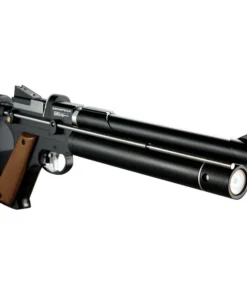
Air Gun Pistol
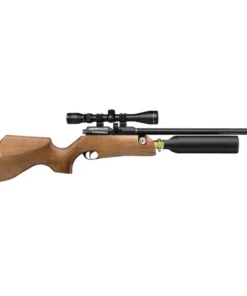
Snowpeak Airguns
Reviews
There are no reviews yet.