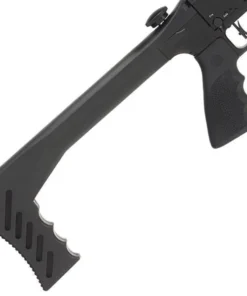
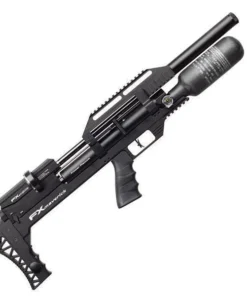
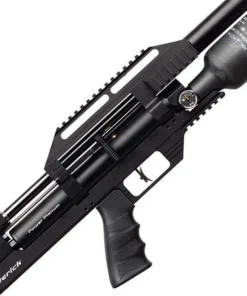
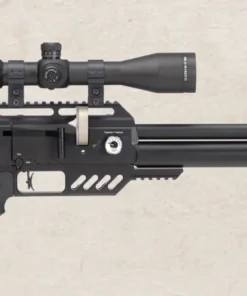
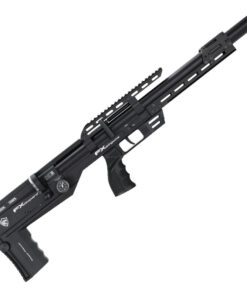
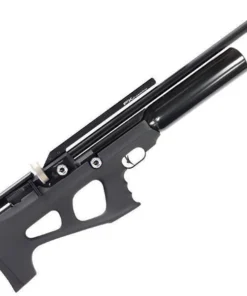
FX Dreamline Bullpup Lite
$1,100.00
THE DREAMLINE LITE
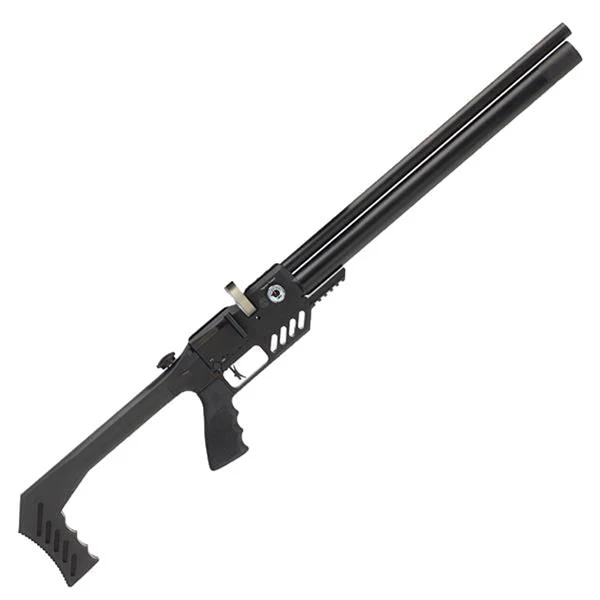
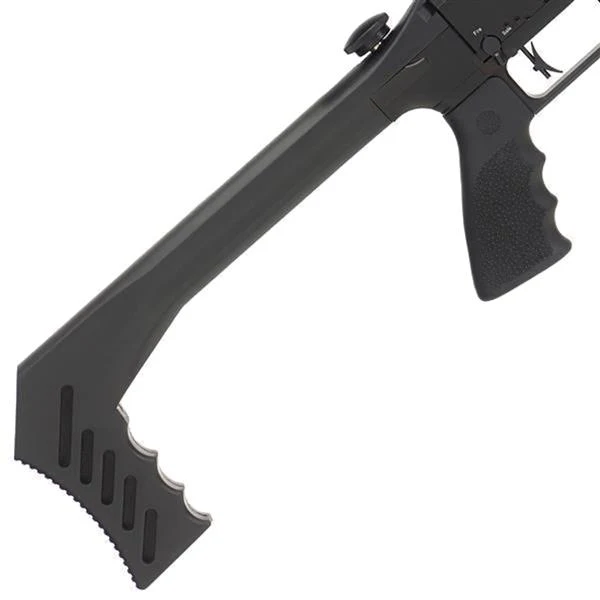
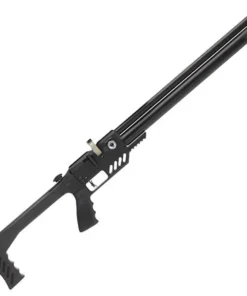
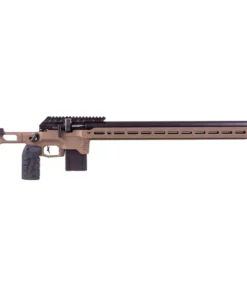
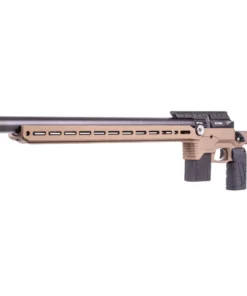
The FX Dreamline Lite is a new look model unlike other FX rifles from the past. Weighing in at 5 ½ pounds, this Dreamline lives up to its name of being ultra-light weight. It is also the most customizable of all the Dreamline models. The compact version provides an ultra-packed airgun into a very small package without removing any of the features of the standard Dreamline. Perfect for throwing in a backpack or having ready for that spur of the moment hunting opportunity.
Dreamline Concept
With the arrival of the FX Dreamline, innovation that was previously only dreamed about, is now a reality. The FX Dreamline is the first fully modular airgun system in the world. The modular design allows the rifle to change to any of the Dreamline configurations. Today’s hunting bullpup can be converted for the weekend field target match.
The classic sporter rifle can be switched out to house all your favorite AR furniture and accessories. Whatever you can imagine is possible with the FX Dreamline.
The beauty of the FX Dreamline starts with the revolutionary
world class FX Smooth Twist X barrel (STX). This is the same barrel housing and liner system as found on other elite rifles such as the FX Impact, FX Crown and FX Wildcat.
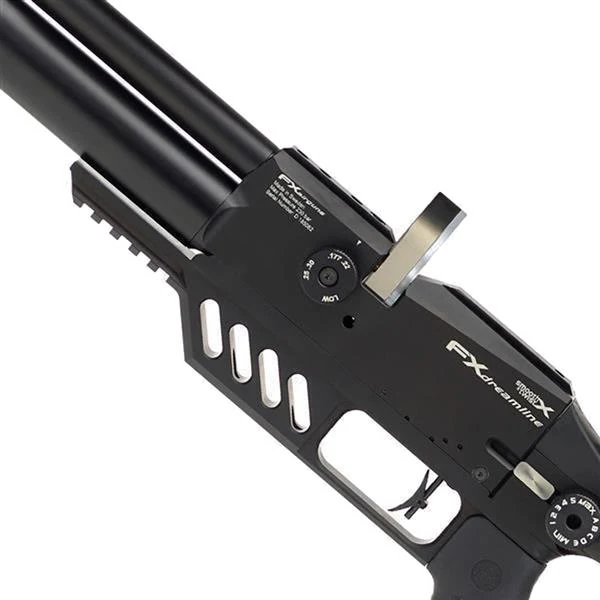
The STX barrel allows the Dreamline the unique ability of changing both the caliber of the gun as well as the inner liner of the barrel to allow for different twist rates and other bore specifications. This provides a tailored barrel to meet the vast array of projectiles available today.
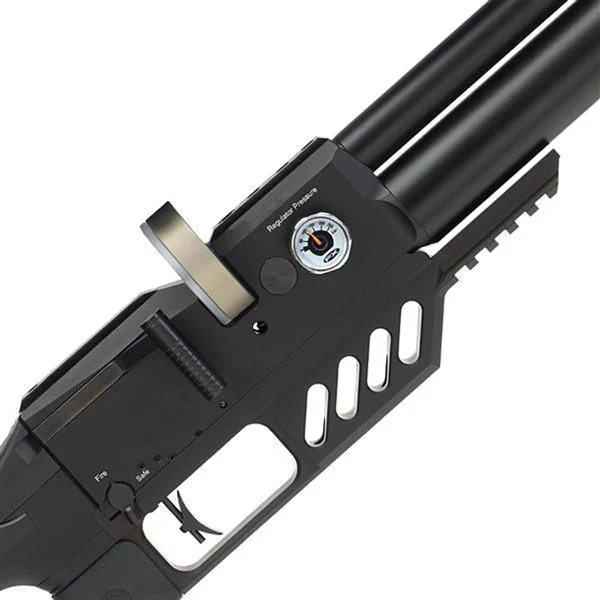
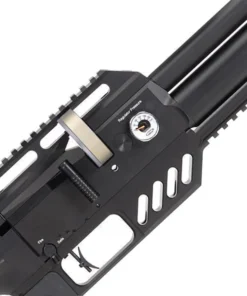
The Dreamline also includes the new AMP Regulator (Adjustable Match Precision Regulator). This robust regulator is revolutionary in that it can be adjusted externally either to higher or lower pressures without the need to remove pressure from the gun. The AMP regulator also uses the latest in high performance parts to provide precision accuracy that holds up over time.
The FX Dreamline features the same adjustability as found on other premium FX rifles. All adjustments can be fine tuned including valve flow, hammer tension, and regulator pressure. These adjustments are done quickly and easily allowing the shooter find harmonic balance and maximize the performance and accuracy of the Dreamline.
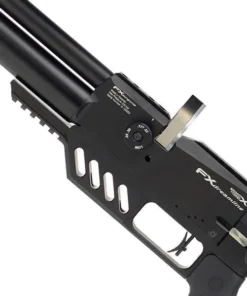
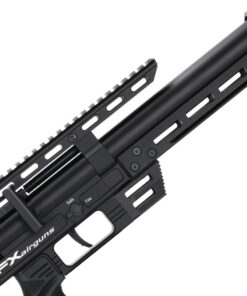
All FX Dreamline models utilize a large capacity rotary magazine. This is the same magazine used in the FX Crown and is indexed with the smooth cocking side lever. This newly designed side lever takes the ease of cocking a rifle to a whole new level as it is nearly effortless to cock.
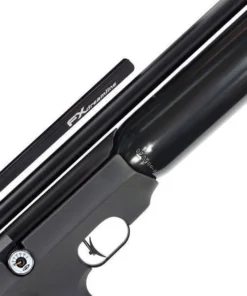
Most Dreamline models offer a standard 220 cc cylinder filled up to 230 BAR, but there are also bottle versions of many of the configurations which will allow for more air and higher shot counts. ½” UNF threads on the barrel allow for the optional addition of a moderator. The FX Dreamline also features the world-famous FX match grade trigger, set at 15 ounces from the factory.
- Lightweight
- Modular Design
- Easy To Use
- Scopes not included
| COCKING SYSTEM | Sidelever |
|---|---|
| MAGAZINE TYPE | Removable high capacity22 shot when Cal .177
18 shot when Cal .22 16 shot when Cal .25 13 shot when Cal .30 |
| STOCK | Synthetic, Quick release rear stock. |
| GRIP | AR15 (hogue pistol grip included) |
| CALIBER | 4,5 (.177)5,5 (.22)
6,35 (.25) 7,62 (.30) |
| BARREL | FX Smooth twist XMatch grade
Free floating length 4,5 (.177): 500 mm length 5,5 (.22): 500 mm length 6,35 (.25): 600 mm length 7,62 (.30): 600 mm |
| FILL PRESSURE | 230 Bar • 3300 Psi |
| SAFETY | Manual |
| OPTICS | 11 mm dovetail scope mount |
| MUZZLE | ½” UNF |
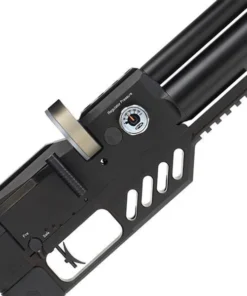
| PRESSURE GAUGE | One for airtube pressureOne for regulator pressure |
| TRIGGER | Adjustable match trigger |
| VELOCITY | 4,5 (.177): 295 m/s • 940 ft/s5,5 (.22): 275 m/s • 910 ft/s
6,35 (.25): 270 m/s • 890 ft/s 7,62 (.30) TBA |
| ENERGY | 4,5 (.177): 24 J • 18 ft/lbs5,5 (.22): 41 J • 30 ft/lbs
6,35 (.25): 65 J • 47 ft/lbs 7,62 (.30) TBA |
| AIR CAPACITY | 4,5 (.177) 220 cc5,5 (.22) 220 cc
6,35 (.25) 250 cc 7,62 (.30) 250 cc |
| LENGTH | 4,5 (.177): 960 mm5,5 (.22): 960 mm
6,35 (.25): 1060 mm 7,62 (.30): 1060mm |
| WEIGHT | 2,6 kg |
| CHARGING | Quick charge system |
| MORE FEATURES | Interchangeable Barrel Liner System (with changeable core barrel liner to obtain various twist rates).AMP Externally adjustable pressure regulator. |
FX Dreamline Bullpup Lite – Premium Swedish PCP Air Rifle with Smooth Twist X Barrel, Lightweight Synthetic Construction and Precision Engineering
FX Dreamline Bullpup Lite – Advanced Swedish Engineering, Compact Design, Lightweight Construction and Premium Sporting Technology
FX Dreamline Bullpup Lite – Modern Engineering Meets Compact Sporting Design
The FX Dreamline Bullpup Lite brings together Swedish manufacturing heritage, contemporary pneumatic engineering and distinctive sporting aesthetics.
Its compact appearance reflects the manufacturer’s modular design philosophy, while sophisticated internal components contribute to mechanical refinement.
Furthermore, the Dreamline family features Smooth Twist X barrel technology, a side-lever action, a removable rotary magazine and an adjustable match-grade trigger.
The manufacturer’s AMP regulator also forms part of the platform’s pneumatic architecture.
Additionally, the bullpup arrangement accommodates a comparatively long barrel within a shortened overall structure.
Consequently, this design may appeal to enthusiasts who appreciate compact proportions, technical craftsmanship and lightweight sporting equipment.
However, an important distinction should be understood: the manufacturer identifies Dreamline Bullpup and Dreamline Lite as separate factory configurations. The combined name used in this listing may describe a custom configuration or retailer-specific designation.
Therefore, the exact rifle should be identified before its individual specifications are confirmed.
FX Dreamline Bullpup Lite – Technical Specifications and Important Features
The following information describes the documented standard Bullpup platform. A customized example may differ.
-
Manufacturer: FX Airguns
-
Country of manufacture: Sweden
-
Operating system: Pre-charged pneumatic
-
Configuration: Compact bullpup
-
Stock: Synthetic
-
Barrel system: Smooth Twist X
-
Barrel lengths: 500mm or 600mm, depending on calibre
-
Overall length: Approximately 720mm or 835mm
-
Weight: Approximately 2.4–2.7kg, depending on production version
-
Regulator: AMP precision regulator
-
Magazine: Removable rotary magazine
-
Magazine capacities: 22, 18, 16 or 13 rounds, depending on calibre
-
Calibres: .177, .22, .25 and .30
-
Trigger: Adjustable match-grade
-
Safety: Manual
-
Optics mounting: 11mm dovetail
-
Muzzle thread: 1/2-inch UNF
-
Maximum filling pressure: 230 bar
-
Air capacity: Approximately 220cc or 290cc, depending on version
-
Pressure monitoring: Cylinder and regulator gauges
-
Charging: Quick-fill arrangement
These measurements should not be attributed automatically to a converted or customized Lite version.
FX Airguns Sverige, FX Airguns Sweden and International Sporting Heritage
Swedish manufacturing has contributed significantly to the development of premium pneumatic sporting equipment.
Common international searches include fx airguns sverige, fx airguns, fx airguns sweden, fxairguns, fx airguns usa, fx usa, fx air guns and fx.
Additionally, enthusiasts research high end air rifles, pcp airguns, pcp air gun, fx pcp, fx air rifle, air rifle, air gun, air guns, pellet gun and luftgevær.
These terms reflect broader interest in sporting equipment rather than one specific configuration.
FX Dreamline, FX Dreamline Classic and Modular Construction
Research into fx dreamline and fx dreamline classic highlights the manufacturer’s modular product concept.
Different exterior arrangements can share an established mechanical platform.
Furthermore, the manufacturer’s documented conversion kits demonstrate the distinction between Lite and Bullpup configurations.
However, compatibility must follow approved specifications.
Consequently, buyers should identify the actual components supplied with any customized example.
FX Impact M4, FX Impact M3 and Alternative Sporting Configurations
Popular comparison terms include fx impact m4, fx impact m3, f x impact m3, fx impact, f x impact, fx impact air rifle, fx impact m3 air rifle, fx m3 and fx m3 airgun.
Additional searches include impact m4, impact m4 500mm, impact m4 air rifle, fx m4, fx impact m4 for sale and impact m4 ballistic coefficient.
More specific expressions include fx impact m3 .22cal air rifle and fx impact m3 .22cal air rifle. 600mm barrel.
These names describe alternative configurations, not specifications for the featured product.
FX Panthera MkII, FX Dynamic and FX Leopard
Other manufacturer-related searches include FX Panthera MkII, fx panthera, fxpanthera, fx dynamics, fx dynamic, fx leopard, fx leopard airgun, fx leopard air rifle and fx king.
These product families feature different mechanical arrangements and exterior designs.
Consequently, accurate comparisons require model-specific documentation.
FX DRS Tactical, FX DRS Classic and FX DRS Pro
Related searches include fx drs tactical, fx drs, fx drs classic, fx drs pro and fx drs air rifle.
These products belong to a separate family of sporting designs.
Although their manufacturing heritage is shared, their components and external configurations differ.
FX Wildcat, FX Maverick and FX Crown Comparisons
Additional research terms include fx wildcat, fx wildcat mk3, fx maverick, fx crown, fx crown mk2, fx crown mkii and fx crown mkll.
Each platform offers its own construction characteristics.
Furthermore, external dimensions, materials and available features vary across the collections.
FX Chronograph, FX Pocket Chronograph and Sporting Accessories
Accessory searches commonly include fx chronograph, fx pocket chronograph, fx pellets and fx halo slugs.
These expressions identify measurement instruments or ammunition rather than the complete rifle.
Additionally, fx outdoors reflects broader interest in recreational sporting activities.
Accessory compatibility should always be confirmed against the exact factory configuration.
Why Choose the FX Dreamline Bullpup Lite?
This listing combines the appeal of compact sporting construction with the technical heritage of a well-established Swedish pneumatic platform.
The documented Bullpup design features precision-manufactured components, an adjustable trigger, a rotary magazine and a sophisticated barrel system.
Furthermore, its shortened exterior provides a distinctive alternative to traditionally styled equipment.
However, buyers should verify whether the offered rifle is a factory Bullpup, factory Lite or professionally converted example.
Correct identification also supports servicing, accessory compatibility and responsible ownership.
With its recognizable Swedish engineering heritage, lightweight design principles and refined mechanical construction, the FX Dreamline Bullpup Lite presents an interesting option for enthusiasts seeking a distinctive premium sporting rifle, provided the exact configuration is confirmed.
Premium Swedish Engineering, Lightweight Construction, Compact Sporting Design, Mechanical Precision, Manufacturing Quality and Long-Term Ownership Value
Understanding the Importance of Swedish Engineering Heritage
Swedish engineering has established a reputation for technical innovation, thoughtful industrial design and careful manufacturing practices. These principles contribute to the development of sophisticated sporting equipment that combines traditional mechanical craftsmanship with contemporary production technology.
Premium manufacturing begins with material selection, dimensional planning and the relationship between individual components. Every assembly must correspond to the manufacturer’s intended specifications.
Furthermore, experienced engineers consider durability, environmental conditions, structural integrity and serviceability during product development.
However, excellent engineering involves more than incorporating sophisticated components. Professional assembly, quality control and responsible maintenance also influence the ownership experience.
Consequently, buyers should consider overall manufacturing quality rather than concentrate exclusively on individual technical features.
A carefully developed product offers lasting value through dependable construction, appropriate materials and established engineering expertise.
Why Compact Bullpup Construction Remains Popular
Compact bullpup construction represents a distinctive approach to sporting equipment design. Its defining characteristic involves arranging major mechanical components toward the rear of the overall structure.
This configuration allows manufacturers to develop relatively short exterior dimensions without necessarily reducing every internal component proportionally.
Furthermore, compact construction can simplify protective transportation and organized storage.
However, reduced length does not automatically guarantee superior comfort or mechanical performance.
Engineers must consider structural rigidity, component accessibility, weight distribution and professional serviceability.
Consequently, a successful compact design requires careful planning throughout the manufacturing process.
For enthusiasts who appreciate contemporary industrial styling, this arrangement offers a recognizable alternative to traditional full-length construction.
Understanding the Difference Between Compactness and Lightweight Design
Compactness and lightweight construction represent separate engineering characteristics.
Compactness describes external dimensions, while weight depends on materials, structural geometry and individual component selection.
Consequently, a short product may not necessarily weigh less than a longer alternative.
Furthermore, two similarly sized products can have different weight distributions.
Manufacturers must therefore consider overall dimensions and material properties independently.
However, reducing either length or weight should not compromise structural integrity.
A thoughtfully developed design balances manageable proportions with dependable construction.
Prospective owners should evaluate verified dimensions and actual configuration rather than relying exclusively on descriptive product names.
Why Premium Synthetic Materials Matter
Engineered synthetic materials play an important role in contemporary sporting equipment.
Specialized polymers allow manufacturers to create detailed exterior shapes with consistent dimensions and carefully developed surface textures.
Furthermore, certain synthetic materials offer useful resistance to ordinary environmental exposure.
However, different polymer formulations possess different mechanical properties.
Their resistance to heat, abrasion, impact and chemical exposure may vary considerably.
Consequently, manufacturers must select materials suitable for each application.
Responsible maintenance also remains essential.
Carefully manufactured synthetic components can provide an attractive combination of practical construction, contemporary styling and long-term material preservation.
Appreciating the Benefits of Lightweight Structural Engineering
Lightweight engineering involves balancing material selection with structural requirements.
Manufacturers evaluate component strength, dimensions and manufacturing suitability before establishing the final arrangement.
Furthermore, modern production methods allow certain structures to achieve useful mechanical characteristics without excessive material.
However, lower weight does not automatically indicate better construction.
Appropriate rigidity and durability remain essential considerations.
Consequently, successful lightweight engineering requires thoughtful material distribution.
The completed structure should satisfy its intended requirements while avoiding unnecessary complexity.
This balance contributes to a refined mechanical product.
Understanding Premium Aluminium Components
Aluminium alloys provide valuable properties for modern mechanical engineering.
Their relatively low density, machinability and useful structural characteristics make them suitable for numerous industrial applications.
Furthermore, precision machining allows detailed components to achieve consistent dimensions.
However, individual alloys differ in strength, hardness and corrosion resistance.
Consequently, material selection must correspond to the intended mechanical function.
A carefully manufactured aluminium component should combine dependable construction with suitable surface finishing.
Appropriate maintenance contributes to long-term preservation.
Why Structural Rigidity Influences Product Quality
Structural rigidity describes the resistance of a component to deformation under mechanical loading.
Appropriate rigidity helps preserve the geometry established during manufacturing.
Furthermore, dependable connections between adjoining components contribute to the integrity of the complete assembly.
However, maximum stiffness is not universally desirable.
Different mechanical applications require different material characteristics.
Consequently, engineers must balance rigidity with weight, durability and manufacturing requirements.
Professional inspection helps identify unexpected deterioration.
Suitable materials and accurate manufacturing provide the foundation for dependable structural construction.
Understanding Precision Manufacturing Technology
Precision manufacturing plays a central role in sophisticated mechanical equipment.
Engineers establish dimensional specifications before production begins.
Modern machining technologies then allow intricate components to achieve consistent measurements.
Furthermore, computer-controlled manufacturing supports repeatability across production batches.
However, dimensional accuracy represents only one aspect of overall quality.
Material preparation, professional assembly, finishing and inspection also contribute.
Consequently, dependable manufacturing requires coordinated attention throughout production.
Premium equipment should demonstrate consistency between its engineering design and finished construction.
Why Manufacturing Tolerances Are Important
Manufacturing tolerances establish acceptable dimensional variations during production.
Different components require different levels of precision.
Furthermore, suitable tolerances help adjoining assemblies correspond correctly.
However, extremely small tolerances are not automatically necessary for every application.
Engineering expertise involves selecting appropriate requirements according to intended function.
Consequently, manufacturers must consider material properties and component relationships.
Professional inspection helps establish whether completed parts satisfy their specifications.
Accurate manufacturing supports dependable assembly quality.
Understanding the Role of Quality Assurance
Quality assurance involves coordinated procedures designed to maintain manufacturing standards.
Inspection activities may evaluate dimensions, material properties and assembly integrity.
Furthermore, documented processes help maintain consistency between production batches.
However, visual inspection alone cannot identify every internal characteristic.
Consequently, quality assurance should continue throughout manufacturing.
Dependable equipment reflects attention to material preparation, component production and final assembly.
Why Contemporary Sporting Design Has Lasting Appeal
Contemporary sporting design combines mechanical engineering with distinctive exterior styling.
Clean surfaces, coordinated materials and carefully developed structural arrangements contribute to a recognizable appearance.
Furthermore, thoughtful industrial design can improve the organization of exterior components.
However, appearance alone cannot establish mechanical superiority.
A sophisticated exterior should complement dependable construction.
Consequently, successful design balances visual refinement with structural quality and practical maintenance requirements.
Understanding Ergonomic Comfort
Ergonomic engineering examines the relationship between equipment and the individual using it.
Exterior dimensions, contact surfaces and weight distribution influence personal comfort.
Furthermore, different physical proportions create different preferences.
However, no single design provides identical suitability for every person.
Consequently, prospective owners should consider individual requirements.
Carefully developed ergonomic features may contribute to a more comfortable ownership experience.
The strongest designs balance physical comfort with dependable structural construction.
Why Weight Distribution Matters
Total weight provides useful information, but it cannot completely describe how equipment feels.
Two products with similar mass may differ because their components occupy different positions.
Furthermore, optional accessories can change the completed arrangement.
Consequently, weight distribution deserves attention alongside published dimensions.
However, personal preferences vary considerably.
Thoughtful engineering considers the relationship between structural components and overall proportions.
Understanding Rearward Mechanical Arrangement
A rearward mechanical arrangement influences the exterior configuration of compact sporting equipment.
Manufacturers must consider component placement, structural connections and overall dimensions.
Furthermore, this arrangement creates a distinctive visual profile compared with traditional designs.
However, compact construction may introduce additional considerations for professional servicing and component accessibility.
Consequently, thoughtful engineering remains essential.
The most successful arrangements combine appropriate structural support with dependable mechanical construction.
Why Mechanical Simplicity Can Be Valuable
Mechanical simplicity remains an important consideration in product design.
A carefully organized assembly may provide practical advantages without unnecessary structural complexity.
Furthermore, straightforward component arrangements can assist qualified technicians during professional assessment.
However, fewer components do not automatically guarantee greater reliability.
Material quality, manufacturing accuracy and maintenance remain important.
Consequently, dependable construction requires a coordinated engineering approach.
Understanding Advanced Pneumatic Engineering
Pneumatic engineering involves carefully manufactured systems designed to manage compressed air within established operating limits.
These assemblies require suitable pressure-bearing materials, precise dimensions and dependable structural connections.
Furthermore, contemporary manufacturing methods contribute to mechanical refinement.
However, compressed-air equipment introduces specialized maintenance responsibilities.
Internal components may eventually require professional attention.
Consequently, manufacturer-approved servicing remains essential.
Unauthorized modifications can create serious safety concerns.
Responsible ownership supports preservation of the original factory configuration.
Why Pressure Management Requires Professional Expertise
Pressure-management assemblies rely on specialized components manufactured according to established specifications.
Suitable materials, dimensional accuracy and professional assembly contribute to their construction.
Furthermore, modern pneumatic technology reflects continued engineering development.
However, internal components remain subject to ordinary aging and mechanical wear.
Consequently, unexpected changes in behaviour should receive qualified assessment.
Unauthorized adjustments should be avoided.
Professional servicing helps preserve the intended mechanical arrangement.
Understanding Specialized Sealing Materials
Sealing components perform essential functions within compressed-air systems.
They help maintain appropriate separation between different internal areas.
Furthermore, specialized material formulations contribute to compatibility with surrounding components.
However, sealing materials may deteriorate through aging, contamination or unsuitable chemical exposure.
Consequently, professional replacement may eventually become necessary.
Owners should avoid unverified lubricants.
Manufacturer-approved servicing supports mechanical integrity.
Why Mechanical Reliability Matters
Mechanical reliability represents an essential characteristic of sophisticated sporting equipment.
A carefully manufactured assembly should remain within the operating conditions established by its manufacturer.
However, reliability depends on several interconnected factors.
Material quality, dimensional precision, professional assembly and maintenance all contribute.
Furthermore, ordinary wear may gradually affect individual components.
Consequently, unfamiliar sounds, unusual resistance or visible deterioration should receive attention.
Qualified inspection supports dependable ownership.
Understanding Mechanical Consistency
Mechanical consistency develops through accurate manufacturing and appropriate component interaction.
Carefully selected materials contribute to structural integrity.
Furthermore, professional assembly supports correct mechanical relationships.
However, sophisticated equipment remains subject to wear.
Consequently, changes in mechanical condition should not be ignored.
Professional servicing may eventually become necessary.
Preserving the original approved configuration supports long-term reliability.
Why Professional Assembly Supports Quality
Professional assembly provides an important connection between engineering design and finished equipment.
Individual components must correspond correctly with adjoining structures.
Furthermore, experienced manufacturing personnel follow established production procedures.
However, premium materials cannot compensate for unsuitable assembly.
Consequently, manufacturers should maintain quality assurance throughout production.
Carefully assembled equipment reflects coordinated engineering and technical expertise.
Understanding Precision Control Components
Precision-manufactured control components require careful material selection and accurate geometry.
Manufacturers consider structural integrity, mechanical compatibility and dependable operation.
Furthermore, professional finishing contributes to consistent manufacturing quality.
However, complex internal mechanisms should not receive unauthorized alterations.
Consequently, maintenance should follow approved procedures.
Qualified technicians can assess unexpected mechanical behaviour.
Responsible servicing preserves the original engineering arrangement.
Why Material Compatibility Is Essential
Material compatibility influences the long-term condition of mechanical assemblies.
Different metals, polymers and sealing materials possess distinct physical and chemical properties.
Furthermore, temperature, moisture and chemical exposure may affect these materials differently.
Consequently, manufacturers must consider compatibility during product development.
However, maintenance products can also influence material condition.
Unapproved solvents or lubricants may cause deterioration.
Appropriate servicing helps preserve the intended assembly.
Understanding the Importance of Manufacturer Documentation
Manufacturer documentation provides essential information about the intended equipment configuration.
Official instructions may identify safety requirements, approved components and maintenance limitations.
Furthermore, documentation helps distinguish different production versions.
Similar-looking products may contain important technical differences.
Consequently, owners should retain records corresponding to their exact configuration.
Accurate documentation supports professional servicing and responsible ownership.
Why Configuration Identification Matters
Correct configuration identification is particularly important when equipment belongs to a modular product family.
Different versions may share an established mechanical platform while featuring different exterior components.
Furthermore, customized examples may differ from standard factory arrangements.
Consequently, buyers should verify the actual components included with the offered product.
Manufacturer markings, purchase documentation and professional inspection may provide useful information.
However, similar appearance alone cannot establish compatibility.
Accurate identification supports maintenance planning and purchasing transparency.
Understanding Genuine Replacement Components
Replacement components must correspond to approved manufacturer specifications.
Parts that appear visually similar may differ in dimensions, materials or mechanical characteristics.
Consequently, unverified substitutions can introduce reliability concerns.
Furthermore, pressure-bearing and safety-related assemblies require particular attention.
Authorized service providers can help identify suitable replacements.
Professional installation remains essential.
Accurate servicing records contribute to responsible long-term ownership.
Why Professional Maintenance Supports Longevity
Professional maintenance helps preserve the intended condition of sophisticated mechanical equipment.
Qualified technicians understand relevant manufacturing requirements and can evaluate components requiring attention.
Furthermore, approved replacement parts support compatibility.
However, specialized compressed-air assemblies introduce important safety considerations.
Consequently, unauthorized dismantling should be avoided.
Professional inspection becomes particularly valuable when unusual mechanical behaviour occurs.
Appropriate servicing supports dependable long-term ownership.
Understanding Routine Exterior Inspection
Routine visual inspection helps identify changes in equipment condition.
Owners may notice scratches, corrosion or unexpected deformation.
Furthermore, exterior surfaces can reveal signs of environmental deterioration.
However, ordinary visual examination cannot establish every internal mechanical characteristic.
Consequently, suspected structural damage requires professional assessment.
Routine observation complements qualified servicing.
It should not replace manufacturer-recommended maintenance.
Why Maintenance Records Add Value
Maintenance records provide useful information about equipment history.
They may document inspections, professional servicing and approved component replacements.
Furthermore, organized documentation supports future technical assessments.
However, incomplete records do not automatically establish poor condition.
Consequently, current physical inspection remains important.
Clear maintenance information contributes to purchasing transparency and responsible ownership.
Understanding Exterior Surface Protection
Exterior protection contributes to preservation of carefully manufactured components.
Appropriate finishing may reduce ordinary environmental deterioration.
Furthermore, protective covers can prevent accidental contact during transportation.
However, coatings and covers cannot eliminate every risk.
Consequently, careful handling remains essential.
Manufacturer-approved cleaning helps preserve exterior condition.
Why Corrosion Protection Matters
Corrosion can affect exposed metal surfaces under unsuitable environmental conditions.
Moisture and contamination may contribute to deterioration.
Furthermore, rapid temperature changes can encourage condensation.
Consequently, clean and dry storage remains important.
However, protective finishes do not guarantee permanent resistance.
Significant corrosion near structural components requires professional assessment.
Preventive care contributes to material preservation.
Understanding Appropriate Cleaning Practices
Routine cleaning helps preserve exterior appearance and remove ordinary environmental contamination.
Soft, non-abrasive materials may be appropriate for certain surfaces.
Furthermore, gentle cleaning reduces unnecessary cosmetic wear.
However, aggressive solvents can damage specialized polymers and protective coatings.
Consequently, cleaning products should follow manufacturer recommendations.
Internal servicing should remain separate from ordinary exterior maintenance.
Professional attention may become necessary when mechanical concerns arise.
Why Temperature Stability Is Important
Temperature changes influence materials differently.
Metal alloys, composite structures and specialized sealing materials each possess distinct physical properties.
Furthermore, prolonged excessive heat may affect certain finishes and polymers.
Consequently, equipment should remain protected from unsuitable environmental conditions.
Rapid changes may also contribute to condensation.
However, ordinary seasonal variations do not automatically indicate damage.
Manufacturer guidance should determine appropriate storage requirements.
Understanding Secure Storage Responsibilities
Secure storage protects equipment from unauthorized access and avoidable physical damage.
Furthermore, appropriate environmental conditions support material preservation.
A suitable locked cabinet may provide important protection, subject to applicable legislation.
However, physical security represents only one consideration.
Moisture and excessive heat may also affect long-term condition.
Consequently, responsible storage combines access control with environmental protection.
Why Protective Transportation Matters
Transportation exposes mechanical equipment to vibration, accidental contact and environmental changes.
A suitable protective case may reduce unnecessary cosmetic damage.
Furthermore, organized packing can prevent loose objects from contacting delicate surfaces.
However, protective cases cannot eliminate every hazard.
Consequently, transportation must comply with applicable regulations.
Equipment should remain appropriately secured.
Careful handling supports long-term preservation.
Understanding Long-Term Durability
Durability depends on manufacturing quality, previous handling, environmental exposure and maintenance.
A carefully constructed product may provide extended service when properly maintained.
Furthermore, protective transportation and secure storage help preserve condition.
However, no mechanical equipment remains permanently unaffected by wear.
Consequently, professional servicing may eventually become necessary.
Long-term durability reflects original construction quality combined with responsible ownership.
Why After-Sales Technical Support Adds Value
After-sales technical support can significantly influence ownership satisfaction.
Authorized service providers may offer inspections, approved replacement components and maintenance guidance.
Furthermore, experienced technicians can help identify the correct equipment configuration.
However, support availability differs between regions.
Consequently, prospective buyers should verify accessible servicing options.
Reliable assistance contributes value beyond the initial purchase.
Understanding Warranty Protection
Warranty protection provides a framework for addressing qualifying manufacturing defects.
However, coverage differs between manufacturers, retailers and jurisdictions.
Certain policies may exclude ordinary wear, accidental damage or unauthorized modifications.
Consequently, buyers should review applicable conditions.
Proof of purchase may be required.
Furthermore, approved servicing can support warranty compliance.
Why Product Authenticity Matters
Authenticity helps establish whether equipment corresponds to manufacturer specifications.
Different production versions may share similar exterior appearances.
Consequently, accurate identification is important.
Buyers should verify product markings and available documentation.
Furthermore, authorized retailers may provide useful guidance.
Genuine equipment supported by accurate information can simplify future servicing.
Understanding Total Ownership Costs
The initial purchase price represents only part of the financial commitment associated with premium mechanical equipment.
Professional servicing, replacement components and protective storage may create additional expenses.
Furthermore, regional legal requirements can influence ownership costs.
Consequently, buyers should consider foreseeable expenses before purchase.
A premium product may provide long-term value when construction quality and available support meet expectations.
However, no mechanical equipment should be considered permanently maintenance-free.
Why Regional Legal Requirements Matter
Legal requirements differ between countries and jurisdictions.
Certain equipment configurations may require specific licensing, authorization or registration.
Furthermore, importation and transportation regulations may vary.
Consequently, prospective buyers should verify applicable legislation.
Manufacturer specifications do not override local legal requirements.
Responsible compliance supports lawful ownership.
Understanding Authorized Recreational Environments
Authorized recreational facilities provide environments designed around established safety procedures.
Furthermore, qualified supervision can help participants understand important responsibilities.
However, access requirements differ between locations.
Private property does not automatically authorize every activity.
Consequently, individuals should verify local regulations.
Suitable protective equipment and controlled access remain essential.
Safety should always take priority over convenience.
Appreciating Premium Manufacturing and Long-Term Ownership Value
Premium engineering involves more than sophisticated individual features.
The strongest products combine dependable materials, accurate manufacturing and thoughtful industrial design.
Furthermore, appropriate servicing supports continued mechanical integrity.
However, advanced equipment still requires responsible maintenance.
Consequently, buyers should evaluate verified specifications, structural quality and available technical assistance.
A carefully manufactured product provides lasting value when supported by suitable care.
Final Assessment of Modern Engineering, Compact Construction and Responsible Ownership
Premium sporting equipment represents the combined expertise of engineers, material specialists and experienced manufacturing professionals.
Its overall quality depends on carefully developed components, appropriate materials and consistent production standards.
Furthermore, precision manufacturing contributes to dimensional accuracy, structural refinement and dependable assembly.
Compact construction offers distinctive exterior proportions, while lightweight materials contribute to contemporary industrial design.
However, individual ergonomic suitability remains important.
Sophisticated pneumatic components also require professional servicing when maintenance becomes necessary.
Consequently, unauthorized alterations should always be avoided.
Secure storage and lawful transportation protect both equipment and surrounding individuals.
Furthermore, accurate documentation supports technical inspections and future servicing.
For prospective buyers, important considerations include verified specifications, authentic manufacturing, structural integrity, ergonomic suitability and available after-sales support.
Premium equipment should offer more than attractive styling or advanced technical features.
Its lasting value comes from dependable engineering, material quality, consistent manufacturing and responsible maintenance.
Ultimately, a satisfactory ownership experience develops when modern mechanical craftsmanship is combined with appropriate care, secure storage, legal compliance and long-term preservation.
Be the first to review “FX Dreamline Bullpup Lite”
Related products
FX Air Gun
FX Air Gun
FX Air Gun
FX Air Gun
FX Air Gun
FX Air Gun
FX Air Gun
FX Air Gun
Reviews
There are no reviews yet.