
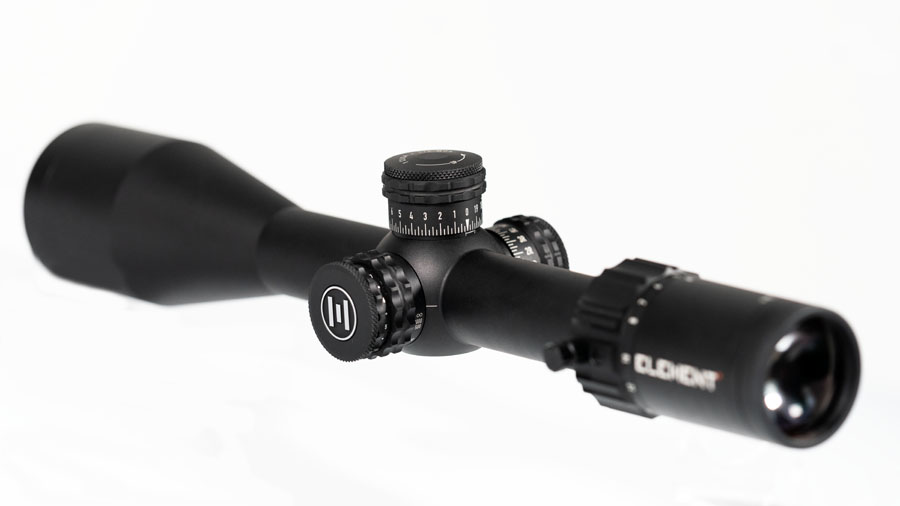
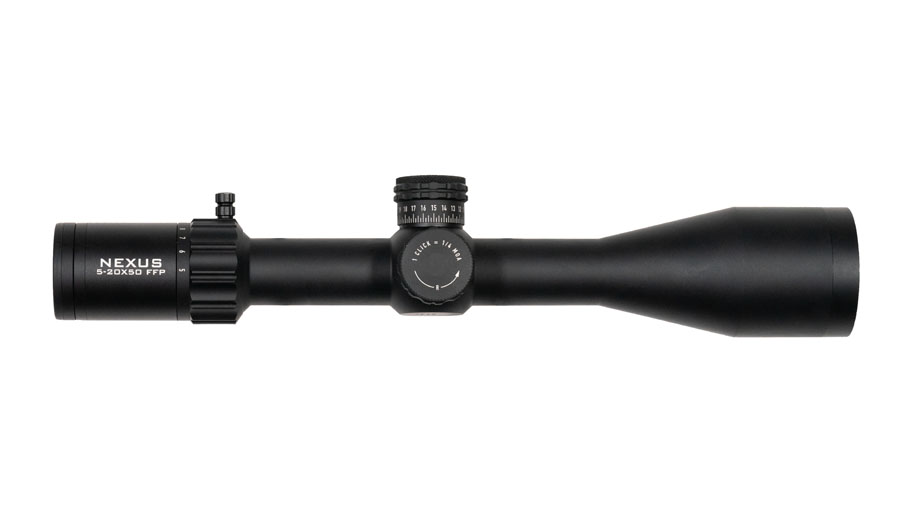
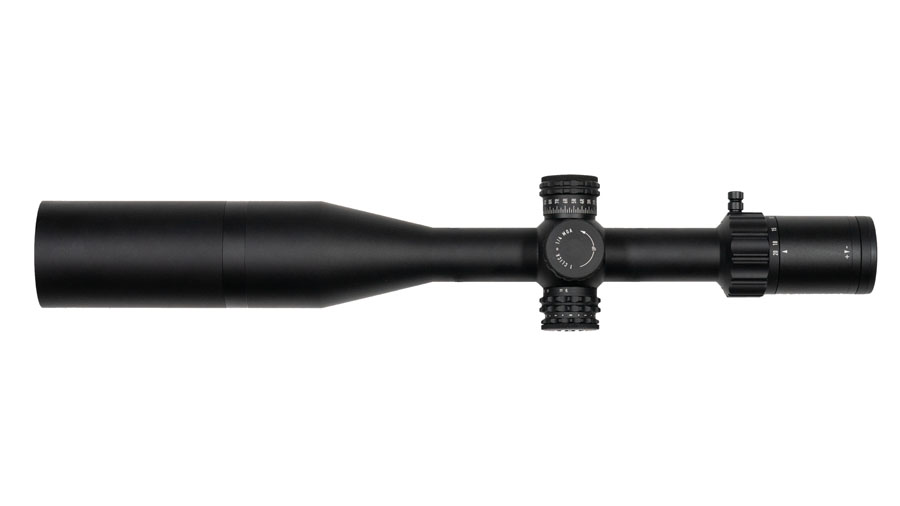
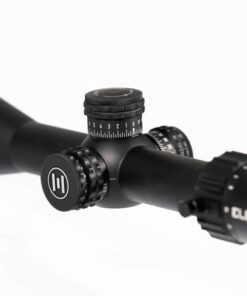
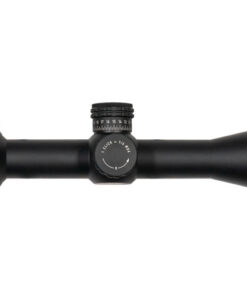
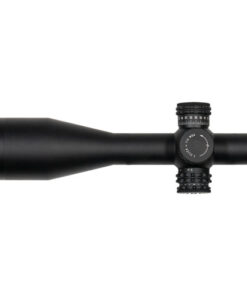
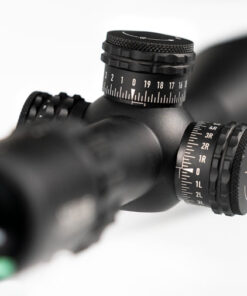
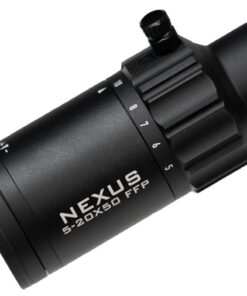
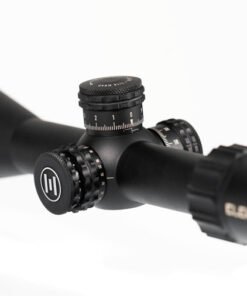
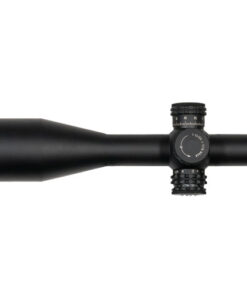
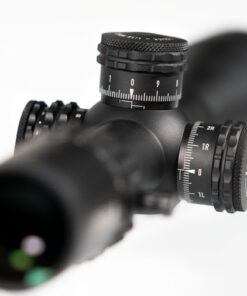
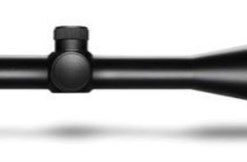
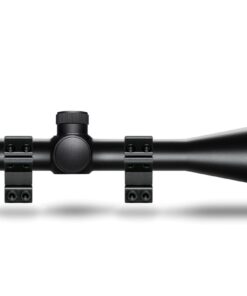
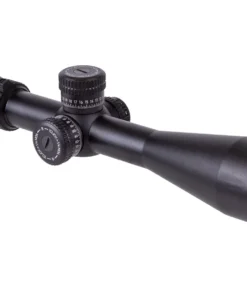
Element Optics Nexus 5-20×50
$800.00
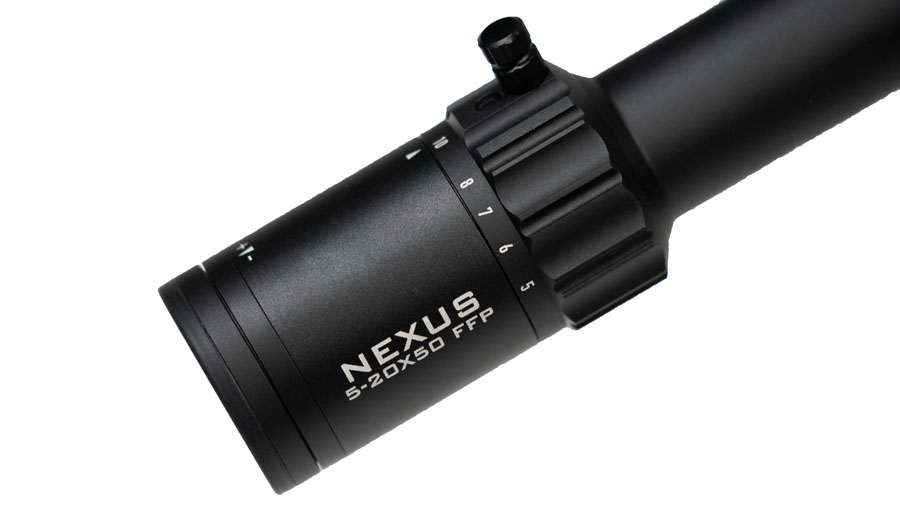
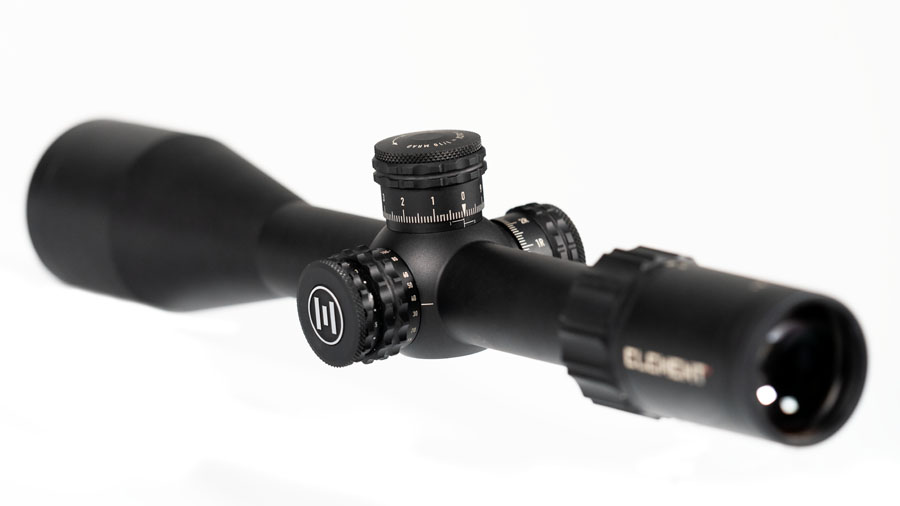
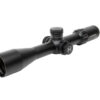
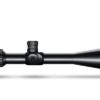
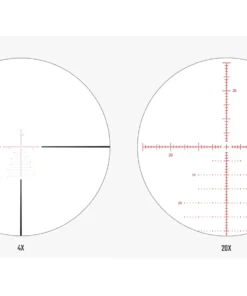
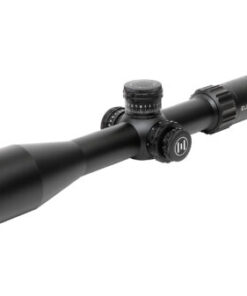
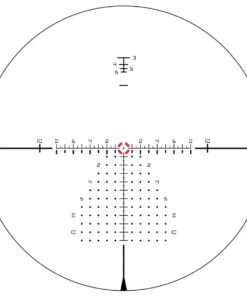
The word “NEXUS” means “focal point”, and that is what this model is to the ELEMENT OPTICS range. The Nexus combines intuitive features like tool-free tactical turrets, zero stop and a removable throw lever with precision engineering to bring you the ultimate 30mm riflescope. A variety of different reticle designs in both MOA and MRAD cater to all shooters: simplified options are easy on the eye, while more complex designs allow experienced shooters to hold off with precision.
Our design team of global competition winners & hunters understands optics, and have introduced strict quality control measures to ensure perfect operation under testing conditions. There’s a reason for the price tag: We’ve held nothing back, selecting only the very best materials, engineering teams, assembly procedures and technical inspections – and you’ll realize that the moment you pick it up. Need something that ticks all the boxes? Look no further than our flagship, the NEXUS.
Features
- 30mm Main Body Tube
- Compact, Lightweight design
- Illuminated, First Focal Plane Reticle
- Aircraft Grade Aluminium
- Side Parallax: 10yds-Infinity
- Advanced Fully Multi-Coated Lenses with Anti-Fouling Layer
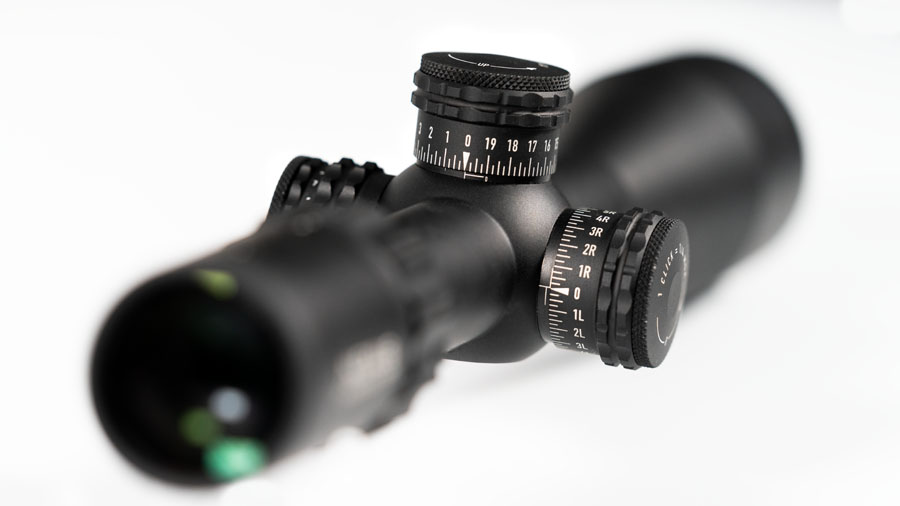
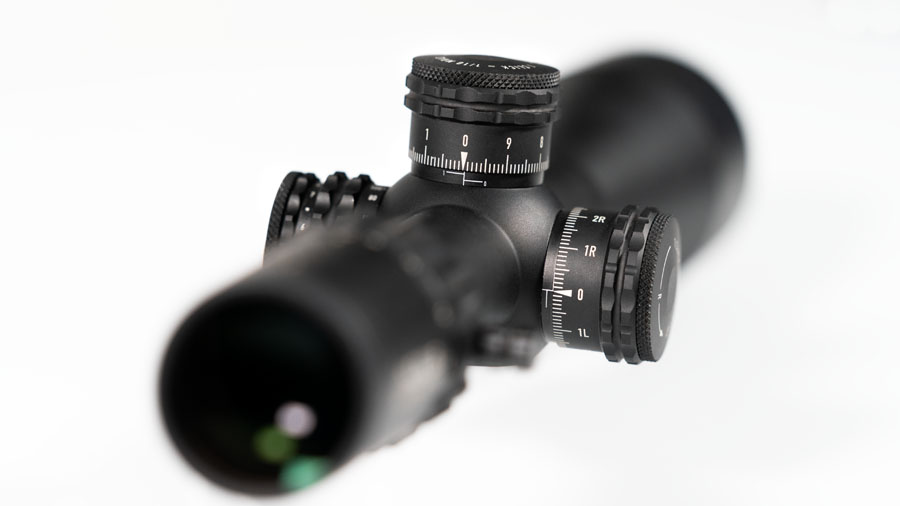
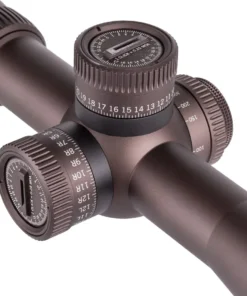
- Tool-free Resettable Turrets with 10 MRAD / 20 MOA per Revolution
- Hard Mechanical Zero-Stop
- Removable Magnification Throw Lever
- Waterproof, Fogproof, Shockproof & Nitrogen Purged
- Sunshade, Lens Cloth & Neoprene Cover included
Element Optics Nexus 5-20×50 FFP — 30mm Precision Riflescope with First Focal Plane Reticle, Zero Stop, Side Parallax, and Tool-Free Turrets
Element Optics Nexus 5-20×50 Optical Performance, FFP Reticle, Zero Stop, Turret Control, and Precision
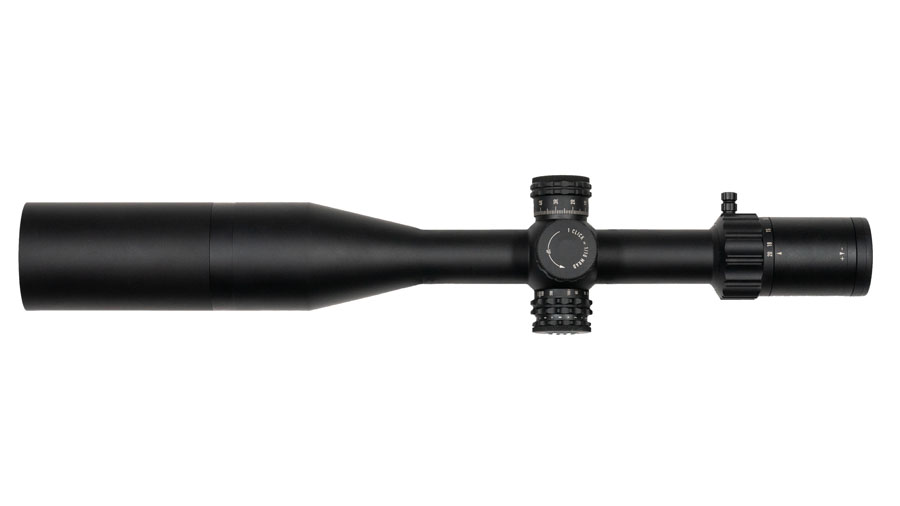
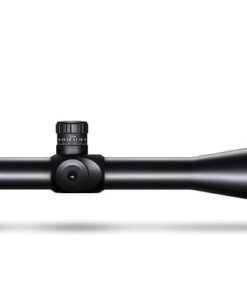
The Element Optics Nexus 5-20×50 FFP is a premium precision riflescope designed around a versatile 5-20× magnification range, 50mm objective lens, 30mm main tube, first-focal-plane reticle, side-focus parallax correction, and tool-free resettable tactical turrets. Although Element now also offers a newer Nexus Gen 2, the original 5-20×50 FFP remains listed in the manufacturer’s current Nexus range.
Element specifies an illuminated first focal plane reticle, aircraft-grade aluminum construction, side parallax from approximately 10 yards to infinity, advanced fully multi-coated lenses with an anti-fouling layer, a hard mechanical zero stop, and a removable magnification throw lever. The scope is also nitrogen purged and described as waterproof, fogproof, and shockproof.
The optic measures approximately 350mm / 13.8 inches and weighs around 794g / 28oz. Eye relief ranges from about 77-93mm, while field of view changes from approximately 23.3 feet at 100 yards on 5× to 5.8 feet at 20×. Depending on the chosen configuration, click values are 1/4 MOA or 0.1 MRAD. Element’s current product page lists approximately 80 MOA / 23.2 MRAD elevation and 50 MOA / 14.5 MRAD windage adjustment.
Sniper Hider
The phrase sniper hider is not a feature of this optic. The Nexus is a conventional precision riflescope designed around optical clarity, adjustment repeatability, and reticle functionality.
Optics Warehouse
Optics Warehouse is associated with optics retail and comparison rather than an internal part of the scope.
Red Dot UK
A red dot UK search generally concerns non-magnified or low-magnification reflex sights. The Nexus instead provides variable 5-20× magnification for detailed target observation.
Picatinny
A Picatinny rail can provide a mounting interface for suitable 30mm rings. Correct ring height and alignment are important for maintaining a natural eye position.
Bipod for Rifle
A bipod for rifle can provide additional stability during lawful range or target use, although it operates independently from the optic.
IR Illuminator
An IR illuminator is typically associated with digital or image-intensified night vision. It is not required for normal operation of this conventional optical riflescope.
Minotaur 10-50×60
The Minotaur 10-50×60 belongs to a different high-magnification optics platform and should not be treated as another version of the Nexus.
Picatinny Dimensions
Picatinny dimensions refer to standardized MIL-STD-1913 rail geometry. Mounts should match the rail specification and the scope’s 30mm tube.
Scope Mount
A scope mount connects the optic to the host platform. Correct alignment and appropriate fastening torque help protect the tube and maintain consistent positioning.
Zero Stop Scope
A zero stop scope contains a mechanical reference that limits elevation travel below a selected zero. The Nexus includes a hard mechanical zero-stop as a standard feature.
Sniper Hider
The repeated sniper hider phrase remains unrelated to the optical or mechanical design.
Optic Warehouse
An optic warehouse search normally concerns retail or comparison resources rather than scope technology.
What Is a Picatinny Rail
For what is a Picatinny rail, it is a standardized accessory-mounting interface containing regularly spaced transverse slots for compatible rings and mounts.
Parker Hale Scope Rings for Sale
Parker Hale scope rings for sale concerns separate mounting hardware. Any rings used with this scope must properly support a 30mm tube.
SWFA SS 10×42
The SWFA SS 10×42 uses fixed 10× magnification and therefore provides a very different optical format from the variable 5-20× Nexus.
Delta Stryker
Delta Stryker scopes belong to another precision-optics family and should be compared according to glass quality, turret operation, reticle design, adjustment range, and weight.
PRS Spotting Scope Setups
PRS spotting scope setups are primarily used for observing impacts and targets from outside the shooting platform. The Nexus is instead a mounted aiming optic.
1913 Rail
A 1913 rail generally refers to the MIL-STD-1913 Picatinny specification.
What Is Zero Stop on a Scope
For what is zero stop on a scope, the feature gives the elevation turret a defined mechanical stopping point after zeroing.
This allows the user to return to the reference position without relying solely on reading turret markings.
Difference Between Weaver and Picatinny Rail
The difference between Weaver and Picatinny rail primarily concerns slot dimensions and standardized spacing.
Some rings may fit both systems, but compatibility should always be confirmed.
Scope Illumination
Scope illumination makes selected reticle areas easier to see against darker or visually complex backgrounds.
The Nexus incorporates an illuminated first-focal-plane reticle.
What Is Parallax in Optics
For what is parallax in optics, parallax is apparent reticle movement against the target when the viewer’s eye changes position behind the optic.
The side-focus system helps reduce this error at the selected distance.
Ballistic Solver
A ballistic solver calculates predicted trajectory using information such as velocity, projectile characteristics, distance, and atmospheric conditions.
It remains separate from the Nexus itself.
What Is Parallax in Optics
The repeated what is parallax in optics phrase is particularly relevant at higher magnification because parallax error becomes easier to notice.
Delta Optics
Delta Optics is another optics manufacturer and has no direct technical relationship with Element’s scope.
Element Optics
Element Optics manufactures the Nexus and positions the 5-20×50 FFP as a premium 30mm riflescope with advanced glass, first-focal-plane reticles, tactical turrets, and zero-stop capability.
Schmidt and Bender Scopes
Schmidt and Bender scopes belong to another premium precision-optics range and should be evaluated separately.
Best Rifle Bipod for Long Range Shooting
The best rifle bipod for long range shooting depends on the platform, support surface, stability requirements, and intended lawful sporting use rather than the scope alone.
Chrony Chronograph
A Chrony chronograph measures projectile velocity and can provide useful information for external ballistic calculations.
Hikmicro Stellar SX60L Thermal Scope
The Hikmicro Stellar SX60L thermal scope uses thermal imaging technology. The Nexus is a conventional optical scope and therefore depends on visible light.
Best Digital Night Vision Scope
The best digital night vision scope belongs to a different technology category because digital night optics use an electronic imaging sensor rather than conventional daylight glass.
March Riflescope Adjustments Argon Filled D42HV56WFML G2
The phrase march riflescope adjustments argon filled d42hv56wfml g2 concerns a separate premium optic and should not be used as specification data for this model.
DNT Optics Review
A DNT optics review typically concerns digital, thermal, or multispectral optics rather than a traditional glass riflescope.
Falcon Optics
Falcon Optics belongs to a separate riflescope manufacturer and should be compared independently.
Best Night Vision Scope
The best night vision scope should be evaluated using digital sensor resolution, infrared capability, display quality, and low-light performance, which are not directly applicable here.
What Is Parallax in a Scope
For what is parallax in a scope, it describes apparent movement of the reticle over the target when the eye moves behind the eyepiece.
The Nexus provides side-parallax adjustment down to approximately 10 yards / 10 metres.
ZCO Optics
ZCO Optics refers to Zero Compromise Optic and belongs to another premium precision-scope category.
What Is Parallax in a Rifle Scope
For what is parallax in a rifle scope, correct adjustment helps align the reticle and target image onto the same apparent optical plane, reducing potential aiming inconsistency.
TNC225R Review
A TNC225R review concerns a different digital imaging platform rather than this conventional scope.
Tactical Rail
A tactical rail commonly refers to a standardized mounting system such as Picatinny.
SWFA Scope Review
An SWFA scope review relates to another optics brand and should not be confused with Nexus specifications.
Scope Torque Wrench
A scope torque wrench can help mount rings and bases according to the hardware manufacturer’s recommended specifications.
Element itself highlights correct ring torque as an important scope-installation consideration.
TPO Scopes
TPO scopes belong to another optics category or manufacturer depending on the market.
Best Scope for Air Rifle
The best scope for air rifle depends on recoil type, distance, weight, required magnification, and close-focus capability.
One useful feature here is the 10-yard minimum parallax distance, which makes the optic practical for relatively short-range target work as well as longer-distance observation.
What Is the MOA of a Scope
For what is the MOA of a scope, MOA means minute of angle and provides an angular unit for reticle subtensions and turret adjustments.
The Nexus is available with 1/4 MOA clicks and 20 MOA per revolution, or alternatively 0.1 MRAD and 10 MRAD per revolution.
Optics Planet
Optics Planet is a retailer and optics information source rather than an Element product feature.
DNT Thermal Scope Review
A DNT thermal scope review relates to electronic thermal imaging rather than conventional optical performance.
Picatinny Dimensions
The repeated picatinny dimensions phrase again concerns rail and mount compatibility.
Vector Minotaur 10 50×60
The Vector Minotaur 10 50×60 provides a significantly higher upper magnification range and belongs to another manufacturer.
Picatinny Scope Base
A Picatinny scope base can provide a secure interface for properly matched 30mm rings.
Why First Focal Plane Matters
The first-focal-plane reticle changes apparent size as magnification changes.
As a result, the angular relationship between reticle markings and the target remains consistent throughout the magnification range.
That makes the reticle easier to interpret without restricting measurements to one specific magnification setting.
Element currently offers multiple reticle configurations for the 5-20×50, including APR-1C and APR-2D MRAD designs along with MOA options.
Why the 5-20× Magnification Range Matters
The 5× lower end provides a comparatively broad field of view for locating targets, while the 20× upper end allows finer target inspection.
Element specifies approximately 23.3-5.8 feet of field of view at 100 yards across the zoom range.
This balance makes the scope more versatile than an optic designed solely around extreme magnification.
How Good Is the Glass Quality?
Element identifies the Nexus as using advanced fully multi-coated lenses with an anti-fouling layer.
The company has separately reported approximately 91.3% total light transmission through the original 5-20×50 optical system, with anti-reflective and hydrophobic coatings applied across the lens assembly.
Actual perceived clarity still depends on focus, atmospheric conditions, magnification, lighting, and individual eyesight.
Why the 50mm Objective Is Important
A 50mm objective provides a useful balance between light gathering and overall physical size.
At 5×, Element lists an approximately 8mm exit pupil, decreasing to about 2.5mm at 20×.
Therefore, maximum power naturally requires more precise eye positioning and stronger available light.
How the Zero Stop Helps
The mechanical zero stop creates a repeatable reference point for elevation.
Once correctly configured according to the manufacturer’s instructions, the turret can return to the reference zero without relying entirely on visual markings.
This is particularly useful in controlled precision shooting where turret corrections are repeatedly made and reversed.
How Good Are the Turrets?
The scope uses tool-free resettable turrets and provides either 10 MRAD or 20 MOA per revolution depending on configuration.
The tool-free design simplifies resetting the turret markings after the optic has been zeroed.
Consistent turret tracking still depends on correct mounting and a mechanically stable platform.
Why Side Parallax Is Important
The side-focus system works from approximately 10 yards to infinity, which is unusually useful for an optic with a 20× upper magnification range.
At high magnification, even relatively small parallax errors can become noticeable.
Correct side-focus adjustment therefore contributes directly to repeatable aiming.
Where the Scope Works Best
The Nexus is particularly suited to lawful precision target shooting, range use, competition-style setups, and air-rifle applications where first-focal-plane reticle functionality and close parallax adjustment are valuable.
Its approximately 794g weight means it is more naturally suited to platforms where optical precision is prioritized over minimum total weight.
When Higher Magnification Becomes Useful
Higher power becomes useful when small target details need to be observed more closely.
However, the 20× setting also narrows field of view and reduces exit pupil size.
Therefore, moderate magnification can be more comfortable when lighting is poor or rapid target location matters.
How Precise Is the Scope?
Precision is supported by the first-focal-plane reticle, 0.1 MRAD or 1/4 MOA turret options, side parallax adjustment, hard zero stop, 30mm tube, and high-quality lens system.
Nevertheless, repeatability also depends on ring alignment, correct mounting torque, base stability, consistent eye position, and mechanical stability of the host platform.
Important Information About the Nexus
The scope is manufactured from aircraft-grade aluminum, nitrogen purged, and designed to be waterproof, fogproof, and shockproof. A removable throw lever, sunshade, lens cloth, and neoprene cover are also included according to Element’s current specification.
The original Nexus remains a first-focal-plane 5-20×50 design, while the newer Nexus Gen 2 uses a different 4-25×50 optical and mechanical specification. Buyers comparing used or new scopes should therefore confirm which generation they are evaluating.
For long-term reliability, the lenses should remain protected, turret mechanisms should not be forced beyond their normal range, the tube should not be crushed through excessive ring torque, and all mounting hardware should be inspected periodically.
Overall, the Element Optics Nexus 5-20×50 combines premium glass, a versatile magnification range, first-focal-plane reticle functionality, close-focus parallax control, tool-free turrets, a hard mechanical zero stop, MOA or MRAD configuration options, and robust weather-resistant construction into a precision-oriented optical platform.
Optical Clarity, Parallax Control, Reticle Visibility, Turret Consistency, and Practical Reliability
Optical Clarity
Optical clarity depends on lens quality, coatings, focus, magnification, ambient light, and correct eye position.
At lower magnification, the image is generally brighter and easier to acquire because the field of view is wider and eye placement is more forgiving.
As magnification increases, small focusing errors and movement become easier to notice.
For this reason, the highest magnification should be used when extra visual detail is actually needed rather than selected automatically for every situation.
Why Lens Coatings Matter
Modern lens coatings help reduce internal reflection and improve light transmission.
This can support better contrast, especially when viewing fine detail against complicated backgrounds.
However, coatings should be protected carefully.
Dust should be removed before wiping, and abrasive materials should be avoided.
Repeated aggressive cleaning can create microscopic scratches.
A clean lens is important, but unnecessary contact with the optical surfaces should be minimized.
Objective Lens Performance
The objective lens gathers incoming light before it passes through the rest of the optical system.
A larger objective can improve image usability in demanding lighting conditions, particularly when moderate magnification is used.
However, objective size also influences mounting height.
The scope should be mounted high enough to provide clearance but not so high that the shooter must raise the head unnaturally.
A comfortable position improves repeatable eye alignment.
Magnification Adjustment
The magnification control should move smoothly through its full range.
It should not feel excessively stiff, loose, or inconsistent.
If a throw lever is fitted, it should remain secure and should not contact surrounding equipment.
The user should become familiar with the difference between lower and higher magnification.
Lower settings are often better for quickly locating a target, while higher settings provide more detail after the target has already been centered.
High-Magnification Stability
At high magnification, even very small movements become obvious.
Vibration from the shooting platform, support equipment, breathing, or body position can make the sight picture appear unstable.
This does not necessarily indicate a problem with the optic.
A stable support position becomes increasingly important as magnification rises.
For meaningful precision evaluation, the complete platform should be steady enough that mechanical movement does not hide the optical performance.
Parallax Control
The side-focus system should be adjusted to suit the target distance.
Correct parallax adjustment helps reduce apparent movement between the reticle and target when the eye moves slightly behind the eyepiece.
This becomes more important at higher magnification.
Distance markings can be useful as a starting point, but the final visual result should take priority because eyesight and atmospheric conditions can influence the exact setting.
Checking Parallax
A simple way to evaluate parallax is to keep the platform still while moving the eye slightly behind the scope.
If the reticle appears to shift relative to the target, further side-focus adjustment may be required.
A sharp target image does not always mean parallax has been fully corrected.
Consistent eye position remains important even after the side-focus setting has been optimized.
First-Focal-Plane Reticle Behavior
A first-focal-plane reticle changes apparent size as magnification changes.
This allows the angular relationship between the reticle markings and target to remain consistent throughout the magnification range.
That can make reticle references easier to interpret across different settings.
However, the reticle may appear relatively fine at lower magnification and more prominent at higher power.
The user should become familiar with how the reticle looks across the entire zoom range.
Reticle Visibility
The reticle should remain sharp and easy to distinguish without dominating the sight picture.
If illumination is available, brightness should be kept only as high as necessary.
Too much illumination can make fine reticle details appear less precise and can increase eye strain.
In bright conditions, illumination may not be needed.
In darker conditions, a low setting can make the central aiming area easier to identify.
Illumination Battery Care
The illumination system depends on reliable battery contact.
If brightness becomes inconsistent or the reticle flickers, the battery and contacts should be checked first.
The battery compartment should remain clean and dry.
For extended storage, battery condition should be monitored to reduce the risk of leakage.
A damaged or corroded battery compartment can eventually affect more than just illumination.
Turret Feel
Elevation and windage turrets should produce clear and consistent clicks.
The mechanism should not feel unusually stiff, vague, or loose.
If turret feel changes suddenly, the adjustment should not be forced.
External contamination, impact, or internal wear may need to be considered.
A predictable click feel helps the user recognize when a mechanical change has occurred.
Zero Stop Function
A mechanical zero stop provides a repeatable reference point after the optic has been adjusted away from its original setting.
The system should engage cleanly and should not require excessive force.
The user should understand the manufacturer’s setup procedure before making changes.
A properly configured stop can simplify returning to a known reference, but it should not be treated as a substitute for careful turret management.
Tracking Consistency
Tracking describes whether the internal adjustment system responds predictably when elevation or windage corrections are made.
If the optic does not appear to return consistently, external causes should be checked first.
Loose rings, an unstable rail, incorrect torque, or platform movement can all create similar symptoms.
Troubleshooting should therefore begin with the mounting system before assuming an internal optical fault.
Return-to-Reference Behavior
A precision optic should return consistently when adjustments are reversed.
If the point of impact changes unexpectedly after dialing, the ring screws, base, rail, mounting surfaces, and turret position should all be checked.
Parallax and support position should also be considered.
Changing several variables at once can make the real cause difficult to identify.
Tube Alignment
The main tube should sit evenly in the rings.
Misaligned rings can place uneven stress on the scope body and may interfere with internal adjustment.
The scope should not be forced into a mounting system that does not align correctly.
Proper alignment helps protect both the tube and internal optical components.
Ring Torque
Ring screws should be tightened gradually and evenly.
Excessive force can deform the tube or damage threads.
Too little torque can allow the scope to move.
A suitable torque tool can help keep fasteners within the mount manufacturer’s recommendations.
Balanced tightening is more important than simply applying the greatest possible force.
Base Security
The rail or base should remain secure.
A loose base can cause zero shifts that may be incorrectly blamed on the optic.
Fasteners should be checked periodically, especially after transport or heavy vibration.
The mounting surface should remain clean and free from grit.
Stable hardware provides the foundation for repeatable optical performance.
Eye Relief
The scope should be positioned so the user sees the complete image without stretching forward or pulling the head backward.
A natural position helps reduce fatigue and supports repeatable alignment.
If the sight picture disappears easily when the head moves slightly, the mounting position may need reconsideration.
Consistent eye relief becomes particularly important at higher magnification.
Diopter Adjustment
The diopter should be adjusted so the reticle appears sharp to the individual user.
This setting is separate from target focus.
Once the reticle is clearly defined, the diopter usually requires little further adjustment.
If the reticle begins appearing blurry, this control should be checked before changing the side-focus setting.
Field of View
Field of view becomes narrower as magnification increases.
A wider view is useful for locating targets and maintaining awareness of the surrounding area.
For practical use, starting at moderate or low magnification often makes target acquisition easier.
Magnification can then be increased once the desired area is centered.
Exit Pupil
The exit pupil becomes smaller as magnification rises.
This makes eye position more demanding and can reduce apparent brightness in poor light.
This behavior is normal and should not be mistaken for an optical defect.
Reducing magnification can often improve comfort and perceived image brightness when lighting conditions are difficult.
Sunshade Use
A sunshade can reduce glare and stray light entering the objective.
It can be useful when bright light comes from the front or side.
The sunshade should thread on smoothly and should not be forced.
During transport, its added length should be protected from impact.
External Surface Care
The exterior should remain clean and dry.
Dust and moisture can collect around turret bases, ring interfaces, adjustment controls, and the eyepiece.
A soft cloth is generally suitable for routine cleaning.
Harsh solvents should be avoided because they may affect finishes, seals, or markings.
Moisture Protection
The optic should be dried after rain or heavy humidity.
Water should not remain trapped around controls or mounting points.
The scope should not be placed immediately into a sealed case while wet.
Allowing it to dry first helps reduce trapped moisture and potential corrosion around external hardware.
Transport Protection
A padded case should protect the scope from impact, vibration, and pressure on the turrets or objective.
Heavy objects should not rest directly against the optic.
After a long journey, the ring screws, base fasteners, turret settings, focus system, and lens condition should all be checked.
Storage Conditions
The scope should be stored in a dry environment away from excessive heat.
Lens covers should be fitted when practical.
If the optic will not be used for an extended period, battery condition should be checked.
Heavy equipment should not be stacked on top of the scope or mounting system.
Long-Term Practical Reliability
Long-term reliability depends on clean optics, secure mounting, correct torque, smooth parallax adjustment, predictable turret behavior, and careful environmental protection.
The tube, rings, base, turrets, side-focus mechanism, illumination system, objective, and eyepiece should all be monitored over time.
Changes in tracking, focus behavior, illumination, zero retention, or adjustment feel should not be ignored.
When the optic is mounted correctly, protected during transport, stored dry, and maintained carefully, it is more likely to preserve clear imaging, consistent reticle interpretation, repeatable adjustment, and dependable precision over extended use.
Focus Precision, Magnification Control, Reticle Interpretation, Zero Retention, and Long-Term Optical Care
Understanding Focus Precision
Accurate focus is essential in a variable-power precision optic because small focusing errors become more noticeable as magnification increases.
The target image should appear sharp without forcing the eye to compensate.
If the image looks soft, the side-focus control should be checked before assuming there is a problem with the lenses or reticle.
Correct focus improves detail recognition and also reduces eye strain during longer viewing sessions.
Magnification and Image Stability
Higher magnification enlarges both useful detail and unwanted movement.
At maximum power, vibration from the platform, support system, breathing, or body position can become much easier to see.
For this reason, high magnification is most useful when the platform is stable.
Lower magnification provides a wider field of view and more forgiving eye placement.
The ideal setting depends on distance, lighting, support, and how much visual detail is actually required.
Why Maximum Power Is Not Always Best
Maximum magnification can make fine details easier to see, but it also narrows the field of view and reduces the exit pupil.
As a result, the image may appear dimmer and eye position can become more demanding.
In poor light or unstable conditions, a moderate magnification setting can produce a more usable sight picture.
The goal should be clear and repeatable observation rather than always using the highest available setting.
Side-Focus Accuracy
The side-focus control should be adjusted until the target image appears sharp and apparent reticle movement is minimized.
Distance markings can provide useful guidance, but the actual visual result should take priority.
Atmospheric conditions, eyesight, and exact target distance can all influence the final setting.
Fine adjustment becomes especially important at higher magnification because small parallax errors are easier to notice.
Checking for Parallax
Parallax can be checked by keeping the platform still while moving the eye slightly behind the eyepiece.
If the reticle appears to shift relative to the target, additional adjustment may be required.
A sharply focused target does not automatically mean that parallax has been fully corrected.
Consistent eye placement remains important even after the side-focus control has been optimized.
First-Focal-Plane Reticle Behavior
A first-focal-plane reticle changes apparent size as magnification changes.
This means its angular relationship to the target remains consistent across the zoom range.
That behavior is useful because reticle references can remain meaningful at different magnification settings.
However, the reticle can appear relatively fine at lower magnification and more prominent at higher power.
The user should become familiar with how it looks throughout the full adjustment range.
Central Reticle Visibility
The center of the reticle should remain easy to identify without becoming visually distracting.
In bright conditions, illumination may not be required.
In darker or visually complex scenes, a lower illumination setting can help improve contrast.
Brightness should be kept only as high as necessary.
Excessive illumination can make fine details appear less precise and may cause unnecessary eye fatigue.
Illumination Battery Care
The illumination system depends on a reliable battery and clean electrical contacts.
If brightness becomes inconsistent or the reticle flickers, the battery should be checked first.
The battery compartment should remain clean and dry.
For long-term storage, battery condition should be monitored to reduce the risk of leakage.
Corroded contacts can eventually affect reliability.
Turret Click Consistency
Elevation and windage adjustments should feel consistent throughout their normal range.
Each click should be distinct and predictable.
If the turret suddenly becomes vague, unusually stiff, or inconsistent, it should not be forced.
Dirt, impact, or mechanical wear may need to be considered.
A predictable click feel helps the user recognize when something has changed mechanically.
Zero Stop Reliability
The zero-stop system provides a mechanical reference after the elevation turret has been adjusted away from its original setting.
It should engage cleanly without requiring excessive force.
The user should understand the correct setup procedure before making adjustments.
A properly configured stop makes it easier to return to a known reference point and reduces the chance of losing track of the original setting.
Tracking Consistency
Tracking refers to how predictably the internal mechanism responds when turret adjustments are made.
If the optic appears not to return consistently, external causes should be checked first.
Loose rings, an unstable base, incorrect mounting torque, or movement in the platform can create symptoms that resemble poor internal tracking.
Troubleshooting should therefore begin with the mounting system.
Return-to-Reference Behavior
A precision optic should return consistently when previous adjustments are reversed.
If the point of impact changes unexpectedly after dialing, the ring screws, mounting rail, turret position, and support setup should all be checked.
Parallax and eye position should also be considered.
Changing several variables at the same time can make the actual cause difficult to identify.
Tube Alignment
The main tube should sit evenly within the rings.
Misaligned rings can place unnecessary pressure on the optic body and may interfere with internal adjustment.
The scope should not be forced into mounts that do not line up correctly.
Proper alignment protects the tube and helps maintain smooth turret movement.
Any visible crushing or heavy ring marks should be investigated.
Ring Position
The rings should support the tube without interfering with the turret housing, magnification ring, or objective bell.
They should also be positioned so the optic provides comfortable eye relief.
Incorrect spacing can place unnecessary stress on the tube.
The scope should sit naturally in the rings rather than being pulled or twisted into position.
Torque Consistency
Mounting screws should be tightened gradually and evenly.
One side should not be fully tightened while the opposite side remains loose.
A suitable torque tool can help keep fasteners within the mount manufacturer’s recommendations.
Excessive torque can damage threads or deform the tube, while insufficient torque can allow movement.
Balanced fastening helps preserve long-term stability.
Base and Rail Security
The mounting rail or base should remain straight, clean, and secure.
Loose base screws can produce zero shifts that may be incorrectly blamed on the optic.
The interface should be checked periodically, especially after transport.
Dust, oil, or grit should not remain trapped between mounting surfaces.
A stable base provides the foundation for repeatable optical alignment.
Eye Position Consistency
Repeatable eye position helps reduce aiming variation.
The user should be able to establish the same cheek and head position naturally.
If the full image is difficult to see, the scope location may need to be reconsidered.
A setup that forces the head too far forward or backward can increase fatigue and make consistent alignment harder.
Diopter Stability
Once adjusted correctly, the diopter should make the reticle appear sharp to the individual user.
It normally requires little additional adjustment.
If the reticle begins appearing blurry, the diopter should be checked before changing the side-focus control.
Target focus and reticle focus serve different purposes and should not be confused.
Field of View Awareness
Field of view decreases as magnification rises.
A wider field of view makes locating a target easier and preserves more awareness of the surrounding area.
For practical use, it can be helpful to begin at a lower or moderate setting and increase magnification only after the desired area has been centered.
Trying to locate something at maximum power can be unnecessarily slow.
Exit Pupil and Lighting
The exit pupil becomes smaller at higher magnification.
This requires more precise eye placement and can make the image appear dimmer in poor lighting.
This is normal optical behavior rather than a defect.
Reducing magnification often improves comfort and perceived brightness when ambient light is limited.
Glare Management
Bright light entering the objective can reduce image contrast.
A sunshade can help control stray light when illumination comes from the front or side.
The objective and eyepiece should also remain free from fingerprints because oily residue can increase glare.
The sunshade should be threaded on carefully and protected from impact during transport.
Lens Surface Protection
The lenses should be protected from dust, grit, moisture, and impact.
Protective covers should be used whenever practical.
Loose particles should be removed before direct wiping.
A suitable optical cloth, blower, or lens brush is preferable to ordinary fabric.
Prevention is important because scratches cannot be easily reversed once they occur.
Objective Bell Protection
The objective bell should not be used as a carrying point.
Its larger diameter makes it vulnerable to pressure and impact during transport.
Heavy objects should not rest against it inside a case.
If the objective area receives a significant impact, image clarity and focus behavior should be checked before further use.
Eyepiece Protection
The eyepiece should remain clean and free from cracks or looseness.
The optic should not be carried by the rear housing.
A protective case should prevent other equipment from striking the eyepiece.
Any movement or damage around the rear assembly should be investigated because it can affect viewing comfort and optical alignment.
Turret Protection
Exposed turrets provide convenient access but can be vulnerable during transport.
Heavy objects should not press against the adjustment caps or zero-stop mechanism.
Before use, both turrets should be checked to confirm that they remain at the intended settings.
A case with enough clearance around the controls can help prevent accidental movement.
Side-Focus Control Protection
The side-focus mechanism should rotate smoothly and should not be used as a carrying point.
If a larger adjustment wheel or accessory is fitted, additional clearance may be required in the storage case.
The control should not be struck or forced.
If it develops unusual stiffness or looseness, the mechanism should be inspected.
Moisture and Fog Prevention
The optic should be dried after rain or heavy humidity.
Water should not remain trapped around the turret bases, mounting rings, or moving controls.
The scope should not be placed into a sealed case while wet.
Rapid temperature changes can also create external condensation.
Gradual acclimatization helps reduce unnecessary moisture buildup.
Cleaning After Outdoor Use
Dust, mud, or debris should be removed carefully after use.
Loose particles should be brushed or blown away before wiping.
The exterior can then be cleaned with a soft cloth.
Harsh chemicals should be avoided because they may affect finishes or seals.
Cleaning also provides an opportunity to inspect the tube, controls, rings, and lenses for damage.
Transport Checks
After a long journey, the optic should be inspected before precision use.
Ring screws, base fasteners, turret positions, side focus, magnification control, and lens condition should all be checked.
Transport vibration can reveal hardware that was beginning to loosen.
A short inspection can prevent unnecessary troubleshooting later.
Storage Environment
The scope should be stored in a dry location away from excessive heat and direct sunlight.
Lens covers should be fitted when practical.
Heavy objects should not be stacked on top of the optic.
The storage case should provide enough room so the turrets, objective bell, and side-focus controls are not under continuous pressure.
Periodic Function Checks
Even when the optic is not used regularly, its controls should be checked periodically.
The magnification ring, side focus, turrets, illumination, and diopter can all be operated briefly.
This helps identify stiffness, battery problems, or hardware changes before the scope is needed again.
Long-Term Optical Reliability
Long-term reliability depends on secure mounting, correct torque, clean lenses, smooth controls, stable parallax adjustment, and careful environmental protection.
The tube, rings, base, turrets, side-focus mechanism, illumination system, objective, and eyepiece should all be monitored over time.
Changes in tracking, focus behavior, zero retention, illumination, or adjustment feel should not be ignored.
When the scope is mounted correctly, protected during transport, stored dry, and maintained carefully, it is more likely to preserve clear optical performance, repeatable adjustment, stable reticle interpretation, and dependable precision over extended use.
Be the first to review “Element Optics Nexus 5-20×50”
Related products
Reviews
There are no reviews yet.