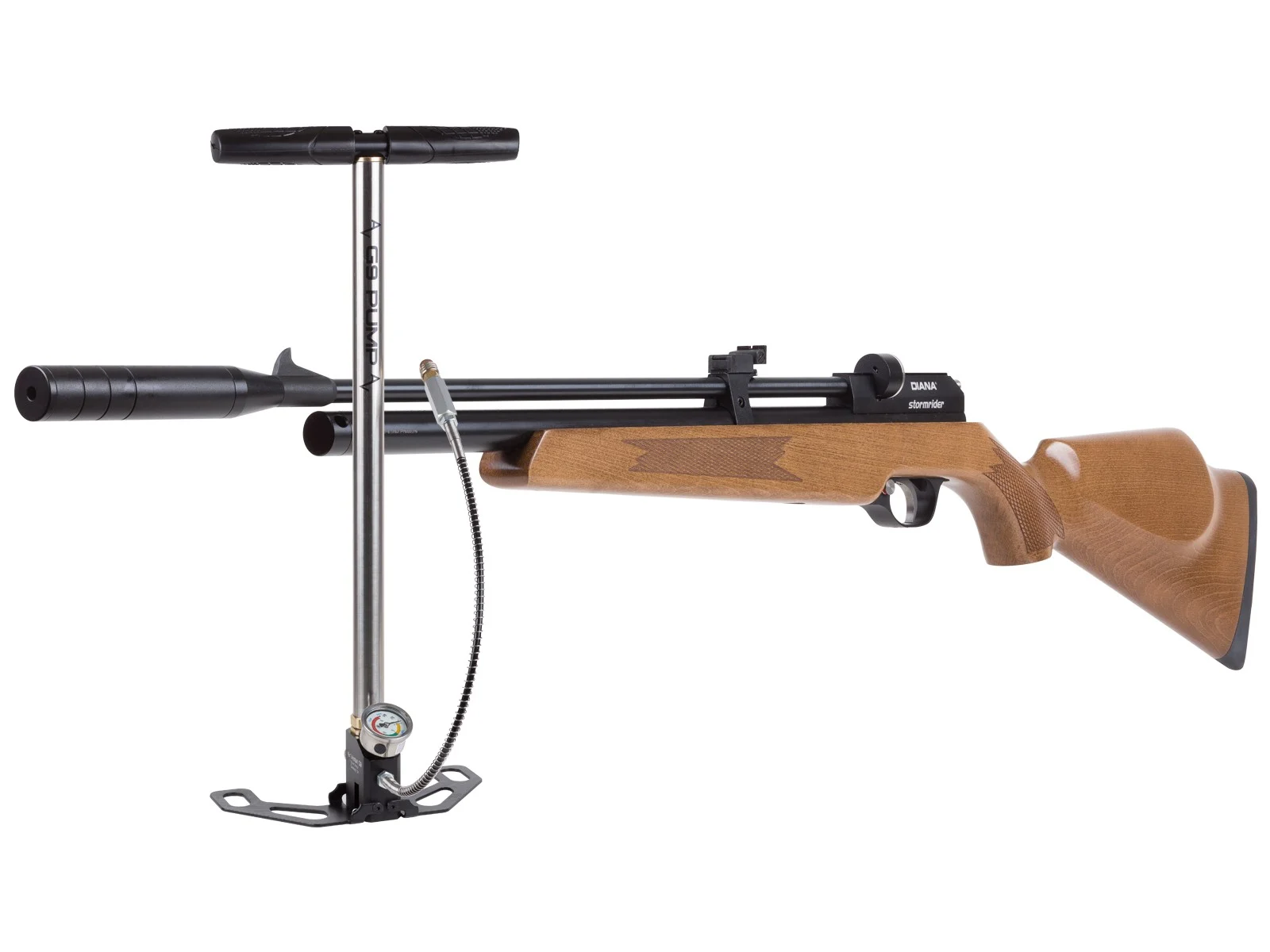
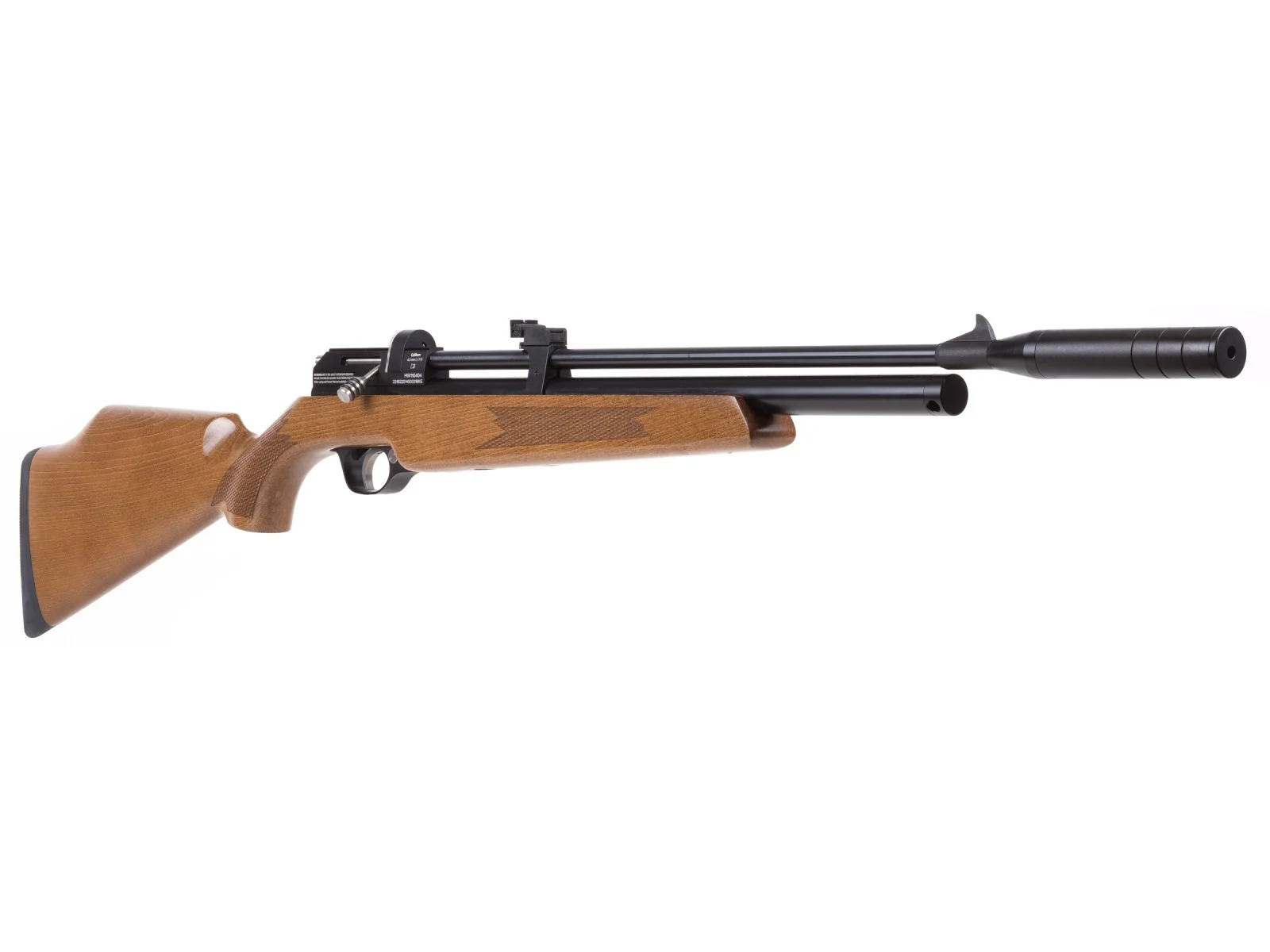
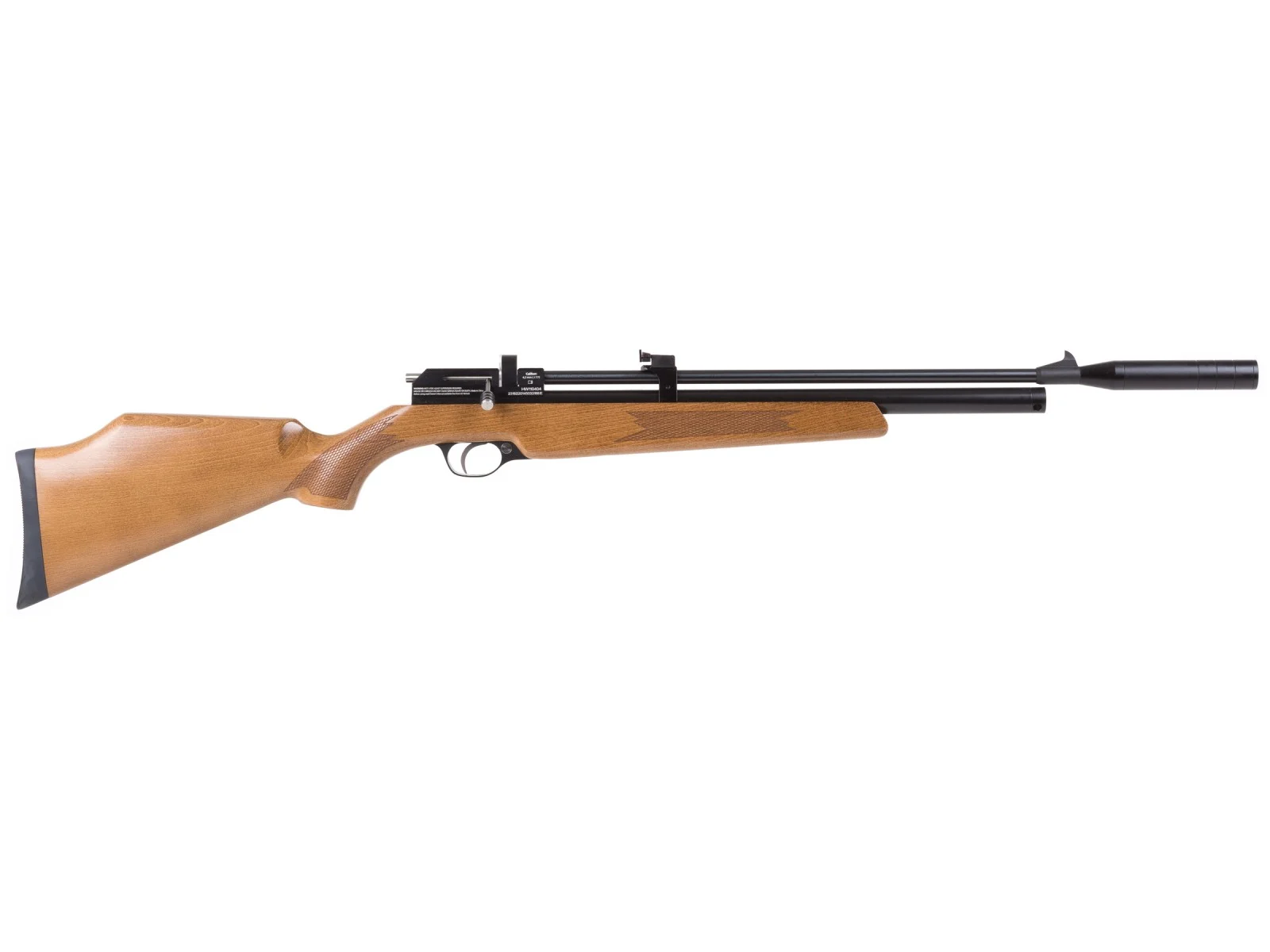


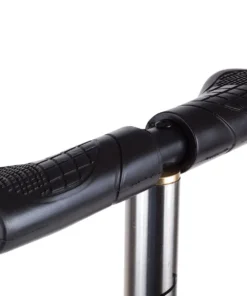
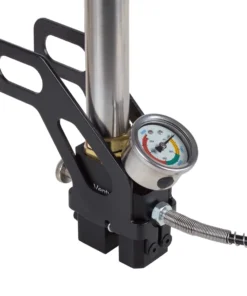
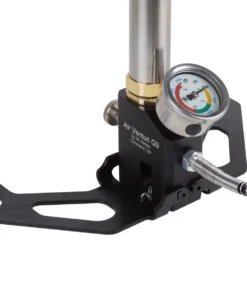
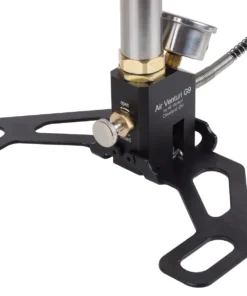
Diana Stormrider Multi-shot PCP Air Rifle and HPA Pump Kit
$250.00
Lay down a shower of lead with the Diana Stormrider!
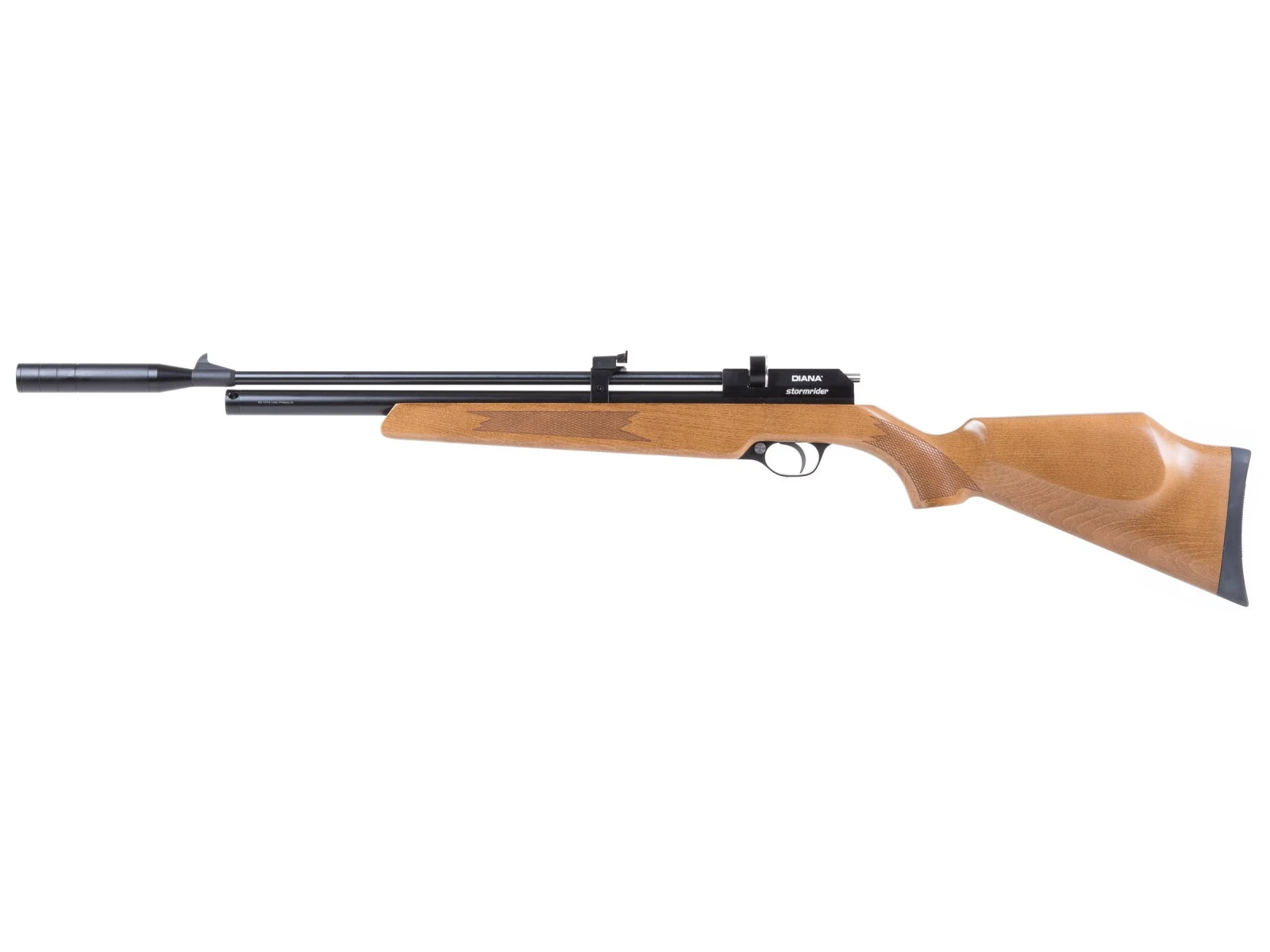
Since 1892, Diana has produced high-quality airguns that are as reliable as they are accurate. While the Stormrider may not be their first PCP, it’s certainly the most budget-friendly. With a straightforward, no-frills design, the Diana Stormrider’s combination of repeating shots and great features make it a serious contender for one of the best entry-level PCPs.
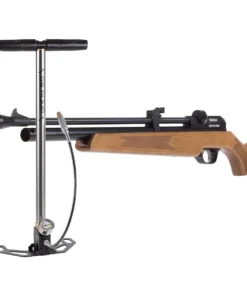
The first thing you’ll notice is the quality of the German beech stock. It’s sturdy, contoured with checkering on the grip and forend. With a thickness of 1.5 inches wide and a total weight of 5lbs, the Stormrider is easy to handle for shooters young and old. This PCP’s 100cc cylinder is easy to fill with a handpump. WIth the included G9 pump, you will have everything you need to make your Diana Stormrider range ready for hours!
Hands down, the best feature of this Diana is its repeating shots. Simply load up the rotary magazine and slide it into the breech which secures it into place magnetically. With 9 shots in .177 and 7 in .22, cycle to a new round with a quick flick of the bolt action. Once you charge up the 200 BAR (2900 psi) cylinder you can send rounds downrange at 1,050 fps (.177) and 900 fps (.22). Additionally, if you want to shoot one shot at a time, a single-shot tray is included. It also includes open sights with a fully adjustable rear sight and an 11mm dovetail for mounting your own optics. This kit really has it all!
If you’ve wanted your own PCP airgun but the price has held you back, the Diana Stormrider gives you a budget-friendly PCP design that lives up to Diana’s name.
Diana Stormrider Multi-shot PCP Air Rifle Kit
- PCP
- Bolt-action
- Repeater
- Up to 26 FPE in .22 / 20 FPE in .177 with lead pellets
- Up to 900 fps in .22 / 1050 fps in .177 with lead pellets
- Manual safety
- 2-Stage Adjustable Trigger
- Checkered beech stock
- Raised cheekpiece for right-handed shooters (stock still usable for left-handed shooters)
- Fully adjustable rear sight
- 11mm dovetail
- Integrated manometer (pressure gauge)
- 200 BAR/2900 psi fill pressure
- 9 shot magazine in .177
- 7 shot magazine in .22
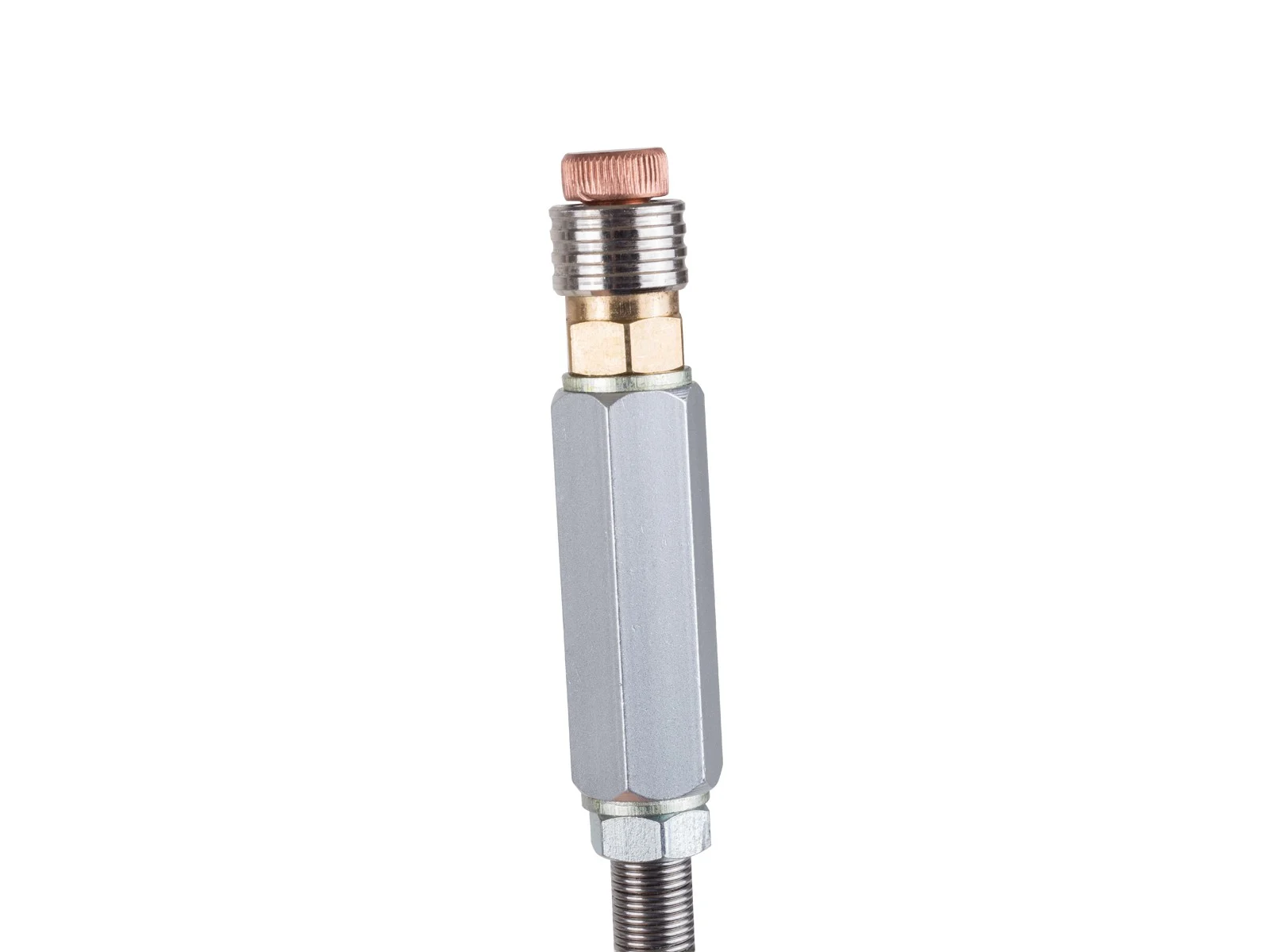
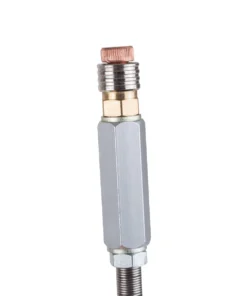
- Includes fill probe with male quick disconnect fitting
- Stormrider’s 100cc cylinder is easy to fill with a hand pump
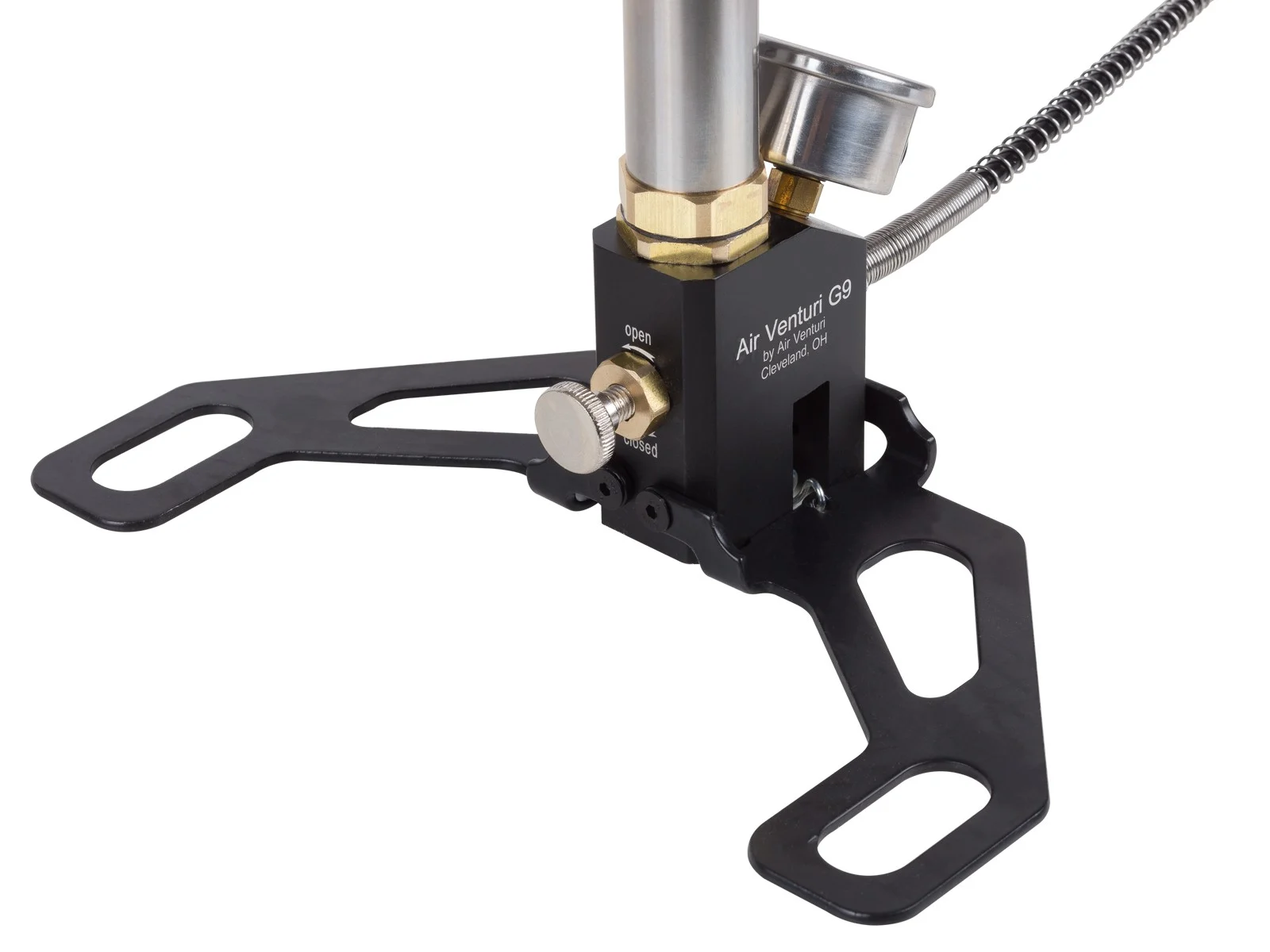
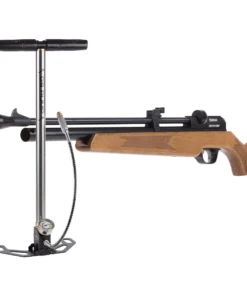
- Includes rotary magazine, single-shot tray, and Air Venturi G9 pump
Specifications
BrandCaliber.177 (4.5mm)Max Velocity1050 fps Muzzle Energy20 ft/lbsSuggested forSmall game hunting/target practicePowerplantPre-charged pneumaticLoudness3-MediumWeight5.0 lbsFunctionRepeaterMax Shots per Fill40Cylinder Size100 ccActionBolt-actionFixed/adj. powerFixedShroudedYesScopeable11mm dovetailFront SightsBladeRear SightsAdjustable for windage & elevationSafetyManualTriggerTwo-stage adjustableBarrelRifledBarrel Length19.0″Overall Length40.5″Capacity9 round(s)Body TypeRifleStockBeechButtplateRubberColorBrownOperating Pressure2900 PSI / 200 BARGrip OrientationAmbidextrousRegulatedNoIs Safe To Dry FireYesMagazine Included1UpgradesGen 2
Diana Stormrider Multi-shot PCP Air Rifle and HPA Pump Kit – Complete Product Description, Precision, Power, Features, Calibers, Performance & Buying Guide
Diana Stormrider Multi-shot PCP Air Rifle and HPA Pump Kit – Comprehensive Product Overview, Technical Specifications, Precision Engineering, Performance, and SEO Keywords
Diana Stormrider Multi-shot PCP Air Rifle and HPA Pump Kit – Exceptional Precision and Affordable PCP Engineering
The Diana Stormrider Multi-shot PCP Air Rifle and HPA Pump Kit combines traditional European airgun heritage, modern compressed-air technology, and practical sporting features in an accessible pneumatic rifle package. Designed for shooting enthusiasts who appreciate reliable mechanical construction, the complete kit offers a lightweight pre-charged pneumatic rifle, a multi-shot rotary magazine, a precision-rifled barrel, and a compatible high-pressure hand pump.
Unlike conventional spring-piston rifles, the Diana Stormrider Multi-shot PCP Air Rifle and HPA Pump Kit operates using compressed air stored within an integrated 100cc reservoir. Consequently, its pneumatic mechanism provides a different shooting experience from traditional break-barrel alternatives. Furthermore, its bolt-action design, adjustable trigger, and classic beechwood stock create an appealing combination of modern functionality and traditional sporting appearance.
Available in .177 and .22 caliber configurations, the Diana Stormrider Multi-shot PCP Air Rifle and HPA Pump Kit accommodates different recreational shooting preferences. The .177 model incorporates a nine-round magazine, whereas the .22 version accommodates seven pellets. Both configurations use a 19-inch rifled barrel, a 200 BAR maximum fill pressure, and an integrated pressure gauge.
Another major advantage is the included Air Venturi G9 HPA hand pump. By supplying compatible high-pressure charging equipment alongside the rifle, the kit provides a more complete introduction to PCP ownership than a rifle-only purchase.
Additionally, the Generation 2 configuration includes an enlarged bolt handle, a two-stage adjustable trigger, and an extended muzzle moderator assembly. These features distinguish the updated version from the original model.
The checkered beechwood stock contributes to the rifle’s distinctive appearance, while the raised cheekpiece and rubber buttpad provide practical ergonomic features.
Despite its traditional styling, the Diana Stormrider Multi-shot PCP Air Rifle and HPA Pump Kit incorporates several modern design elements. Its 11mm dovetail rail allows buyers to consider compatible optics, while the removable magazine and single-shot tray provide alternative ammunition-feeding arrangements.
For enthusiasts who value mechanical simplicity, the relatively compact air reservoir also represents an interesting engineering choice. Its capacity supports a comparatively lightweight design, although usable shot counts vary by caliber and testing conditions.
The Diana Stormrider Multi-shot PCP Air Rifle and HPA Pump Kit offers a combination of accessible pneumatic technology, recognizable manufacturer heritage, and essential included equipment.
Importantly, its specifications should be evaluated according to the exact Generation 2 configuration rather than being confused with newer regulated variants or the separate synthetic-stock package.
Diana Stormrider Multi-shot PCP Air Rifle and HPA Pump Kit – Complete Technical Specifications
The following specifications correspond to the Generation 2 beechwood-stock pump kit offered through Pyramyd AIR.
Manufacturer and mechanical specifications
-
Brand: Diana
-
Model: Stormrider Generation 2
-
Product type: Multi-shot pre-charged pneumatic pellet rifle
-
Available calibers: .177 (4.5mm) and .22 (5.5mm)
-
Operating system: Pre-charged pneumatic
-
Action: Bolt-action repeater
-
Power configuration: Fixed power
-
Reservoir capacity: 100cc
-
Maximum fill pressure: 200 BAR / approximately 2,900 PSI
-
Regulator: Unregulated in the listed Generation 2 kit
-
Barrel: Rifled
-
Barrel length: 19 inches
-
Overall length: Approximately 40.5 inches
-
Rifle weight: Approximately 5 pounds
-
Stock: Checkered German beechwood
-
Cheekpiece: Raised Monte Carlo-style cheekpiece
-
Trigger: Two-stage adjustable trigger
-
Safety: Manual
-
Front sight: Blade-style sight
-
Rear sight: Adjustable for windage and elevation
-
Optics rail: 11mm dovetail
-
Pressure monitoring: Integrated manometer
-
Buttpad: Rubber
-
Muzzle assembly: Extended moderated assembly
-
Filling connection: Fill probe with male quick-disconnect fitting
Caliber-specific performance
| Specification | .177 caliber | .22 caliber |
|---|---|---|
| Projectile diameter | 4.5mm | 5.5mm |
| Magazine capacity | 9 pellets | 7 pellets |
| Maximum advertised velocity | 1,050 FPS | 900 FPS |
| Maximum advertised energy | 20 FPE | 26 FPE |
| Reservoir capacity | 100cc | 100cc |
| Maximum pressure | 2,900 PSI | 2,900 PSI |
| Barrel length | 19 inches | 19 inches |
The retailer lists approximately 30 shots per fill for the .22 version. Actual usable shot counts depend on caliber, projectile characteristics, reservoir pressure, and the criteria used to define a consistent shot.
These specifications apply to the referenced Generation 2 kit. The manufacturer’s newer Stormrider versions may include an integrated regulator and different dimensions, so their specifications should not be substituted for this particular package.
Pyramyd AIR+2
What Is Included in the Diana Stormrider Multi-shot PCP Air Rifle and HPA Pump Kit?
The Diana Stormrider Multi-shot PCP Air Rifle and HPA Pump Kit combines the rifle with several important components for pneumatic ownership.
Rather than purchasing the main equipment and compatible hand pump separately, buyers receive a coordinated package.
Standard listed package contents
-
Diana Stormrider Generation 2 PCP rifle in the selected caliber.
-
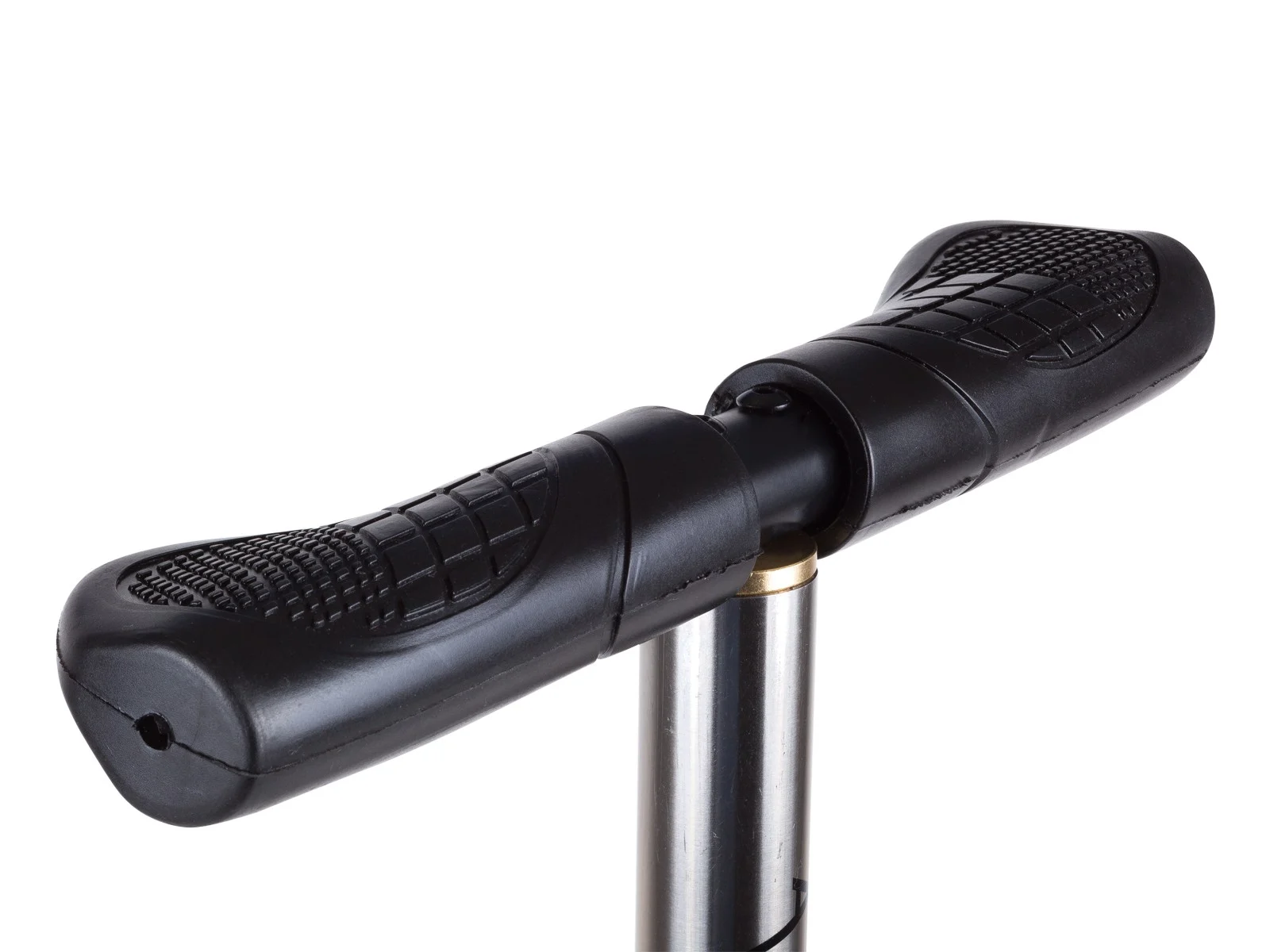
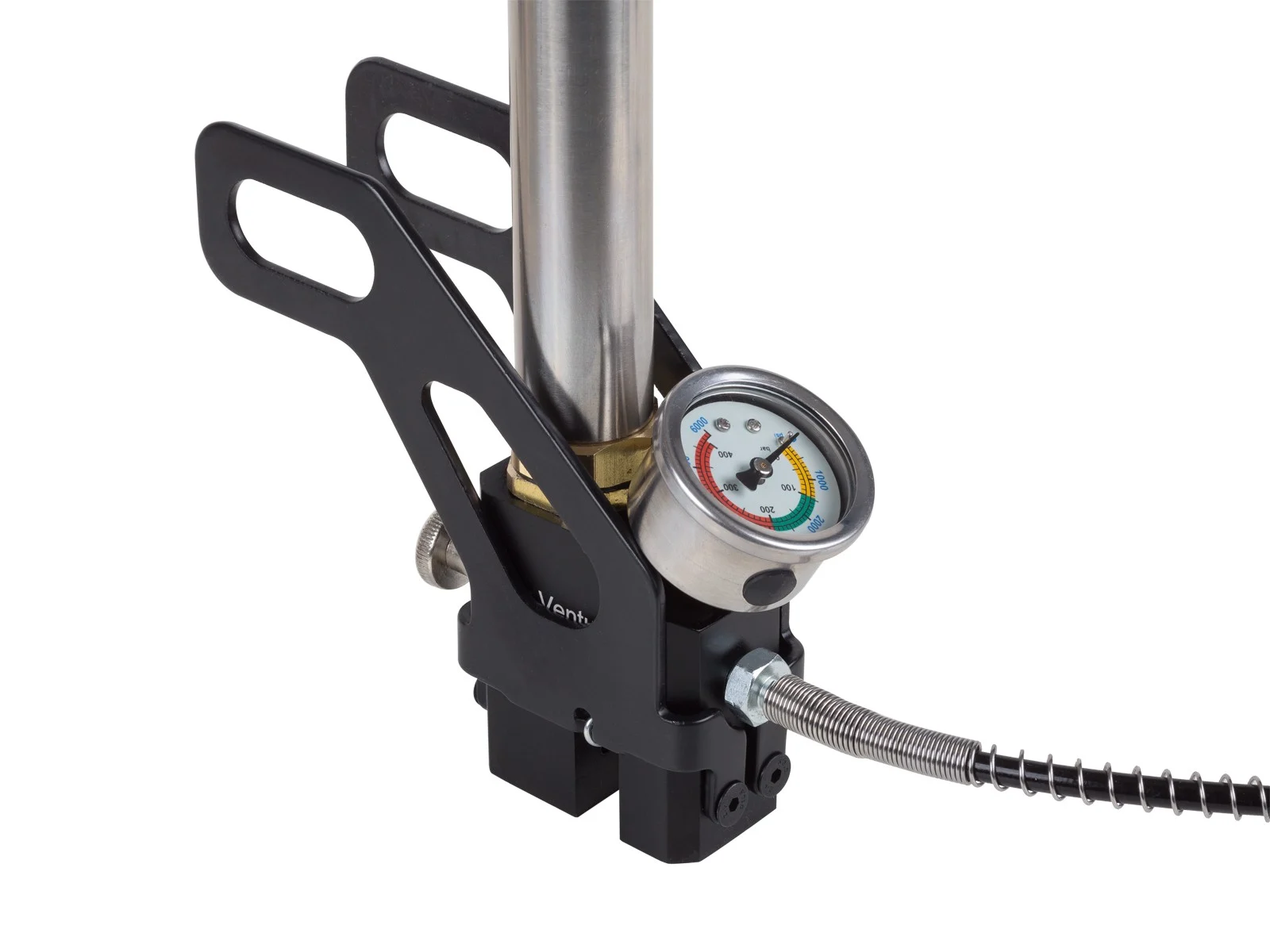
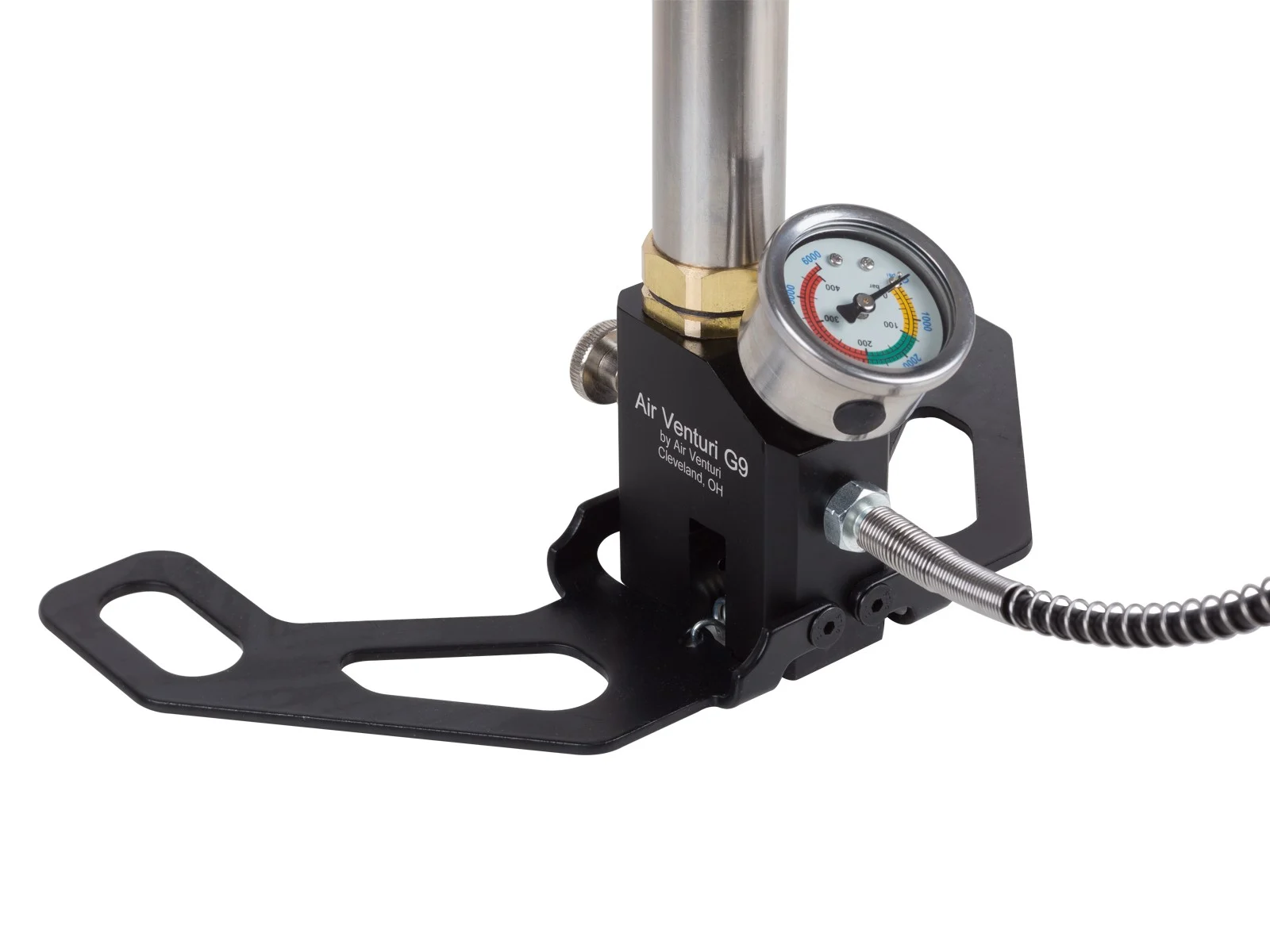
Air Venturi G9 high-pressure hand pump.
-
One caliber-specific rotary magazine.
-
Single-shot tray.
-
Compatible fill probe with male quick-disconnect fitting.
-
Manufacturer’s operating documentation.
This package configuration offers practical convenience, particularly for buyers who do not already own suitable high-pressure charging equipment.
However, the included hand pump should not be confused with a powered electric compressor. It operates manually and requires physical effort.
Likewise, a scope, optical mounting rings, pellets, and protective storage equipment are not identified as standard components of this particular bundle.
The exact contents should always be confirmed against the retailer’s current listing before purchase.
Air Venturi G9 HPA Hand Pump – Why the Included Pump Matters
The Air Venturi G9 hand pump is a central feature of the Diana Stormrider Multi-shot PCP Air Rifle and HPA Pump Kit.
PCP equipment requires an appropriate supply of compressed air. Without suitable charging equipment, the main rifle cannot function as intended.
Consequently, including a compatible pump helps simplify the initial purchasing process.
The pump provides a manual charging solution without requiring an electrical power connection.
Furthermore, the Stormrider’s relatively modest 100cc reservoir makes it a more practical candidate for hand-pump ownership than certain larger-reservoir systems.
Nevertheless, the physical effort required should not be underestimated.
The user must follow the pump manufacturer’s instructions, observe the rifle’s pressure limits, and use the specified compatible connections.
A pump’s maximum rated pressure does not authorize filling the rifle beyond its own maximum rating.
The kit’s charging equipment also requires appropriate care, including inspection of hoses, fittings, seals, and pressure-monitoring components.
For buyers evaluating long-term ownership costs, the included pump represents a meaningful component of the package’s overall value.
Why Choose the Diana Stormrider Multi-shot PCP Air Rifle and HPA Pump Kit?
The Diana Stormrider Multi-shot PCP Air Rifle and HPA Pump Kit offers several advantages that distinguish it from a basic rifle-only configuration.
First, its included charging equipment addresses an important ownership requirement.
Second, the multi-shot bolt-action system provides a traditional mechanical interface while accommodating a removable rotary magazine.
Third, the lightweight beechwood stock contributes to a classic sporting appearance without making the rifle excessively heavy.
Additionally, the 19-inch rifled barrel forms an important part of its precision-oriented construction.
The Generation 2 adjustable trigger introduces another useful mechanical feature.
Furthermore, the manual safety, integrated pressure gauge, and adjustable open sights contribute to a reasonably complete standard configuration.
However, the system is unregulated in this particular kit, meaning velocity consistency can change as reservoir pressure decreases.
This distinction is important because newer variants may use different internal pressure-management technology.
The kit is particularly interesting to buyers who want a straightforward introduction to traditional bolt-action PCP equipment without immediately purchasing a separate powered compressor.
How the Pre-Charged Pneumatic Operating System Works
The Diana Stormrider Multi-shot PCP Air Rifle and HPA Pump Kit uses a pre-charged pneumatic mechanism.
In this arrangement, compressed air is stored inside a dedicated reservoir before operation.
The firing mechanism then controls the release of compressed air.
This differs from traditional spring-piston equipment, where a mechanical spring and piston generate compressed air during each firing cycle.
Consequently, the two systems exhibit different mechanical behavior.
A PCP mechanism does not contain the same large spring-piston movement associated with conventional break-barrel powerplants.
However, the absence of that movement does not guarantee exceptional accuracy.
Barrel quality, projectile compatibility, component tolerances, and environmental conditions still influence performance.
The Stormrider Generation 2 package also uses an unregulated pneumatic arrangement.
Therefore, changes in reservoir pressure may influence velocity over the usable fill range.
Understanding this characteristic helps prospective owners develop realistic expectations about operation and performance consistency.
Understanding the 100cc Air Reservoir and 200 BAR Maximum Pressure
The 100cc reservoir is one of the rifle’s defining engineering features.
Its compact size contributes to the relatively lightweight overall configuration.
Furthermore, the maximum rated filling pressure of 200 BAR places the equipment within the high-pressure pneumatic category.
Reservoir capacity and operating pressure describe different characteristics.
Capacity measures the internal storage volume, while pressure describes the condition of the compressed air.
Both influence the overall mechanical design.
However, reservoir volume alone does not establish usable shot count.
The firing valve, projectile characteristics, and changing internal pressure also influence performance.
The integrated manometer provides information about reservoir pressure.
Nevertheless, users should never rely on the gauge as a substitute for approved filling procedures or proper inspection.
The maximum pressure limit must always be respected.
Diana Stormrider Multi-shot PCP Air Rifle and HPA Pump Kit – Precision and Barrel Engineering
The 19-inch rifled barrel represents a significant component of the rifle’s design.
Rifling introduces rotational movement to compatible pellets, supporting stabilization during flight.
However, accurate performance depends on more than rifling alone.
The quality of the bore, pellet dimensions, mechanical consistency, and environmental conditions all contribute.
Furthermore, projectile manufacturing variation can influence measured results.
The Generation 2 configuration incorporates an extended muzzle moderator assembly.
According to the retailer, this represents an update from the original version.
Nevertheless, the presence of a moderator does not guarantee that the equipment will be quiet enough for residential use.
Sound levels depend on operating conditions and the surrounding environment.
For serious buyers, independent accuracy testing provides a more reliable indication of precision than unsupported promotional claims.
.177 Caliber Performance and Shooting Characteristics
The .177 version incorporates a nine-round rotary magazine.
Its advertised maximum velocity reaches approximately 1,050 FPS, while published muzzle energy is approximately 20 foot-pounds.
These figures represent manufacturer-reported performance characteristics rather than guaranteed results with every pellet.
The smaller nominal projectile diameter distinguishes this configuration from the larger option.
Consequently, magazine dimensions and projectile compatibility differ.
A buyer interested in the .177 version should evaluate the manufacturer’s ammunition requirements, available sporting facilities, and relevant local regulations.
Furthermore, maximum velocity should not be confused with maximum accuracy.
Precision requires repeatable evaluation under controlled conditions.
.22 Caliber Performance and Mechanical Characteristics
The .22 configuration features a seven-round rotary magazine and a published maximum velocity of approximately 900 FPS.
The retailer also advertises muzzle energy reaching approximately 26 foot-pounds.
The larger projectile diameter contributes to different ballistic characteristics, but it does not automatically establish superior precision.
Actual results depend on the projectile and operating conditions.
Furthermore, the number of usable shots per fill may differ from the smaller-caliber configuration.
Buyers should verify the exact caliber before purchasing spare magazines, pellets, or related components.
The Diana Stormrider Multi-shot PCP Air Rifle and HPA Pump Kit provides two configurations with distinct specifications and ownership considerations.
Bolt-Action System and Rotary Magazine Design
The bolt-action mechanism contributes to the Stormrider’s traditional operating character.
Unlike break-barrel systems, the rifle incorporates a repeating mechanism associated with its rotary magazine.
The magazine accommodates multiple caliber-specific pellets.
However, magazine compatibility is critical.
Replacement components must match the manufacturer’s specifications.
Furthermore, mechanical reliability depends on component condition, manufacturing tolerances, and proper maintenance.
The kit also includes a single-shot tray, allowing an alternative manufacturer-supported feeding arrangement.
These features add versatility without eliminating the need for careful handling.
Two-Stage Adjustable Trigger and Manual Safety
The Generation 2 trigger introduces an important mechanical improvement over the original configuration.
A two-stage trigger provides a distinct initial movement followed by a second stage associated with the firing mechanism.
This arrangement may appeal to experienced enthusiasts who value a clearly defined trigger feel.
However, trigger performance depends on more than stage count.
Manufacturing quality and mechanical condition remain important.
Furthermore, unauthorized trigger modifications can create safety risks.
The rifle also incorporates a manual safety, which should be regarded as a supplementary protective feature rather than a substitute for disciplined handling.
Beechwood Stock, Checkering, and Traditional Sporting Design
The beechwood stock provides one of the most distinctive visual elements.
Traditional wood construction remains popular among enthusiasts who appreciate classic sporting aesthetics.
The checkered gripping surfaces add visual texture and create a recognizable exterior design.
Additionally, the raised cheekpiece contributes to the stock’s ergonomic arrangement.
The rubber buttpad provides another physical contact surface.
However, natural wood requires appropriate care.
Humidity, excessive heat, impacts, and unsuitable cleaning products can affect its condition.
Consequently, the stock should receive periodic inspection and manufacturer-approved maintenance.
Open Sights and 11mm Dovetail Optics Rail
The rifle incorporates a blade-style front sight and an adjustable rear sight.
These features provide a basic sighting arrangement without requiring an additional optic.
Furthermore, the 11mm dovetail rail creates a mounting interface for compatible optical equipment.
However, buyers should verify the dimensions of any accessory before purchase.
The retailer also notes that the rear sight may require removal when mounting optics longer than approximately ten inches.
This illustrates why physical compatibility matters alongside general rail specifications.
A scope should not be assumed to be included in the standard package.
Diana Air Rifle Heritage and the Diana Product Family
The diana air rifle brand is associated with a long history of sporting pneumatic equipment.
Customers researching air rifle diana, diana air rifles, and rws diana air rifle may encounter classic spring-piston models alongside modern PCP alternatives.
The diana pellet gun category includes several mechanical configurations rather than one universal operating system.
For example, the diana 34 and diana 34 air rifle are associated with traditional break-barrel designs.
Similarly, diana 34 ems and diana 34 ems fiber optic sights relate to a more recent modular sporting platform.
The diana r34 search phrase may also appear when buyers investigate older product references and regional model names.
Meanwhile, diana 48, diana mod 48, and diana rws 460 magnum concern other spring-piston rifle families.
The diana 350 magnum and diana 350 magnum air rifle also belong to a different operating category.
Consequently, these products should not be confused with the compressed-air mechanism of the Stormrider.
Diana 250, Two Fifty, and Traditional Break-Barrel Comparisons
The diana 250 air rifle, diana 250, and diana two fifty are frequently researched as alternatives within the manufacturer’s catalog.
These products offer different mechanical arrangements from the PCP platform.
Additionally, customers searching for Diana break barrel air rifle and Diana springer air rifle often prioritize traditional spring-powered technology.
The distinction is significant because break-barrel rifles and PCP rifles have different charging requirements, firing cycles, and maintenance considerations.
For customers who want to Buy Diana air rifle, the appropriate choice depends on the intended use, operating system, and ownership budget.
The search phrases Diana air rifle .177 and Diana air rifle .22 also demonstrate the importance of selecting the correct caliber.
Furthermore, Diana air rifle accuracy should be evaluated through actual testing instead of assumptions about manufacturer reputation.
Diana Air Pistols, Chaser Parts, and Other Sporting Products
The manufacturer also offers products beyond conventional rifles.
Searches for diana air pistol and lp8 diana commonly refer to pistol-style sporting equipment.
The diana chaser parts and diana chaser accessories categories concern components associated with another product family.
Likewise, diana r22 refers to a different sporting model.
These products may share a manufacturer name while having completely different operating systems and compatibility requirements.
Therefore, replacement parts should always be identified using the exact model and manufacturer documentation.
For customers researching Diana air rifle hunting, lawful suitability depends on local regulations, equipment characteristics, and responsible sporting standards.
Comparing Diana With Umarex Airguns and Other PCP Rifles
The broader umarex portfolio contains several alternative pneumatic products.
Customers searching for umarex usa, umarexusa, and the misspelling umerex may encounter a variety of recreational and sporting models.
The umarex notos represents a compact PCP category, while umarex zelos offers a different bullpup-style design.
Meanwhile, umarex gauntlet and umarex gauntlet 2 represent other approaches to regulated pneumatic equipment.
The umarex hammer belongs to a substantially different high-energy category.
Other products include umarex fusion 2, umarex komplete, and umarex tr50.
The terms umarex airguns, umarex air rifles, and general air guns cover numerous equipment types with different specifications.
Consequently, buyers should compare individual designs rather than treating all pneumatic products as interchangeable.
The Diana Stormrider Multi-shot PCP Air Rifle and HPA Pump Kit distinguishes itself through its lightweight traditional stock, relatively compact reservoir, bolt-action mechanism, and included hand pump.
Umarex T4E, HDR 50, and Replica Product Comparisons
The umarex t4e family introduces another specialized category.
Searches involving umarex hdr 50, umarex t4e smith, and umarex p2p dr50 how many joules relate to products with different projectiles and operating specifications.
Similarly, umarex smith, umarex hk heckler, and umarex h may appear in broader searches without identifying features of this particular rifle.
These products should be evaluated using their own official documentation.
They do not share universal magazine, caliber, or internal component compatibility.
Umarex Glock BB Guns and Airsoft Comparisons
The manufacturer’s replica catalog also generates considerable search interest.
Examples include umarex glock, umarex glock 17, umarex glock 19, and umarex glock 17 gen 5.
Related terms include glock bb gun, glock 19 bb gun, bb gun glock, and metal bb gun.
Furthermore, umarex airsoft, airsoft glock, and glock 19 airsoft concern a different recreational category.
These products should not be confused with a pellet-firing PCP system.
Pellets, metallic BBs, and airsoft projectiles have different physical characteristics and equipment requirements.
Consequently, the correct manufacturer specifications should determine product compatibility.
When and Where the Diana Stormrider Multi-shot PCP Air Rifle and HPA Pump Kit Is Appropriate
The Diana Stormrider Multi-shot PCP Air Rifle and HPA Pump Kit is most appropriate for lawful recreational shooting within suitably equipped facilities.
Its power category requires appropriate backstops, protective equipment, and compliance with local regulations.
Some markets also permit certain hunting or pest-control applications, although these activities may require additional authorization.
Furthermore, local restrictions can vary by caliber and energy level.
Prospective owners should therefore verify the applicable regulations before purchase.
The included hand pump may appeal to buyers who prefer a manually operated charging arrangement without immediately investing in a powered filling system.
However, the physical requirements of manual pumping should be considered realistically.
Final Section 1 Product Overview
The Diana Stormrider Multi-shot PCP Air Rifle and HPA Pump Kit combines traditional beechwood styling with practical compressed-air engineering.
Its principal features include a 19-inch rifled barrel, 100cc reservoir, bolt-action repeater, two-stage adjustable trigger, rotary magazine, integrated pressure gauge, and compatible high-pressure hand pump.
Furthermore, its two caliber configurations provide different published performance characteristics.
The kit represents a relatively approachable entry into PCP ownership for buyers who appreciate mechanical simplicity and traditional sporting design.
Nevertheless, proper charging equipment, responsible maintenance, and appropriate safety procedures remain essential.
SECTION 2: Complete Engineering Analysis, Precision Evaluation, Hand-Pump Technology, Practical Ownership, Maintenance, and Real-World Usability
Understanding the Engineering Principles Behind Pre-Charged Pneumatic Technology
Modern compressed-air sporting equipment relies on a combination of mechanical engineering, pressure management, and carefully manufactured components. Unlike systems that generate pressure through a moving spring and piston during each firing cycle, a pre-charged design stores compressed air before operation.
This distinction changes the mechanical characteristics of the equipment and introduces specific ownership requirements.
A complete pneumatic assembly typically incorporates a pressure reservoir, valve mechanism, firing assembly, barrel, trigger, and supporting structural components. Each part performs a specific function, while the overall design determines how effectively the components interact.
Consequently, sophisticated performance depends on more than maximum pressure or advertised velocity.
Manufacturing tolerances, material selection, mechanical alignment, and appropriate maintenance contribute to the quality of the complete system.
For example, a well-manufactured barrel may provide excellent internal consistency, but its practical advantages can be limited by incompatible projectiles or irregular mechanical operation.
Similarly, a high-quality trigger contributes to the overall experience without independently determining projectile accuracy.
A successful design must therefore balance simplicity, reliability, performance, and safety.
The value of compressed-air technology becomes particularly clear when examining the relationship between reservoir capacity and mechanical efficiency.
However, the system also requires properly rated charging equipment and responsible pressure-vessel care.
For buyers, understanding these engineering principles creates realistic expectations and supports better long-term purchasing decisions.
Why Mechanical Simplicity Can Be an Advantage
Complexity is not always an indicator of superior engineering.
A relatively straightforward mechanical design may provide meaningful advantages when it includes well-manufactured components, clearly defined operating limits, and accessible maintenance support.
Fewer specialized mechanisms can simplify the ownership experience.
However, simplicity should not be confused with a lack of technical sophistication.
Even a relatively basic pre-charged pneumatic system must coordinate pressure containment, valve operation, projectile feeding, and mechanical safety.
Consequently, the quality of the internal components remains important.
A dependable design should also provide consistent assembly quality.
Moving parts must operate within their intended tolerances, while pressure-bearing components must maintain structural integrity.
Furthermore, replacement components should remain accessible through approved service channels.
For buyers who value straightforward ownership, a comparatively uncomplicated design can be attractive.
Nevertheless, responsible servicing and proper handling remain essential regardless of mechanical complexity.
How Reservoir Capacity Influences the Ownership Experience
Reservoir capacity determines the internal volume available for compressed-air storage.
However, the relationship between capacity and practical operating duration is more complicated than the physical volume alone.
A larger reservoir may contain more compressed air, but actual performance depends on the operating pressure, internal mechanism, and efficiency of the complete system.
Furthermore, increased reservoir volume may introduce additional weight and change the equipment’s physical balance.
A smaller reservoir can contribute to a lighter overall arrangement.
This characteristic may be useful for customers who value portability and manageable physical dimensions.
Nevertheless, smaller capacity can mean more frequent charging under certain conditions.
Therefore, a balanced assessment should consider the reservoir alongside the intended activities and available filling equipment.
Capacity should never be evaluated independently from pressure rating and mechanical design.
Understanding the Difference Between Regulated and Unregulated Systems
A regulator manages the pressure supplied to the downstream firing mechanism.
In an unregulated system, the changing reservoir pressure has a more direct relationship with the conditions available to the operating assembly.
Consequently, the velocity profile across a complete fill may differ from that of a regulated system.
However, the absence of regulation does not automatically establish poor quality or inadequate precision.
An unregulated design can still provide useful consistency within its intended operating range.
Mechanical efficiency, valve construction, and general manufacturing quality remain important.
The distinction is especially relevant when comparing different product generations.
A newer version may incorporate additional pressure-management components without making the earlier version unsuitable for its intended application.
Buyers should therefore examine the exact configuration rather than assuming that every revision contains identical internal technology.
Why Pressure Consistency Matters
Pressure influences the amount of stored energy available to a pneumatic system.
As compressed air leaves the reservoir, internal pressure changes.
Consequently, the operating characteristics may vary over time.
The significance of these changes depends on the design of the firing mechanism and the pressure range over which it functions.
However, pressure consistency represents only one element of overall performance.
Temperature, projectile characteristics, mechanical condition, and measurement methodology also influence results.
For this reason, a reliable technical evaluation should distinguish maximum advertised performance from average measurements.
Furthermore, owners should avoid attempting unauthorized internal adjustments to change the pressure characteristics.
Such modifications can affect reliability, legal classification, and safety.
The manufacturer’s documented specifications should remain the controlling reference.
The Importance of Accurate Pressure Monitoring
A pressure gauge provides information about the condition of the compressed-air reservoir.
This information helps owners understand the general state of the pressure system.
However, gauges are mechanical instruments that require appropriate interpretation.
An inaccurate or damaged gauge can create misleading readings.
Consequently, visible damage, unusual movement, or inconsistent indications may justify professional inspection.
A pressure gauge also does not replace the manufacturer’s filling instructions.
The equipment must remain within its rated operating limits regardless of what the gauge displays.
Furthermore, pressure monitoring should be considered alongside the physical condition of the reservoir, fittings, and charging equipment.
Reliable ownership depends on a complete approach to pressure-system safety.
Why the Included Manual Pump Adds Practical Value
A high-pressure hand pump provides an alternative to electrically powered charging equipment.
Its main advantage is independence from an external electrical supply.
Consequently, owners can use an approved manual charging arrangement where powered equipment may be unavailable or impractical.
However, manual pumping requires physical effort.
The level of effort depends on the pump design, reservoir characteristics, and the pressure conditions involved.
Furthermore, a manual pump introduces its own maintenance requirements.
Seals, hoses, fittings, and pressure-monitoring components must remain in appropriate condition.
The pump must also be rated for the intended application.
A charging device with an adequate maximum rating is not automatically suitable if its connections or operating instructions are incompatible.
For buyers evaluating the complete package, the inclusion of a pump can reduce the number of separate initial purchases.
Nevertheless, the pump should be regarded as specialized pressure equipment rather than an ordinary household tool.
Hand Pump Versus Electric Compressor – Understanding the Differences
Manual pumps and electric compressors serve similar broad purposes but offer different ownership experiences.
A manual pump relies on physical effort and does not require an electrical outlet.
An electric compressor uses a powered mechanism to produce compressed air.
However, suitability depends on the equipment’s pressure rating, intended application, and manufacturer approval.
Electric systems may introduce additional costs, electrical requirements, and maintenance responsibilities.
Manual systems can avoid some of those requirements but demand greater physical participation.
Furthermore, both categories must be inspected and maintained appropriately.
Owners should not assume that every compressor or pump can safely charge every pneumatic reservoir.
Pressure compatibility and approved connections remain essential.
For buyers, the appropriate choice depends on physical capability, budget, available infrastructure, and manufacturer guidance.
Pressure-Vessel Construction and Material Selection
Pressure vessels must withstand substantial internal forces.
Their design involves material properties, wall geometry, manufacturing processes, and safety margins.
Consequently, they should never be treated as ordinary storage containers.
Different manufacturers may use steel, aluminum, or composite construction according to the intended application.
Each material presents its own engineering advantages and limitations.
For example, weight, corrosion behavior, and manufacturing requirements vary.
However, no material should be considered completely immune to damage.
Impacts, excessive temperatures, corrosion, and unauthorized modifications can compromise structural integrity.
The manufacturer’s inspection and servicing recommendations are therefore essential.
Owners should also verify whether the reservoir is subject to periodic testing requirements.
The applicable regulations may differ by country and product category.
Why Correct Charging Equipment Is Essential
High-pressure charging systems require appropriately rated components.
The pressure rating, connector design, hose construction, and condition of the equipment all influence safety.
Furthermore, compressed-air systems may require specific cleanliness standards.
Contamination can damage internal components and affect long-term reliability.
Consequently, only equipment approved for the intended application should be considered.
A connector that appears physically compatible does not automatically establish suitability.
Owners should rely on official instructions and qualified technical assistance when uncertainty exists.
Improvised charging arrangements can create dangerous conditions.
The importance of proper equipment cannot be overstated when working with stored compressed energy.
Understanding Barrel Rifling and Projectile Stabilization
A rifled barrel incorporates internal helical grooves.
These grooves introduce rotational motion to a compatible projectile during its passage through the bore.
The resulting rotation contributes to aerodynamic stability under suitable conditions.
However, rifling alone cannot guarantee exceptional precision.
Projectile geometry, material consistency, barrel condition, and environmental factors also influence flight characteristics.
Furthermore, different projectiles may interact differently with the same barrel.
Consequently, the manufacturer’s ammunition compatibility requirements should take priority over general assumptions.
Precision claims should be supported by repeatable testing.
A single favorable group or isolated measurement does not establish guaranteed performance.
Why Barrel Length Should Be Evaluated Carefully
Barrel length is an important design characteristic.
It affects the physical proportions of the equipment and can influence its mechanical and ballistic behavior.
However, longer barrels are not automatically more accurate.
Internal manufacturing quality and compatible projectile characteristics remain significant.
A longer barrel may also introduce additional weight or alter the overall balance.
Consequently, length should be evaluated alongside the complete design.
For buyers, the most useful information includes the manufacturer’s stated dimensions, construction specifications, and reliable performance evidence.
Marketing claims that attribute exceptional accuracy to barrel length alone should be approached cautiously.
The Relationship Between Projectile Quality and Precision
Projectile manufacturing consistency can influence measurable performance.
Differences in dimensions, weight, and surface condition may affect how individual projectiles interact with the mechanical system.
Consequently, compatibility involves more than matching a nominal caliber.
The manufacturer may specify particular projectile types or dimensional requirements.
These instructions should be followed.
Damaged, unsuitable, or poorly manufactured ammunition can create mechanical problems.
Furthermore, performance comparisons should identify the projectiles used during testing.
Without that information, results can be difficult to interpret accurately.
A credible evaluation treats projectile quality as one part of a larger precision system.
Bolt-Action Design and Mechanical Reliability
A bolt-action mechanism provides a traditional method of operating a repeating system.
Its design relies on precisely manufactured moving components.
Consequently, mechanical alignment and component condition are important.
A reliable mechanism should operate within its intended tolerances.
However, physical wear, contamination, or damaged components can affect performance over time.
Routine external inspection helps identify obvious problems.
Internal repairs should be performed according to the manufacturer’s instructions.
Furthermore, replacement components must match the exact product configuration.
Parts from another generation may differ even when they appear similar.
The presence of a traditional action can contribute to the product’s visual character, but reliability depends on engineering quality rather than appearance alone.
Magazine Construction and Compatibility
Rotary magazines incorporate several mechanical elements that must function together.
Their internal dimensions depend on the intended projectile and equipment configuration.
Consequently, magazines from different calibers are not necessarily interchangeable.
Even products from the same manufacturer may use different feeding systems.
Replacement purchases should therefore be checked against official part numbers.
Furthermore, magazines require appropriate care.
Physical damage, contamination, or worn components may affect operation.
Owners should follow the manufacturer’s recommendations for inspection and maintenance.
A spare magazine can provide convenience, but mechanical compatibility remains essential.
The Role of a Single-Shot Tray
A single-shot tray provides an alternative feeding component within the manufacturer’s intended system.
Its main purpose is to accommodate individual compatible projectiles.
This arrangement differs from a magazine that contains several projectiles.
However, tray dimensions and compatibility vary.
A component intended for one model or caliber should not be assumed suitable for another.
The inclusion of this accessory adds flexibility to the standard package without changing the fundamental operating requirements.
Owners should consult the official documentation for the correct handling and maintenance procedures.
Two-Stage Trigger Engineering
A two-stage trigger provides two distinct phases of mechanical movement.
Its design can create a different tactile experience from a single-stage arrangement.
However, the quality of a trigger cannot be determined solely by the number of stages.
Manufacturing precision, component condition, and factory settings all contribute.
Furthermore, trigger mechanisms form part of a critical safety system.
Unauthorized modifications can introduce serious hazards.
Therefore, servicing and adjustments must remain within manufacturer-approved procedures.
The overall trigger experience should be evaluated as part of the complete mechanical design.
Why Mechanical Safeties Are Only One Layer of Protection
A manual safety mechanism provides a protective function within the equipment.
However, mechanical devices can fail or be operated incorrectly.
Consequently, users must never rely exclusively on the safety mechanism.
Appropriate muzzle direction, secure storage, and careful handling remain essential.
Furthermore, the equipment should always be treated according to the manufacturer’s safety instructions.
The presence of a safety device does not justify careless behavior.
Responsible operation involves several complementary protective practices.
Beechwood Construction and Traditional Material Quality
Natural beechwood offers distinctive grain patterns and a traditional sporting appearance.
Its use in stock construction reflects a longstanding approach to exterior design.
However, wood is a natural material whose characteristics can vary.
Humidity, temperature, and environmental exposure may affect its condition.
Consequently, protective finishing and appropriate maintenance are important.
A well-maintained wooden stock can retain its appearance for many years.
Nevertheless, it should be protected from excessive moisture, impacts, and unsuitable cleaning chemicals.
Buyers should also recognize that natural grain variations are normal.
These differences do not necessarily indicate manufacturing defects.
Why Checkering Matters
Checkering introduces patterned surface texture into selected gripping areas.
It contributes to the visual appearance of the stock and changes the tactile characteristics of the surface.
However, checkering quality depends on manufacturing consistency and finishing.
Damage to the patterned areas may affect both appearance and comfort.
Consequently, appropriate cleaning methods are important.
Aggressive abrasive products should be avoided unless specifically approved by the manufacturer.
The patterned finish should be considered one component of the complete ergonomic design.
Monte Carlo Cheekpiece and Ergonomic Fit
A raised cheekpiece changes the shape of the stock’s contact area.
Its design influences how the equipment fits different users.
However, comfort remains subjective.
Facial structure, shoulder geometry, and individual proportions vary considerably.
Consequently, a raised design may feel more comfortable to some users than others.
The overall stock geometry should be evaluated alongside length, weight, and grip dimensions.
An attractive exterior does not automatically guarantee ideal fit.
Why Lightweight Construction Is Important
Weight influences portability, storage, and physical handling.
A lighter product may be more convenient for extended carrying or frequent transportation.
However, weight alone does not determine comfort.
Balance and component placement also influence the physical experience.
Two products with similar weights can feel different because their centers of mass are located differently.
Furthermore, accessories can increase the total assembled weight.
Consequently, buyers should consider the complete configuration rather than relying exclusively on the base product’s listed weight.
Traditional Open Sights and Optical Equipment
Open sights provide an integrated visual reference system.
They offer a different viewing experience from optical magnification.
However, neither arrangement is universally appropriate for every user or activity.
Eyesight, lighting conditions, facility requirements, and individual preferences all matter.
An adjustable rear sight provides a mechanical feature that distinguishes it from fixed sighting systems.
Nevertheless, adjustment hardware must remain in proper condition.
Optical accessories introduce additional considerations, including mounting compatibility and increased weight.
A product with an optical mounting rail does not necessarily include a scope.
Understanding Dovetail Mounting Compatibility
Dovetail rails use a defined mechanical interface for compatible accessories.
However, not all mounting systems share identical dimensions.
A nominally similar accessory may still have incompatible hardware.
Furthermore, long optical equipment can introduce physical clearance considerations.
Consequently, mounting suitability should be verified using the manufacturer’s specifications.
The presence of an integrated rail is useful, but it does not eliminate the need for correct accessory selection.
Sound Management and Muzzle Assemblies
Some pneumatic products incorporate shrouds or moderated muzzle assemblies.
These components can affect the sound characteristics of the equipment.
However, the actual sound level depends on several factors.
Operating conditions, surroundings, projectile characteristics, and measurement methodology can influence acoustic results.
Consequently, descriptions such as quiet or low-noise should be interpreted cautiously.
A moderated assembly does not automatically make a powerful pneumatic product suitable for residential use.
Legal restrictions may also apply to certain muzzle components.
Owners should verify local requirements and manufacturer specifications.
Real-World Practicality in Controlled Target Shooting
Controlled target shooting provides a useful context for understanding the practical requirements of pneumatic sporting equipment.
An appropriate facility should accommodate the product’s energy category and provide suitable protective infrastructure.
Furthermore, facility rules may specify the types of equipment and projectiles permitted.
These restrictions should be respected.
A properly maintained shooting range also offers a more predictable environment for recreational participation.
However, not every range is suitable for every pneumatic product.
Consequently, owners should confirm eligibility before visiting.
For beginners, supervised instruction provides an opportunity to learn appropriate handling procedures and understand the responsibilities associated with the equipment.
Responsible participation requires more than technical knowledge.
Awareness of other people, secure handling, and compliance with facility rules remain essential.
Hunting and Pest-Control Regulations
Some pneumatic sporting products are marketed for hunting or pest-control applications.
However, commercial descriptions do not establish legal permission.
Laws vary according to location, species, season, projectile characteristics, and equipment classification.
Consequently, prospective users must consult the relevant authorities before participating in these activities.
Furthermore, humane standards and environmental responsibilities remain important.
A product’s advertised energy does not establish suitability for every species or circumstance.
Experienced instruction and local regulatory guidance should take priority over generalized marketing claims.
Protecting the Equipment During Outdoor Transportation
Outdoor transportation can expose sporting equipment to dust, moisture, impacts, and temperature changes.
Consequently, a protective case provides an important layer of physical protection.
However, the case should match the dimensions of the assembled equipment.
Additional accessories may alter the required storage space.
Furthermore, secure transportation must comply with applicable laws and carrier requirements.
A case alone does not necessarily satisfy every legal obligation.
Documentation may also be required during travel.
Owners should verify transportation rules before crossing regional or international borders.
Long-Term Storage and Security
Secure storage helps prevent unauthorized access and accidental misuse.
A lockable cabinet or appropriate protective storage system is preferable to leaving equipment accessible.
Furthermore, ammunition and related accessories should receive suitable protection.
Environmental conditions also matter.
Excessive humidity can affect metallic and wooden components, while extreme temperatures may influence seals and pressure-bearing assemblies.
Consequently, the storage location should remain within the manufacturer’s recommended conditions.
A protective case should not trap moisture against sensitive components.
Regular inspection helps identify deterioration before it becomes a significant problem.
Routine Exterior Maintenance
Routine maintenance supports the preservation of appearance and mechanical condition.
However, appropriate procedures depend on the component involved.
Exterior surfaces may require gentle cleaning and inspection.
Wooden components should receive care suitable for their finish.
Metal surfaces may require manufacturer-approved protective products.
Nevertheless, unsuitable chemicals and abrasive tools can damage finishes or internal components.
Owners should consult the official manual before performing maintenance.
Specialized pressure-system repairs should remain the responsibility of qualified technicians.
Seal Quality and Pressure Retention
Seals form an important part of compressed-air systems.
Their purpose is to maintain appropriate pressure boundaries within the assembly.
However, seals can deteriorate through aging, contamination, environmental exposure, or mechanical wear.
Consequently, unexpected leakage may indicate the need for professional inspection.
Replacement components must meet the manufacturer’s requirements.
Improvised substitutes may differ in dimensions or material properties.
Furthermore, unauthorized internal servicing can create serious hazards.
A qualified technician should assess suspected pressure-system defects.
Why Professional Servicing Is Important
Specialized pneumatic equipment contains components that may require technical expertise.
Pressure-bearing assemblies are particularly sensitive.
Consequently, internal repairs should not be undertaken without appropriate qualifications and manufacturer authorization.
Professional service can help identify the cause of irregular operation while preserving the intended mechanical configuration.
Furthermore, genuine replacement components reduce uncertainty about compatibility.
Service records may also prove useful during future warranty requests.
The availability of authorized support should therefore be considered before purchase.
Understanding Warranty Coverage
Warranty coverage provides defined protection against certain defects, subject to the manufacturer’s terms.
However, duration and eligibility may vary according to retailer, region, and product condition.
Consequently, buyers should review the applicable documentation before purchasing.
Proof of purchase may be required when requesting service.
Furthermore, unauthorized modifications can affect eligibility.
International purchases may involve additional support limitations.
A reliable retailer should communicate the applicable warranty conditions clearly.
Total Cost of Ownership
The purchase price represents only the initial financial commitment.
Long-term expenses may include ammunition, protective storage, approved maintenance, replacement components, and servicing.
Furthermore, a hand pump may require periodic maintenance or eventual replacement.
The complete ownership budget should therefore account for more than the rifle and initial accessories.
A package containing essential charging equipment may reduce some upfront costs.
However, it does not eliminate every future expense.
Buyers should compare the complete value of the package with the cost of obtaining equivalent components separately.
Frequently Asked Questions About Engineering, Performance, Maintenance, and Ownership
1. What is the principal advantage of a pre-charged pneumatic system?
The principal difference lies in the method of supplying compressed air.
A pre-charged system stores air before operation, whereas a spring-piston arrangement generates compressed air during the firing cycle.
Consequently, the two systems have different mechanical characteristics and maintenance requirements.
Neither system should automatically be considered superior for every application.
2. Why is a hand pump included in this package?
The hand pump provides compatible high-pressure charging equipment alongside the main product.
This arrangement can simplify the initial purchasing process.
However, manual charging requires physical effort and strict adherence to the manufacturer’s pressure limits.
3. Does a smaller reservoir make the product easier to maintain?
Not necessarily.
A smaller reservoir may contribute to reduced weight and a more manageable charging arrangement.
However, all high-pressure reservoirs require appropriate inspection and care.
Reservoir size does not eliminate pressure-related hazards.
4. Is a manual pump better than an electric compressor?
The answer depends on individual requirements.
Manual pumps avoid the need for electrical power but require physical effort.
Electric compressors introduce different expenses, maintenance requirements, and technical considerations.
Both must meet the manufacturer’s specifications.
5. Why does reservoir pressure change during use?
Compressed air leaves the reservoir during operation.
Consequently, the quantity of stored gas decreases.
In an unregulated system, this changing pressure may influence performance characteristics.
The manufacturer’s operating guidance should determine appropriate use.
6. Does the absence of a regulator mean poor accuracy?
No.
An unregulated system can still provide useful consistency within its intended operating range.
However, its pressure behavior differs from that of a regulated design.
Actual accuracy depends on several mechanical and environmental factors.
7. What is the importance of a rifled barrel?
Rifling introduces rotational motion to compatible projectiles.
This can contribute to stability during flight.
Nevertheless, barrel quality, projectile characteristics, and mechanical consistency all influence performance.
8. Does higher velocity always mean greater precision?
No.
Velocity measures speed, while precision concerns the repeatability of results.
A higher maximum velocity does not guarantee better accuracy.
Reliable performance evaluation requires controlled testing.
9. Why do different calibers have different magazine capacities?
Different projectile diameters require different internal magazine dimensions.
Consequently, capacity may vary between configurations.
Replacement magazines should match the exact manufacturer specifications.
10. Can magazines from another generation be used?
Compatibility should never be assumed.
Mechanical revisions may alter dimensions and component design.
Owners should verify the manufacturer’s approved part numbers before purchasing replacements.
11. What makes a bolt-action mechanism appealing?
A bolt-action design offers a traditional mechanical interface.
Its appeal may include simplicity and familiar handling characteristics.
However, reliability depends on manufacturing quality, mechanical condition, and maintenance.
12. Is an adjustable trigger important?
An adjustable trigger provides manufacturer-defined mechanical options.
However, adjustment must remain within approved specifications.
Unauthorized changes can create safety hazards.
13. Why is beechwood used for the stock?
Beechwood offers a traditional appearance and suitable structural characteristics when properly manufactured.
Its natural grain contributes to the visual character.
However, it requires appropriate protection against moisture and environmental damage.
14. Is natural wood more durable than synthetic material?
Neither material is universally superior.
Durability depends on construction quality, environmental exposure, and maintenance.
Natural wood and synthetic materials have different characteristics.
Buyers should evaluate the specific product rather than relying on general assumptions.
15. What is the purpose of a raised cheekpiece?
A raised cheekpiece changes the stock’s contact geometry.
It may improve comfort for certain users.
However, physical fit varies according to individual proportions.
16. Are open sights sufficient for recreational use?
Open sights provide a basic sighting arrangement.
Their suitability depends on the activity, facility, lighting conditions, and user’s needs.
Additional optical equipment may be considered where appropriate and compatible.
17. Does the package include a scope?
The verified standard package includes the main equipment, hand pump, rotary magazine, and single-shot tray.
An optical scope is not identified among those standard components.
Buyers should confirm the retailer’s current package contents.
18. Why is mounting compatibility important?
Mounting interfaces vary in dimension and design.
An incompatible accessory may not fit securely or function as intended.
Consequently, manufacturer specifications should guide purchases.
19. Is the equipment completely silent?
No.
Pneumatic sporting equipment can produce audible sound.
A moderated muzzle assembly may influence sound characteristics, but it does not guarantee silent operation.
20. Can the equipment be used in a residential backyard?
Residential suitability depends on local laws, available space, projectile hazards, and protective arrangements.
A powerful pneumatic system should not be assumed appropriate for a residential environment.
An authorized facility is preferable.
21. Why are proper backstops essential?
A suitable backstop helps prevent dangerous projectile travel beyond the intended area.
However, not every material can safely contain every projectile.
Facility operators must ensure that appropriate protective infrastructure is available.
22. Is protective eyewear necessary?
Appropriate eye protection is essential during authorized sporting activities.
Fragments, projectiles, and unexpected incidents can create injury risks.
The protective equipment should meet relevant safety requirements.
23. What should an owner do if a leak develops?
Operation should stop.
A qualified professional should inspect the suspected defect.
Attempting improvised pressure-system repairs can be dangerous.
24. Can any replacement seal be installed?
No.
Replacement seals must meet the manufacturer’s dimensions, material requirements, and pressure specifications.
Visually similar components may not be compatible.
25. How important is routine inspection?
Routine inspection can identify visible damage, corrosion, loose components, and other concerns.
However, it does not replace specialized servicing when required.
Owners should follow the manufacturer’s recommended schedule.
26. Can the reservoir be exposed to high temperatures?
Excessive heat can create pressure-related hazards.
Consequently, the equipment should remain within the manufacturer’s environmental limits.
Hot vehicles and other uncontrolled storage locations may be unsuitable.
27. Why does temperature influence pressure readings?
Compressed gases respond to temperature changes.
Consequently, pressure readings may vary even when no additional air enters or leaves the reservoir.
Unusual changes should still be assessed appropriately.
28. Is the equipment suitable for international transportation?
Transportation depends on the laws and requirements of the countries involved.
Carriers may impose additional restrictions on sporting equipment and pressure vessels.
Requirements should be confirmed before travel.
29. How should the equipment be stored?
A secure, lockable storage arrangement helps prevent unauthorized access.
Environmental conditions should also meet manufacturer recommendations.
Ammunition and related components should be stored appropriately.
30. What makes professional servicing valuable?
Professional servicing provides access to specialized knowledge and appropriate equipment.
It is particularly important for pressure-bearing assemblies.
Correct servicing supports reliability and reduces the risks associated with unauthorized repairs.
31. Why do advertised performance figures sometimes differ?
Different testing conditions, projectiles, and product revisions can produce different measurements.
Consequently, maximum figures should be interpreted alongside their source documentation.
Manufacturer information associated with the exact configuration provides the strongest reference.
32. Can customer reviews establish actual accuracy?
Customer reviews may provide useful experiences, but they are not always based on controlled testing.
Reliable evidence should identify the conditions and methods used.
Repeated measurements provide stronger support than isolated impressions.
33. Does an included pump eliminate every additional expense?
No.
Additional costs may include ammunition, protective eyewear, storage equipment, maintenance, and replacement components.
The package reduces the need for a separate initial pump purchase but does not eliminate ongoing ownership costs.
34. Is a one-year warranty always included?
Warranty coverage depends on the specific retailer, region, and applicable product terms.
The referenced retailer advertises a one-year limited warranty for the package.
However, buyers should verify the conditions that apply to their individual purchase.
35. What should buyers inspect when receiving their order?
The package should be checked for visible damage, missing components, and incorrect configuration.
The included documentation and accessories should match the order details.
Suspected damage to pressure-related components should be assessed before use.
36. Why is after-sales support important?
Specialized equipment may eventually require approved replacement parts or technical servicing.
Accessible support helps owners resolve issues without relying on unverified modifications.
The availability of professional assistance can significantly influence long-term satisfaction.
37. Is this type of equipment suitable for first-time PCP owners?
It may be suitable for a beginner who receives appropriate instruction and understands the requirements of compressed-air systems.
However, safe charging, storage, maintenance, and handling practices are essential.
The inclusion of a hand pump does not eliminate the need for training.
38. What are the main advantages of a complete kit?
A complete kit reduces the number of separate purchasing decisions.
It can also provide clarity about compatibility between the main equipment and included charging hardware.
Nevertheless, buyers must verify the exact contents and total ownership requirements.
39. What should be considered when comparing similar products?
Important considerations include operating system, caliber, weight, reservoir capacity, maintenance requirements, warranty support, and total ownership cost.
Buyers should also verify the availability of approved accessories and replacement parts.
A comparison based solely on maximum velocity may be misleading.
40. What determines long-term value?
Long-term value depends on construction quality, reliability, suitability, maintenance costs, and after-sales support.
The initial purchase price is only one factor.
A product that meets the owner’s needs while remaining practical to maintain can offer meaningful lasting value.
Final Assessment: Precision, Practical Engineering, and Long-Term Ownership
This compact pre-charged pneumatic package offers a combination of traditional styling, modern mechanical construction, and useful included charging equipment.
Its appeal lies in the relationship between lightweight design, a rifled barrel, a bolt-action mechanism, and a relatively manageable compressed-air reservoir.
Furthermore, the included manual pump helps address an important requirement for pneumatic ownership.
However, the package’s performance should be evaluated through verified specifications rather than unsupported accuracy claims.
The unregulated pressure system also deserves consideration because changing reservoir pressure can influence performance characteristics.
Natural wooden construction contributes to the traditional appearance, while the adjustable trigger and multi-shot feeding arrangement provide additional mechanical features.
Nevertheless, high-pressure equipment requires disciplined care.
Appropriate charging hardware, safe handling, environmental protection, and professional servicing remain essential.
Prospective owners should also consider applicable regulations, secure storage requirements, and the availability of suitable sporting facilities.
Ultimately, this type of equipment offers a practical introduction to traditional bolt-action pneumatic technology for enthusiasts who value straightforward mechanical design and a coordinated accessory package.
The strongest purchasing decision will be based on verified product specifications, complete package contents, responsible ownership requirements, and the suitability of the equipment for its intended lawful activity.
Be the first to review “Diana Stormrider Multi-shot PCP Air Rifle and HPA Pump Kit”
Related products
Diana Air Rifle
Diana Air Rifle
Diana Air Rifle

Diana Air Rifle
Diana Air Rifle
Diana Air Rifle
Reviews
There are no reviews yet.