
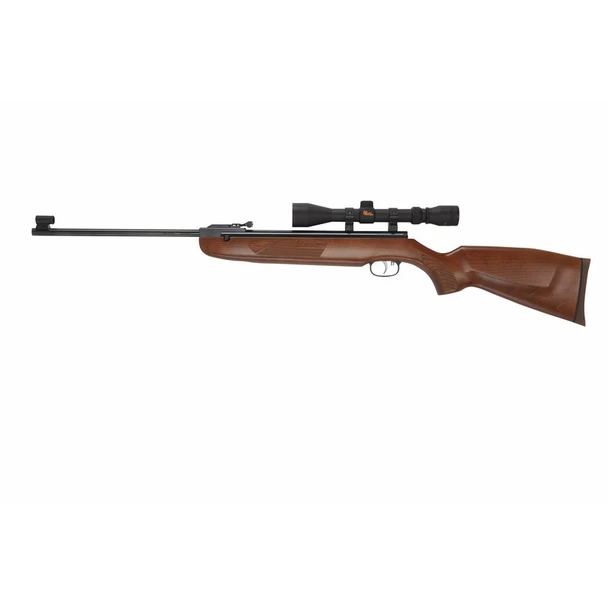
Weihrauch HW99S
$290.00
The Weihrauch HW99S Air Rifle is the latest break barrel air rifle in the Weihrauch junior starter rifles range. The HW99S offers excellent performance for less money. This air rifle is perfect as a training rifle or target shooting, and its robust German construction makes this one of the most versatile air rifles in the Weihrauch range.
Weihrauch HW99S Features
- Calibre: .22 & .177
- Overall Length: 1050mm
- Barrel Length: 410mm
- Power: 12 ft Lbs.
- Weight: 3.2kg
Weihrauch HW99S – Classic German Break-Barrel Spring-Piston Air Rifle
Weihrauch HW99S Overview
The Weihrauch HW99S is a traditional German-made break-barrel spring-piston air rifle designed for shooters who appreciate mechanical simplicity, solid construction, accurate single-shot performance, and the highly regarded Weihrauch Rekord trigger system. Current retailer specifications list the HW99S at approximately 3.2 kg, with an overall length around 1,050 mm, a barrel length of approximately 410 mm, and availability in .177 and .22 calibers.
Unlike a PCP platform, the HW99S does not require an external air bottle, pump, or compressor. Instead, each shot is powered by its internal spring-piston mechanism after the barrel is broken open and cocked. This traditional layout makes the rifle straightforward to understand while still offering the level of refinement associated with Weihrauch’s sporting range.
Weihrauch HW90
The Weihrauch HW90 belongs to the same manufacturer’s break-barrel family but uses a gas-ram power system rather than the conventional spring-piston arrangement found in the HW99S.
weihrauch
weihrauch has a long-standing reputation for German airgun manufacturing, with multiple spring-piston, pneumatic, rifle, and pistol platforms available across its range.
hw 30
The hw 30 is a lighter and smaller spring-piston model. Weihrauch currently lists the HW30 S at approximately 2.5 kg with a 395 mm barrel and Rekord trigger.
weihrauch hw45
The weihrauch hw45 belongs to the manufacturer’s air-pistol family and should not be confused with the full-size HW99S rifle.
weihrauch hw100
The weihrauch hw100 is a pre-charged pneumatic platform and therefore operates very differently from the self-contained spring-powered HW99S.
weihrauch hw 95
The weihrauch hw 95 is another break-barrel spring-piston rifle. Current manufacturer specifications list the HW95 S with a Rekord trigger, 410 mm barrel, and 3.4 kg weight.
weihrauch hw44
The weihrauch hw44 belongs to the manufacturer’s pneumatic pistol range rather than the mechanical rifle category.
german air rifle
As a german air rifle, the HW99S reflects a traditional engineering approach built around steel components, hardwood furniture, mechanical cocking, and single-shot operation.
air rifles
Modern air rifles include spring-piston, gas-ram, CO₂, and pre-charged pneumatic systems. The HW99S remains firmly within the traditional spring-powered category.
weihrauch hw95 hw100 airgun air pistols
The phrase weihrauch hw95 hw100 airgun air pistols covers several very different platforms. The HW99S sits between lighter sporting spring rifles and larger or more technically complex systems.
hw100 airgun
A hw100 airgun uses compressed air from an onboard reservoir, whereas the HW99S requires no external filling equipment.
air pistols
air pistols have different dimensions, handling characteristics, and intended sporting roles from a shoulder-fired rifle.
rifles de aire
The term rifles de aire broadly refers to air-powered rifles, including traditional spring-piston designs such as this model.
hw50
The hw50 family is another medium-weight spring-powered design. Current manufacturer data lists the HW50 S at 3.1 kg with a 395 mm barrel and Rekord trigger.
what are air pistols
For people searching what are air pistols, they are compact air-powered handguns rather than shoulder-fired rifles and can use several different power systems.
weihrauch hw50
The weihrauch hw50 offers another traditional mechanical sporting option and shares several design philosophies with the HW99S.
sk x rifles
The search phrase sk x rifles may appear in broader rifle research but does not describe a component or variant of the HW99S.
air shot gun
An air shot gun represents a different category and should not be confused with this single-projectile rifled platform.
air rifle makes
Among established air rifle makes, Weihrauch remains strongly associated with traditional German spring-powered engineering.
weihrauch hw97k
The weihrauch hw97k uses a fixed barrel and underlever cocking system rather than a break-barrel action. Weihrauch positions it as a sporting model with the Rekord trigger.
compressed air rifles
compressed air rifles generally refer to pneumatic systems that store compressed air. The HW99S works differently because its energy is stored mechanically in a spring.
hw97
The hw97 represents a heavier fixed-barrel sporting platform, whereas the HW99S focuses on simpler break-barrel handling.
weihrauch hw50s
The weihrauch hw50s is another medium-weight model in the manufacturer’s spring-piston range.
weihrauch englisch
The phrase weihrauch englisch often appears when users search for English-language information about the German manufacturer.
hw50 s
The hw50 s shares the company’s two-stage Rekord trigger philosophy and traditional beechwood sporting construction.
hw35 air rifle
The hw35 air rifle belongs to an older and well-established family of break-barrel designs with a different receiver and barrel arrangement.
hw 97k
The hw 97k focuses strongly on scoped sporting and target use through its fixed-barrel underlever configuration.
weihrauch hw80
The weihrauch hw80 is another full-size spring-powered model and typically represents a heavier-duty configuration than the HW99S.
weihrauch hw30
The weihrauch hw30 is smaller and lighter, making it a useful comparison for shooters choosing between compactness and greater full-size handling.
hw35e for sale
People researching hw35e for sale should compare stock configuration, barrel system, weight, and intended sporting role rather than assuming all traditional models handle similarly.
hw97k
The hw97k offers fixed-barrel architecture, while the HW99S favors the straightforward simplicity of a break-barrel system.
accurate air rifles
Among accurate air rifles, repeatability depends on barrel quality, trigger control, ammunition selection, sighting equipment, stable technique, and mechanical condition.
hw35
The hw35 remains one of the manufacturer’s classic break-barrel families and provides useful historical context for the HW99S.
weihrauch revolvers
weihrauch revolvers belong to a different product category and are unrelated to the HW99S sporting rifle design.
hw 50
The hw 50 occupies a similar traditional sporting segment with spring-piston operation and straightforward single-shot use.
hw 100 bullpup
The hw 100 bullpup concept belongs to the pneumatic side of the manufacturer’s range and should not be confused with the conventionally stocked HW99S.
hw75
The hw75 is an air pistol rather than a rifle and follows a very different operating and ergonomic format.
hw95
The hw95 is a useful comparison for shooters considering another full-size spring-powered model with Weihrauch’s Rekord trigger.
weirauch
The spelling weirauch is commonly used when searching for Weihrauch products, although Weihrauch is the manufacturer’s correct spelling.
weihrauch hw30s
The weihrauch hw30s is designed as a lighter spring-powered sporting and training rifle.
hw50s
The hw50s offers a medium-weight alternative and shares the company’s traditional mechanical design philosophy.
Weihrauch HW90 air rifle
The Weihrauch HW90 air rifle uses a gas-ram system and therefore delivers a different firing cycle from the HW99S.
HW90 gas ram air rifle
An HW90 gas ram air rifle stores energy in a gas strut rather than a conventional coiled spring.
Weihrauch gas ram rifle
A Weihrauch gas ram rifle should not be assumed to describe the HW99S, because the HW99S is fundamentally a spring-piston model.
Weihrauch pellet gun
As a Weihrauch pellet gun, the HW99S is designed for single-pellet loading and traditional sporting use.
Break-Barrel Spring-Piston Operation
The HW99S uses a manually cocked break-barrel mechanism. The barrel is opened to cock the spring and expose the breech for single-pellet loading.
This self-contained operating system means the rifle does not depend on tanks or compressors.
Rekord Two-Stage Trigger
One of the strongest features is the Rekord two-stage trigger. Weihrauch uses this trigger across many of its better-known mechanical rifles, and the HW99S is specifically documented with the Rekord unit.
A predictable trigger release can help the shooter maintain sight alignment and consistent technique.
Automatic Safety
The rifle incorporates an automatic safety system that engages as part of the cocking cycle.
As with any airgun, the safety should complement—not replace—responsible muzzle direction and handling.
Ambidextrous Beech Stock
The HW99S uses an ambidextrous beech sporter stock designed to accommodate both right- and left-handed shooters. The current configuration includes practical grip texturing and traditional sporting proportions.
Open Sights and Scope Compatibility
Unlike some dedicated scope-only spring rifles, the HW99S provides open sights while also supporting scope mounting.
This gives the shooter flexibility to use the rifle in a traditional configuration or add appropriate optics for more deliberate target work.
Why Consider the HW99S?
The strongest reason to consider this model is its balance between weight, mechanical simplicity, trigger quality, open-sight capability, and proven spring-powered architecture.
It does not require compressed-air support equipment, batteries, or complicated electronic systems.
How Good Is the Engineering?
The rifle’s strength comes from conventional engineering executed carefully.
The steel action, break-barrel mechanism, quality trigger, hardwood stock, and straightforward single-shot loading system create a platform designed around longevity and mechanical consistency.
How Does It Support Precision?
Precision is supported through the barrel, Rekord trigger, secure stock-to-action fit, consistent ammunition, stable sights, and disciplined spring-rifle technique.
Because spring-powered rifles move during the firing cycle, consistent hold and follow-through remain especially important.
Where Is It Best Used?
The rifle is best suited to lawful recreational target shooting, training, and other permitted sporting applications.
Local rules regarding ownership, power limits, transport, storage, and use should always be checked.
When Does This Design Make Sense?
The HW99S makes particular sense for shooters who prefer a mechanically self-contained rifle and do not want to depend on high-pressure filling equipment.
Its moderate size also makes it more manageable than some heavier traditional spring-powered designs.
Important Technical Information
- Power system: Spring piston
- Cocking system: Break barrel
- Loading: Single shot
- Current common calibers: .177 and .22
- Weight: Approximately 3.1–3.2 kg depending on specification
- Overall length: Approximately 1,030–1,050 mm
- Barrel length: Approximately 395–410 mm
- Trigger: Two-stage Rekord
- Safety: Automatic
- Stock: Ambidextrous beech sporter
- Sighting: Open sights plus scope mounting provision
Overall Precision and Practical Value
The Weihrauch HW99S succeeds by keeping its engineering traditional and purposeful. Its spring-piston action, break-barrel loading system, Rekord trigger, beechwood stock, open sights, and manageable dimensions provide a straightforward sporting platform without depending on external compressed-air equipment.
For lawful range and sporting use, its strongest attributes are simplicity, build quality, trigger control, mechanical durability, and the ability to deliver consistent performance when paired with suitable ammunition and disciplined shooting technique.
Build Quality, Spring-Piston Performance, Trigger Control, Accuracy Factors, Ergonomics, and Long-Term Reliability
Overall Construction Quality
A traditional break-barrel rifle depends heavily on mechanical integrity because the barrel, compression tube, piston assembly, trigger mechanism, stock, sights, and locking system all work together during every firing cycle.
Good machining, secure fasteners, and consistent lock-up are essential. Consequently, overall build quality should be judged by how firmly the action closes, how smoothly it cocks, how predictable the trigger feels, and how consistently the rifle returns to the same mechanical position after each shot.
Barrel Lock-Up
The barrel must return to the same position after every loading cycle.
A solid lock-up helps maintain consistent sight alignment and supports repeatable point of impact. Any noticeable side-to-side movement, looseness, or irregular closing behavior should be investigated before extensive use continues.
Breech Condition
The breech area should remain clean and free from excessive wear.
A healthy seal helps maintain efficient compression and consistent performance. Therefore, visible cracking, flattening, or deterioration should be addressed when necessary.
Spring-Piston Firing Cycle
The internal spring and piston create a distinctive mechanical firing cycle.
When the trigger releases, the piston moves rapidly inside the compression tube and produces the air pressure required to propel the pellet. As a result, the rifle behaves differently from pneumatic systems and rewards consistent handling.
Consistent Hold Technique
Spring-powered rifles can react noticeably to changes in grip pressure and support position.
For that reason, the shooter should maintain a repeatable shoulder position, hand placement, and follow-through.
Overly tight gripping can sometimes make the rifle harder to shoot consistently.
Mechanical Recoil Awareness
The firing cycle creates movement before the pellet fully leaves the barrel.
This movement is part of normal operation rather than a defect.
Therefore, good technique focuses on allowing the rifle to recoil naturally instead of trying to restrain it excessively.
Piston Seal Condition
The piston seal plays an important role in maintaining compression.
Wear, contamination, or deterioration can eventually reduce consistency.
Internal inspection should be performed only when necessary and by someone familiar with spring-powered mechanisms.
Spring Condition
The mainspring experiences repeated compression cycles during use.
Over time, wear can affect smoothness and consistency.
Unusual vibration, harshness, or sudden changes in behavior may indicate that inspection is needed.
Cocking Mechanism
The barrel should cock smoothly through its full movement.
Grinding, binding, or sudden resistance can indicate wear or contamination.
The action should never be forced if movement becomes abnormal.
Cocking Linkage
The internal linkage transfers movement from the barrel to the piston assembly.
Pivot points and connecting parts should remain secure and correctly aligned.
Loose or damaged linkage can affect both cocking behavior and long-term reliability.
Barrel Pivot
The pivot area should remain firm without becoming excessively tight.
Proper tension helps the barrel move smoothly while maintaining consistent lock-up.
Any noticeable looseness should be corrected appropriately.
Trigger Quality
A refined two-stage trigger can significantly improve practical accuracy.
The first stage allows deliberate take-up, while the second stage provides a more defined release.
Predictability is more important than making the trigger excessively light.
Trigger Consistency
The trigger should feel similar from shot to shot.
Unexpected creep, changes in pull weight, or inconsistent engagement should be investigated.
Safe and reliable operation should always take priority over adjustment preference.
Safety Mechanism
The automatic safety should engage and function correctly.
However, mechanical safeties should never replace responsible muzzle direction and handling discipline.
The rifle should always be treated as capable of firing whenever it is loaded.
Barrel Condition
The barrel should remain clean and protected from impact.
A quality rifled barrel can support excellent accuracy when paired with suitable pellets and consistent technique.
Aggressive cleaning should generally be avoided unless there is a clear reason.
Crown Protection
The muzzle crown should remain free from damage.
Even small dents or scratches can influence pellet release.
Careful transport and cleaning help preserve this critical area.
Pellet Selection
Different factory pellets can perform differently in the same barrel.
Weight, head diameter, skirt shape, and manufacturing consistency all influence grouping.
Testing several appropriate options is often the best way to identify the most consistent match.
Pellet Condition
Damaged pellets should not be used for serious accuracy evaluation.
Bent skirts or contamination can create inconsistent flight.
A clean storage tin helps maintain pellet condition.
Accuracy Factors
Precision depends on several elements working together.
Barrel quality, trigger control, pellet selection, sight alignment, stock fit, hold consistency, and environmental conditions all contribute.
Therefore, accuracy should be assessed systematically.
Open Sight Alignment
The factory sighting system provides a straightforward aiming method.
Front and rear sights should remain secure and correctly aligned.
Loose sight components can create unexplained shifts in point of impact.
Scope Mounting
A compatible optic can be fitted when desired.
Because spring-powered rifles create a unique recoil impulse, appropriate mounts and optics designed to tolerate this behavior should be used.
Mounting screws should remain secure without excessive tightening.
Scope Position
Correct eye relief improves comfort and consistency.
The optic should be positioned so the shooter does not need to stretch or compress their natural head position.
A comfortable sight picture supports repeatable technique.
Stock Fit
The wooden sporter stock should sit naturally against the shoulder.
A comfortable grip and cheek position help the shooter maintain the same alignment from shot to shot.
Stock fit strongly influences practical shooting comfort.
Cheek Position
Consistent cheek placement is especially important when using an optic.
The eye should return naturally to the same location behind the sight.
Small changes in head position can alter perceived alignment.
Shoulder Pressure
Excessive shoulder pressure can change the way a spring-powered rifle moves during firing.
A consistent, moderate contact is generally preferable.
The goal is repeatability rather than trying to eliminate all movement.
Fore-End Support
The front support hand should remain in approximately the same position for each shot.
Changing support points can alter how the rifle reacts.
Consistency helps reduce unnecessary variation.
Balance
The rifle’s traditional sporting dimensions provide a balanced feel between the action, barrel, and wooden stock.
Actual handling depends on the optic and accessories fitted.
Heavy additions can change the rifle’s natural balance.
Accessory Weight
Only useful accessories should be added.
Additional weight can alter the way the rifle handles and recoils.
A simple configuration often preserves the original balance better.
Stock Care
The wooden stock should be protected from prolonged moisture and extreme heat.
Surface dirt can be removed carefully.
Deep scratches or cracks should be monitored to ensure they do not affect structural attachment points.
Action Screws
Stock screws and visible fasteners should be checked periodically.
Spring-powered firing cycles can gradually loosen hardware.
Loose stock screws can negatively affect accuracy and consistency.
External Metal Care
Exposed metal surfaces should be wiped after use.
Fingerprints and moisture can eventually contribute to corrosion.
Light routine care helps preserve the finish.
Moisture Protection
The rifle should be dry before storage.
Damp environments can affect both metal components and wooden furniture.
A stable indoor storage location is preferable.
Temperature Management
Extreme heat or rapid temperature changes should be avoided.
Stable conditions help protect lubricants, seals, wood, and metal surfaces.
Long-term storage in hot vehicles is not recommended.
Transport Protection
During transport, the rifle should be unloaded and placed in a suitable protective case.
The barrel, stock, sights, and optic should be protected from impact.
Applicable local transport requirements should always be followed.
Routine Inspection
Before use, check the barrel lock-up, sights, stock screws, safety, trigger behavior, and general condition.
After shooting, inspect the rifle for loosened hardware, dirt, or moisture.
Small issues are easier to correct when discovered early.
Professional Servicing
Internal work involving the spring, piston, trigger mechanism, or compression system should be handled by someone familiar with this type of rifle.
Incorrect disassembly can damage components or create safety hazards.
Appropriate parts and proper procedures are strongly preferable.
Long-Term Reliability
Long-term reliability depends on solid barrel lock-up, healthy seals, smooth cocking, stable trigger operation, secure stock screws, protected metal surfaces, suitable ammunition, and careful storage.
When these areas are maintained consistently, the rifle can preserve its traditional handling, mechanical smoothness, accuracy potential, and dependable performance across extended lawful sporting use.
Practical Shooting Experience, Handling, Precision, Recoil Management, Comfort, and Everyday Use
Practical Shooting Character
A traditional spring-powered rifle delivers a very different shooting experience from pneumatic or gas-operated systems. Instead of relying on an external air source, every shot begins with a complete mechanical cocking cycle followed by single-pellet loading.
This simplicity makes the platform especially appealing to shooters who value self-contained operation, straightforward maintenance, and a deliberate shooting rhythm.
Balanced Handling
Overall balance has a major influence on how comfortable the rifle feels during extended sessions.
The combination of steel action, barrel, and hardwood stock creates a stable traditional sporting feel without becoming excessively cumbersome.
However, adding a large optic or heavy accessories can noticeably alter that balance.
Shoulder Position
Consistent shoulder placement helps produce repeatable results.
The butt should meet approximately the same point on the shoulder for every shot.
Because the firing cycle creates mechanical movement, maintaining a relaxed but consistent position is generally more useful than holding the rifle excessively tightly.
Cheek Placement
A repeatable cheek position improves sight alignment.
Whether open sights or an optic are used, the shooter’s eye should naturally return to the same location.
This reduces unnecessary movement and helps maintain a consistent sight picture.
Grip Pressure
The firing hand should maintain comfortable, moderate pressure.
Over-gripping can introduce unnecessary movement and tension.
A relaxed grip often makes it easier to allow the rifle to move naturally during the firing cycle.
Fore-End Support
The support hand should remain in approximately the same position beneath the fore-end.
Changing the support point can change how the rifle reacts during firing.
Therefore, consistency is especially important when evaluating accuracy.
Spring-Powered Recoil
The mechanical firing cycle creates movement in more than one direction.
This characteristic is normal and differs substantially from the behavior of compressed-air platforms.
Understanding this movement helps the shooter develop a more repeatable technique.
Follow-Through
Good follow-through is particularly valuable with this type of action.
After the trigger releases, the shooter should maintain the sight picture and body position briefly rather than immediately moving the rifle.
This helps reduce disturbances during the pellet’s final travel through the barrel.
Trigger Control
The refined two-stage trigger supports deliberate shot release.
The shooter can take up the first stage before increasing pressure gradually until the shot breaks.
Smooth trigger control helps prevent unwanted movement at the moment of firing.
Trigger Finger Position
Consistent finger placement improves repeatability.
The finger should contact the trigger naturally rather than pulling from an awkward angle.
A straight rearward press can help minimize lateral movement.
Open Sight Use
The factory open sights provide a straightforward shooting option without requiring additional equipment.
They are useful for recreational target sessions and basic marksmanship practice.
Sight alignment should remain consistent from one shot to the next.
Optic Use
An appropriate optic can provide greater aiming precision for deliberate target work.
Mounting hardware should be suitable for the distinctive recoil characteristics of a spring-powered action.
The optic should also provide comfortable eye relief and a natural head position.
Scope Mount Stability
Mounts should remain secure throughout the shooting session.
The repeated firing cycle can gradually loosen poorly installed hardware.
If point of impact begins changing unexpectedly, mounting screws should be inspected before assuming a mechanical problem inside the rifle.
Pellet Selection
Different pellets can produce significantly different results.
Weight, head diameter, skirt quality, and manufacturing consistency all influence accuracy.
Testing several suitable factory options is often the most effective way to identify a consistently performing choice.
Pellet Inspection
Pellets should be examined before loading.
Bent skirts, damaged heads, or visible contamination can affect flight.
Clean, undamaged ammunition provides more meaningful accuracy results.
Single-Shot Loading
The single-shot design encourages a deliberate shooting rhythm.
Each pellet is individually loaded into the breech after cocking.
Although slower than a magazine-fed system, this process allows the shooter to inspect each projectile before use.
Cocking Routine
The barrel should move smoothly through the cocking cycle.
A steady movement is preferable to abrupt force.
If unusual resistance develops, the mechanism should be inspected rather than forced.
Barrel Closure
After loading, the barrel should close firmly and return to its normal locked position.
Consistent lock-up is important for maintaining the same barrel alignment.
Any developing looseness should be investigated.
Breech Seal Awareness
The seal around the breech supports efficient compression.
Visible deterioration or flattening can affect consistency.
Its condition should be checked periodically during routine maintenance.
Accuracy Potential
Mechanical precision depends on several interconnected factors.
Barrel condition, trigger behavior, ammunition, barrel lock-up, sight alignment, stock attachment, hold consistency, and weather all contribute.
Therefore, accuracy should never be judged from one element alone.
Bench Shooting
A stable bench can make accuracy testing easier.
However, the rifle should be supported in a way that allows its natural firing movement.
Rigid clamping can change how the action behaves and may produce misleading results.
Supported Shooting
A soft front rest can provide useful stability.
The contact point should remain consistent between shots.
Changing the support position can alter recoil behavior and point of impact.
Unsupported Shooting
The traditional sporter layout also lends itself to unsupported recreational shooting.
A balanced stance and relaxed upper body help control movement.
However, safe muzzle direction should always remain the primary consideration.
Breathing Control
Breathing can influence sight movement.
A calm breathing rhythm helps the shooter settle naturally before applying final trigger pressure.
This is especially useful when trying to produce smaller groups.
Sight Picture
The same aiming reference should be used consistently.
Even small changes in alignment can enlarge groups.
A clear and repeatable sight picture provides better information about the rifle’s actual performance.
Wind Influence
Outdoor shooting introduces environmental variables.
Crosswinds can move lightweight pellets noticeably, particularly over longer distances.
Therefore, calm conditions are preferable when evaluating mechanical accuracy.
Temperature Influence
Temperature can affect lubricants, seals, ammunition behavior, and the shooter’s comfort.
Results recorded in dramatically different conditions may not be directly comparable.
Stable conditions make testing more meaningful.
Stock Comfort
The hardwood sporter stock provides a traditional shoulder fit.
Its shape should allow comfortable trigger access and consistent cheek placement.
If the rifle feels awkward, shooting position should be reconsidered before accessories are added.
Grip Texture
The textured grip areas help provide secure hand placement.
They should remain clean enough to maintain consistent contact.
Excessive dirt, oil, or moisture can reduce grip quality.
Weight During Longer Sessions
Moderate overall weight contributes to stability while remaining manageable.
During longer sessions, the rifle should not create excessive fatigue when handled correctly.
A balanced shooting position helps distribute weight more comfortably.
Accessory Management
Additional equipment should be selected carefully.
Heavy scopes, mounts, or unnecessary attachments can alter the natural handling characteristics.
A simple configuration often preserves balance more effectively.
Pre-Shooting Inspection
Before use, check barrel lock-up, visible screws, sights, trigger behavior, safety function, and general condition.
A short inspection can identify obvious problems before shooting begins.
This habit also helps the owner become familiar with normal mechanical feel.
Post-Shooting Care
After use, the exterior should be wiped clean.
Moisture, fingerprints, and dirt should not remain on exposed steel or wooden surfaces.
The rifle should then be stored securely.
Storage Conditions
The rifle should remain unloaded and protected from unauthorized access.
A cool, dry environment helps preserve metal components, wooden furniture, seals, and lubricants.
Applicable local storage requirements should always be followed.
Transport Considerations
During transportation, the rifle should be unloaded and placed inside a suitable protective case.
The barrel, stock, sights, and optic should be protected from impact.
Local transport laws should be checked before traveling.
Everyday Ownership
One of the strongest practical advantages of this design is independence from external charging equipment.
There are no high-pressure cylinders to refill and no electronic systems required for normal operation.
The shooter simply maintains the mechanical action, barrel, stock, sights, and trigger system.
Overall Practical Performance
A well-maintained traditional spring-powered rifle should feel predictable, solid, and mechanically straightforward.
When suitable pellets, consistent hold technique, secure sights, correct trigger control, and routine maintenance are combined, the platform can provide excellent precision potential and satisfying everyday performance across extended lawful sporting and recreational use.
Preventive Maintenance, Mechanical Care, Storage, Inspection, and Long-Term Reliability
Preventive Maintenance Routine
A traditional spring-powered rifle benefits from consistent care because its reliability depends on several mechanical components working together correctly. The barrel, breech seal, piston system, mainspring, trigger, safety, stock, sights, pivot points, and visible fasteners should all be inspected periodically.
Preventive maintenance helps identify small problems before they begin affecting accuracy, cocking behavior, or overall reliability.
Barrel Care
The barrel should remain clean, dry, and protected from physical damage.
Routine cleaning should be conservative because excessive cleaning can cause unnecessary wear. In most situations, inspection is more important than repeatedly cleaning a barrel that continues to perform consistently.
Bore Inspection
The internal bore should be checked if accuracy changes significantly.
Deposits, contamination, or unsuitable ammunition residue can sometimes influence consistency.
Only appropriate cleaning equipment should be used to avoid damaging internal surfaces.
Muzzle Crown Protection
The crown deserves particular attention because it affects how the pellet leaves the barrel.
Scratches, dents, or careless cleaning can influence consistency.
Therefore, the muzzle should be protected during transportation and maintenance.
Breech Seal Condition
The breech seal helps maintain compression when the barrel is closed.
Over time, it can flatten, harden, become damaged, or lose effectiveness.
Visible deterioration should be addressed before it begins affecting performance.
Barrel Lock-Up
Consistent barrel lock-up is essential for repeatable alignment.
After loading, the barrel should close firmly without excessive movement.
Side-to-side play or unusual looseness should be investigated.
Barrel Pivot Inspection
The pivot point should allow smooth movement while remaining appropriately secure.
Excessive looseness can affect barrel alignment.
Conversely, an overly tight pivot can make cocking unnecessarily difficult.
Cocking Mechanism Care
The cocking cycle should remain smooth from beginning to end.
Grinding, binding, or sudden resistance can indicate wear, contamination, or mechanical misalignment.
The barrel should never be forced through an abnormal obstruction.
Cocking Linkage Condition
The linkage connecting the barrel movement to the internal piston assembly should remain secure.
Pivot points, connecting components, and visible hardware should be monitored.
Unusual movement deserves professional assessment.
Mainspring Condition
The internal spring experiences repeated compression during normal use.
Eventually, wear can influence smoothness or consistency.
Sudden changes in firing behavior, vibration, or unusual mechanical noise may indicate that inspection is required.
Piston Seal Health
The piston seal plays a major role in maintaining compression.
A deteriorated seal can reduce consistency and efficiency.
Internal inspection should be performed only when justified because unnecessary disassembly can create additional problems.
Compression Tube Care
The internal compression area should remain free from inappropriate lubricants and contamination.
Excessive lubrication can negatively affect operation.
Only maintenance products suitable for the mechanism should be used.
Trigger Maintenance
The trigger should retain a predictable two-stage feel.
Unexpected changes in pull weight, engagement, or movement should be investigated.
Adjustments should remain within safe manufacturer-approved settings.
Trigger Housing
Dust, debris, and excessive lubricant should not accumulate around the trigger mechanism.
External cleaning can be performed gently.
Internal disassembly should be avoided unless servicing is genuinely necessary.
Safety Mechanism
The automatic safety should engage and release normally.
Any inconsistent behavior should be corrected before further use.
However, mechanical safety devices should never replace responsible handling and safe muzzle direction.
Stock Attachment
The wooden stock should remain securely connected to the action.
Loose action screws can affect handling and accuracy.
Fasteners should therefore be checked periodically.
Stock Screw Inspection
Repeated mechanical firing cycles can gradually loosen stock screws.
If groups begin changing without an obvious reason, fastener security is one useful area to check.
Correct tightening specifications should be followed.
Wooden Stock Care
The wooden furniture should be protected from prolonged moisture, excessive heat, and harsh chemicals.
A soft cloth is usually sufficient for routine surface cleaning.
Any cracks around mounting points should be monitored carefully.
Finish Protection
Exposed metal surfaces should be wiped after use.
Fingerprints contain moisture and salts that can contribute to corrosion over time.
Light routine care helps maintain the exterior finish.
Rust Prevention
The rifle should never be stored while wet.
Any moisture should be removed from the barrel, action, trigger guard, sights, and other exposed steel components.
A dry storage environment provides the best protection.
Open Sight Inspection
Front and rear sights should remain firmly attached.
Adjustable components should move normally without becoming excessively loose.
Sight movement can create unexplained changes in point of impact.
Optic Mount Inspection
If an optic is installed, mounts should be checked regularly.
Spring-powered firing cycles place unusual forces on sighting equipment.
Compatible mounts and an optic rated for this type of recoil are preferable.
Mounting Hardware
Mount screws should remain secure but should not be overtightened.
Excessive force can damage hardware or optic tubes.
Correct installation helps maintain zero.
Pellet Quality
Ammunition should remain clean, dry, and undamaged.
Bent skirts or damaged heads can reduce accuracy.
Pellets should be stored in a secure container rather than left loose where deformation can occur.
Ammunition Consistency
Using consistent factory ammunition helps make performance easier to evaluate.
Frequent changes between very different pellet types can make it difficult to determine whether changes in accuracy come from the rifle or ammunition.
Cleaning Frequency
Cleaning should be based on actual need rather than a rigid schedule.
If accuracy remains stable, unnecessary barrel cleaning may provide little benefit.
Mechanical inspection should still occur regularly.
External Dust Removal
Dust can collect around the breech, sights, trigger guard, and stock.
A soft dry cloth or brush can remove ordinary contamination.
Aggressive cleaners are generally unnecessary for routine care.
Moisture Protection
Water should be removed promptly after outdoor use.
Moisture trapped around screws, stock inletting, or metal junctions can eventually contribute to corrosion.
The rifle should be fully dry before storage.
Temperature Management
Extreme heat and rapid temperature changes should be avoided.
Heat can affect wood, seals, lubricants, and optic components.
Long-term storage inside vehicles is therefore not recommended.
Chemical Exposure
Strong solvents, fuels, household cleaners, and aggressive chemicals should be kept away from the rifle.
Some products can damage seals, stock finishes, or protective metal coatings.
Only compatible maintenance products should be used.
Lubrication
Lubrication should remain minimal and appropriate to the mechanism.
Excessive oil can migrate into unwanted areas and attract dirt.
Internal lubrication should follow established servicing practices.
Avoiding Unauthorized Modification
Internal components should not be altered casually.
Changing springs, seals, triggers, or other mechanical parts can affect reliability and may also change legal classification depending on jurisdiction.
Factory specifications and local regulations should be respected.
Safe Storage
The rifle should be stored unloaded and secured against unauthorized access.
A suitable cabinet, safe, or compliant locked storage method should be used where required.
A cool and dry indoor environment is preferable.
Protective Case Use
A suitable case can protect the stock, barrel, sights, and optic during transport.
The rifle should fit securely without being compressed against hard accessories.
Loose items should be stored separately.
Post-Transport Inspection
After a long journey, the stock screws, sights, optic mounts, barrel lock-up, and general condition should be checked.
Transport vibration can sometimes loosen components.
A brief inspection helps identify these issues early.
Long-Term Storage
For extended periods of non-use, the rifle should remain clean, dry, unloaded, and protected from excessive heat or moisture.
It should also remain secured from unauthorized access.
Periodic inspection is still useful even when the rifle is not being fired.
Periodic Storage Checks
An unused rifle should be examined occasionally for corrosion, loose fasteners, stock movement, seal deterioration, and optic condition.
Problems discovered early are generally easier to address.
Accuracy Monitoring
Unexpected changes in group size should be investigated systematically.
Ammunition quality, stock screws, optic mounts, barrel lock-up, breech seal condition, weather, and shooter technique should all be considered before internal servicing begins.
Professional Servicing
Internal work involving the spring, piston, compression system, trigger assembly, or cocking linkage should be handled by someone familiar with this type of mechanism.
Incorrect disassembly can damage components and create safety hazards.
Suitable replacement parts and correct procedures are preferable.
Maintenance Records
Keeping simple records of professional servicing, seal replacement, spring work, repairs, and major inspections can make long-term ownership easier.
Documentation also provides useful history if the rifle is later transferred to another owner.
Long-Term Reliability
Long-term reliability depends on secure barrel lock-up, healthy seals, smooth cocking, predictable trigger behavior, protected metalwork, sound stock attachments, suitable ammunition, careful storage, and timely professional servicing.
When these areas are maintained consistently, the rifle can retain its traditional handling, mechanical smoothness, precision potential, and dependable performance across many years of lawful sporting and recreational use.
Be the first to review “Weihrauch HW99S”
Related products
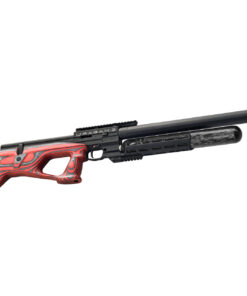
AGT URAGAN

AGT URAGAN
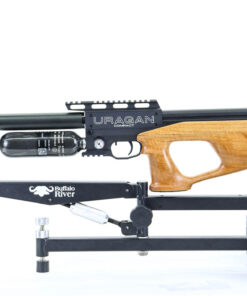
AGT URAGAN


AGT URAGAN
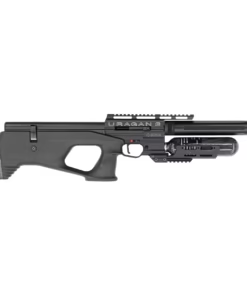

AGT URAGAN
Reviews
There are no reviews yet.