
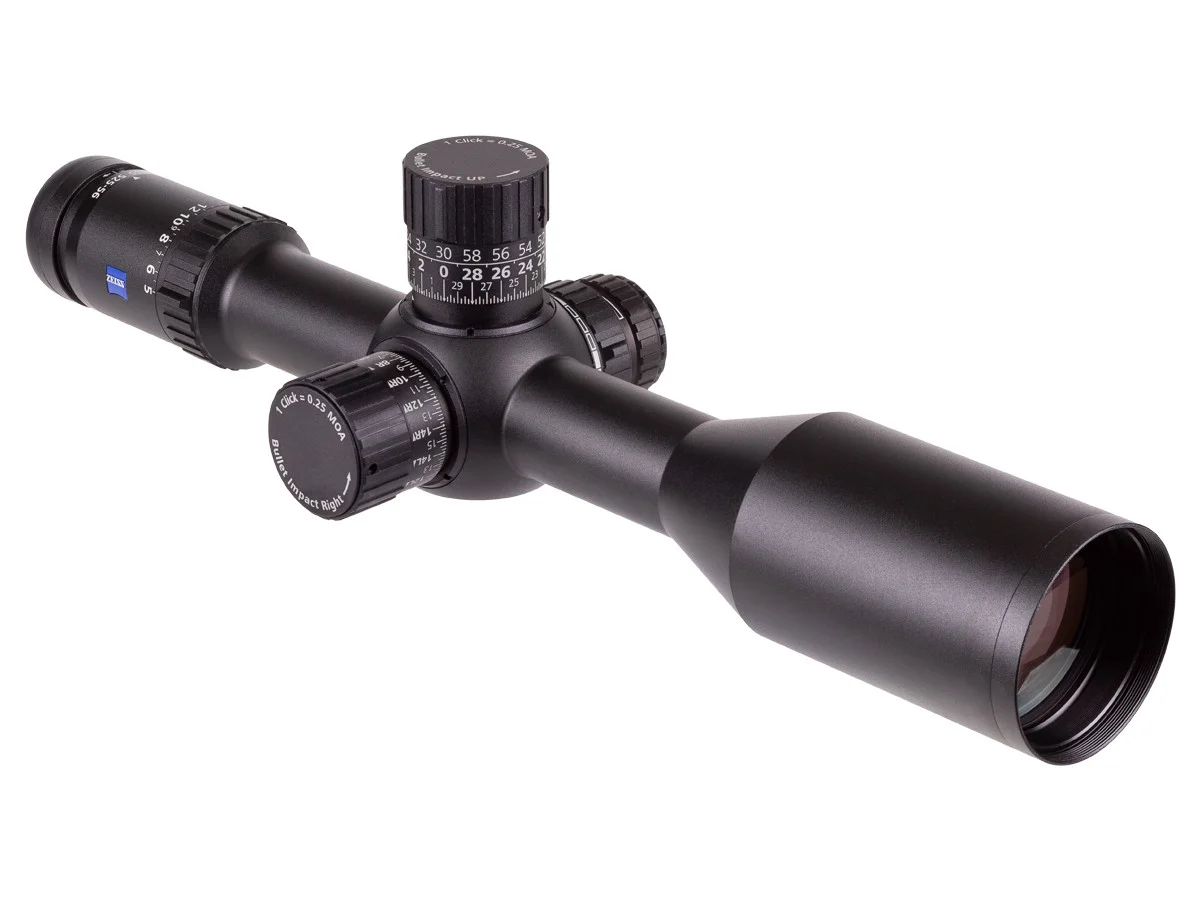
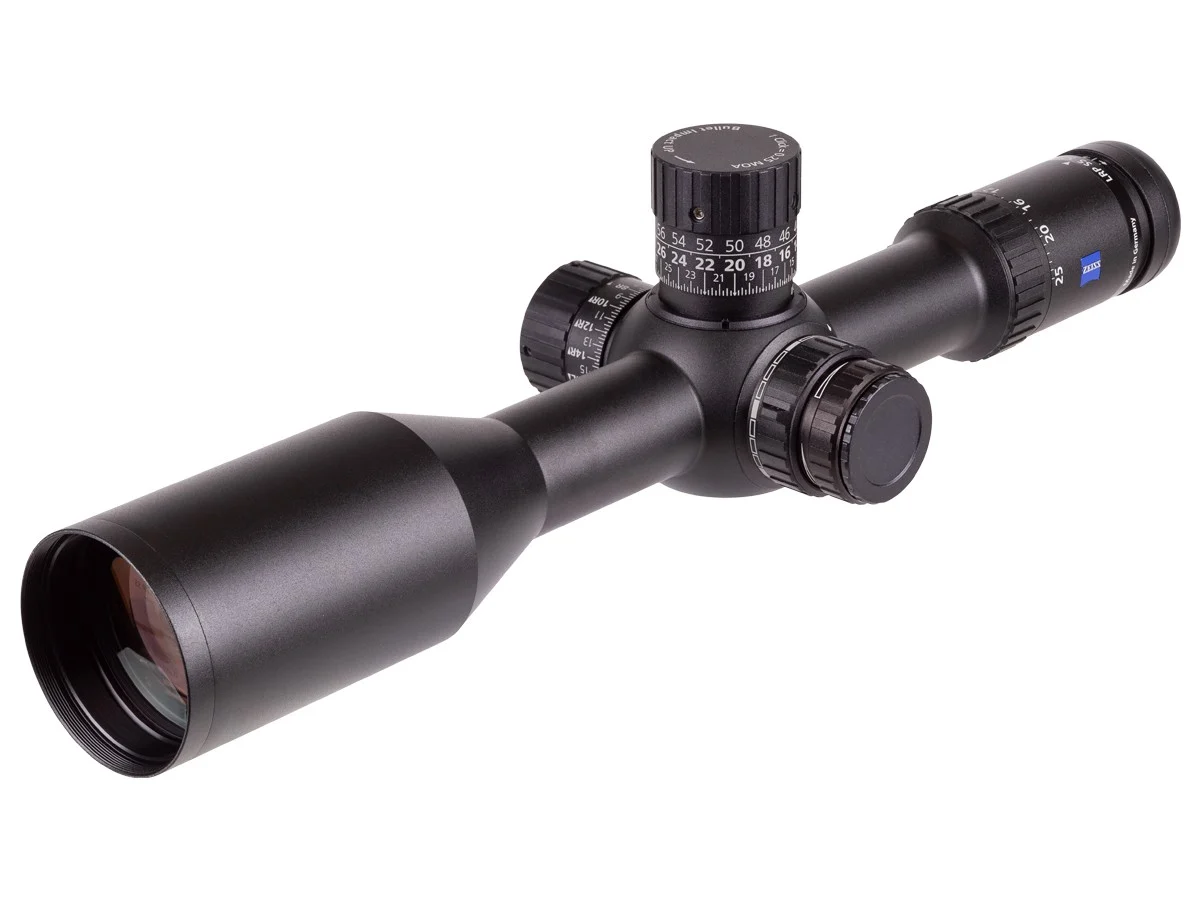
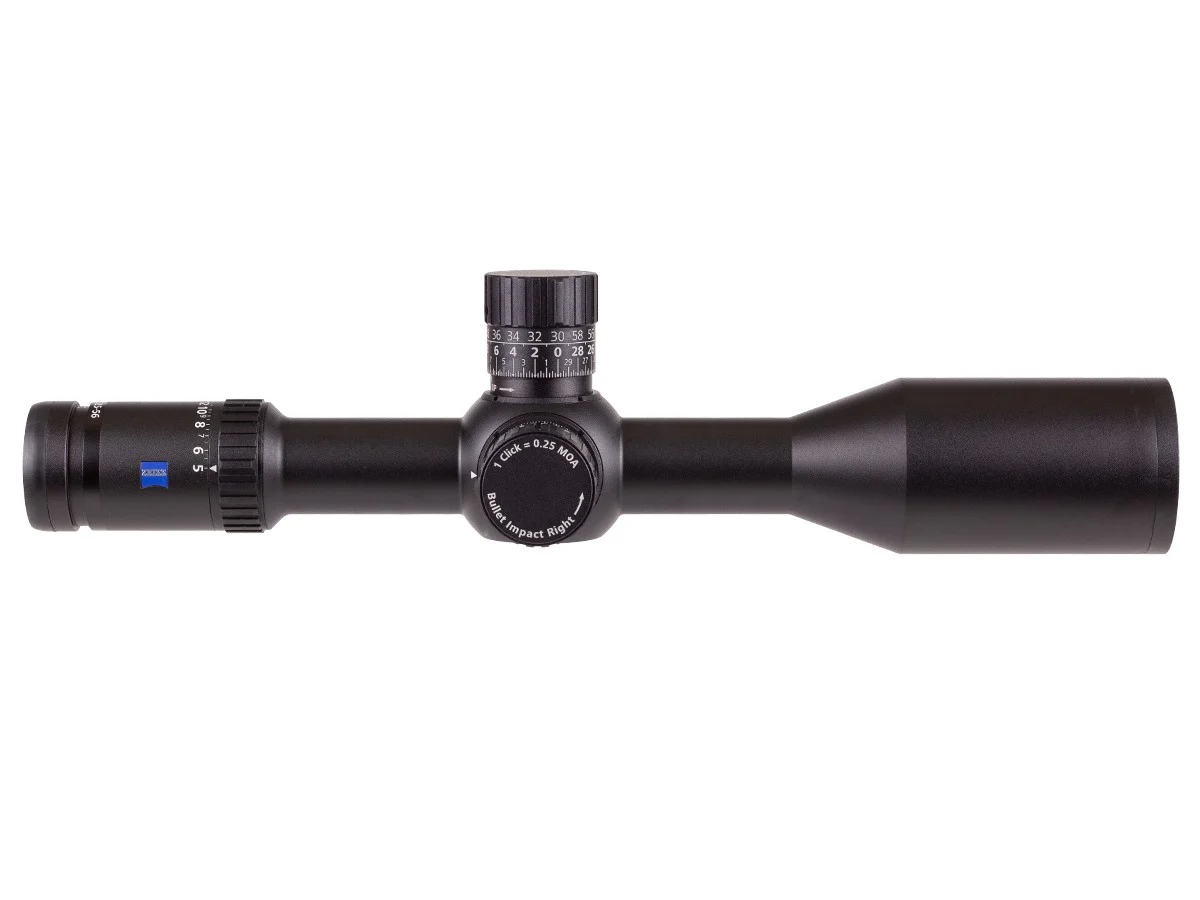
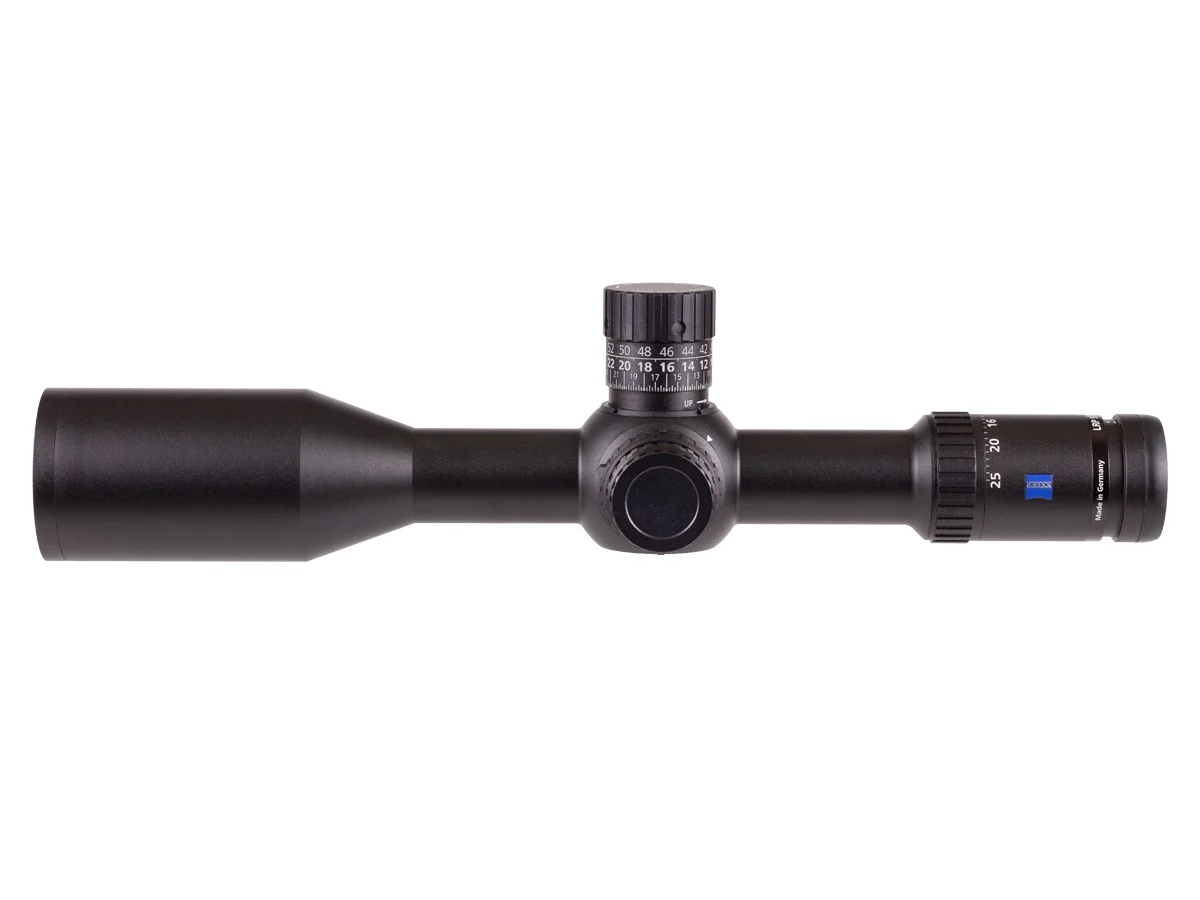
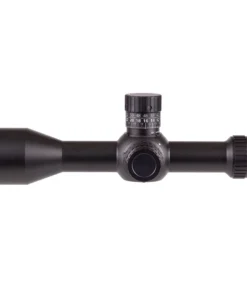
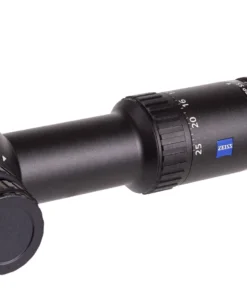
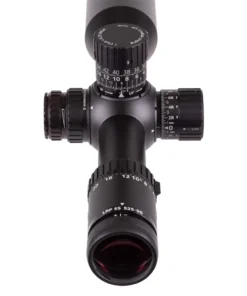
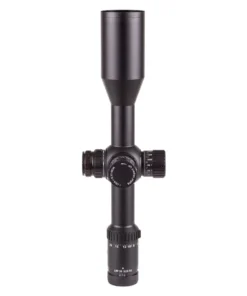
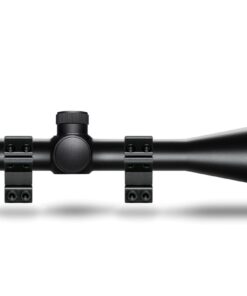
Refurbished Zeiss LRP S3 6-36×56 FFP Riflescope, ZF-MRi Reticle, 1/10 MRAD, 34mm
Price range: $1,850.00 through $2,990.00
Description
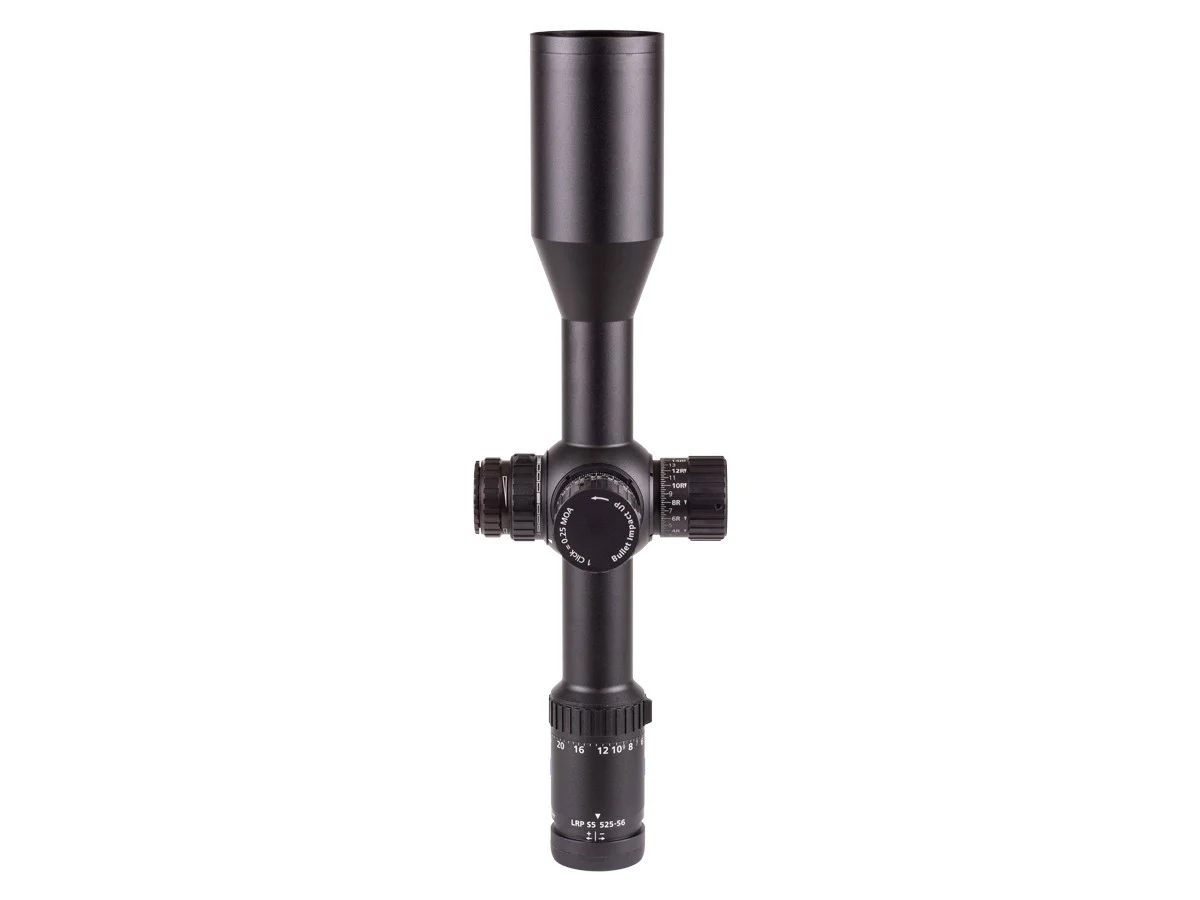
The Zeiss LRP S5 5-25×56 FFP Riflescope with ZF-MRi reticle is built to provide unparalleled performance for precision shooting disciplines such as competitive shooting and long-range hunting. Engineered and manufactured in Germany, this scope uses a 56mm objective lens and a variety of smart features to provide a sharp sight picture with intense details even in the face of challenges such as low lighting situations or poor weather.
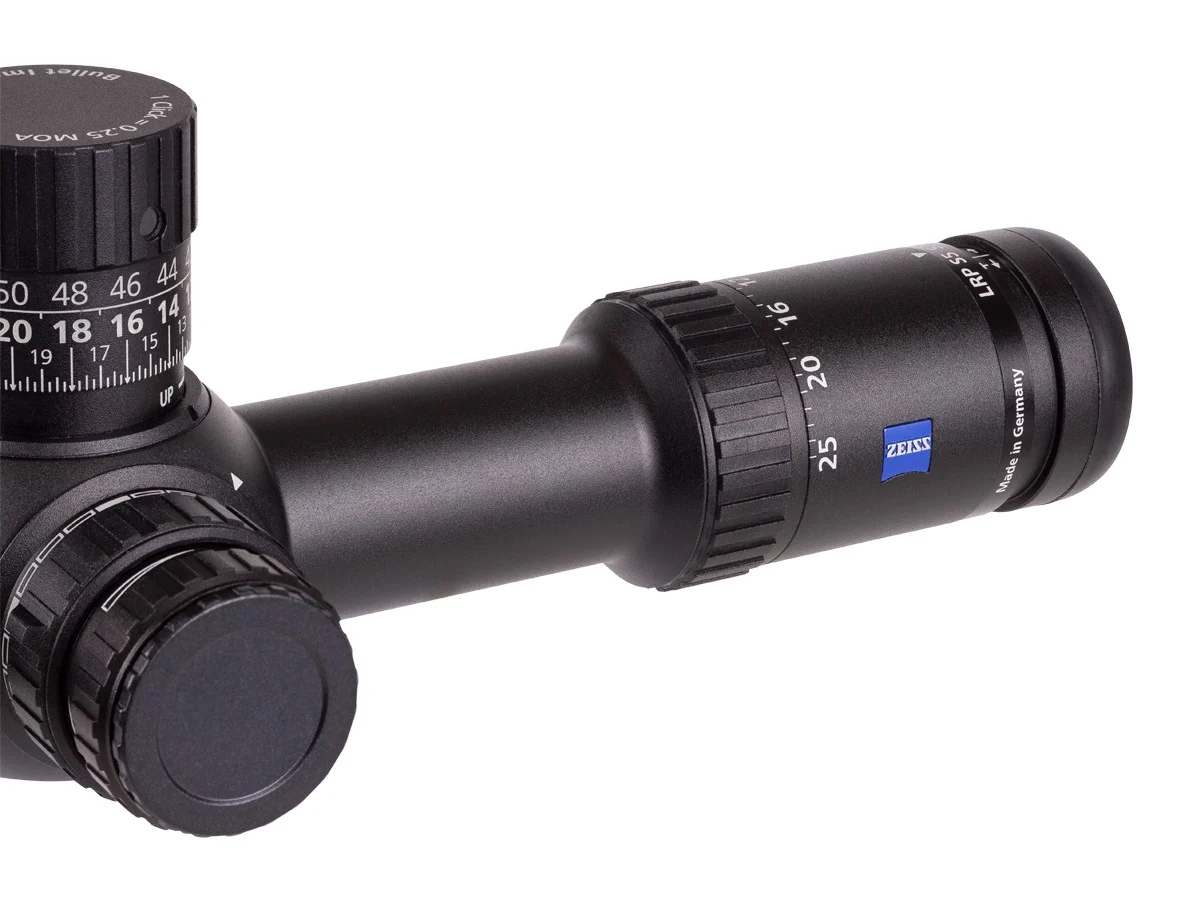
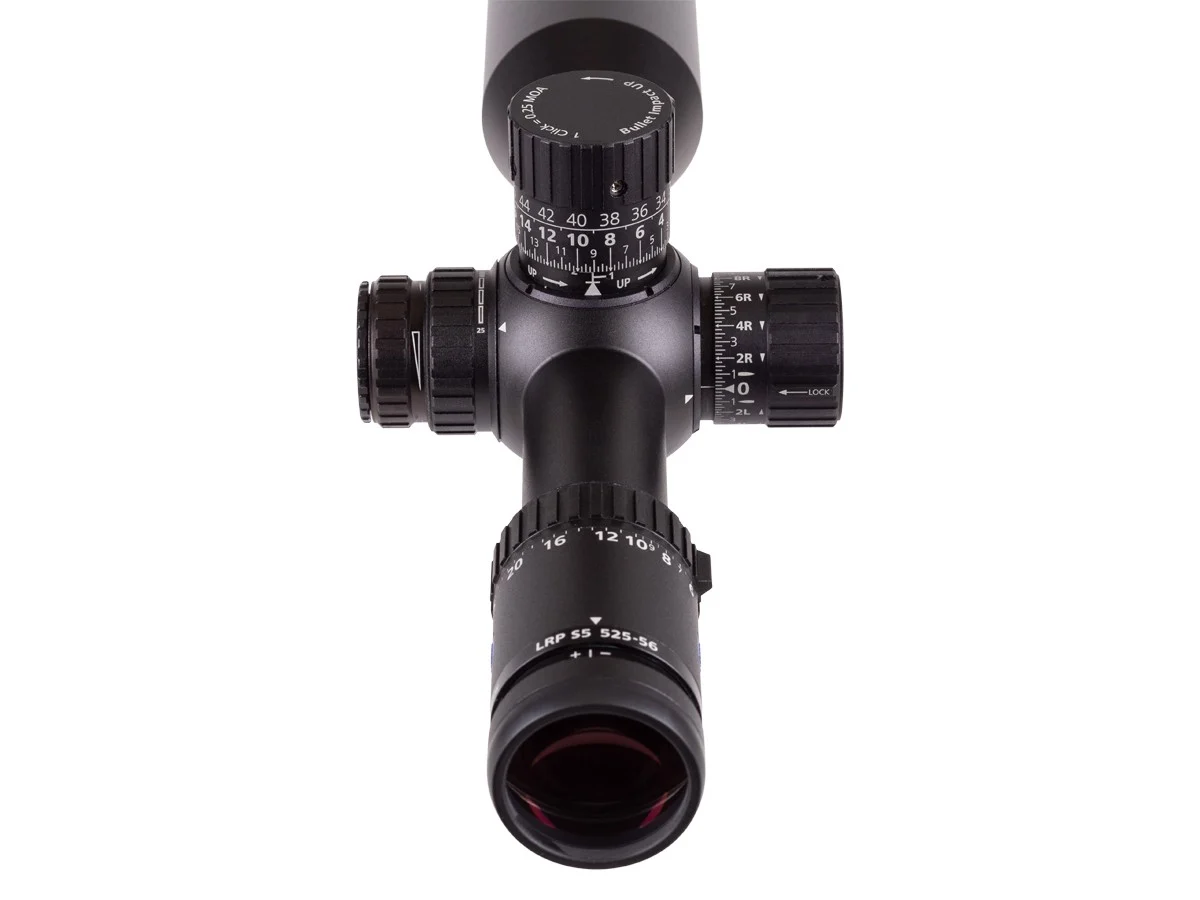
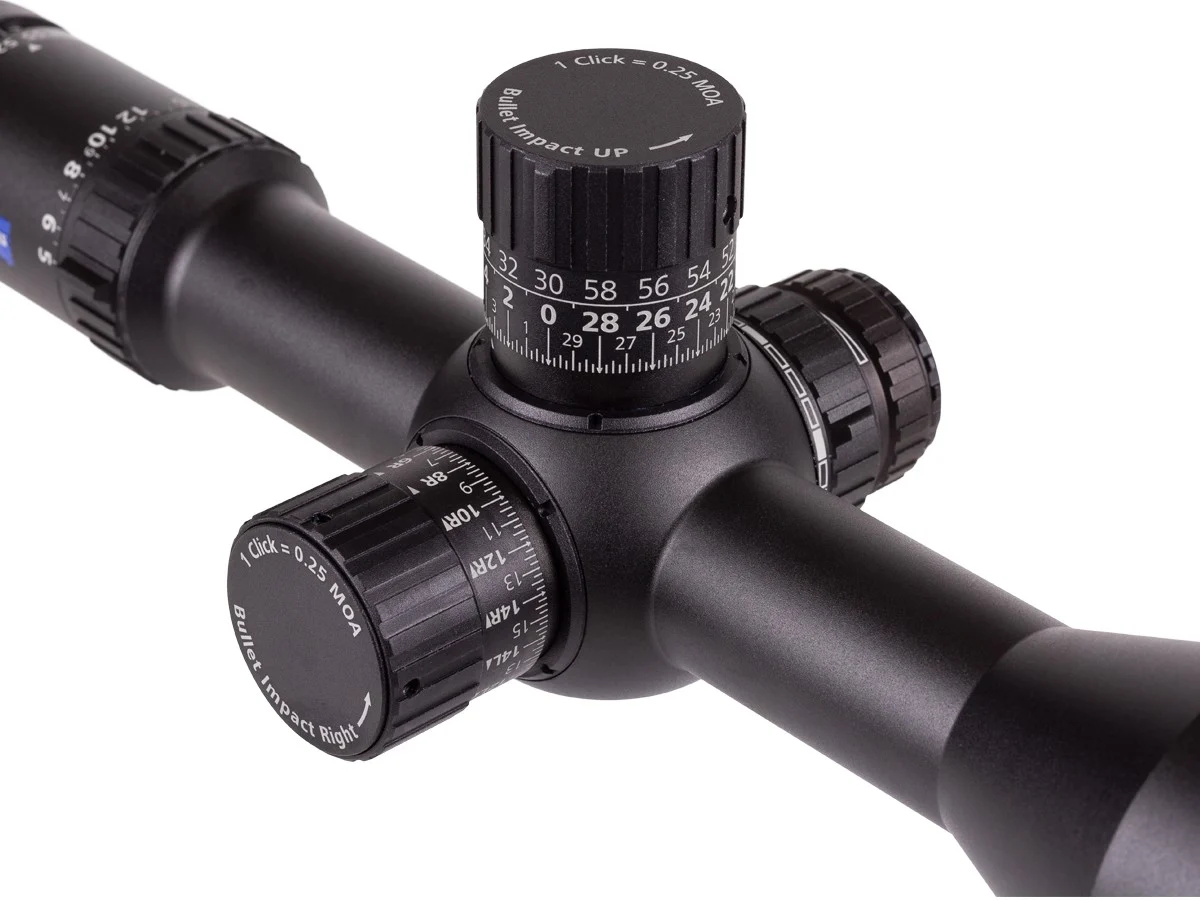
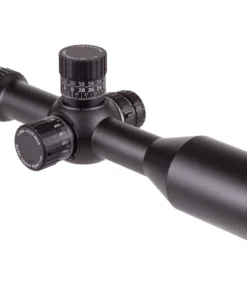
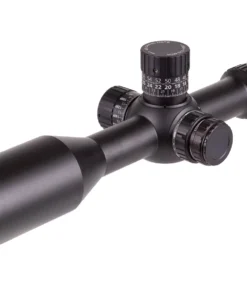
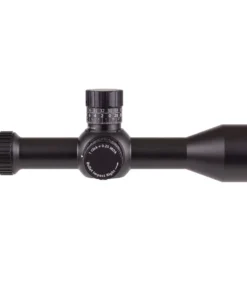
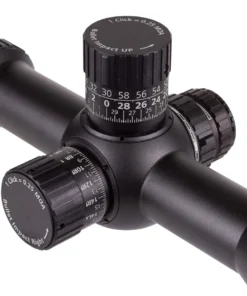
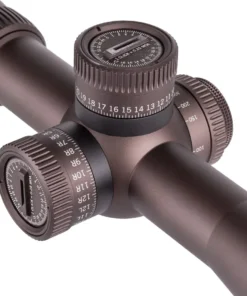
The elevation turret on this scope has a Ballistic Stop resettable zero and hard stop, and it has two rows of numbers to facilitate shooting at a variety of distances, as well as a rotation indicator below the knob. In addition, it has an External Locking Windage Turret feature to prevent unintended adjustments, and a resettable zero and Windage Limiter stop, all of which help to make adjusting the scope quick, simple, and foolproof.
The Zeiss LRP S5 5-25×56 offers 12 MRAD per revolution on both the elevation and windage turrets, which also both use 1/10 MRAD adjustment increments, and the windage turret has an adjustment range of 24 MRAD, while the elevation turret has an astonishing 40.7 MRAD range adjustment.
This riflescope features optical components of incredible quality, including Schott glass and Fluoride (FL) lens elements, Zeiss T* (T-star) multicoated lenses with 6 layers of coating for enhanced clarity and contrast, LotuTec coating to help prevent water and dirt from obscuring the view, and 90% light transmission to offer extraordinary results.
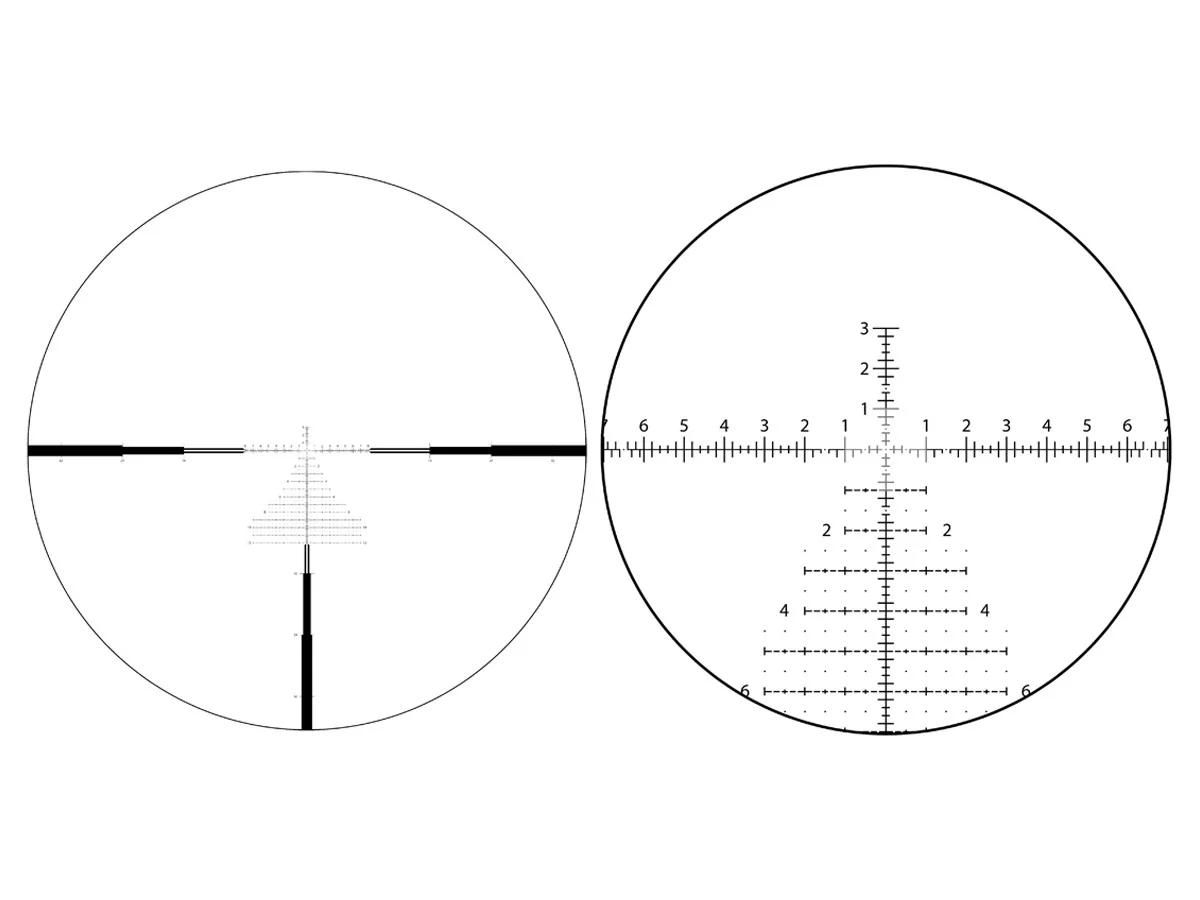
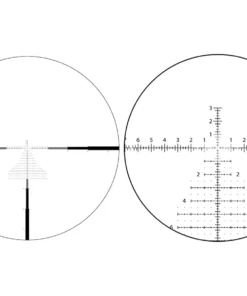
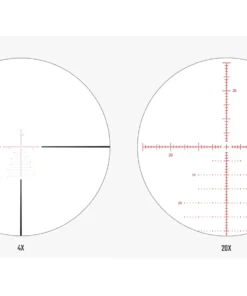
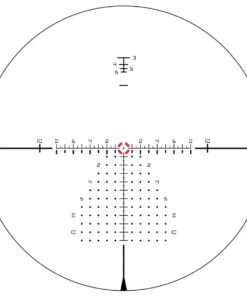
The ZF-MRi reticle is a first focal plane (FFP) illuminated reticle that improves precision for long-range applications including shooting competitions and hunting. It offers an expansive set of numbers, hashmarks, and dots, with a floating center dot and a tree-style lower portion with windage and holdover dots, hashmarks, and numbers for fast checks, with .2, .5, and 1 MRAD increments. Red or green illumination for the center of the reticle can be activated in five different brightness levels, with off positions between every level.
To get a dependable scope with innovative features that lead to extreme precision for hunting and shooting in competitions, buy the Zeiss S5 5-25×56 Riflescope with ZF-MRi reticle today at Pyramyd AIR.
Helpful resources:
- Learn how to pick the right scope
- Tips for picking scope mounts
Zeiss LRP S5 5-25×56 FFP Riflescope, ZF-MRi Reticle, 1/10 MRAD, 34mm Tube
- 34mm solid aluminum billet machined T6-6082 aluminum tube, hard-coat anodized
- 56mm objective lens
- Schott glass
- Fluoride (FL) lens elements
- Ballistic Stop elevation turret with resettable zero and revolution indicator
- External Locking Windage Turret with resettable zero
- 5X magnification system
- Eye relief: 3.54″
- 9.2-2.4mm exit pupil
- Field of view: 23-5ft @ 100yds.
- Elevation range: 40.7 MRAD, in 1/10 MRAD increments
- Windage range: 24 MRAD, in 1/10 MRAD increments
- 12 MRAD per turret revolution
- Side parallax: 27yds to infinity
- ZF-MRi FFP reticle with 5 levels of red illumination
- Light transmission: 90%
- Fast focus adjustment
- Diopter adjustment range: +2.0/-3.0 dpt
- Twilight factor: 16.7-37.4
- Objective viewing angle: 4.3-0.8
- Zeiss T* (T-star) multicoated lenses with 6 layers of coating
- LotuTec coating for dirt and water protection
- Fogproof
- Waterproof: tested up to 13 feet for 2 hours
- Water resistant up to 400 mbar
- Shockproof: impact tested at up to 1,500 times g-force, and continuous shocks for 90 minutes
- Temperature shock tested from -13F-122F within 5 minutes
- Withstands 24 hours in continuous saltwater spray
- Nitrogen purged
- Includes twin Torx wrench, CR2032 battery, lens cap, optical cleaning cloth, user guide, safety information
- Length: 15.6″
- Weight: 36.3oz (w/o inner rail)
- Operating temperature: -13F-133F (-25C-56C)
- Zeiss Transferable Limited Lifetime Warranty
- Engineered, designed, and manufactured in Germany
Specifications
BrandWeight2.27 lbsMin Magnification5 xMax Magnification25 xObjective Size56 mmMax Eye Relief3.54 inMin Eye Relief3.54 inMax FOV at 100 Yards23 ftMin FOV at 100 Yards5 ftFocal PlaneFirst (FFP)Max Windage24Max Elevation40.7Click Value.1 MILClick Adjustment TypeMILMax ParallaxMin Parallax27 ydsParallaxAdjustableTube Diameter34 mmIlluminationRedObjective and Magnification5-25×56Reticle TypeZF-MRi
Refurbished Zeiss LRP S3 6-36×56 FFP Riflescope ZF-MRi Reticle 1/10 MRAD 34mm
Overview, Optical Excellence, Precision Engineering, and Long-Range Performance
The Refurbished Zeiss LRP S3 6-36×56 FFP Riflescope ZF-MRi Reticle 1/10 MRAD 34mm represents a high-performance precision optic designed for shooters who demand exceptional clarity, repeatable adjustments, and dependable performance at extended distances.
Developed for serious long-range applications, this riflescope combines advanced optical engineering with a practical first focal plane reticle system. The first focal plane design ensures that the reticle maintains its correct relationship with the target throughout the entire magnification range, allowing shooters to use holdovers and ranging references accurately at different power settings.
The wide 6-36x magnification range provides excellent versatility. At lower magnification, the shooter gains a wider field of view for observation and faster target acquisition. At maximum magnification, the optic provides the detailed image quality required for precision shooting at extreme distances.
The large objective lens supports strong light transmission and helps deliver a bright, high-resolution image in demanding lighting situations. This makes the optic suitable for early morning, evening, and changing environmental conditions where image quality becomes critical.
Precision Optical Performance
The optical system is designed to provide sharp resolution, excellent contrast, and reliable target identification.
For precision shooters, understanding concepts such as what is parallax in optics is essential. Parallax occurs when the reticle and target appear to shift relative to each other due to changes in the shooter’s eye position. Proper adjustment reduces this error and helps maintain consistent aiming.
Many shooters researching what is parallax in a scope or what is parallax in a rifle scope are looking for improved accuracy at longer distances. A precision riflescope with effective parallax management helps reduce aiming inconsistencies.
ZF-MRi Reticle Design
The ZF-MRi reticle is designed for shooters who require practical aiming references without excessive visual clutter.
Its MRAD-based design allows precise corrections for distance, wind, and ballistic conditions. When combined with reliable adjustment tracking, the reticle becomes a powerful tool for competition shooters, precision rifle users, and long-range enthusiasts.
Long Range Shooting Applications
The scope is designed for demanding shooting disciplines where repeatability matters.
Competitive shooters often build advanced systems involving precision rifles, stable shooting platforms, and equipment such as a bipod for rifle setups. Stability is essential because even small movements can influence results at extended distances.
For shooters developing PRS spotting scope setups, accurate observation and reliable data collection are important parts of improving performance.
Mounting System Compatibility
A precision riflescope requires a strong and correctly installed mounting system.
Many shooters use a picatinny platform because it provides a durable and repeatable attachment method.
Understanding what is a picatinny rail helps shooters select compatible mounting solutions. A Picatinny rail, also known as a 1913 rail, provides standardized mounting slots for optics and accessories.
When selecting rings and mounts, shooters should consider picatinny dimensions, tube diameter, eye relief, and rifle configuration.
The difference between weaver and picatinny rail is also important because although both systems appear similar, their slot dimensions and compatibility differ.
Adjustment Precision
The 1/10 MRAD adjustment system is designed for shooters who require accurate and repeatable corrections.
Long-range shooting often involves adjustments for distance, wind, ammunition performance, and environmental factors. A dependable adjustment system allows the shooter to make controlled changes without losing confidence in the original zero.
Features such as a zero stop scope system are highly valued by precision shooters because they allow quick return to a confirmed zero position.
Understanding what is zero stop on a scope helps explain why this feature is important during competitions and field applications.
Tactical and Precision Accessories
The complete shooting setup often includes additional equipment designed to improve performance.
Accessories such as a scope mount, scope torque wrench, and quality rings help maintain proper alignment.
A correctly installed optic ensures that the rifle system performs consistently.
Some shooters also combine precision optics with additional equipment such as an IR illuminator, tactical accessories, or observation systems depending on their intended application.
Comparison With Premium Optics
Within the precision optics market, shooters often compare different manufacturers, including Zeiss, Schmidt and Bender scopes, Element Optics, Delta Optics, Delta Stryker, Falcon Optics, and ZCO optics.
Each brand offers different approaches to optical performance, mechanical design, and intended use.
The Zeiss LRP S3 focuses on providing professional-level optical performance, precise tracking, and reliability for demanding long-range applications.
Supporting Equipment Considerations
A complete precision system involves more than the riflescope itself.
Shooters often evaluate supporting equipment such as a ballistic solver for trajectory calculations and a chrony chronograph for measuring projectile velocity.
Accurate data helps the shooter make better corrections and understand real-world performance.
Night and Thermal Optic Comparisons
Some shooters compare traditional precision optics with systems designed for low-light observation.
Products such as the HIKMICRO Stellar SX60L thermal scope, best digital night vision scope, and best night vision scope options serve different purposes.
A high-quality riflescope remains essential when precision aiming, detailed observation, and accurate shot placement are the priority.
Air Rifle Precision Applications
The optic can also be considered for advanced air rifle platforms.
Shooters searching for the best scope for air rifle often require strong adjustment accuracy, clear glass, and reliable tracking because precision airguns can demand exceptional consistency.
Refurbished Condition Benefits
A professionally refurbished optic can provide excellent value by offering premium optical performance at a reduced cost.
Before purchase, important inspection points include lens condition, turret operation, adjustment tracking, tube integrity, and overall mechanical function.
A properly refurbished riflescope should maintain the same essential performance characteristics expected from a premium precision optic.
Overall Performance Impression
The Refurbished Zeiss LRP S3 6-36×56 FFP Riflescope ZF-MRi Reticle 1/10 MRAD 34mm is designed for shooters who require precision, optical clarity, and dependable performance.
With its wide magnification range, first focal plane reticle, accurate adjustment system, and professional-grade construction, it provides a capable solution for long-range shooting, competition use, tactical applications, and precision rifle setups.
When combined with a suitable rifle platform, quality mounting system, and proper ballistic information, this optic becomes a powerful tool for achieving consistent and repeatable accuracy.
Optical Engineering, Mechanical Construction, Tracking Performance, and Field Reliability
Optical Engineering Quality
A precision riflescope relies on a combination of optical quality, mechanical reliability, and user-friendly operation.
The internal optical system is designed to provide a detailed and consistent image across the entire magnification range. This allows shooters to observe targets clearly, identify important details, and maintain confidence during demanding shooting situations.
High-quality optical performance is especially valuable when conditions become challenging. Changing light, distant targets, and complex backgrounds can make identification more difficult, so maintaining image clarity is essential.
Image Resolution and Detail
Resolution determines how much detail the shooter can see through the optic.
A high-resolution image allows small features to remain visible at longer distances. This helps the shooter make better decisions when evaluating targets, reading impacts, or confirming environmental conditions.
Clear detail is important because accuracy begins with the ability to properly observe the target.
Contrast Performance
Strong contrast helps separate the target from the surrounding environment.
This becomes useful when shooting against backgrounds with similar colors or when lighting conditions reduce visibility.
A balanced optical design allows important details to remain easier to distinguish.
Low-Light Capability
Many shooting situations occur during changing light conditions.
Early morning and evening sessions can challenge optical systems because available light is reduced.
A well-designed optic helps preserve image quality and allows shooters to continue observing clearly when conditions become less favorable.
Magnification Control
The magnification system allows the shooter to adjust the optic according to the situation.
Lower magnification provides a wider viewing area and faster target acquisition.
Higher magnification provides increased detail for precise aiming at extended distances.
Smooth Adjustment Operation
A quality adjustment mechanism should operate smoothly and consistently.
The shooter should be able to change magnification without losing position behind the rifle.
A controlled adjustment system improves efficiency during practical shooting situations.
First Focal Plane Function
The reticle position plays an important role in how aiming references are used.
A first focal plane design keeps the reticle scale proportional as magnification changes.
This allows the shooter to apply references consistently throughout the zoom range.
Mechanical Construction
The internal mechanical components are designed to support repeatable performance.
A precision optic must maintain alignment even after repeated adjustments and exposure to normal field conditions.
Mechanical consistency is one of the most important characteristics of a serious shooting optic.
Adjustment Tracking
Reliable tracking means that adjustments made by the shooter translate accurately to the point of impact.
This allows corrections to be made with confidence.
Consistent tracking is especially important when shooting at different distances.
Repeatability
A scope should return to expected positions after adjustments.
Repeatability helps shooters maintain confidence when changing settings during practice, competition, or field use.
A predictable system reduces uncertainty.
Elevation Performance
Elevation adjustments allow compensation for distance-related changes.
A reliable elevation system helps shooters make accurate corrections while maintaining control of their settings.
This becomes increasingly important as shooting distances increase.
Windage Performance
Wind conditions can significantly influence projectile movement.
A dependable adjustment system allows the shooter to make controlled corrections.
This supports a more systematic approach rather than relying only on estimation.
Turret Operation
Turrets should provide positive and consistent feedback.
Clear adjustment movement helps the shooter understand changes being made.
Good turret design improves confidence during demanding situations.
Internal Protection
Precision optics must protect sensitive internal components from environmental stress.
A strong internal structure helps maintain alignment and performance during regular use.
Durability contributes directly to long-term reliability.
Tube Strength
The main tube provides structural support for the entire optic.
A rigid tube helps maintain the relationship between optical elements and adjustment systems.
This contributes to consistent performance.
Environmental Resistance
Outdoor shooting exposes equipment to changing weather conditions.
Protection from moisture, dust, and temperature variation helps preserve function.
A durable optic is better prepared for real-world use.
Shock Resistance
Repeated firing creates mechanical forces that affect equipment.
A properly engineered optic should withstand these forces while maintaining alignment.
This is important for both high-powered rifles and precision platforms.
Temperature Stability
Temperature changes can affect materials and internal components.
A reliable design helps minimize performance changes caused by normal environmental variation.
This allows the shooter to maintain confidence in different conditions.
Handling and Ergonomics
A precision optic should be comfortable and intuitive to operate.
Controls should be easy to access while maintaining proper shooting position.
Good ergonomics improve efficiency and reduce unnecessary movement.
Eye Position Consistency
A consistent eye position helps create a repeatable shooting process.
The shooter should be able to quickly establish the correct viewing position behind the optic.
This improves speed and comfort.
Field Observation
A clear optical system allows the shooter to monitor surroundings and evaluate conditions.
Observation is an important part of precision shooting because environmental factors often influence results.
Competition Reliability
Competitive shooting places high demands on equipment.
Shooters require optics that perform consistently through repeated stages and changing conditions.
Reliability allows the shooter to focus on strategy and execution.
Professional Applications
Precision optics are used by experienced shooters who require dependable performance.
Whether used for training, competition, or specialized applications, consistent operation remains essential.
Maintenance Requirements
Proper care helps preserve performance.
The external body should be kept clean, lenses should be protected, and mechanical components should be inspected regularly.
Small maintenance actions can prevent larger problems.
Lens Protection
The lenses should always be handled carefully.
Dust and debris should be removed before cleaning to prevent scratches.
Protecting the glass helps maintain image quality over time.
Exterior Care
The outside surface should be checked for damage after transport or field use.
Small issues can often be corrected easily when identified early.
Mounting Stability
A stable connection between the optic and rifle is essential.
Movement between components can reduce accuracy and create inconsistent results.
Regular inspection helps maintain proper alignment.
Long-Term Reliability
A well-maintained precision optic can provide years of dependable performance.
Reliability comes from strong construction, careful handling, correct installation, and responsible maintenance.
Practical Performance Summary
The combination of advanced optical design, precise mechanical systems, durable construction, and consistent operation creates a dependable platform for serious shooters.
A precision optic performs best when properly installed, maintained, and paired with suitable equipment.
With responsible ownership, it can continue delivering clear observation, reliable adjustments, and confident performance across many shooting environments.
Practical Shooting Performance, Accuracy, Handling, and Real-World Applications
Practical Shooting Experience
A precision optic becomes valuable when it improves the connection between the shooter, rifle, and target.
The overall experience depends on optical clarity, mechanical reliability, rifle setup, environmental conditions, and the shooter’s ability to apply consistent technique.
When properly installed and adjusted, the optic provides a dependable aiming platform that allows shooters to focus on accuracy and decision-making.
Target Identification
Clear target identification is an important part of accurate shooting.
A detailed image helps the shooter observe target features, confirm placement, and make better decisions before taking a shot.
This becomes increasingly important when shooting at extended distances where small details can affect results.
Precision Accuracy
Accuracy depends on many factors, including rifle quality, ammunition consistency, environmental conditions, and shooter skill.
A reliable optic supports accuracy by providing a clear aiming reference and predictable adjustment behavior.
This allows the shooter to concentrate on improving technique rather than compensating for equipment limitations.
Long-Range Shooting Performance
Long-range shooting requires careful preparation and attention to detail.
Distance, wind, temperature, and projectile behavior all influence the final result.
A precise optic helps the shooter manage these variables by providing a consistent view and reliable adjustment capability.
Range Training
Regular training allows shooters to understand their equipment and improve performance.
A quality optic supports practice sessions by helping shooters observe results, make corrections, and develop repeatable shooting habits.
Over time, this leads to greater confidence and consistency.
Competition Use
Competitive shooting demands equipment that performs reliably under pressure.
Shooters often need to make quick decisions while maintaining accuracy.
A dependable optic allows the shooter to focus on stage requirements, environmental factors, and shot execution.
Field Applications
Outdoor environments create challenges that are different from controlled range conditions.
Uneven terrain, changing light, weather conditions, and different shooting positions require equipment that remains dependable.
A well-designed optic helps maintain performance in these situations.
Hunting Performance
For responsible hunting applications, clear observation and reliable operation are essential.
The shooter needs to identify targets properly, understand the environment, and make ethical decisions.
A quality optic supports this process by improving visibility and confidence.
Variable Distance Shooting
Different shooting situations require different levels of magnification and observation.
Lower settings allow faster target acquisition, while higher settings provide additional detail when precision is required.
The ability to adapt improves overall versatility.
Shooting Position Flexibility
Real-world shooting rarely occurs from one perfect position.
The shooter may need to operate from prone, supported, kneeling, or improvised positions.
A practical optic helps maintain a consistent aiming process across different situations.
Stability and Rifle Balance
The complete rifle system should remain balanced.
The optic, mounting system, rifle platform, and accessories all influence handling.
A properly configured setup improves comfort and control during extended sessions.
User Comfort
Comfort plays an important role in maintaining accuracy.
A shooter who can maintain a natural position behind the optic is more likely to achieve consistent results.
Proper adjustment and positioning reduce unnecessary strain.
Eye Relief Management
A consistent viewing position improves speed and repeatability.
The shooter should be able to quickly establish the correct sight picture without excessive adjustment.
This becomes valuable during fast-paced shooting situations.
Environmental Awareness
Successful shooting requires more than simply aiming at a target.
The shooter must observe wind, terrain, lighting, and other conditions.
A clear optical system helps provide better awareness of the surrounding environment.
Changing Weather Conditions
Outdoor conditions can change quickly.
Rain, humidity, temperature changes, and dust can challenge equipment.
A durable optic helps the shooter continue operating confidently in different environments.
Low Visibility Situations
Reduced visibility requires strong image performance.
During early morning, evening, or overcast conditions, optical clarity becomes increasingly important.
Maintaining a clear view allows better decision-making.
Adjustment Confidence
Shooters often need to make corrections during a session.
Reliable adjustment behavior allows changes to be made with confidence.
Knowing that adjustments are repeatable improves the overall shooting process.
Learning and Development
A quality optic can support shooters throughout their development.
New shooters can learn proper fundamentals, while experienced shooters can refine advanced skills.
The equipment provides a platform that grows with the user’s ability.
Rifle Setup Importance
The optic performs best when combined with a suitable rifle and proper installation.
Mounting position, balance, and adjustment all influence the final experience.
A complete system approach produces better results.
Mounting Security
A secure installation is essential for maintaining accuracy.
Movement between the optic and rifle can create inconsistent results.
Regular inspection ensures the system remains reliable.
Maintenance During Use
Simple maintenance habits help preserve performance.
Cleaning lenses carefully, checking mounting security, and protecting the external surfaces contribute to long-term reliability.
Transport Considerations
Equipment should be protected when moving between locations.
Impacts, drops, and rough handling can affect performance.
Using proper protection reduces unnecessary damage.
Storage Between Sessions
Proper storage helps maintain condition.
The optic should be kept in a clean, dry environment away from extreme temperatures and unnecessary exposure.
Good storage practices extend service life.
Shooting Confidence
Confidence comes from knowing that equipment will perform consistently.
A dependable optic allows the shooter to focus on fundamentals, environmental reading, and shot execution.
This mental advantage is important during demanding situations.
Practical Value
The value of a precision optic comes from how effectively it supports the shooting process.
Clear observation, reliable operation, and consistent performance all contribute to better results.
The optic becomes a useful tool rather than simply an accessory.
Overall Real-World Performance
In practical use, this optic provides the characteristics required by serious shooters who value precision, adaptability, and reliability.
Whether used for training, competition, field shooting, or advanced rifle applications, it supports a disciplined approach to accuracy.
When paired with proper setup, good shooting technique, and regular care, it provides a dependable platform capable of delivering consistent performance across a wide range of conditions.
Section 4 – Maintenance, Storage, Protection, and Long-Term Reliability
Importance of Proper Care
A precision optic represents a significant investment, and proper care is essential for maintaining performance over time.
Although modern equipment is designed for demanding environments, regular inspection, careful handling, and correct storage practices help preserve optical clarity, mechanical operation, and overall reliability.
A consistent maintenance routine ensures that the optic remains ready for use whenever it is needed.
Regular Exterior Inspection
The outer body should be inspected regularly for signs of wear, impact damage, or loose components.
Checking the exterior after each major use allows small problems to be identified before they become larger concerns.
A clean and well-maintained optic is easier to operate and monitor.
Lens Maintenance
The optical surfaces require careful attention because they directly influence image quality.
Dust, fingerprints, moisture, and debris should be removed using appropriate cleaning methods.
The lenses should never be cleaned aggressively because unnecessary pressure can create scratches or damage protective coatings.
Protecting Optical Surfaces
Protective covers should be used whenever the optic is not actively being used.
This helps prevent accidental scratches, dust buildup, and environmental contamination.
Keeping the glass protected preserves image quality and extends the useful life of the equipment.
Cleaning Procedure
Before cleaning, loose particles should be removed carefully.
A soft brush or suitable air method can help prevent abrasive particles from being dragged across the surface.
After that, gentle cleaning can be performed using proper materials.
Avoiding Harsh Chemicals
Strong chemicals or unsuitable cleaning products may affect external finishes or optical coatings.
Only appropriate cleaning solutions should be used when necessary.
Simple maintenance methods are usually the safest approach.
Mechanical Inspection
The adjustment controls should be checked periodically to ensure smooth operation.
Any unusual resistance, looseness, or inconsistent movement should be investigated.
Mechanical components depend on precise alignment, so early detection of problems is beneficial.
Checking Mounting Security
The connection between the optic and rifle should be inspected regularly.
Repeated use, transportation, and vibration can gradually affect mounting hardware.
A secure mounting system helps maintain consistent performance.
Fastener Care
Mounting screws should remain properly installed and free from damage.
Loose hardware can affect accuracy and create inconsistent results.
At the same time, excessive tightening should be avoided because it may damage components.
Alignment Protection
Correct alignment is important for reliable operation.
If the optic position changes unexpectedly, the shooter should inspect the mounting system and surrounding components.
Maintaining alignment helps preserve consistency.
Weather Protection
Outdoor use exposes equipment to different environmental conditions.
Rain, humidity, dust, and temperature changes can affect performance if proper care is not taken.
Protective measures help reduce unnecessary exposure.
Moisture Management
After use in wet conditions, the optic should be dried carefully.
Moisture should not remain trapped around controls, mounting areas, or external surfaces.
Proper drying helps prevent long-term issues.
Temperature Considerations
Extreme temperature changes should be avoided when possible.
Allowing the equipment to adjust gradually between environments can help reduce stress caused by rapid changes.
Proper storage conditions contribute to longer service life.
Preventing Impact Damage
Accidental impacts can affect both external condition and internal alignment.
The optic should be handled carefully during installation, transportation, and storage.
Protection from unnecessary shocks helps maintain reliability.
Transportation Protection
When transporting the optic or complete rifle setup, suitable protection should be used.
Cases or protective bags help prevent damage caused by drops, movement, or contact with other equipment.
Careful transportation is especially important for precision equipment.
Storage Environment
Long-term storage should take place in a clean, dry environment.
The equipment should be protected from excessive heat, moisture, and direct sunlight.
A stable environment helps preserve materials and finishes.
Storage Position
The optic should be stored where it cannot be knocked over or placed under heavy objects.
Avoiding pressure on external components helps maintain condition.
Proper positioning reduces accidental damage.
Regular Performance Checks
Periodic checks help confirm that the optic continues operating correctly.
The shooter should monitor image quality, adjustment behavior, and overall condition.
Changes should be investigated rather than ignored.
Monitoring Optical Changes
Any reduction in clarity, unexpected distortion, or unusual image behavior should be examined.
Maintaining good optical performance requires attention to small changes.
Early action can prevent further deterioration.
Monitoring Mechanical Changes
Changes in adjustment feel or movement should be taken seriously.
Mechanical consistency is important for accurate shooting.
A sudden change may indicate that inspection or servicing is required.
Responsible Handling
Careful handling is one of the simplest ways to protect precision equipment.
Avoid unnecessary drops, impacts, and rough treatment.
Good habits significantly contribute to long-term reliability.
Professional Servicing
If serious problems occur, professional inspection may be recommended.
Attempting complex repairs without proper knowledge can create additional damage.
Qualified service helps protect the equipment and restore proper function.
Avoiding Unnecessary Modifications
Unapproved modifications may affect reliability or damage internal systems.
The optic should be used according to its intended design.
Maintaining original specifications generally provides the best long-term performance.
Maintaining Consistency
Consistent care creates consistent performance.
Regular cleaning, proper storage, secure mounting, and careful handling all contribute to dependable operation.
A small amount of routine attention can prevent larger issues.
Long-Term Ownership Benefits
Proper maintenance allows precision equipment to remain useful for many years.
Protecting the optic preserves its value and ensures that it continues supporting accurate shooting performance.
Responsible ownership is an important part of equipment reliability.
Final Reliability Summary
Long-term performance depends on correct care, careful handling, and regular inspection.
By protecting the lenses, maintaining clean operation, checking mounting security, controlling storage conditions, and addressing problems early, the optic can continue providing dependable service.
A properly maintained precision optic remains a reliable tool for shooters who value consistency, accuracy, and confidence in demanding shooting environments.
Final Evaluation, User Benefits, Performance Summary, and Ownership Experience
Final Evaluation
A high-quality precision optic is defined by more than its specifications alone.
Its true value comes from how effectively it performs when used in real shooting situations. Optical clarity, reliable operation, strong construction, and user confidence all contribute to the overall experience.
A well-designed optic should provide a dependable connection between the shooter and the target while allowing the shooter to focus on technique, preparation, and decision-making.
User Confidence
Confidence plays an important role in precision shooting.
When equipment performs consistently, the shooter can concentrate on important factors such as position, environmental conditions, and shot execution.
Reliable equipment reduces uncertainty and allows the shooter to develop a more consistent approach.
Precision and Control
Control is one of the most important characteristics of advanced shooting equipment.
A precise system allows the shooter to make adjustments with confidence and maintain a repeatable process.
This becomes Refurbished Zeiss LRP S3 6-36×56 FFP Riflescope ZF-MRi Reticle 1/10 MRAD 34mm increasingly valuable when shooting at different distances or under changing conditions.
Adaptability
A versatile optic can support many different shooting applications.
Whether used during training, competition, field sessions, or general practice, adaptability allows the equipment to remain useful across different situations Refurbished Zeiss LRP S3 6-36×56 FFP Riflescope ZF-MRi Reticle 1/10 MRAD 34mm.
This flexibility increases long-term value.
Learning Experience Refurbished Zeiss LRP S3 6-36×56 FFP Riflescope ZF-MRi Reticle 1/10 MRAD 34mm
Precision equipment can also support skill development Refurbished Zeiss LRP S3 6-36×56 FFP Riflescope ZF-MRi Reticle 1/10 MRAD 34mm.
New shooters can learn important fundamentals, while experienced users can refine advanced techniques.
A reliable platform allows the shooter to focus on improvement rather than equipment limitations.
Consistent Performance
Consistency is one of the strongest indicators of quality Refurbished Zeiss LRP S3 6-36×56 FFP Riflescope ZF-MRi Reticle 1/10 MRAD 34mm.
A dependable optic should provide predictable results from one session to another.
This allows shooters to evaluate their progress and make meaningful improvements Refurbished Zeiss LRP S3 6-36×56 FFP Riflescope ZF-MRi Reticle 1/10 MRAD 34mm.
Professional Approach
Serious shooters understand that performance depends on the complete system.
Equipment selection, setup, maintenance, and technique all work together.
A quality optic becomes most effective when combined with responsible preparation and good shooting practices.
Long-Term Value
Investing in reliable equipment provides benefits beyond immediate use.
A well-maintained optic can continue providing strong performance for many years.
Proper care helps protect the original investment and maintain usability Refurbished Zeiss LRP S3 6-36×56 FFP Riflescope ZF-MRi Reticle 1/10 MRAD 34mm.
Practical Ownership
Owning precision equipment requires responsibility.
Regular cleaning, careful storage, inspection, and proper handling all contribute to reliability.
Simple maintenance habits can significantly improve long-term ownership experience.
Everyday Usability
The best equipment is not only designed for extreme situations.
It should also remain practical during regular use Refurbished Zeiss LRP S3 6-36×56 FFP Riflescope ZF-MRi Reticle 1/10 MRAD 34mm.
Comfortable operation, dependable performance, and straightforward maintenance make the equipment easier to enjoy.
Reliability in Different Conditions
Real-world shooting environments are unpredictable.
Weather, terrain, lighting, and distance can all change Refurbished Zeiss LRP S3 6-36×56 FFP Riflescope ZF-MRi Reticle 1/10 MRAD 34mm.
A dependable optic provides the confidence needed to handle different conditions effectively Refurbished Zeiss LRP S3 6-36×56 FFP Riflescope ZF-MRi Reticle 1/10 MRAD 34mm.
Importance of Setup
Proper setup has a major influence on performance Refurbished Zeiss LRP S3 6-36×56 FFP Riflescope ZF-MRi Reticle 1/10 MRAD 34mm.
Correct positioning, secure installation, and suitable adjustment allow the equipment to function as intended.
Even advanced equipment requires careful preparation Refurbished Zeiss LRP S3 6-36×56 FFP Riflescope ZF-MRi Reticle 1/10 MRAD 34mm.
Shooter Responsibility
The shooter remains the most important factor in achieving accuracy Refurbished Zeiss LRP S3 6-36×56 FFP Riflescope ZF-MRi Reticle 1/10 MRAD 34mm.
Equipment can support performance, but good results still depend on discipline, practice, and understanding the shooting process.
Skill and preparation remain essential picatinny scope base.
Balanced Performance
A successful design balances multiple characteristics Refurbished Zeiss LRP S3 6-36×56 FFP Riflescope ZF-MRi Reticle 1/10 MRAD 34mm.
Clarity, reliability, durability, and usability must work together.
An optic that performs well in one area but lacks reliability in another may not provide the complete experience required by serious users.
Confidence During Use
Knowing that equipment will perform correctly creates a better shooting experience.
Confidence allows the shooter to focus on execution rather than worrying about equipment performance.
This mental advantage is valuable during demanding situations parker hale scope rings for sale best rifle bipod for long range shooting.
Maintenance Commitment scope illumination
Long-term performance depends on continued care Refurbished Zeiss LRP S3 6-36×56 FFP Riflescope ZF-MRi Reticle 1/10 MRAD 34mm.
Cleaning, inspection, and responsible handling preserve equipment condition.
A small amount of attention after each use can prevent unnecessary problems dnt thermal scope review.
Equipment Protection
Protecting precision equipment during transport and storage is essential optics warehouse.
Avoiding impacts, moisture exposure, and careless handling helps maintain reliability Refurbished Zeiss LRP S3 6-36×56 FFP Riflescope ZF-MRi Reticle 1/10 MRAD 34mm.
Good protection habits extend service life vector minotaur 10 50×60.
Performance Development
As shooters gain experience, their understanding of equipment also improves Refurbished Zeiss LRP S3 6-36×56 FFP Riflescope ZF-MRi Reticle 1/10 MRAD 34mm what is the moa of a scope.
A quality optic can continue supporting growth by allowing users to develop better observation skills and shooting techniques.
Overall User Experience
The overall experience comes from combining dependable performance with practical usability Refurbished Zeiss LRP S3 6-36×56 FFP Riflescope ZF-MRi Reticle 1/10 MRAD 34mm.
A well-designed optic should feel natural to operate and provide confidence during every session Refurbished Zeiss LRP S3 6-36×56 FFP Riflescope ZF-MRi Reticle 1/10 MRAD 34mm.
This creates a more enjoyable and productive shooting experience Refurbished Zeiss LRP S3 6-36×56 FFP Riflescope ZF-MRi Reticle 1/10 MRAD 34mm.
Final Thoughts
A precision optic represents an important part of a complete shooting system Refurbished Zeiss LRP S3 6-36×56 FFP Riflescope ZF-MRi Reticle 1/10 MRAD 34mm.
Its purpose is to provide clarity, reliability, and confidence while helping the shooter achieve consistent results Refurbished Zeiss LRP S3 6-36×56 FFP Riflescope ZF-MRi Reticle 1/10 MRAD 34mm.
When properly maintained and used responsibly, it can remain a dependable companion for training, competition, field applications, and long-term shooting development Refurbished Zeiss LRP S3 6-36×56 FFP Riflescope ZF-MRi Reticle 1/10 MRAD 34mm.
The strongest advantage comes from the combination of thoughtful engineering, practical design, and reliable performance Refurbished Zeiss LRP S3 6-36×56 FFP Riflescope ZF-MRi Reticle 1/10 MRAD 34mm march riflescope adjustments argon filled d42hv56wfml g2.
For shooters who value accuracy, consistency, and confidence, choosing equipment that can perform reliably over time is an important step toward achieving better results Refurbished Zeiss LRP S3 6-36×56 FFP Riflescope ZF-MRi Reticle 1/10 MRAD 34mm.
Be the first to review “Refurbished Zeiss LRP S3 6-36×56 FFP Riflescope, ZF-MRi Reticle, 1/10 MRAD, 34mm”
Related products
Scope
Reviews
There are no reviews yet.