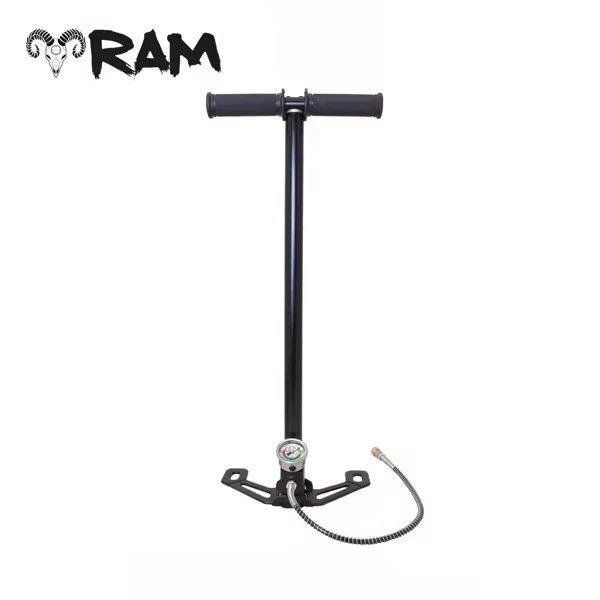
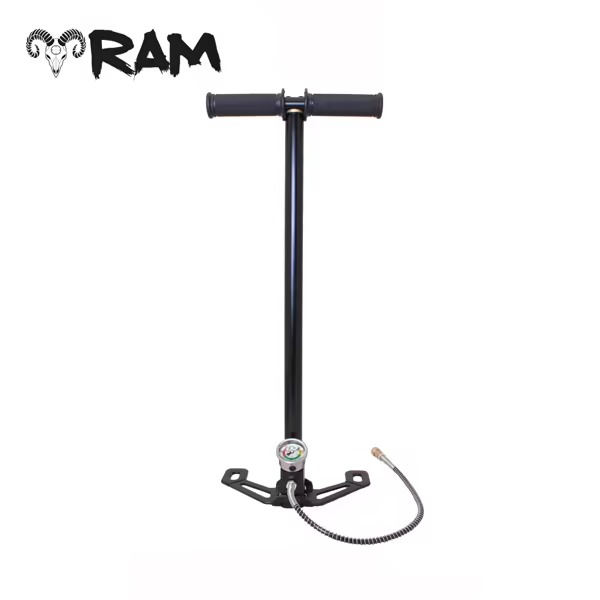
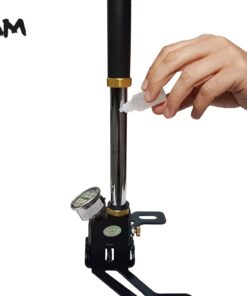
High Pressure Air PCP Pump 300 Bar
$100.00
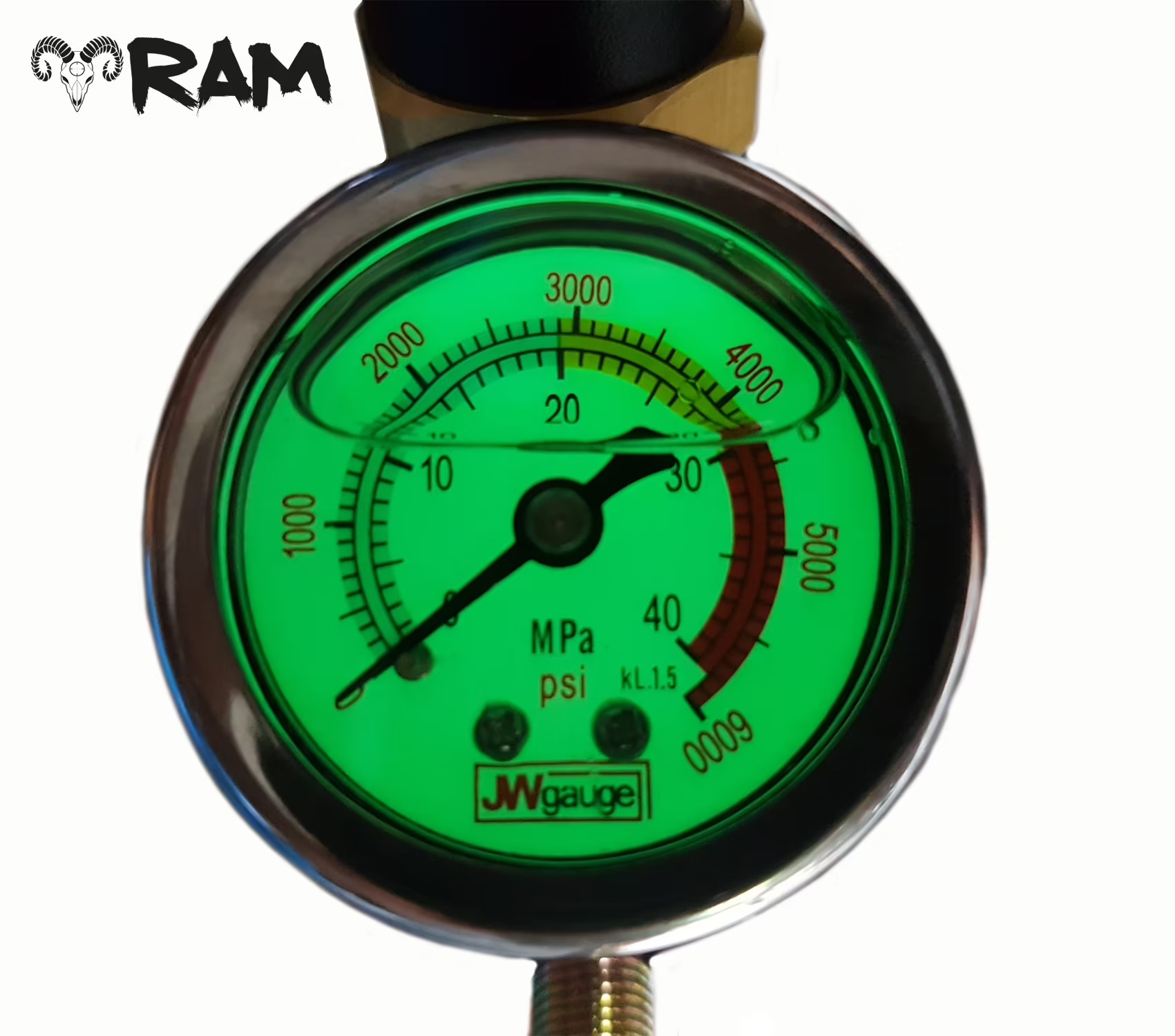
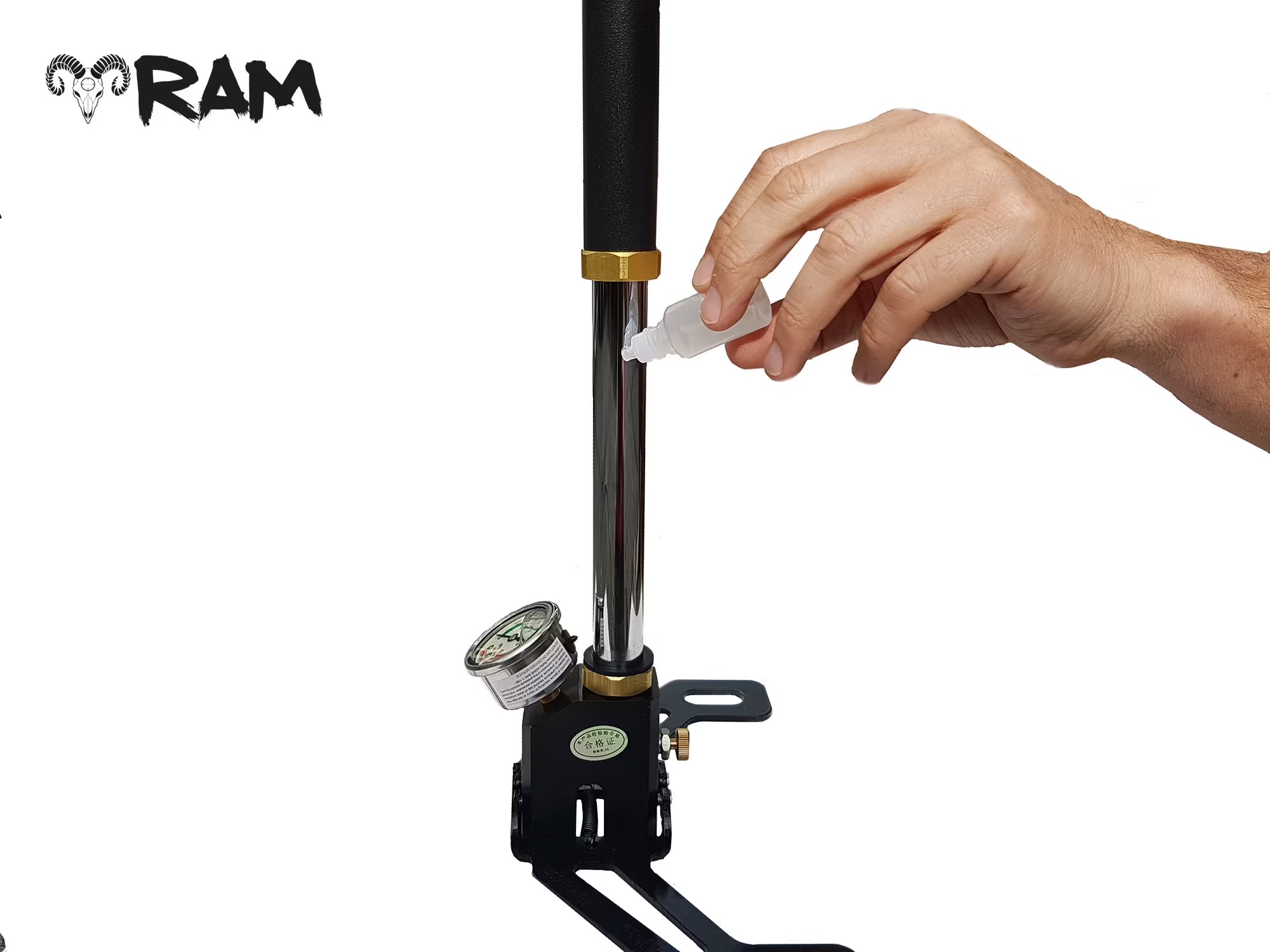
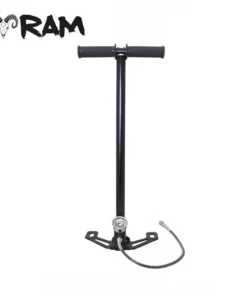
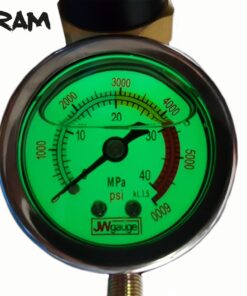
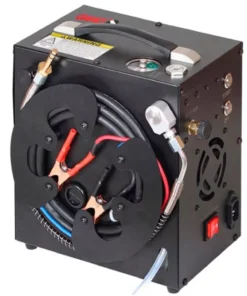
The RAM Tactical PCP Pump offers a reliable and cost-effective solution for refilling PCP rifles, pistols. It includes a hose, quick fitting, spare O-rings, and a multitool, featuring a foster female connection. The pressure gauge is clear and luminous for easy reading in low light. With a smooth operation up to 300 bar and foldable footrests for portability, this pump is practical and durable. Note: This model does not include a moisture filter. A foster male adapter is required for threaded fill nipples.
Specifications
| Brand | Ram Tactical |
|---|---|
| Weight (gram) | 3500 |
| Fill pressure (Bar) | 300 Bar |
| Material | Copper, Steel |
High Pressure Air PCP Pump 300 Bar | Manual Filling Solution for Advanced PCP Airguns
High Pressure Air PCP Pump 300 Bar Features, Compatibility, and Buyer Guide
Why Choose the High Pressure Air PCP Pump 300 Bar?
The main reason shooters choose a high-pressure manual pump is convenience, portability, and independence. A quality PCP pump allows users to refill their equipment in locations where electrical power may not be available.
For shooters using advanced systems such as the Air Venturi Alpha, Air Venturi Alpha PCP Rifle, and Air Venturi Alpha Air Rifle, reliable air management is essential for maintaining consistent performance.
The High Pressure Air PCP Pump 300 Bar provides a practical solution for users who want a simple and dependable filling method.
Supporting Modern PCP Airgun Platforms
Modern PCP technology has become increasingly popular because of its accuracy, smooth operation, and efficiency.
The pump is suitable for users operating equipment such as:
- Air Venturi Alpha Hunting Rifle
- Air Venturi Alpha Tactical PCP
- Air Venturi Alpha Regulated PCP
- Air Venturi Alpha Multi Shot Rifle
- Air Venturi Alpha Precision Air Rifle
These systems require properly managed air pressure to perform effectively.
How Does a High Pressure PCP Pump Work?
A manual PCP pump works by using a multi-stage compression system to increase air pressure and transfer compressed air into a compatible reservoir.
During pumping, air is compressed gradually through multiple stages until the required pressure level is reached.
This process allows users to refill their equipment without relying on electrical power or external filling services.
Understanding Air Venturi Compatibility
The name air venturi is widely recognized among PCP airgun enthusiasts because of its range of airguns, accessories, and filling equipment.
Many users search for:
- air venturi avenger
- airventuri
- air venturi avenger
- air venturi avenge
- air ventur avenge.
- air venturi compressor
- venturi air
- air venturi air compressor
because these products are commonly connected with modern PCP shooting setups.
A reliable filling solution helps users maintain these air-powered systems effectively.
Importance of Proper Air Management
PCP airguns depend on compressed air rather than traditional mechanical power sources. As a result, maintaining proper air pressure is an important part of achieving reliable performance.
Equipment such as:
- air rifle and air pistol
- pcp airguns
- pcp air rifles
- air bolt gun
requires effective air management for consistent operation.
A dependable pump helps shooters maintain readiness and continue their shooting sessions with confidence.
Supporting High-Power Airgun Systems
Some larger airgun platforms require significant air capacity due to their increased performance requirements.
Examples include:
- dragon claw
- seneca dragon claw
- 50 caliber dragon
- claw air gun
- Seneca air rifles
These powerful systems benefit from reliable filling equipment capable of maintaining suitable pressure levels.
A high-pressure pump gives users a practical way to support demanding airgun platforms.
How Good Is the Performance of a 300 Bar PCP Pump?
A good PCP pump should provide durability, smooth operation, and dependable pressure management.
Important performance characteristics include:
- Strong construction
- Reliable pressure output
- Comfortable operation
- Portable design
- Long-term usability
The High Pressure Air PCP Pump 300 Bar is designed for shooters who need a practical filling solution without relying on electrical systems.
Comparing Manual Pumps and Compressors
Shooters often compare manual pumps with powered filling solutions.
Related equipment includes:
- air venturi rovair 4500 portable compressor
- air venturi rovair
- air venturi pcp compressor
- air rifle compressor
- ventur air compressor
Manual pumps provide portability and simplicity, while compressors may offer faster filling for frequent users.
The best choice depends on personal requirements, shooting frequency, and available resources.
Supporting Air Tanks and Storage Systems
Many PCP users also utilize air storage equipment.
Related products include:
- air venturi tank
- air venturi air tank
- air venturi omnistorm
These systems allow users to store compressed air for convenient access.
A dependable pump provides an additional method for maintaining air availability.
When and Where Should You Use a High Pressure PCP Pump?
The High Pressure Air PCP Pump 300 Bar is suitable for:
- Outdoor shooting locations
- Remote areas
- Home shooting setups
- Travel situations
- Emergency filling needs
Because it does not require electricity, it provides excellent flexibility for different environments.
Important Buying Considerations
Before purchasing a PCP pump, users should consider:
- Required pressure capacity
- Compatibility with equipment
- Frequency of use
- Physical effort involved
- Storage requirements
Choosing the correct filling method ensures a better ownership experience.
Related Airgun Equipment and Accessories
Many enthusiasts also research:
- air venturi microstrike
- air venturi avenger 25
- avenger price
- air venturi
- air venturi compressor
These searches show the strong connection between airgun performance and proper air management solutions.
Final Overview of the High Pressure Air PCP Pump 300 Bar
The High Pressure Air PCP Pump 300 Bar provides PCP airgun users with a portable, practical, and dependable filling solution.
By supporting modern pneumatic platforms and allowing independent air management, it gives shooters greater flexibility and convenience.
For enthusiasts who value portability, reliability, and simple operation, this pump is an essential accessory for maintaining consistent PCP performance.
Advanced Design, Performance Characteristics, Proper Usage, and Real-World Experience
Built for Dependable Manual Operation
A high-pressure manual filling system is designed around simplicity, durability, and controlled performance. Unlike powered systems that depend on electrical sources, a manual solution provides flexibility and independence in different environments.
The effectiveness of a manual system comes from careful engineering, strong materials, and a design that allows users to generate pressure efficiently through controlled operation.
For users who value reliability and portability, a well-designed manual pump provides a practical approach to equipment preparation.
Understanding Multi-Stage Compression Technology
High-pressure manual pumps operate through multiple compression stages that gradually increase air pressure.
Each stage contributes to improving efficiency and reducing the effort required during operation.
The multi-stage design allows the system to handle demanding pressure requirements while maintaining smooth operation.
This approach provides users with a dependable method of preparing their equipment without requiring complex power systems.
Importance of Pressure Control
Managing pressure correctly is essential when working with high-pressure equipment. Controlled filling helps protect components and supports consistent performance.
Users benefit from monitoring pressure levels carefully and following proper filling procedures.
Good pressure management contributes to equipment reliability and helps prevent unnecessary stress on internal systems.
Performance During Regular Use
A practical filling solution should provide dependable performance during repeated operation.
Important qualities include:
- Smooth operation
- Strong construction
- Comfortable handling
- Reliable pressure management
- Consistent performance
These characteristics allow users to maintain their equipment effectively during regular shooting activities.
Portability and Convenience Advantages
One of the greatest benefits of a manual system is portability.
Without requiring electrical power, users can operate the equipment in various locations, including areas where access to electricity may be limited.
This flexibility makes manual filling solutions useful for outdoor activities, travel, and remote shooting environments.
User Technique and Operating Efficiency
The effectiveness of manual operation depends partly on proper technique. Learning the correct method allows users to operate the equipment more efficiently while reducing unnecessary effort.
Important factors include:
- Maintaining proper posture
- Using controlled movements
- Following recommended procedures
- Avoiding excessive force
Good technique improves comfort and helps maintain consistent operation.
Durability and Long-Term Reliability
A well-built filling system is designed to withstand repeated use. Durable construction helps protect important components and supports dependable performance over time.
Regular care and responsible operation contribute significantly to extending equipment life.
A reliable system becomes more valuable as it continues performing effectively through years of use.
Real-World Applications
Manual high-pressure systems are useful in many practical situations.
They can support users during:
- Outdoor shooting sessions
- Field activities
- Training environments
- Remote locations
- Backup situations
Their independence from electricity makes them especially valuable when flexibility is important.
Maintenance Requirements
Proper maintenance helps preserve performance and reliability.
General care may include:
- Keeping components clean
- Checking connections
- Inspecting moving parts
- Protecting surfaces
- Following recommended maintenance schedules
Regular attention reduces wear and supports long-term operation.
Protecting Equipment During Storage
Storage conditions influence equipment longevity. Keeping the system in a clean, dry, and secure location helps protect it from environmental damage.
Good storage practices help prevent:
- Moisture exposure
- Dust buildup
- Unnecessary impacts
- Component deterioration
Proper storage ensures that the equipment remains ready whenever it is needed.
Safe Operating Practices
Safety should always remain a priority when working with high-pressure systems.
Users should:
- Follow instructions carefully
- Inspect equipment before use
- Avoid improper modifications
- Operate within recommended limits
- Maintain awareness during operation
Responsible practices help protect both the user and the equipment.
Improving the Overall User Experience
A good equipment experience comes from combining reliable design with proper handling.
When users understand how to operate, maintain, and store their equipment correctly, they can achieve better results and greater satisfaction.
Knowledge and preparation play important roles in maximizing performance.
Long-Term Ownership Benefits
A dependable manual system provides value through years of reliable service when properly maintained.
The combination of durable construction, responsible use, and regular care allows users to continue benefiting from their equipment over time.
A quality filling solution becomes an important part of a complete and efficient setup.
Ownership Guide, Care Procedures, Setup Preparation, and Long-Term Maintenance
Establishing a Proper Care Routine
Owning a high-pressure manual system requires regular attention and responsible management. A consistent care routine helps maintain performance, protect components, and extend the useful life of the equipment.
A good routine begins with understanding the system, following recommended procedures, and developing habits that support reliable operation.
Proper care ensures that the equipment remains dependable whenever it is needed.
Preparing Before Each Use
Before starting any operation, users should take time to inspect the equipment and prepare the working area.
A proper preparation process includes:
- Checking the overall condition
- Inspecting connection areas
- Confirming that components are properly positioned
- Ensuring the workspace is suitable
- Reviewing operating procedures
Taking these steps helps create a smoother and safer experience.
Responsible Handling Practices
Careful handling is essential for maintaining equipment condition. Avoiding unnecessary impacts and using the system correctly helps prevent premature wear.
Users should handle all components with attention and avoid applying unnecessary stress during operation.
Responsible handling contributes to long-term reliability and better performance.
Regular Inspection and Monitoring
Routine inspections allow users to identify changes before they become larger concerns.
Important areas to monitor include:
- External condition
- Moving components
- Connection points
- Operating behavior
- Signs of wear
Regular checks help maintain confidence and allow users to address concerns early.
Cleaning and General Maintenance
Keeping equipment clean is an important part of ownership. Dust, dirt, and environmental exposure can gradually affect performance if they are ignored.
A proper cleaning routine should focus on protecting important components while maintaining overall condition.
Consistent maintenance reduces unnecessary wear and supports reliable operation.
Protecting Components From Environmental Conditions
Environmental exposure can affect equipment over time. Moisture, extreme temperatures, and unsuitable storage conditions may reduce performance if proper protection is not provided.
To preserve quality, equipment should be protected from:
- Excessive humidity
- Dust accumulation
- Direct exposure to harsh conditions
- Unnecessary impacts
Good protection helps maintain both appearance and functionality.
Correct Storage Practices
Proper storage is essential for long-term reliability. When the equipment is not being used, it should be stored in a secure and clean location.
A suitable storage environment helps prevent damage and ensures that the system remains ready for future use.
Organized storage also improves convenience during setup.
Maintaining a Suitable Workspace
A well-prepared workspace improves efficiency and safety.
An ideal working area should provide:
- Enough room for operation
- Stable positioning
- Good organization
- Easy access to necessary items
- Reduced distractions
A clean environment supports better equipment management.
Transportation and Protection
Moving equipment requires careful planning. Transportation can expose components to movement and accidental impacts.
Using appropriate protection methods helps reduce the risk of damage.
Careful transportation practices contribute to maintaining equipment quality over time.
Developing Good Operating Habits
Consistent operating habits help users achieve better results and maintain equipment reliability.
Good habits include:
- Following the same preparation steps
- Completing inspections regularly
- Avoiding improper use
- Maintaining cleanliness
- Storing equipment correctly
These habits create a more dependable ownership experience.
Recognizing Changes During Operation
Users should pay attention to changes in normal operation. Unexpected behavior, unusual resistance, or noticeable performance differences may indicate that inspection is needed.
Recognizing these changes early allows users to take appropriate action.
A proactive approach helps prevent minor issues from becoming more serious.
Professional Maintenance and Assistance
Some technical procedures require specialized knowledge. When a problem occurs beyond normal care, professional assistance may be necessary.
Qualified support can provide:
- Detailed inspections
- Technical evaluation
- Proper servicing
- Expert guidance
Knowing when to seek assistance is part of responsible ownership.
Extending Equipment Service Life
Long-term reliability depends on consistent care and responsible operation.
Regular inspection, proper storage, careful handling, and appropriate maintenance all contribute to extending service life.
The attention invested in equipment care often results in better performance and greater satisfaction.
Responsible Long-Term Ownership
A quality manual system provides the greatest value when it receives proper attention throughout its lifetime.
Responsible ownership includes regular care, safe operation, and commitment to recommended procedures.
By developing good maintenance habits, users can enjoy dependable performance and reliable operation for many years.
Maximizing Performance, User Experience, and Long-Term Equipment Value
Building Confidence Through Experience
A dependable equipment system becomes more valuable as users gain experience and develop a better understanding of its operation. Over time, familiarity allows users to complete preparation tasks more efficiently and recognize normal operating characteristics.
This experience creates confidence because users become more comfortable with proper procedures, maintenance requirements, and responsible handling.
A knowledgeable user can achieve a smoother and more enjoyable ownership experience.
Improving Efficiency Through Better Preparation
Effective preparation is an important part of achieving consistent results. Organizing equipment, maintaining a clean workspace, and following proper procedures help reduce unnecessary delays.
A prepared user can complete tasks more efficiently while maintaining better control over the overall process.
Good preparation habits create a more reliable routine.
Developing Responsible Equipment Habits
Long-term reliability depends heavily on the habits developed by the owner.
Responsible habits include:
- Performing regular checks
- Maintaining cleanliness
- Following recommended procedures
- Handling equipment carefully
- Addressing concerns early
These practices help protect equipment and improve overall satisfaction.
Creating an Organized Setup
An organized setup improves convenience and reduces complications during regular use.
Keeping necessary items arranged properly allows users to work more efficiently and maintain better control over their routine.
A clean and structured environment also encourages better maintenance habits.
Understanding Equipment Performance Over Time
Equipment behavior can change gradually depending on usage, maintenance, and environmental conditions.
Regular observation allows users to understand what is normal and identify when additional attention may be needed.
Monitoring performance patterns helps owners make informed decisions about care and servicing.
Supporting Different User Requirements
Every user has different expectations and needs. Some may use their equipment frequently, while others may require it only occasionally.
Understanding personal requirements allows users to create routines that match their activities.
A flexible approach helps maximize the value of the equipment.
Protecting Long-Term Investment
Quality equipment represents a long-term investment that deserves proper protection.
Owners can preserve value by:
- Maintaining proper care routines
- Preventing unnecessary damage
- Storing equipment correctly
- Completing inspections
- Following recommended practices
These actions contribute to maintaining reliability and condition.
Continuing Knowledge Development
Learning does not end after purchasing equipment. Users can continue improving through experience, research, and better understanding of operating procedures.
Greater knowledge allows users to make better decisions and improve their overall experience.
Continuous development leads to stronger confidence and improved results.
The Importance of Preventative Care
Preventative care helps reduce unexpected problems by identifying potential concerns early.
Regular attention, inspection, and proper maintenance support dependable operation.
A proactive approach is often more effective than waiting until problems appear.
Building a Reliable Long-Term Routine
Consistency creates better results over time. Users who follow similar preparation, operation, and maintenance steps develop greater familiarity with their equipment.
This familiarity improves efficiency and reduces uncertainty.
A reliable routine becomes an important part of successful ownership.
Preparing for Future Use
Good ownership involves planning beyond immediate needs. Proper care today helps ensure that equipment remains dependable in the future.
Protecting components, maintaining condition, and following responsible procedures all contribute to long-term reliability.
Future performance depends on the attention given today.
The Value of Quality Ownership
The benefits of well-designed equipment are fully realized through responsible management.
Proper handling, regular maintenance, and thoughtful use allow users to enjoy dependable service for an extended period.
Equipment quality and ownership practices work together to create the best possible experience.
Final Thoughts
A reliable manual system provides more than basic functionality. It offers convenience, independence, and the ability to maintain equipment effectively.
When supported by proper care, organized use, and responsible ownership, it can provide dependable service throughout its lifetime.
By developing good habits and continuing to improve knowledge, users can maximize performance, protect their investment, and enjoy a reliable experience for many years.
Frequently Asked Questions, Practical Guidance, and Final Ownership Considerations
What Is the Main Advantage of Using a Manual Filling System?
The main advantage of a manual filling system is flexibility. Users can maintain their equipment without depending on electrical power or external facilities.
This provides greater freedom, especially for people who operate in locations where access to additional resources may be limited.
A reliable manual system gives users more control over their preparation process.
Who Can Benefit From This Type of Equipment?
This type of equipment is suitable for users who value portability, independence, and a simple operating approach.
It can benefit:
- Recreational users
- Outdoor enthusiasts
- Experienced operators
- Individuals who prefer self-maintained equipment
The greatest benefit comes from having a dependable solution available whenever it is required.
How Does Proper Maintenance Improve Reliability?
Regular maintenance helps preserve performance and extend equipment life.
By checking components, maintaining cleanliness, and following recommended procedures, users can reduce unnecessary wear and identify possible concerns early.
A consistent maintenance routine supports dependable operation over time.
Why Is Correct Storage Important?
Proper storage protects equipment from conditions that may affect performance.
A suitable storage environment helps reduce exposure to:
- Moisture
- Dust
- Temperature changes
- Accidental impacts
Good storage practices help maintain equipment condition and ensure readiness for future use.
How Can Users Improve Their Overall Experience?
Users can improve their experience by developing good habits and understanding their equipment.
Helpful practices include:
- Preparing properly before operation
- Keeping the workspace organized
- Performing routine inspections
- Learning correct procedures
- Maintaining consistent care
Knowledge and preparation are essential for achieving better results.
What Should Be Considered Before Purchasing?
Before choosing equipment, users should consider their personal requirements and intended application.
Important factors include:
- Frequency of use
- Available storage space
- Maintenance expectations
- User experience level
- Long-term goals
Selecting equipment that matches individual needs creates greater satisfaction.
How Does Experience Improve Operation?
Experience allows users to become more efficient and confident.
Over time, users develop a better understanding of operating procedures, equipment behavior, and maintenance requirements.
This knowledge helps them recognize changes and make better decisions.
What Are the Benefits of Responsible Ownership?
Responsible ownership helps maintain reliability and extends equipment life.
Benefits include:
- Better performance consistency
- Reduced maintenance concerns
- Longer service life
- Improved confidence
- Greater overall satisfaction
Taking care of equipment ensures that it continues providing value over time.
How Important Is Safety Awareness?
Safety awareness is essential when working with high-pressure equipment.
Users should always:
- Follow recommended instructions
- Inspect equipment regularly
- Maintain proper surroundings
- Avoid improper handling
- Use appropriate procedures
A responsible approach protects both the equipment and the user.
Can Proper Care Extend Equipment Life?
Yes, proper care can significantly contribute to extending service life.
Regular maintenance, careful handling, and suitable storage reduce unnecessary stress on components.
Equipment that receives consistent attention is more likely to remain reliable for many years.
How Can Users Maintain Consistent Performance?
Consistency comes from developing reliable habits.
Users can improve consistency by:
- Following the same preparation process
- Maintaining equipment properly
- Monitoring condition regularly
- Learning from experience
A disciplined approach helps create predictable results pcp airguns.
When Should Professional Assistance Be Considered?
Professional assistance should be considered when technical concerns appear beyond normal maintenance.
Qualified support may be helpful for:
- Detailed inspections
- Specialized servicing
- Technical evaluation
- Complex repairs
Seeking professional help when necessary protects the equipment and supports long-term reliability.
What Makes Long-Term Ownership Successful?
Successful ownership comes from combining quality equipment with responsible management.
Important factors include:
- Proper maintenance
- Safe operation
- Regular inspection
- Good storage practices
- Continued learning
These elements work together to create a positive ownership experience.
Final Ownership Advice
A dependable manual system can provide many years of reliable service when it is properly maintained and responsibly used.
The best results come from combining careful operation, regular care, and a strong understanding of the equipment.
By developing good habits and protecting the investment, users can enjoy greater convenience, confidence, and long-term satisfaction throughout the life of their equipment.
Be the first to review “High Pressure Air PCP Pump 300 Bar”
Related products
Uncategorized
Uncategorized
compressor
Uncategorized
compressor
Uncategorized
Uncategorized
Reviews
There are no reviews yet.