
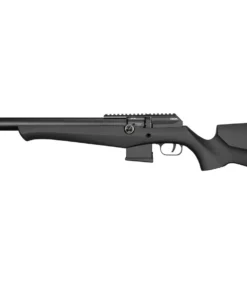
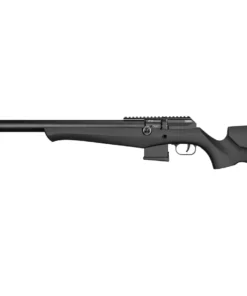
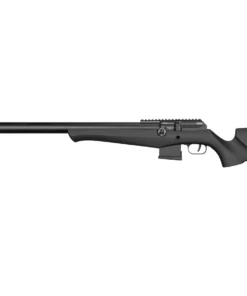
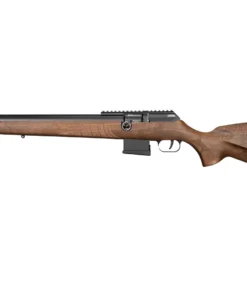
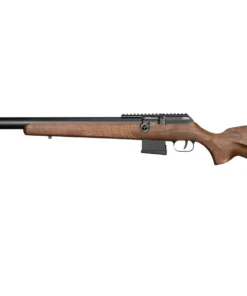
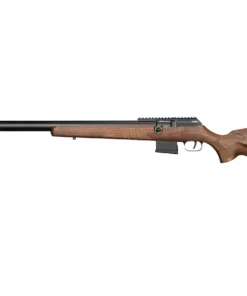
FX DRS MkII Classic PCP Air Rifle

Price range: $900.00 through $1,000.00
Description.
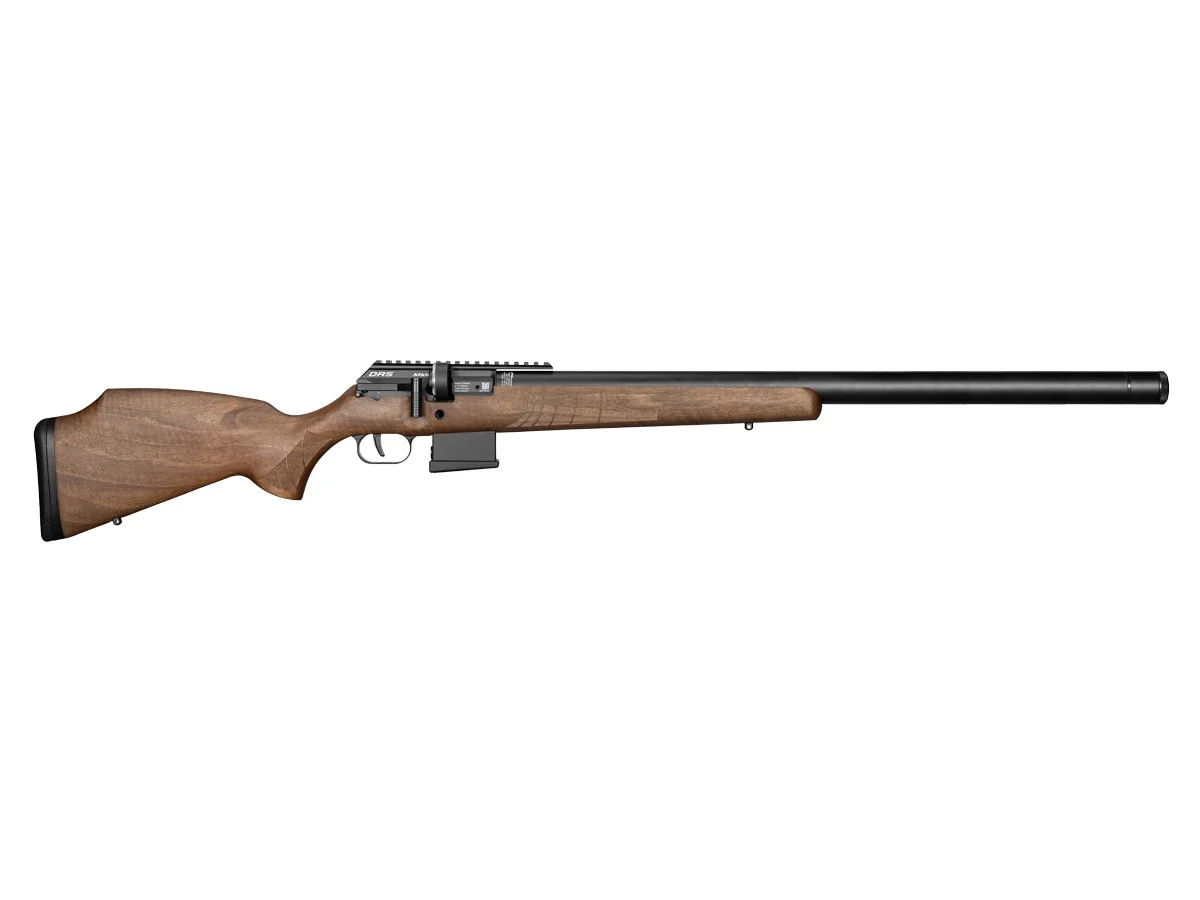
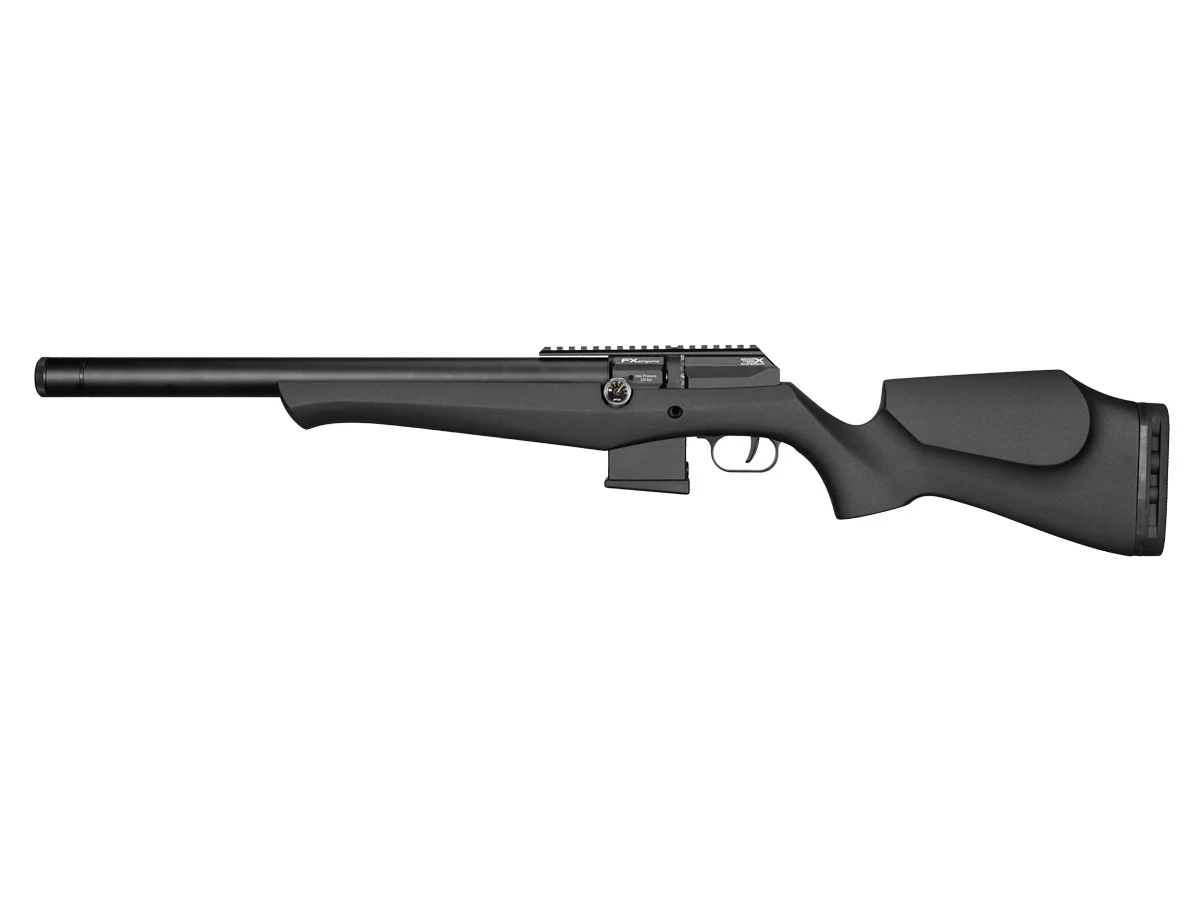
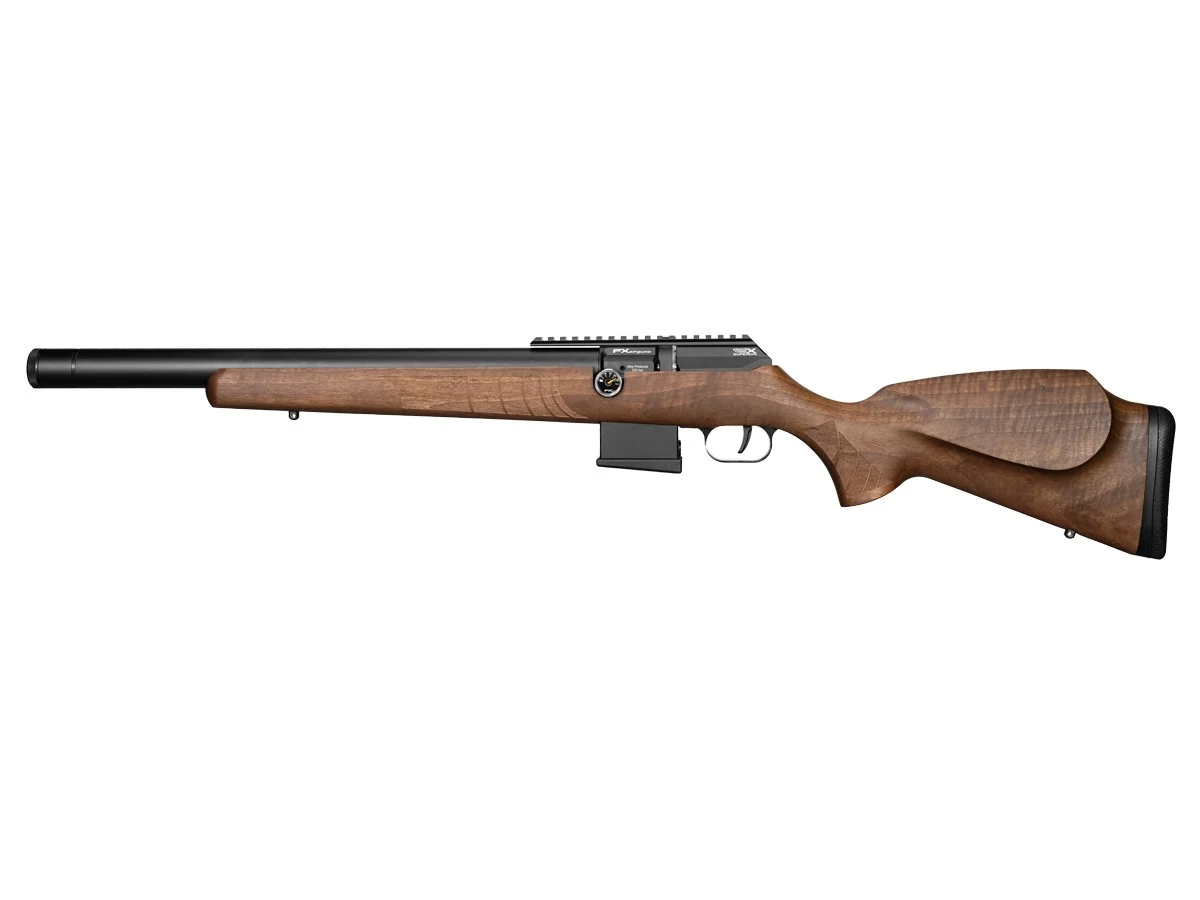
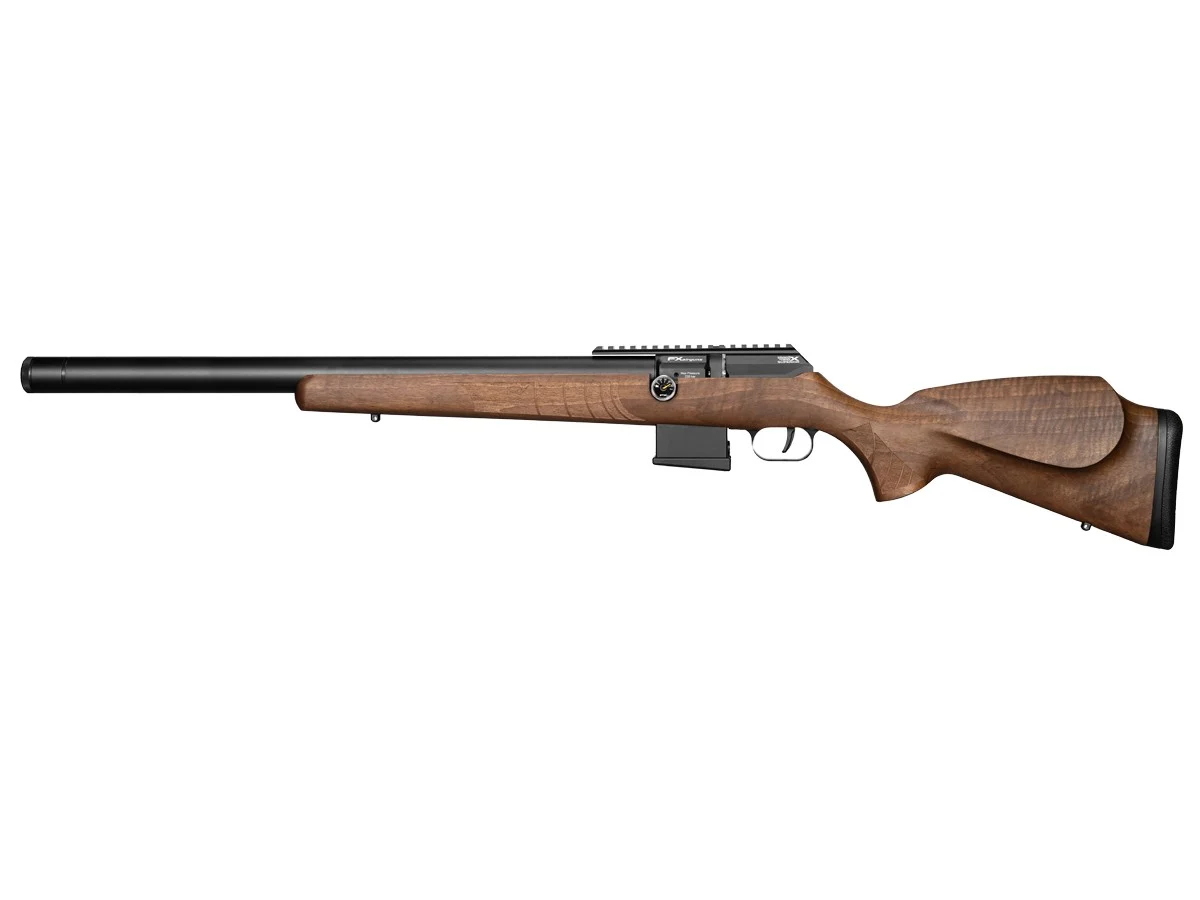
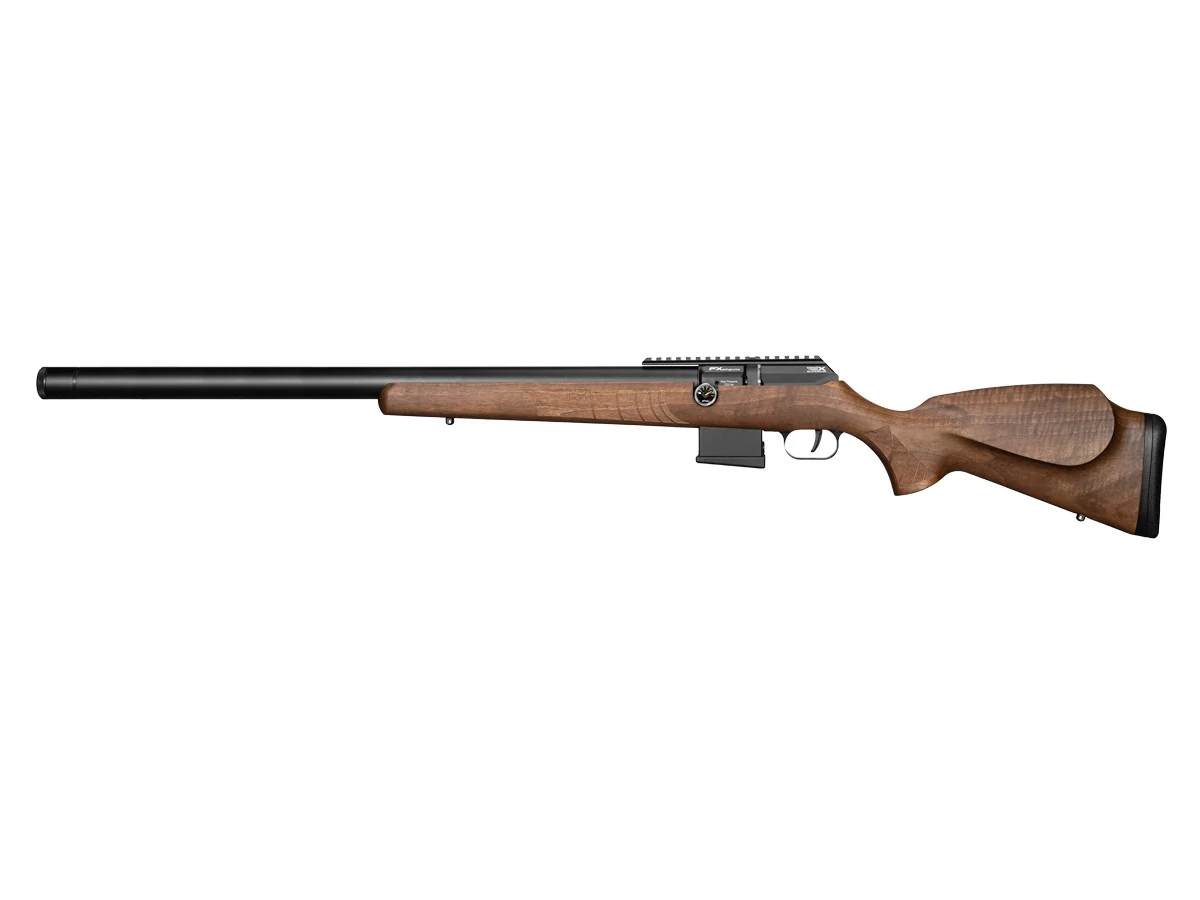
The FX DRS MkII Classic is a PCP air rifle that has upgrades from the previous model while retaining the look and feel of a traditional rifle for high performance for hunting small game such as squirrels and rabbits, as well as competition and target shooting. It still has the accuracy, modularity, and adjustable features shooters have come to depend on from FX.
Key Takeaways
- More power because of better airflow as a result of the barrel inlet that uses Dynamic technology.
- Easier liner swaps that no longer require degassing the airgun because of the updated APB (Air Pressure Barrel) system.
- Smoother and more-consistent performance because of the increased size of the modular Power Plenum.
- Now includes a .30 caliber option in all versions.
- Better accuracy at longer distances and increased scope ring options because of the upgrade to a Picatinny optics rail with a 30 MOA angle on all models.
Increased Power and Performance From Innovative Technology
The FX DRS MkII Classic PCP Air Rifle has a redesigned barrel inlet that uses technology from the Dynamic platform to increase airflow and power while staying efficient. Along with the increased size of the modular Power Plenum and the addition of a .30 caliber option in all versions, this allows the DRS MkII platform to reach new levels of performance and consistency.
Air Pressure Barrel (APB) System Updates
This air rifle includes important updates to the Air Pressure Barrel System that allow the barrel liner to be swapped without the need to degas the air rifle, making liner swaps simple and quick. The APB system places the air cylinder around the barrel, increasing barrel rigidity for added stability, and allows the air rifle to look like a traditional firearm rifle because it does not have a separate air cylinder or bottle.
Performance Tuning With Adjustable Features
The FX DRS MkII Classic has adjustable features that allow shooters to get the best consistency and accuracy, such as the externally-adjustable MKII Regulator. This enables consistent velocity across an entire shot string for different ammo and shooting disciplines. It also has a two-stage adjustable trigger that offers a customized, crisp break that leads to repeatable accuracy.
Increased Long-Range Accuracy With 30 MOA Picatinny Rail
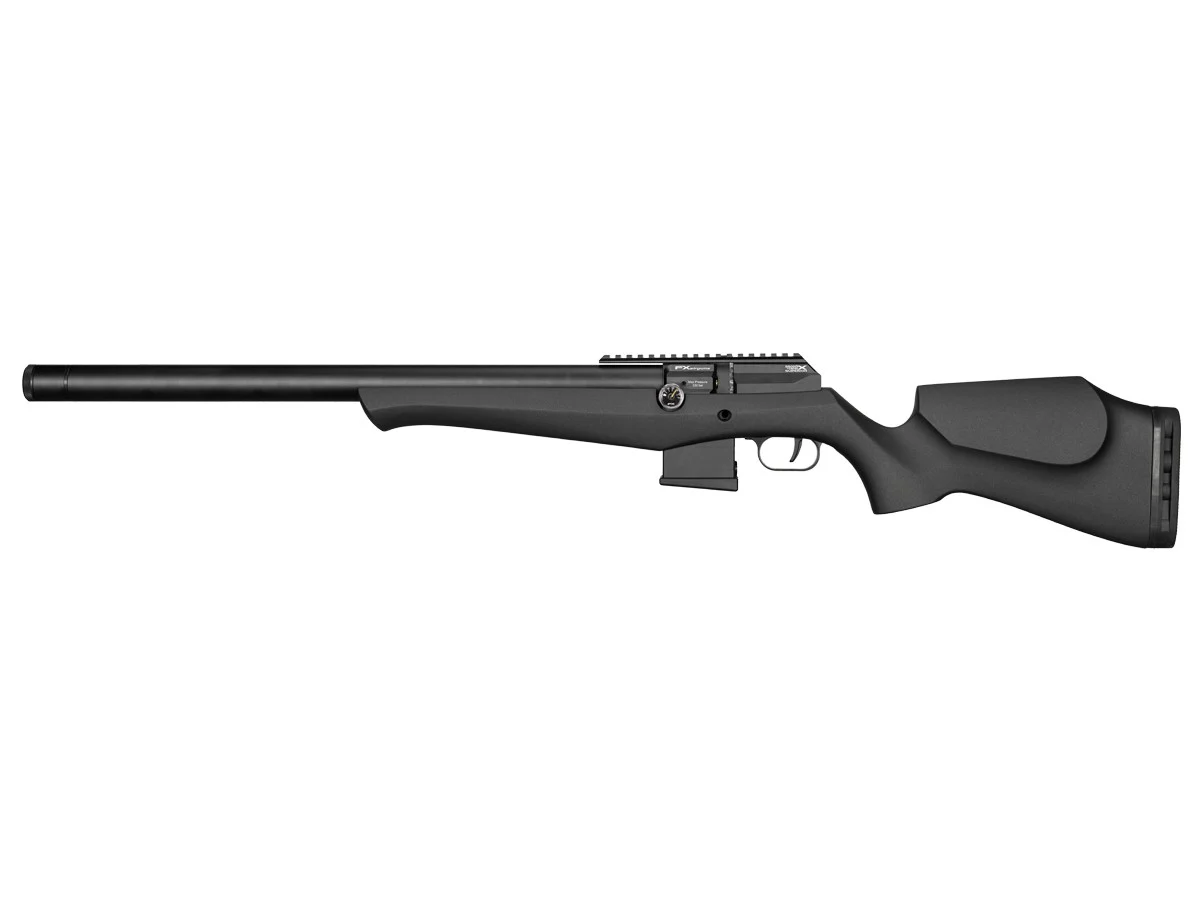
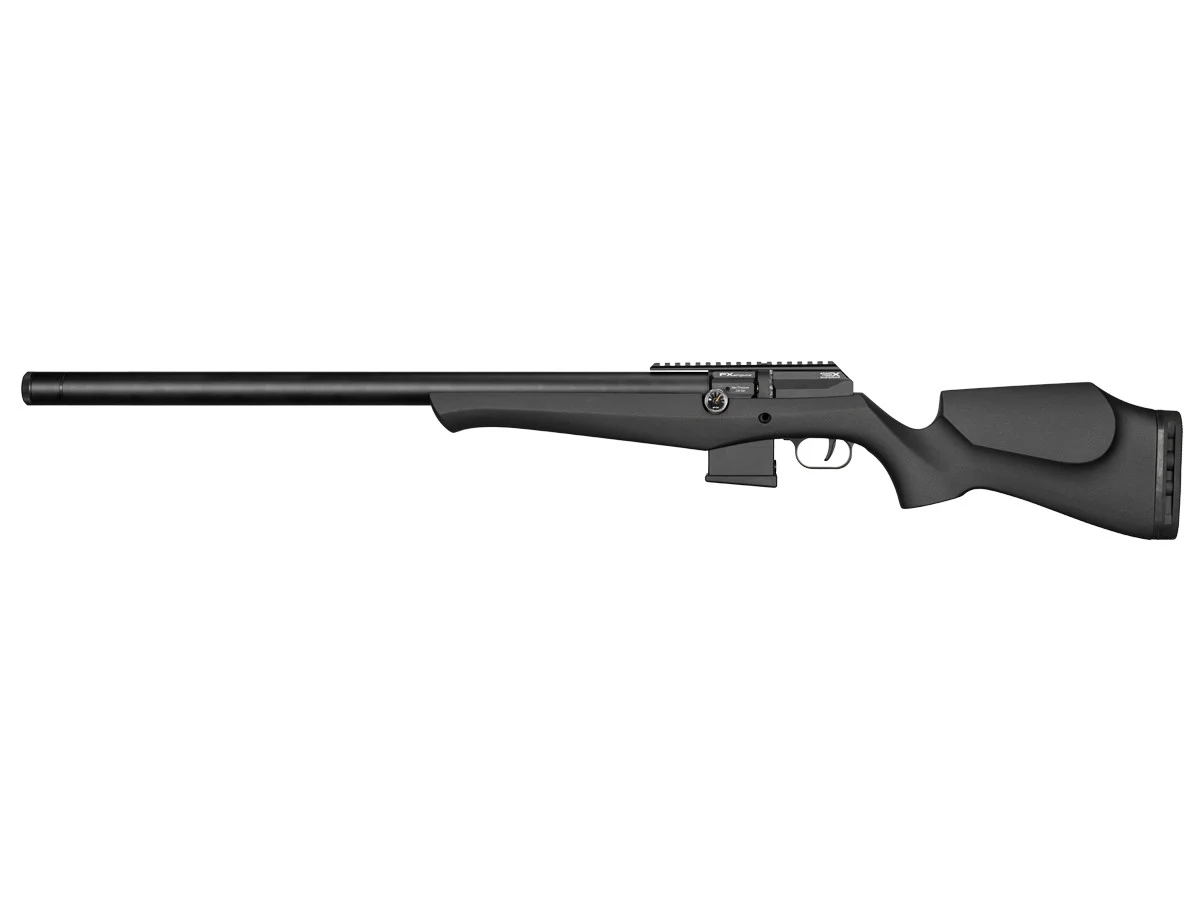
This PCP air rifle now includes a Picatinny optics rail instead of the 11mm dovetail rail on the previous version of the DRS Classic, and it also has a 30 MOA angle built into the rail to improve accuracy across longer distances. The air rifle is available in a version with a Synthetic stock and a version with a Walnut stock, and the Walnut version has sling swivel studs on the front and rear of the stock, as well as texturing on the grip and forearm.
Features and Benefits
| Feature | Benefit |
|---|---|
| Updated APB (Air Pressure Barrel) System | Enables simple and quick liner swaps without degassing the air rifle. |
| Upgraded Barrel Inlet | Delivers increased power because of improved airflow made possible by technology from the Dynamic platform. |
| Larger Modular Power Plenum | Leads to better consistency and smoother performance because of the larger volume of regulated air behind each shot. |
| New .30 Caliber Option | Improves power, performance, and versatility. All models (both the Walnut and Synthetic stocks on the Compact, Standard, and Sniper models) now offer a .30 caliber option. |
| Adjustable Features Including AMP MKII Regulator and Two-Stage Adjustable Trigger | Provides consistent velocities and performance tuning for different types of ammo and shooting styles, as well as a customized break. |
| Picatinny Optics Rail With 30 MOA Angle | Increases accuracy at longer distances and allows the use of Picatinny scope rings. |
Why Buy FX Airguns at Pyramyd AIR
FX Airguns builds air rifles and accessories for shooters who demand the best. Known for driving the airgun industry forward with their innovative designs based on feedback from shooters and dedication to accuracy, FX Airguns makes airguns with a high degree of adjustability and room for customization. From precise barrels to externally-adjustable features such as the AMP MKII regulator, shooters have come to depend on the consistent, powerful performance of FX Airguns.
When you shop at Pyramyd AIR, you’re not just buying airguns and outdoor products. You’re also gaining a partner. We offer fast and free shipping on qualifying orders, a comprehensive loyalty program, and expert pro shop services. Our knowledgeable staff is always ready to assist, and we boast a huge selection of ammo and outdoor accessories. With a legacy since 1996, Pyramyd AIR is your trusted source for all things outdoors. Buy the FX DRS MkII Classic PCP Air Rifle from Pyramyd AIR today.
Additional Resources
- Shop FX Air Rifles
- Stock Up On FX Airguns Ammo
- Explore FX Airguns Accessories
- Discover PCP Air Compressors
- Element Optics Products
FX DRS MkII Classic PCP Air Rifle
- Upgraded Air Pressure Barrel System
- Barrel inlet with Dynamic technology for more power
- 25cc modular Power Plenum
- Sidelever cocking
- Aluminum over-the-barrel cylinder
- Available in Synthetic or Walnut stock
- Fill pressure: 230 BAR/3,335 PSI
- Air capacity: 210cc (Compact), 260cc (Standard), 310cc (Sniper)
- Shots per fill (Compact): 122 (.177), 61 (.22), 29 (.25), 13 (.30)
- Shots per fill (Standard): 135 (.177), 88 (.22), 48 (.25), 20 (.30)
- Shots per fill (Sniper): 185 (.177), 90 (.22), 60 (.25), 31 (.30)
- Max. energy (Sniper)*: 43 FPE (.177), 88.8 FPE (.22), 102 FPE (.25), 126 FPE (.30)
- Magazine capacity: 16 (.177), 14 (.22), 12 (.25), 10 (.30)
- Superior Smooth Twist X barrel
- AMP MKII (Adjustable Match Precision) regulator
- 2-stage adjustable trigger
- Picatinny optics rail with 30 MOA cant
- Foster Quick-Disconnect fill port
- Walnut stock has front and rear sling swivel studs
- Barrel length: 500mm/19.685″ (Compact), 600mm/23.622″ (Standard), 700mm/27.559″ (Sniper)
- Overall length (Synthetic): 33.89″/937mm (Compact), 41.42″/1052mm (Standard), 45.35″/1152mm (Sniper)
- Overall length (Walnut): 37.28″/947mm (Compact), 41.81″/1062mm (Standard), 45.75″/1162mm (Sniper)
- Weight (Synthetic): 5.2 lbs./2.36 kg (Compact), 5.49 lbs./2.49 kg (Standard), 5.78 lbs./2.62 kg (Sniper)
- Weight (Walnut): 5.47 lbs./2.48 kg (Compact), 5.75 lbs./2.61 kg (Standard), 6.04 lbs./2.74 kg (Sniper)
* – At 170 BAR, with Slug Power Kit and SHP DRS Plenum, using: 20gr slug(.177), 40.5gr slug (.22), 45gr slug (.25), 70gr slug (.30)

FX DRS MkII Classic PCP Air Rifle: Refined Sporter Handling, Improved Airflow, and Modern FX Precision
Why Choose the FX DRS MkII Classic?
The strongest reason to choose the fx drs classic is its ability to combine modern pcp airguns technology with traditional sporter ergonomics. Many high end air rifles use complex chassis systems, exposed reservoirs, and extensive accessory rails. By comparison, this model offers a streamlined stock, natural shoulder position, familiar grip angle, and balanced weight distribution.
Consequently, it feels approachable to shooters who prefer a conventional rifle shape but still want regulator-supported consistency, a smooth sidelever, an adjustable trigger, and modern barrel technology.
Buyers searching for an fx air rifle, fx pcp, pcp air gun, premium air gun, advanced pellet gun, or precision-oriented air guns will find that this platform emphasizes control, portability, and practical usability rather than excessive external complexity.
How Does the MkII Pneumatic System Work?
Compressed air is stored in the integrated reservoir surrounding the barrel. When the trigger is pressed, regulated air passes through the valve system and propels the projectile through the rifled barrel.
The enlarged plenum provides a greater volume of regulated air behind the valve, while the improved inlet allows airflow to reach the barrel more efficiently. Therefore, the rifle can support stronger performance without abandoning its slim sporter profile.
The MkII manual also identifies an adjustable hammer-spring system and adjustable trigger-blade position. However, internal pressure, trigger, and power adjustments should remain within manufacturer guidance and should be performed responsibly.
This engineering distinguishes the MkII from a basic spring-powered air gun and contributes to a smoother firing cycle with minimal recoil.
How Good Is Its Precision?
Precision begins with the rigid over-barrel architecture. Supporting the barrel within the pressure system reduces unnecessary movement, while the interchangeable liner arrangement allows compatible barrel components to be selected for different projectile types.
The regulated firing cycle also helps reduce velocity variation. Consequently, properly selected fx pellets can deliver predictable trajectories and repeatable impact points.
Shooters interested in heavier projectiles may evaluate compatible fx halo slugs, although suitability depends on caliber, barrel configuration, legal power limits, and individual tuning.
An fx chronograph or fx pocket chronograph can measure actual velocity, spread, and consistency. These readings provide a more useful basis for trajectory calculation than relying only on advertised figures.
Where and When Should It Be Used?
The MkII Classic is suited to controlled target ranges, authorized private grounds, organized sporting environments, and lawful field use with an adequate backstop.
Its conventional stock profile supports bench, standing, kneeling, sitting, and prone shooting positions. Meanwhile, the integrated reservoir avoids the forward bulk associated with many bottle-fed designs.
Shooters searching for luftgevær products may encounter this model through fx airguns sverige or fx airguns sweden, reflecting the manufacturer’s Swedish headquarters and engineering heritage. North American buyers may instead search through fx airguns usa or fx usa. FX currently maintains headquarters in both Sweden and the United States.
FX DRS Family Comparison
The standard fx drs established the original over-barrel concept, while the MkII improves airflow, plenum volume, caliber flexibility, and internal efficiency.
The fx drs tactical uses a chassis-style configuration with greater accessory compatibility and a more tactical layout. Meanwhile, the fx drs pro is competition-focused, with an advanced chassis, inclined optics rail, match-style trigger, large plenum, and heavy-liner configuration.
Therefore, the fx drs air rifle in Classic form is best suited to shooters who prefer traditional ergonomics and lower visual complexity.
Comparison with the FX Impact Platform
The fx impact family uses a compact bullpup layout with extensive external tuning. Search variations include f x impact, fx impact air rifle, fx impact m3, f x impact m3, fx m3, fx m3 airgun, and fx impact m3 air rifle.
The phrase fx impact m3 .22cal air rifle generally refers to the previous-generation .22-caliber Impact. The supplied phrase fx impact m3 .22cal air rifle. 600mm barrel describes a particular caliber and barrel-length configuration rather than the MkII Classic reviewed here.
The newer fx impact m4, fx m4, impact m4, and impact m4 air rifle introduce a brass-piston AMP MkII regulator, a 75cc power plenum, revised high-capacity magazines, carbon-fiber bottle, valve adjustment, and multiple external controls.
An impact m4 500mm configuration favors compact handling, while searches for fx impact m4 for sale indicate direct purchase intent. The phrase impact m4 ballistic coefficient concerns projectile aerodynamics rather than a permanent rifle specification because ballistic coefficient changes with projectile weight, shape, and velocity.
Comparison with Competition and Long-Range Rifles
The FX Panthera MkII is a competition-focused chassis rifle offered in several calibers and barrel lengths. It emphasizes advanced adjustment, long-range stability, and precision-stage performance. Related searches include fx panthera and fxpanthera.
The fx dynamic and fx dynamics refer to a powerful long-range platform related to the Panthera architecture. Its design emphasizes high airflow, large air capacity, and projectile versatility.
These rifles offer greater competition and slug-shooting specialization, whereas the MkII Classic prioritizes a lighter, cleaner, and more traditional ownership experience.
Comparison with Other FX Models
The fx leopard, fx leopard airgun, and fx leopard air rifle describe a modular bullpup available in tube-fed and bottle-fed configurations. It supports .177, .22, .25, and .30 calibers and focuses on compact versatility.
The fx king combines a traditional stock with a large plenum, carbon-fiber bottle, external tuning, and strong slug capability.
The fx wildcat and fx wildcat mk3 use compact bullpup layouts, while the fx maverick emphasizes tuning flexibility and high air capacity.
The fx dreamline, fx dreamline classic, and wider Dreamline family use a modular architecture that allows one base platform to be converted into several configurations.
The fx crown, fx crown mk2, fx crown mkii, and frequently mistyped fx crown mkll offer premium sporter ergonomics with extensive adjustment and multiple caliber options.
Why the FX Brand Is Important
The name fx airguns, also written as fxairguns, fx air guns, or simply fx, is associated with Swedish pneumatic engineering, regulators, interchangeable liners, advanced airflow systems, and externally adjustable performance.
Through fx outdoors and its international dealer network, the company supports recreational shooters, precision competitors, hunters where lawful, and enthusiasts seeking premium pneumatic equipment.
Ultimately, the FX DRS MkII Classic stands out because it places advanced airflow management, a larger plenum, regulated consistency, interchangeable barrel technology, and modern caliber flexibility inside a clean sporter package. For shooters who want precision without a bulky tactical chassis, it offers one of the most balanced and practical configurations in the current FX range.
Engineering Excellence, Advanced Performance, and Practical Precision
Designed Around Balanced Handling
A well-balanced rifle allows the shooter to remain comfortable while maintaining better control throughout every shooting session. Instead of concentrating weight toward the front or rear, this platform distributes its mass evenly, creating a natural feel when carried or shouldered.
This balanced configuration improves stability during standing shots while also making transitions between multiple targets smoother and more controlled. Whether shooting from a bench, prone position, tripod, or unsupported stance, the rifle remains comfortable during extended periods of use.
The streamlined profile further contributes to excellent maneuverability without sacrificing barrel efficiency or overall performance.
Advanced Airflow Engineering
Consistent performance begins with efficient airflow.
The internal air management system has been engineered to deliver a controlled volume of compressed air during every firing cycle. By carefully regulating pressure before it reaches the valve assembly, the system minimizes velocity fluctuations that could otherwise affect accuracy.
Stable air delivery not only improves shot-to-shot consistency but also helps maximize the usable air supply between refills.
This controlled airflow allows shooters to predict projectile behavior more accurately while reducing unnecessary pressure variation throughout normal operation.
Optimized Internal Components
Every precision rifle depends on the interaction of numerous carefully manufactured internal components.
The valve assembly, regulator, transfer port, hammer system, and barrel interface work together to create a smooth and repeatable firing cycle.
Precision machining reduces internal friction while promoting consistent mechanical movement during every shot.
These engineering improvements contribute to dependable reliability while minimizing unnecessary wear throughout years of regular use.
Precision Barrel Performance
The barrel remains one of the most important contributors to overall accuracy.
High manufacturing tolerances ensure consistent internal dimensions from chamber to muzzle, allowing each projectile to travel through the bore under nearly identical conditions.
The rifling stabilizes the projectile through controlled rotational spin, improving flight stability while reducing unpredictable deviation.
Combined with suitable ammunition and proper shooting technique, this barrel supports repeatable accuracy across a wide range of practical shooting distances.
Smooth Loading and Operation
An efficient loading mechanism contributes to both convenience and shooting rhythm.
Its smooth operation allows the next projectile to be chambered with minimal effort while maintaining a stable shooting position.
Reducing unnecessary movement between shots helps preserve sight alignment and encourages greater consistency during extended practice sessions.
Reliable mechanical operation also minimizes interruptions, allowing shooters to remain focused entirely on target engagement and marksmanship fundamentals.
Adjustable Trigger Characteristics
Trigger control has a direct influence on practical accuracy.
A properly adjusted trigger allows shooters to apply steady pressure without disturbing the sight picture immediately before discharge.
The predictable release encourages better follow-through while reducing unwanted movement during firing.
As shooting distances increase, consistent trigger technique becomes increasingly valuable for maintaining tight shot groups.
Learning to operate the trigger smoothly often provides greater improvements than changing equipment or accessories.
Ergonomics That Support Consistency
Comfort is an essential element of precision shooting.
The stock geometry encourages proper shoulder placement while maintaining a natural head position behind the optic.
Textured gripping surfaces improve control in both dry and wet conditions, while the fore-end provides stable support from multiple shooting positions.
These ergonomic features reduce physical fatigue and help shooters maintain identical body alignment throughout longer practice sessions.
Consistent positioning leads directly to more consistent shooting results.
Maximizing Optical Performance
Proper optic installation allows the rifle to achieve its full potential.
After mounting, the optic should be carefully zeroed at the preferred shooting distance before fine adjustments are made under actual shooting conditions.
Maintaining identical cheek placement and eye relief minimizes aiming inconsistencies while improving repeatability.
Regular inspection of mounting hardware ensures the optic remains securely aligned during repeated use.
A properly configured optical system enhances confidence while supporting precise shot placement.
Understanding External Ballistics
Environmental conditions influence every projectile after it exits the barrel.
Wind remains the primary factor affecting horizontal movement, particularly over longer distances.
Temperature, humidity, atmospheric pressure, elevation, and lighting conditions also influence projectile behavior.
Experienced shooters learn to evaluate these changing conditions before every shot instead of depending solely on scope adjustments.
Observing vegetation movement, airborne dust, or dedicated wind indicators provides valuable information that supports more accurate corrections.
Developing Reliable Marksmanship
Excellent equipment performs best when paired with disciplined shooting habits.
Key principles include:
- Maintaining a stable shooting position.
- Applying smooth trigger pressure.
- Controlling breathing before each shot.
- Following through after discharge.
- Maintaining consistent head position.
- Using identical grip pressure.
- Evaluating environmental conditions.
- Analyzing every shot before making adjustments.
Regular repetition of these fundamentals gradually improves confidence while producing measurable gains in practical accuracy.
Engineered for Years of Dependable Service
Long-term reliability depends on thoughtful engineering, quality materials, and responsible ownership.
Precision-machined components, efficient internal design, and durable construction provide the foundation for dependable operation across thousands of shots.
Routine inspections, preventive maintenance, careful storage, and disciplined handling help preserve mechanical integrity while minimizing unnecessary wear.
With consistent care and regular practice, the rifle continues to deliver reliable performance, repeatable accuracy, and an enjoyable shooting experience throughout many years of recreational target shooting, precision training, competitive practice, and other lawful sporting activities.
Maintenance, Care, and Long-Term Reliability
Creating an Effective Maintenance Routine
Consistent maintenance is essential for preserving accuracy, reliability, and overall mechanical performance. Although precision pneumatic rifles are built using high-quality materials and carefully machined components, regular care ensures that each part continues to function efficiently over many years of use.
After every shooting session, inspect the rifle for dust, moisture, fingerprints, and any visible debris. Wipe the exterior thoroughly with a clean microfiber cloth before storing it. This simple habit helps prevent corrosion while maintaining the overall appearance of the rifle.
Exposed metal surfaces should receive a light application of a protective oil designed for sporting equipment. Excess lubricant should always be removed because accumulated oil attracts dust and contaminants that may interfere with moving parts over time.
Following a routine maintenance schedule significantly reduces unnecessary wear while improving long-term dependability.
Proper Barrel Maintenance
The barrel is one of the most important components influencing long-term accuracy.
Unlike conventional firearms, pneumatic rifles generally produce minimal fouling. As a result, excessive barrel cleaning is unnecessary and may temporarily affect accuracy until the barrel naturally stabilizes again.
Cleaning should normally be performed only when group sizes begin to increase noticeably or after an extended number of shots.
Use pull-through cleaning systems or coated cleaning rods specifically designed for precision air rifles. These cleaning methods protect the rifling while safely removing accumulated residue.
Avoid steel brushes, aggressive solvents, and excessive force because these may damage the internal finish and reduce precision over time.
Caring for the Air System
The compressed-air system requires careful attention to maintain safe and consistent operation.
Always fill the reservoir using clean, dry compressed air from properly maintained equipment. Moisture entering the system may eventually contribute to internal corrosion or premature seal wear.
Introduce air gradually during filling to minimize unnecessary heat buildup and allow pressure to stabilize evenly.
Never exceed the manufacturer’s recommended maximum operating pressure.
Inspect the fill connection, pressure gauge, and surrounding fittings regularly for signs of wear, leakage, or physical damage before each shooting session.
Routine inspection helps identify small issues before they become larger mechanical problems.
Inspecting Seals and Internal Components
Internal sealing components maintain pressure while ensuring efficient operation throughout repeated shooting cycles.
Although these parts are engineered for durability, gradual wear occurs naturally with continued use.
Common indicators that inspection may be required include:
- Gradual pressure loss during storage.
- Reduced shot-to-shot consistency.
- Audible air leakage.
- Lower operating efficiency.
- Unexpected changes in normal firing behavior.
Replacing worn seals promptly restores consistent performance while protecting surrounding mechanical components from unnecessary stress.
Whenever internal servicing becomes necessary, repairs should be completed using appropriate replacement parts and proper service procedures.
Magazine Care and Feeding Reliability
Reliable feeding depends on proper magazine maintenance.
Inspect the magazine regularly for dust, dirt, or foreign material that could interfere with smooth rotation and reliable chambering.
Handle projectiles carefully during loading to prevent deformation before firing.
If cleaning becomes necessary, use compressed air or a clean dry cloth rather than excessive lubrication. Too much lubricant attracts debris and may reduce long-term feeding reliability.
Proper magazine care contributes directly to smooth operation throughout extended shooting sessions.
Protecting Exterior Components
Maintaining the exterior preserves both durability and appearance.
Following use in wet, dusty, or humid conditions, dry every exposed surface thoroughly before storage.
Apply suitable protective products to exposed metal surfaces whenever necessary while cleaning the stock using products appropriate for its material.
Inspect visible screws and mounting points periodically to verify that they remain secure.
Addressing small cosmetic issues early helps prevent unnecessary deterioration over time.
Safe Storage Practices
Proper storage is an important part of responsible ownership.
Always store the rifle unloaded inside a secure cabinet, safe, or protective case that prevents unauthorized access.
A cool, dry location with stable temperature and humidity provides ideal storage conditions while minimizing corrosion and material degradation.
If the rifle will remain unused for an extended period, inspect it occasionally to confirm that pressure levels, seals, and visible components remain in good condition.
Appropriate storage significantly extends service life while preserving dependable performance.
Preserving Long-Term Accuracy
Maintaining accuracy requires both careful equipment maintenance and disciplined shooting habits.
Projectiles should remain clean and free from physical damage before loading.
Optics should be inspected periodically to ensure mounting hardware remains secure and correctly aligned.
Environmental factors such as wind, lighting, humidity, temperature, and elevation should always be considered when evaluating shooting performance because each influences projectile flight differently.
Maintaining detailed shooting records allows shooters to identify combinations of ammunition, distance, and environmental conditions that consistently produce the best results.
Pre-Shooting Inspection Checklist
Before every shooting session, perform a brief inspection to ensure safe and reliable operation.
Recommended checks include:
- Confirm all visible fasteners remain secure.
- Verify optic alignment.
- Inspect the barrel for obstructions.
- Check reservoir pressure.
- Ensure controls operate smoothly.
- Verify proper safety operation.
- Examine the stock for visible damage.
- Confirm overall cleanliness.
Completing these inspections requires only a few minutes while greatly improving confidence and operational reliability.
Safe Maintenance Procedures
Every maintenance task should begin with a complete safety check.
Always verify that the rifle is unloaded before cleaning or inspection.
Keep the muzzle pointed in a safe direction throughout the maintenance process.
Wear appropriate eye protection whenever working around pressurized components or mechanical assemblies.
Avoid attempting complex internal repairs without proper knowledge, tools, and experience. If damaged components are discovered, discontinue use until the necessary repairs have been completed.
Responsible maintenance protects both the equipment and the user.
Long-Term Ownership Advantages
Routine preventive maintenance, careful handling, and proper storage provide lasting benefits throughout the rifle’s service life.
Owners who consistently inspect, clean, and maintain their equipment typically experience improved reliability, more consistent accuracy, fewer unexpected repairs, and lower long-term maintenance costs.
With disciplined care and responsible ownership, the rifle can continue delivering dependable performance for many years of recreational target shooting, precision practice, competitive training, and other lawful sporting applications while maintaining the level of accuracy and reliability expected from a premium pneumatic platform.
Buying Guide, Ownership Experience, and Final Evaluation
Choosing the Right Configuration
Selecting the ideal rifle involves much more than comparing technical specifications. A thoughtful purchase should reflect your intended use, preferred shooting style, experience level, and long-term goals.
Some shooters prioritize lightweight handling for extended outdoor sessions, while others focus on maximum precision for benchrest or competitive disciplines. Understanding how and where the rifle will be used helps determine which configuration best suits individual needs.
Before making a purchase, consider factors such as overall length, weight, stock design, optic compatibility, filling equipment, and the availability of accessories. Evaluating these aspects beforehand leads to greater long-term satisfaction and reduces the likelihood of needing future modifications.
Ideal Applications
A quality pneumatic rifle is versatile enough to perform well across a variety of lawful sporting activities.
It is particularly well suited for:
- Recreational target shooting.
- Precision marksmanship practice.
- Club competitions.
- Skill development.
- Benchrest shooting.
- Long-range practice within appropriate limits.
- Outdoor training on approved ranges.
- Lawful field applications where regulations permit.
Its balanced handling allows shooters to move comfortably between standing, kneeling, prone, seated, and supported shooting positions without compromising stability.
Building Consistent Shooting Skills
Improvement comes through disciplined practice rather than simply increasing the number of shots fired.
Developing consistent habits allows shooters to achieve measurable improvements over time.
Important areas of focus include:
- Maintaining a stable shooting position.
- Practicing controlled breathing.
- Applying smooth trigger pressure.
- Following through after each shot.
- Observing projectile impact.
- Recording shooting conditions.
- Evaluating group consistency.
- Making gradual adjustments rather than dramatic corrections.
Small improvements made consistently often produce greater long-term results than frequent equipment changes.
The Importance of Quality Accessories
Appropriate accessories complement the rifle’s capabilities while improving the overall shooting experience.
A high-quality optic allows precise target acquisition at varying distances.
Stable mounting hardware helps maintain zero during repeated use, while supportive equipment such as bipods, shooting bags, and adjustable rests improve consistency during precision shooting.
Protective carrying cases safeguard the rifle during transportation and storage, while proper cleaning equipment simplifies routine maintenance.
Reliable air filling equipment also contributes significantly to long-term performance by supplying clean, dry compressed air.
Choosing quality accessories enhances convenience while protecting the rifle from unnecessary wear.
Understanding Environmental Factors
Every shooting session is influenced by surrounding environmental conditions.
Wind remains the most significant factor affecting projectile flight, especially as shooting distance increases.
Temperature, humidity, altitude, lighting conditions, and atmospheric pressure also influence external ballistics.
Experienced shooters learn to observe these variables before every shot, making careful adjustments based on actual conditions rather than relying entirely on equipment settings.
Developing environmental awareness improves accuracy while strengthening overall marksmanship skills.
Responsible Ownership
Responsible ownership extends beyond routine maintenance.
Always transport the rifle safely, store it securely, and use it only where shooting activities are legal and appropriate.
Before beginning any shooting session, verify that the target area includes a secure backstop capable of safely stopping every projectile.
Remain aware of nearby people, animals, structures, vehicles, and surrounding property at all times.
Following established safety principles protects both the shooter and the community while promoting responsible participation in shooting sports.
Protecting Your Investment
Regular preventive maintenance significantly extends equipment life.
Cleaning after use, inspecting fasteners, protecting exposed metal surfaces, checking seals, and storing the rifle under appropriate environmental conditions all contribute to dependable long-term performance.
Minor maintenance concerns should be addressed promptly before they develop into more significant mechanical issues.
Preventive care remains one of the most effective ways to preserve reliability while minimizing long-term repair costs.
Long-Term Ownership Benefits
Owning a precision pneumatic rifle provides lasting value when accompanied by proper care and consistent practice.
As familiarity with the equipment grows, shooters often experience improved confidence, greater consistency, and a deeper understanding of precision marksmanship.
Routine maintenance, structured training, and careful handling allow the rifle to maintain dependable performance throughout many years of regular use.
This long-term reliability makes ownership both rewarding and cost-effective.
Who Should Consider This Rifle?
This rifle is an excellent option for individuals seeking a combination of traditional styling, modern engineering, dependable accuracy, and comfortable handling.
It accommodates newcomers who value ease of use while also satisfying experienced shooters looking for refined performance and consistent precision.
Its balanced design allows it to adapt to multiple shooting disciplines, making it a practical investment for enthusiasts interested in long-term skill development rather than short-term trends.
Final Thoughts
A premium pneumatic rifle represents far more than precision engineering alone. Its true value lies in the combination of thoughtful design, reliable performance, responsible ownership, and continuous skill development.
By practicing regularly, maintaining the rifle properly, and applying sound shooting fundamentals, owners can achieve years of dependable accuracy and enjoyable performance. Whether used for recreational target shooting, structured training, competitive events, or other lawful sporting activities, the rifle delivers a balanced combination of precision, durability, comfort, and confidence that continues to reward careful and responsible shooters over the long term.
Be the first to review “FX DRS MkII Classic PCP Air Rifle”
Related products
Uncategorized
Reximex
compressor
Uncategorized
Uncategorized

Uncategorized
JTS Air Rifles
Reviews
There are no reviews yet.