
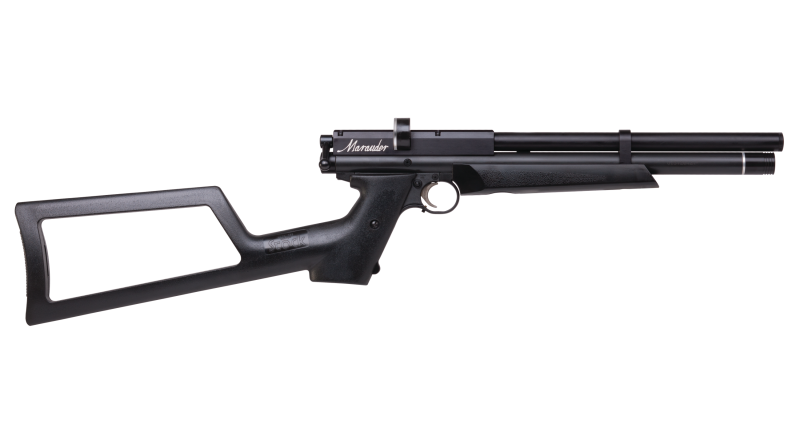
Benjamin Marauder pistol
$250.00
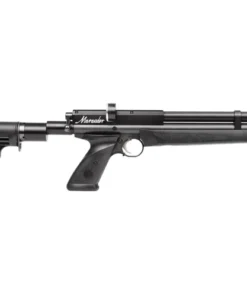
The Benjamin Marauder Pistol is a versatile multi-shot PCP that converts to a compact carbine with the optional shoulder stock. A bolt-action repeating magazine, shrouded barrel for backyard-quiet shooting and genuine hunting power make it one of the best values in PCP.
- Multi-shot bolt-action repeater
- Shrouded barrel keeps it quiet
- Add the shoulder stock to convert to a carbine
- Outstanding power-to-price ratio
Benjamin Marauder Pistol — Compact PCP Precision, Engineering, and Practical Performance
Benjamin Marauder Pistol Engineering, Precision, and Platform Overview
The Benjamin Marauder Pistol is a compact pre-charged pneumatic platform designed around a .22-caliber bolt-action system. Benjamin’s current specifications list an 8-shot rotary magazine, rifled steel barrel, integrated sound suppression, two-stage adjustable trigger, synthetic construction, and up to 30 shots per fill. The current product page lists velocities up to 800 fps, while Benjamin’s 2026 catalog lists the BP2220 at 700 fps and approximately 15 ft-lb, so exact performance should be confirmed for the specific production version.
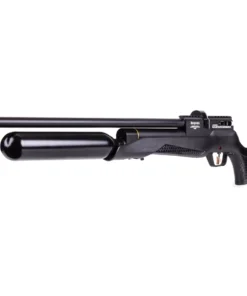
Benjamin Bulldog Magnum Series Bullpup
The Benjamin Bulldog Magnum Series Bullpup belongs to a larger-bore PCP category with a different layout, projectile size, and overall purpose.
Benjamin Air Rifle
A benjamin air rifle may use PCP, gas-piston, or break-barrel technology. The pistol discussed here relies on stored compressed air.
Air Rifle and Air Pistol
The phrase air rifle and air pistol covers platforms with different dimensions, reservoir capacities, handling characteristics, and legal classifications.
Benjamin Bulldog
The benjamin bulldog is a larger PCP platform and should not be mechanically compared directly with this compact .22-caliber design.
Benjamin Air Rifles
Modern benjamin air rifles include several pneumatic configurations, so caliber, action type, pressure system, and magazine capacity should always be checked individually.
Benjamin Break
A benjamin break barrel system develops its firing energy mechanically during cocking, unlike a PCP system that stores compressed air beforehand.
Benjamin Airbow Airgun
A benjamin airbow airgun launches arrows rather than pellets and therefore belongs to a different projectile category.
Benjamin Marauder PCP
The benjamin marauder pcp family is built around compressed-air operation, multi-shot capability, rifled barrels, and precision-focused engineering.
Air Bows Pellet Rifle
The phrase air bows pellet rifle combines two distinct technologies. Airbows propel arrows, while conventional pneumatic pistols and rifles use pellets.
Benjamin Bulldog 457 20 Joules
Searches for benjamin bulldog 457 20 joules may relate to regional energy restrictions and should not be applied to this pistol.
CO2 Pellet Guns
Unlike co2 pellet guns, this platform uses a refillable high-pressure air reservoir rather than carbon-dioxide cartridges.
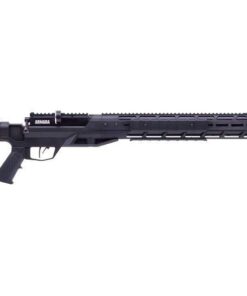
Benjamin Armada
The benjamin armada is another PCP design, although its full-sized rifle chassis and modular architecture differ considerably.
Benjamin Prowler
The benjamin prowler belongs to another product family and uses different mechanical engineering.
Benjamin Marauder Air Rifle Bulldog 357
The phrase benjamin marauder air rifle bulldog 357 combines separate Benjamin platforms with substantially different calibers and configurations.
Benjamin Marauder
The benjamin marauder name is associated with multi-shot pneumatic operation, quiet barrel systems, adjustable triggers, and consistent target performance.
Cal .177 Pellets
cal .177 pellets are common in airgunning, but Benjamin currently specifies .22-caliber ammunition for this model.
Brake Barrel BB Gun
A brake barrel bb gun uses a different powerplant and firing cycle from a high-pressure pneumatic pistol.
Benjamin Pellet Gun
A benjamin pellet gun can describe several platforms, so ammunition caliber and powerplant should always match the exact model.
Benjamin Bow
The benjamin bow category generally refers to pneumatic arrow-launching systems rather than conventional pellet operation.
Benjamin Pellet
A benjamin pellet or another properly matched projectile can affect accuracy because diameter, weight, shape, and manufacturing consistency influence barrel behavior.
Benjamin Air Rifle Repair
Professional benjamin air rifle repair is particularly important when reservoirs, seals, valves, or other pressure-bearing components require servicing.
Benjamin Air Rifle 22 Break Barrel
A benjamin air rifle 22 break barrel may use the same nominal caliber while operating through an entirely different power system.
Benjamin Air Bow
A benjamin air bow uses arrows and therefore requires different ammunition, handling procedures, and maintenance.
Benjamin Marauder .25
The benjamin marauder .25 represents a larger-caliber rifle configuration within the wider family rather than this .22-caliber pistol.
Benjamin Bulldog 457
The benjamin bulldog 457 belongs to a substantially larger-bore pneumatic category.
Benjamin Marauder Pistol
The benjamin marauder pistol uses an 8-shot rotary magazine, rifled and shrouded steel barrel, two-stage adjustable trigger, and PCP powerplant. Benjamin also states that the pistol grip can be replaced with the included synthetic all-weather shoulder stock.
Benjamin Air Pistol
A benjamin air pistol emphasizes compact dimensions while retaining the pressure-management requirements of pneumatic equipment.
Pellet Rifle 1500 FPS
A pellet rifle 1500 fps search focuses on velocity, but velocity alone does not determine precision. Barrel consistency, projectile stability, and air delivery remain critical.
Air Guns for Hunting
air guns for hunting are governed by local laws covering permitted species, caliber, energy, seasons, and lawful use.
177 Pellet Gun
A 177 pellet gun uses smaller-diameter ammunition than the .22-caliber configuration of this platform.
Benjamin Airbow M600
The benjamin airbow m600 belongs to the manufacturer’s arrow-launching pneumatic category.
Benjamin Pioneer Airbow
The benjamin pioneer airbow likewise uses compressed air to propel arrows rather than pellets.
Benjamin Marauder PCP Air Rifle
A benjamin marauder pcp air rifle shares the same basic compressed-air principle but uses longer rifle-oriented dimensions and different reservoir characteristics.
Benjamin Pellet Gun 22 Cal
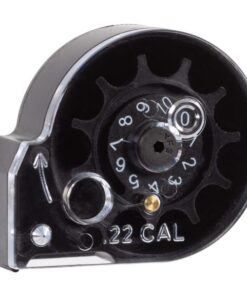
A benjamin pellet gun 22 cal is relevant to this model because its rotary magazine is designed for .22-caliber pellets.
Benjamin Vaporizer
The benjamin vaporizer belongs to another product family and should not be assumed to share the same internal components.
Arrow Gun for Deer Hunting
An arrow gun for deer hunting belongs to a specialized category governed by jurisdiction-specific wildlife regulations.
Benjamin 22 Air Rifle
A benjamin 22 air rifle may use the same nominal projectile diameter while differing significantly in barrel length, reservoir size, and handling.
PCP Benjamin Marauder
The phrase pcp benjamin marauder accurately describes the compressed-air foundation of the wider platform family.
Pneumatic Gun BB Gun Rifle
A pneumatic gun bb gun rifle can describe several technologies, so projectile type, pressure requirements, and barrel design should always be verified.
Benjamibenjamin Nitro Piston 22 Air Rifle for Hunting
The phrase benjamibenjamin nitro piston 22 air rifle for hunting refers to gas-piston technology rather than the PCP system used here.
Why Precision and Compact PCP Engineering Matter
The platform’s main engineering strengths are its compact dimensions, rifled steel barrel, shrouded sound-suppression system, multi-shot magazine, and adjustable two-stage trigger. Benjamin lists an 18-inch overall length and approximately 2.7-pound weight for the current model, which highlights its substantially smaller form compared with a full-length rifle.
Precision, however, depends on the entire system. Projectile quality, pressure stability, barrel condition, optic alignment, trigger control, wind, and shooter consistency all influence point of impact. Proper maintenance and adherence to manufacturer specifications therefore remain essential for predictable long-term performance.
PCP Operation, Accuracy Potential, Compact Handling, Air Management, and Practical Reliability
How the Pneumatic System Works
A pre-charged pneumatic system stores compressed air inside an onboard reservoir before use. When the trigger is activated, the firing system releases a controlled amount of air behind the projectile. That expanding air provides the force required to send the projectile through the rifled barrel.
Because this design does not rely on a heavy spring piston moving during every firing cycle, mechanical vibration can be reduced. As a result, the shot cycle can feel smoother and more predictable. However, stable performance still depends on pressure condition, seal integrity, barrel quality, ammunition consistency, and the mechanical condition of the action.
The reservoir should always remain within the manufacturer’s approved pressure limits. Overfilling should be avoided because excessive pressure can place unnecessary stress on valves, seals, and fittings.
Why Air Consistency Matters
Consistent air delivery helps support repeatable performance.
If substantially different amounts of air are released from one shot to another, projectile velocity may vary. At longer distances, those variations can become more noticeable as vertical spread on the target.
A healthy pressure system should therefore maintain predictable behavior throughout a useful portion of the reservoir’s operating range.
Users should monitor the pressure gauge and become familiar with normal pressure loss during use. Unexpected pressure reduction while the equipment is stored may indicate a worn seal, leaking fitting, or valve problem.
Persistent leakage should be investigated rather than ignored.
Barrel Quality and Projectile Stability
The rifled barrel plays a major role in precision.
Internal grooves cause the projectile to rotate as it travels through the bore. This rotational movement helps stabilize it after leaving the muzzle.
However, barrel quality cannot compensate for damaged or inconsistent ammunition. Differences in projectile diameter, weight, skirt condition, or manufacturing tolerance can affect grouping.
The muzzle crown also deserves careful protection because it influences how the projectile exits the barrel.
Damage around the muzzle may create uneven air release, which can affect consistency.
For this reason, the barrel should be protected carefully during transport and cleaning.
Projectile Selection and Grouping Behavior
Projectile condition can influence both feeding and accuracy.
Bent skirts, dents, contamination, or visible deformation should be avoided when evaluating performance.
Using the same projectile type throughout a testing session helps reduce unnecessary variables. If several different designs are mixed together, it becomes more difficult to determine whether changes in grouping come from the equipment or the ammunition.
Projectiles should also be stored in a clean and dry container.
Consistency in ammunition generally produces more meaningful accuracy results than repeatedly changing projectile types.
Compact Handling Characteristics
Compact dimensions create different handling characteristics from those of a full-length rifle.
A shorter platform can be easier to transport in a suitable case and may feel more manageable in controlled shooting environments.
However, compact size changes balance and the way the shooter establishes a stable position.
The location of the reservoir, barrel, grip, optic, and any approved support system all influence the center of gravity.
A balanced setup can be easier to hold steadily, while poorly distributed weight may increase fatigue.
Ergonomics and Repeatable Positioning
Ergonomics affects practical consistency.
Grip position, eye alignment, shoulder contact where applicable, and overall body posture should remain as repeatable as possible.
If the shooter constantly changes position, the relationship between the eye and sighting system can also change.
A comfortable position helps reduce muscular tension in the hands, arms, and shoulders.
Reducing unnecessary tension is important because small involuntary movements can affect the sight picture.
Comfort should therefore be viewed as part of repeatability rather than simply convenience.
Trigger Control and Stability
A predictable trigger can help reduce movement immediately before the shot.
Pressure should be applied smoothly while sight alignment is maintained.
Abrupt trigger movement may disturb the platform and widen groups even when the mechanical system itself is accurate.
Consistent finger placement can help improve repeatability.
Any trigger adjustment should remain within the manufacturer’s approved limits.
If the trigger begins to feel unusually light, heavy, rough, or inconsistent, the equipment should be inspected before further use.
Magazine Reliability
A clean and undamaged magazine is important for smooth operation.
Dust, dirt, damaged projectiles, or worn components can interfere with feeding.
Ammunition should therefore be inspected before loading.
If unusual resistance develops, the mechanism should not be forced.
Instead, the equipment should be made safe and inspected carefully.
Magazines should also be protected from impact during storage and transportation.
Routine cleaning and careful handling can help maintain dependable feeding over time.
Optic Stability and Sight Alignment
A securely mounted optic is essential for repeatable aiming.
Mounting rings, bases, and fasteners should remain properly tightened, but excessive force should be avoided.
Overtightening can damage threads, mounting components, or the optic itself.
If the point of impact changes unexpectedly, the sighting system should be checked before assuming that the barrel or pressure system has developed a fault.
Consistent eye placement also matters.
Changing head position can alter the sight picture and make accuracy appear less stable.
Environmental Influence
Wind, temperature, and humidity can influence practical performance.
Wind can move lightweight projectiles away from the intended point of impact, particularly as distance increases.
Temperature may affect seals, lubricants, and pressure behavior.
Very cold conditions can reduce the flexibility of some sealing materials, while excessive heat can increase stress inside pressurized systems.
Humidity introduces another concern because prolonged exposure to moisture can contribute to corrosion.
After use in damp conditions, external surfaces should be dried before storage.
Maintenance and Long-Term Reliability
Preventive maintenance helps preserve consistent performance.
Pressure retention, visible seals, magazines, optic mounts, barrel condition, and external fasteners should all be checked periodically.
Only suitable lubricants should be used because incorrect products may damage sealing materials or create problems inside high-pressure components.
Internal pressure-bearing parts should not be dismantled casually.
Long-term reliability ultimately depends on careful pressure management, clean filling equipment, stable optics, suitable ammunition, proper storage, and regular inspection. When these factors are managed consistently, the platform is more likely to maintain predictable accuracy, smooth operation, and sound mechanical condition over extended use.
Precision Behavior, Ergonomics, Environmental Effects, Component Care, and Long-Term Performance
Precision in Practical Shooting Conditions
Precision depends on a combination of mechanical consistency, projectile quality, air delivery, sight alignment, trigger control, and shooter technique. A compact pneumatic platform can deliver repeatable results when these variables remain stable, but even small changes may influence grouping.
For meaningful testing, the same projectile type, shooting distance, pressure range, and support method should be maintained throughout the session. This makes it easier to determine whether changes come from the equipment, the environment, or the shooter.
Consistency over several groups is usually more informative than one unusually tight result. Therefore, accuracy should be evaluated through repeatable performance rather than a single isolated shot pattern.
Barrel Condition and Projectile Stability
The barrel is one of the most important components influencing precision.
Internal rifling causes the projectile to rotate as it travels through the bore. This rotational movement helps stabilize it after leaving the muzzle and contributes to predictable flight behavior.
However, barrel condition must remain consistent. Dirt, residue, physical damage, or wear around the muzzle can affect projectile release.
The muzzle crown deserves special attention because it influences the final release of air around the projectile. Even minor damage may reduce grouping consistency.
For this reason, the barrel should be protected carefully during transport, maintenance, and storage.
Ammunition Quality and Consistent Grouping
Projectile quality plays a direct role in practical accuracy.
Differences in weight, diameter, skirt shape, or manufacturing tolerance can affect how individual projectiles engage the rifling.
Damaged ammunition can create even greater variation. Bent skirts, dents, contamination, or visible deformation may interfere with both feeding and stable flight.
For controlled testing, one consistent projectile type should be used throughout the session.
Ammunition should also be stored in a clean, dry container where it is protected from impact.
This helps reduce unnecessary variables and provides more reliable accuracy data.
Compact Handling and Balance
Compact dimensions can make a pneumatic platform feel noticeably different from a full-length rifle.
The relationship between the reservoir, barrel, grip, optic, and any approved support system determines the overall center of gravity.
A balanced configuration can feel stable without requiring excessive muscular effort.
However, adding heavy optics or accessories can shift the balance and change the way the platform handles.
This may affect comfort during longer target sessions.
For this reason, accessory selection should consider weight distribution as well as function.
Ergonomics and Repeatable Positioning
Ergonomics can influence practical precision because the shooter must establish the same position repeatedly.
Grip placement, eye alignment, shoulder contact where applicable, and overall posture should remain as consistent as possible.
If the shooting position changes from one shot to the next, the sight picture can also change.
A comfortable position helps reduce unnecessary muscular tension in the hands, arms, and shoulders.
That reduction in tension can improve stability and make longer sessions easier to manage.
Comfort should therefore be viewed as part of consistency rather than simply convenience.
Trigger Control and Shot Release
Trigger control is one of the final steps in the aiming process.
Pressure should be applied smoothly and gradually while maintaining sight alignment.
Abrupt movement can disturb the platform immediately before the shot and widen groups.
Consistent finger placement can help reduce variation between shots.
Any adjustment should remain within the manufacturer’s approved limits.
If the trigger begins to feel unusually heavy, light, rough, or inconsistent, the equipment should be inspected before continued use.
Optic Stability and Sight Alignment
A secure optic is essential for repeatable aiming.
Mounting rings, bases, and fasteners should remain properly tightened, but overtightening should be avoided.
Excessive force can damage threads, mounting components, or the optic itself.
If the point of impact changes unexpectedly, the sighting system should be checked before assuming that the barrel or air system is responsible.
Consistent eye position is equally important.
Changing head placement can alter the sight picture and create apparent accuracy problems even when the optic remains secure.
Pressure Behavior During Use
The air reservoir gradually loses stored pressure as the platform is used.
Performance can remain stable through a useful portion of the pressure range, but eventually changes may become noticeable.
Monitoring the pressure gauge helps prevent operation too far outside the preferred range.
Unexpected pressure loss during storage may indicate a worn seal, leaking fitting, or valve issue.
Persistent leakage should be investigated rather than ignored.
High-pressure components should always be treated carefully because they may retain substantial stored energy.
Magazine Condition and Feeding Reliability
A clean and undamaged magazine supports dependable operation.
Dust, debris, or deformed projectiles can interfere with feeding.
If unusual resistance develops, the mechanism should not be forced.
The platform should instead be made safe and inspected carefully.
Magazines should also be protected from impact during transportation and storage.
Routine cleaning and careful handling can help maintain smooth operation over time.
Environmental Effects on Accuracy
Wind, temperature, and humidity can all influence practical performance.
Wind can move lightweight projectiles away from the intended point of impact, especially as distance increases.
Temperature may affect seals, lubricants, and pressure characteristics.
Very cold conditions can reduce the flexibility of some sealing materials, while excessive heat can place additional stress on pressurized components.
Humidity is another concern because moisture can contribute to corrosion.
After use in wet or humid conditions, external surfaces should be dried before storage.
Cleaning and Surface Protection
Cleaning should be performed carefully and only when necessary.
The barrel should not be cleaned aggressively because unsuitable tools can damage the bore or muzzle crown.
External metal surfaces should be wiped after use, especially in humid environments.
Protective maintenance is generally more effective than unnecessary disassembly.
If accuracy begins to decline, ammunition, pressure level, optic stability, and shooting technique should also be checked before assuming that the barrel requires cleaning.
Long-Term Reliability
Long-term performance depends heavily on preventive maintenance.
Pressure retention, visible seals, magazines, optic mounts, fasteners, barrel condition, and external surfaces should all be inspected periodically.
Small changes in sound, feeding, trigger feel, pressure behavior, or accuracy can provide early warning that servicing is required.
Proper storage also matters. A dry, secure environment helps protect both internal and external components.
Ultimately, dependable performance comes from careful pressure management, suitable ammunition, stable optics, clean magazines, consistent shooting technique, and regular inspection. When these factors are managed properly, the platform is more likely to maintain predictable accuracy, reliable operation, and sound mechanical condition throughout extended use.
Air Efficiency, Handling Comfort, Maintenance, Storage, and Long-Term Reliability
Air Efficiency and Stable Operation
Air efficiency is a major part of how a pre-charged pneumatic platform performs during repeated use. Because the system relies on compressed air stored in an onboard reservoir, the way that air is released directly affects consistency, pressure stability, and overall reliability.
A well-functioning system should use compressed air efficiently rather than wasting unnecessary volume during each firing cycle. When the valve, seals, and pressure components are operating correctly, the platform can maintain more predictable behavior throughout a useful portion of the reservoir’s operating range.
However, efficiency is influenced by several factors. Projectile weight, starting pressure, temperature, seal condition, and the general condition of the firing system can all affect how quickly stored air is consumed.
For this reason, performance should not be judged by shot count alone. Pressure behavior and consistency are equally important.
Why Pressure Management Matters
The reservoir is designed to work within a defined pressure range. Maintaining the correct pressure helps protect internal components and supports more predictable operation.
Overfilling should always be avoided. Excessive pressure can place unnecessary stress on seals, valves, fittings, and other pressure-bearing parts.
Higher pressure does not automatically produce better performance. In some cases, operating outside the intended range can actually reduce consistency.
Likewise, allowing the reservoir pressure to fall too low can affect shot behavior.
Regularly checking the pressure gauge helps the user understand normal operation and identify unusual changes before they become more serious.
Filling Equipment and Clean Air
The filling process has a direct impact on long-term reliability.
Any filling equipment used should be properly rated for the required pressure. Connections should also remain clean before being attached to the fill port.
Dust, dirt, or debris can enter the system if the fill connection is not protected.
Moisture is another important concern, especially in humid environments. Repeated introduction of damp air can contribute to internal corrosion over time.
Appropriate filtration and moisture control can help reduce this risk.
The fill port should also remain covered or protected when it is not in use.
Handling Balance and Weight Distribution
Handling quality is influenced by how weight is distributed across the platform.
The barrel, reservoir, grip, optic, and any approved accessories all contribute to the overall center of gravity.
A balanced setup generally feels more stable because less muscular effort is required to maintain alignment.
However, adding heavy optics or accessories can shift the balance forward, upward, or rearward.
This may change the way the platform feels during extended use.
For that reason, accessory selection should consider overall handling rather than function alone.
Ergonomics and Shooting Comfort
Ergonomic comfort supports consistency.
A natural grip position, proper eye alignment, and relaxed posture can help reduce unnecessary movement.
If the shooter must hold the platform awkwardly, tension can develop in the hands, arms, and shoulders.
That tension may reduce stability and make the sight picture more difficult to control.
A comfortable setup makes it easier to repeat the same position from one shot to the next.
The goal is not simply comfort. The more important objective is repeatability.
Trigger Consistency
A predictable trigger contributes to stable performance.
Pressure should be applied smoothly and gradually while maintaining sight alignment.
Abrupt movement can disturb the platform immediately before the shot.
Consistent finger placement can also help reduce variation.
Any adjustment should remain within manufacturer-approved limits.
If the trigger begins to feel unusually heavy, light, rough, or inconsistent, the platform should be inspected before further use.
Magazine Care and Feeding Reliability
The magazine should remain clean and undamaged for dependable operation.
Dust, debris, or damaged projectiles can interfere with proper feeding.
Ammunition should therefore be inspected before loading.
If unusual resistance develops, the mechanism should not be forced.
The platform should instead be made safe and inspected carefully.
Magazines should also be protected from impact during transportation and storage.
Routine cleaning and careful handling can help prevent feeding problems over time.
Barrel Protection and Cleaning
The barrel should be treated as a precision component.
The muzzle crown is especially important because it influences the final release of the projectile.
Damage to this area can reduce consistency even if the rest of the barrel remains in good condition.
Cleaning should only be performed when necessary.
Excessive or aggressive cleaning can cause unnecessary wear, particularly when unsuitable tools are used.
If accuracy begins to decline, other causes should also be checked before assuming that the barrel requires cleaning.
Pressure level, ammunition condition, optic stability, and shooting technique can all affect grouping.
Optic Stability and Sight Alignment
A secure optic is essential for repeatable aiming.
Mounting screws, rings, and bases should remain properly tightened, but overtightening should be avoided.
Excessive force can damage threads, mounting hardware, or optic components.
If the point of impact changes unexpectedly, the sighting system should be checked before assuming that the pressure system or barrel is responsible.
Consistent eye placement also matters.
Changing head position can alter the sight picture and create apparent accuracy problems.
Environmental Effects on Performance
Wind, temperature, and humidity can all influence practical performance.
Wind can move lightweight projectiles away from the intended point of impact, especially as distance increases.
Temperature may affect seals, lubricants, and pressure characteristics benjamin nitro piston 22 air rifle for hunting.
Very cold conditions can reduce the flexibility of some sealing materials, while excessive heat can place additional stress on pressurized systems.
Humidity creates another concern because prolonged exposure to moisture can contribute to corrosion.
After use in damp conditions, external surfaces should be dried before storage.
Storage and Transport
Proper storage helps protect both the equipment and the people around it.
The platform should be unloaded and secured whenever it is not in use.
A protective case can help reduce damage during transportation.
However, equipment should be dry before being enclosed for long periods.
Moisture trapped inside a case can contribute to corrosion.
Direct sunlight, extreme heat, and prolonged exposure to damp conditions should also be avoided.
Applicable local storage and transport requirements should always be followed.
Preventive Maintenance and Long-Term Reliability
Preventive maintenance is one of the best ways to preserve dependable performance.
Pressure retention, visible seals, magazines, optic mounts, fasteners, barrel condition, and external surfaces should all be inspected periodically.
Small changes in sound, feeding, trigger feel, pressure behavior, or accuracy can provide early warning that servicing may be required.
High-pressure internal components should be treated cautiously because they may retain significant stored energy.
Long-term reliability ultimately depends on careful pressure management, clean filling practices, stable optics, suitable ammunition, proper storage, and regular inspection. When these factors are managed consistently, the platform is more likely to maintain predictable accuracy, dependable operation, and sound mechanical condition throughout extended use.
Be the first to review “Benjamin Marauder pistol”
Related products

Benjamin

Benjamin


Benjamin
Reviews
There are no reviews yet.