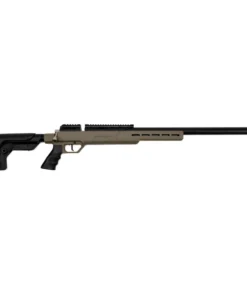
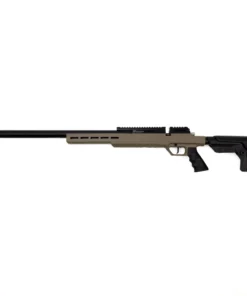
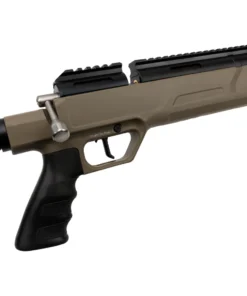
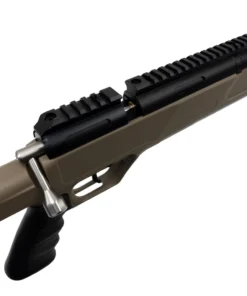
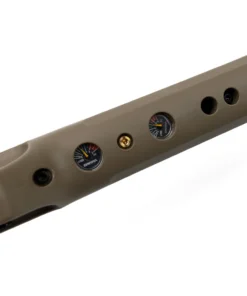
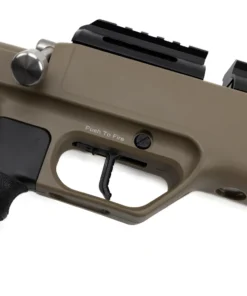
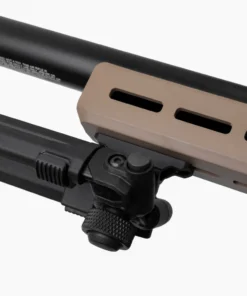
250z .22 – Tan
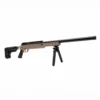
$300.00
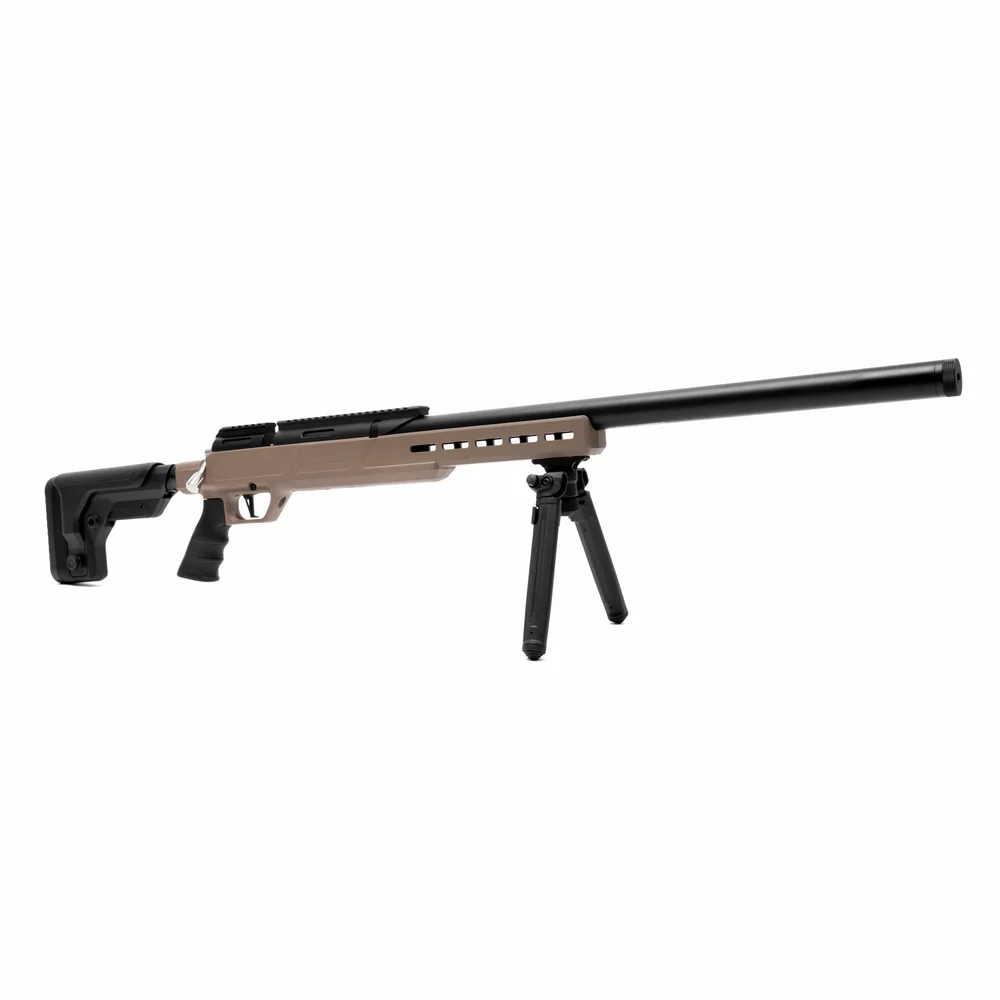
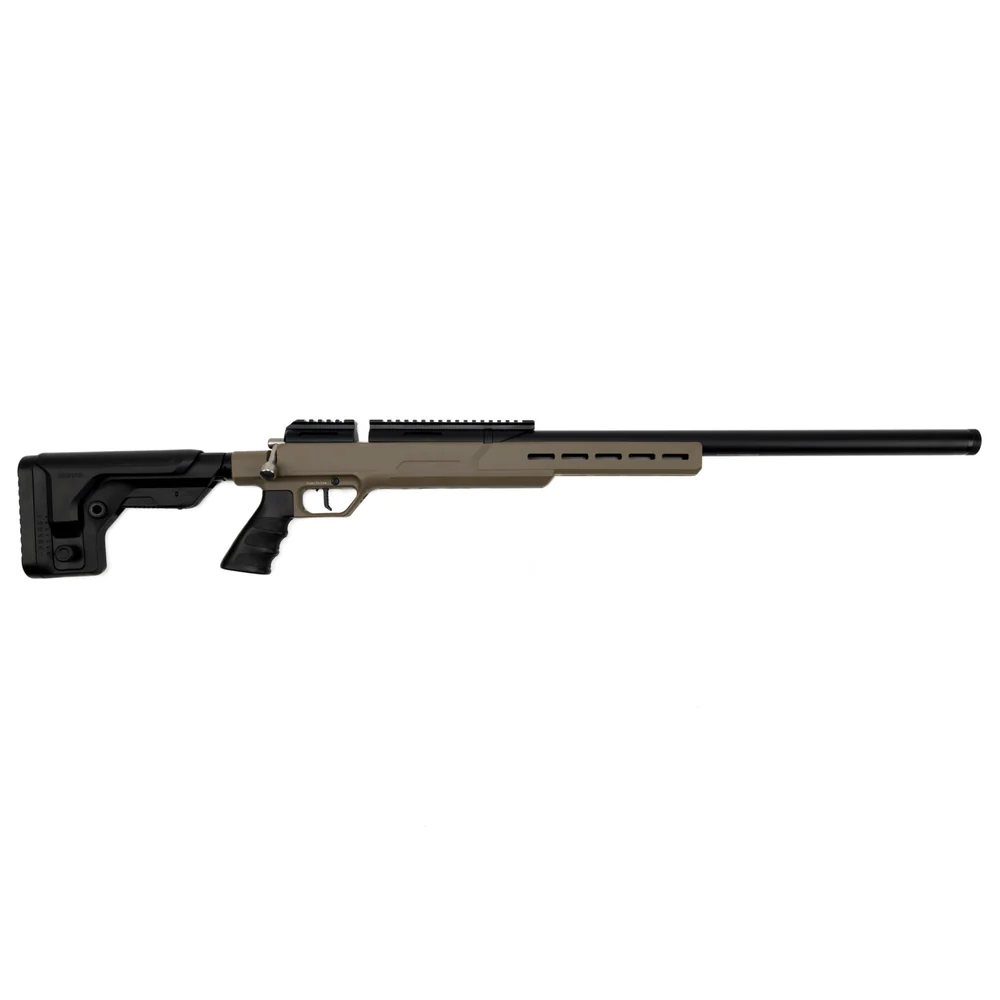
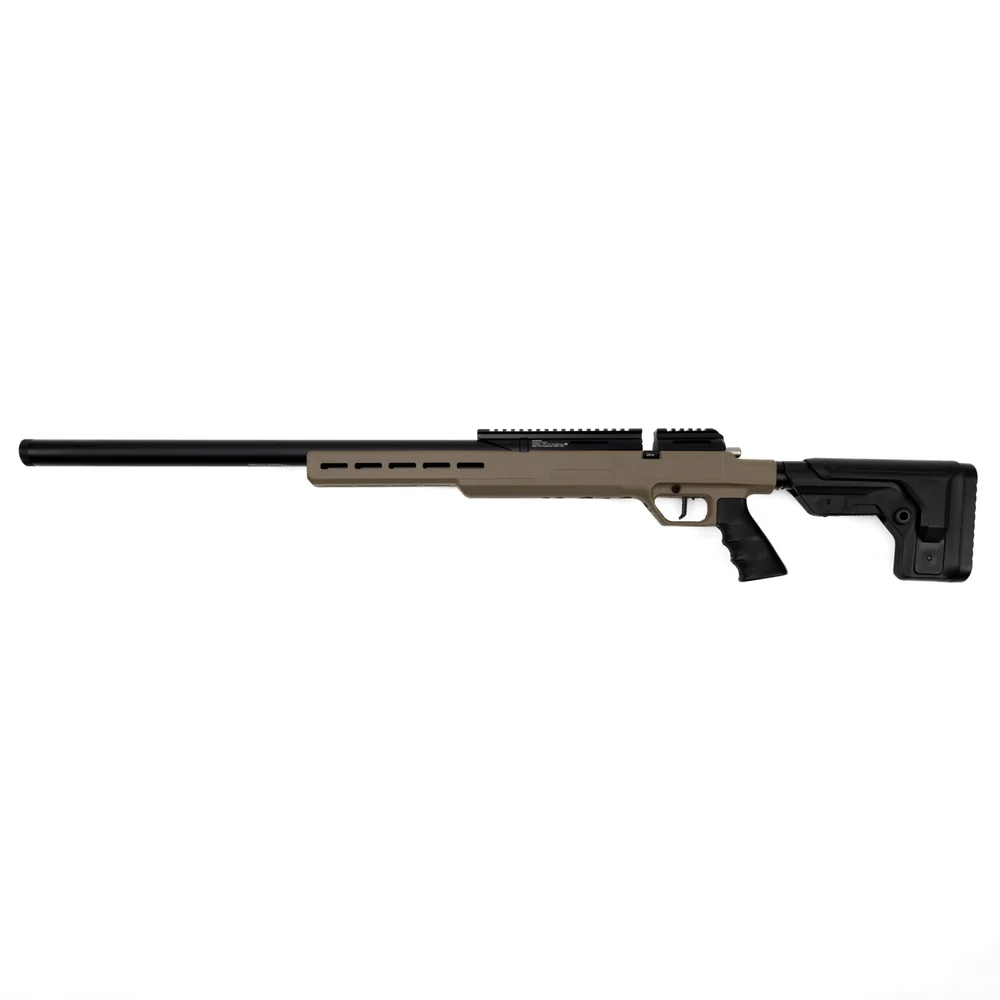
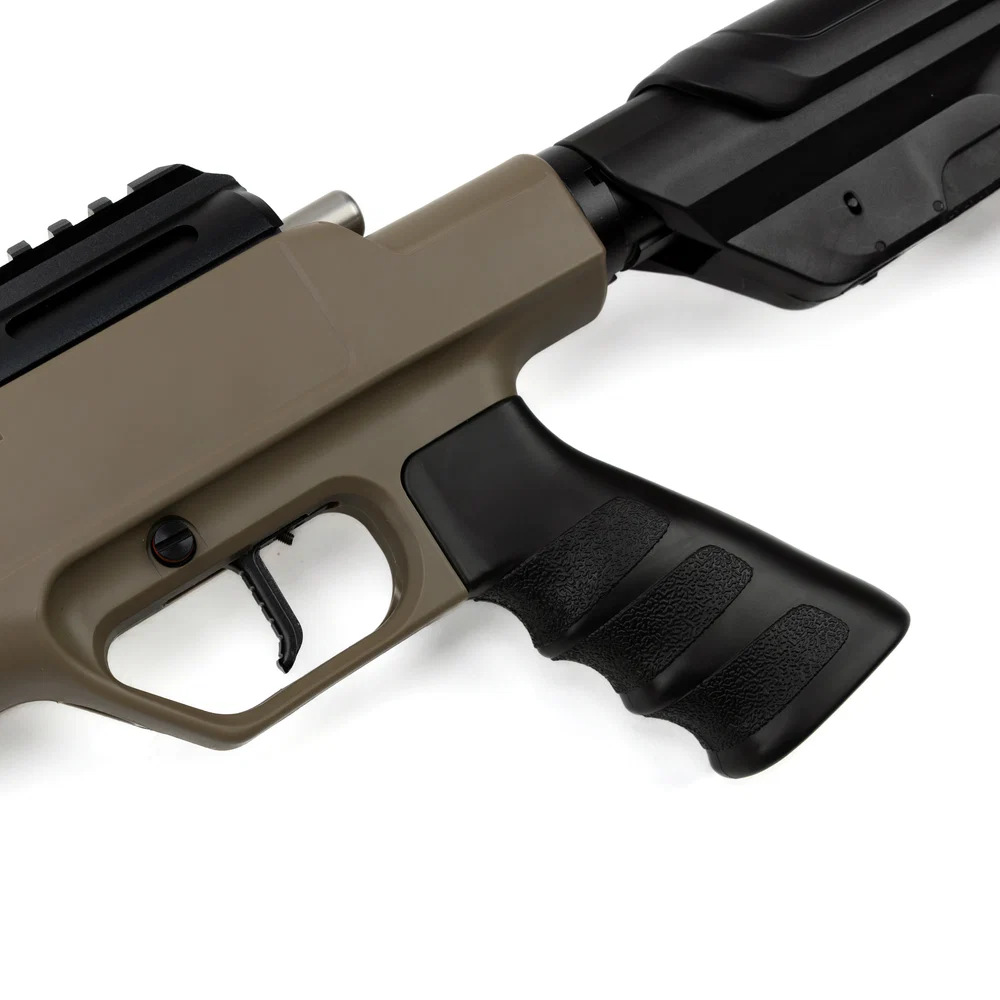
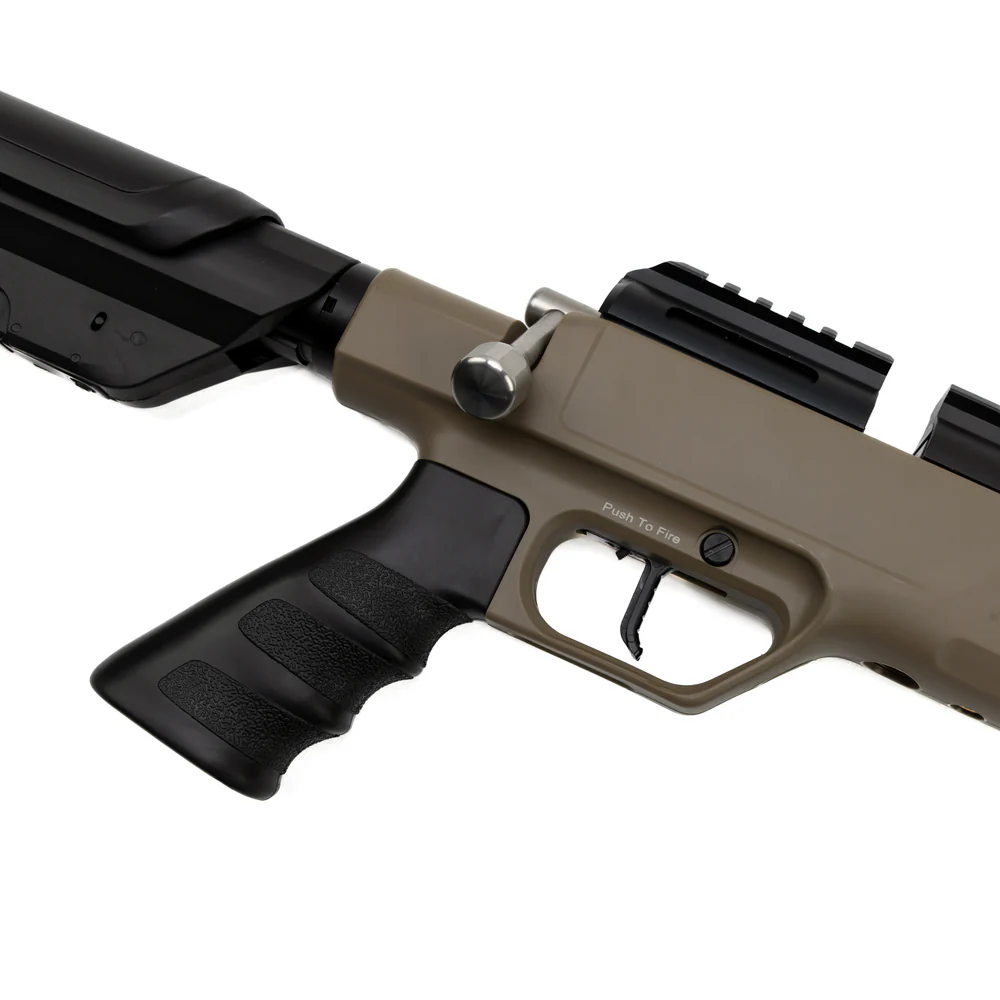
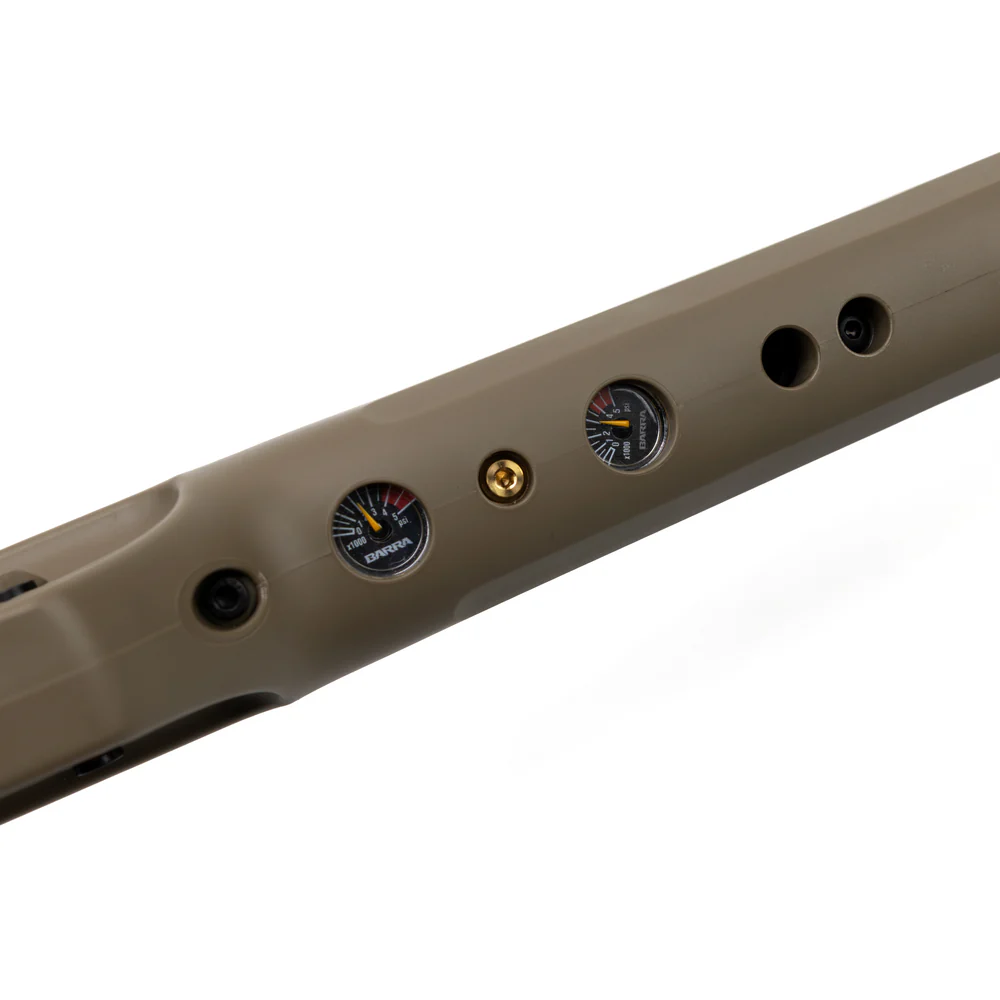
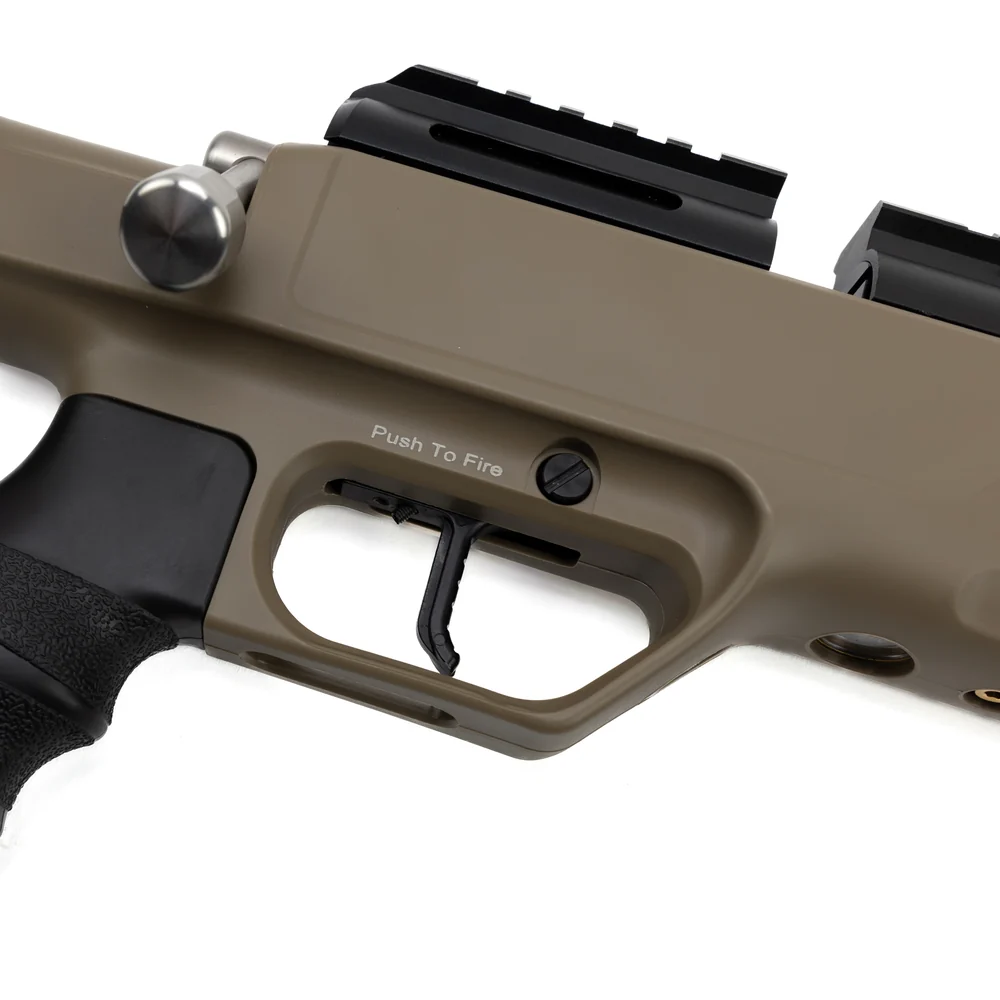
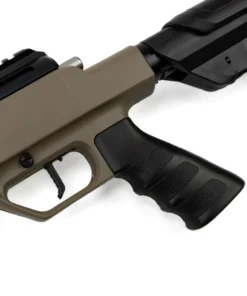
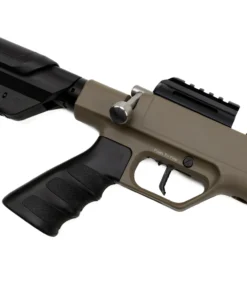
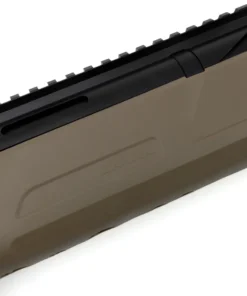
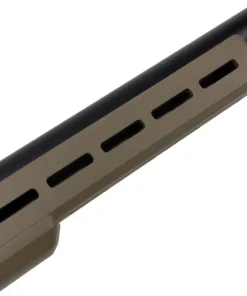
The 250z is powered by a precharged pneumatic (PCP) system, offering smooth and consistent shots with a high-pressure 3625 psi fill and a 322cc air reservoir. The bolt-action system enables quick chambering, while the 10-shot magazine ensures you’re always ready for rapid follow-up shots. With an externally adjustable regulator, hammer spring adjustment, and 2-stage trigger you have full control over the rifle’s power and efficiency, tailoring it to your shooting preferences.
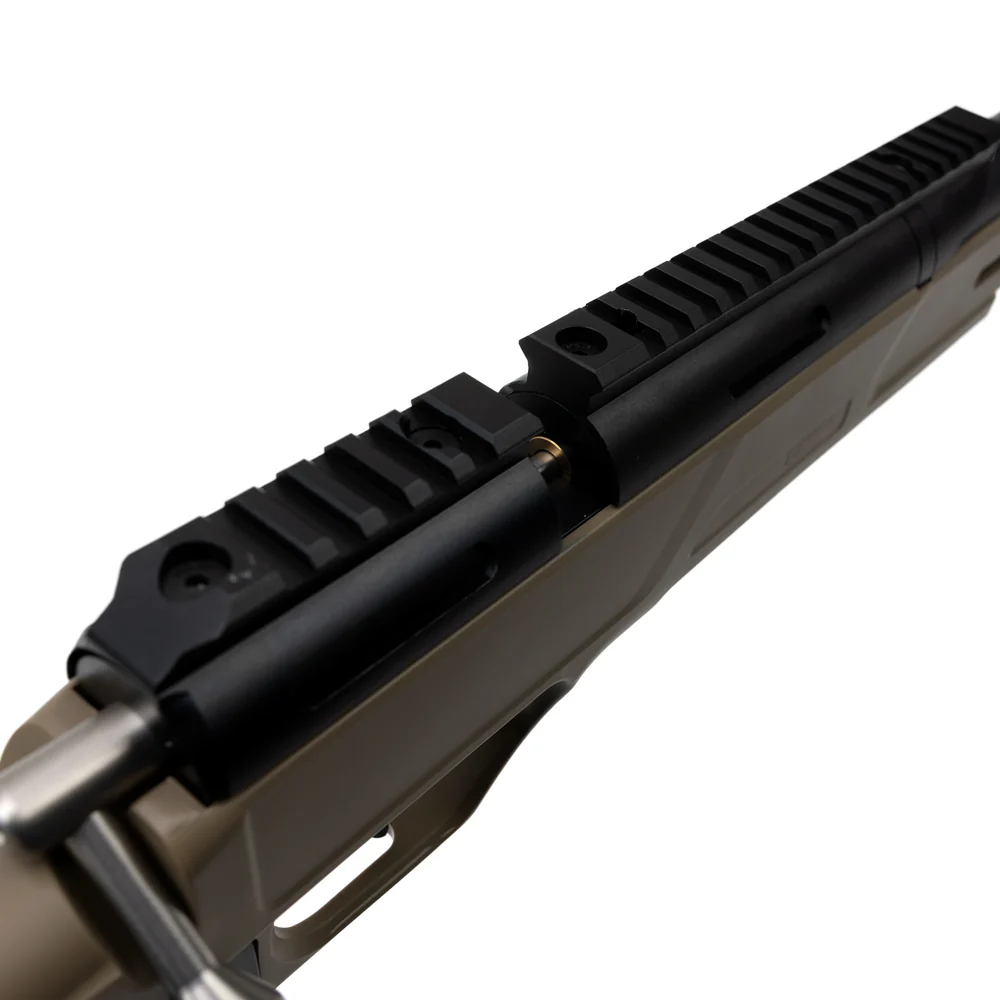
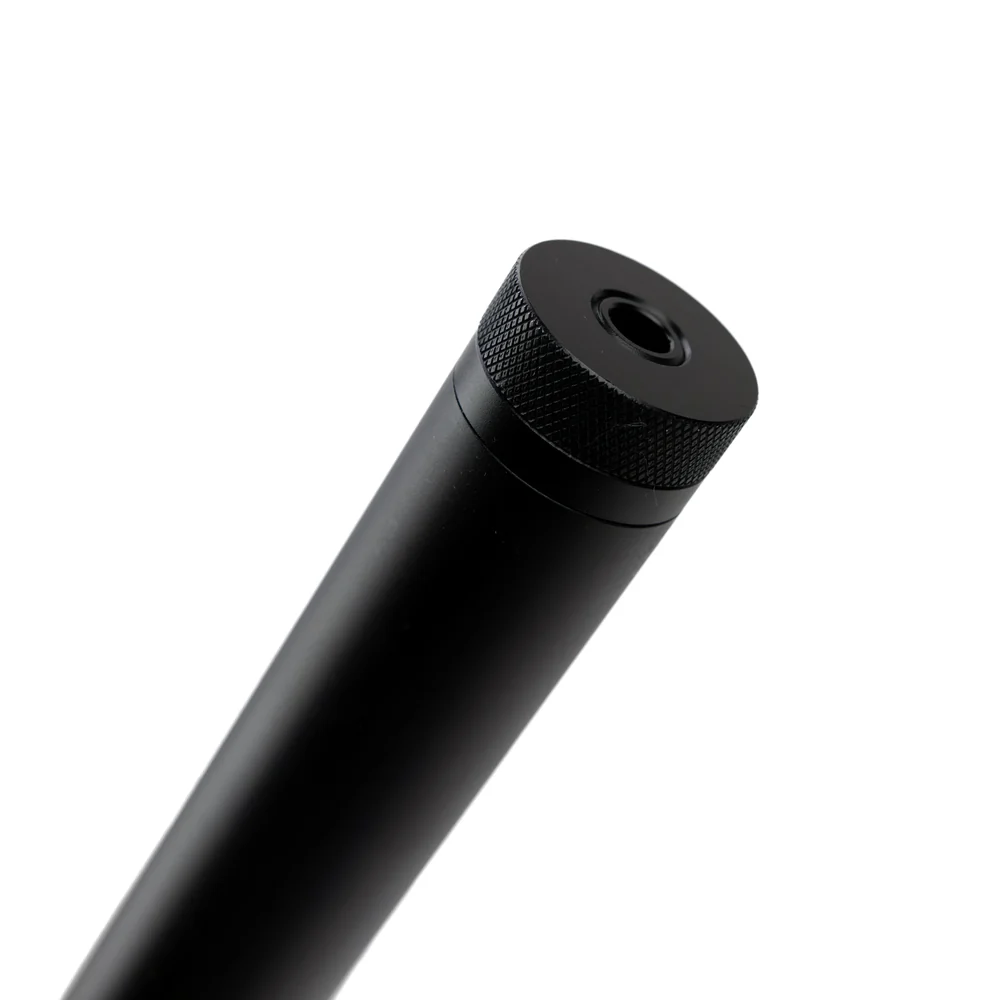
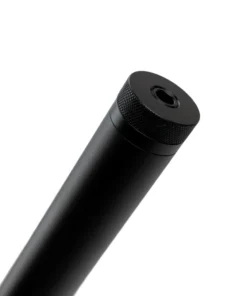
Capable of firing .25 caliber pellets at up to 1000 fps or over 50 fpe., The 250z delivers the accuracy and power needed for long-range target practice or small game hunting. The 1/2″-20 threaded barrel allows for easy attachment of suppressors or other muzzle devices, while the Picatinny rail provides a sturdy platform for optics. The rifled barrel has 1:18 twist rate and is non choked. Every feature of The 250z is designed for precision and ease of use, making it the ideal air rifle for many situations.
Barra 250z .22 – Tan PCP Air Rifle Technical Guide
PCP Engineering, .22-Caliber Architecture, Barra Platform Context, and Related Airgun Terminology
Barra Airguns
barra airguns manufactures the 250z as part of its current PCP rifle range. The same manufacturer also produces CO2, multi-pump, electric, break-barrel, and other pneumatic products, so model-specific specifications should always be used rather than assuming all Barra platforms share the same architecture.
Barra 250z
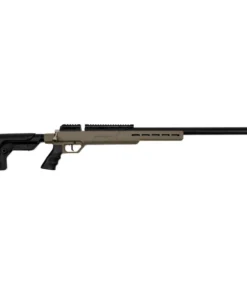
The barra 250z is a regulated bolt-action PCP platform with an integrated 322cc reservoir, externally adjustable regulator, adjustable hammer spring, modular furniture, and a long rifled barrel.
PCP Air Rifle
The description pcp air rifle accurately applies because the system stores high-pressure compressed air in a refillable reservoir before use. Barra identifies the 250z specifically as a pre-charged pneumatic platform.
Precharged Pneumatic
precharged pneumatic refers to the same fundamental powerplant category. Unlike CO2 platforms, the reservoir is charged with high-pressure air rather than disposable gas capsules.
Pneumatic Rifle
The broader phrase pneumatic rifle also applies, although PCP is the more technically precise description for this platform.
Air Rifle Compressed Air
The phrase air rifle compressed air describes the underlying power source: stored high-pressure atmospheric air drives the pneumatic operating system.
Compressed Air Guns
compressed air guns includes many architectures, but this model belongs specifically to the refillable regulated PCP category.
.22 Caliber Air Rifle
The .22 caliber air rifle configuration uses .22 pellets. Barra lists 10-shot magazine capacity and maximum velocity up to approximately 1,000 FPS.
322cc Integrated Reservoir
The reservoir holds 322cc and is integrated around the barrel rather than using a conventional hanging bottle. Barra describes this arrangement as improving packaging efficiency and overall balance.
Maximum Fill Pressure
Barra’s current dedicated technical page lists a maximum fill pressure of 4,350 PSI / 300 BAR. The individual product page also references high-pressure PCP operation, so the manufacturer’s current manual and markings on the physical rifle should control charging practices.
Adjustable Regulator
The externally adjustable regulator forms a central part of the pneumatic design. Barra states that regulation is intended to help maintain consistent velocity while allowing the operating characteristics to be configured within manufacturer-supported parameters.
Bolt-Action System
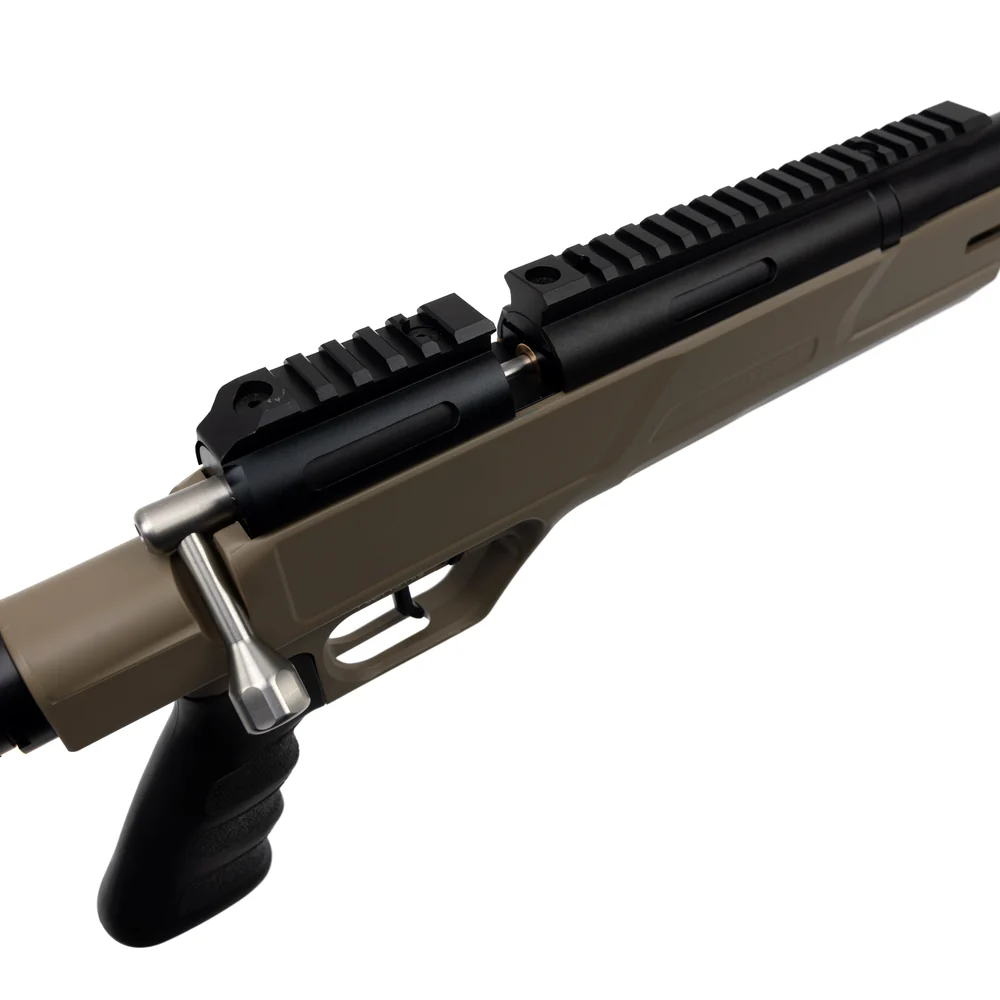
The rifle uses a bolt action rather than a side lever or semi-automatic mechanism. The bolt manually cycles the action and interfaces with the rotary magazine.
Ten-Shot Magazine
The .22 configuration uses a 10-shot rotary magazine. Barra states that two metal magazines are included, together with a single-shot tray, fill probe, spare O-rings, and manual.
27-Inch Rifled Barrel
The barrel measures 27 inches, uses a 1-in-18-inch twist, and is listed as non-choked on the current product page.
Two-Stage Trigger
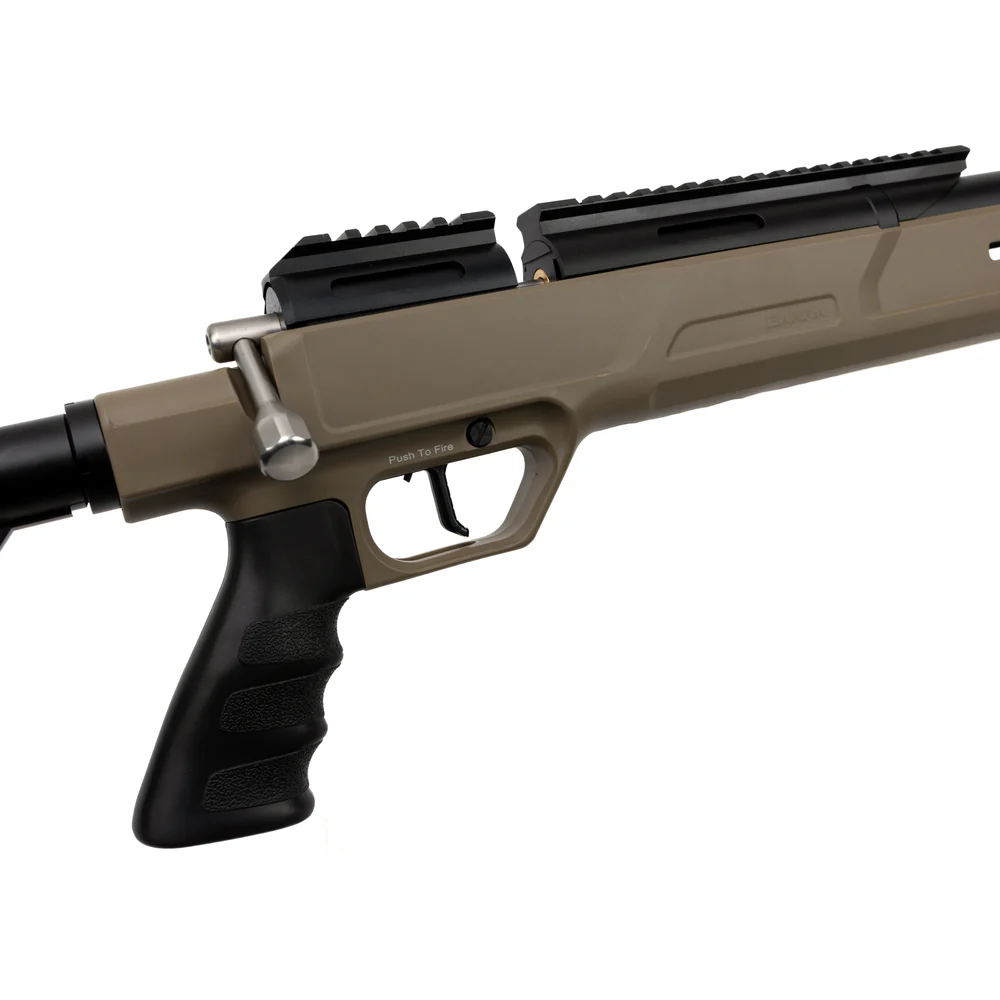
A two-stage trigger forms part of the current specification. Barra also identifies the trigger as one of the adjustable elements of the platform.
Cross-Bolt Safety
A cross-bolt mechanical safety is listed in the manufacturer’s specification.
Adjustable Stock
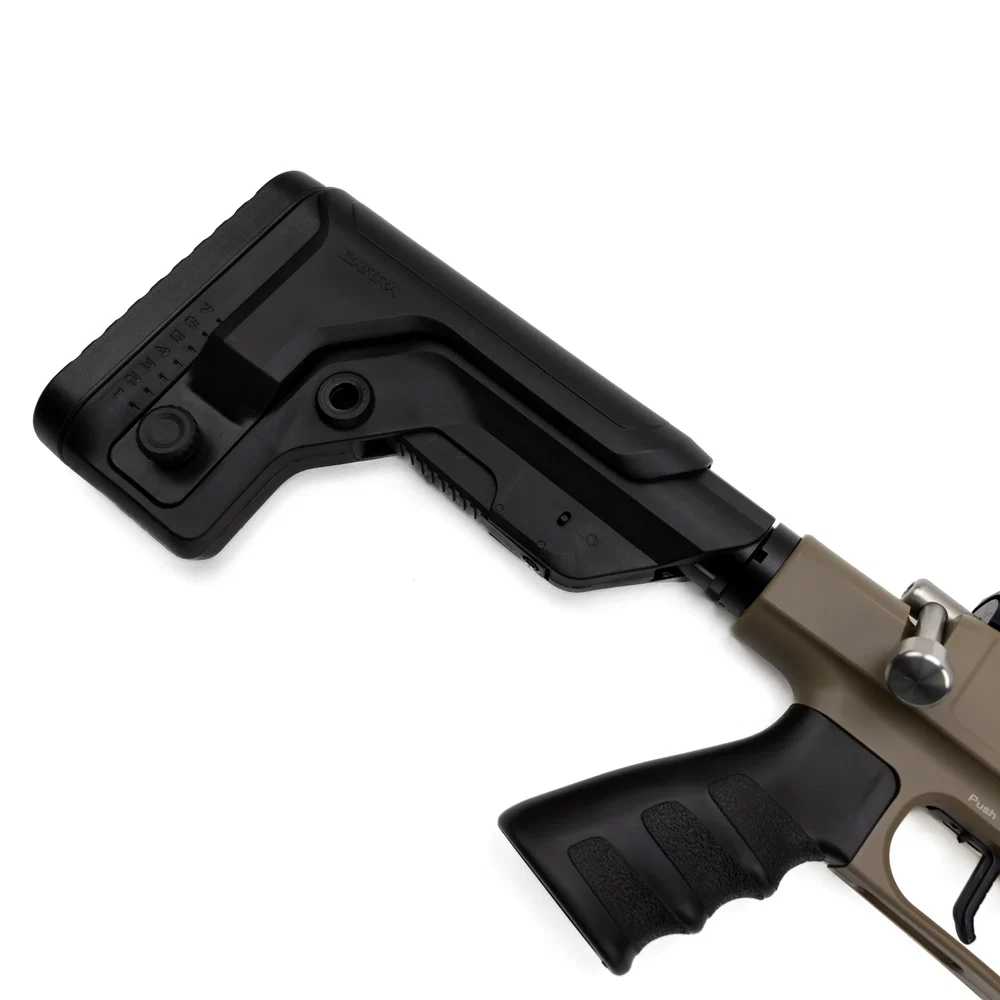
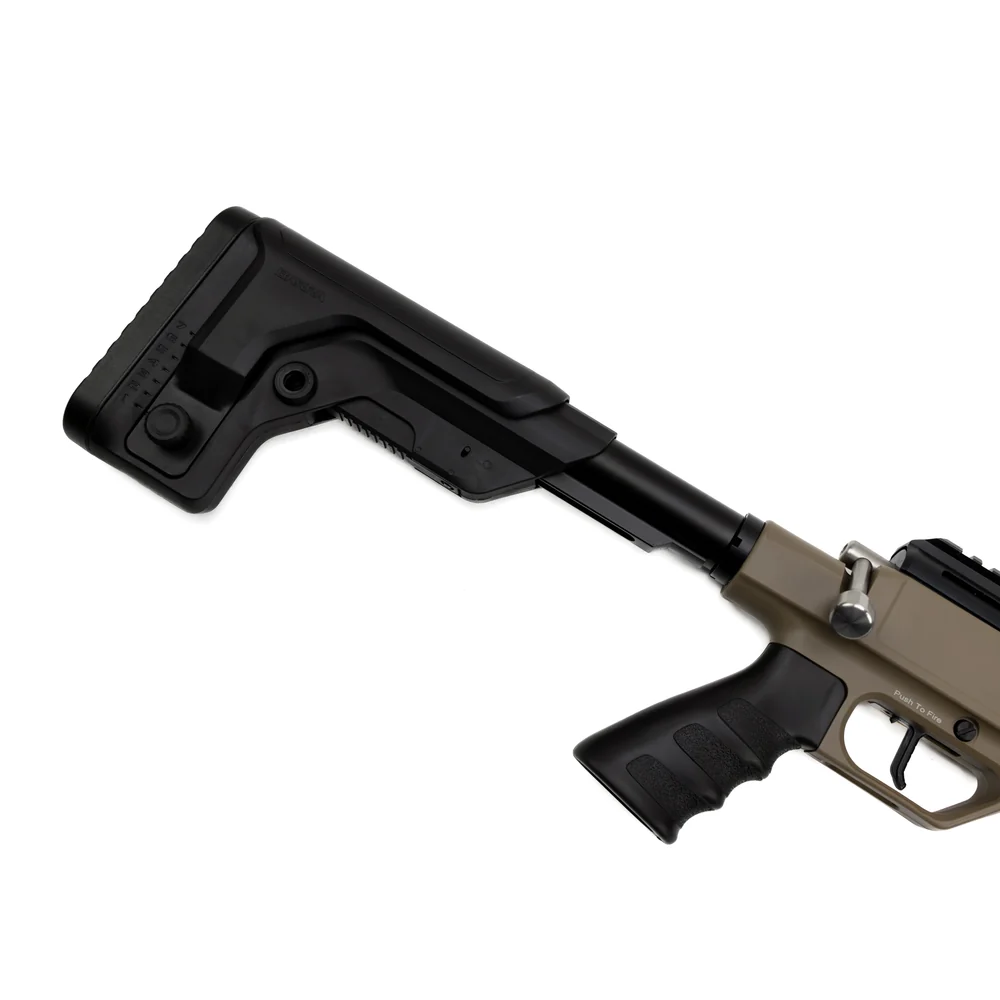
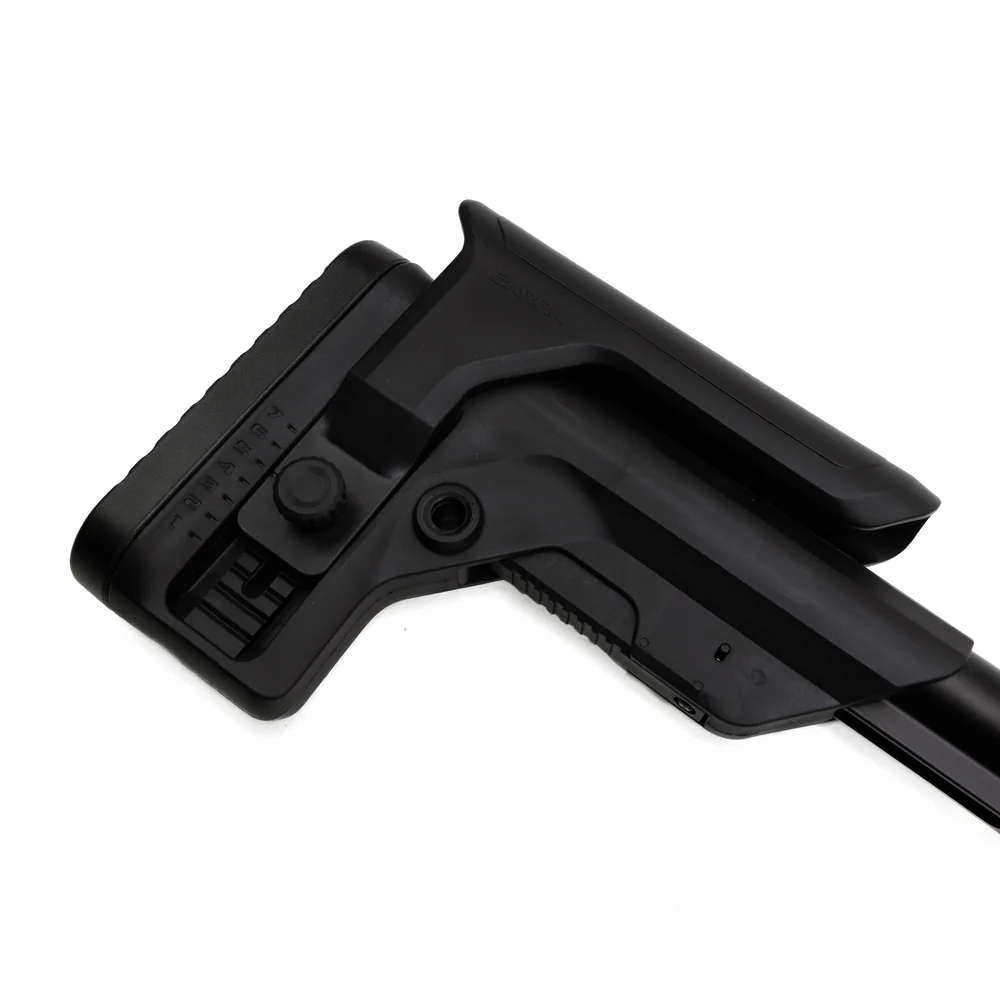
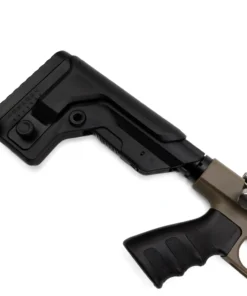
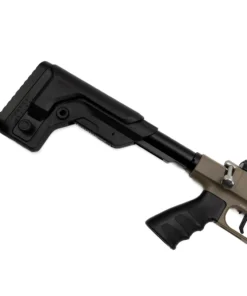
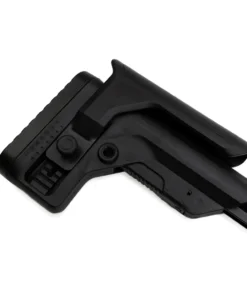
The six-position stock supports length-of-pull adjustment, while the cheek area can also be adjusted for height.
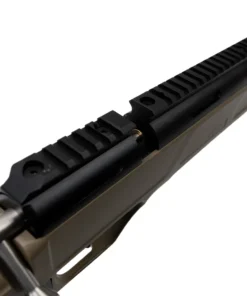
Picatinny Optics Rail
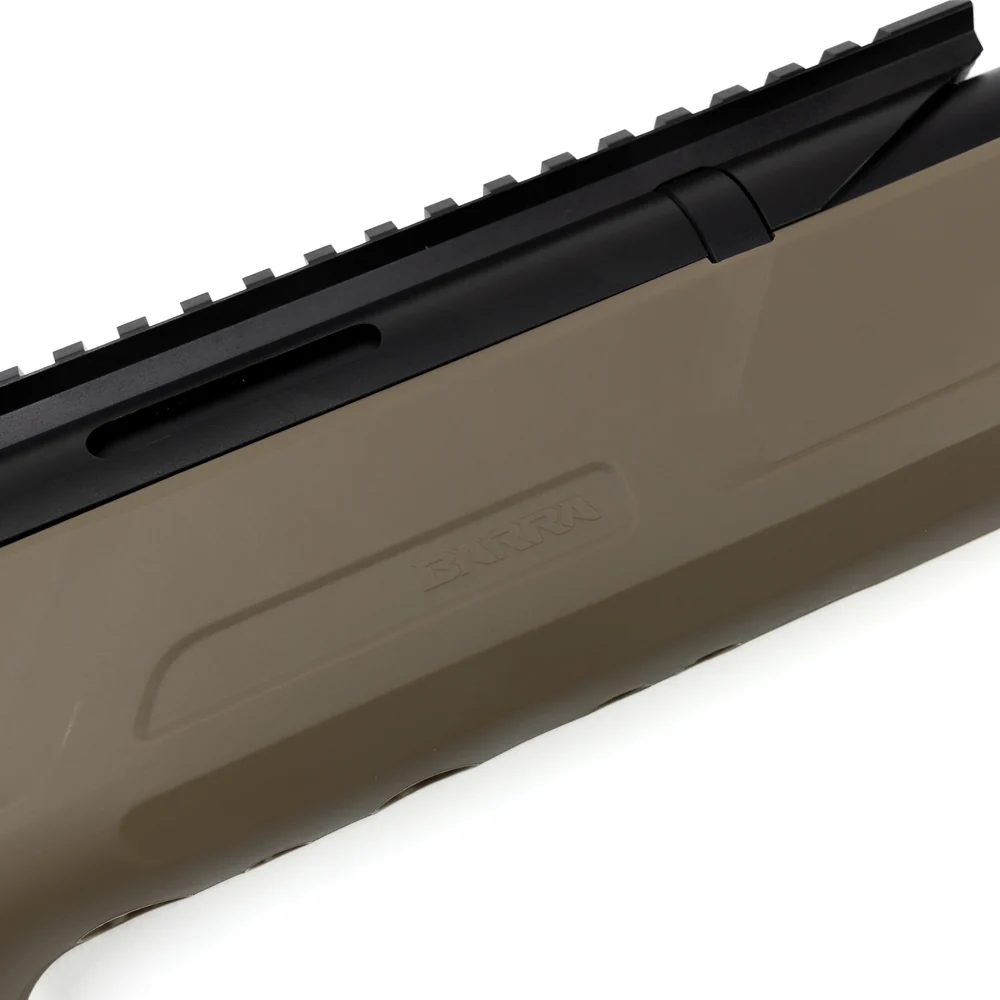
A full-length Picatinny mounting surface is incorporated for compatible sighting equipment.
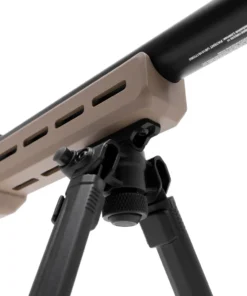
M-LOK Compatibility
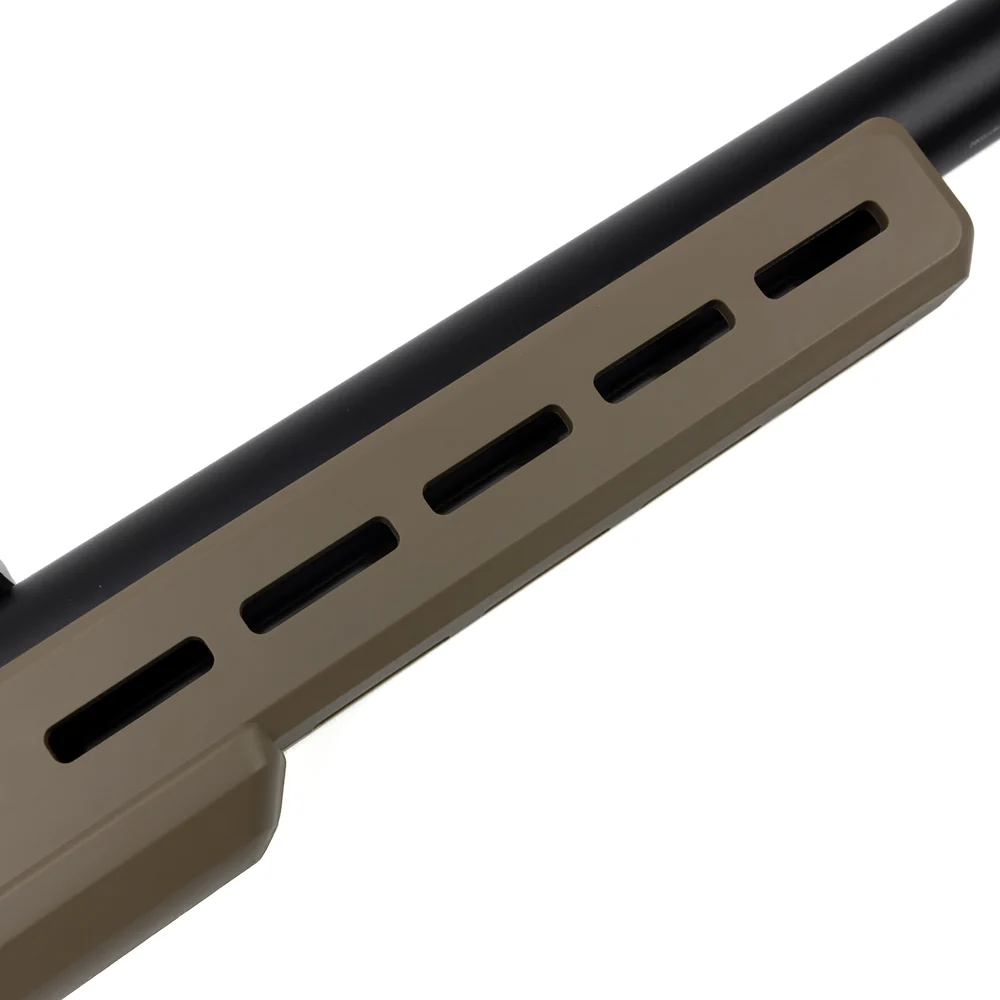
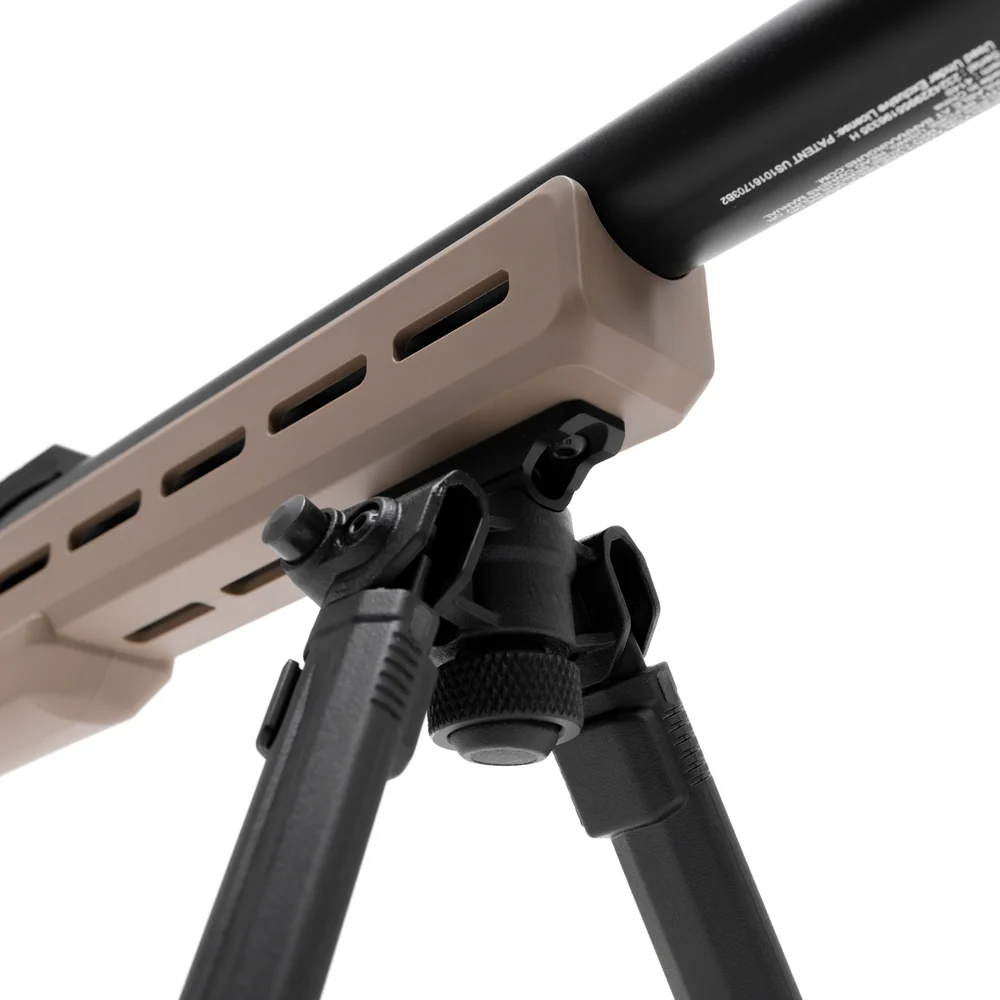
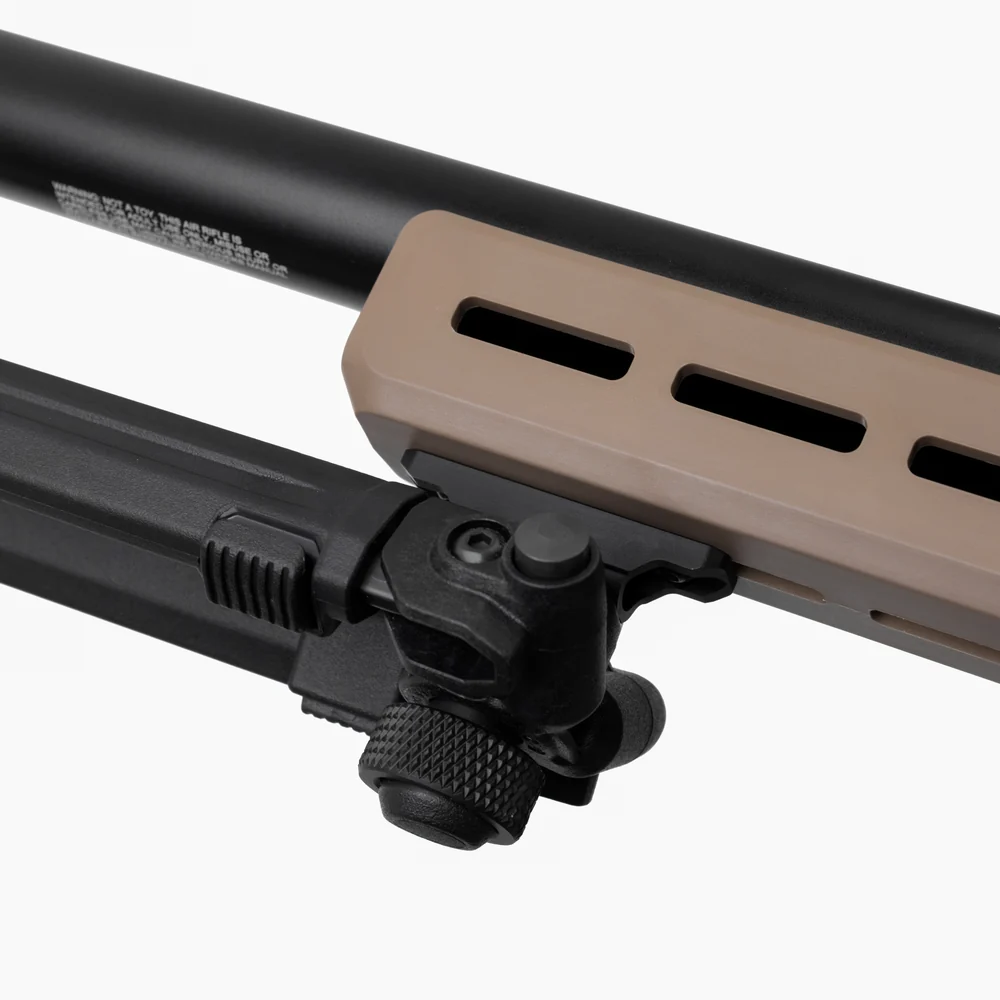
M-LOK-compatible mounting points form part of the modern furniture design and provide standardized external accessory interfaces.
Airgun Scope
The phrase airgun scope concerns optional sighting equipment rather than the rifle’s core pneumatic specifications.
4×15
4×15 commonly describes a basic optic configuration and is not a factory specification of the 250z itself.
1/4×15
The phrase 1/4×15 appears to be a search variation or typographical expression rather than an official specification.
Barra Air Rifles
The phrase barra air rifles covers multiple powerplant categories. The 250z belongs specifically to Barra’s PCP lineup.
Barra Gun
barra gun is a generic search expression and does not identify one exact model or power system.
Barra PCP Air Rifle
The phrase Barra PCP air rifle is directly relevant because the 250z uses a refillable high-pressure reservoir and regulated pneumatic mechanism.
Barra 1100z
The barra 1100z refers to a different PCP platform. Its specifications should not be used interchangeably with those of the 250z.
Barra 1100z Gen 2
Likewise, barra 1100z gen 2 identifies another generation and configuration within Barra’s PCP range.
Barra 350z
The barra 350z is another separate model and should not be treated as another name for the 250z.
.25 Cal PCP Air Rifle
The phrase .25 cal pcp air rifle is relevant because the 250z family is also currently offered in .25 caliber. Barra lists .22 and .25 as the current caliber options.
Barra 400e
The barra 400e belongs to an electric BB platform category rather than regulated PCP architecture.
Barra 400e Gen 2
The barra 400e gen 2 is also electrically driven and should not be confused with the high-pressure pneumatic 250z.
Barra 400e AEG
The phrase barra 400e aeg refers to that electric architecture.
Bara 400e
bara 400e is a spelling variation rather than a separate 250z feature.
Barra 400e Price
The phrase barra 400e price concerns another platform’s commercial pricing and is not technically relevant to the 250z.
Electric BB Gun
An electric bb gun uses a completely different power system from this regulated compressed-air platform.
Barra BB Gun
The phrase barra bb gun applies to other Barra models using spherical BB ammunition. The 250z .22 is specified for .22 pellets.
BB Gun Rifle
A bb gun rifle therefore does not accurately describe this particular model.
Steel BBs
steel bbs are not the manufacturer-listed projectile type for the .22 configuration. The current specifications identify .22 pellets.
4.5mm BB
A 4.5mm bb belongs to the .177 BB category and does not correspond to this .22 configuration.
Metal BB
Likewise, metal bb generally describes spherical ammunition rather than the .22 pellets specified here.
Metal BB Pellets
The phrase metal bb pellets mixes two separate projectile categories. This platform is manufacturer-listed for .22 pellets.
BB Gun Rifle Pump
The phrase bb gun rifle pump concerns manual pump airguns rather than PCP systems.
Air Gun Pump Action
Similarly, air gun pump action does not describe the bolt-action 250z.
Barra Sportsman 900
The barra sportsman 900 belongs to Barra’s multi-pump category rather than the PCP category.
Sportsman 900
The sportsman 900 therefore uses a fundamentally different operating principle.
Barra 900 BB Gun
The phrase Barra 900 BB gun generally refers to the Sportsman platform rather than the 250z.
Barra 900 Air Rifle
Likewise, Barra 900 air rifle describes another family.
Barra Sportsman 900 Review
The phrase Barra Sportsman 900 review concerns evaluation of a different product.
Barra Break Barrel
A Barra break barrel uses a pivoting barrel to cock a spring or gas-piston mechanism. The 250z does not use that architecture.
Barra 1866
The barra 1866 belongs to Barra’s Western-style lever-action family rather than its modern PCP category.
Barra 1866 Cowboy Series
The barra 1866 cowboy series is centered on historical styling and lever operation.
Barra 1866 CO2
The Barra 1866 CO2 uses replaceable carbon-dioxide capsules instead of the rechargeable high-pressure air reservoir found here.
Barra 1866 CO2 Tactical
Likewise, the Barra 1866 CO2 tactical retains CO2 propulsion despite its modernized exterior.
CO2 Powered Air Rifle
A co2 powered air rifle uses carbon dioxide rather than pre-charged atmospheric air, so it belongs to a different powerplant category.
CO2 Pellet Guns
The term co2 pellet guns therefore does not precisely describe this model.
Barra Schofield
The barra schofield belongs to a Western-style revolver category.
Barra Schofield Revolver
The barra schofield revolver uses a revolver-format CO2 architecture rather than a bolt-action PCP system.
Schofield Revolver 6in Barrel
The phrase schofield revolver 6in barrel concerns the separate revolver platform.
ASG Schofield In-Store
The phrase asg schofield in-store concerns another product and its availability rather than 250z specifications.
BB Revolver
A bb revolver uses a completely different handgun-style operating architecture.
Revolver BB Gun
Likewise, revolver bb gun is unrelated to this PCP rifle’s engineering.
Air Gun Pellet CO2 Revolver
The phrase air gun pellet co2 revolver describes another pressure source and form factor.
Chrome 357 Magnum
The phrase chrome 357 magnum generally relates to revolver-style replica terminology rather than this platform.
Barra 1858
The barra 1858 is another historically styled Barra platform.
Barra 1858 Quality
The phrase barra 1858 quality concerns that product rather than the 250z.
Barra 1911 Grips
The phrase barra 1911 grips refers to handgun components and is not relevant to the rifle’s modular AR-style grip architecture.
Barra 100
The barra 100 is a separate model rather than another designation for this platform.
Air Gun Accessories
The phrase air gun accessories includes cases, sighting equipment, maintenance supplies, and other compatible components.
BB Gun Accessories
The phrase bb gun accessories is broader and does not mean accessories intended for BB platforms are automatically appropriate here.
BB Guns and Accessories
Similarly, bb guns and accessories represents another broad retail category rather than a technical description.
BB Gun Attachments
The phrase bb gun attachments refers generally to external accessories. Compatibility depends on the actual mounting interface and applicable regulations.
Pellet Gun Parts
The phrase pellet gun parts can include seals, magazines, fill components, stock hardware, and manufacturer-supported replacement parts.
Airsoft BBs
airsoft bbs are normally 6mm plastic projectiles and should not be confused with .22 airgun pellets.
Plastic BBs
The phrase plastic bbs likewise refers mainly to airsoft ammunition.
6mm Plastic BBs
6mm plastic bbs are incompatible with this .22 pellet platform.
Biodegradable Airsoft BBs
biodegradable airsoft bbs belong to an entirely different projectile category.
Airsoft BBs 10000
The phrase airsoft bbs 10000 concerns bulk airsoft ammunition rather than this PCP platform.
Glock BB Gun With Extended Mag
The phrase glock bb gun with extended mag concerns pistol-format replica BB equipment and has no technical relationship to the 250z.
BB Guns Sniper
The phrase bb guns sniper is broad search terminology rather than an accurate technical category for the 250z.
B&B Gun
The phrase b&b gun does not correspond to an official 250z specification.
Pistola de Aire Comprimido
The phrase pistola de aire comprimido translates approximately to compressed-air pistol and does not accurately describe this rifle-format platform.
Airgun Forum
An airgun forum can provide community discussion, but official manufacturer specifications remain the stronger technical source for dimensions, pressure limits, component compatibility, and maintenance information.
177 – 400
The phrase 177 – 400 does not correspond to a verified specification for this .22 PCP platform.
Why the Integrated Reservoir Matters
The integrated 322cc reservoir is one of the most distinctive engineering choices. Instead of hanging a conventional bottle below the action, Barra packages the air supply around the barrel, which the manufacturer says improves balance and keeps the profile comparatively streamlined.
Why the Long Rifled Barrel Matters
The 27-inch rifled barrel and 1-in-18-inch twist are designed around .22 pellet stabilization and consistent recreational target performance.
Practical Precision
Barra combines the long rifled barrel with regulated pressure delivery, a two-stage trigger, stable Picatinny optics mounting, and an adjustable stock. These features create a mechanical foundation for repeatability, although actual precision still depends on ammunition consistency, pressure condition, optic stability, environmental conditions, and user technique.
Best Barra Air Rifle for Hunting
The phrase Best Barra air rifle for hunting concerns use selection rather than engineering. Whether any air rifle is lawful or appropriate for hunting depends on jurisdiction, species, caliber, energy limits, and other applicable rules.
Barra Dual Caliber
The phrase Barra dual caliber can refer generally to model families offered in more than one caliber. The 250z is currently available in separate .22 and .25 configurations rather than functioning as a simultaneously dual-caliber rifle.
Overall Technical Perspective
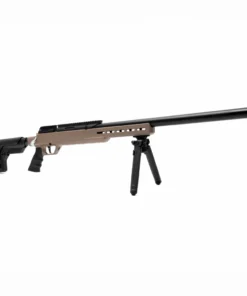
The Barra 250z .22 – Tan is a regulated PCP platform built around a 322cc integrated reservoir, bolt action, 10-shot magazine, 27-inch 1-in-18 rifled barrel, two-stage trigger, cross-bolt safety, six-position adjustable stock, full-length Picatinny optics rail, M-LOK-compatible furniture, modular grip system, and approximately 8-pound overall weight. Barra lists maximum velocity at approximately 1,000 FPS and overall length at approximately 42 inches.
For responsible ownership, the important considerations are correct .22-caliber ammunition, pressure-rated charging equipment, strict adherence to manufacturer fill limits, eye protection, a controlled recreational environment with an adequate backstop, unloaded secure storage, and qualified servicing whenever pressure retention or mechanical condition becomes uncertain.
Engineering Design, PCP Architecture, Handling, Precision, and Real-World Performance
The engineering character of this regulated pneumatic platform comes from the relationship between its compressed-air reservoir, regulator, bolt-operated action, barrel assembly, magazine system, trigger, stock, and external furniture. Each component contributes differently to consistency and usability. Therefore, real-world performance should be evaluated as the result of the complete system rather than through one specification alone. Environmental conditions, ammunition consistency, sight stability, maintenance, and the condition of pressure-bearing components also influence performance over time.
Regulated Pneumatic Architecture
A regulated pneumatic system stores compressed air before use and manages its delivery through a pressure-regulating mechanism.
The regulator helps provide more consistent pressure across a useful portion of the reservoir’s operating range. Consequently, properly functioning regulation can support more predictable performance from one cycle to another.
However, pressure-bearing components should remain within manufacturer specifications and should never be modified beyond approved parameters.
Integrated Air Reservoir Design
The integrated reservoir is a major structural feature.
Instead of relying on a conventional externally protruding bottle arrangement, the air-storage system is incorporated closely into the main architecture.
This approach can produce a streamlined profile while influencing balance and overall handling.
Because the reservoir contains high-pressure air, visible damage, corrosion, deformation, or unexplained pressure loss requires appropriate technical assessment.
Bolt-Action Operation
The manually operated bolt provides straightforward mechanical cycling.
A healthy action should move predictably without unexpected grinding, scraping, excessive looseness, or binding.
Changes in mechanical feel can indicate contamination, wear, magazine alignment problems, or another condition that deserves inspection.
Forcing an unusually resistant mechanism should be avoided.
Magazine System
A rotary magazine allows multiple compatible pellets to be held within a compact removable unit.
Magazine condition can influence feeding reliability.
The body should remain clean and undamaged, while the internal mechanism should operate normally. Cracked, distorted, or heavily worn magazines can contribute to inconsistent cycling.
Single-Loading Capability
A single-loading arrangement can be useful when a magazine is unnecessary or when the owner wants to simplify equipment inspection during controlled recreational use.
Whichever feeding arrangement is used, compatible ammunition should fit normally without excessive force.
Resistance should not be overcome by forcing components together.
Barrel Engineering
The long rifled barrel forms an important part of the platform’s consistency.
Rifling imparts rotational stability to a compatible pellet as it travels through the bore.
However, practical precision still depends on multiple variables, including projectile consistency, pressure stability, sight condition, environmental factors, and mechanical integrity.
Understanding Practical Precision
Precision should not be judged from one isolated result.
Ammunition variations, wind, sight movement, pressure changes, user technique, and equipment condition can all affect results.
Repeated observations under comparable conditions provide a more meaningful indication of consistency.
Ammunition Condition
Compatible pellets should remain clean, uniform, and free from obvious deformation.
Damaged ammunition can introduce unnecessary variability and may also interfere with normal feeding.
Only manufacturer-compatible caliber and projectile types should be used.
Regulator Consistency
The regulator contributes to predictable pressure delivery.
When operating normally, it helps reduce major pressure variation during the usable portion of the reservoir cycle.
Unexpected changes in performance should be evaluated alongside reservoir pressure, environmental conditions, ammunition, and equipment condition before assuming regulator failure.
Pressure Monitoring
High-pressure pneumatic equipment requires particular attention to pressure-system integrity.
Pressure indicators should remain readable and physically undamaged.
Any unexplained pressure loss, visible reservoir damage, or suspected pressure-system defect should result in use stopping until the equipment has been appropriately inspected.
Trigger Characteristics
A two-stage trigger separates initial movement from the final release stage.
Predictable trigger behavior can contribute to consistent recreational handling.
However, a sudden change in resistance, movement, or engagement should be treated as a mechanical warning rather than an invitation for improvised internal adjustment.
Adjustable Stock Geometry
An adjustable stock allows the external dimensions to accommodate different body proportions and sighting arrangements.
Comfortable stock positioning can reduce unnecessary muscular tension.
Furthermore, appropriate cheek support can make head placement more repeatable when compatible sighting equipment is installed.
Grip Ergonomics
Grip geometry influences wrist position and overall comfort.
A natural wrist angle can reduce fatigue during longer recreational sessions.
The best configuration is one that allows secure handling without requiring excessive muscular pressure.
Supporting-Hand Position
Forward hand placement affects perceived balance.
A comfortable supporting position can make the equipment feel more stable while reducing unnecessary fatigue.
Accessories installed toward the front may alter this balance considerably.
Overall Weight Distribution
Total weight does not fully describe handling.
Where that weight is located can matter just as much.
A platform with centrally distributed mass may feel different from one carrying substantial weight toward the front, even when their total weights are similar.
Accessory Mounting Surfaces
Modern mounting interfaces provide flexibility for compatible external equipment.
Nevertheless, additional components increase weight and can change balance.
Mounting hardware should remain secure and free from visible damage.
Optic Stability
A sighting system should remain firmly attached.
Loose mounting hardware can create apparent precision problems even when the barrel, regulator, and ammunition remain consistent.
Therefore, external sight stability should be checked whenever unexplained changes appear.
Temperature Effects
Compressed atmospheric air is generally less temperature-sensitive than carbon dioxide systems, although significant temperature changes can still influence pressure behavior and equipment materials.
Extreme environmental conditions should therefore be avoided whenever possible.
Storage in excessively hot enclosed spaces is particularly undesirable.
Outdoor Environmental Factors
Outdoor recreational use introduces wind, moisture, dust, and temperature variation.
Wind can influence lightweight projectiles, while humidity can encourage corrosion if moisture remains on metal surfaces.
Dust can accumulate around mechanical interfaces and external mounting points.
Pre-Use Inspection
A brief condition check should include the reservoir, pressure indicators, barrel, bolt, magazine, stock, sights, trigger area, external furniture, and visible hardware.
Look for cracks, corrosion, deformation, leakage, loose components, or unusual mechanical behavior.
Post-Use Inspection
After recreational use, inspect for moisture, contamination, impact marks, or newly loosened components.
This is particularly important after outdoor sessions or transportation.
Early detection can prevent minor deterioration from progressing unnoticed.
Transportation Considerations
A padded protective case can reduce vibration, abrasion, and accidental impacts.
Magazines and other hard components should be organized so they cannot repeatedly strike finished surfaces.
Transportation should always comply with applicable requirements.
Storage Conditions
A dry, secure, temperature-stable environment provides favorable long-term storage conditions.
The equipment should remain unloaded and protected against unauthorized access.
Moisture should not be trapped inside a closed storage case.
Long-Term Reliability
Long-term reliability depends heavily on preventive care.
Regular inspection, compatible ammunition, conservative cleaning, appropriate storage, careful transportation, and qualified servicing can help preserve mechanical condition.
High-pressure components deserve particular caution because improvised repairs can create significant hazards.
Overall Engineering Assessment
This regulated pneumatic platform combines a substantial compressed-air reservoir, manually operated action, rifled barrel, multi-shot feeding system, adjustable ergonomics, and contemporary external construction. Together, these elements provide a technically sophisticated recreational platform whose consistency depends on proper mechanical condition and responsible maintenance.
The most important indicators of long-term quality are stable pressure retention, predictable mechanical cycling, sound structural components, consistent trigger behavior, secure sighting equipment, and appropriate ammunition compatibility. Visible reservoir damage, persistent pressure loss, structural cracking, severe corrosion, or unexplained mechanical resistance should result in recreational use stopping until the equipment has received qualified assessment.
Maintenance, Inspection, Cleaning, Storage, Pressure-System Care, and Long-Term Reliability
Long-term reliability depends on the condition of the complete pneumatic system rather than any single component. The air reservoir, seals, regulator, pressure indicators, barrel, bolt mechanism, magazine, trigger assembly, stock, mounting surfaces, and external hardware all require appropriate care. Because the equipment contains high-pressure components, maintenance should remain conservative and consistent with manufacturer guidance. Routine inspection is especially valuable because it can reveal gradual deterioration before it develops into a more significant mechanical problem.
Routine Condition Inspection
Regular visual inspection provides a straightforward way to monitor overall condition.
Look for corrosion, cracks, deformation, loose components, damaged hardware, or unexpected wear. Changes that appear suddenly deserve more attention than ordinary cosmetic marks that develop gradually through normal handling.
Pressure-System Condition
The pressure system deserves particular attention because it stores compressed air at substantial pressure.
The reservoir exterior should remain free from serious dents, deep scratches, corrosion, swelling, or other visible structural damage.
If reservoir integrity is uncertain, recreational use should stop until qualified assessment has been completed.
Pressure Retention
A properly functioning system should retain pressure according to the manufacturer’s expected operating characteristics.
Unexpected or persistent pressure loss can indicate deterioration in a seal, valve, fitting, or another pneumatic component.
Repeatedly repressurizing equipment without investigating persistent leakage is not an appropriate solution.
Seal Condition
Seals experience natural aging throughout the equipment’s service life.
Temperature extremes, contamination, unsuitable chemicals, and repeated pressure cycles can accelerate deterioration.
When seal performance becomes unreliable, manufacturer-approved replacement components and qualified servicing are preferable to improvised alternatives.
Pressure Indicator Inspection
Pressure indicators should remain readable and physically undamaged.
Cracked lenses, significant impact damage, unusual readings, or other abnormalities should not be ignored.
Because these components relate directly to a high-pressure system, uncertain condition warrants professional inspection.
Regulator Condition
The regulator contributes to consistent pressure management.
A noticeable change in performance does not automatically prove regulator failure because ammunition, environmental conditions, sight movement, or reservoir pressure may also influence results.
Persistent irregularities should be assessed systematically rather than corrected through unnecessary internal modification.
Fill-System Care
The filling interface should remain clean and protected from contamination.
Dust, moisture, or debris around pressure connections can create maintenance problems.
Only compatible, pressure-rated charging equipment should be used, and manufacturer pressure limits should always be observed.
Bolt Mechanism Inspection
The bolt should retain smooth and predictable movement.
New grinding, binding, scraping, excessive looseness, or unexpectedly heavy resistance may indicate contamination or mechanical wear.
Additional force should not be used to overcome abnormal resistance.
Magazine Maintenance
Magazines should remain clean and physically intact.
Cracks, deformation, excessive wear, or unusual internal resistance can interfere with normal feeding.
Damaged magazines should be removed from recreational service rather than repeatedly cycled through the action.
Barrel Exterior Care
The barrel exterior should remain clean and reasonably dry.
After exposure to rain or high humidity, accessible metal surfaces should be inspected for moisture.
Persistent dampness can encourage corrosion, particularly during prolonged enclosed storage.
Internal Barrel Care
Internal cleaning should remain conservative.
Aggressive brushes, abrasive compounds, or unsuitable chemicals can cause unnecessary wear.
Manufacturer recommendations should determine the appropriate cleaning method and frequency.
Muzzle Protection
The front portion of the barrel should be protected from accidental impacts.
Visible deformation or substantial physical damage can affect mechanical condition.
The equipment should not be stored in a position that places unnecessary pressure directly on the muzzle.
Trigger Inspection
Trigger behavior should remain predictable.
A substantial unexplained change in movement, resistance, or engagement can indicate contamination, wear, or another mechanical issue.
Internal alteration should not be used as a substitute for proper diagnosis.
Safety Mechanism Inspection
The mechanical safety should function normally without obvious binding, looseness, or damage.
However, a safety mechanism remains an additional safeguard rather than a replacement for responsible handling and secure storage.
Stock Condition
The adjustable stock should periodically be inspected around its attachment and adjustment areas.
Cracks, deformation, excessive movement, or damaged locking components deserve attention.
Ordinary superficial marks should be distinguished from structural deterioration.
Grip Condition
The grip should remain securely attached and free from major cracks or movement.
A loose structural component can negatively affect handling.
Fasteners should not be excessively tightened because doing so can damage threads or surrounding materials.
External Mounting Surfaces
Accessory interfaces should remain clean, straight, and physically sound.
Mounted equipment can introduce additional stress, particularly during transportation.
Consequently, attachment points should periodically be checked for unexpected movement or damage.
Sight and Optic Inspection
Installed sighting equipment should remain securely mounted.
Loose hardware can create apparent consistency problems even when the pneumatic system remains healthy.
Physical impact damage should also be investigated before recreational use continues.
External Metal Care
Accessible metal surfaces should remain protected from persistent moisture and contamination.
Fingerprints and ordinary dirt can be removed during routine maintenance.
Harsh chemicals should not be used unless their compatibility with the equipment’s materials has been established.
Fastener Condition
Visible external fasteners should remain appropriately secure.
A component that repeatedly loosens may indicate wear or another underlying problem.
Excessive tightening should be avoided because threads can be damaged.
Moisture Management
Moisture represents a significant long-term storage concern.
Wet equipment should not immediately be sealed inside a protective case.
Both the equipment and case should be allowed to dry thoroughly before extended storage.
Humid Environments
High humidity increases the importance of regular inspection.
Recessed metal areas can develop corrosion even when the most visible surfaces appear acceptable.
Periodic checks help identify deterioration before it becomes severe.
Temperature Protection
Extreme temperatures can affect seals, synthetic components, finishes, lubricants, and pressure behavior.
Long-term storage inside vehicles exposed to strong sunlight should be avoided.
A reasonably stable indoor environment is generally preferable.
Protective Case Maintenance
The protective case also requires care.
Foam and fabric interiors can retain moisture, dust, and contamination.
Therefore, the case should remain clean and dry before equipment is placed inside for extended periods.
Transportation Protection
A padded case can reduce vibration, scratches, and accidental impacts.
Magazines and other hard components should be secured separately so they cannot repeatedly strike the equipment during transportation.
Applicable transportation requirements should always be followed.
Recognizing Normal Wear
Small scratches, handling marks, and gradual finish changes can develop through ordinary ownership.
Such cosmetic aging does not automatically indicate declining mechanical reliability.
Structural cracking, substantial deformation, or severe corrosion is considerably more significant.
Recognizing Abnormal Wear
Persistent pressure loss, irregular cycling, unexpected trigger changes, severe corrosion, structural damage, or substantial looseness should not be treated as normal aging.
When these conditions appear, further recreational use should wait until the cause has been properly assessed.
Avoiding Improvised Repairs
High-pressure components should never be repaired using makeshift seals, adhesives, modified fittings, or uncertain replacement parts.
Components that appear visually similar may have different materials, dimensions, or pressure ratings.
Qualified servicing is the safer approach whenever pressure-bearing components are involved.
Maintenance Records
A simple maintenance history can be valuable over long-term ownership.
Professional servicing, seal replacement, significant impacts, recurring leakage, and other important mechanical events can be recorded.
This information can make future diagnosis easier.
Long-Term Maintenance Perspective
Reliable ownership depends primarily on preventive care. Regular inspection, dry storage, conservative cleaning, careful transportation, correct compatible components, and professional servicing when necessary can preserve mechanical condition for an extended period.
Particular caution should always be applied to the high-pressure system. Persistent leakage, reservoir damage, serious corrosion, abnormal mechanical resistance, or uncertain pressure-system integrity should result in recreational use stopping until qualified inspection confirms that the equipment is in appropriate condition.
Real-World Usability, Ergonomics, Performance Evaluation, Environmental Factors, and Ownership Considerations
A regulated pneumatic platform should be evaluated as a complete mechanical system rather than through one performance figure. Reservoir condition, pressure regulation, barrel integrity, magazine operation, stock geometry, trigger behavior, sight stability, ammunition consistency, and environmental conditions all contribute to the overall experience. Furthermore, long-term usability depends on responsible maintenance and storage. Understanding these factors makes it easier to distinguish ordinary operating variation from mechanical changes that deserve professional attention.
Everyday Handling Characteristics
Handling begins with the relationship between overall dimensions, weight distribution, stock position, grip geometry, and supporting-hand placement.
A platform can feel substantially different once external equipment is installed. Consequently, comfort should be evaluated using the configuration normally used during controlled recreational sessions.
Overall Ergonomics
Ergonomics influence comfort during extended periods of handling.
A natural wrist position, comfortable shoulder contact, and suitable head position can reduce unnecessary muscular tension.
Individual body proportions vary, so no single external adjustment will feel identical for every user.
Adjustable Stock Benefits
An adjustable stock allows the external geometry to accommodate different users and sighting arrangements.
The principal benefit is ergonomic rather than purely cosmetic.
A comfortable configuration can help maintain a repeatable position without requiring excessive effort.
Cheek Support
Consistent cheek placement contributes to predictable alignment with installed sighting equipment.
If the head must be repeatedly stretched or lowered unnaturally, fatigue may increase.
Therefore, ergonomic adjustment should prioritize comfort and repeatability.
Grip Comfort
The primary grip influences wrist angle and hand position.
A natural grip should feel secure without requiring excessive muscular pressure.
During longer recreational sessions, small ergonomic differences can become increasingly noticeable.
Supporting-Hand Position
Forward hand placement affects balance.
The supporting hand should rest naturally while allowing the equipment’s weight to remain manageable.
External accessories mounted toward the front can alter this relationship and increase perceived forward weight.
Understanding Weight Distribution
Total weight alone does not determine handling quality.
Where the mass is concentrated matters considerably.
A centrally balanced configuration may feel different from one carrying substantial mass toward either end, even when both have similar overall weight.
Reservoir Influence on Balance
An integrated reservoir contributes both structural mass and stored-air capacity.
Its location can influence the center of gravity and therefore the handling character of the complete platform.
Changes in attached equipment can further alter this balance.
Understanding Regulated Performance
A regulator manages pressure delivery within the pneumatic system.
Its purpose is to support predictable operation across an appropriate portion of the stored-air supply.
However, practical consistency still depends on several additional mechanical and environmental factors.
Evaluating Performance Changes
A single unusual result does not automatically indicate a mechanical fault.
Ammunition condition, sight movement, environmental conditions, reservoir pressure, magazine condition, and user consistency can all introduce variation.
Repeated abnormalities under comparable conditions provide a stronger reason for inspection.
Practical Precision
Precision results from the interaction of the barrel, ammunition, pressure system, trigger, sighting equipment, and environmental conditions.
No individual component guarantees repeatable results by itself.
Therefore, equipment condition should be considered as a complete system.
Barrel Condition and Consistency
The barrel should remain structurally sound and protected from significant corrosion or physical damage.
Its mounting should also remain secure.
Visible deformation or substantial impact damage deserves assessment before recreational use continues.
Ammunition Uniformity
Compatible pellets should remain clean and free from significant deformation.
Variation in projectile condition can contribute to inconsistent results.
Only manufacturer-compatible ammunition should be used, and anything that does not fit normally should not be forced.
Magazine Reliability
A magazine should rotate and interface with the action normally.
Cracks, deformation, contamination, or substantial wear can interfere with reliable operation.
Damaged magazines should be separated from normal recreational use.
Bolt Operation
The bolt should maintain predictable mechanical movement.
New grinding, binding, scraping, or unexpectedly heavy resistance can indicate contamination or component wear.
Forcing an abnormal mechanism can increase damage.
Trigger Consistency
The trigger should retain predictable mechanical characteristics.
A significant unexplained change in movement or resistance deserves inspection.
Unnecessary internal alteration can complicate diagnosis and should not replace qualified servicing.
Sight Stability
Installed sighting equipment should remain firmly attached.
Loose hardware can create apparent precision problems even when the pneumatic system remains mechanically healthy.
Sight stability is therefore worth checking whenever unexpected inconsistency develops.
External Accessory Considerations
Modern mounting interfaces allow compatible equipment to be attached externally.
However, every additional component affects weight and potentially balance.
Mounting points should remain structurally sound and free from unexpected movement.
Environmental Temperature
Compressed-air systems are generally less temperature-sensitive than carbon-dioxide systems, although environmental temperature can still influence pressure characteristics, seals, lubricants, and other materials.
Extreme conditions should therefore be avoided whenever practical.
Heat Exposure
Prolonged exposure to excessive heat can affect synthetic materials, sealing components, and pressure-system behavior.
High-pressure equipment should not be stored for extended periods inside extremely hot enclosed spaces.
Manufacturer storage guidance should always take priority.
Cold Conditions
Very low temperatures can influence seals and other mechanical materials.
Temporary changes observed under extreme environmental conditions should be distinguished from persistent problems that continue under normal conditions.
Wind Effects
Wind can influence lightweight projectiles during outdoor recreational target use.
Consequently, outdoor consistency should not automatically be compared directly with controlled indoor conditions.
Environmental variation should always be considered when evaluating results.
Humidity and Moisture
Humidity primarily creates a maintenance concern.
Persistent moisture can encourage corrosion, particularly on exposed or recessed metal surfaces.
Equipment used in damp conditions should be inspected and dried appropriately before storage.
Dust and Debris
Outdoor environments can introduce dust around the bolt, magazine interface, mounting surfaces, and external hardware.
Visible contamination should be removed conservatively.
Excessive liquid cleaners should not be introduced into mechanical areas without manufacturer guidance.
Pre-Use Condition Check
Before recreational use, visually inspect the reservoir, pressure indicators, barrel, action, magazine, stock, sighting equipment, external furniture, and visible hardware.
Look for cracks, corrosion, deformation, leakage, looseness, or unusual mechanical behavior.
Post-Use Condition Check
After use, check for moisture, contamination, new impact marks, or loosened components.
This becomes particularly important after outdoor sessions or transportation.
Early detection can prevent minor deterioration from progressing unnoticed.
Transportation
A suitable padded case can reduce vibration, scratches, and accidental impacts.
Magazines and other hard components should be organized separately where appropriate.
Transportation should always follow applicable legal requirements.
Secure Storage
Long-term storage should take place in a dry, secure, temperature-stable environment.
The equipment should remain unloaded and inaccessible to unauthorized individuals.
Moisture should not remain trapped inside a closed protective case.
Recognizing Normal Cosmetic Wear
Small scratches, handling marks, and gradual finish changes can occur through ordinary ownership.
These changes do not necessarily indicate mechanical deterioration.
Structural damage and pressure-system problems deserve considerably greater attention.
Recognizing Important Warning Signs
Persistent pressure loss, severe corrosion, reservoir deformation, structural cracking, abnormal trigger behavior, or unexplained mechanical resistance should not be dismissed as routine wear.
Use should stop whenever the integrity of a pressure-bearing component becomes uncertain.
Long-Term Ownership Perspective
Real-world quality depends on predictable operation, structural integrity, stable pressure retention, comfortable ergonomics, and appropriate maintenance. Preventive care generally contributes more to longevity than frequent adjustment or unnecessary modification.
Ultimately, responsible ownership means keeping the equipment within manufacturer specifications, inspecting it regularly, protecting it during storage and transportation, and obtaining qualified servicing when mechanical or pressure-system problems arise. High-pressure reservoir damage, persistent leakage, severe corrosion, or unexplained changes in operation should always be professionally assessed before recreational use resumes.
Durability, Build Quality, Long-Term Ownership, Reliability, and Final Assessment
Long-term durability depends on how well the complete platform maintains its structural and mechanical condition over time. A regulated pneumatic system contains pressure-bearing components alongside moving mechanical parts, external furniture, seals, magazines, controls, and mounting hardware. Each area experiences different forms of stress and wear. Consequently, proper inspection, careful storage, conservative maintenance, and appropriate professional servicing are important for preserving reliability throughout the equipment’s service life.
Overall Build Quality
Build quality should be evaluated through component fit, structural stability, predictable mechanical operation, and the condition of pressure-bearing parts.
Minor cosmetic marks can develop during ordinary ownership. However, cracks, significant deformation, persistent looseness, or severe corrosion deserve considerably more attention because they may indicate structural deterioration.
Structural Integrity
Major structural components should remain securely positioned.
Unexpected movement between assemblies, visible cracking, substantial distortion, or newly developed gaps should be investigated.
A visual inspection cannot diagnose every internal issue, but it can reveal obvious conditions that justify further assessment.
Reservoir Durability
The compressed-air reservoir is one of the most important components from a long-term safety perspective.
Its exterior should remain free from substantial dents, deep scratches, serious corrosion, swelling, or other structural abnormalities.
Because the reservoir stores high-pressure air, suspected damage should receive qualified professional assessment.
Pressure Retention
Stable pressure retention is another useful indicator of system condition.
Persistent unexplained pressure loss may indicate deterioration within a seal, fitting, valve, or another pneumatic component.
Repeatedly restoring pressure without addressing an ongoing leak should not replace proper diagnosis.
Seal Longevity
Seals naturally age through repeated pressure cycles and environmental exposure.
Temperature extremes, contamination, inappropriate chemicals, and extended storage conditions may influence their service life.
When sealing performance becomes unreliable, compatible replacement components and qualified servicing provide the appropriate maintenance approach.
Regulator Reliability
The regulator forms an important part of the pressure-management system.
Its condition contributes to predictable pneumatic operation.
However, changes in performance can also originate from ammunition, reservoir pressure, environmental conditions, or other mechanical components, so irregular behavior should be evaluated systematically.
Action Durability
The manually operated action experiences repeated mechanical movement.
Normal operation should remain smooth and predictable.
Grinding, binding, scraping, excessive looseness, or unexpectedly heavy resistance can indicate contamination, wear, or mechanical damage.
Magazine Durability
Removable magazines experience repeated insertion, removal, loading, and cycling.
Their bodies should remain free from substantial cracks and deformation.
The internal mechanism should also operate predictably without unusual resistance.
Damaged magazines should be removed from normal recreational service.
Barrel Condition Over Time
The barrel should remain securely mounted, straight, and protected from severe corrosion.
Physical impacts can also affect condition.
Particular care should be taken during transportation because accidental contact with hard objects can damage external surfaces.
Muzzle Protection
The front portion of the barrel deserves protection during storage and transportation.
The equipment should not be positioned so that substantial weight or impact is concentrated directly on this area.
Visible deformation should receive assessment before further recreational use.
Trigger Consistency
A healthy trigger should retain predictable mechanical behavior.
Unexpected changes in resistance, movement, or engagement may indicate wear, contamination, or another mechanical problem.
Internal modification should not be used as a substitute for diagnosing an abnormal condition.
Safety Mechanism Condition
The mechanical safety should remain functional and free from obvious damage.
However, mechanical safeguards should always be treated as supplementary.
Secure storage and responsible handling remain necessary regardless of the position of any safety control.
Stock Durability
Adjustable furniture contains moving and locking interfaces that should remain structurally sound.
Adjustment points should not develop substantial movement, cracking, or deformation.
A small cosmetic mark is fundamentally different from damage affecting structural stability.
Grip Condition
The grip should remain securely attached.
Cracking, excessive movement, or damaged attachment points deserve inspection.
Visible fasteners should remain appropriately secure without being subjected to unnecessary over-tightening.
External Mounting Surfaces
Accessory interfaces should remain straight and undamaged.
Mounted equipment can add weight and mechanical leverage, particularly during transportation.
Therefore, attachment areas should occasionally be examined for movement, deformation, or damaged hardware.
Sight-Mounting Reliability
Installed sighting equipment should remain firmly attached.
Loose mounting hardware can produce apparent consistency problems without indicating an internal pneumatic fault.
External stability should therefore be considered whenever performance appears unexpectedly different.
Understanding Long-Term Precision
Precision should be evaluated across comparable recreational sessions rather than through one isolated result.
Ammunition consistency, barrel condition, pressure stability, sight integrity, environmental conditions, and user technique all influence outcomes.
Repeated observations provide a more useful indication of mechanical consistency.
Environmental Durability
Outdoor use exposes equipment to moisture, dust, temperature variation, and accidental contact with surrounding surfaces.
These conditions can gradually influence both appearance and mechanical condition.
A brief inspection following outdoor exposure is therefore worthwhile.
Corrosion Prevention
Persistent moisture represents a major long-term concern for metal components.
Accessible surfaces should remain clean and dry.
Recessed areas should also be inspected periodically because corrosion can begin where it is not immediately visible.
Temperature Protection
Extreme temperatures can affect seals, synthetic materials, finishes, lubricants, and pressure behavior.
Extended storage inside vehicles exposed to strong sunlight should be avoided.
A reasonably stable environment generally provides better long-term conditions.
Protective Case Condition
A protective case can reduce scratches and impact damage, but the case itself must remain clean and dry.
Foam and fabric can retain moisture.
Therefore, damp equipment should not be immediately sealed inside a case for prolonged storage.
Transportation Protection
Transportation introduces vibration and potential impact.
A properly fitted padded case can reduce unnecessary movement.
Magazines and other hard components should be organized so they cannot repeatedly strike the main equipment.
Recognizing Cosmetic Aging
Small scratches, handling marks, and gradual changes in finish can develop naturally.
These conditions do not automatically indicate reduced mechanical reliability.
Structural cracks, pressure-system abnormalities, and severe corrosion are considerably more significant.
Recognizing Abnormal Deterioration
Persistent leakage, reservoir damage, major corrosion, irregular action movement, structural cracking, or substantial component looseness should not be considered normal wear.
When these conditions appear, recreational use should stop until the cause has been appropriately assessed.
Avoiding Improvised Repairs
High-pressure components should not be repaired using improvised seals, adhesives, altered fittings, or components of uncertain specification.
Visually similar parts can differ significantly in materials, dimensions, and pressure ratings.
Qualified servicing is particularly important for pressure-bearing assemblies.
Maintenance Documentation
A simple maintenance history can improve long-term ownership.
Professional servicing, seal replacement, significant impacts, recurring pressure loss, and major mechanical changes can be recorded.
This information provides useful context if future problems develop.
Secure Long-Term Storage
The equipment should remain unloaded and secured against unauthorized access when not in use.
Storage should be dry, appropriately temperature-controlled, and consistent with applicable requirements.
Children and unauthorized individuals should not have access.
Final Long-Term Assessment
Long-term reliability is primarily supported by preservation rather than constant adjustment. Structural integrity, stable pressure retention, predictable mechanical operation, sound magazines, secure external components, and appropriate environmental protection provide useful indicators of overall condition.
Regular visual inspection, conservative cleaning, careful transportation, dry storage, compatible replacement components, and professional servicing when necessary can help preserve the platform over time. Persistent pressure loss, reservoir deformation, severe corrosion, structural damage, or unexplained mechanical changes should always be properly assessed before recreational use continues.
Be the first to review “250z .22 – Tan”
Related products
Barra Air Rifles
Barra Air Rifles
Barra Air Rifles
Barra Air Rifles
Barra Air Rifles
Barra Air Rifles
Barra Air Rifles
Reviews
There are no reviews yet.