



1866 CO2 .22 – Gold

Price range: $100.00 through $170.00
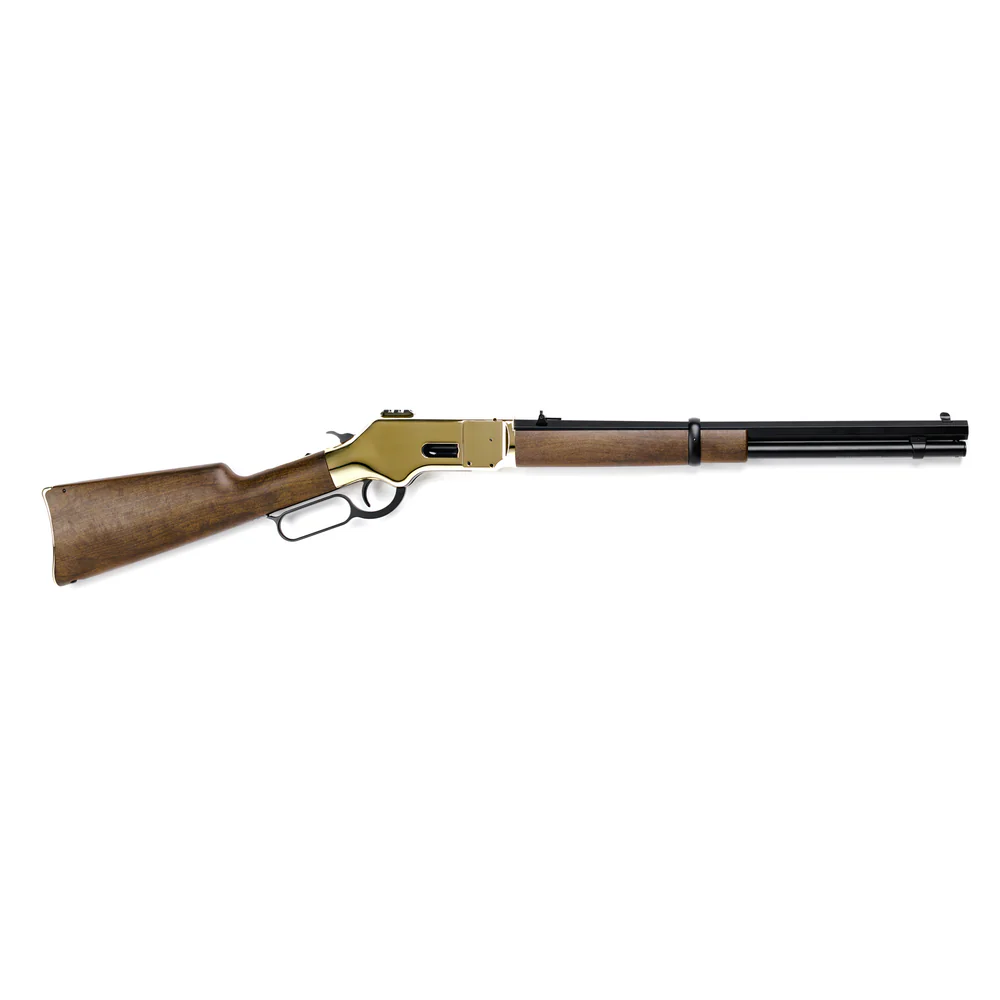
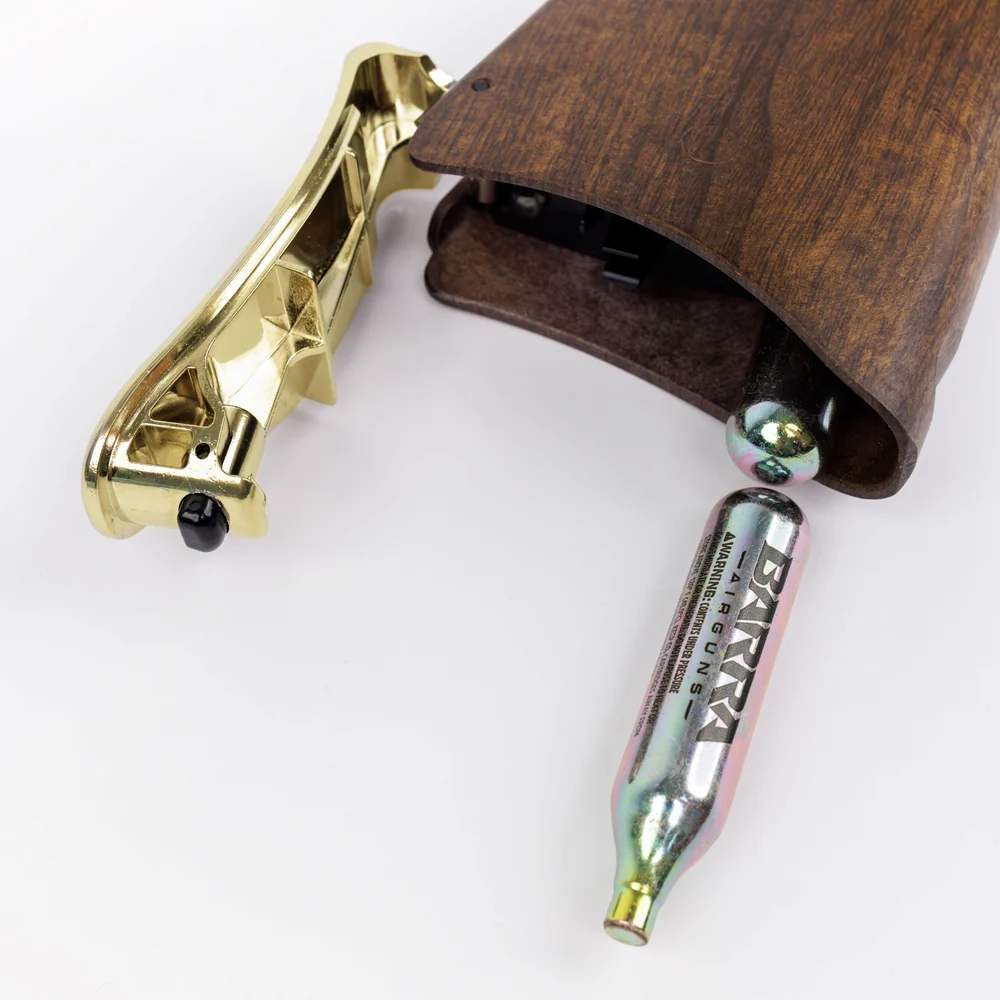
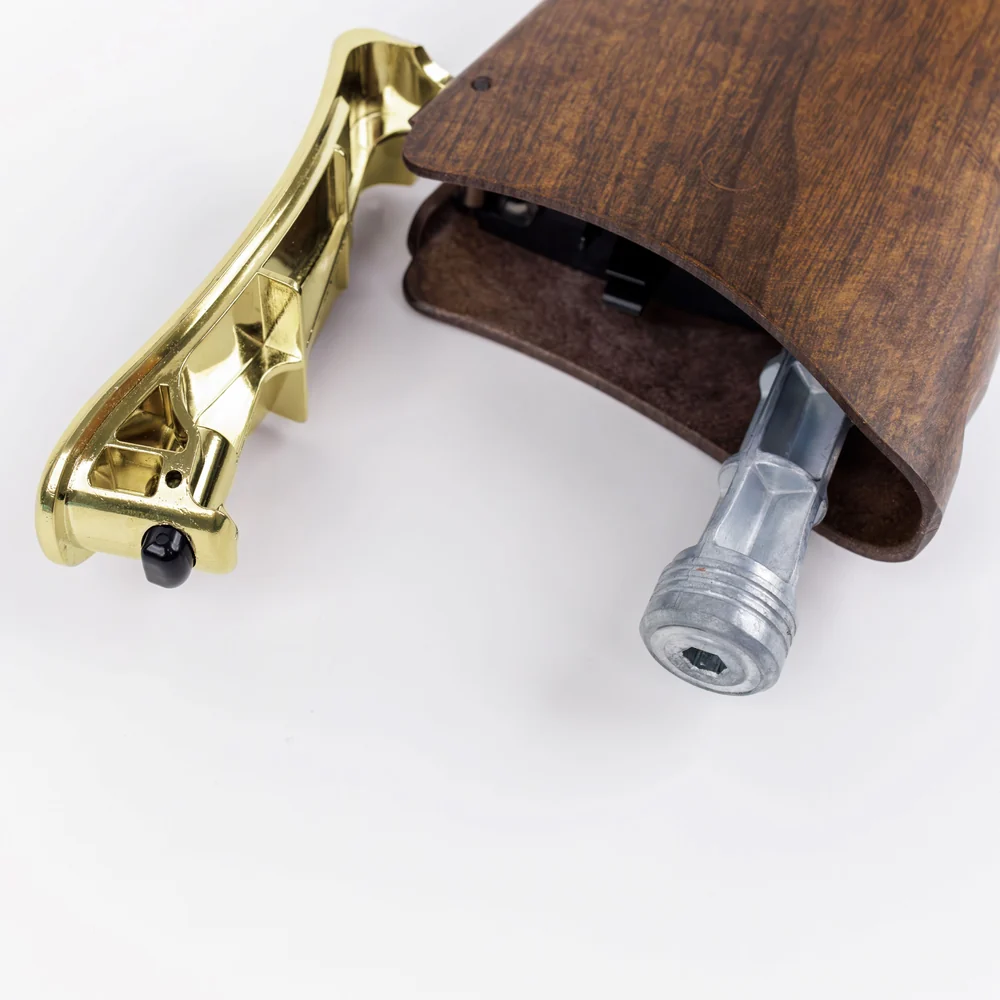
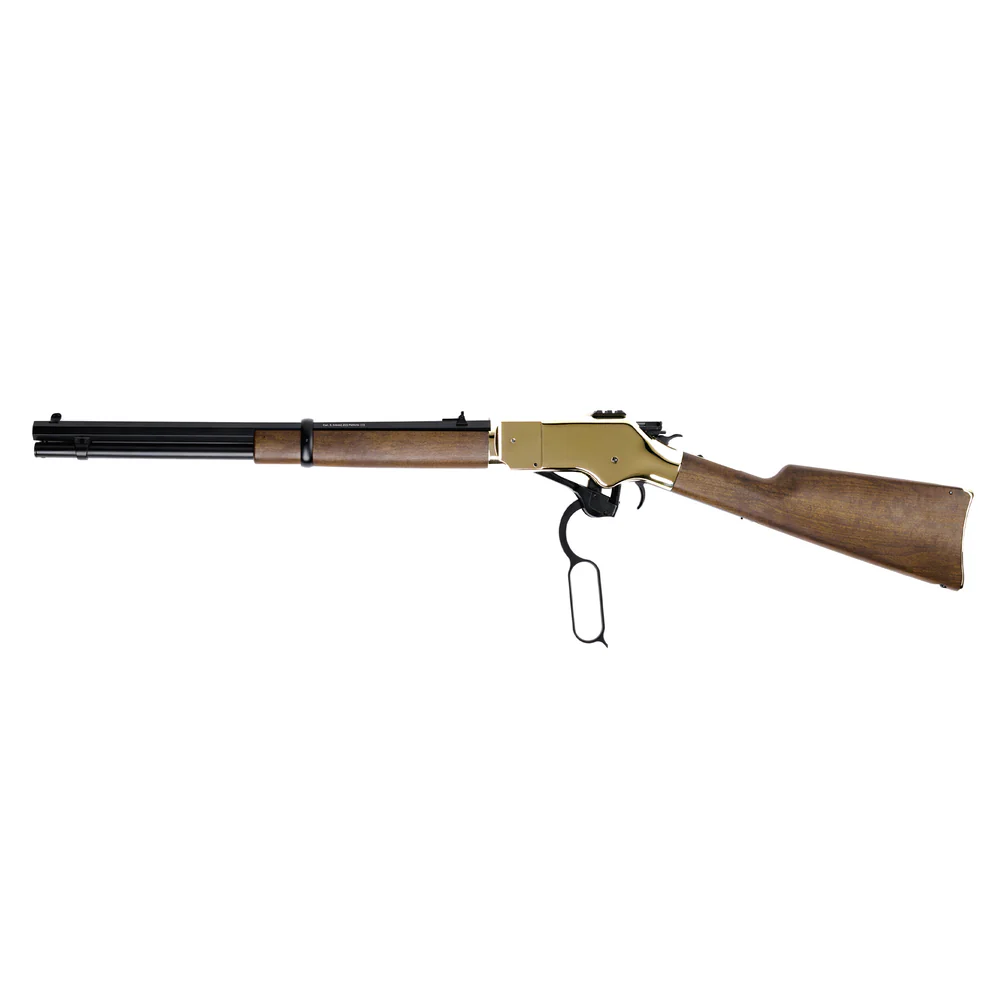
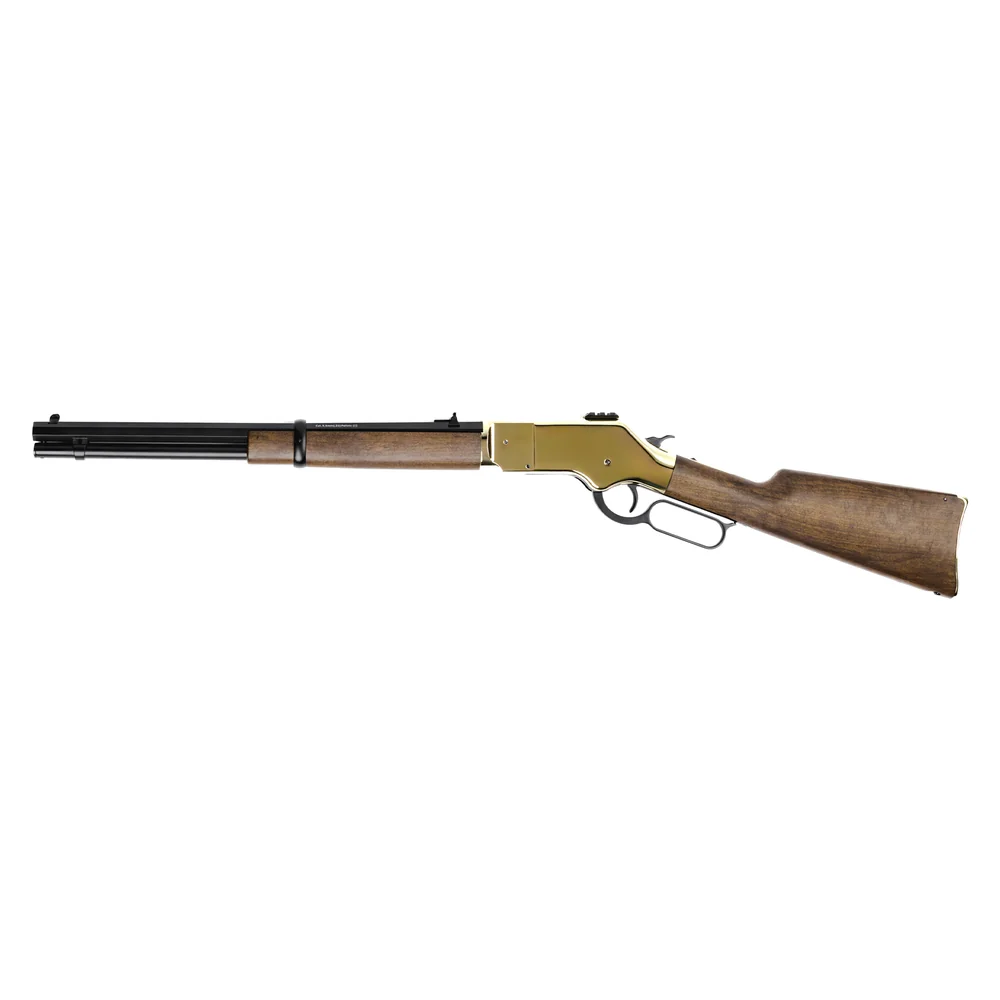
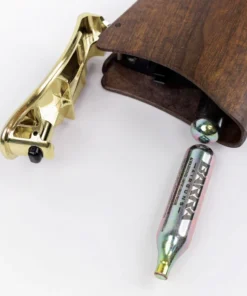
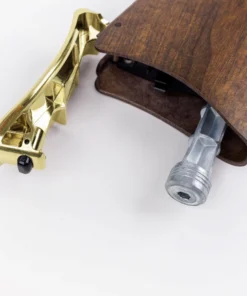
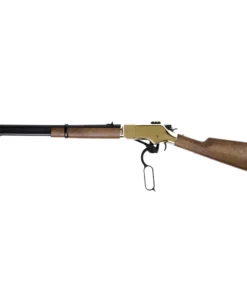
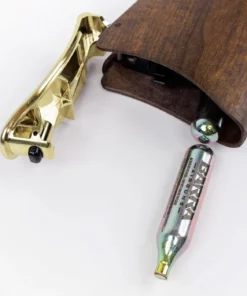
The CO2-powered 1866 takes realism to new heights with its lever-action operation and .22 caliber precision. Powered by two CO2 cartridges neatly loaded into the buttstock, this rifle lets you fire up to 10 shots with seamless cycling. Load .22 caliber pellets into the reusable metal shells, then chamber them into the rifle. Each pull of the trigger is followed by a smooth lever-action cycle, ejecting the spent shell and chambering the next, offering a true-to-life shooting experience.
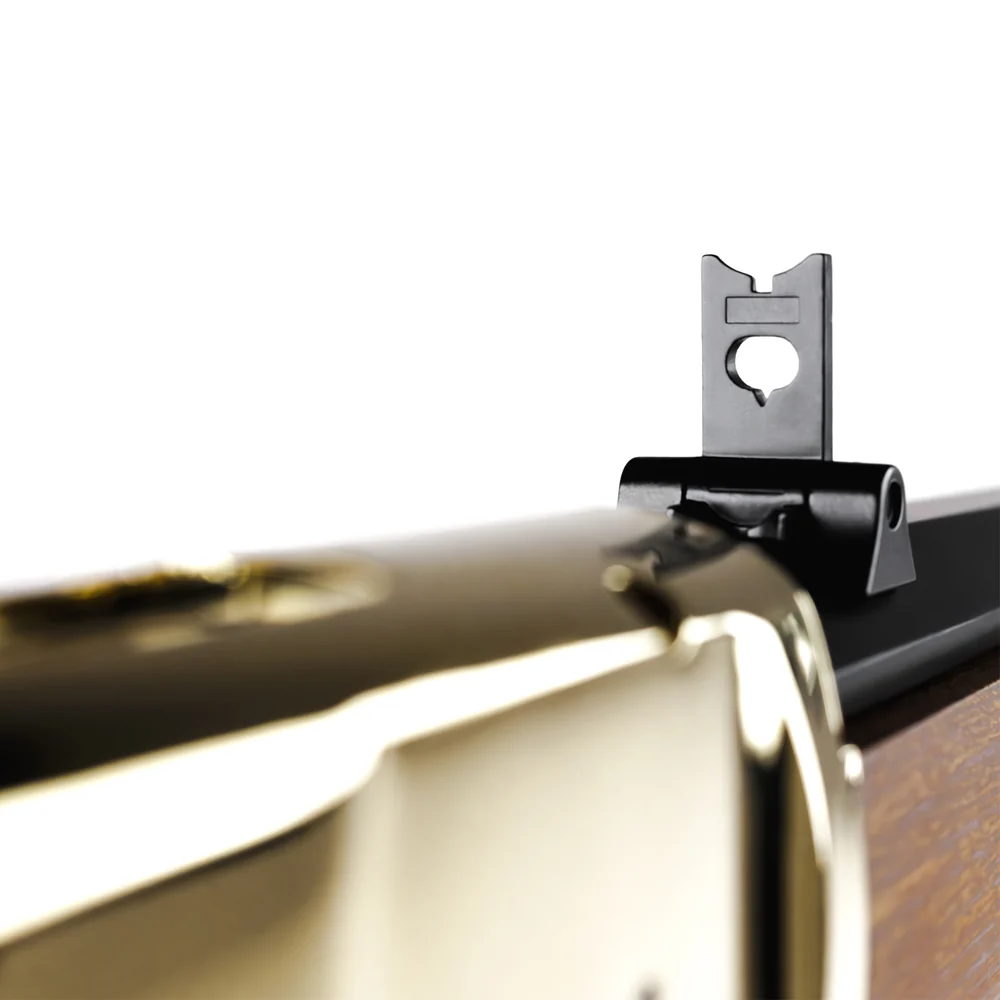
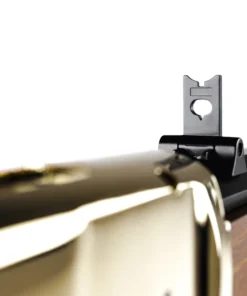
The rifle features a flip-up iron sight, giving you the flexibility to engage targets both up close and at a distance. Additionally, the included removable Picatinny rail offers the option to mount a micro red dot for enhanced targeting, or to keep it traditional with the iron sights for an authentic shooting experience.
For even greater versatility, the CO2 1866 comes equipped with a rifled .22 caliber barrel, optimized for precision pellet shooting. If you’re looking for additional customization, extra barrel kits are available for further performance tuning.
Barra 1866 CO2 .22 – Gold Technical Product Guide
Barra 1866 Engineering, CO2 Operation, Lever-Action Design, Caliber Context, and Related Barra Platforms
Barra 1866
The barra 1866 is a lever-action air rifle modeled around the appearance and handling concept of classic Western rifles. The current Gold .22 version combines decorative styling with a functional CO2 powerplant and cartridge-ejecting action.
Barra 1866 Cowboy Series
The barra 1866 cowboy series forms part of Barra’s Western-themed airgun range. Barra describes the 1866 as a flagship pellet rifle inspired by classic lever actions.
Barra Airguns
barra airguns is the manufacturer behind the 1866 line and also produces PCP rifles, multi-pump rifles, electric BB platforms, CO2 revolvers, and accessories.
B A R R A
The spaced term b a r r a is simply a search variation of the Barra brand name rather than a separate manufacturer.
Barra Air Rifles
The term barra air rifles covers several different power systems, including CO2, pre-charged pneumatic, break-barrel, multi-pump, and electric platforms. The 1866 Gold discussed here belongs specifically to the CO2 category.
CO2 Powered Air Rifle
The Gold .22 is a co2 powered air rifle using two 12-gram cartridges in the buttstock. This differs mechanically from compressed-air reservoir systems because CO2 is stored as liquefied gas inside disposable cartridges rather than charged into an onboard high-pressure air cylinder.
CO2 Pellet Guns
The phrase co2 pellet guns accurately describes this platform because it uses compressed carbon dioxide to propel .22-caliber pellets.
CO2 systems can be sensitive to ambient temperature, so velocity and shot behavior may vary between warm and cold conditions.
.22 Caliber Air Rifle
The Gold model is a .22 caliber air rifle with a rifled barrel. Barra specifically lists the .22 version below 500 FPS and identifies pellets as its ammunition type.
Rifled Barrel
The factory .22 configuration uses a rifled barrel designed specifically for pellets. Barra also sells a dedicated .22 rifled barrel kit containing the barrel, adapter, and 10 compatible pellet cartridges.
Lever-Action Operation
The mechanical lever cycles the reusable cartridges through the action.
After each shot, operating the lever ejects the used cartridge and prepares the next one. Barra highlights this cartridge-ejecting feature as a central part of the 1866’s design.
Reusable Metal Cartridges
The rifle holds 10 reusable metal cartridges for .22 pellets.
These are not firearm cartridges. They function as pellet holders within the CO2-powered airgun mechanism.
Metal Receiver
Barra states that the current design incorporates a metal receiver, differentiating it from earlier and simpler versions of the 1866 concept.
Gold Finish
The Gold version uses a decorative gold-colored receiver treatment intended to reinforce the Western aesthetic.
Cosmetic finishes should be cleaned conservatively because abrasive materials can damage plating or surface treatments.
Barra 1866 CO2
The phrase Barra 1866 CO2 accurately identifies the CO2-powered version of the 1866 family. Current versions are available in .177 and .22 configurations.
Barra 1866 CO2 Tactical
The Barra 1866 CO2 tactical is a separate modernized version of the lever-action platform. Barra currently offers it in both .177 and .22 calibers with accessory-oriented styling.
Barra Gun
The phrase barra gun is a broad search term and does not identify one exact powerplant or caliber.
Barra BB Gun
The phrase barra bb gun generally refers to Barra models using spherical steel BBs.
The .22 Gold 1866 uses pellets rather than standard 4.5mm steel BBs.
BB Gun Rifle
A bb gun rifle is not the most precise designation for the .22 Gold version because its factory rifled barrel and cartridge system are designed around pellets.
BB Gun Rifle Pump
The phrase bb gun rifle pump concerns pump-powered equipment rather than this CO2 lever-action design.
Air Gun Pump Action
Likewise, air gun pump action describes a different mechanical category.
The 1866 is lever-operated and CO2 powered, not pump powered.
Pneumatic Rifle
The phrase pneumatic rifle is broad.
Technically, pneumatic airguns use compressed gas to propel a projectile, but the 1866 is more precisely described as CO2-powered rather than PCP.
Precharged Pneumatic
precharged pneumatic refers to PCP systems that store compressed air inside a refillable onboard reservoir.
The 1866 does not use that architecture.
PCP Air Rifle
A pcp air rifle requires high-pressure compressed-air charging.
The 1866 instead runs on replaceable CO2 cartridges.
Air Rifle Compressed Air
The phrase air rifle compressed air is therefore not an exact description of the 1866’s power system.
Compressed Air Guns
Likewise, compressed air guns is broader than this specific CO2 platform.
Pistola de Aire Comprimido
The Spanish phrase pistola de aire comprimido means compressed-air pistol. It does not accurately describe this lever-action rifle-format product.
Barra 400E
The barra 400e is a separate electric BB rifle platform rather than a CO2 pellet rifle.
Barra 400E Gen 2
The barra 400e gen 2 belongs to Barra’s electric airgun family and uses a different operating system from the 1866.
Barra 400E AEG
The phrase barra 400e aeg refers to the electrically powered 400E architecture.
Barra 400E Price
The phrase barra 400e price concerns pricing for a separate model and does not establish a technical specification for the 1866.
Bara 400E
bara 400e is a spelling variation of Barra 400E.
Electric BB Gun
An electric bb gun uses an electrically driven mechanism rather than CO2.
The 1866 Gold is not electric.
Barra Sportsman 900
The barra sportsman 900 is a multi-pump air rifle and should not be confused with the CO2-powered 1866.
Sportsman 900
The sportsman 900 belongs to a different powerplant category and handling concept.
Barra Sportsman 900 Review
The phrase Barra Sportsman 900 review concerns another Barra rifle and is unrelated to the 1866’s engineering.
Barra 900 BB Gun
The phrase Barra 900 BB gun generally refers to the Sportsman 900 platform rather than this .22 pellet rifle.
Barra 900 Air Rifle
Likewise, Barra 900 air rifle refers to another model.
Barra Dual Caliber
The phrase Barra dual caliber can describe Barra models capable of firing more than one projectile type or caliber configuration, but the Gold .22 version discussed here is specifically supplied with a rifled .22 pellet barrel.
Barra 1858
The barra 1858 belongs to Barra’s separate revolver-style product family.
Barra 1858 Quality
The phrase barra 1858 quality concerns a different model and does not provide evidence about the 1866.
Barra Schofield
The barra schofield is another Western-style CO2 revolver product and shares the historical theme but not the lever-action architecture.
Barra Schofield Revolver
The barra schofield revolver uses a handgun-style revolver configuration rather than a rifle-length lever-action system.
Schofield Revolver 6in Barrel
The phrase schofield revolver 6in barrel concerns a separate revolver-format platform.
ASG Schofield In-Store
The phrase asg schofield in-store relates to retail availability for another product and not to the 1866’s specifications.
BB Revolver
A bb revolver uses a rotating cylinder or cartridge arrangement in a handgun-style frame.
The 1866 uses a tubular magazine area and lever-operated cartridge system instead.
Revolver BB Gun
Likewise, revolver bb gun describes another equipment category.
Air Gun Pellet CO2 Revolver
The phrase air gun pellet co2 revolver accurately describes some Western replica handguns, but not this rifle.
Chrome 357 Magnum
The phrase chrome 357 magnum generally refers to revolver-style replica equipment and should not be treated as a 1866 specification.
Barra 250Z
The barra 250z is a separate Barra platform.
Barra 350Z
The barra 350z is likewise distinct from the 1866.
Barra 1100Z
The barra 1100z belongs to Barra’s PCP-oriented product range rather than its CO2 Cowboy line.
Barra 1100Z Gen 2
The barra 1100z gen 2 is another PCP platform and should not be confused with the 1866.
Barra PCP Air Rifle
The phrase Barra PCP air rifle describes Barra’s pre-charged pneumatic models rather than this CO2-powered design.
.25 Cal PCP Air Rifle
The phrase .25 cal pcp air rifle concerns a larger-caliber compressed-air platform and is unrelated to this .22 CO2 lever-action rifle.
Barra Break Barrel
The phrase Barra break barrel refers to spring- or gas-piston platforms in which the barrel pivots for cocking.
The 1866 uses lever action and CO2 cartridges instead.
Barra 100
The barra 100 is a separate Barra model and should not be treated as a 1866 variation.
Barra 1911 Grips
The phrase barra 1911 grips concerns pistol accessories rather than rifle components.
Pellet Gun Parts
The phrase pellet gun parts is broad.
For the 1866, relevant replacement components may include cartridges, seals, barrel components, and other manufacturer-supported parts.
Air Gun Accessories
air gun accessories can include compatible sights, maintenance products, spare cartridges, CO2 capsules, cases, and protective gear.
Accessory compatibility should be verified rather than assumed.
BB Gun Accessories
The phrase bb gun accessories generally refers to equipment intended for BB-firing airguns.
Because the .22 version uses pellets, accessory selection should match its actual ammunition and architecture.
BB Guns and Accessories
The phrase bb guns and accessories is similarly broader than this specific pellet rifle.
BB Gun Attachments
The phrase bb gun attachments concerns accessory mounting and should not be used to imply that every BB-gun accessory fits the 1866.
Airgun Scope
An airgun scope concerns sighting equipment rather than the rifle’s core mechanical system.
Any optic should be mounted only when the platform provides an appropriate compatible interface.
4×15
The term 4×15 commonly refers to a basic low-magnification optic specification.
It should not be interpreted as a factory specification unless an optic is explicitly included.
1/4×15
The phrase 1/4×15 appears to be a search variation or typo rather than a recognized 1866 engineering specification.
Airgun Forum
An airgun forum can provide community discussion, but manufacturer documentation remains a better technical reference for compatibility, maintenance, and operating specifications.
Metal BB
A metal bb is typically a spherical steel projectile.
The .22 Gold uses pellets rather than standard BBs.
Metal BB Pellets
The phrase metal bb pellets combines two distinct projectile types.
Pellets and BBs differ in shape and intended barrel compatibility.
Steel BBs
steel bbs are generally 4.5mm spherical projectiles and are not the correct ammunition for the factory .22 rifled barrel.
4.5mm BB
A 4.5mm bb is a .177-caliber spherical projectile and therefore does not match the .22 Gold configuration.
Plastic BBs
plastic bbs usually refers to airsoft ammunition.
The 1866 is not an airsoft platform.
Airsoft BBs
airsoft bbs are typically 6mm plastic projectiles and should not be confused with .22-caliber pellets.
6mm Plastic BBs
The phrase 6mm plastic bbs specifically describes standard airsoft ammunition.
Biodegradable Airsoft BBs
biodegradable airsoft bbs are environmentally oriented airsoft projectiles and are unrelated to this pellet rifle.
Airsoft BBs 10000
The phrase airsoft bbs 10000 concerns bulk airsoft ammunition.
Glock BB Gun With Extended Mag
The phrase glock bb gun with extended mag concerns pistol-format BB replicas and has no technical relationship to the 1866.
BB Guns Sniper
The phrase bb guns sniper is a broad search term and does not describe the Western lever-action architecture.
B&B Gun
The phrase b&b gun appears to be a search variation or unrelated terminology rather than an official Barra product name.
Best Barra Air Rifle for Hunting
The phrase Best Barra air rifle for hunting concerns use selection rather than an engineering specification. Whether any airgun is lawful or appropriate for hunting depends on local law, caliber, energy, species, and other regulations.
Why the .22 Rifled Configuration Matters
The most important technical distinction of the Gold .22 model is that it ships with a dedicated rifled .22-caliber barrel and matching pellet cartridges. Barra explicitly markets the barrel kit as improving pellet accuracy compared with non-rifled alternatives.
Why CO2 Matters
CO2 power simplifies the system compared with PCP equipment because no high-pressure compressor or hand pump is required.
However, CO2 performance is temperature-dependent, and disposable cartridges must eventually be replaced.
Why the Ejecting-Cartridge System Matters
The reusable cartridge system is primarily about mechanical realism and operating feel.
Each pellet is held inside a metal cartridge, and cycling the lever ejects the used cartridge before chambering another.
Practical Precision
The rifled .22 barrel provides the primary technical foundation for pellet stabilization. Mechanical precision will also depend on pellet consistency, barrel condition, sight alignment, CO2 pressure behavior, ambient temperature, and user technique.
Overall Technical Perspective
The Barra 1866 CO2 .22 – Gold combines a Western-inspired lever-action layout, metal receiver, gold finish, rifled .22 barrel, dual 12-gram CO2 power source, 10 reusable metal pellet cartridges, and cartridge-ejecting action. Barra currently lists the model at up to approximately 450 FPS.
For responsible ownership, the important considerations remain correct .22-caliber pellet use, compatible CO2 cartridges, eye protection, a secure backstop, unloaded secure storage, careful handling of the gold finish and cartridge system, and compliance with applicable local airgun laws.
Engineering Design, CO2 Performance, Handling, Precision Factors, and Practical Characteristics
A traditional lever-operated air rifle offers a different ownership experience from modern pneumatic platforms. Instead of relying on an externally charged reservoir, the system uses replaceable gas capsules to provide the energy required for operation. Meanwhile, the mechanical action, rifled barrel, reusable cartridge system, stock geometry, sights, and internal seals work together to determine overall consistency. Understanding these components helps an owner evaluate normal performance, identify developing problems, and maintain the equipment responsibly over time.
Traditional Lever-Action Design
The lever-operated mechanism is one of the most distinctive characteristics of the platform.
Its movement mechanically cycles the action between shots, creating an operating experience inspired by historical sporting rifles.
The lever should travel smoothly without grinding, excessive looseness, or unexpected resistance.
Any substantial change in operating feel should be investigated rather than overcome with additional force.
Full-Length Rifle Geometry
A traditional rifle-length configuration creates familiar contact points between the shoulder, grip, fore-end, and sighting system.
This arrangement can provide a stable recreational target platform when the user maintains a comfortable position.
However, individual proportions differ, so perceived comfort will vary between users.
Stock Ergonomics
The stock provides the primary interface between the equipment and the user’s upper body.
Shoulder contact should feel natural rather than forced.
Consistent placement can also support repeatable sight alignment because the user’s head and eye return to approximately the same position.
Fore-End Handling
The forward stock section provides a convenient supporting surface.
A relaxed supporting hand can help maintain stability without introducing excessive muscular tension.
The equipment should be supported consistently when mechanical repeatability is being evaluated.
CO2 Power System
The gas-powered system differs substantially from a high-pressure compressed-air reservoir.
Replaceable capsules contain carbon dioxide under pressure, eliminating the need for a separate high-pressure filling system.
Nevertheless, gas capsules and their sealing surfaces still require appropriate handling and inspection.
Understanding Temperature Effects
Carbon dioxide is particularly sensitive to temperature.
As ambient conditions change, internal pressure can change as well.
Consequently, performance observed during a warm recreational session may differ from performance in considerably colder conditions.
This variation does not automatically indicate a mechanical problem.
Shot-to-Shot Behavior
Consistency depends partly on allowing the gas system to operate within normal conditions.
Rapid repeated operation can cool the gas system, potentially changing pressure behavior temporarily.
Therefore, comparisons between sessions should account for temperature and operating pace before mechanical conclusions are reached.
Gas Seal Condition
Seals play an important role in maintaining pressure.
Over time, age, contamination, environmental exposure, or ordinary wear can affect sealing surfaces.
Persistent gas leakage should be investigated because repeatedly installing fresh capsules will not correct a deteriorated seal.
Cartridge-Ejecting Mechanism
Reusable cartridge holders add another mechanical element to the action.
They should remain clean, correctly matched, and free from substantial deformation.
Damaged cartridge holders can interfere with normal cycling and should not be forced through the mechanism.
Cartridge Storage
Reusable components should be stored in a clean container where they cannot be crushed or contaminated.
Keeping them separated from heavy tools can prevent accidental deformation.
Periodic inspection can also identify damaged rims or other physical deterioration.
Rifled Barrel Construction
A rifled barrel provides internal grooves intended to stabilize compatible pellets during recreational target use.
Barrel condition therefore contributes directly to mechanical consistency.
The bore, muzzle area, and exterior should remain protected from physical impact and corrosion.
Muzzle Protection
Damage around the muzzle can affect repeatability.
For this reason, the front of the barrel should not be struck against hard surfaces or used as a supporting point.
After transportation, visible inspection can help identify accidental damage.
Conservative Barrel Cleaning
Internal cleaning should follow manufacturer-supported guidance.
Excessive use of aggressive brushes, unsuitable chemicals, or abrasive materials can create unnecessary wear.
Cleaning should preserve the barrel rather than alter its internal surfaces.
Understanding Practical Precision
Precision is influenced by several variables working simultaneously.
Barrel condition, pellet uniformity, sight alignment, gas pressure, ambient temperature, equipment support, and user technique can all affect results.
Therefore, one unusual group does not necessarily indicate a mechanical defect.
Pellet Consistency
Correctly sized and undamaged pellets provide a more consistent basis for recreational target evaluation.
Bent skirts, contamination, or substantial dimensional differences can introduce variation.
Only ammunition matching the equipment’s intended caliber and manufacturer specifications should be used.
Sight Alignment
Traditional sighting equipment depends heavily on consistent head and shoulder placement.
Small changes in visual alignment can influence results.
Consequently, a comfortable and repeatable position can be as important as the mechanical condition of the sights themselves.
Sight Condition
Sights should remain straight, secure, and free from significant impact damage.
Loose components can create apparent precision problems even when the barrel and gas system remain mechanically healthy.
Unexpected movement should therefore be corrected before overall performance is evaluated.
Trigger Characteristics
A predictable trigger mechanism contributes to consistent operation.
The trigger should retain its normal movement and resistance.
Unexpected looseness, binding, or substantial changes in engagement should prompt inspection rather than unauthorized internal modification.
Mechanical Safety
The safety mechanism should operate normally and predictably.
However, mechanical safeguards should never replace disciplined handling.
Responsible direction, appropriate storage, and awareness of the surrounding environment remain necessary regardless of safety position.
Exterior Metal Components
Metal surfaces should periodically be inspected for corrosion, scratches, looseness, or impact damage.
After exposure to moisture, accessible areas should be dried appropriately.
Aggressive cleaning products should be avoided unless their compatibility has been confirmed.
Decorative Finish Care
A decorative metallic finish benefits from gentle maintenance.
Abrasive pads, harsh polishing compounds, and strong chemicals can alter the surface appearance.
A soft, clean cloth is generally more appropriate for routine exterior care.
Environmental Conditions
Outdoor conditions can influence both equipment and performance.
Wind can affect lightweight projectiles, while humidity can encourage corrosion if moisture remains on metal surfaces.
Temperature can additionally influence gas pressure.
These factors should be considered when comparing results between sessions.
Recreational Target Use
Controlled target environments provide suitable conditions for evaluating mechanical consistency.
A secure backstop, appropriate eye protection, awareness of surrounding people, and compliance with facility requirements remain fundamental considerations.
Pre-Use Inspection
Before recreational use, inspect the barrel, action, stock, sights, lever, gas system, and reusable cartridge holders.
Look for damage, looseness, corrosion, or unusual mechanical behavior.
Anything substantially different from normal should be investigated.
Post-Use Inspection
After a session, another short inspection can reveal moisture, contamination, loose components, or developing mechanical wear.
This becomes particularly useful after outdoor use or transportation.
Transportation
A padded case can reduce impact and abrasion.
Reusable cartridges and gas capsules should be organized so they cannot move freely against the equipment during transportation.
Applicable transportation regulations should always be followed.
Storage Conditions
A clean, dry, temperature-stable location provides favorable storage conditions.
Prolonged exposure to excessive heat or persistent humidity should be avoided.
Manufacturer guidance should be followed regarding whether gas capsules should remain installed during extended storage.
Secure Storage
When not in use, the equipment should remain unloaded and secured against unauthorized access.
Children and unauthorized individuals should not be able to reach it.
Local storage requirements should always be followed.
Long-Term Reliability
Long-term reliability depends more on preventive care than constant mechanical adjustment.
Keeping the action clean, protecting the barrel, inspecting seals, maintaining reusable cartridges, avoiding extreme temperatures, and storing the equipment securely can preserve its condition.
Overall Engineering Perspective
The platform combines traditional lever-operated mechanics with modern gas-powered operation and a rifled pellet barrel. Its practical performance depends on the interaction between the gas system, seals, action, barrel, cartridge holders, sights, stock, and environmental conditions.
Consistent recreational performance should therefore be evaluated as a complete system. Proper ammunition, careful inspection, conservative cleaning, secure storage, and appropriate professional servicing can support long-term reliability. Persistent leakage, significant corrosion, damaged components, abnormal trigger behavior, or unexplained mechanical resistance should be investigated before continued use.
Maintenance, Inspection, Cleaning, Storage, Gas-System Care, and Long-Term Reliability
Long-term reliability in a CO2-powered lever-action air rifle depends on routine inspection, sensible cleaning, correct storage, and careful handling of the gas system. The rifle combines a mechanical lever action, barrel, reusable cartridge holders, internal seals, trigger components, sights, stock, and gas-powered components. Each part can wear differently over time. Therefore, maintenance should focus on preserving normal operation, identifying deterioration early, and avoiding unnecessary internal modification. A consistent care routine also helps separate harmless cosmetic wear from issues that require qualified technical attention.
Routine Visual Inspection
A brief visual inspection should be completed regularly.
Look for corrosion, cracks, loose hardware, damaged sights, worn seals, impact marks, or anything that appears different from the rifle’s normal condition.
The action, barrel, stock, lever, trigger area, gas compartment, and cartridge holders should all be checked.
Gas-System Condition
The gas-powered system depends on intact seals and undamaged interfaces.
If gas begins escaping rapidly after installation, the cause should be investigated rather than ignored.
Persistent leakage may indicate worn seals, damaged seating surfaces, or another internal problem.
Repeatedly replacing gas capsules will not correct a mechanical leak.
Seal Care
Seals naturally age through use and environmental exposure.
Excessive heat, long-term compression, contamination, and unsuitable chemicals can contribute to deterioration.
When seal replacement is required, manufacturer-compatible components should be used.
Improvised substitutes may fit physically while still performing poorly or damaging the system.
Gas Capsule Storage
Unused gas capsules should be stored according to manufacturer and local safety guidance.
They should be kept away from excessive heat, direct sunlight, and environments where puncture or crushing could occur.
Damaged or heavily corroded capsules should not be used.
Gas Capsule Installation Area
The capsule compartment should remain clean and free from debris.
Dirt around sealing surfaces can contribute to leakage.
The area should be visually inspected before a new capsule is installed.
Any unusual corrosion or damage should be addressed before continued operation.
Lever-Action Inspection
The lever should move smoothly through its normal range.
Grinding, binding, scraping, or excessive resistance can indicate contamination or wear.
The mechanism should not be forced.
If the action no longer feels normal, qualified inspection is preferable to applying greater pressure.
Reusable Cartridge Holders
Reusable cartridge holders should remain clean, straight, and free from damage.
Bent edges, dents, or excessive wear can interfere with cycling.
They should be stored in a dedicated container rather than loose with heavy tools or other metal objects.
Cartridge Holder Cleaning
Light surface contamination can usually be removed with a soft cloth.
Aggressive abrasives should be avoided.
The goal is to remove dirt without changing the dimensions or surface finish of the reusable holders.
Barrel Exterior Care
The barrel exterior should be kept dry and protected from corrosion.
After use in humid or damp conditions, accessible metal surfaces should be wiped down before storage.
The muzzle area deserves particular protection from impact.
Internal Barrel Maintenance
Internal cleaning should remain conservative and follow manufacturer guidance.
Excessive use of abrasive brushes or unsuitable chemicals can damage internal surfaces.
Routine cleaning should focus on preserving the bore rather than over-cleaning it.
Muzzle Condition
The muzzle should remain free from dents, deformation, or other physical damage.
A hard impact at the front of the barrel can affect consistency.
After transportation or accidental contact, the area should be inspected before further recreational use.
Trigger-System Condition
The trigger should retain predictable movement and resistance.
Unexpected changes should be treated as a maintenance signal.
Unauthorized internal modifications should be avoided.
If abnormal behavior persists, professional servicing is the more appropriate response.
Mechanical Safety Inspection
The safety should move normally without binding or excessive looseness.
However, it should never be treated as the only safety measure.
Responsible handling practices should remain unchanged regardless of the safety’s position.
Sight Inspection
Front and rear sight components should remain straight and secure.
Loose sights can create apparent accuracy problems even when the barrel and gas system remain mechanically sound.
Sight fasteners should be inspected periodically.
Stock Care
The stock should be checked for cracks, impact damage, or looseness around mounting points.
Environmental exposure should be minimized.
Prolonged moisture, extreme heat, and harsh cleaning chemicals can affect both appearance and condition.
Decorative Finish Protection
Decorative surfaces should be cleaned gently.
Abrasive pads, aggressive metal polish, and harsh solvents can damage or dull the finish.
A soft cloth is generally more suitable for ordinary exterior maintenance.
Fastener Inspection
Visible screws and other external fasteners should remain secure.
Overtightening should be avoided because damaged threads can create additional problems.
A fastener that repeatedly becomes loose may indicate an underlying issue rather than a simple tightening problem.
Moisture Management
Moisture is a common long-term storage concern.
Wet equipment should not be left sealed in a case.
Both the rifle and the storage case should be allowed to dry before extended storage.
Corrosion Prevention
A clean and dry environment helps protect metal components.
Persistent humidity, salt, and chemical exposure should be avoided.
Recessed areas should occasionally be inspected because corrosion can begin where it is less visible.
Temperature Protection
Extreme temperatures should be avoided.
A closed vehicle in direct sunlight can become very hot and may affect seals, finishes, and gas-system components.
Stable indoor storage is generally preferable.
Storage Without Pressure
Long-term storage practices should follow the manufacturer’s guidance for the gas system.
Avoid leaving the rifle in an uncertain pressurized condition for extended periods unless the manufacturer specifically recommends it.
Transportation Protection
A padded case can reduce impact and abrasion.
Reusable cartridges and gas capsules should be organized so they cannot strike the rifle during transport.
The rifle should remain unloaded, and applicable transport rules should be followed.
Secure Storage
The rifle should be stored unloaded and secured against unauthorized access.
Children and unauthorized users should not be able to reach it.
Local storage requirements should always be observed.
Post-Use Inspection
After recreational use, inspect the rifle for new marks, moisture, loose hardware, or changes in action feel.
Early identification of small problems can reduce the chance of more significant maintenance later.
Maintenance Records
A simple maintenance history can be useful.
Record professional repairs, seal replacements, significant leaks, and any unusual mechanical behavior.
This creates a clearer record if recurring problems develop.
Warning Signs
Persistent gas leakage, severe corrosion, damaged barrel components, trigger abnormalities, cracked stock areas, or significant lever resistance should not be ignored.
Continued use can worsen the problem.
Professional Servicing
Internal gas-system faults, significant mechanical damage, or repeated malfunctions are better handled by qualified personnel.
Improvised repairs can introduce new problems or make later servicing more difficult.
Long-Term Reliability
Service life depends heavily on how the equipment is treated.
Careful handling, dry storage, clean reusable components, correct gas capsules, conservative cleaning, and timely servicing can preserve reliable operation.
Overall Maintenance Perspective
A reliable CO2 lever-action air rifle benefits from simple, consistent preventive care. The gas system, seals, barrel, lever action, sights, stock, cartridge holders, and external hardware should all remain part of the maintenance routine.
The strongest approach is to inspect regularly, keep the rifle clean and dry, protect the finish, store gas components safely, avoid unnecessary modifications, and seek qualified servicing when abnormal leakage or mechanical behavior appears.
Be the first to review “1866 CO2 .22 – Gold”
Related products


Barra Air Rifles
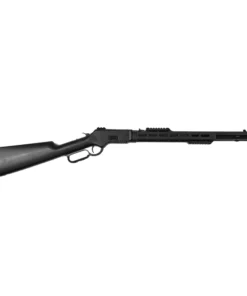
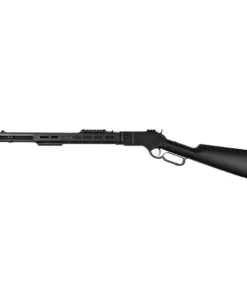
Barra Air Rifles


Barra Air Rifles


Barra Air Rifles
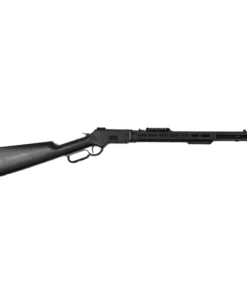
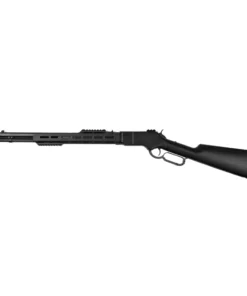
Barra Air Rifles

Barra Air Rifles

Barra Air Rifles
Reviews
There are no reviews yet.