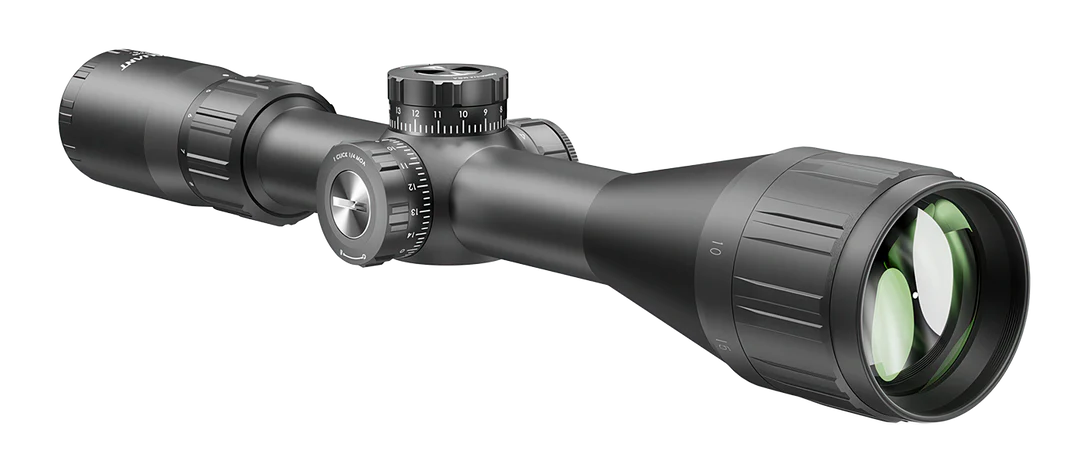
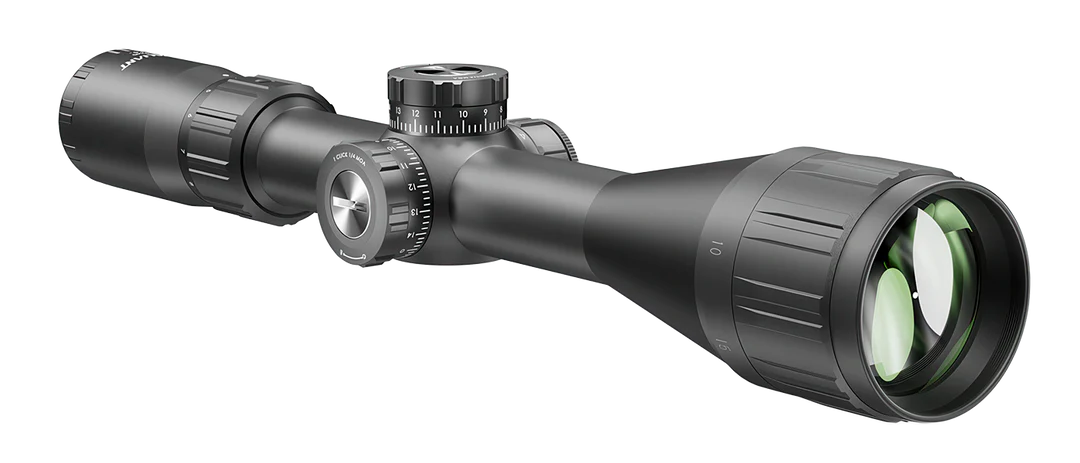
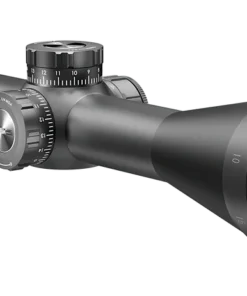
Valiant Lynx 3–9×40 AO IR Mil Dot Scope
$110.00
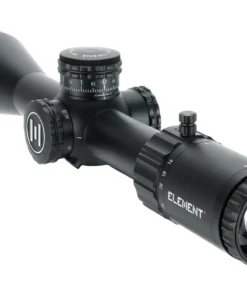
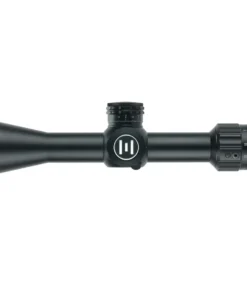
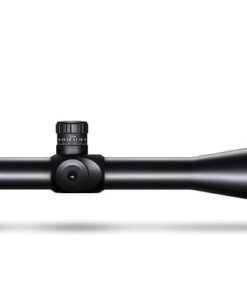
For shooters seeking excellent quality at a reasonable price, the Valiant Lynx 3-9×40 AO IR Mil Dot Scope delivers.
This series guarantees excellent quality at a reasonable price. All Lynx riflescopes are fitted with a Mil-Dot reticle, dioptre correction and red illumination in 11 levels of intensity. All lenses are coated with a special anti reflective layer. The Valiant Lynx 3-9×40 AO IR Mil Dot Scope is Surely one of the best riflescopes on the market in it’s price range. The one-piece main tube is made of aircraft grade aluminium.
Wired reticle makes it suitable for sport and hobby shooting with PCP airguns and low calibre firearms. .22LR diopter correction and adjustable front objective will help get a crystal clear image. Exposed low-profile turrets are easily resettable. The click system of each turret is very noticeable and accurate
Valiant Lynx 3-9×40 AO IR Mil Dot Scope Technical Specifications:
- 25.4 mm tube diameter
- Adjustable Objective
- Wired reticle
- Shockproof, Fogproof and Water Resistant IP5
- Multi-Coated Lens
- Anti-reflective Coating
- Low Profile Resettable Turrets
- Dioptre Correction
- Solid flip up covers and 11 mm dovetail mounts and lens cloth are included.
Valiant Lynx 3–9×40 AO IR Mil Dot Scope – Compact Precision, Illuminated Reticle Performance, and Adjustable Objective Accuracy
Valiant Lynx 3–9×40 AO IR Mil Dot Scope Overview
What Is the Valiant Lynx 3–9×40 AO IR Mil Dot Scope?
The Valiant Lynx 3–9×40 AO IR Mil Dot Scope is a versatile optical system designed to combine compact dimensions, dependable mechanical performance, adjustable focusing capability, and illuminated aiming references into a single package. Its 3× to 9× magnification range provides a balance between rapid target acquisition and precise observation at extended distances.
The combination of moderate magnification, a 40 mm objective lens, and an adjustable objective system makes this optic suitable for numerous applications where image clarity, reliability, and ease of use are essential.
Why the 3–9×40 Configuration Is So Popular
The 3–9×40 arrangement remains one of the most widely used optical configurations because it offers flexibility without adding excessive size or weight.
Several advantages contribute to its popularity:
- Excellent balance between magnification and field of view
- Improved visibility in different lighting conditions
- Faster target acquisition
- Comfortable handling characteristics
- Greater adaptability across varying distances
Unlike the minotaur 10-50×60 or the vector minotaur 10 50×60, this configuration emphasizes versatility instead of extreme magnification.
Likewise, the swfa ss 10×42 belongs to a different category of fixed-power optics, and a typical swfa scope review examines an entirely different design philosophy.
Scope Illumination and Reticle Performance
The illuminated Mil-Dot reticle improves visibility in changing conditions while preserving a clear sight picture. Consequently, users can adapt more effectively to changing environments.
The phrase scope illumination refers to internal lighting systems that enhance reticle visibility.
By comparison, a red dot uk sight functions according to a completely different optical principle because it relies on an electronically projected aiming point rather than magnification.
Similarly, an ir illuminator is generally associated with night-vision systems instead of conventional optical equipment.
What Is Parallax in Optics?
The question what is parallax in optics is frequently asked by individuals learning more about optical performance.
Simply explained, parallax describes the apparent movement of the reticle relative to the target when the observer’s eye moves behind the ocular lens.
Therefore, the terms what is parallax in optics, what is parallax in a scope, and what is parallax in a rifle scope all describe closely related concepts.
The adjustable objective mechanism helps reduce these effects while improving image sharpness at varying distances.
Understanding MOA and Precision Adjustments
Many individuals ask, what is the moa of a scope.
MOA refers to minute of angle, which is an angular measurement commonly used when making elevation and windage corrections.
Some people also search for information concerning a zero stop scope or ask what is zero stop on a scope. These mechanisms are generally associated with specialized turret systems that prevent excessive downward adjustment after the original zero point has been established.
A ballistic solver may be used alongside information gathered from a chrony chronograph to estimate trajectory characteristics more accurately.
Mounting Systems and Rail Compatibility
Proper installation remains extremely important because secure mounting directly influences performance.
A suitable scope mount should always be selected according to the mounting platform.
Many modern systems use picatinny mounting arrangements. Therefore, understanding what is a picatinny rail becomes essential.
A 1913 rail, tactical rail, or picatinny scope base frequently provides the structural foundation required for secure installation.
Understanding picatinny dimensions is equally important because dimensional differences can influence compatibility.
The difference between weaver and picatinny rail configurations should also be considered carefully because these systems are not always interchangeable.
Searches for parker hale scope rings for sale generally concern separate accessories.
Stability and Support Equipment
A quality bipod for rifle frequently contributes to improved stability, while individuals researching the best rifle bipod for long range shooting are usually comparing specialized support equipment.
Likewise, a calibrated scope torque wrench helps ensure that mounting pressure remains within the manufacturer’s recommendations.
Optical Comparisons and Alternative Brands
Several supplied search phrases refer to entirely separate products and manufacturers.
The delta stryker belongs to another product category, while delta optics, element optics, falcon optics, zco optics, tpo scopes, and schmidt and bender scopes represent alternative manufacturers within the optics industry.
Similarly, march riflescope adjustments argon filled d42hv56wfml g2, tnc225r review, and dnt optics review refer to different products.
The phrase prs spotting scope setups concerns observational equipment rather than primary aiming optics.
Night Vision and Thermal Imaging Comparisons
The Valiant Lynx remains a conventional optical system. Consequently, it should not be confused with specialized electronic equipment.
The hikmicro stellar sx60l thermal scope, best digital night vision scope, best night vision scope, and products discussed through a dnt thermal scope review belong to entirely different technological categories.
Retailer References and Search Terminology
The terms optics warehouse, optic warehouse, and optics planet generally refer to retailers and distributors rather than engineering characteristics.
Likewise, the repeated phrase sniper hider and the additional reference to sniper hider do not correspond to verified specifications associated with this model.
Why the Valiant Lynx Stands Out
Several characteristics contribute to the popularity of this optic:
- Adjustable objective technology
- Illuminated Mil-Dot reticle
- Compact dimensions
- Reliable construction
- Comfortable handling
- Clear optical performance
- Straightforward adjustment mechanisms
- Excellent versatility
Together, these features create a balanced optical platform capable of delivering dependable performance, excellent visibility, and long-term reliability in a broad range of applications.
Optical Clarity, Precision, and Everyday Performance
Built for Consistent Accuracy
Reliable performance is usually the result of careful preparation, proper technique, and continuous practice. Although modern optical systems are designed to deliver excellent results, experience often plays an equally important role.
As familiarity increases, individuals frequently become more confident in their abilities. Consequently, adjustments become easier, observation skills improve, and consistency develops naturally over time.
Steady improvement often produces more dependable results than constant changes because effective habits are strengthened through repetition.
Why Image Clarity Matters
Clear images make it easier to recognize fine details while maintaining a comfortable viewing experience. Greater clarity also helps reduce eye fatigue during extended periods of use.
Several factors contribute to improved image quality:
- Lens construction
- Internal optical alignment
- Light transmission efficiency
- Contrast levels
- Protective coatings
- Environmental conditions
When these elements work together effectively, overall performance frequently improves.
Understanding Magnification and Field of View
Magnification directly influences the balance between visibility and precision. Lower settings generally provide a wider field of view, whereas higher settings often reveal additional detail.
Several factors influence the ideal magnification level:
- Distance to the target
- Available light
- Stability
- Weather conditions
- Personal preference
Understanding these variables frequently contributes to a more comfortable and efficient experience.
Why Focus Adjustment Is Important
Proper focus adjustment contributes significantly to accuracy because it allows the image to appear sharper and clearer.
Several advantages are commonly associated with accurate focusing:
- Improved image definition
- Greater visual comfort
- Better consistency
- Increased confidence
- Enhanced observation capability
These advantages frequently support dependable long-term performance.
Stability and Control
Stability remains one of the foundations of precision. Even slight movement can influence accuracy, particularly when greater magnification is used.
Several techniques frequently contribute to improved stability:
- Maintaining proper posture
- Controlling breathing patterns
- Reducing unnecessary movement
- Establishing a balanced position
- Following consistent routines
These practices frequently lead to more predictable results.
Environmental Conditions and Adaptability
Environmental conditions constantly change, which is why adaptability remains extremely valuable. Individuals who understand these changes often respond more effectively to unexpected circumstances.
Several factors should always be considered:
- Temperature variations
- Humidity levels
- Wind intensity
- Wind direction
- Atmospheric pressure
- Lighting conditions
Recognizing these factors frequently improves overall awareness and confidence.
Maintenance and Care Recommendations
Regular maintenance helps preserve appearance, functionality, and reliability while reducing unnecessary wear.
Several maintenance procedures are generally recommended:
- Remove dust carefully.
- Inspect all visible components thoroughly.
- Protect exposed surfaces from contamination.
- Confirm that fittings remain secure.
- Store equipment properly after use.
These habits frequently contribute to long-term durability.
Frequently Asked Questions
Why is image clarity important?
Clear images improve observation while helping individuals recognize important details more easily.
Why is magnification important?
Magnification influences visibility, target identification, and overall precision.
Why should focus adjustments be made carefully?
Accurate focus improves image sharpness while reducing visual fatigue.
Why is stability necessary?
Stability helps reduce movement and contributes to greater consistency.
Why is maintenance important?
Routine maintenance preserves reliable performance and extends the useful lifespan of the equipment.
Final Thoughts
Dependable results are often achieved through patience, preparation, discipline, and experience. Individuals who remain committed to these principles frequently enjoy greater confidence, stronger consistency, and improved long-term performance.
Reliability, Precision, and Long-Term Performance
Building Confidence Through Experience
Experience plays an important role in achieving dependable results. Although high-quality equipment provides an excellent starting point, consistent performance is usually developed through patience, preparation, and regular practice.
As skills improve, individuals often become more comfortable adapting to changing conditions while refining their techniques. Consequently, confidence increases, adjustments become more precise, and overall efficiency improves.
Gradual improvement frequently leads to greater consistency because effective habits become firmly established over time.
Why Consistency Matters
Consistency creates a reliable foundation for long-term success. Individuals who follow established routines often discover that performance improves steadily with continued experience.
Several factors contribute to consistent results:
- Careful preparation
- Thorough inspections
- Stable positioning
- Controlled movement
- Continuous observation
These habits frequently contribute to improved confidence and more dependable performance.
Understanding the Importance of Balance
Balance remains essential because it influences comfort, stability, and control. Proper balance often allows individuals to maintain concentration for longer periods while reducing unnecessary fatigue.
Several factors contribute to improved balance:
- Comfortable positioning
- Proper weight distribution
- Reliable support
- Controlled movements
- Consistent technique
Together, these elements frequently support more predictable outcomes.
Environmental Awareness and Adaptability
Environmental conditions rarely remain unchanged for long periods. Therefore, understanding how these conditions influence performance remains extremely important.
Several factors deserve careful attention:
- Wind speed
- Wind direction
- Temperature fluctuations
- Humidity levels
- Atmospheric pressure
- Variations in light intensity
Awareness of these conditions frequently helps individuals maintain greater consistency and confidence.
The Importance of Proper Maintenance
Routine maintenance remains one of the most effective methods of preserving dependable performance. Proper care helps protect important components while reducing unnecessary wear.
Several maintenance recommendations are commonly followed:
- Remove dust and debris carefully.
- Inspect visible surfaces thoroughly.
- Protect equipment from excessive moisture.
- Verify that all fittings remain secure.
- Store equipment appropriately after use.
These procedures frequently contribute to long-term reliability.
Proper Storage Procedures
Storage conditions influence durability, appearance, and overall performance. Consequently, maintaining a clean and organized environment remains highly beneficial.
Several recommendations are generally advised:
- Store equipment in a dry location.
- Avoid unnecessary exposure to excessive heat.
- Protect equipment from impacts.
- Minimize exposure to moisture.
- Perform regular inspections.
These habits frequently help preserve dependable performance.
Common Mistakes That Should Be Avoided
Even experienced individuals occasionally encounter challenges. Fortunately, preparation and discipline frequently help prevent unnecessary difficulties.
Several common examples include:
- Inconsistent maintenance schedules
- Improper storage procedures
- Excessive adjustments
- Reduced environmental awareness
- Insufficient preparation
Recognizing these concerns early often prevents more significant problems from developing.
Frequently Asked Questions
Why is consistency important?
Consistency helps strengthen confidence while improving reliability and efficiency.
Why should environmental conditions be monitored?
Environmental changes frequently influence visibility, comfort, and performance.
Why is balance important?
Proper balance contributes to stability, control, and overall comfort.
Why should maintenance be performed regularly?
Routine maintenance helps protect important components while preserving long-term functionality.
Why is experience valuable?
Experience strengthens confidence while improving concentration, awareness, and adaptability.
Final Remarks
Long-term success is often achieved through patience, preparation, discipline, and continuous learning. Individuals who remain committed to these principles frequently experience greater confidence, stronger consistency, and dependable long-term performance.
Durability, Handling Characteristics, and Ownership Experience
Designed for Dependable Long-Term Performance
Durability remains one of the most important characteristics of any precision optical system. Although advanced engineering contributes significantly to performance, proper care and responsible handling often determine how effectively equipment performs over an extended period.
Individuals who establish consistent routines frequently enjoy greater confidence because dependable equipment allows them to focus more attention on technique, observation, and accuracy.
Long-term reliability is rarely achieved by accident. Instead, it is usually developed through careful maintenance and continuous attention to detail.
Why Construction Quality Is Important
Construction quality directly influences durability, reliability, and overall performance. Strong materials and carefully engineered components frequently help maintain consistency in changing conditions.
Several characteristics commonly contribute to dependable performance:
- Structural strength
- Resistance to moisture
- Protection against dust accumulation
- Reliable mechanical operation
- Improved resistance to temperature changes
- Long-term stability
Together, these qualities frequently create a more dependable ownership experience.
Understanding Comfortable Handling
Comfortable handling plays an important role because balance and control frequently influence overall performance. Equipment that feels natural to operate often improves concentration while reducing unnecessary fatigue.
Several factors commonly contribute to comfortable handling:
- Balanced weight distribution
- Smooth operation
- Efficient adjustment systems
- Comfortable positioning
- Consistent mechanical response
These characteristics frequently support greater confidence and improved efficiency.
Adapting to Changing Environmental Conditions
Environmental conditions continually change, which is why adaptability remains extremely important. Individuals who understand these changes often respond more effectively while maintaining greater control over performance.
Several factors deserve careful consideration:
- Wind intensity
- Wind direction
- Humidity levels
- Temperature fluctuations
- Atmospheric pressure
- Changes in available light
Understanding these variables frequently contributes to more reliable results.
Why Routine Maintenance Matters
Regular maintenance helps preserve both appearance and functionality while reducing unnecessary wear.
Several maintenance practices are generally recommended:
- Remove dirt and debris carefully.
- Inspect visible components thoroughly.
- Protect surfaces from excessive moisture.
- Verify that all fittings remain secure.
- Store equipment appropriately after use.
These procedures frequently help maintain dependable long-term performance.
Proper Storage Recommendations
Storage conditions frequently influence durability and reliability. Consequently, organized storage routines remain extremely beneficial.
Several recommendations are commonly followed:
- Store equipment in a clean and dry environment.
- Avoid prolonged exposure to excessive heat.
- Protect equipment from unnecessary impacts.
- Reduce exposure to moisture.
- Perform regular inspections.
These habits frequently help preserve functionality and long-term reliability.
Developing Confidence Through Experience
Experience frequently improves concentration, awareness, and consistency. As individuals become increasingly familiar with their equipment, they often refine their techniques and strengthen their confidence.
Several benefits commonly result from continued practice:
- Greater efficiency
- Increased adaptability
- Improved concentration
- Better decision-making
- More dependable performance
These improvements frequently contribute to lasting success.
Frequently Asked Questions
Why is durability important?
Durability helps maintain reliability while protecting important components from environmental influences.
Why is comfortable handling valuable?
Comfortable handling improves control, reduces fatigue, and supports greater consistency.
Why should environmental conditions be monitored?
Environmental conditions frequently influence visibility, comfort, and performance.
Why is routine maintenance necessary?
Routine maintenance helps preserve dependable functionality while reducing unnecessary wear.
Why is experience important?
Experience strengthens confidence while improving awareness and adaptability.
Final Thoughts
Long-term success is often achieved through patience, preparation, discipline, and continuous improvement. Individuals who remain committed to these principles frequently experience greater confidence, improved consistency, and dependable performance over many years of use.
Long-Term Value, Practical Advantages, and Performance Benefits
Built for Years of Dependable Service
Long-term performance depends upon a combination of careful engineering, responsible ownership, and consistent maintenance. Although quality construction provides an excellent foundation, reliable results are often achieved through patience, discipline, and experience.
As familiarity increases, individuals frequently become more confident in their techniques and more comfortable adapting to changing circumstances. Consequently, overall performance frequently improves with continued use.
Steady improvement often produces more dependable results because strong habits are developed gradually over time.
Why Long-Term Value Matters
Long-term value involves much more than the initial purchase price. Reliability, durability, comfort, and consistent operation all contribute to a rewarding ownership experience.
Several characteristics frequently influence overall value:
- Reliable mechanical operation
- Comfortable handling characteristics
- Durable construction
- Consistent optical performance
- Straightforward adjustment systems
- Long-lasting dependability
These characteristics frequently contribute to greater satisfaction over time.
Understanding the Importance of Confidence
Confidence frequently influences decision-making, concentration, and overall consistency. Individuals who trust their equipment often find it easier to remain focused while adapting to changing conditions.
Several factors commonly strengthen confidence:
- Thorough preparation
- Regular practice
- Continuous learning
- Careful observation
- Consistent maintenance
These habits frequently support greater reliability and improved performance.
Environmental Awareness and Adaptability
Conditions continually change, which is why adaptability remains essential. Individuals who recognize these changes frequently respond more effectively to unexpected circumstances.
Several factors commonly influence performance:
- Wind intensity
- Wind direction
- Humidity levels
- Temperature changes
- Atmospheric pressure
- Variations in available light
Understanding these variables frequently contributes to better results and improved consistency.
Recommended Maintenance Practices
Routine maintenance remains one of the most effective ways to preserve dependable performance while protecting important components from unnecessary wear.
Several recommendations are generally followed:
- Inspect equipment thoroughly.
- Remove dust and debris carefully.
- Protect exposed surfaces appropriately.
- Confirm that fittings remain secure.
- Store equipment correctly after use.
These procedures frequently help maintain reliable operation.
Proper Storage Techniques
Appropriate storage practices help preserve both appearance and functionality while reducing the effects of environmental exposure.
Several recommendations are commonly followed:
- Store equipment in a clean and dry location.
- Protect components from excessive moisture.
- Avoid unnecessary impacts.
- Reduce exposure to extreme temperatures.
- Conduct periodic inspections.
These habits frequently contribute to greater durability and reliability.
Common Mistakes to Avoid
Even experienced individuals occasionally encounter difficulties. Fortunately, many problems can be prevented through preparation and discipline.
Several common examples include:
- Irregular maintenance routines
- Improper storage conditions
- Excessive adjustments
- Insufficient preparation
- Reduced environmental awareness
Recognizing these concerns early frequently helps prevent larger complications from developing.
Frequently Asked Questions
Why is long-term reliability important?
Long-term reliability contributes directly to confidence, consistency, and overall satisfaction.
Why should maintenance be performed regularly?
Routine maintenance protects important components while supporting dependable operation.
Why are environmental conditions important?
Environmental conditions frequently influence comfort, visibility, and performance.
Why is confidence valuable?
Confidence improves concentration while supporting more effective decision-making.
Why is adaptability important?
Adaptability helps individuals respond effectively to changing circumstances.
Final Remarks
Reliable performance is often built upon patience, preparation, consistency, and continuous learning. Individuals who remain committed to these principles frequently enjoy improved confidence, stronger consistency, and dependable long-term results.
Care, Maintenance, Safety, and Maximizing Performance
Creating a Reliable Maintenance Routine
A consistent maintenance routine helps preserve performance while extending the service life of important components. Although durable construction provides excellent protection, regular care remains essential for maintaining dependable operation.
Individuals who establish organized maintenance habits often identify minor concerns before they develop into larger problems. Consequently, equipment frequently performs more consistently over longer periods of use.
Careful maintenance also helps preserve appearance while supporting reliable functionality in changing environmental conditions.
Why Regular Inspection Is Important
Regular inspections provide an opportunity to identify signs of wear, contamination, or mechanical changes before performance is affected.
Several areas should be examined carefully:
- External surfaces
- Adjustment controls
- Mounting points
- Protective components
- Moving parts
- Lens surfaces
These inspections frequently help maintain dependable operation while reducing unnecessary wear.
Proper Cleaning Procedures
Cleaning should always be performed carefully because improper methods may damage sensitive surfaces.
Several recommendations are generally followed:
- Remove loose dust and debris gently.
- Use clean and dry materials whenever possible.
- Avoid excessive pressure during cleaning.
- Protect delicate surfaces from scratches.
- Return protective covers to their proper positions after cleaning.
Following these recommendations frequently contributes to long-term durability.
The Importance of Correct Storage
Storage conditions frequently influence reliability, appearance, and overall performance. Consequently, maintaining a suitable environment remains extremely beneficial.
Several storage recommendations are commonly advised:
- Store equipment in a clean location.
- Avoid excessive humidity.
- Protect components from prolonged exposure to direct sunlight.
- Minimize unnecessary contact with moisture.
- Reduce exposure to sudden temperature changes.
These practices frequently help preserve functionality and reliability.
Protecting Equipment During Transportation
Transportation places additional demands upon equipment because vibration, movement, and accidental impacts may occur unexpectedly.
Several precautions are frequently recommended:
- Secure equipment carefully before transportation.
- Prevent unnecessary movement during travel.
- Inspect components after arrival.
- Protect exposed surfaces from contamination.
- Confirm that all fittings remain secure.
These precautions frequently reduce the likelihood of unnecessary damage.
Why Consistent Habits Produce Better Results
Consistency remains one of the most valuable qualities individuals can develop. Effective routines frequently improve efficiency while strengthening confidence and reducing uncertainty.
Several habits commonly contribute to dependable performance:
- Careful preparation
- Continuous observation
- Routine maintenance
- Proper storage procedures
- Regular practice
Together, these habits frequently create a stronger foundation for long-term success.
Adapting to Different Conditions
Environmental conditions continually change, which is why adaptability remains essential. Individuals who understand these changes often respond more effectively while maintaining greater confidence.
Several factors should be considered carefully:
- Wind intensity
- Wind direction
- Temperature variations
- Humidity levels
- Atmospheric pressure
- Available light
Recognizing these influences frequently contributes to improved performance.
Frequently Asked Questions
Why should inspections be performed regularly?
Routine inspections help identify potential problems while supporting dependable long-term operation.
Why is careful cleaning important?
Proper cleaning helps protect sensitive surfaces while preserving reliable performance best scope for air rifle.
Why are storage conditions important?
Appropriate storage practices reduce unnecessary wear and help maintain long-term durability.
Why should transportation procedures be taken seriously?
Careful transportation reduces the likelihood of accidental damage while protecting important components.
Why are consistent habits valuable scope torque wrench?
Consistent habits improve confidence, strengthen discipline, and support dependable results.
Final Thoughts
Long-term success is often achieved through preparation, patience, discipline, and continuous improvement. Individuals who remain committed to these principles frequently experience greater reliability, stronger confidence, and more consistent performance throughout years of ownership.
Be the first to review “Valiant Lynx 3–9×40 AO IR Mil Dot Scope”
Related products
Reviews
There are no reviews yet.