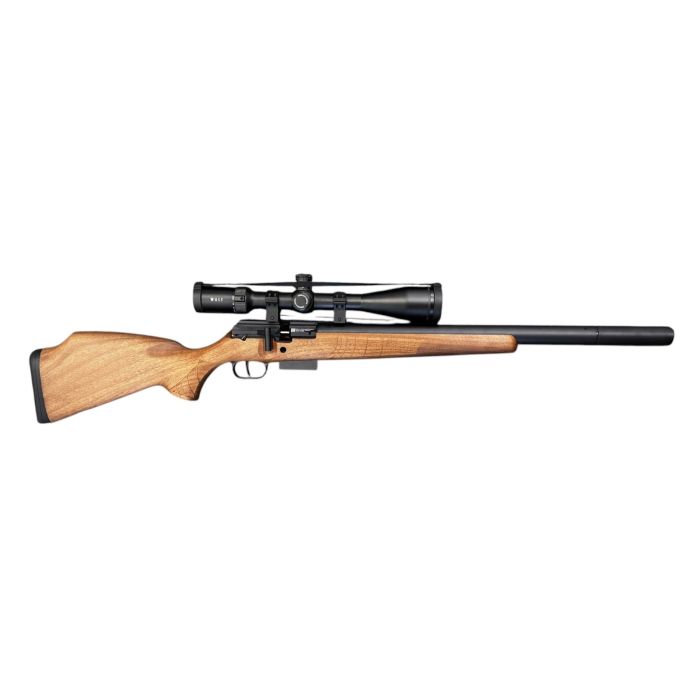
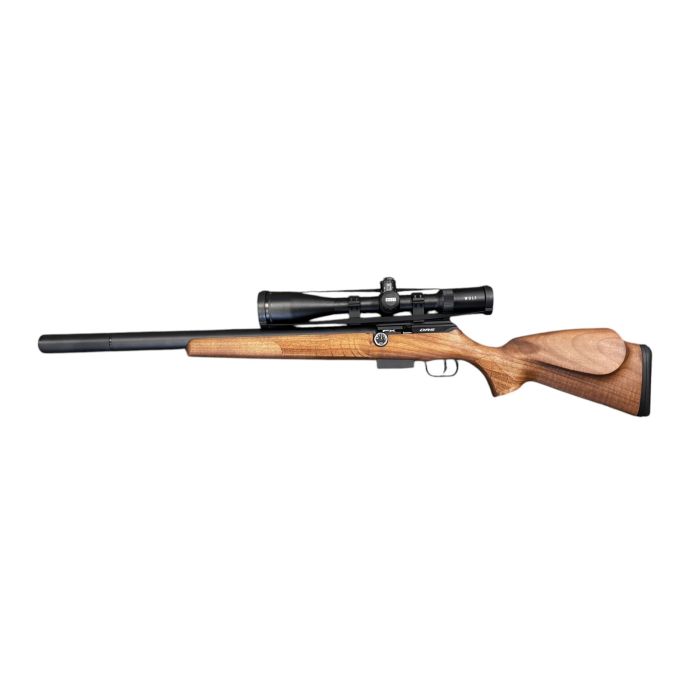
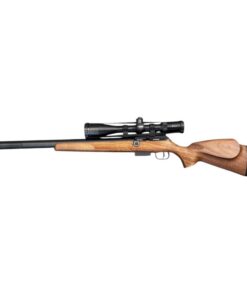
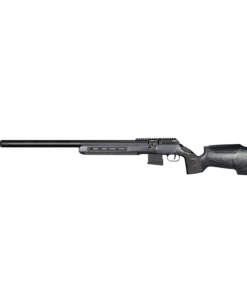
FX DRS Walunt .22 Rifle Kit
$999.00
This kit comes with the following:
- DRS Walnut .22 – £890
- Wulf Hurricane 6.5-25×50 – £149.99
- FX 1/2 UNF Mod – £49.99
- Element Mounts – £25
Features
- Italian Walnut stock
- over the barrel air tank
- 4CC plenum design, cleverly disguised as a traditional magazine
- 11 mm dovetail rail
- Adjustable trigger
Specification
-
- Available in .177 and .22 cal
- Weight: 2.2kg
- Side lever action
- Length: 927mm
- Superior STX liner
- 500mm barrel
- 16rd magazine in .177 / 14rd magazine in.22
- 208cc air capacity
- Fill pressure 230 Bar
- Shots per fill approx:
- Fully adjustable trigger
- AMP MKII Regulator
FX DRS Walnut .22 Rifle Kit – Design, Specifications, PCP System, Accuracy Factors, and Safety Guide
FX DRS Walnut .22 Rifle Kit Overview
What Is the FX DRS Walnut .22 Rifle Kit?
The fx drs Walnut .22 Rifle Kit is built around a pre-charged pneumatic platform that combines the appearance of a traditional sporting rifle with modern compressed-air engineering. Instead of placing a large bottle beneath the barrel, FX positions the air reservoir around the barrel. This arrangement creates a slimmer profile, helps support the barrel, and gives the rifle a more conventional shape.
The Walnut model uses a genuine wooden sporter-style stock and a 5.5 mm, or .22-caliber, barrel. Official specifications for the original fx drs classic list .177, .22, and .25 caliber options, synthetic and walnut stocks, 500 mm and 600 mm barrel configurations, and full-power or sub-12-foot-pound regional versions FX DRS Walunt .22 Rifle Kit. The 500 mm configuration measures approximately 927 mm overall, while the 600 mm version measures about 1,027 mm.
The term “rifle kit” can describe different accessory packages depending on the seller. Therefore, buyers should verify whether a particular package includes an optic, mounts, fill probe, magazine, pellets, case, charging equipment, or only the rifle and standard factory accessories.
How the PCP Operating System Works
Unlike a spring-powered pellet gun, the DRS stores compressed air in an internal reservoir. A charging source fills the system through the supplied probe, and the rifle then releases a controlled quantity of air with each shot.
The owner’s manual lists a maximum overall system pressure of 250 bar, although the maximum permitted reservoir pressure must always be confirmed from the markings on the individual rifle. The manual also states that only ordinary compressed air should be used and that the rifle must never be fired below its regulator pressure.
Because it uses stored pneumatic pressure, the DRS belongs to the wider pcp airguns, pcp air gun, fx pcp, air guns, air gun, and air rifle categories. It does not require CO₂ capsules or a conventional mainspring.
Sidelever, Magazine, and Trigger System
The action uses a smooth sidelever system that cycles the magazine and prepares the rifle for the next shot. FX also equips the platform with a low-profile mini magazine, which allows the optic to sit closer to the bore than a taller magazine would permit.
The standard system includes an adjustable trigger unit and an 11 mm dovetail optic rail. FX lists alternative Picatinny rails, match-grade trigger components, larger plenums, and other upgrades for compatible configurations.
Any adjustments should be performed strictly according to the manufacturer’s instructions. Internal disassembly is expressly discouraged in the official manual.
Barrel Design and Accuracy Factors
The DRS uses FX barrel technology within an air-pressure-supported structure. Placing the reservoir around the barrel contributes to a narrow profile while supporting rigidity. However, practical accuracy still depends on pellet weight, head size, barrel condition, regulator consistency, optic setup, wind, distance, and shooter technique.
The phrase fx pellets may refer broadly to ammunition marketed for compatible FX platforms. However, no pellet should be selected solely because of a brand name. The correct caliber, weight range, and suitability for the individual barrel remain more important.
Likewise, fx halo slugs and other airgun slugs should only be considered when the rifle’s barrel, power level, regional specification, and manufacturer guidance support their use. Pellets and slugs are not automatically interchangeable in terms of accuracy or energy.
Why the Walnut Stock Matters
The walnut stock gives the rifle a traditional sporting appearance and provides a rigid, naturally shaped interface between the shooter and the action. Its conventional profile may appeal to users who prefer a classic design rather than a tactical chassis.
Walnut is a natural material, so grain pattern, tone, and figure can vary between individual stocks. Owners should also protect the wood from prolonged moisture, extreme heat, and harsh cleaning chemicals.
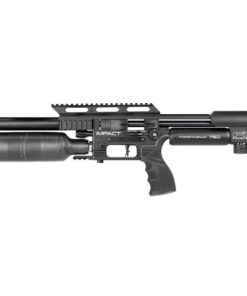
The rifle’s slim configuration separates it visually from bottle-based models such as the fx impact, f x impact, fx impact m3, f x impact m3, fx m3, fx m3 airgun, fx impact m3 air rifle, fx impact m3 .22cal air rifle, and fx impact m3 .22cal air rifle. 600mm barrel.
Distinguishing the DRS from Other FX Models
FX produces several platforms with different layouts and intended roles. The fx impact m4, fx m4, impact m4, impact m4 air rifle, and impact m4 500mm refer to the fourth-generation Impact platform rather than the Walnut DRS.
Similarly, FX Panthera MkII, fx panthera, and fxpanthera describe the Panthera competition-oriented family. The fx dynamic and fx dynamics terms relate to the Dynamic platform, while fx leopard, fx leopard airgun, and fx leopard air rifle identify FX’s bullpup-style Leopard range.
Other separate models include the fx wildcat, fx wildcat mk3, fx dreamline, fx dreamline classic, fx crown, fx crown mk2, fx crown mkii, fx crown mkll, fx king, and fx maverick. The Walnut DRS should not be advertised using the specifications of these unrelated rifles.
The fx drs tactical and fx drs pro are also separate configurations. The Pro uses a purpose-built competition chassis and additional precision-oriented features, while the Classic Walnut follows a traditional sporter layout.
FX Manufacturing and Brand Terminology
FX Airguns is a Swedish airgun manufacturer. Search phrases such as fx airguns sverige, fx airguns sweden, fxairguns, fx airguns, fx air guns, and fx generally refer to the same brand.
The expressions fx airguns usa, fx usa, and fx outdoors may direct users toward regional distributors, retailers, media pages, or unrelated organizations. Therefore, customers should verify the identity and authorization of any website before relying on its specifications.
The word luftgevær is a Scandinavian term meaning air rifle and may appear in European listings.
Chronograph Use and Ballistic Information
The fx chronograph and fx pocket chronograph are measurement tools used to record projectile velocity. They do not increase power or accuracy by themselves. Instead, chronograph data can help identify velocity changes and evaluate consistency when used responsibly.
The phrase impact m4 ballistic coefficient relates to projectile aerodynamics and data associated with the Impact platform, not a unique specification of the Walnut DRS. Ballistic coefficient varies primarily with projectile design rather than the rifle’s product name.
Intended Use and Safety Responsibilities
High-end PCP platforms may be used for controlled target shooting, competition, or lawful pest-control activities where local regulations permit them. Phrases such as high end air rifles describe the market category but do not remove legal restrictions.
The rifle should always be treated as loaded, kept pointed in a safe direction, and used only with a reliable backstop. It must be depressurized or serviced only according to official instructions. Owners must also secure it against access by children or unauthorized persons.
Searches for fx impact m4 for sale concern a different model and should not be used as product metadata for this rifle. The same principle applies to every unrelated model phrase listed above: accurate classification protects consumers from misleading specifications and unsafe assumptions.
Engineering Design, Operating Principles, Maintenance Procedures, and Long-Term Reliability
Understanding the Design Philosophy
Modern pre-charged pneumatic rifles are designed to combine efficiency, precision, durability, and ease of operation. Engineers carefully evaluate the relationship between internal pressure, airflow, component strength, and overall balance because these factors directly influence consistency and reliability.
Unlike older mechanical systems that depend upon large spring assemblies, modern pneumatic platforms are built around controlled air delivery systems. Consequently, vibration is often reduced, while overall operating efficiency may be improved.
Every component is designed to contribute to the stability of the entire platform. Therefore, the interaction between the barrel, air reservoir, regulator, trigger mechanism, and stock structure remains extremely important.
Structural Design and Material Selection
Material selection plays an essential role in determining durability, handling characteristics, and long-term performance. Manufacturers frequently combine steel, aluminum, synthetic materials, and carefully selected wood components to achieve the desired balance between strength and weight.
Several factors influence material selection:
- Resistance to corrosion
- Structural stability
- Weight reduction
- Long-term durability
- Ease of maintenance
- Resistance to environmental exposure
Each component serves a specific purpose within the overall system, and every material is selected according to its intended function.
Air Management and Pressure Regulation
Pressure regulation remains one of the most important aspects of modern pneumatic technology. Controlled air delivery allows the system to maintain greater consistency while minimizing unnecessary pressure variations between shots.
Several factors contribute to efficient air management:
- Reservoir capacity
- Pressure regulation
- Valve efficiency
- Airflow consistency
- Internal tolerances
Because these elements work together continuously, proper maintenance remains essential for preserving long-term performance.
Accuracy and Performance Considerations
Accuracy depends upon numerous factors rather than a single component. Although manufacturing precision plays an important role, environmental conditions and operating techniques also influence overall results.
The following factors deserve particular attention:
- Wind direction and speed
- Projectile characteristics
- Distance to the target
- Lighting conditions
- Trigger control
- Shooting position
- Barrel condition
Small adjustments often produce significant improvements when they are applied consistently.
Trigger Control and Shooting Technique
Trigger control remains an essential part of precision shooting because excessive movement immediately before firing may affect shot placement.
Several techniques may contribute to improved consistency:
- Establishing a stable position
- Maintaining a comfortable grip
- Applying steady trigger pressure
- Concentrating on proper alignment
- Following through after each shot
These habits often become more effective through regular practice and careful observation.
Maintenance and Cleaning Procedures
Routine maintenance protects mechanical components while helping preserve consistent operation. Dirt, moisture, dust, and environmental contaminants may accumulate gradually during regular use. Therefore, cleaning procedures should become an established part of long-term ownership.
A standard maintenance routine may include the following steps:
- Inspect visible components carefully.
- Remove dirt and debris from external surfaces.
- Verify that mounting points remain secure.
- Examine moving components for signs of wear.
- Return the equipment to a suitable storage environment.
These procedures require relatively little time, yet they often provide considerable long-term benefits.
Environmental Conditions and Their Effects
Environmental conditions constantly influence performance. Temperature fluctuations, humidity, wind conditions, and airborne particles may all affect the operation of mechanical systems.
For example, moisture may accelerate corrosion if surfaces are not protected appropriately. Likewise, excessive heat may increase the rate of material deterioration over time.
Consequently, owners should perform careful inspections whenever equipment has been exposed to demanding conditions.
Transportation and Storage Recommendations
Transportation procedures should be approached carefully because movement, vibration, and impacts may influence long-term reliability.
The following recommendations may help preserve equipment condition:
- Select a cool and dry storage location.
- Protect external surfaces from excessive moisture.
- Minimize exposure to direct sunlight.
- Use protective storage equipment whenever possible.
- Prevent unauthorized access.
These practices help maintain both appearance and functionality.
Frequently Asked Questions
Why is pressure regulation important?
Pressure regulation helps maintain consistent airflow and contributes to improved operational stability.
How often should maintenance procedures be performed?
Maintenance schedules depend upon environmental conditions, storage practices, and frequency of use.
Why are regular inspections necessary?
Routine inspections help identify developing problems before they become more difficult to correct.
Can environmental conditions influence performance?
Yes. Wind, humidity, temperature, and dust may all affect consistency and reliability.
Final Thoughts
Long-term performance depends upon careful maintenance, proper storage, responsible handling, and a thorough understanding of operating principles. Owners who consistently follow these practices are more likely to preserve reliability and maintain dependable performance throughout the lifespan of their equipment.
Practical Applications, Performance Optimization, Ownership Experience, and Long-Term Value
Real-World Performance Characteristics
Every precision air rifle is designed to deliver dependable performance under a variety of conditions. However, consistent results are rarely achieved through equipment alone. Instead, accuracy is influenced by preparation, practice, environmental awareness, and routine maintenance.
A well-balanced platform offers several advantages. Greater stability often improves shot placement, while a comfortable stock design may reduce unnecessary movement during operation. In addition, efficient air management contributes to greater consistency throughout extended shooting sessions.
Performance should always be evaluated over time rather than after only a few uses. Consistent handling habits frequently provide more meaningful improvements than constant equipment modifications.
Why Precision Matters
Precision affects nearly every aspect of the shooting experience. Even minor variations in trigger control, breathing patterns, body positioning, and environmental conditions may influence the final result.
Several factors contribute to precision:
- Consistent projectile selection
- Stable shooting positions
- Proper sight alignment
- Effective trigger control
- Barrel cleanliness
- Routine inspections
- Appropriate environmental awareness
These factors work together continuously, which is why experienced owners emphasize consistency rather than speed.
How Environmental Conditions Influence Results
Environmental conditions are constantly changing, and each change may affect performance in different ways. Temperature, humidity, wind speed, elevation, and lighting conditions should all be taken into consideration.
For example, strong winds may alter the path of a projectile over longer distances. Likewise, sudden temperature changes may influence air pressure and affect consistency.
Several environmental elements deserve particular attention:
- Wind direction
- Relative humidity
- Temperature fluctuations
- Dust accumulation
- Rain and moisture exposure
- Changes in lighting conditions
Careful observation of these variables often leads to more predictable results.
When Routine Maintenance Should Be Performed
Maintenance should never be viewed as an occasional task. Instead, it should become an essential part of responsible ownership.
Owners are generally encouraged to perform inspections:
- Before operation
- After extended use
- Following transportation
- After exposure to adverse weather conditions
- Before placing equipment into long-term storage
Establishing these habits may reduce unnecessary wear while helping preserve long-term reliability.
How Proper Storage Preserves Performance
Storage conditions play a significant role in preserving the structural integrity of mechanical systems. Excessive heat, moisture, dust, and direct sunlight may gradually affect both internal and external components.
Several recommendations should always be followed:
- Store equipment in a cool, dry location.
- Keep external surfaces clean.
- Protect all exposed components from contamination.
- Avoid prolonged exposure to humidity.
- Inspect the equipment periodically.
These simple procedures often provide substantial long-term benefits.
Why Responsible Ownership Is Important
Ownership involves far more than operating the equipment itself. Safe handling, secure storage, careful transportation, and ongoing maintenance all contribute to responsible use.
Several important principles should always be observed:
- Follow all applicable laws and regulations.
- Remain aware of the surrounding environment.
- Prevent unauthorized access.
- Inspect equipment regularly.
- Use appropriate protective equipment whenever necessary.
These practices protect both the owner and everyone nearby.
Understanding Long-Term Reliability
Mechanical reliability is rarely determined by a single component. Instead, numerous systems work together continuously to maintain consistent operation.
Long-term durability depends upon several factors, including:
- Frequency of use
- Maintenance habits
- Environmental exposure
- Storage conditions
- Transportation procedures
Although wear cannot be eliminated entirely, it can often be reduced through careful handling and regular inspections.
Frequently Asked Questions
How can consistency be improved?
Consistency is generally improved through regular practice, careful maintenance, proper storage, and attention to environmental conditions.
Why does cleaning remain important?
Routine cleaning helps remove contaminants that could gradually affect long-term performance.
How frequently should inspections be performed?
Inspection schedules depend upon usage patterns and environmental conditions, although regular inspections are strongly recommended.
Can storage conditions affect reliability?
Yes. Heat, humidity, dust, and prolonged exposure to sunlight may all contribute to unnecessary wear.
Final Assessment
Long-term performance depends upon preparation, discipline, maintenance, and a thorough understanding of the equipment. Owners who consistently follow established procedures are more likely to preserve reliability, maintain precision, and extend the overall service life of their equipment.
Advanced Features, Field Preparation, Equipment Care, and Performance Consistency
Examining the Overall Configuration
A well-designed air rifle combines accuracy, efficiency, durability, and ease of operation into a single platform. Every component contributes to the overall balance of the system, and even the smallest details may influence long-term performance.
Modern engineering places considerable emphasis on weight distribution because balance affects comfort, stability, and consistency. A properly balanced platform is often easier to control, particularly during longer shooting sessions.
Furthermore, the interaction between the stock, barrel, trigger assembly, air reservoir, and regulator helps create a more predictable shooting experience.
Why Balance and Stability Matter
Stability is one of the most important factors affecting overall performance. Even highly sophisticated equipment cannot compensate for poor positioning or inconsistent technique.
Several elements influence stability:
- Body positioning
- Grip pressure
- Trigger control
- Breathing patterns
- Environmental conditions
- Sight alignment
- Equipment maintenance
Because all these factors work together continuously, careful preparation remains essential.
How to Prepare Before Use
Preparation should begin long before the first shot is taken. Thorough inspections allow owners to identify potential concerns while ensuring that all visible components remain in good condition.
A recommended preparation routine includes the following steps:
- Examine external surfaces carefully.
- Inspect all moving components.
- Confirm that all fasteners remain secure.
- Verify that the optical system is properly aligned.
- Remove dust, dirt, and moisture.
- Ensure that storage equipment is functioning correctly.
Although these procedures require only a short amount of time, they often provide significant long-term benefits.
Understanding Air Efficiency
Air efficiency refers to the ability of a pneumatic system to deliver consistent performance while using available air effectively. Numerous variables contribute to efficiency, including pressure regulation, airflow characteristics, internal tolerances, and environmental conditions.
Consistent performance generally depends upon the following factors:
- Stable pressure levels
- Proper maintenance procedures
- Suitable projectiles
- Clean internal components
- Consistent operating techniques
When these conditions are maintained, performance often becomes more predictable.
Environmental Challenges and Protective Measures
Environmental conditions constantly change, and equipment must be protected accordingly. Heat, cold temperatures, humidity, dust, and precipitation may gradually influence performance if appropriate precautions are not taken.
Owners should remember several important recommendations:
- Minimize exposure to excessive moisture.
- Avoid prolonged contact with direct sunlight.
- Protect external surfaces from contaminants.
- Inspect equipment after transportation.
- Maintain clean storage conditions.
These practices help preserve both appearance and reliability.
Transportation Guidelines
Transportation procedures should always be approached carefully because movement and vibration may gradually affect mechanical systems.
Several precautions are recommended:
- Secure equipment properly before transportation.
- Inspect external components upon arrival.
- Protect all surfaces from unnecessary impacts.
- Store accessories separately when appropriate.
- Verify operating conditions before use.
Careful transportation practices may significantly reduce unnecessary wear.
Long-Term Ownership Considerations
Long-term ownership requires discipline, consistency, and a commitment to regular maintenance. Mechanical systems inevitably experience wear, but careful handling practices often slow the rate at which deterioration occurs.
Several important principles should always be followed:
- Establish a regular maintenance schedule.
- Perform inspections frequently.
- Keep all components clean.
- Store equipment securely.
- Remain informed regarding applicable regulations.
These habits contribute to reliability while supporting long-term performance.
Frequently Asked Questions
Why is balance so important?
Balance improves stability and allows owners to maintain more consistent control during operation.
How often should equipment be cleaned?
Cleaning schedules depend upon environmental conditions and the frequency of use. However, routine maintenance should always be encouraged.
Can environmental conditions influence performance?
Yes. Changes in humidity, temperature, wind conditions, and airborne contaminants may affect consistency and reliability.
Why should inspections be performed regularly?
Routine inspections help identify developing problems before they affect overall performance.
Final Thoughts
Preparation, maintenance, proper storage, and responsible handling all contribute to long-term reliability. Owners who consistently apply these principles often achieve greater consistency while preserving the condition and performance of their equipment for many years.
Ownership Experience, Precision Development, Equipment Protection, and Long-Term Performance
Building Consistency Through Experience
Experience is one of the most valuable factors in achieving dependable performance. Although modern engineering can provide excellent reliability and accuracy, long-term success still depends on patience, practice, and disciplined operating habits.
Many owners discover that consistency develops gradually. Repeated practice allows movements to become more controlled while improving confidence and familiarity with the equipment. As a result, small adjustments often produce meaningful improvements over time.
Developing a structured routine also helps eliminate unnecessary variables that may influence overall performance.
Why Routine Maintenance Matters
Routine maintenance protects mechanical components while preserving efficiency and reliability. Dirt, dust, moisture, and environmental contaminants can accumulate slowly, especially when equipment is used frequently or transported regularly.
A comprehensive maintenance routine should include the following actions:
- Inspecting external components
- Removing accumulated dirt and debris
- Protecting exposed metal surfaces
- Examining moving parts for signs of wear
- Confirming that all fittings remain secure
- Verifying proper storage conditions
Although these procedures require only a limited amount of time, they often provide significant long-term benefits.
How Proper Handling Improves Performance
Every movement influences performance to some degree. Consequently, proper handling techniques remain essential regardless of the owner’s level of experience.
Several practices may contribute to greater consistency:
- Maintaining a stable shooting position
- Applying steady and controlled movements
- Developing consistent trigger control
- Monitoring environmental conditions
- Performing regular inspections
- Establishing effective maintenance habits
These methods help create repeatable results while promoting safe and responsible operation.
When Environmental Conditions Become Important
Environmental conditions should never be overlooked because even minor changes may affect performance. Wind direction, humidity, temperature, air density, and lighting conditions can all influence consistency.
Owners should pay close attention to the following conditions:
- Rapid temperature changes
- High humidity levels
- Dust accumulation
- Rain and moisture exposure
- Strong wind conditions
- Intense sunlight
Awareness of these factors often allows owners to make better decisions before and during operation.
Understanding Long-Term Durability
Durability depends upon far more than the strength of individual components. Instead, reliability is usually determined by the interaction of numerous factors working together over an extended period.
Several elements influence longevity:
- Frequency of use
- Environmental exposure
- Cleaning procedures
- Transportation practices
- Storage conditions
- Inspection routines
Because these factors continuously influence one another, consistent care remains essential throughout the lifespan of the equipment.
Why Secure Storage Is Essential
Storage conditions play a critical role in protecting both appearance and functionality. Improper storage may expose components to moisture, contaminants, extreme temperatures, and unnecessary physical damage.
Several recommendations should always be followed:
- Select a clean and dry location.
- Protect equipment from direct sunlight.
- Minimize exposure to excessive humidity.
- Restrict access by unauthorized individuals.
- Perform periodic inspections during long-term storage.
These simple precautions may greatly reduce unnecessary wear.
Transportation and Field Preparation
Transportation procedures should be approached carefully because movement, vibration, and environmental exposure can gradually affect mechanical systems.
Before use, owners should consider the following checklist:
- Inspect all visible components.
- Confirm that mounting points remain secure.
- Remove dust and debris.
- Verify the condition of optical equipment.
- Evaluate weather conditions.
- Ensure that all accessories are functioning correctly.
Thorough preparation often contributes to more dependable performance.
The Importance of Responsible Ownership
Responsible ownership extends beyond maintenance and operation. Knowledge, preparation, discipline, and continuous attention to detail all contribute to a safer and more rewarding experience.
Several principles remain especially important:
- Follow all local regulations and requirements.
- Maintain awareness of the surrounding environment.
- Continue learning proper handling techniques.
- Protect equipment from avoidable damage.fx air rifle
- Develop consistent maintenance habits.
These practices help preserve reliability while promoting safe and responsible use.
Frequently Asked Questions
How can long-term reliability be improved?
Long-term reliability is generally improved through routine maintenance, careful storage, regular inspections, and responsible handling practices.
Why are environmental conditions important fx drs air rifle?
Environmental conditions may influence consistency, durability, and overall performance, especially when equipment is exposed to moisture, heat, or dust.
How often should maintenance be performed?
Maintenance schedules vary according to environmental conditions and frequency of use. However, inspections should become a regular habit.
Why is preparation necessary?
Preparation helps identify potential concerns before operation begins while improving consistency and reducing the likelihood of unexpected problems.
Final Remarks
Performance, reliability, and durability are closely connected. Owners who combine careful preparation, regular maintenance, disciplined handling, and proper storage practices are often able to maintain dependable operation for many years while preserving the overall condition of their equipment fx impact air rifle.
Be the first to review “FX DRS Walunt .22 Rifle Kit”
Related products

FX Air Gun

FX Air Gun
FX Air Gun


FX Air Gun
FX Air Gun
FX Air Gun
FX Air Gun
Reviews
There are no reviews yet.