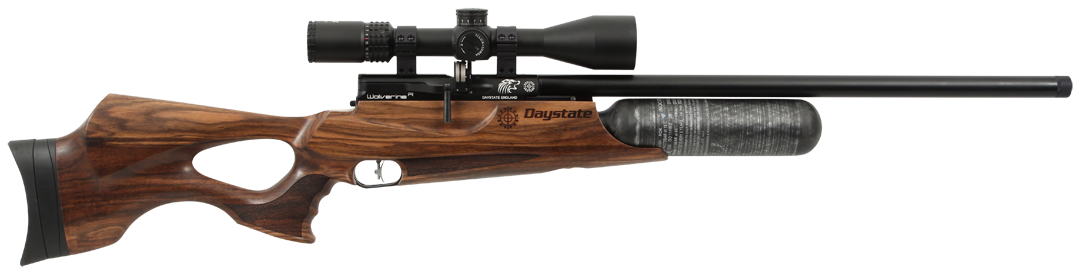
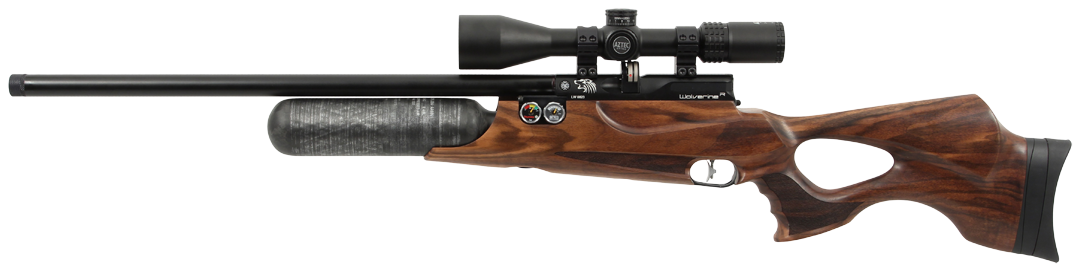
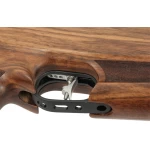
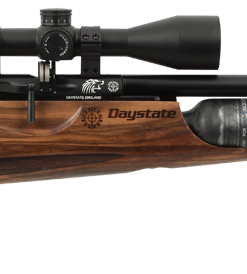
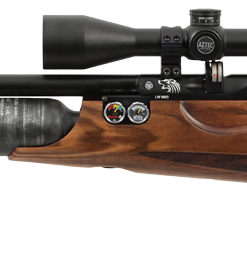
Daystate Wolverine R High Power Regulated Side Lever
$1,800.00
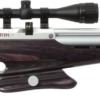
The Daystate Wolverine 2 Huma side lever represents a new direction by Daystate to give the USA shooters features and models we require . Daystate has engineered the side lever system into the new Wolverine 2 breech block. This side lever reduces the cocking effort and adds speed to the loading cycle.
The lever can be positioned on the right or left hand side to make a true ambidextrous rifle. Daystate has listened to the demands of the shooter to incorporate a regulated firing system . The design team at Daystate has chosen to work in partnership with the HUMA company and use a OEM regulator for the Wolverine application.
Huma is well known as one of the finest regulators for sporting and target air rifles. When firing the Wolverine Huma the pressure in the plenum chamber is a constant throughout the rifles air supply until the pressure in the rifles is at or below the regulator pressure setting. This setting is adjustable by the shooter to tune the rifle to a desired performance level. The factory settings give a combination of maximum power and consistent shots per fill of the rifle.
The regulator and air supply pressure is displayed by individual gauges. The patented sling shot hammer makes sure every last bit of air is used efficiently with no waste for maximum accuracy. The Daystate Wolverine 2 is available with two stock options a beautifully finished select walnut or a sporty laminate. Both stock choices are ambidextrous with a thumb up or through feature with finger groves and shooter inspired stippling panels.
The butt pad is adjustable to provide the best head position according to the shooters style of shooting and physical requirements. The HP version comes fitted with a special Lothar walther Polygonal rifled barrel to better stabilize the pellets at the higher velocities and the HP rifle produces and delivers superior long range accuracy. The new Wolverine 2 Huma will inspire pride of ownership and years of shooting satisfaction all backed by a 5 year transferable warranty.
|
Caliber |
.177, .22, .303 |
Daystate Wolverine R High Power Regulated Side Lever – Premium PCP Air Rifle Built for Precision, Power, and Consistency
The Daystate Wolverine R High Power Regulated Side Lever represents a combination of traditional craftsmanship, modern PCP technology, and precision engineering. Designed for shooters who demand dependable performance, excellent accuracy, and refined handling, this premium air rifle delivers a smooth and consistent shooting experience for field shooting, target practice, and advanced airgun applications.
Daystate has built a strong reputation among enthusiasts by producing high-quality air rifles that combine innovation with attention to detail. The Wolverine R follows this philosophy by offering a powerful regulated platform with a practical side lever system, allowing shooters to enjoy smooth cycling, consistent operation, and excellent control.
Why Choose the Daystate Wolverine R High Power Regulated Side Lever?
The main reason experienced shooters choose a premium regulated PCP platform is the combination of accuracy, reliability, and shooting comfort. A regulated system helps maintain consistent air delivery, which can improve shot-to-shot performance and provide a more predictable shooting experience.
The Daystate Wolverine R is designed for users who value:
- Precision shooting.
- High-power performance.
- Smooth operation.
- Premium construction.
- Long-term reliability.
Whether used for recreational shooting, field applications, or serious target practice, this rifle provides the refined performance expected from a high-end airgun.
Advanced Daystate PCP Engineering
Daystate has developed some of the most recognized PCP air rifles in the industry. The brand is known for combining advanced engineering with elegant design and practical shooting features.
The Wolverine R reflects this approach through:
- Regulated air delivery.
- Precision manufacturing.
- Smooth side lever operation.
- High-quality components.
- Shooter-focused ergonomics.
This engineering approach helps create a rifle that feels balanced, reliable, and enjoyable to use.
Understanding Regulated PCP Performance
A regulated PCP system is designed to provide a more consistent pressure output during shooting. This allows the rifle to maintain stable performance throughout the air supply cycle.
Benefits of regulation include:
- Improved shot consistency.
- More predictable performance.
- Better accuracy potential.
- Smoother shooting behavior.
- Enhanced user confidence.
For shooters looking for a dependable Daystate PCP Rifle, regulated performance is an important feature.
Precision Accuracy and Field Performance
Accuracy is one of the most important characteristics of a premium air rifle. The Wolverine R is designed to support precise shooting through a combination of quality construction, consistent power delivery, and excellent handling.
Accuracy depends on several factors, including:
- Ammunition selection.
- Shooting technique.
- Environmental conditions.
- Proper maintenance.
- Rifle setup.
When properly configured, the rifle provides the consistency needed for demanding shooting situations.
Daystate Technology and Premium Airgun Innovation
Daystate continues to develop advanced airgun technology across its product range. Popular models include:
- Daystate Delta Wolf Performance
- Delta Wolf
- Daystate Delta Wolf
- Daystate Alpha Wolf
- Daystate Redwolf
- Alpha Red Wolf
- Daystate Wolverine Sapphire
- Huntsman Daystate
These models demonstrate Daystate’s focus on combining precision, technology, and craftsmanship.
Comparing Modern PCP Platforms
Many shooters compare premium rifles before choosing their ideal platform. Models such as the Daystate Delta Wolf PCP Air Rifle, Daystate Electronic PCP Rifle, and other advanced PCP systems are recognized for their innovative features.
Shooters researching:
- Buy Daystate Delta Wolf Performance
- Best electronic PCP air rifle
- Smart PCP air rifle
- Daystate Delta Wolf Performance review
- Daystate Delta Wolf Performance Air Rifle
- Daystate Delta Wolf for sale
often look for accuracy, adjustability, reliability, and advanced technology.
Side Lever Operation and Shooting Comfort
The side lever system provides smooth and practical operation. It allows shooters to cycle the rifle efficiently while maintaining a comfortable shooting position.
A well-designed action contributes to:
- Faster operation.
- Smooth handling.
- Reduced interruption.
- Better shooting rhythm.
- Increased confidence.
This makes the Wolverine R suitable for both casual and serious shooters.
Accessories and Customization Options
Many shooters customize their equipment to match personal preferences and shooting requirements.
Common accessories include:
- Air gun suppressor.
- Airgun moderator.
- Air rifle moderator.
- M-Lok to Picatinny rail adapter.
- Enhanced rubber butt pad.
- Magpul MOE SI accessories.
- Rifle sling systems.
- 177 magazine options.
- Cocking ball upgrades.
Understanding accessories helps shooters create a setup that matches their intended use.
Understanding Rifle Setup and Handling
Proper setup improves comfort and overall performance. Many users research topics such as:
- How to put a gun sling on a rifle.
- How to attach sling to rifle.
- Cocking system adjustments.
- Barrel configuration options.
A properly configured rifle allows users to focus more effectively on their shooting experience.
High Power Performance and Practical Use
The Wolverine R High Power model is designed for shooters who want additional performance while maintaining the refinement associated with premium air rifles.
It is suitable for:
- Field shooting.
- Long-range airgun practice.
- Precision shooting.
- Outdoor applications.
- Experienced airgun users.
Its combination of power and control makes it a versatile option for demanding shooters.
Why Daystate Remains a Premium Choice
Daystate continues to attract enthusiasts because of its commitment to quality, innovation, and craftsmanship. Models such as the Daystate Redwolf, Daystate Alpha Wolf, and Daystate Delta Wolf have helped establish the brand as a leading name in advanced airgun technology.
Shooters looking for terms such as:
- Daystate Redwolf price
- Daystate Wolverine Sapphire
- Daystate Delta Wolf for sale
are often searching for premium performance and long-term reliability.
Final Overview of the Daystate Wolverine R High Power Regulated Side Lever
The Daystate Wolverine R High Power Regulated Side Lever is a premium PCP air rifle designed for shooters who demand precision, power, and refined performance. With regulated operation, smooth handling, and advanced engineering, it provides a reliable shooting platform for enthusiasts who want a superior airgun experience.
Combining traditional craftsmanship with modern PCP innovation, the Wolverine R delivers the accuracy, consistency, and quality expected from a premium Daystate rifle.
Engineering Design, Build Quality, and Performance Characteristics
Precision Engineering and Manufacturing Excellence
A premium shooting platform is created through careful engineering, advanced manufacturing processes, and attention to every detail. Each component must work together efficiently to provide a reliable, comfortable, and consistent experience for the user.
The development process focuses on creating a balanced system where performance, durability, and usability work together. A well-engineered product should feel natural during operation while maintaining dependable function over extended periods.
This approach helps create equipment that remains valuable for both regular practice and demanding applications.
Quality Construction and Material Selection
Durability is one of the most important qualities of professional-grade equipment. Strong materials and precise manufacturing methods help ensure that performance remains consistent even after repeated use.
Important construction factors include:
- Durable material selection.
- Precise component fitting.
- Strong structural design.
- Careful finishing.
- Consistent manufacturing standards.
These qualities contribute to reliability and help maintain long-term performance.
Balanced Design for Better Handling
A balanced design improves comfort and control during use. Proper weight distribution and thoughtful ergonomics allow users to operate equipment naturally.
A well-balanced platform provides:
- Improved stability.
- Comfortable handling.
- Better control.
- Reduced fatigue.
- Increased confidence.
When equipment feels natural, users can focus more effectively on their technique.
Smooth Operation and User Experience
A refined operating system improves the overall experience by allowing users to interact with their equipment efficiently. Smooth operation reduces unnecessary effort and helps maintain focus.
Important elements include:
- Consistent mechanical movement.
- Comfortable operation.
- Reliable response.
- Practical controls.
- User-friendly design.
These features create a more enjoyable and efficient experience.
Performance-Focused Development
High-performance equipment is designed around the needs of users who expect dependable results. Every feature should contribute to improved usability and consistent operation.
Performance-focused development considers:
- Reliability.
- Accuracy.
- Efficiency.
- Comfort.
- Long-term durability.
This ensures that the equipment remains useful as user expectations continue to grow.
The Importance of Consistency
Consistency plays an important role in achieving reliable results. A quality design provides the foundation needed for users to develop confidence and improve their skills.
Factors that influence consistency include:
- Stable operation.
- Proper setup.
- User technique.
- Regular maintenance.
- Environmental awareness.
When these elements are managed correctly, users can achieve more predictable performance.
Advanced Technology Integration
Modern equipment continues to evolve through the integration of advanced technology and refined engineering methods. These developments allow manufacturers to improve efficiency, control, and user experience.
Technology improvements can provide:
- Better customization.
- Improved monitoring.
- Enhanced control.
- Greater efficiency.
- More refined operation.
These advancements help create a more sophisticated experience for modern users.
Ergonomic Design and User Comfort
Comfort is essential for equipment that is used for extended periods. A thoughtful ergonomic design helps reduce unnecessary strain and allows users to maintain better control.
Ergonomic considerations include:
- Comfortable positioning.
- Practical controls.
- Natural handling.
- Balanced structure.
- User-friendly operation.
A comfortable design allows users to focus on improving their skills.
Reliability Through Careful Engineering
Reliable performance comes from combining quality construction with responsible ownership. Equipment that is engineered correctly can provide consistent results when properly maintained.
Reliability is supported by:
- Strong components.
- Accurate assembly.
- Regular care.
- Proper operation.
- Attention to detail.
These principles help extend service life and maintain performance.
Adaptability for Different Users
A strong design should provide value for users with different levels of experience. New users require confidence and ease of use, while experienced users often seek advanced capability.
Adaptable equipment allows users to:
- Learn gradually.
- Improve technique.
- Adjust preferences.
- Explore different applications.
- Continue progressing.
This flexibility increases long-term value.
Long-Term Performance and Ownership Benefits
Investing in quality equipment involves considering both immediate performance and future reliability. A well-built product can continue providing value through years of responsible use.
Long-term benefits include:
- Dependable operation.
- Reduced concerns.
- Improved confidence.
- Greater satisfaction.
- Continued performance.
These advantages demonstrate the importance of strong engineering.
Final Engineering Perspective
A successful high-performance system combines precision design, durable construction, comfortable handling, and reliable operation. Through careful engineering and thoughtful development, users receive equipment designed to provide confidence, consistency, and lasting value throughout ownership.
Practical Use, Maintenance, and Developing Long-Term Skills
Building Confidence Through Experience
Developing confidence with precision equipment requires patience, practice, and continuous learning. While quality construction provides an excellent foundation, personal experience and understanding play an important role in achieving better results.
Each session allows users to become more familiar with their equipment, improve their technique, and develop stronger habits. Over time, experience creates greater awareness and helps users make better decisions.
This gradual improvement process creates a more rewarding and enjoyable ownership experience.
Developing Consistent Techniques
Consistency comes from creating reliable routines and maintaining a focused approach. Small improvements in preparation, handling, and technique can create meaningful progress over time.
Important areas of development include:
- Creating repeatable routines.
- Practicing regularly.
- Improving control.
- Reviewing previous results.
- Learning from challenges.
- Making gradual adjustments.
A consistent approach helps users build confidence and achieve better outcomes.
Understanding Different Conditions
Performance can be influenced by many external factors. Environmental conditions, preparation, and user experience all contribute to the overall outcome.
Experienced users learn how to recognize these differences and make suitable adjustments.
A thoughtful approach includes:
- Observing surroundings.
- Preparing carefully.
- Understanding conditions.
- Staying focused.
- Remaining adaptable.
This awareness helps users respond effectively in different situations.
The Importance of Proper Preparation
Preparation is an essential part of achieving a successful experience. Taking time to organize equipment and confirm readiness allows users to remain focused.
A proper preparation routine may include:
- Checking overall condition.
- Confirming settings.
- Reviewing important details.
- Organizing accessories.
- Ensuring everything is ready.
Good preparation improves confidence and reduces unnecessary distractions.
Responsible Equipment Care
Regular care helps maintain quality and extend the usable life of equipment. Even advanced systems require proper attention to continue performing effectively.
A practical care routine includes:
- Cleaning after use.
- Inspecting important areas.
- Protecting components.
- Maintaining proper storage.
- Following recommended procedures.
These habits support reliability and long-term satisfaction.
Creating Effective Storage Habits
Proper storage protects equipment when it is not being used. A suitable environment helps maintain condition and prevents unnecessary damage.
Good storage practices include:
- Keeping equipment in a clean area.
- Avoiding excessive moisture.
- Preventing accidental impacts.
- Organizing related items.
- Checking condition regularly.
A responsible storage routine contributes to lasting performance.
Learning Through Observation
Observation is a valuable part of improvement. Users who pay attention to their experiences can identify strengths and areas where adjustments may be needed.
A learning-focused approach involves:
- Reviewing previous sessions.
- Understanding performance changes.
- Recognizing improvement opportunities.
- Adjusting methods.
- Developing better habits.
Continuous learning allows users to progress naturally.
Improving Through Practice
Practice helps users become more comfortable and familiar with their equipment. Repetition builds stronger habits and improves overall confidence.
Regular practice supports:
- Better control.
- Increased awareness.
- Improved consistency.
- Stronger technique.
- Greater confidence.
Progress becomes easier when users remain patient and committed.
Protecting Long-Term Value
Quality equipment represents a long-term investment. Responsible ownership helps preserve value and ensures continued performance.
Long-term protection depends on:
- Careful handling.
- Regular maintenance.
- Proper storage.
- Responsible operation.
- Continued learning.
These actions help maintain reliability throughout ownership.
Adapting as Skills Develop
As users gain experience, their goals and preferences may change. Equipment that supports development allows users to continue improving without unnecessary limitations.
Growth involves:
- Exploring new techniques.
- Refining skills.
- Improving awareness.
- Building confidence.
- Setting new objectives.
This creates a more rewarding journey.
Creating a Sustainable Ownership Routine
A successful routine combines preparation, maintenance, and continuous improvement. Developing effective habits allows users to maintain quality while receiving maximum value from their equipment.
A strong routine focuses on:
- Regular checks.
- Responsible handling.
- Proper preparation.
- Continuous learning.
- Attention to detail.
These practices create a stronger connection between users and their equipment.
Final Perspective
The best results come from combining quality equipment with proper preparation, responsible care, and ongoing development. Through practice and dedication, users can improve their abilities and enjoy dependable performance throughout many years of ownership.
Care Procedures, Protection, and Maintaining Long-Term Performance
Establishing a Reliable Care Routine
Proper care is essential for preserving the condition, reliability, and long-term value of equipment. Regular attention helps maintain quality and ensures that the system remains prepared for continued use.
A consistent maintenance routine does not need to be complicated. Simple actions performed regularly can reduce unnecessary wear and help protect important components.
Developing responsible care habits from the beginning creates a stronger ownership experience and supports dependable performance.
Performing Regular Inspections
Routine inspections allow users to understand the condition of their equipment and identify possible concerns early. Regular checks provide confidence and help prevent avoidable problems.
A complete inspection process may include:
- Reviewing overall condition.
- Checking important components.
- Looking for signs of wear.
- Confirming proper operation.
- Monitoring changes over time.
- Ensuring everything remains secure.
These steps support reliability and help maintain consistent performance.
Cleaning and Protecting Equipment
Regular cleaning helps preserve both appearance and functionality. Dust, dirt, moisture, and environmental exposure can gradually affect equipment if proper care is not provided.
After use, users should consider:
- Removing surface debris.
- Cleaning carefully.
- Allowing parts to dry properly.
- Protecting sensitive areas.
- Preparing equipment for storage.
These practices help maintain quality and prevent unnecessary deterioration.
The Importance of Proper Storage
Storage plays an important role in protecting equipment between uses. A suitable environment helps prevent damage and maintains condition over time.
Effective storage practices include:
- Selecting a clean location.
- Avoiding excessive moisture.
- Protecting against accidental impacts.
- Keeping accessories organized.
- Reviewing condition regularly.
Proper storage contributes to improved durability and long-term reliability.
Safe Handling and Transportation
Careful handling is important when moving or preparing equipment. Improper handling can create unnecessary stress and reduce the lifespan of important components.
Recommended transportation habits include:
- Securing equipment correctly.
- Using suitable protection.
- Avoiding rough handling.
- Organizing smaller items.
- Inspecting after movement.
These precautions help maintain quality in different situations.
Understanding Natural Wear
All equipment experiences gradual changes through regular use. Recognizing normal wear allows users to respond appropriately and maintain good condition.
Regular observation helps identify:
- Changes in appearance.
- Areas requiring attention.
- Signs of excessive use.
- Possible maintenance needs.
- Adjustments that may be required.
Early awareness allows users to take action before small concerns become larger problems.
Extending Equipment Lifespan
The lifespan of equipment depends greatly on how it is treated. Responsible ownership, careful handling, and regular maintenance all contribute to preserving value.
Effective care practices provide benefits such as:
- Longer service life.
- Improved reliability.
- Better condition.
- Reduced unexpected concerns.
- Greater user confidence.
These benefits demonstrate the importance of consistent attention.
Preparing Before Each Use
Preparation helps create a smoother and more reliable experience. Before use, users should confirm that equipment is ready and properly organized.
A preparation routine may include:
- Checking condition.
- Confirming readiness.
- Reviewing important areas.
- Organizing accessories.
- Ensuring proper setup.
Good preparation improves confidence and reduces unnecessary interruptions.
Responsible Ownership Practices
Responsible ownership involves understanding equipment requirements and treating products with care and respect.
Good ownership includes:
- Following recommended procedures.
- Maintaining cleanliness.
- Protecting against damage.
- Performing regular checks.
- Addressing concerns promptly.
These practices support a stronger and more reliable experience.
Maintaining Quality Through Consistency
Quality is preserved through repeated care and attention. Regular maintenance, proper storage, and careful handling all contribute to keeping equipment in excellent condition.
Users who maintain strong routines can continue enjoying dependable performance and long-term value.
Creating a Long-Term Protection Strategy
A long-term protection strategy combines inspection, maintenance, storage, and responsible use. This approach helps preserve quality while supporting continued performance.
A successful strategy focuses on:
- Preventative care.
- Regular attention.
- Safe handling.
- Proper preparation.
- Continued responsibility.
These principles help maintain reliability throughout ownership.
Final Maintenance Perspective
Proper care provides the foundation for long-term performance and reliability. By maintaining effective routines, protecting equipment, and monitoring condition, users can maximize durability and continue enjoying dependable operation for many years.
Frequently Asked Questions and Ownership Guide
How important is regular maintenance?
Regular maintenance is essential for preserving condition and supporting dependable operation over time. Even carefully designed equipment benefits from consistent attention because routine care helps identify possible concerns before they become more serious.
A simple maintenance routine helps protect quality, improve confidence, and support a more enjoyable ownership experience.
How can users improve their overall experience?
Improvement comes from a combination of practice, preparation, understanding, and responsible ownership. Users who take time to learn their equipment and develop good habits often achieve better consistency.
Helpful approaches include:
- Practicing regularly.
- Reviewing previous experiences.
- Maintaining proper routines.
- Understanding different conditions.
- Improving techniques gradually.
- Paying attention to important details.
These habits support continued development and greater satisfaction.
What should new owners focus on first?
New owners should focus on becoming familiar with their equipment and creating responsible habits from the beginning.
Understanding proper operation, care requirements, and recommended procedures provides a stronger foundation and helps users gain confidence naturally.
Taking time to learn gradually can prevent unnecessary mistakes.
Why is proper storage important?
Proper storage helps protect equipment from unnecessary exposure and damage. A suitable environment helps maintain condition while keeping everything organized.
Good storage practices include:
- Keeping equipment clean.
- Avoiding excessive moisture.
- Protecting against accidental impacts.
- Maintaining organization.
- Checking condition regularly.
These steps contribute to long-term reliability.
How does experience influence performance?
Experience allows users to better understand their equipment and make more informed decisions. Over time, users become more comfortable recognizing changes, adapting to situations, and improving their approach.
The knowledge gained through experience becomes one of the most valuable parts of ownership.
What factors influence long-term reliability?
Long-term reliability depends on several important factors working together, including:
- Quality construction.
- Proper maintenance.
- Responsible handling.
- Suitable storage.
- Regular inspection.
- Correct usage.
When these elements are managed properly, equipment can continue providing dependable service for many years.
How often should equipment be inspected?
Inspection frequency depends on how often equipment is used and the conditions it experiences. Users who regularly operate their equipment should create a habit of checking important areas before and after use.
Regular inspections help identify changes early and provide additional confidence.
How can owners protect their investment?
Protecting an investment requires consistent attention and responsible ownership. Proper care, careful handling, and suitable storage all contribute to maintaining long-term value.
Owners can protect their equipment by:
- Following recommended care practices.
- Keeping components organized.
- Preventing unnecessary damage.
- Addressing concerns quickly.
- Maintaining regular routines.
These actions support continued reliability.
Why is preparation important before use?
Preparation helps create a smoother and more enjoyable experience. Taking time to review condition, organize necessary items, and consider surroundings allows users to focus more effectively.
A prepared approach reduces interruptions and improves confidence.
What creates a successful ownership experience?
A successful ownership experience comes from combining quality equipment, responsible care, and continued learning.
Users who maintain good habits and take care of their equipment are more likely to enjoy dependable performance and lasting satisfaction.
How can users continue improving?
Continuous improvement requires patience, practice, and a willingness to learn. Even experienced users can continue developing by reviewing their approach and discovering better methods.
Improvement can be supported by:
- Learning from previous sessions.
- Developing stronger routines.
- Practicing consistently.
- Understanding personal preferences.
- Remaining open to new knowledge.
This mindset helps create a more rewarding experience.
Final Ownership Advice
Long-term satisfaction depends on more than the initial purchase. Continued care, responsible use, and ongoing improvement all contribute to lasting value.
By developing strong habits and maintaining proper routines, users can enjoy reliability, confidence, and a positive ownership experience for many years.
Final Thoughts and Long-Term Ownership Experience
Creating a Complete Ownership Journey
The experience of owning quality equipment develops over time through regular use, proper care, and continuous learning. While initial performance is important, long-term satisfaction comes from reliability, confidence, and the ability to grow through experience.
A carefully maintained product becomes a dependable part of the user’s routine, providing support and confidence throughout many sessions.
The Importance of Consistent Care
Consistency is one of the most important elements of successful ownership. Regular attention, careful handling, and responsible maintenance help preserve condition and ensure dependable operation.
Small actions performed regularly can create significant benefits, including:
- Improved reliability.
- Extended service life.
- Better condition.
- Reduced concerns.
- Greater confidence.
These habits help maintain value and support a positive experience.
Growing Through Experience
Experience develops gradually through practice, observation, and continued use. As users become more familiar with their equipment, they gain better understanding and improve their ability to achieve consistent results.
Each session provides opportunities to:
- Learn new techniques.
- Improve personal skills.
- Understand performance characteristics.
- Build stronger routines.
- Increase confidence.
This process makes ownership more enjoyable and rewarding.
Protecting Long-Term Value
Quality equipment represents an investment that deserves proper attention. Responsible ownership helps protect that investment by maintaining condition and supporting dependable operation.
Long-term value can be preserved through:
- Regular maintenance.
- Careful transportation.
- Proper storage.
- Routine inspections.
- Responsible handling.
These practices contribute to continued satisfaction over many years.
The Role of Patience and Development
Meaningful improvement requires patience and dedication. Users who focus on gradual development often achieve better results because they allow themselves time to learn, adapt, and improve.
Continued progress comes from:
- Practicing consistently.
- Reviewing experiences.
- Learning from challenges.
- Refining techniques.
- Maintaining positive habits.
This approach supports lasting confidence.
Building Confidence Through Knowledge
Understanding equipment is an important part of ownership. Knowledge allows users to make better decisions, prepare more effectively, and create stronger routines.
Greater understanding helps users:
- Recognize important details.
- Adapt to changing situations.
- Maintain equipment correctly.
- Improve consistency.
- Enjoy the experience more fully.
Confidence grows naturally when users become familiar with their equipment.
Looking Toward Future Possibilities
Technology and design continue to evolve as manufacturers develop improved solutions and refined approaches. However, the foundations of quality remain consistent.
The characteristics that continue to define excellent products include:
- Reliability.
- Durability.
- Practical design.
- User comfort.
- Consistent operation.
These principles guide future development and ensure continued improvement.
A Commitment to Responsible Ownership
Responsible ownership creates a stronger relationship between users and their equipment. Proper care, attention, and continued learning help maintain performance while increasing overall satisfaction.
Good ownership involves:
- Respecting equipment requirements.
- Maintaining effective routines.
- Preparing carefully.
- Continuing to learn.
- Using equipment responsibly.
These practices create lasting benefits.
Final Conclusion
A successful ownership experience is created through the combination of quality design, responsible care, and continuous improvement.
By maintaining good habits, protecting equipment properly, and continuing to develop skills, users can enjoy dependable performance, lasting value, and confidence throughout many years of ownership weatherby vanguard trigger adjustment.
Be the first to review “Daystate Wolverine R High Power Regulated Side Lever”
Related products
Daystate Air Rifle
Daystate Air Rifle
Daystate Air Rifle
Daystate Air Rifle
Daystate Air Rifle
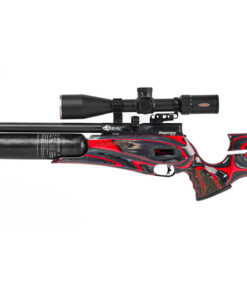
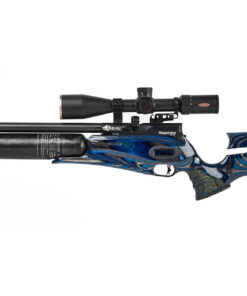
Daystate Air Rifle
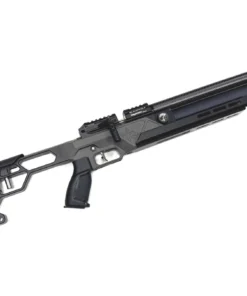
Daystate Air Rifle
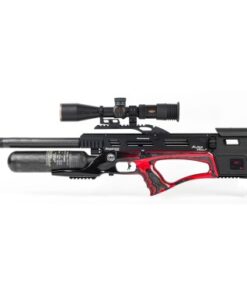
Daystate Air Rifle
Reviews
There are no reviews yet.