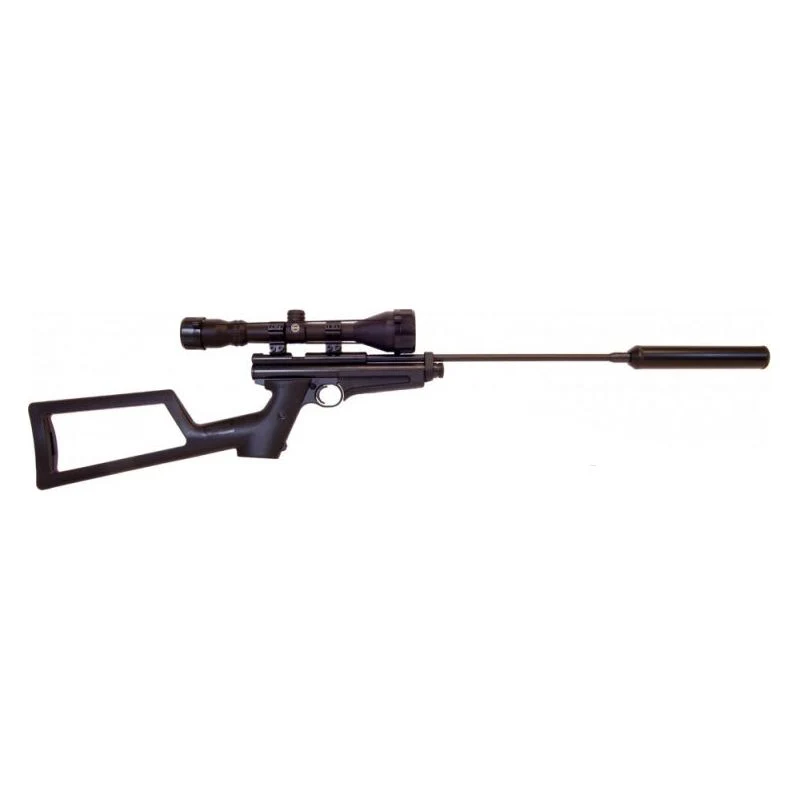
CROSMAN AG2250/K RATCATCHER XL – .22 Air Rifle
$260.00
Crosman 2250XL The ‘Rattie’ grows up.
Built on the same frame as the 2250B, the XL version features a steel breech with intergrated scope rails, a 4×32 Scope and rings and an 18″ rifled barrel fitted with a slencer adapter. What more would you need from a compact hunting rilfe.
.22 Calibre
CO2 single shot bolt action carbine
ABS stock and forend Rifled barrel
Easy CO2 cartridge loading system
Fibre optic front sight
Adjustable rear sight
18″ rifled steel barrel
single stage trigger with manual safety
Silencer Adapter fitted
comes with a 4×32 scope.
CROSMAN AG2250/K RATCATCHER XL .22 AIR RIFLE – CO2-Powered Bolt Action, 18-Inch Rifled Steel Barrel, Metal Breech and Lightweight Synthetic Stock
CROSMAN AG2250/K RATCATCHER XL .22 AIR RIFLE – Traditional American Engineering, Advanced CO2 Technology and Precision Steel Construction
The CROSMAN AG2250/K RATCATCHER XL .22 Air Rifle combines American airgun manufacturing heritage with traditional bolt-action engineering, an extended rifled steel barrel and lightweight synthetic construction.
Developed from the original 2250 platform, the XL configuration introduces an 18-inch barrel, upgraded metal breech and integrated optical mounting interface.CROSMAN AG2250/K RATCATCHER XL -.22 Air Rifle
Furthermore, its compact carbine-style design reflects the manufacturer’s established approach to mechanical sporting equipment.
The original system uses a replaceable 12-gram carbon-dioxide cartridge rather than a conventional spring-piston or externally charged pneumatic powerplant.
Additionally, its single-shot construction incorporates a manual safety, mechanical sights and an ABS synthetic stock.
The extended barrel and steel breech distinguish this version from earlier configurations.
However, published performance figures and accessory packages can vary between retailers. Therefore, the exact supplied configuration should be confirmed before purchase.
American Manufacturing Heritage and Traditional Sporting Design
The product reflects Crosman’s longstanding involvement in air-powered sporting equipment.
Its construction combines precision-manufactured metallic components with lightweight molded furniture.
Furthermore, traditional mechanical engineering contributes to its recognizable carbine-style appearance.
The original architecture emphasizes a straightforward single-shot design.
However, manufacturing quality should always be considered alongside individual equipment condition and maintenance history.
CO2 Power System and Mechanical Engineering
The original power system incorporates one compatible 12-gram carbon-dioxide cartridge.
Its pressure-containing components operate within the manufacturer’s specified mechanical configuration.
Furthermore, the technology differs from spring-powered and compressed-air reservoir equipment.
However, ambient temperature and equipment condition can influence published performance characteristics.
Consequently, manufacturer-approved maintenance remains essential.
Extended Rifled Steel Barrel and Manufacturing Quality
The XL model incorporates an approximately 18-inch rifled steel barrel.
Its manufacture involves specialized metalworking and carefully controlled dimensional requirements.
Furthermore, the extended construction provides a recognizable distinction from the original version.
However, steel surfaces remain vulnerable to corrosion, contamination and unsuitable servicing.
Consequently, appropriate preservation contributes to maintaining material condition.
Metal Breech and Traditional Bolt-Action Construction
The metal breech represents an important distinguishing feature of the XL configuration.
Its construction incorporates integrated dovetail grooves.
Furthermore, the original bolt-action architecture reflects established mechanical engineering principles.
However, moving components may deteriorate through ordinary wear or accidental damage.
Consequently, suspected defects require qualified technical assessment.
Lightweight ABS Stock and Exterior Materials
The original stock incorporates molded ABS synthetic materials.
Its construction contributes to the product’s distinctive exterior proportions.
Furthermore, synthetic furniture offers different environmental characteristics from traditional hardwood.
However, polymers remain susceptible to excessive heat, chemical deterioration and accidental impacts.
Appropriate storage helps preserve the original finish.
Crosman Sporting Equipment and Related Product Searches
Related manufacturer searches include crosman, crossman, crosman crosman, crosman air rifles, crosman 2240, crosman 2300, crosman challenger, crosman f4, crossman f4, crosman vigilante, crossman vigilante, crosman m4-177, crosman vapor max and crosman snr357.
Additional models include crosman 1322, crosman shockwave, crosman vantage plus, crosman 362, crosman 760 manual, crosman 760 pumpmaster, crossman 2100, 2100 classic crosman, 1077 crosman and crosman legacy 1000.
These identify separate models, historical products and spelling variations.
BB Equipment, Pellet Technology and Sporting Categories
Broader research includes bb gun, bb rifle, bb gun rifle, bb gun pistol, pellet pistol, pellet rifle, pcp air rifle, air rifle, air rifle and air pistol, guns bb pistol, bb gunning, brake barrel bb gun and air gun pellet co2 revolver.
Additional terminology includes crosman 177 pellet and crosman bb guns.
These categories incorporate different power systems and ammunition specifications.
The featured model is a .22-calibre single-shot pellet-firing carbine rather than a conventional steel-BB repeater.
Automatic BB Equipment and Alternative Configurations
Related searches include crosman dpms sbr, crosman dpms sbr full auto, crosman full auto bb gun, crosman full auto, full auto bb gun, arp bb gun and crossman st1.
These represent different mechanical configurations.
The Ratcatcher XL does not incorporate automatic operation.
Additionally, crosman discount code refers to promotional retail research rather than a technical specification.
RTI Arms and Independent Sporting Products
Other searches include rti arms, rti guns, rti gun, rti store, rti mora, rti arms mora, rti mora 22, rti arms mora 22, rti mora sniper and rti mora for sale.
These belong to independent product families.
Their specifications should not be attributed to the featured model.
Optical Products, Maintenance Materials and Accessory Research
Additional searches include vector continental 2-12×44, vector continental 2 12×44, vector 2 12, vector 5 30×56, scope mounting level kit, scope level kit, m lok rail extension and rti rails.
Further terminology includes predator polymag 1007-01 air gun pellets, silicone grease for o’rings, 10 22 arrow conversion and 150mm lens m12.
These describe separate accessories, consumables and technical equipment.
Their inclusion does not establish compatibility or indicate that they are included in the standard package.
Technical Specifications and Original Manufacturer Features
Product Identification and Mechanical Characteristics
- Manufacturer: Crosman
- Official model: 2250XL Ratcatcher
- Regional product code: AG2250/K
- Equipment category: CO2-powered sporting carbine
- Calibre: .22 / 5.5mm
- Ammunition: Compatible airgun pellets
- Power source: One 12-gram CO2 cartridge
- Action: Bolt action
- Capacity: Single shot
- Barrel: Rifled steel
- Barrel length: Approximately 18 inches / 457mm
- Breech: Metal construction
- Optical interface: Integrated 11mm dovetail grooves
- Stock: ABS synthetic
- Trigger: Single-stage mechanical design
- Safety: Manual
- Front sight: Fibre optic
- Rear sight: Adjustable
- Weight: Approximately 1.63–1.64kg
- Overall length: Approximately 860–875mm in several UK listings
- Typical cartridge capacity: Approximately 25–35 shots, depending on conditions
- Optical package: 4×32 scope and mounting rings, where supplied by the retailer
- Muzzle configuration: Threaded adapter on listed XL versions
Why the XL Configuration Is Distinctive
The XL version incorporates several identifiable differences from earlier designs.
Its longer steel barrel, metal breech and updated construction reflect the continued development of the original product family.
Furthermore, its synthetic furniture preserves the recognizable appearance associated with traditional American sporting equipment.
However, performance and longevity depend on the condition of individual components.
Maintenance and Responsible Ownership
The equipment incorporates pressurized gas components and mechanical assemblies requiring appropriate maintenance.
Consequently, unauthorized modifications should be avoided.
Secure storage protects the product against environmental damage and unauthorized access.
Furthermore, applicable age restrictions and transportation requirements should be respected.
Final Product Overview
The CROSMAN AG2250/K RATCATCHER XL .22 Air Rifle combines carbon-dioxide technology, traditional bolt-action construction, an 18-inch rifled steel barrel, metal breech and lightweight synthetic furniture.
Its recognizable design reflects established American sporting-equipment engineering.
Ultimately, responsible ownership depends on authentic specifications, suitable maintenance, secure storage and qualified technical support.
Advanced American Mechanical Engineering, Carbon-Dioxide Technology, Precision Steel Manufacturing, Traditional Sporting Heritage, Premium Material Construction, Structural Durability and Long-Term Product Reliability
2.1 American Manufacturing Heritage and Mechanical Excellence
American sporting equipment manufacturing has developed through generations of mechanical innovation, industrial craftsmanship, and improvements in material technology. The featured instrument reflects this heritage through its recognizable carbine-style appearance, precision-manufactured metallic components, and traditional mechanical architecture.
Its construction combines carefully selected steel, molded synthetic furniture, and specialized pressure-containing assemblies. Furthermore, each material contributes to the overall structural identity and manufacturing quality of the completed product.
The original engineering reflects established principles that continue influencing contemporary sporting equipment.
However, manufacturing heritage alone cannot guarantee permanent reliability. Previous handling, environmental exposure, and maintenance history influence individual product condition.
Consequently, responsible ownership requires attention to authenticity, structural integrity, and appropriate preservation.
2.2 Traditional American Sporting Equipment Development
American manufacturers have historically introduced numerous sporting products incorporating different mechanical systems, exterior materials, and industrial designs.
The featured configuration represents the continued development of a recognizable compact sporting platform.
Furthermore, its construction demonstrates how established mechanical designs can evolve through changes in materials and component manufacturing.
However, individual generations may incorporate different technical specifications.
Consequently, accurate product identification remains important when evaluating historical manufacturing variations.
The development process illustrates how traditional sporting equipment design continues benefiting from improvements in industrial production, precision metalworking, and material technology.
2.3 Advanced Carbon-Dioxide Mechanical Engineering
Carbon-dioxide technology represents an established approach to powering certain sporting instruments.
Its construction incorporates a purpose-designed gas cartridge and specialized pressure-containing components manufactured according to defined requirements.
Furthermore, the architecture differs from conventional spring-powered and externally filled pneumatic equipment.
However, pressurized systems require appropriate materials, manufacturing consistency, and responsible handling.
Environmental conditions and component deterioration may influence the condition of the assembly.
Consequently, the manufacturer’s original pressure system should remain unmodified.
The technology demonstrates how established industrial principles continue supporting traditional mechanical equipment without requiring electronic operation.
2.4 Understanding Pressurized Gas Technology
Carbon dioxide exhibits physical characteristics that change according to temperature and pressure.
These properties influence the engineering requirements of compatible mechanical equipment.
Furthermore, manufacturers must consider material strength, structural integrity, and environmental exposure during product development.
However, pressurized components may create serious hazards when damaged or serviced improperly.
Consequently, unauthorized modification and improvised repair should be avoided.
Qualified technicians should assess suspected pressure-system defects.
Understanding these general scientific principles contributes to responsible ownership and demonstrates the importance of combining physical science with industrial engineering.
2.5 Compact Cartridge-Based Mechanical Construction
The original system incorporates a standardized gas cartridge within a relatively compact mechanical assembly.
This construction reflects an established industrial approach to integrating pressure storage with specialized equipment.
Furthermore, consistent manufacturing dimensions contribute to maintaining the intended relationship between original components.
However, cartridges designed for unrelated equipment should not automatically be considered interchangeable.
Different systems may incorporate distinct material and pressure requirements.
Consequently, compatibility should follow official manufacturer documentation.
The architecture demonstrates how standardized industrial consumables can form part of traditional mechanical designs.
2.6 Precision Steel Barrel Manufacturing
Steel barrel manufacturing incorporates specialized industrial processes, carefully selected materials, and controlled dimensional requirements.
The extended barrel represents a distinctive structural feature of the original design.
Furthermore, precision metalworking contributes to maintaining the intended manufacturing geometry.
However, steel remains vulnerable to corrosion, contamination, and accidental impacts.
Consequently, appropriate preservation helps maintain original material condition.
Unauthorized structural alterations should be avoided.
The manufacturing process demonstrates how established metalworking techniques continue influencing the development of specialized sporting equipment.
2.7 Extended Barrel Construction and Industrial Design
The extended steel construction contributes significantly to the recognizable proportions of the completed instrument.
Its manufacture involves material preparation, controlled machining, and protective finishing.
Furthermore, the additional length distinguishes this configuration from earlier compact versions within the same historical product family.
However, physical dimensions alone cannot establish superior manufacturing quality.
Material condition, originality, and structural integrity remain important considerations.
Consequently, accurate measurements should be associated with the correct production version.
The design illustrates how relatively straightforward dimensional changes can contribute to a distinctive industrial identity.
2.8 Rifled Steel Construction and Material Integrity
Rifling represents a specialized internal pattern produced through established industrial manufacturing techniques.
Its creation requires controlled metalworking processes and carefully maintained dimensional standards.
Furthermore, consistent material preparation contributes to preserving the original component geometry.
However, internal steel surfaces may deteriorate through corrosion, contamination, or unsuitable servicing.
Consequently, manufacturer-approved maintenance remains important.
Suspected structural damage requires qualified professional assessment.
The technology demonstrates how traditional industrial craftsmanship contributes to the manufacture of contemporary mechanical sporting equipment.
2.9 Steel Quality and Structural Reliability
Steel provides useful mechanical characteristics for numerous industrial applications.
Different alloys offer varying combinations of strength, hardness, corrosion resistance, and manufacturing properties.
Furthermore, protective surface treatments contribute to preserving exposed metallic components.
However, premium materials cannot guarantee permanent resistance to deterioration.
Moisture exposure, damaged finishes, and unsuitable cleaning products may influence material condition.
Consequently, appropriate preservation remains essential.
The relationship between steel composition and structural integrity demonstrates why manufacturing quality depends on both original production standards and responsible maintenance.
2.10 Metal Breech Construction and Mechanical Heritage
The metallic breech represents an identifiable characteristic of the extended configuration.
Its manufacture incorporates precision metalworking and controlled dimensional requirements.
Furthermore, its construction distinguishes the product from certain earlier versions incorporating different materials.
However, metal components remain susceptible to corrosion, mechanical wear, and accidental damage.
Consequently, suspected defects require qualified assessment.
Unauthorized alterations should be avoided.
The component demonstrates how changes in material selection can contribute to the evolution of established industrial designs.
2.11 Traditional Bolt-Action Mechanical Architecture
The original mechanism incorporates interacting metallic components manufactured according to the manufacturer’s specifications.
Its design reflects established mechanical engineering principles rather than electronic operation.
Furthermore, traditional construction contributes to the historical identity of the sporting instrument.
However, moving assemblies remain susceptible to wear, contamination, and accidental damage.
Consequently, unusual mechanical behavior requires qualified technical assessment.
Unauthorized modification may compromise original manufacturing tolerances.
The architecture demonstrates how familiar mechanical principles continue influencing specialized contemporary equipment.
2.12 Single-Shot Mechanical Construction
Single-shot sporting equipment represents an established category within the history of mechanical manufacturing.
Its construction differs from repeating systems incorporating additional feeding assemblies.
Furthermore, the original design reflects the manufacturer’s traditional approach to compact sporting equipment.
However, comparatively straightforward construction does not eliminate mechanical safety requirements.
Individual components may deteriorate through age, unsuitable handling, or environmental conditions.
Consequently, preserving the manufacturer-approved configuration remains important.
The mechanism illustrates how traditional mechanical systems can maintain distinctive identities across different production generations.
2.13 Mechanical Trigger Assembly and Manufacturing Quality
The original trigger incorporates specialized components manufactured according to defined specifications.
Its construction involves material selection, accurate dimensions, and controlled mechanical integration.
Furthermore, the assembly reflects established industrial metalworking practices.
However, trigger mechanisms are safety-critical components.
Unauthorized adjustments, repairs, or replacement parts may create dangerous conditions.
Consequently, suspected malfunction should receive qualified professional assessment.
The original factory configuration should remain intact.
The mechanism demonstrates how relatively small components can require substantial manufacturing precision and responsible maintenance.
2.14 Mechanical Safety and Protective Engineering
Safety-related components form part of the original protective design.
Their manufacture involves carefully integrated mechanical parts developed according to established engineering requirements.
Furthermore, protective construction reflects the importance of considering potential hazards during product development.
However, no mechanical safety device can eliminate every accident or compensate for irresponsible handling.
Consequently, secure storage and compliance with manufacturer instructions remain essential.
Safety mechanisms should never be bypassed.
Suspected defects require qualified technical evaluation.
Responsible ownership remains important regardless of the product’s original protective features.
2.15 Lightweight Synthetic Stock Construction
The synthetic stock incorporates molded polymer materials designed according to the original manufacturing specifications.
Its construction contributes to the recognizable compact exterior.
Furthermore, engineered polymers offer different physical characteristics from traditional wooden furniture.
However, synthetic materials remain susceptible to cracking, chemical deterioration, and excessive heat exposure.
Consequently, appropriate cleaning and storage contribute to preservation.
Aggressive solvents and unauthorized structural modifications should be avoided.
The integration of polymer furniture with metallic components demonstrates how modern manufacturing combines different materials within traditional mechanical designs.
2.16 Understanding ABS Polymer Materials
Acrylonitrile butadiene styrene is a widely used industrial polymer recognized for its moldability and mechanical properties.
Its application in manufactured components reflects the development of modern material technology.
Furthermore, controlled molding processes enable manufacturers to create consistent exterior dimensions and recognizable surface characteristics.
However, polymer durability depends on chemical composition, environmental conditions, and previous handling.
Excessive temperatures or unsuitable cleaning chemicals may cause deterioration.
Consequently, manufacturer-approved maintenance remains important.
The use of engineered plastics demonstrates how traditional sporting equipment incorporates developments from modern industrial chemistry.
2.17 Ergonomic Design and Human-Centered Manufacturing
Human-centered industrial design considers the relationship between manufactured equipment and individual physical characteristics.
The original exterior incorporates carefully selected proportions, molded surfaces, and structural elements.
Furthermore, consistent production contributes to maintaining recognizable dimensions.
However, anatomical differences mean that no single configuration guarantees identical comfort for every person.
Consequently, ergonomic suitability remains an individual consideration.
Unauthorized alterations may compromise structural integrity.
The relationship between exterior geometry and material selection demonstrates how industrial engineering incorporates human factors alongside manufacturing requirements.
2.18 Compact Carbine-Style Industrial Design
Compact sporting instruments require careful coordination of component dimensions and material characteristics.
The featured configuration combines a recognizable traditional silhouette with contemporary synthetic furniture.
Furthermore, its exterior reflects the manufacturer’s established design heritage.
However, compact dimensions do not automatically establish superior quality.
Material selection, structural condition, and manufacturing consistency remain important.
Consequently, physical proportions should be evaluated alongside authentic documentation.
The design illustrates how traditional mechanical architecture can retain a distinctive identity through successive manufacturing developments.
2.19 Precision Manufacturing Tolerances
Manufacturing tolerances describe acceptable dimensional variations within individual components.
These specifications help producers maintain consistency throughout industrial production.
Furthermore, controlled machining contributes to preserving the intended relationships between interconnected mechanical parts.
However, original manufacturing precision cannot prevent every form of later deterioration.
Mechanical wear, corrosion, and accidental damage may influence component condition.
Consequently, suspected defects require qualified professional assessment.
The importance of dimensional consistency demonstrates how relatively small manufacturing differences can affect the integrity of complex mechanical assemblies.
2.20 Mechanical Component Integration
The completed instrument incorporates several assemblies manufactured from different materials.
These components require accurate positioning and suitable structural relationships.
Furthermore, industrial production involves coordinating metalworking, polymer molding, and mechanical assembly processes.
However, component integration may deteriorate through accidental impacts or unsuitable servicing.
Consequently, original factory relationships should remain intact.
Unauthorized replacement components may introduce compatibility concerns.
The construction illustrates how reliable manufacturing depends on the successful integration of numerous individual parts.
2.21 Traditional Mechanical Sight Construction
Mechanical sight assemblies represent an established part of sporting equipment history.
Their production involves carefully selected materials and accurately manufactured components.
Furthermore, the original configuration reflects traditional industrial design.
However, exposed assemblies remain vulnerable to accidental impacts, corrosion, and contamination.
Consequently, appropriate preservation contributes to maintaining original condition.
Damaged components should receive qualified assessment.
The construction demonstrates how comparatively small mechanical parts can involve specialized manufacturing processes.
2.22 Optical Accessory Manufacturing Heritage
Optical accessories combine precision-manufactured mechanical components with specialized glass and protective housings.
Their development reflects the broader history of industrial optics.
Furthermore, commercial sporting packages may incorporate equipment manufactured by separate suppliers.
However, included accessories can vary between distributors and production versions.
Consequently, exact package contents should be verified.
An accessory’s appearance does not automatically establish compatibility with every related product.
Accurate descriptions contribute to transparent purchasing decisions and responsible ownership.
2.23 External Mechanical Components and Protective Design
Exposed mechanical assemblies contribute to the instrument’s recognizable exterior.
Their construction involves suitable materials, controlled dimensions, and protective finishes.
Furthermore, manufacturers coordinate these components within the overall structural design.
However, exposed surfaces remain vulnerable to contamination, corrosion, and accidental damage.
Consequently, unusual deterioration requires qualified assessment.
Unauthorized structural modification should be avoided.
The relationship between exterior construction and mechanical integrity demonstrates how industrial design incorporates both visual and structural considerations.
2.24 Mechanical Wear and Component Aging
Mechanical wear develops when interacting components experience repeated contact or environmental deterioration.
Its characteristics depend on material composition, manufacturing quality, and previous handling.
Furthermore, protective treatments may reduce certain forms of surface damage.
However, no mechanical assembly can guarantee permanent resistance to wear.
Consequently, unusual changes in equipment condition should receive appropriate attention.
Suspected defects require qualified professional assessment.
Understanding mechanical deterioration contributes to realistic expectations regarding long-term reliability and maintenance responsibilities.
2.25 Pressure Seals and Material Preservation
Pressurized mechanical systems incorporate specialized sealing materials manufactured for defined operating conditions.
These components contribute to maintaining the integrity of the original pressure-containing assembly.
Furthermore, appropriate material selection reflects established industrial engineering principles.
However, seals may deteriorate through age, environmental exposure, incompatible chemicals, or contamination.
Consequently, suspected defects require qualified technical assessment.
Replacement materials should conform to manufacturer-approved specifications.
The technology demonstrates how relatively small components can play important roles within sophisticated mechanical systems.
2.26 Temperature Changes and Gas Behavior
Environmental temperature influences the physical characteristics of gases, metallic components, and synthetic materials.
Different substances respond according to their established physical properties.
Furthermore, pressure-containing systems must accommodate the manufacturer’s documented environmental requirements.
However, extreme temperature exposure may create unfavorable or dangerous conditions.
Consequently, official storage limitations should be respected.
Prolonged exposure to intense sunlight inside vehicles may be unsuitable.
The relationship between temperature and material behavior illustrates the importance of responsible environmental management.
2.27 Humidity and Corrosion Prevention
Humidity can influence the condition of exposed metallic components and protective finishes.
Prolonged moisture exposure may contribute to corrosion.
Furthermore, unsuitable storage materials may retain dampness against equipment surfaces.
Consequently, clean and dry storage conditions remain preferable.
However, exterior appearance cannot establish the condition of every internal component.
Visible corrosion or suspected structural damage requires qualified professional assessment.
Appropriate environmental protection contributes to preserving original manufacturing quality.
2.28 Synthetic Material Cleaning and Preservation
Synthetic components require cleaning methods appropriate to their chemical and physical characteristics.
Dust, fingerprints, and environmental residue may accumulate during ordinary ownership.
Furthermore, unsuitable cleaning products can affect appearance or structural integrity.
Consequently, gentle maintenance methods should be preferred.
Abrasive materials and excessive heat exposure should be avoided.
However, significant cracking or deformation may require professional assessment.
Careful preservation contributes to maintaining original molded surfaces and recognizable product characteristics.
2.29 Metallic Surface Protection
Exposed metallic components may develop corrosion when protective finishes deteriorate.
Furthermore, inappropriate cleaning chemicals may accelerate surface damage.
Consequently, maintenance should follow official manufacturer recommendations.
Aggressive solvents and abrasive techniques should be avoided unless expressly approved.
However, significant rust or suspected structural defects require professional attention.
Preserving original surfaces contributes to maintaining material condition and historical authenticity.
2.30 Routine Exterior Inspection
Periodic visual inspection helps identify obvious signs of deterioration.
Metallic components may show corrosion, while synthetic surfaces may develop cracks or impact damage.
Furthermore, exposed mechanical assemblies deserve appropriate attention.
However, visual inspection cannot establish the condition of every internal component.
Consequently, suspected malfunction requires qualified professional assessment.
Unauthorized disassembly should be avoided.
Maintaining records of significant condition changes may assist future servicing.
The distinction between cosmetic wear and structural damage remains important.
2.31 Professional Servicing and Technical Support
Specialized mechanical equipment containing pressurized components requires appropriate technical knowledge during servicing.
Qualified technicians can assess suspected defects using professional procedures.
Furthermore, original manufacturer documentation helps identify approved replacement materials.
However, visually similar components should not automatically be considered interchangeable.
Consequently, unauthorized repairs and modifications should be avoided.
Professional servicing contributes to preserving structural integrity and supporting responsible ownership.
Reliable technical assistance remains valuable throughout the equipment’s service life.
2.32 Product Authenticity and Factory Identification
Accurate identification depends on manufacturer markings, original documentation, and the specific production configuration.
Related models may share recognizable exterior characteristics.
Furthermore, historical manufacturing revisions can introduce meaningful differences.
However, similar appearance does not guarantee identical specifications.
Consequently, owners should verify the exact model before relying on technical descriptions.
Original packaging and purchase records may support identification.
Authenticity contributes to transparent product information and responsible long-term ownership.
2.33 Historical Manufacturing Variations
Established manufacturers sometimes revise components during a product’s production history.
Changes may involve materials, protective finishes, mechanical assemblies, or packaging.
Furthermore, regional distribution practices can influence commercial descriptions.
However, specifications from one production generation should not automatically be attributed to another.
Consequently, accurate identification remains important.
The distinction between factory revisions and aftermarket alterations contributes to reliable historical documentation.
Understanding these differences helps preserve the identity of specialized mechanical equipment.
2.34 Secure Storage and Unauthorized Access Prevention
Secure storage represents an essential responsibility associated with sporting equipment ownership.
Appropriate arrangements help prevent unauthorized access, accidental damage, and unnecessary environmental exposure.
Furthermore, clean and dry conditions contribute to material preservation.
However, damp storage environments and excessive heat may create unfavorable conditions.
Consequently, storage should follow manufacturer guidance and applicable legal requirements.
Children and unauthorized persons must not have access to the equipment.
Responsible preservation protects both the product and surrounding individuals.
2.35 Transportation and Legal Responsibilities
Transportation requirements for air-powered sporting equipment vary according to jurisdiction.
Different countries may establish separate rules for ownership, storage, transportation, and permitted activities.
Furthermore, local classifications can influence legal responsibilities.
However, requirements applicable in one country should not automatically be assumed valid elsewhere.
Consequently, owners should consult authoritative local guidance.
Secure transportation and appropriate documentation contribute to lawful ownership.
Manufacturer safety instructions remain relevant regardless of regional classification.
2.36 Product Documentation and Historical Records
Official product documentation provides valuable information about the original manufacturing configuration.
Technical manuals may identify materials, mechanical characteristics, and maintenance responsibilities.
Furthermore, historical records help distinguish authentic specifications from unsupported commercial claims.
However, documentation cannot establish the present condition of every individual product.
Previous repairs, replacement components, and environmental exposure may influence authenticity.
Consequently, written records should complement physical condition assessment.
Preserving documentation supports future servicing and accurate identification.
2.37 Warranty Coverage and Manufacturer Support
Warranty arrangements provide information concerning manufacturer responsibilities and applicable service conditions.
Coverage may depend on purchase location, product age, and original terms.
Furthermore, qualified service providers can assess suspected mechanical defects.
However, warranties do not necessarily cover accidental damage, ordinary wear, or unauthorized alterations.
Consequently, owners should review the applicable conditions.
Retaining purchase records and technical documentation may assist future inquiries.
Reliable professional assistance contributes to responsible ownership and long-term preservation.
2.38 Long-Term Material Durability
Long-term durability depends on material selection, structural design, manufacturing consistency, and environmental conditions.
Metallic components, synthetic materials, and pressure-containing assemblies respond differently to aging.
Furthermore, protective finishes contribute to preserving exposed surfaces.
However, no mechanical instrument can guarantee permanent reliability.
Consequently, appropriate maintenance and professional servicing remain important.
The relationship between different materials demonstrates why durability should be assessed across the complete assembly rather than through isolated marketing claims.
2.39 Why Manufacturing Quality Matters
Manufacturing quality influences component consistency, structural integrity, and long-term preservation.
Precision machining, appropriate materials, and systematic production contribute to original construction standards.
Furthermore, careful manufacturing supports the integration of specialized mechanical assemblies.
However, premium materials cannot eliminate every risk associated with wear, improper handling, or environmental damage.
Consequently, quality should be evaluated through authentic documentation, current condition, and access to qualified technical support.
The relationship between industrial standards and responsible ownership remains essential.
2.40 Final Assessment of Traditional American Mechanical Engineering
The featured sporting instrument combines traditional American manufacturing heritage, carbon-dioxide technology, extended rifled steel construction, metal breech engineering, and lightweight synthetic furniture.
Its recognizable exterior reflects established sporting traditions, while the original mechanical architecture demonstrates the continuing importance of industrial craftsmanship.
Furthermore, the integration of different materials illustrates how modern manufacturing combines traditional engineering principles with contemporary production techniques.
However, responsible ownership remains essential throughout the equipment’s service life.
Pressure-containing components require appropriate care, safety mechanisms must remain unmodified, and suspected defects should receive qualified professional assessment.
Ultimately, the product’s enduring value depends on authentic specifications, structural condition, manufacturing consistency, suitable maintenance, secure storage, reliable technical support, and lawful ownership.
Be the first to review “CROSMAN AG2250/K RATCATCHER XL – .22 Air Rifle”
Related products
crosman Air Rifles
crosman Air Rifles
Air Gun Pistol
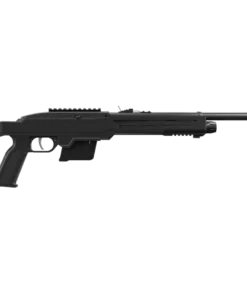
crosman Air Rifles
CROSMAN AG1077/T 1077 TACTICAL 12 SHOT CO2 POWERED .177 AIR RIFLE
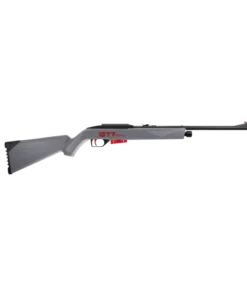
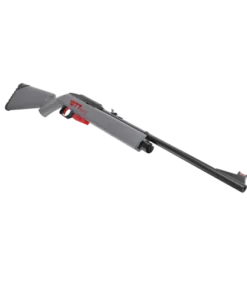
crosman Air Rifles
CROSMAN AG1077/FS 1077 FREESTYLE 12 SHOT CO2 POWERED .177 AIR RIFLE

crosman Air Rifles
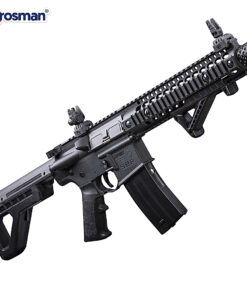
crosman Air Rifles
crosman Air Rifles
Reviews
There are no reviews yet.