
Umarex TUSK PCP Air Rifle
$650.00
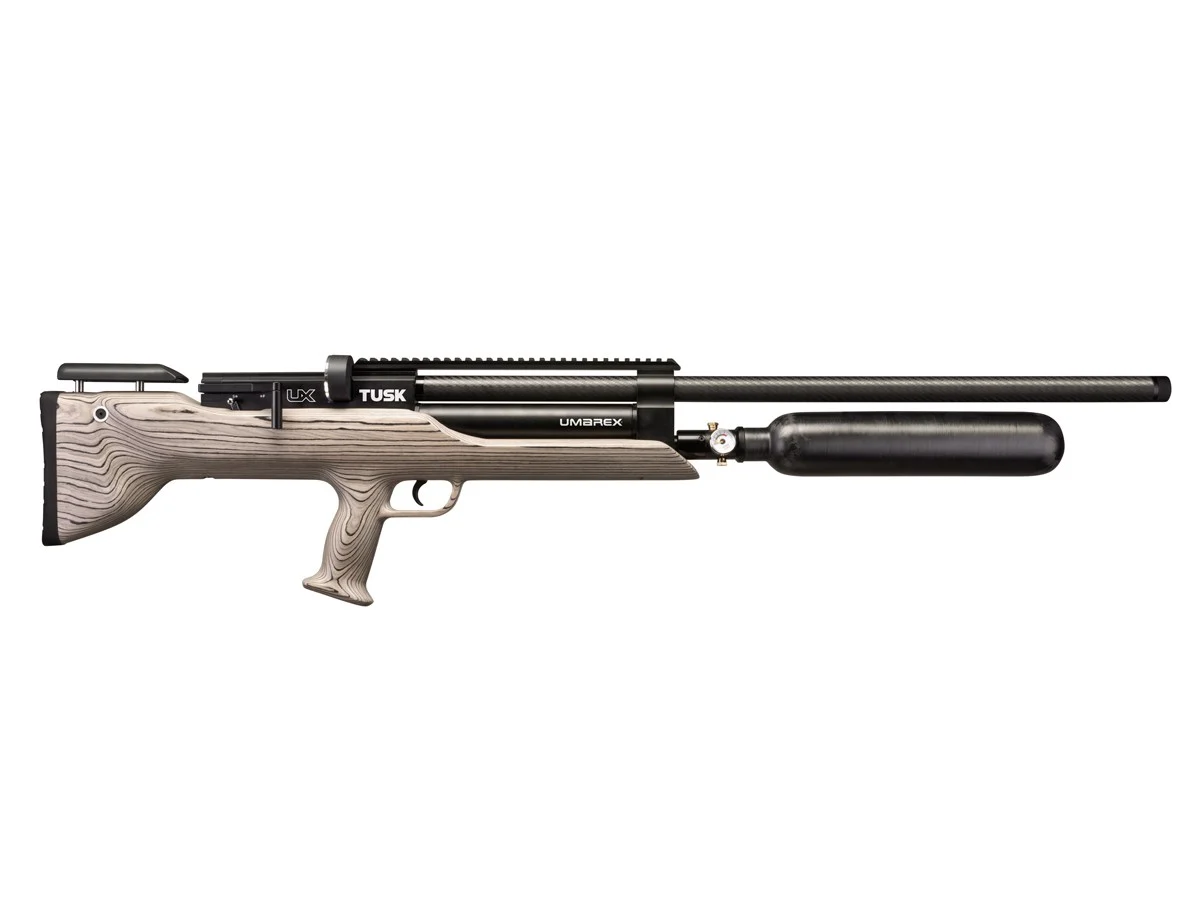
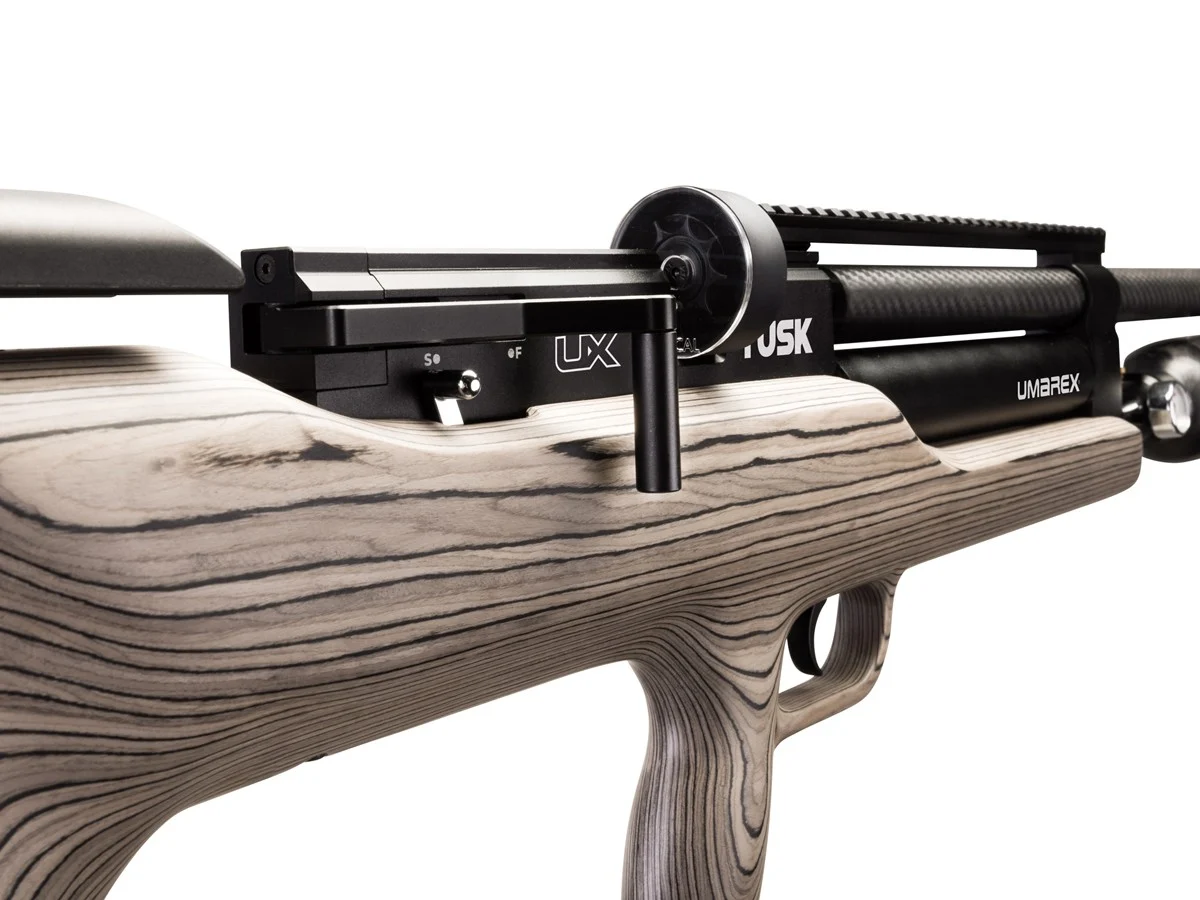
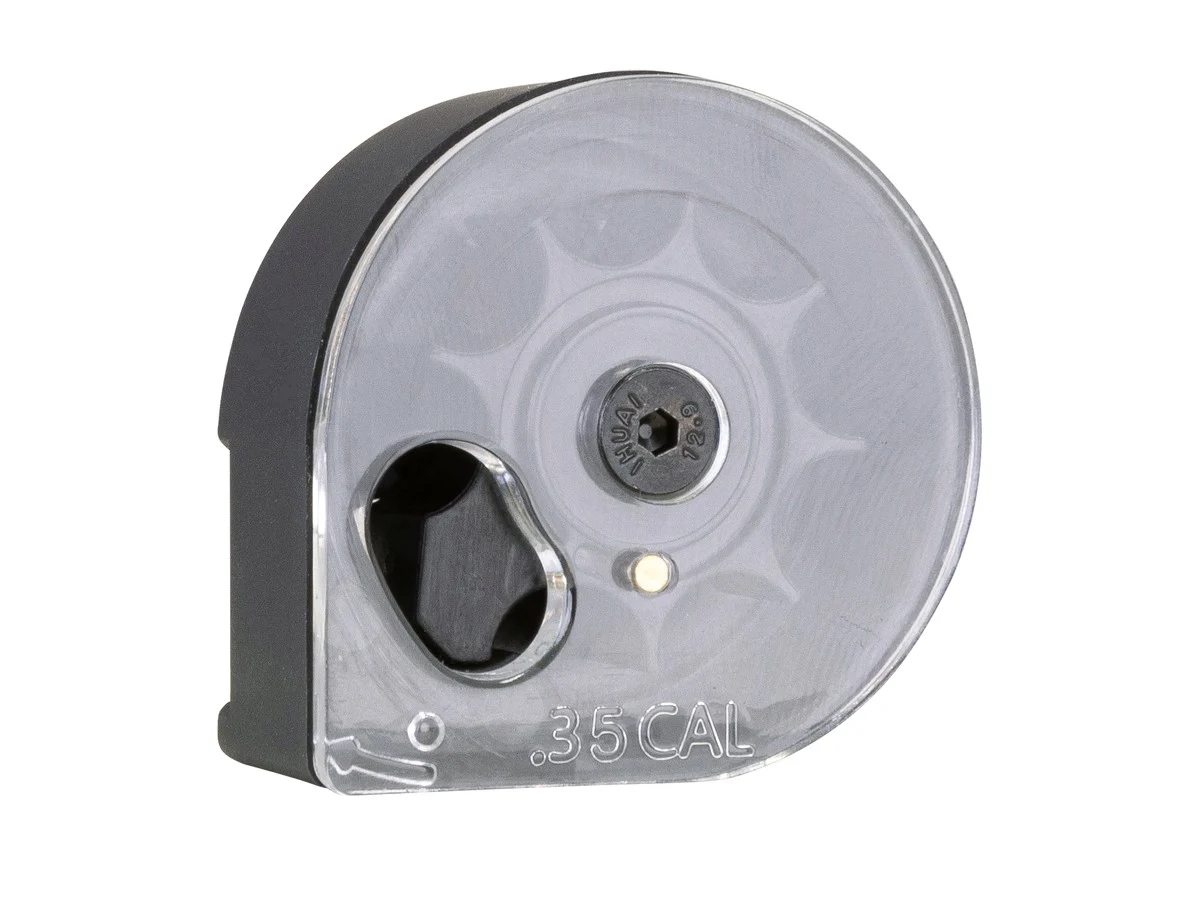
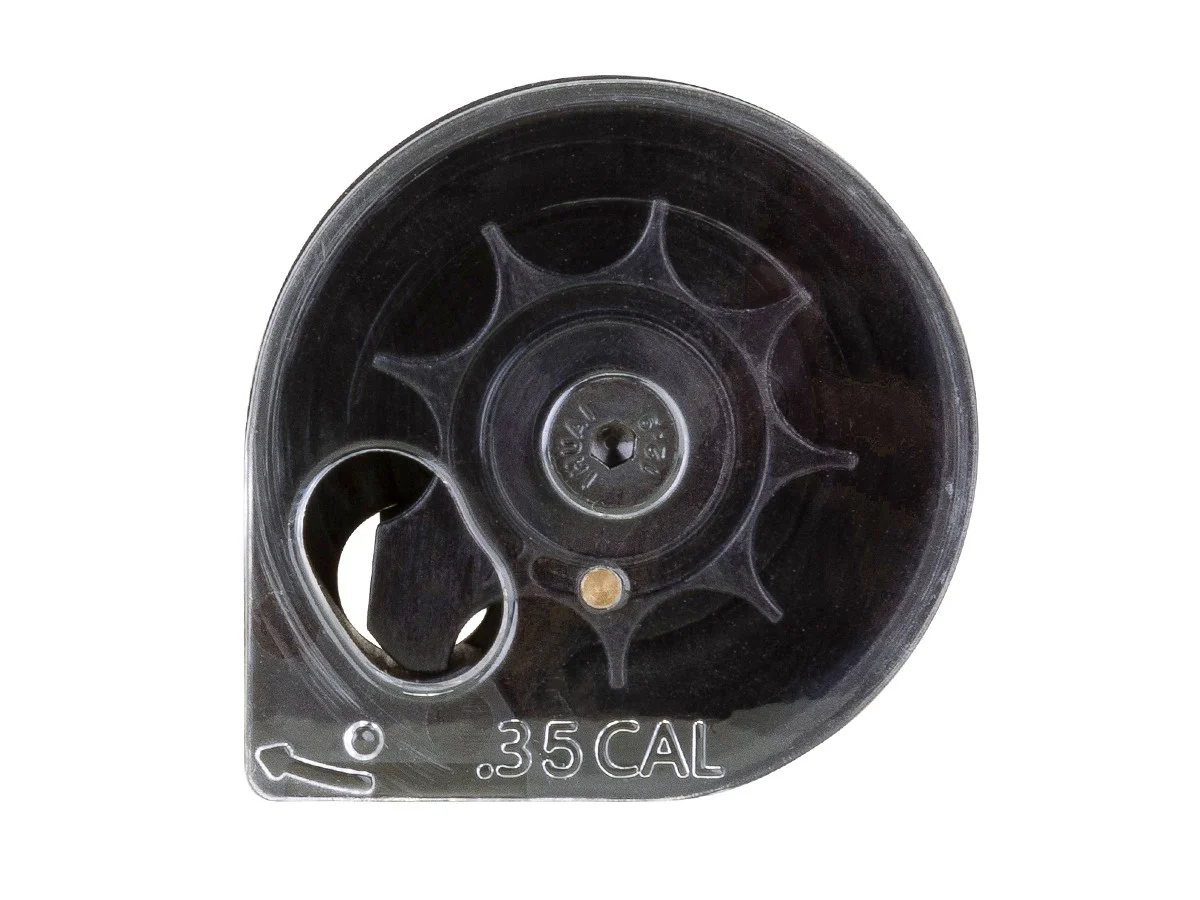
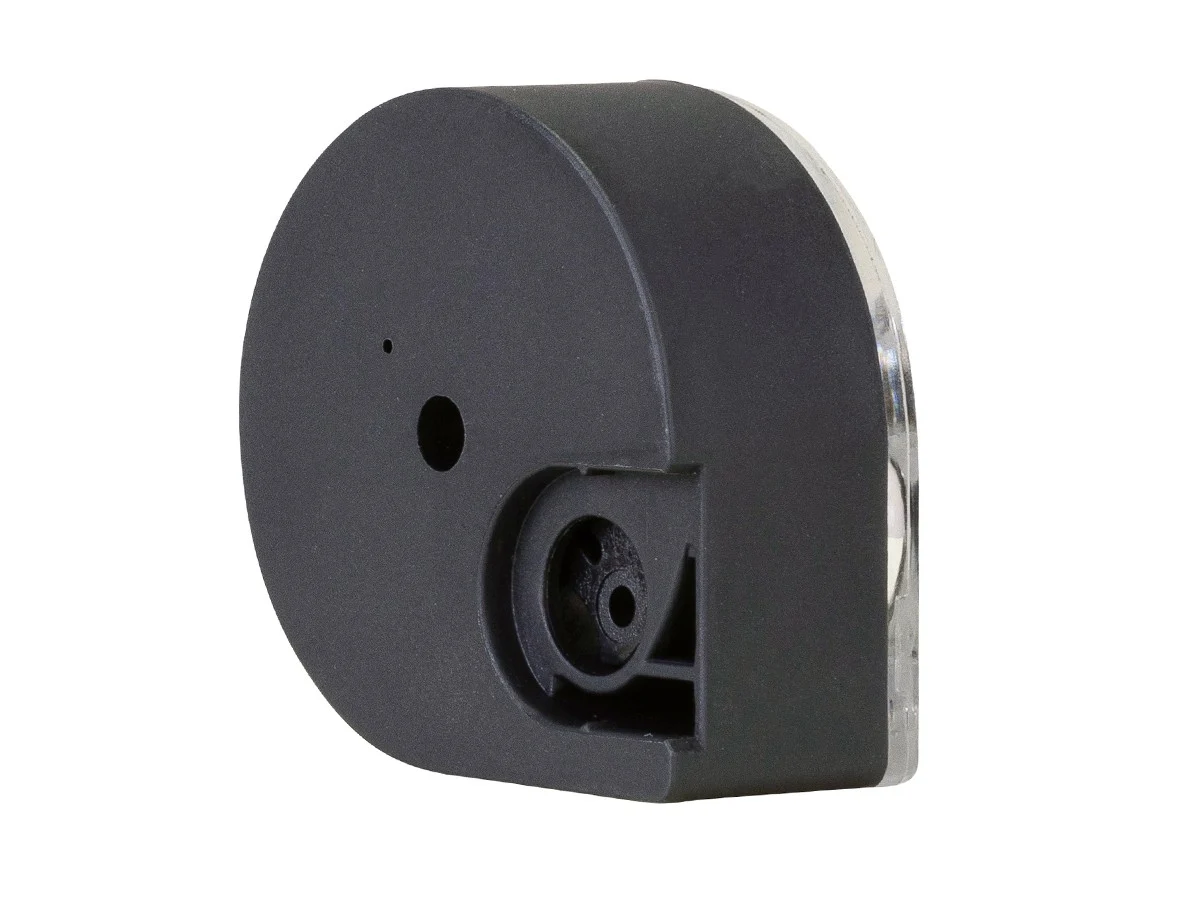
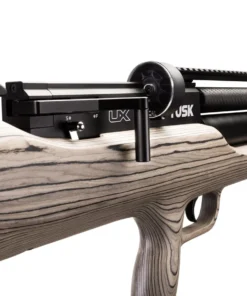
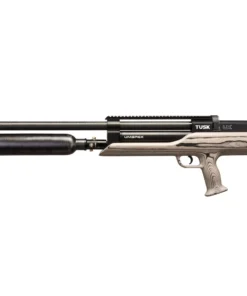
The Umarex Tusk combines affordability and power into a precharged pneumatic air rifle. It shoots slugs or pellets and can launch .357 (9mm) caliber pellets up to 1,085 FPS and deliver up to 228 ft/lbs of energy with 100-grain slugs. With that much power, the Umarex Tusk is a good option for hunting hogs or testing the limits of your target shooting. The side lever action provides quick, smooth operation with an 8-round rotary magazine to keep you in the hunt for longer.
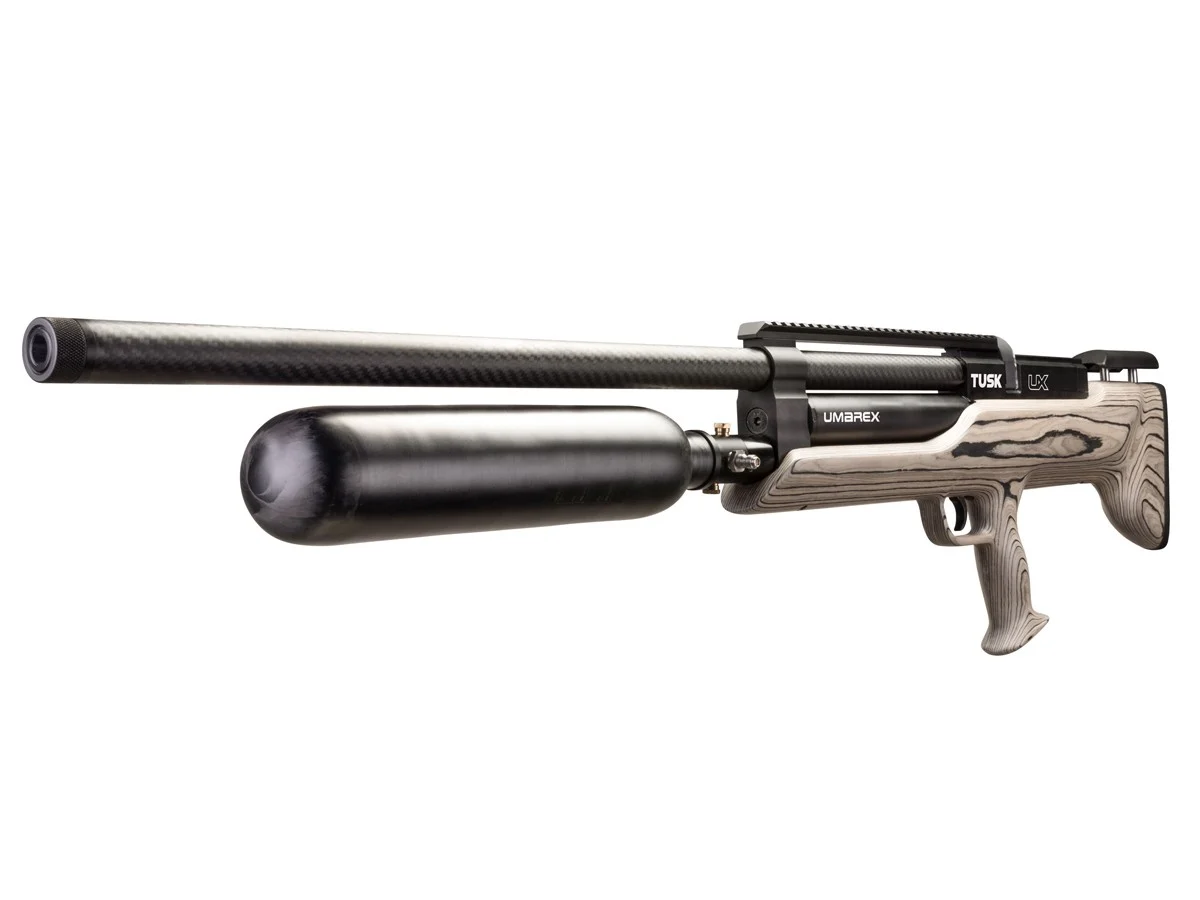
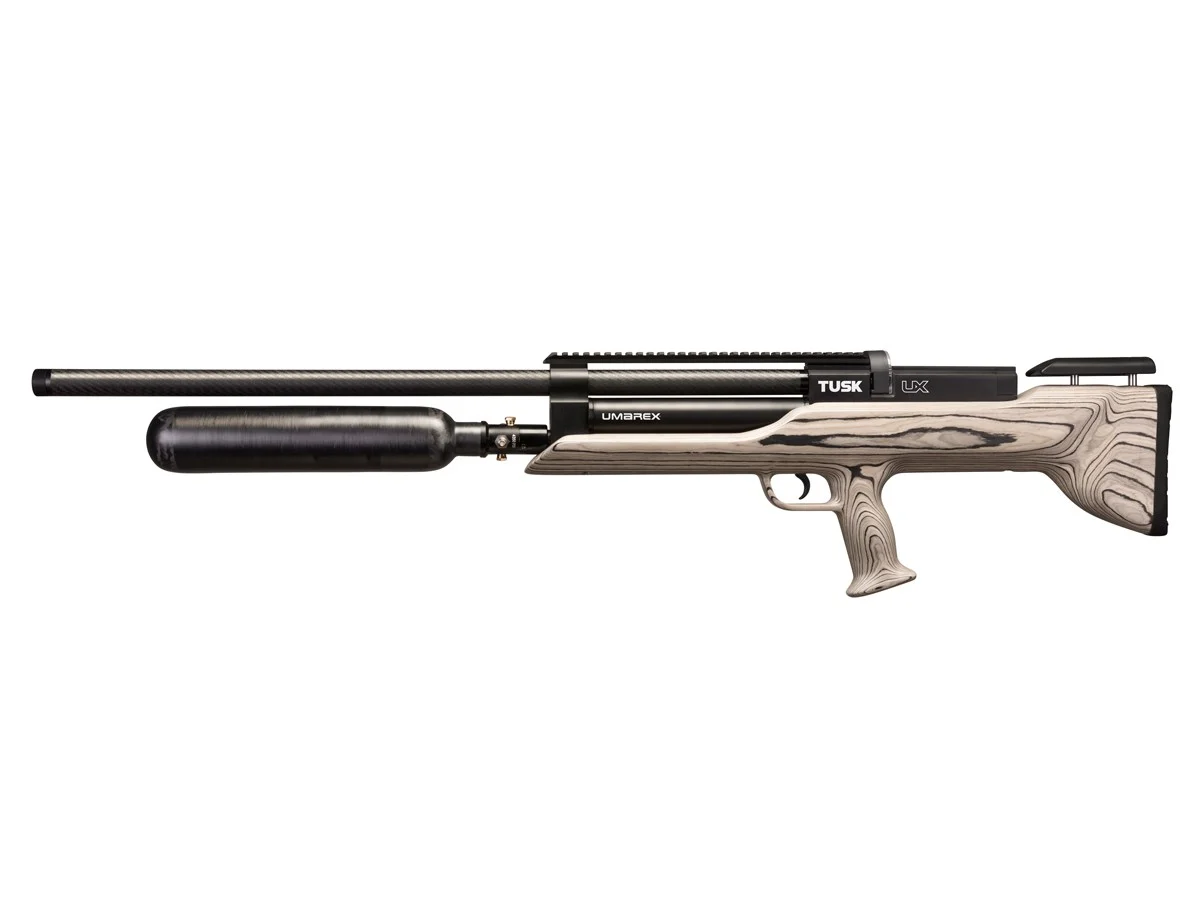
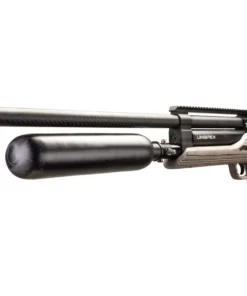
The 500cc carbon fiber tank provides enough air for prolonged shooting, and the regulated fill pressure of 3,250 PSI helps you land consistently powerful shots. Enhancing accuracy is a 28” rifled barrel with a 1:43 twist rate to help stabilize projectiles preflight. Mounting your choice of optic is easy thanks to its Picatinny rail.
It has a carbon fiber shroud, a laminate stock with an adjustable length of pull and cheek piece height, and comes with two 8-round mags for faster reloading. This air rifle has a Foster quick-connect fitting and a degas screw for easy maintenance and transport. It is 41.75” overall and weighs 10.11 lbs.
Specifications

Umarex TUSK PCP Air Rifle – .357 Calibre Bullpup Design, Advanced Engineering and Technical Specifications
Introduction, Precision Engineering, Construction, Features and Performance Characteristics
Introducing the Umarex TUSK PCP Air Rifle
The Umarex TUSK PCP Air Rifle is a specialised .357-calibre pre-charged pneumatic sporting rifle combining contemporary bullpup architecture, a regulated high-pressure air system and a distinctive laminated wooden stock. Its design represents an expansion of the manufacturer’s large-calibre pneumatic range, incorporating mechanical features and materials that differ considerably from those found in conventional recreational airguns.
Developed by Umarex, the platform incorporates a 500cc carbon-fibre air reservoir, a 28-inch rifled barrel, an eight-round rotary magazine and a side-lever operating mechanism.
Additionally, the rifle features a two-stage adjustable trigger, adjustable cheek support, Picatinny optical mounting rail and a carbon-fibre barrel shroud.
These components form an integrated engineering system designed around the specific requirements of the large-calibre pneumatic platform.
One of its defining characteristics is the relationship between the 28-inch barrel and the approximately 41.75-inch overall length. The bullpup arrangement allows these substantial internal dimensions to coexist with a comparatively compact external configuration.
The manufacturer’s current product listing identifies a maximum filling pressure of 4,350 PSI and a regulated output of approximately 3,250 PSI.
Furthermore, advertised performance figures include a maximum velocity of approximately 1,085 feet per second with specified 82-grain pellets and a maximum energy rating of approximately 228 foot-pounds with specified 100-grain airgun slugs.
These figures describe different ammunition tests rather than one universal operating result.
Umarex USA+1
Umarex USA and the Development of Modern Airguns
Umarex USA operates within a broad sporting airgun market that includes pre-charged pneumatic rifles, traditional spring-powered air rifles, CO2-powered equipment and recreational replica products.
The company’s catalogue incorporates several distinct operating systems and calibre categories.
Consequently, individual products should be evaluated according to their actual engineering rather than brand identity alone.
The TUSK occupies the larger-calibre PCP segment.
Unlike a conventional spring-piston design, its operating energy comes from compressed air stored within a purpose-built pressure reservoir.
Furthermore, its bullpup arrangement places important mechanical components within a different structural layout from traditional full-length sporting rifles.
This combination reflects the continuing development of pneumatic engineering and modern stock construction.
The rifle’s principal technical characteristics include its substantial air-storage capacity, regulated pressure system, rifled barrel, repeating magazine and laminated stock.
Each feature contributes to the identity of the complete platform.
Understanding the .357 Calibre Configuration
The calibre designation identifies the nominal projectile diameter associated with the platform.
The .357 designation corresponds to approximately 9mm.
However, calibre terminology must be interpreted carefully because not every projectile with a similar nominal diameter is appropriate for every airgun.
Airgun pellets and slugs can differ in material, construction, dimensions and manufacturing tolerances.
The manufacturer’s documentation should therefore determine compatibility.
The TUSK is specified for compatible .35/.357-calibre airgun projectiles.
This distinguishes it from smaller-calibre sporting systems such as .177, .22 and .25 configurations.
Furthermore, its mechanical assemblies were designed around the particular dimensional requirements of this larger-calibre platform.
The magazine, barrel and pneumatic system must maintain appropriate compatibility.
Conventional firearm ammunition is not interchangeable with pneumatic ammunition.
Pre-Charged Pneumatic Technology Explained
Pre-charged pneumatic technology stores compressed air in a dedicated reservoir.
This differs from conventional spring-powered systems, where mechanical energy is stored within a spring or gas-ram mechanism.
A PCP system contains several interconnected components.
The pressure reservoir stores air, while the regulator manages the intended pressure supply.
Additionally, the valve assembly forms part of the mechanism responsible for controlling air movement within the original design.
These components must retain their specified mechanical and pressure-related characteristics.
The complete pneumatic system requires appropriate high-pressure filling equipment and specialist maintenance.
Ordinary household or workshop compressors should never be treated as substitutes for equipment designed for the required pressure range.
500cc Carbon-Fibre Air Reservoir
The integrated 500cc carbon-fibre reservoir is among the most significant engineering features.
Its capacity provides a substantial compressed-air storage volume within the complete rifle.
Carbon-fibre composite construction is widely used in pressure-vessel engineering because appropriately designed composite materials can offer useful strength-to-weight characteristics.
However, composite construction is not inherently maintenance-free.
Pressure vessels require appropriate manufacturing, inspection and care.
The reservoir is rated for a maximum filling pressure of 4,350 PSI, approximately 300 bar.
This limit must never be exceeded.
Furthermore, the reservoir should be protected against significant impact, excessive heat and unauthorised alteration.
Any suspected structural damage requires professional assessment.
Regulated 3,250 PSI Pneumatic System
The regulator forms part of the rifle’s internal pressure-management architecture.
Its specified operating pressure is approximately 3,250 PSI.
This is different from the maximum reservoir filling pressure.
The distinction matters because the reservoir stores compressed air at a higher pressure, while the regulator manages the pressure provided to the intended operating system.
Consequently, the two figures describe different parts of the same pneumatic arrangement.
Pressure regulation is a recognised feature of modern PCP engineering.
Nevertheless, it does not remove the need for routine inspection, suitable equipment and manufacturer-approved servicing.
Internal regulator adjustment should not be attempted outside authorised procedures.
Advanced Bullpup Stock Architecture
The bullpup configuration is one of the most visually distinctive design characteristics.
In this architecture, important mechanical components are positioned farther toward the rear than in many conventional full-length sporting rifles.
This allows the manufacturer to integrate a comparatively long barrel into a shorter external assembly.
The result is a different balance of dimensions and structural placement.
The rifle retains a substantial overall weight of approximately 10.11 pounds, despite its compact architectural arrangement.
Therefore, the bullpup designation should not automatically be interpreted as meaning lightweight equipment.
Its full dimensions remain important for storage, transport and ergonomic evaluation.
Precision 28-Inch Rifled Barrel
The 28-inch barrel forms a substantial component of the platform.
Its internal bore incorporates rifling designed to impart rotational stabilisation to compatible projectiles.
The manufacturer specifies a 1:43 rifling twist rate.
This figure describes the geometry of the internal rifling rather than a general measure of manufacturing quality.
Barrel construction requires dimensional consistency, appropriate materials and careful finishing.
Furthermore, the condition of the bore is important throughout the product’s service life.
Unsuitable cleaning equipment and unauthorised modifications should be avoided.
Accuracy cannot be established from barrel length alone; complete-system condition and testing circumstances also matter.
Carbon-Fibre Barrel Shroud
The barrel shroud incorporates carbon-fibre construction.
This contributes to the distinctive visual appearance and material composition.
The shroud forms an external enclosure around the barrel assembly and contributes to the manufacturer’s sound-management design.
However, reduced acoustic output does not mean complete silence.
Mechanical sounds and pneumatic discharge noise may remain noticeable.
Suitable hearing protection and compliance with applicable laws remain important.
The original shroud should be maintained in accordance with manufacturer guidance.
Side-Lever Operating Mechanism
The rifle uses a side-lever action rather than a conventional rotating-bolt configuration.
This is an important distinction within the manufacturer’s wider PCP catalogue.
The side-lever assembly incorporates interconnected mechanical parts that must retain their intended alignment and structural strength.
Its operation forms part of the repeating system.
The mechanism should remain free from visible damage, abnormal resistance and excessive movement.
Furthermore, any internal servicing should be performed according to the manufacturer’s approved procedures.
Eight-Round Rotary Magazine
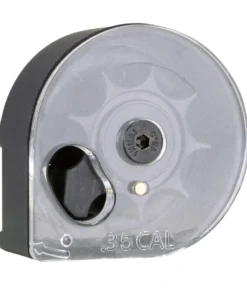
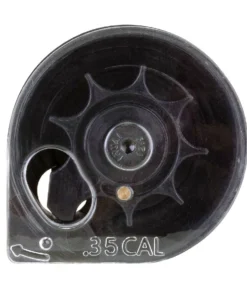
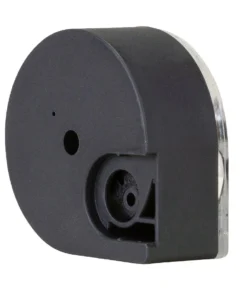
The official product listing and 2026 catalogue identify an eight-round rotary magazine.
Two magazines are specified as included with the standard manufacturer package.
The magazine provides the repeating ammunition arrangement within the receiver.
Its dimensions must correspond to the intended projectile and mechanical housing.
Consequently, replacement magazines should be selected using the exact manufacturer part reference.
The published magazine reference is 2254877.
A separate manufacturer editorial article has described a six-round arrangement, so the actual supplied magazine should be checked against the current product SKU rather than inferred from older or inconsistent descriptions.
umarexusa.com+1
Two-Stage Adjustable Trigger
The trigger assembly incorporates a two-stage adjustable arrangement.
This contributes to the rifle’s mechanical operating characteristics.
The two-stage design provides distinct phases of trigger movement within the manufacturer’s original configuration.
However, trigger adjustment should only occur according to authorised procedures.
The original safety functions must remain fully operational.
Any irregular movement or suspected mechanical malfunction requires professional attention.
Laminated Wooden Stock Construction
The laminated stock provides a distinctive contrast with the carbon-fibre reservoir and metallic receiver.
Laminated wood construction incorporates multiple bonded layers rather than relying on one solid piece.
This manufacturing method can provide useful dimensional stability while creating a recognisable layered appearance.
Furthermore, the material offers a traditional sporting aesthetic within an otherwise contemporary pneumatic design.
However, laminated wood still requires suitable environmental protection.
Prolonged moisture exposure, extreme heat and inappropriate cleaning chemicals may damage the finish.
Adjustable Cheek Support
An adjustable cheek rest forms part of the ergonomic construction.
Its purpose is to accommodate different user proportions and configurations within the manufacturer’s intended adjustment range.
The retention mechanism should remain secure.
Furthermore, any physical damage or excessive movement should be investigated before continued use.
The adjustable arrangement contributes to the modern stock geometry.
Rubber Buttplate and Shoulder Support
The rear stock incorporates a rubber buttplate.
This provides a defined shoulder-contact surface.
Rubber and related resilient materials are commonly used because they offer different contact characteristics from rigid materials.
However, they can deteriorate through age, heat and environmental exposure.
The buttplate should remain securely attached and free from significant cracking.
The manufacturer’s specified length of pull is approximately 13.75 inches.
This measurement contributes to the complete ergonomic configuration.
Picatinny Optical Mounting Rail
A Picatinny rail is incorporated into the upper assembly.
This provides a standardised interface for compatible optical equipment.
However, not every optic or mounting system is necessarily suitable.
The dimensions and mounting requirements must correspond to the manufacturer’s specifications.
Furthermore, optical accessories contribute additional weight to the complete configuration.
The standard product should not be represented as including a scope unless the particular package explicitly specifies one.
M18x1 Threaded Muzzle
The manufacturer specifies an M18x1 muzzle-thread arrangement.
This is a particular metric thread standard.
It should not be confused with other muzzle-thread dimensions.
Any accessory compatibility must be assessed according to the manufacturer’s documentation and applicable laws.
Unauthorised machining or modification of the barrel assembly should be avoided.
Quick-Disconnect Filling Connection
The system incorporates a Foster-style quick-disconnect filling interface.
This connection forms part of the high-pressure pneumatic system.
The relevant hoses, fittings and associated filling equipment must be designed for the intended pressure range.
Damaged or incompatible components should never be used.
Furthermore, pressure-related servicing should be entrusted to qualified personnel.
Integrated Degassing Provision
The manufacturer also identifies a degassing screw.
This component forms part of the pressure-system servicing architecture.
Because the rifle contains substantial stored pressure, the component must only be handled according to the official maintenance instructions.
Uncontrolled air release can create serious hazards.
Consequently, pressure-system maintenance should never be approached through improvised procedures.
Technical Performance Figures and Their Limitations
The manufacturer advertises approximately 1,085 FPS using specified 82-grain pellets.
Its 2026 catalogue instead reports approximately 1,075 FPS and 225 foot-pounds.
The current online product page reports approximately 228 foot-pounds with specified 100-grain slugs.
These differences reflect the importance of identifying the exact test conditions and source.
Published maximum values should not be presented as guaranteed results with all compatible ammunition.
Actual observations may vary according to product condition, ammunition and environmental conditions.
Umarex USA+1
Comparison With the Umarex Gauntlet and Gauntlet 2
The Umarex Gauntlet family represents another important part of the manufacturer’s pre-charged pneumatic catalogue.
However, these platforms have different construction characteristics.
The Gauntlet 2 is offered in smaller calibres and uses a conventional full-length sporting arrangement.
The updated Gauntlet 2 SL incorporates a side-lever mechanism, regulated air system and synthetic stock.
By comparison, the TUSK features a laminated bullpup stock, .357-calibre bore and a substantially different reservoir configuration.
Consequently, the two product families should not be described as interchangeable.
Their replacement magazines, pressure-system components and stock assemblies require separate manufacturer references.
Comparison With the Umarex Notos, Origin and Zelos
The Umarex Notos belongs to the compact pneumatic sporting category.
Its external proportions and calibre distinguish it from the larger TUSK platform.
The Umarex Origin also uses PCP technology, but its operating architecture, reservoir and overall design differ.
Meanwhile, the Umarex Zelos incorporates a bullpup configuration, demonstrating that the manufacturer employs similar architectural principles across different product categories.
Nevertheless, shared design terminology does not establish identical construction.
The calibre, weight, magazine capacity and pressure specifications must be considered individually.
For customers researching Umarex air rifles, these distinctions provide an accurate basis for understanding the manufacturer’s wider catalogue.
Comparison With the Umarex Hammer and Hammer Carbine
The Umarex Hammer belongs to the manufacturer’s large-bore pneumatic range.
Its original configuration incorporates a .50-calibre design, straight-pull operating mechanism and specialised pressure-seal magazine.
The Hammer Carbine represents a separate compact configuration within that family.
By contrast, the TUSK uses a .357-calibre arrangement, side-lever operation and an eight-round rotary magazine.
These are substantial engineering differences.
Furthermore, their pressure reservoirs, internal mechanisms and compatible ammunition categories differ.
A customer researching the Umarex Hammer .50 caliber or Hammer Carbine should therefore consult a separate product specification rather than assuming compatibility.
Understanding the Umarex Komplete and Fusion 2
The manufacturer’s wider catalogue includes alternative power systems.
For example, the Umarex Komplete NCR .22 uses a nitrogen cartridge arrangement rather than the same conventional refillable PCP reservoir architecture.
Meanwhile, the Umarex Fusion 2 is associated with CO2-powered sporting technology.
These examples demonstrate the variety of pneumatic systems available across the manufacturer’s catalogue.
However, different energy-storage technologies require different maintenance and ownership arrangements.
The existence of these products should not be interpreted as evidence that their accessories or components are interchangeable.
Understanding the Umarex T4E and TR50 Families
The Umarex T4E range occupies a different category within the company’s product portfolio.
Products such as the TR50, HDR50 and P2P DR50 are associated with training, recreational or less-lethal launcher categories, depending on the exact product and jurisdiction.
Their operating systems, ammunition and intended applications differ from those of large-calibre PCP sporting rifles.
Questions such as how many joules a particular P2P model produces should be answered using the exact model’s verified specification.
Likewise, the TUSK’s technical figures must not be transferred to other Umarex products.
Umarex Airsoft, BB Guns and Replica Pistols
The manufacturer also offers recreational replica platforms.
These include various Glock-branded BB and airsoft products, such as certain Glock 17 and Glock 19 configurations.
Other models across its recreational catalogue include the Legends series, MP40 replicas and selected Heckler & Koch-licensed products.
However, airsoft and BB replicas are not mechanically equivalent to the TUSK.
They may use different ammunition, calibres, energy sources and operating arrangements.
Consequently, search phrases such as Glock BB gun, airsoft Glock, pellet pistol and metal BB gun describe distinct categories rather than features of this rifle.
Accurate classification helps prevent confusion between unrelated products.
Understanding the Umarex Trevox and Synergis Elite
The Trevox and Synergis Elite represent other approaches to sporting airgun construction.
Their operating mechanisms differ from those of a conventional high-pressure PCP platform.
For example, break-barrel and underlever spring or gas-piston configurations do not depend on an onboard refillable high-pressure reservoir in the same way.
Additionally, their calibre and ammunition requirements must be evaluated separately.
The broader catalogue demonstrates the distinction between mechanical energy storage and externally charged pneumatic systems.
Umarex AirSaber and AirJavelin Technologies
The AirSaber and AirJavelin belong to another specialised category.
These platforms are associated with pneumatic arrow launching rather than conventional rifled-barrel pellet systems.
Their projectiles and operating arrangements are substantially different.
Consequently, their ammunition cannot be treated as interchangeable with .357-calibre airgun pellets or slugs.
Customers should always identify the exact equipment type before consulting specifications.
Stoeger, Beretta and Related Sporting Brands
Stoeger and Beretta are separate names within the wider sporting-equipment industry.
Stoeger products such as the XM1, RX20 and XRD50 belong to their respective product categories.
However, those models should not be confused with Umarex equipment.
The Beretta company’s history and its relationship with Stoeger form separate corporate topics.
Similarly, manufacturing locations and ownership details do not establish compatibility between individual sporting products.
Accurate technical descriptions should prioritise the actual product manufacturer, model and engineering specifications rather than introducing unrelated corporate history.
Why the Carbon-Fibre Construction Is Significant
Carbon-fibre composite technology forms an important part of the reservoir and barrel-shroud construction.
Its engineering value lies in the relationship between material properties, weight and structural requirements.
Nevertheless, composite materials must be manufactured appropriately for the intended application.
The high-pressure reservoir in particular requires specialised quality control.
Furthermore, composite pressure vessels may have specific service-life and inspection requirements.
The owner should consult the manufacturer rather than assuming the material is indefinitely durable.
Understanding the Engineering Behind Precision
Precision is influenced by several components acting together.
The barrel must maintain its intended internal dimensions.
The receiver must provide structural support, while the magazine and operating mechanism must remain compatible.
Meanwhile, the pressure-management assembly must function within the manufacturer’s original specifications.
These factors all contribute to the mechanical consistency of the complete system.
However, precision should not be represented as a guaranteed group size or distance without supporting test data.
Reliable product descriptions should distinguish verified technical features from unverified performance claims.
Where the Rifle Fits Within Sporting Equipment Categories
The platform belongs to the specialised large-bore pneumatic sporting category.
Its substantial projectile energy requires an appropriate, lawful environment with adequate safety infrastructure.
Suitable facilities must provide controlled access, appropriate projectile containment and compliance with local regulations.
It should not be treated as ordinary low-powered recreational equipment.
Furthermore, laws governing possession, transportation and sporting use vary by jurisdiction.
The owner must verify the applicable requirements before undertaking any activity.
When Professional Maintenance Becomes Important
Professional maintenance is particularly important when high-pressure components are involved.
Unexpected air leakage, abnormal pressure readings or suspected structural damage can indicate the need for inspection.
The regulator, pressure reservoir and valve assembly should not be dismantled by unqualified individuals.
Furthermore, replacement components must meet the manufacturer’s exact specifications.
Any suspected safety-related defect should be addressed before further operation.
Long-Term Storage and Environmental Protection
Suitable storage protects both mechanical and pneumatic components.
Metal surfaces may deteriorate through prolonged moisture exposure.
Laminated wood and polymer components may also be affected by unsuitable environmental conditions.
The equipment should therefore be kept in a secure, dry environment within the manufacturer’s recommended temperature limits.
Furthermore, children and unauthorised individuals must not have access.
Appropriate locking arrangements should be used according to applicable laws.
The Importance of Genuine Replacement Parts
Replacement-part compatibility is essential.
The rifle incorporates specialised components that must correspond to the exact manufacturer reference.
The magazine, filling connection, regulator and other mechanical assemblies should not be replaced with unverified substitutes.
Even components that appear identical may differ in dimensions or pressure ratings.
Consequently, genuine manufacturer documentation should guide replacement decisions.
Understanding Warranty and Ownership Documentation
Warranty coverage depends on the manufacturer, the retailer and applicable consumer protection laws.
Owners should retain the purchase receipt and relevant documentation.
The exact model number is particularly important when requesting support.
Additionally, any authorised maintenance records should be preserved.
These documents provide a useful reference throughout ownership.
Key Technical Characteristics
The published specifications identify the following features:
-
Calibre: .357 / approximately 9mm.
-
Operating system: Pre-charged pneumatic.
-
Action: Side lever.
-
Stock configuration: Bullpup.
-
Stock material: Laminated wood.
-
Reservoir: 500cc carbon-fibre construction.
-
Maximum fill pressure: 4,350 PSI.
-
Regulated pressure: Approximately 3,250 PSI.
-
Barrel: 28-inch rifled design.
-
Twist rate: 1:43.
-
Magazine capacity: Eight rounds, according to the official SKU listing.
-
Included magazines: Two.
-
Trigger: Two-stage adjustable.
-
Safety: Manual.
-
Cheek support: Adjustable.
-
Length of pull: Approximately 13.75 inches.
-
Optical rail: Picatinny.
-
Muzzle thread: M18x1.
-
Filling interface: Foster quick-disconnect.
-
Overall length: Approximately 41.75 inches.
-
Weight: Approximately 10.11 pounds.
-
Product reference: 2254876.
These specifications refer to the identified manufacturer configuration and should be checked against the actual product label and accompanying manual.
Final Product Overview
The Umarex TUSK PCP Air Rifle brings together advanced pneumatic pressure management, precision mechanical construction and a distinctive laminated bullpup stock.
Its engineering incorporates a substantial carbon-fibre reservoir, regulated air system, rifled barrel and repeating magazine.
Furthermore, the side-lever arrangement contributes to the mechanical identity of the platform.
The combination of composite materials, metallic components and laminated wood creates an unusual construction compared with conventional synthetic-stock sporting airguns.
Its pressure specifications, dimensions and magazine arrangement distinguish it from smaller-calibre pneumatic products.
However, responsible ownership requires an understanding of high-pressure equipment, appropriate maintenance and applicable laws.
The most important purchasing considerations are the exact product reference, verified specifications, component compatibility and access to qualified technical support.
The TUSK therefore represents a distinctive example of contemporary large-calibre pneumatic engineering, combining modern material technology with traditional stock construction and specialised mechanical design.
Be the first to review “Umarex TUSK PCP Air Rifle”
Related products

umarex AirRifle
umarex AirRifle
umarex AirRifle
umarex AirRifle


umarex AirRifle
Reviews
There are no reviews yet.