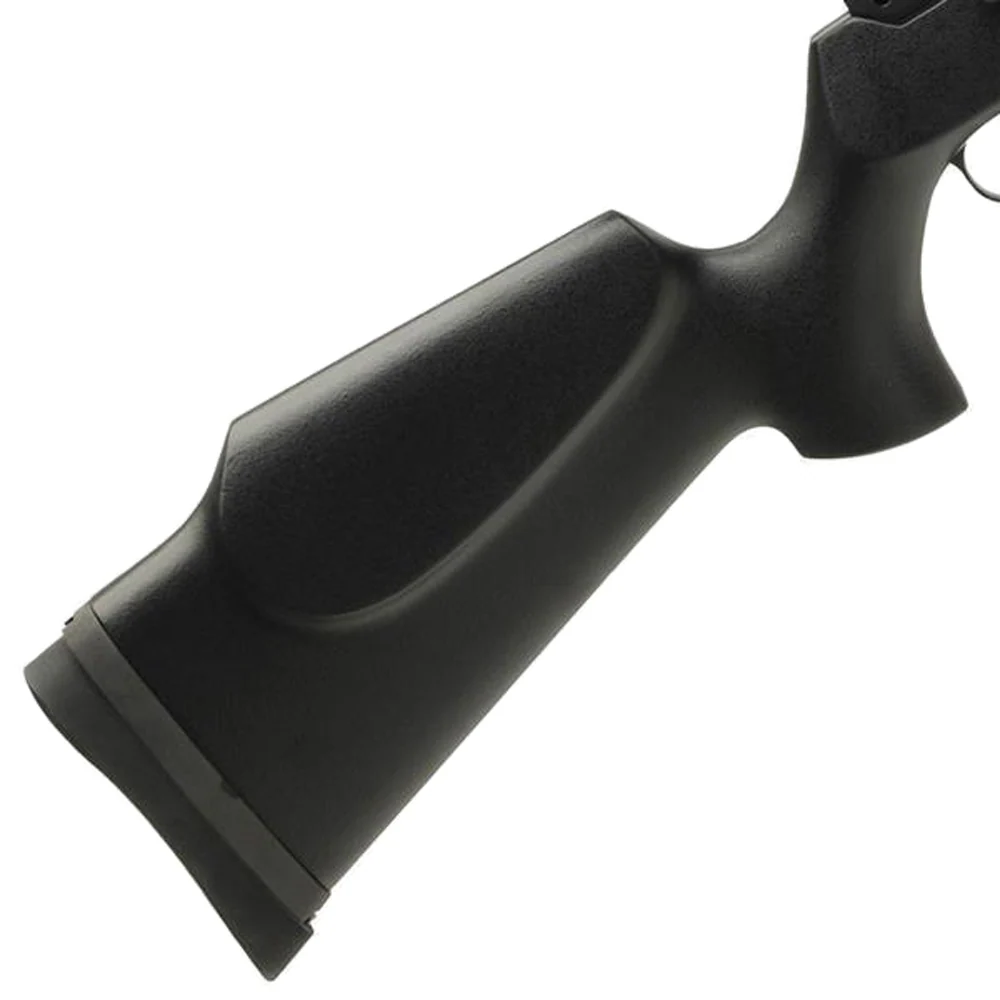
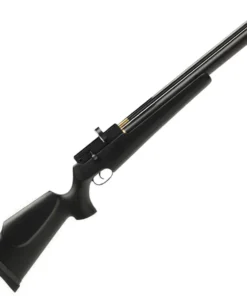
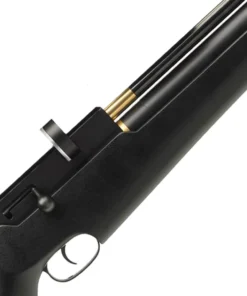
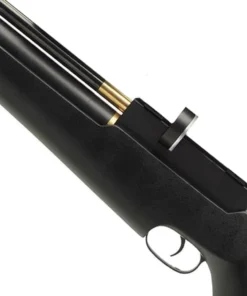
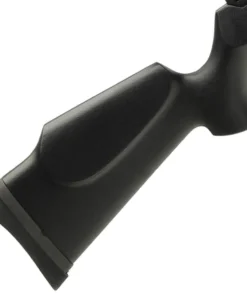
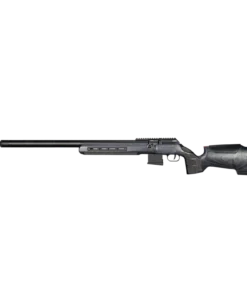
FX T12
$600.00
THE T12
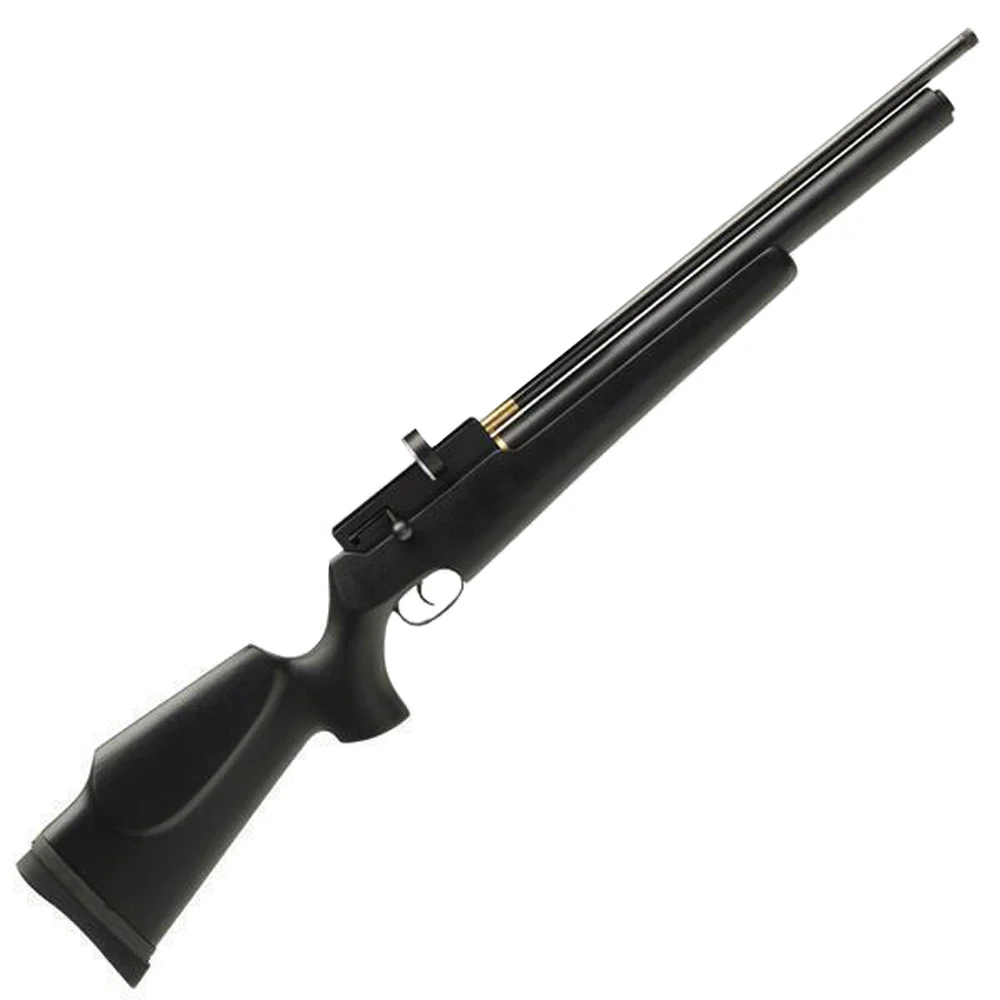
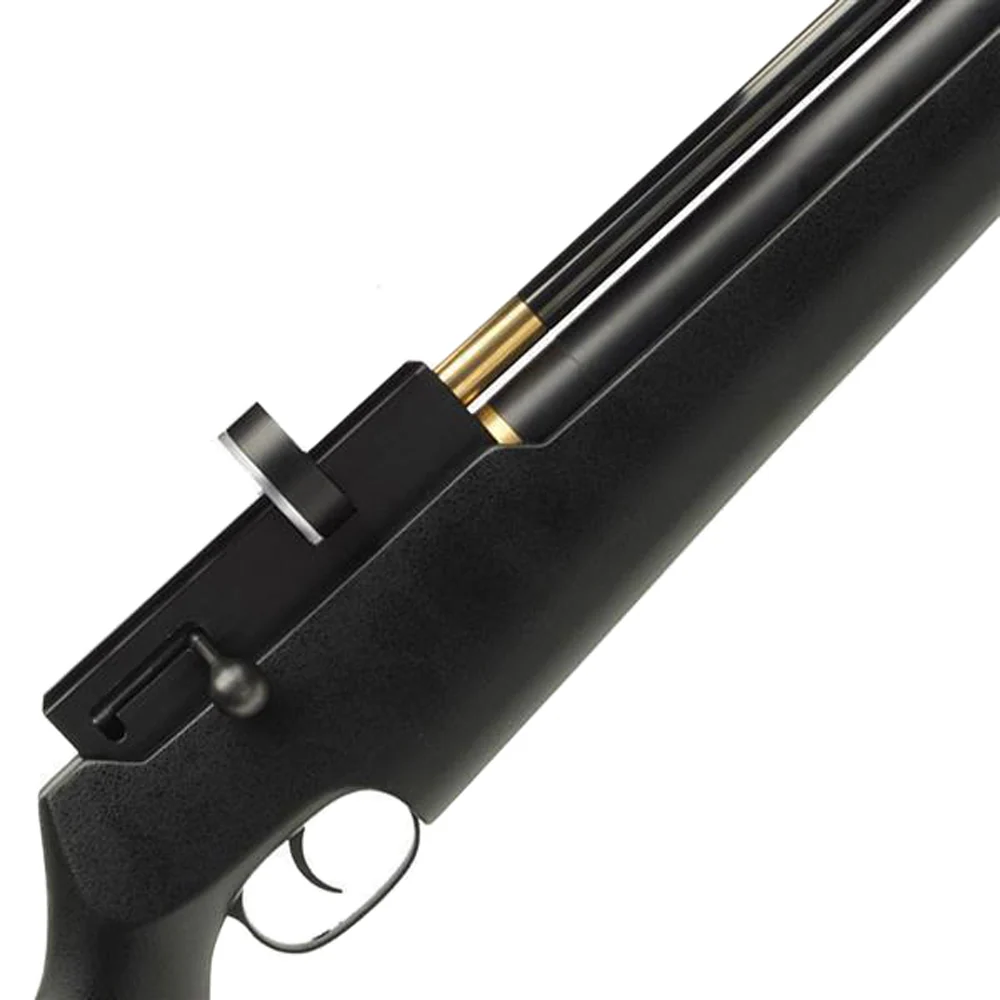
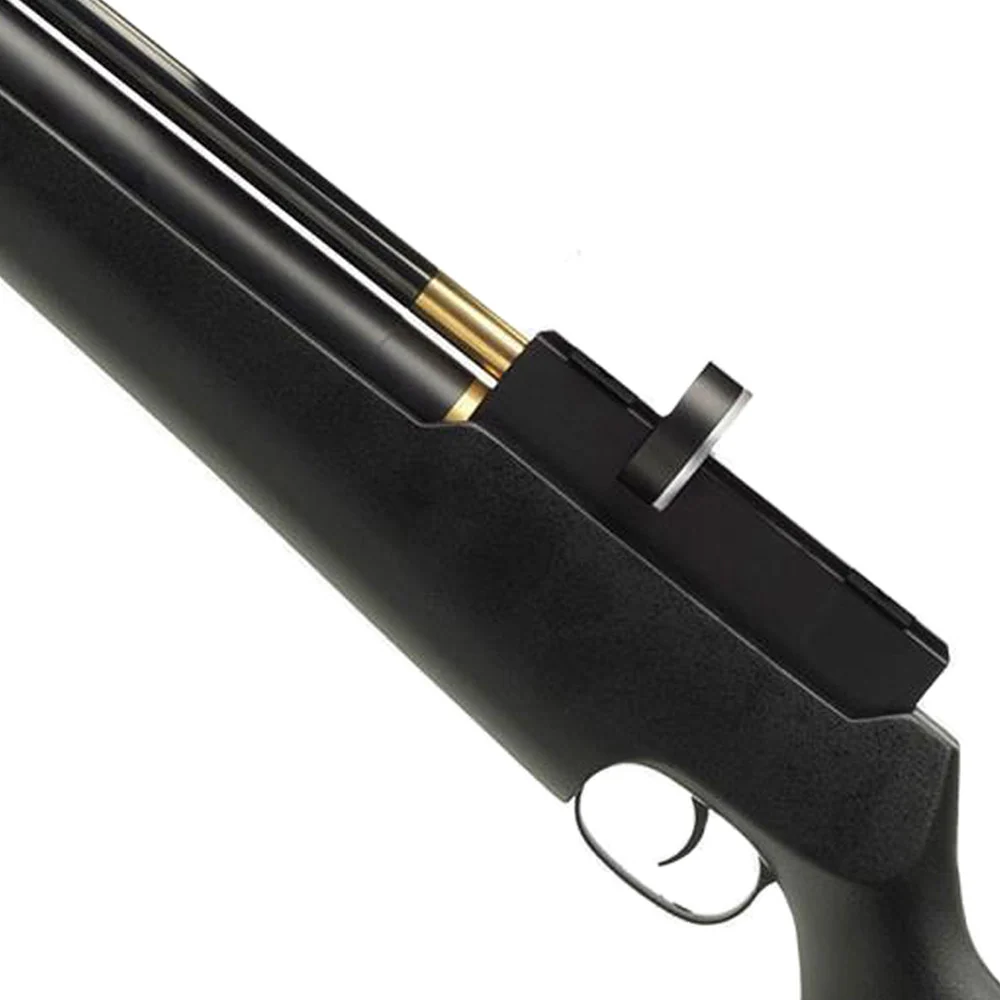
A lightweight rifle with few moving parts that settles for many years of trouble free shooting. It has spring tensioned removable magazine and is made in anodized aluminum. All stocks are ambidextrous/equal on both sides to suit most shooters and has bolt action cocking with safety mode. Recoil free.
| COCKING SYSTEM | Bolt action |
|---|---|
| MAGAZINE TYPE | Spring tensioned:6,35 (.25) holds 11 pellets
5,5 (.22) holds 12 pellets 4,5 (.177) holds 16 pellets |
| STOCK | SyntheticAdjustable rubber recoil-pad • Ambidextrous (equal on both sides)
Walnut Adjustable recoil pad • Ambidextrous (equal on both sides) |
| CALIBER | 6,35 (.25)5,5 (.22)
4,5 (.177) |
| BARREL | FX Smooth TwistLength 500 mm (6,35 – 600 mm) |
| PRESSURE GAUGE | No |
| TRIGGER | Adjustable match trigger (400 – 700 g) |
| VELOCITY | Cal 6,35 (.25 • Unavailable dataCal 5,5 (.22) • 265 m/s• 870 ft/s
Cal 4,5 (.177) • 300 m/s • 1000 ft/s |
| ENERGY | Cal 6,35 (.25) • Unavailable dataCal 5,5 (.22) • 36 Joule • 27 ft/lbs
Cal 4,5 (.177) • 27 Joule • 20 ft/lbs |
| AIR CAPACITY | 185 cc |
| AIR CYLINDER | Not removable |
| SHOT CAPACITY | Approx. 30 + at full power |
| FILL PRESSURE | Max 220 bar (3200 psi) |
| SAFETY | Bolt action safety mode |
| OPTICS | 11 mm dovetail for scope |
| MUZZLE | ½” UNF |
| LENGTH | Synthetic: 930 mmWalnut ME: 940 mm
Caliber 6,35 (.25) adds 100 mm in length |
| WEIGHT | Synthetic 2,2 kgWalnut ME 2,7 kg |
| CHARGING | Included fill probe |
| MORE FEATURES | Shrouded barrel intergraded with barrel support (adds 100 mm on total length) |
FX T12 PCP Air Rifle – Premium Swedish Engineering, Smooth Twist Barrel, Lightweight Construction and Precision Sporting Performance
FX T12 – Advanced Swedish Engineering, Lightweight PCP Construction, Precision Barrel Technology and Dependable Sporting Design
FX T12 – Premium Swedish Manufacturing and Classic Precision Engineering
The FX T12 combines traditional bolt-action construction with Swedish manufacturing expertise, refined pneumatic technology and a lightweight sporting design.
Unlike many contemporary tactical-style models, this established rifle emphasizes straightforward mechanical operation and relatively few moving parts.
Furthermore, its spring-tensioned removable magazine features anodized aluminium construction, while its ambidextrous stock accommodates both left-handed and right-handed users.
The rifle incorporates the manufacturer’s original Smooth Twist barrel system and an adjustable match-grade trigger.
Additionally, the traditional bolt-action mechanism includes an integrated safety arrangement.
Consequently, this model appeals to enthusiasts who appreciate classic sporting engineering, practical mechanical construction and uncomplicated exterior styling.
Available configurations include Synthetic, Walnut and Field Target versions.
However, stock materials, dimensions and adjustment features differ between these variations.
The manufacturer designed the platform around dependable construction and recreational shooting applications, including authorized target sports.
FX T12 Technical Specifications and Key Features
The following specifications describe published factory configurations rather than a particular rifle offered for sale.
-
Manufacturer: FX Airguns
-
Origin: Sweden
-
Operating system: Pre-charged pneumatic
-
Action: Traditional bolt action
-
Magazine: Spring-tensioned removable rotary magazine
-
Magazine construction: Anodized aluminium
-
Calibres: .177, .22 and .25
-
Magazine capacity: 16 rounds (.177), 12 rounds (.22), 11 rounds (.25)
-
Barrel system: Original Smooth Twist
-
Barrel length: 500mm; 600mm in certain .25 versions
-
Trigger: Adjustable match-grade
-
Trigger specification: Approximately 400–700g factory adjustment range
-
Air capacity: 185cc
-
Maximum filling pressure: 220 bar
-
Air cylinder: Non-removable
-
Pressure gauge: Not fitted in the published original specification
-
Optics mounting: 11mm dovetail
-
Muzzle connection: 1/2-inch UNF
-
Stock options: Synthetic, Walnut and Field Target
-
Stock design: Ambidextrous
-
Synthetic length: Approximately 930mm
-
Walnut length: Approximately 940mm
-
Synthetic weight: Approximately 2.2kg
-
Walnut weight: Approximately 2.7kg
-
Safety: Integrated bolt-action safety mode
-
Charging: Manufacturer-specified filling probe
Dimensions and equipment may vary with calibre and production version.
FX Airguns Sverige, FX Airguns Sweden and International Sporting Heritage
The manufacturer’s Swedish origins remain an important part of its reputation.
Common searches include fx airguns sverige, fx airguns, fx airguns sweden, fxairguns, fx airguns usa, fx usa, fx air guns and fx.
Furthermore, buyers frequently research high end air rifles, pcp airguns, pcp air gun, fx pcp, fx air rifle, air rifle, air gun, air guns, pellet gun and luftgevær.
These expressions describe the wider sporting equipment market.
However, regional specifications and legal classifications may differ.
FX Impact M4, FX Impact M3 and Modern Platform Comparisons
Related searches include fx impact m4, fx impact m3, f x impact m3, fx impact, f x impact, fx impact air rifle, fx impact m3 air rifle, fx m3 and fx m3 airgun.
Additional terms include impact m4, impact m4 500mm, impact m4 air rifle, fx m4, fx impact m4 for sale and impact m4 ballistic coefficient.
Specific research phrases include fx impact m3 .22cal air rifle and fx impact m3 .22cal air rifle. 600mm barrel.
These terms concern newer or alternative configurations. Their technical specifications should not be attributed to this earlier design.
FX Panthera MkII, FX Dynamic and FX Leopard Comparisons
Other search expressions include FX Panthera MkII, fx panthera, fxpanthera, fx dynamics, fx dynamic, fx leopard, fx leopard air rifle and fx king.
These products reflect the manufacturer’s wider design evolution.
Furthermore, their mechanical layouts and exterior construction differ considerably.
Consequently, comparisons should rely on verified model specifications.
FX DRS Tactical, FX DRS Classic and FX DRS Pro
Common research terms include fx drs tactical, fx drs, fx drs classic, fx drs pro and fx drs air rifle.
These names identify different sporting configurations.
Although they share a wider manufacturing heritage, they should not be confused with the featured traditional bolt-action platform.
FX Wildcat, FX Dreamline, FX Maverick and FX Crown
Additional model searches include fx wildcat, fx wildcat mk3, fx dreamline, fx dreamline classic, fx maverick, fx crown, fx crown mk2, fx crown mkii and fx crown mkll.
These families represent different generations, ergonomic arrangements and construction approaches.
The featured model remains distinctive for its classic stock choices, spring-tensioned magazine and comparatively simple mechanical architecture.
FX Chronograph, FX Pocket Chronograph and Sporting Accessories
Related equipment searches include fx chronograph, fx pocket chronograph, fx pellets and fx halo slugs.
Measurement instruments and ammunition belong to separate product categories.
Furthermore, fx outdoors reflects wider recreational sporting interests.
Accessory compatibility should always be confirmed against the exact production version.
Why Choose the FX T12?
The FX T12 offers traditional sporting appeal through its straightforward bolt-action design, ambidextrous stock options and established Swedish construction.
Furthermore, its original Smooth Twist barrel, removable magazine and adjustable trigger reflect thoughtful mechanical engineering.
The Synthetic model provides lightweight practicality, while the Walnut and Field Target versions offer different exterior characteristics.
However, individual condition, current availability and legal ownership requirements should be checked before purchase.
With its classic design, straightforward construction and recognizable Swedish engineering heritage, this rifle remains an interesting choice for enthusiasts who value established sporting technology and traditional mechanical craftsmanship.
Traditional Swedish Engineering, Precision Manufacturing, Lightweight Construction, Classic Sporting Design, Mechanical Reliability and Long-Term Ownership Value
Understanding the Importance of Traditional Swedish Engineering
Swedish engineering has established a reputation for innovative manufacturing, carefully selected materials and dependable mechanical construction. These qualities remain important in traditional sporting equipment, where precision and structural reliability contribute to long-term ownership satisfaction.
Unlike designs that prioritize complex exterior styling, traditional mechanical equipment often emphasizes practical construction, balanced proportions and straightforward functionality.
Furthermore, established manufacturing principles provide a foundation for developing products that combine technical refinement with recognizable sporting characteristics.
However, quality depends on more than a manufacturer’s reputation. Material selection, dimensional accuracy, professional assembly and ongoing maintenance all contribute to the finished product.
Consequently, buyers should examine the complete engineering arrangement rather than concentrate exclusively on individual specifications.
A carefully manufactured sporting product offers lasting appeal through its combination of traditional craftsmanship and contemporary production standards.
Why Classic Mechanical Construction Remains Popular
Traditional mechanical construction continues to attract enthusiasts who appreciate established engineering principles.
A relatively straightforward design can provide an appealing alternative to equipment featuring elaborate exterior arrangements.
Furthermore, classic styling often emphasizes the quality of individual components and the relationship between surrounding assemblies.
However, simplicity should not automatically be interpreted as inferior technology.
Even straightforward mechanisms require accurate manufacturing, appropriate materials and professional assembly.
Consequently, dependable traditional equipment can demonstrate considerable engineering sophistication.
For enthusiasts who value mechanical craftsmanship, these characteristics contribute to the product’s distinctive identity.
The combination of practical styling and carefully developed construction offers an enduring appeal.
Understanding Lightweight Sporting Construction
Lightweight construction contributes to the practical characteristics of modern and traditional sporting equipment.
Manufacturers consider material density, structural geometry and component requirements when developing individual assemblies.
Furthermore, carefully selected materials can reduce unnecessary weight without compromising the original design.
However, lighter construction does not automatically guarantee superior durability.
Different materials possess different mechanical properties.
Consequently, engineers must balance weight reduction with strength, rigidity and resistance to ordinary wear.
A well-developed product should maintain appropriate structural characteristics throughout its intended service life.
Lightweight engineering provides the greatest value when supported by accurate manufacturing and dependable assembly.
Why Traditional Exterior Styling Matters
Traditional sporting design reflects decades of mechanical development and established manufacturing preferences.
Smooth exterior contours, balanced proportions and carefully finished materials create a recognizable appearance.
Furthermore, classic styling provides an alternative to equipment featuring exposed structural frameworks and highly angular surfaces.
However, exterior appearance cannot establish mechanical quality independently.
The strongest designs combine attractive presentation with dependable internal construction.
Consequently, prospective owners should evaluate manufacturing standards alongside personal styling preferences.
Traditional aesthetics remain appealing because they emphasize familiar proportions, material craftsmanship and enduring industrial design.
Understanding the Benefits of Synthetic Materials
Engineered synthetic materials provide useful characteristics for contemporary sporting equipment.
Specialized polymers allow manufacturers to create consistent exterior dimensions and carefully developed surface textures.
Furthermore, suitable synthetic components may offer resistance to ordinary moisture exposure.
However, individual materials differ in strength, rigidity and environmental durability.
Consequently, manufacturing quality remains important.
Aggressive solvents, excessive temperatures and unsuitable handling may affect certain polymer surfaces.
Responsible maintenance helps preserve their original condition.
For owners who appreciate practical construction, carefully manufactured synthetic components provide an attractive combination of modern materials and traditional exterior styling.
Appreciating Natural Timber Craftsmanship
Natural timber remains an important material in traditional sporting equipment because of its distinctive appearance and established craftsmanship.
Individual grain patterns create visual differences that make each finished component unique.
Furthermore, carefully selected timber can provide a refined exterior appearance when appropriately manufactured.
However, wood responds to changes in moisture and temperature.
Consequently, responsible storage and suitable maintenance remain essential.
Protective finishes help preserve the exterior, but they cannot eliminate every environmental influence.
Traditional timber construction offers enduring visual appeal when combined with appropriate material preparation and professional finishing.
Why Material Selection Influences Product Quality
Material selection contributes significantly to structural reliability and long-term durability.
Engineers evaluate mechanical strength, weight, hardness, corrosion resistance and manufacturing suitability.
Furthermore, different components require different material properties.
A structural metal assembly has different requirements from a decorative exterior component.
Consequently, premium manufacturing involves selecting appropriate materials for each function rather than relying on one material throughout the product.
However, even high-quality components remain vulnerable to ordinary wear.
Responsible maintenance supports preservation.
Careful material selection provides a foundation for dependable mechanical construction.
Understanding Precision Metal Manufacturing
Precision metal manufacturing allows engineers to create mechanical components according to established dimensional requirements.
Modern production equipment can produce intricate shapes with consistent measurements.
Furthermore, controlled machining methods support manufacturing repeatability.
However, dimensional accuracy represents only one aspect of product quality.
Material properties, finishing and professional assembly also contribute.
Consequently, dependable manufacturing requires attention throughout production.
A carefully completed product should demonstrate consistency between its intended engineering specifications and actual construction.
Precision machining remains an important part of modern mechanical craftsmanship.
Why Manufacturing Tolerances Matter
Manufacturing tolerances establish acceptable dimensional variations during production.
These requirements help individual components correspond correctly within the completed assembly.
Furthermore, suitable tolerances support manufacturing consistency and mechanical reliability.
However, extremely small tolerances are not automatically necessary for every component.
Different functions require different engineering standards.
Consequently, manufacturers must evaluate material properties and intended mechanical relationships.
Professional inspection helps establish whether completed components satisfy their specifications.
Accurate manufacturing contributes to dependable assembly quality.
Understanding Structural Integrity
Structural integrity describes the ability of an assembly to maintain its intended condition under appropriate mechanical demands.
Material strength, component geometry and connection quality all contribute.
Furthermore, professional manufacturing helps preserve the original design.
However, visible appearance alone cannot establish every structural characteristic.
Unexpected deformation, cracking or damage may require technical assessment.
Consequently, responsible ownership involves recognizing the limitations of ordinary visual inspection.
Qualified professionals should evaluate suspected structural concerns.
Appropriate construction and maintenance contribute to long-term mechanical integrity.
Why Dependable Mechanical Design Is Important
Dependable mechanical design involves coordinating individual components so that the finished product operates within its intended specifications.
Manufacturers must consider dimensions, material compatibility and assembly quality.
Furthermore, professional inspection supports manufacturing consistency.
However, even carefully developed mechanisms can experience ordinary wear.
Consequently, maintenance remains necessary throughout ownership.
Unusual resistance, unexpected sounds or visible deterioration may indicate a need for professional attention.
Responsible servicing helps preserve the original mechanical arrangement.
Understanding the Importance of Professional Assembly
Professional assembly contributes to the quality of sophisticated mechanical equipment.
Individual components must correspond correctly with surrounding structures.
Furthermore, trained manufacturing personnel follow established procedures to maintain production consistency.
However, the presence of premium materials cannot compensate for poor assembly.
Consequently, manufacturers should maintain appropriate quality controls throughout production.
Professional workmanship provides an important connection between engineering specifications and the finished product.
Why Quality Control Supports Long-Term Reliability
Quality control helps manufacturers determine whether completed products satisfy their requirements.
Inspection procedures may evaluate component dimensions, material characteristics and assembly integrity.
Furthermore, documented production methods support consistency between manufacturing batches.
However, final visual examination alone cannot reveal every internal characteristic.
Consequently, quality assurance should continue throughout the manufacturing process.
Reliable products reflect coordinated attention to materials, production methods and professional inspection.
Understanding Traditional Mechanical Action Design
Traditional mechanical action systems reflect established engineering principles developed over many generations.
Their construction typically emphasizes the relationship between accurately manufactured metal components and dependable mechanical connections.
Furthermore, conventional designs often appeal to enthusiasts who appreciate familiar sporting equipment.
However, traditional mechanisms still require appropriate servicing.
Ordinary wear may influence individual components over time.
Consequently, unfamiliar mechanical behaviour should receive professional assessment.
Unauthorized modifications should be avoided.
Preserving the original approved configuration supports continued reliability.
Why Mechanical Simplicity Can Be Valuable
Mechanical simplicity can provide practical advantages when supported by appropriate engineering.
A straightforward arrangement may reduce unnecessary structural complexity.
Furthermore, clearly organized components can simplify professional identification during servicing.
However, fewer components do not automatically guarantee greater durability.
Manufacturing quality and maintenance remain essential.
Consequently, traditional equipment should still receive regular inspection.
The most dependable designs combine appropriate mechanical arrangements with suitable materials and consistent production standards.
Understanding Pneumatic Engineering Principles
Pneumatic engineering involves the controlled use of compressed air within specialized mechanical systems.
These systems require pressure-bearing components, suitable sealing materials and accurate manufacturing.
Furthermore, sophisticated production methods contribute to dependable structural construction.
However, compressed-air equipment introduces particular maintenance responsibilities.
Internal components may eventually require professional assessment.
Consequently, owners should follow official manufacturer documentation.
Unauthorized alterations can compromise reliability and safety.
Appropriate servicing supports long-term ownership.
Why Pressure-Bearing Components Need Professional Care
Pressure-bearing components operate under demanding mechanical conditions.
Their construction must accommodate the operating limits established by the manufacturer.
Furthermore, suitable materials and controlled manufacturing contribute to structural integrity.
However, corrosion, impact damage and ordinary aging may influence component condition.
Consequently, suspected damage requires professional inspection.
Owners should never attempt unauthorized modifications to compressed-air vessels.
Approved replacement components should correspond to the exact equipment configuration.
Responsible maintenance remains essential.
Understanding the Importance of Sealing Materials
Sealing materials perform important functions within compressed-air assemblies.
Specialized compounds help maintain appropriate separation between different internal areas.
Furthermore, manufacturers select materials according to mechanical and environmental requirements.
However, sealing components may deteriorate through aging, contamination or unsuitable chemical exposure.
Consequently, professional replacement may eventually become necessary.
Owners should avoid unverified lubricants.
Manufacturer-approved servicing supports mechanical integrity.
Why Traditional Trigger Manufacturing Requires Precision
Mechanical trigger assemblies involve carefully manufactured components designed to operate within established safety requirements.
Material suitability, dimensional accuracy and professional assembly contribute to their construction.
Furthermore, appropriate quality control supports dependable mechanical operation.
However, internal mechanisms should not receive unauthorized modifications.
Consequently, technical servicing should follow approved procedures.
Qualified professionals can evaluate unexpected changes in condition.
Responsible maintenance helps preserve the original engineering arrangement.
Understanding Ergonomic Comfort
Ergonomic engineering considers the relationship between equipment and individual physical characteristics.
Exterior dimensions, contact surfaces and weight distribution influence comfort.
Furthermore, traditional sporting designs may offer familiar shapes and proportions.
However, personal preferences vary considerably.
Consequently, no single configuration provides identical suitability for every person.
Prospective owners should evaluate their individual requirements.
Thoughtful ergonomic design combines practical comfort with dependable structural construction.
Why Ambidextrous Design Adds Practical Value
Ambidextrous exterior design can accommodate different personal preferences without requiring completely separate structural configurations.
Furthermore, balanced exterior shaping contributes to broader ergonomic flexibility.
However, individual comfort remains subjective.
Physical proportions and personal expectations influence suitability.
Consequently, buyers should consider verified dimensions and the actual product configuration.
A thoughtfully developed design supports practical versatility while preserving dependable manufacturing.
Understanding Weight Distribution and Balance
Total weight provides useful technical information, but it cannot fully describe the physical experience.
Two products with similar mass may feel different because their components occupy different positions.
Furthermore, exterior materials may influence overall distribution.
Consequently, weight should be considered alongside dimensions and personal comfort.
However, no universal balance arrangement suits every individual.
A carefully manufactured product reflects the relationship between structural components and intended ergonomic design.
Why Exterior Finishing Matters
Exterior finishing contributes to both appearance and preservation.
Carefully developed protective treatments may reduce ordinary environmental deterioration.
Furthermore, consistent surface finishing demonstrates attention to manufacturing detail.
However, coatings remain vulnerable to abrasion and unsuitable chemical exposure.
Consequently, appropriate cleaning is important.
Aggressive solvents should be avoided unless approved by the manufacturer.
Responsible care helps preserve the original appearance.
Understanding Corrosion Resistance
Corrosion can affect exposed metal components when environmental conditions become unsuitable.
Moisture and contamination may contribute to deterioration.
Furthermore, changes in temperature can encourage condensation.
Consequently, clean and dry storage remains important.
However, protective coatings cannot guarantee permanent resistance.
Visible corrosion near important mechanical assemblies requires professional assessment.
Preventive maintenance supports long-term preservation.
Why Routine Cleaning Is Important
Routine exterior cleaning helps remove ordinary dust and environmental contamination.
Appropriate non-abrasive materials may preserve the original finish.
Furthermore, gentle care reduces unnecessary cosmetic wear.
However, aggressive cleaning substances can damage specialized coatings and polymers.
Consequently, owners should follow manufacturer-approved recommendations.
Internal servicing should remain separate from ordinary exterior cleaning.
Professional attention may become necessary when mechanical concerns arise.
Understanding Environmental Storage Conditions
Environmental conditions influence different materials in different ways.
Excessive moisture may encourage corrosion, while prolonged heat exposure can affect certain polymers and protective finishes.
Furthermore, rapid temperature changes may contribute to condensation.
Consequently, suitable storage conditions support long-term preservation.
However, environmental requirements vary according to construction.
Manufacturer documentation should guide storage decisions.
Responsible preservation contributes to continued material quality.
Why Temperature Stability Matters
Temperature fluctuations can influence the physical characteristics of metals, polymers and specialized sealing materials.
Furthermore, prolonged exposure to excessive heat may affect certain finishes.
Consequently, equipment should remain protected from unsuitable environments.
Rapid changes may also encourage condensation.
However, ordinary seasonal variation does not automatically indicate damage.
Manufacturer recommendations should determine appropriate storage conditions.
Stable environments support material preservation.
Understanding Secure Storage Responsibilities
Secure storage represents an essential responsibility for owners of sporting equipment capable of causing injury.
Unauthorized individuals should not have access.
Furthermore, local legislation may establish specific storage requirements.
A suitable locked cabinet may provide important protection, subject to applicable regulations.
However, security involves more than physical access control.
Environmental protection also supports long-term preservation.
Consequently, responsible storage combines safety and appropriate maintenance conditions.
Why Protective Transportation Matters
Transportation exposes mechanical equipment to vibration, accidental contact and environmental changes.
A suitable protective case may reduce unnecessary cosmetic damage.
Furthermore, organized packing can prevent loose objects from contacting delicate exterior surfaces.
However, protective cases cannot eliminate every hazard.
Consequently, transportation must comply with applicable legal requirements.
Equipment should remain appropriately secured.
Careful handling supports preservation.
Understanding Routine Condition Inspection
Routine visual inspection helps identify changes in exterior condition.
Owners may notice scratches, surface deterioration or unusual deformation.
Furthermore, visible changes can provide useful information about maintenance requirements.
However, ordinary inspection cannot reveal every internal mechanical concern.
Consequently, suspected structural problems require qualified professional assessment.
Routine observation complements approved servicing.
It should not replace technical maintenance.
Why Professional Maintenance Supports Longevity
Professional maintenance helps preserve the intended condition of sophisticated mechanical equipment.
Qualified technicians understand relevant manufacturing requirements and can assess components requiring attention.
Furthermore, approved replacement parts support compatibility.
However, specialized compressed-air assemblies introduce important safety considerations.
Consequently, unauthorized dismantling should be avoided.
Professional inspection becomes particularly valuable when unusual behaviour occurs.
Appropriate servicing supports dependable ownership.
Understanding Genuine Replacement Components
Replacement parts must correspond to manufacturer-approved specifications.
Components that appear visually similar may differ in materials, dimensions or mechanical properties.
Consequently, unverified substitutions can introduce reliability concerns.
Furthermore, pressure-bearing and safety-related assemblies require particular attention.
Authorized service providers can identify suitable replacements.
Professional installation remains essential.
Maintenance records may support future inspections.
Why Maintenance Records Add Value
Maintenance records provide useful information about equipment history.
They may document previous inspections, professional servicing and approved component replacements.
Furthermore, organized documentation supports future technical assessments.
However, incomplete records do not automatically establish poor condition.
Consequently, actual inspection remains important.
Clear maintenance information contributes to responsible ownership.
Understanding Factory Documentation
Manufacturer documentation provides important information about the intended equipment configuration.
Official instructions may identify maintenance requirements, approved parts and safety limitations.
Furthermore, documentation helps distinguish different production versions.
Similar-looking products may contain important technical differences.
Consequently, owners should retain information corresponding to their exact configuration.
Purchase records may also support warranty claims.
Accurate documentation reduces uncertainty.
Why Product Authenticity Matters
Authenticity helps establish whether equipment corresponds to published manufacturer specifications.
Different production versions may share similar external appearances.
Consequently, accurate product identification is important.
Buyers should verify appropriate markings and available documentation.
Furthermore, authorized retailers may provide useful guidance.
Genuine equipment supported by accurate information can simplify future professional servicing.
Understanding Long-Term Durability
Durability depends on manufacturing quality, previous handling, environmental exposure and maintenance.
A carefully constructed product may provide extended service when properly maintained.
Furthermore, secure storage and protective transportation help preserve condition.
However, no mechanical equipment remains permanently unaffected by wear.
Consequently, professional servicing may eventually become necessary.
Long-term durability reflects original construction quality combined with responsible ownership.
Why After-Sales Technical Support Is Valuable
After-sales technical support can influence long-term ownership satisfaction.
Authorized service providers may offer inspection, approved replacement components and maintenance guidance.
Furthermore, experienced technicians can help identify the correct product configuration.
However, support availability differs between regions.
Consequently, prospective buyers should verify accessible servicing options.
Reliable technical assistance contributes value beyond the original purchase.
Understanding Warranty Protection
Warranty protection establishes a framework for addressing qualifying manufacturing defects.
However, coverage differs between manufacturers, retailers and jurisdictions.
Certain policies may exclude accidental damage, ordinary wear or unauthorized modifications.
Consequently, buyers should review applicable conditions.
Proof of purchase may be necessary.
Furthermore, approved servicing can support warranty compliance.
Transparent information contributes to purchasing confidence.
Why Total Ownership Costs Matter
The purchase price represents only part of the financial commitment associated with specialized sporting equipment.
Professional servicing, replacement components and protective storage may create additional expenses.
Furthermore, regional legal requirements can influence ownership costs.
Consequently, buyers should evaluate foreseeable expenses.
A premium product may provide satisfactory long-term value when construction quality and available support meet expectations.
However, no mechanical equipment should be considered permanently maintenance-free.
Understanding Responsible Ownership
Responsible ownership involves understanding applicable safety and legal requirements.
Secure storage helps prevent unauthorized access.
Furthermore, professional servicing contributes to continued mechanical integrity.
However, manufacturer safety features cannot replace appropriate handling.
Consequently, owners should follow official instructions.
Responsible ownership protects individuals, property and equipment.
Why Legal Compliance Is Essential
Legal requirements differ between countries and jurisdictions.
Certain configurations may require authorization, licensing or registration.
Furthermore, transportation and importation rules may vary.
Consequently, prospective buyers should verify applicable legislation before purchase.
Manufacturer specifications do not override local legal requirements.
Responsible compliance supports lawful ownership.
Understanding Authorized Recreational Environments
Authorized recreational facilities provide environments designed around established safety procedures.
Furthermore, qualified supervision can help participants understand important responsibilities.
However, permission requirements differ between locations.
Private property does not automatically authorize every activity.
Consequently, individuals should verify local regulations.
Appropriate protective equipment and controlled access remain important.
Safety should take priority over convenience.
Appreciating Traditional Craftsmanship and Modern Manufacturing
Traditional craftsmanship continues to provide meaningful value within contemporary industrial production.
Classic exterior styling can complement precision-machined internal components.
Furthermore, carefully selected materials create a connection between established design principles and modern manufacturing techniques.
However, appearance should never replace technical evaluation.
Dependable construction requires appropriate materials, professional assembly and consistent quality control.
Consequently, traditional sporting equipment should be appreciated for both craftsmanship and engineering integrity.
Final Assessment of Traditional Engineering, Manufacturing Precision and Long-Term Value
Premium sporting equipment represents the combined expertise of engineers, material specialists and experienced manufacturing professionals.
Its overall quality depends on carefully developed components, suitable materials and consistent production standards.
Furthermore, precision manufacturing contributes to dimensional accuracy and dependable mechanical construction.
Traditional exterior styling provides a distinctive alternative to contemporary tactical-inspired arrangements.
Synthetic materials offer practical manufacturing advantages, while carefully finished timber provides classic visual appeal.
However, individual preferences and material requirements remain important considerations.
Sophisticated pneumatic construction also requires professional servicing when maintenance becomes necessary.
Consequently, unauthorized modifications should always be avoided.
Secure storage and lawful transportation protect both equipment and surrounding individuals.
Furthermore, accurate documentation supports future inspections and technical assistance.
For prospective buyers, important considerations include verified specifications, authentic construction, ergonomic suitability and available servicing support.
Premium equipment should provide more than attractive exterior presentation.
Its lasting value comes from dependable engineering, quality materials, consistent manufacturing and responsible care.
Ultimately, a satisfactory ownership experience develops when traditional mechanical craftsmanship is combined with contemporary production standards, secure storage, legal compliance and appropriate long-term maintenance.
Be the first to review “FX T12”
Related products
FX Air Gun
FX Air Gun
FX Air Gun
FX Air Gun
FX Air Gun
FX Air Gun
FX Air Gun
FX Air Gun
Reviews
There are no reviews yet.