


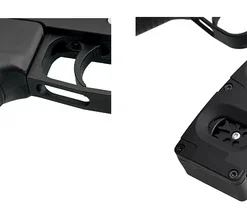
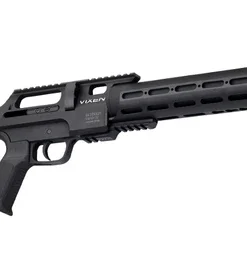
AGT Vixen Pre Charged Air Rifle
$1,300.00
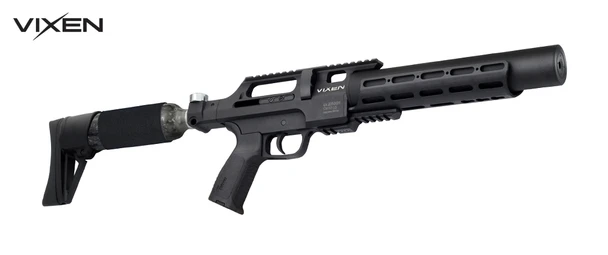
The Air Gun Technology Vixen Pre Charged Air Rifle
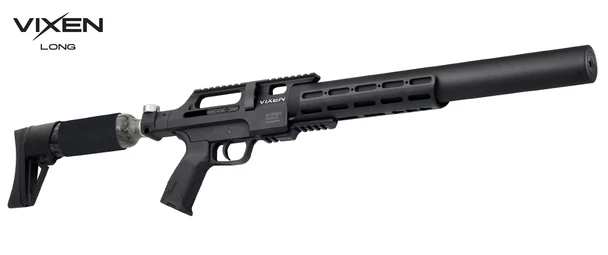
Available in Long or compact versions
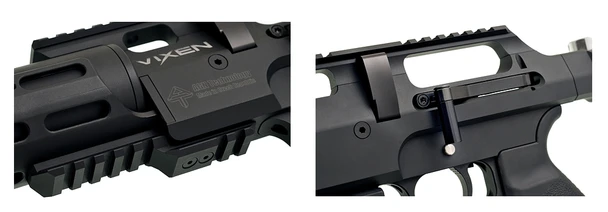
Biathlon style side lever
compact overall length 770mm
Long overall length 920mm
Height adjustable butt pad
available in .177 / .22 .25
Call for more info and availability
AGT Vixen Pre Charged Air Rifle – Lightweight Regulated PCP Precision Platform
AGT Vixen Pre Charged Air Rifle Overview
The AGT Vixen Pre Charged Air Rifle combines lightweight construction, regulated pneumatic operation, compact dimensions, and precision-oriented engineering in a distinctive modern platform. The original Vixen was produced in Standard and Long configurations, with verified specifications listing .177 and .22 calibers, a 250 cc air reservoir, 300-bar working pressure, reversible biathlon-style sidelever, adjustable trigger, and cold-hammer-forged CZ barrel.
The Standard version measures approximately 770 mm overall, uses a 250 mm barrel, and weighs approximately 2.1 kg. Meanwhile, the Long version measures approximately 920 mm, carries a 400 mm barrel, and weighs approximately 2.3 kg.
AGT Uragan air rifle
The AGT Uragan air rifle belongs to the same broader manufacturer’s ecosystem but uses a different architecture and should not be confused with the lighter Vixen platform.
AGT Uragan
The AGT Uragan family places greater emphasis on bullpup packaging, while the Vixen uses a distinctive lightweight bottle-stock layout.
Uragan air rifle
A Uragan air rifle comparison should consider balance, overall dimensions, reservoir configuration, barrel length, and ergonomics.
AGT Uragan 3
The AGT Uragan 3 represents a newer generation within the manufacturer’s product range and differs mechanically from the original Vixen.
AGT Uragan Compact
The AGT Uragan Compact is another shortened pneumatic platform, although the Vixen follows its own lightweight design philosophy.
AGT Uragan air rifle for sale
Anyone researching an AGT Uragan air rifle for sale alongside this model should compare exact generation, caliber, dimensions, and legal market configuration.
Best AGT Uragan review
A Best AGT Uragan review can provide useful comparison context, particularly when examining trigger quality, regulator consistency, balance, and barrel construction.
AGT Uragan price
AGT Uragan price varies by generation, caliber, retailer, and regional configuration, just as pricing for the Vixen can differ between markets.
Buy AGT Uragan air rifle
Those searching Buy AGT Uragan air rifle should first verify local ownership, licensing, transport, and storage requirements before considering any pneumatic rifle.
AGT Uragan hunting
AGT Uragan hunting suitability depends on local law, permitted quarry, caliber, and applicable sporting requirements.
AGT Uragan .22
The AGT Uragan .22 provides a useful comparison with the Vixen because .22 is also a verified caliber for the original Vixen.
AGT Uragan .25
The AGT Uragan .25 represents a larger-caliber option within parts of that product family, whereas the original Vixen specifications commonly list .177 and .22.
AGT Uragan high power
AGT Uragan high power searches usually concern unrestricted-market rifles. Actual output should always be confirmed from the individual product specification.
AGT Uragan PCP air rifle
An AGT Uragan PCP air rifle and the Vixen both use stored compressed air, but their chassis layouts and handling characteristics differ.
AGT Uragan accuracy
AGT Uragan accuracy and Vixen precision both depend on barrel quality, regulator stability, suitable ammunition, optics, environmental conditions, and technique.
AGT Uragan vs FX Impact
An AGT Uragan vs FX Impact comparison demonstrates how premium pneumatic platforms can emphasize different combinations of adjustment, ergonomics, air capacity, and mechanical simplicity.
AGT Uragan review 2026
An AGT Uragan review 2026 should distinguish newer rifles from the earlier Vixen because product generations and specifications have evolved.
AGT Uragan PCP
The AGT Uragan PCP platform provides useful context when comparing other regulated models from the same manufacturer.
Air Venturi Alpha
The Air Venturi Alpha belongs to a separate manufacturer’s range and should be treated strictly as a comparison product.
Air Venturi Alpha PCP Rifle
An Air Venturi Alpha PCP Rifle comparison should consider overall weight, reservoir pressure, trigger system, barrel quality, and ergonomics.
Air Venturi Alpha Air Rifle
The Air Venturi Alpha Air Rifle reflects another approach to pneumatic rifle design and market positioning.
Air Venturi Alpha Hunting Rifle
An Air Venturi Alpha Hunting Rifle comparison should remain subject to local sporting and quarry regulations.
Air Venturi Alpha Tactical PCP
The Air Venturi Alpha Tactical PCP uses different styling and component architecture from the Vixen.
Air Venturi Alpha Regulated PCP
An Air Venturi Alpha Regulated PCP comparison highlights regulator behavior as an important factor in shot consistency.
Air Venturi Alpha Multi Shot Rifle
The Air Venturi Alpha Multi Shot Rifle category reflects the convenience of magazine-fed pneumatic platforms.
Air Venturi Alpha Precision Air Rifle
An Air Venturi Alpha Precision Air Rifle comparison should examine barrel quality, trigger control, mounting stability, and shot consistency.
air venturi
air venturi represents a separate manufacturer and distributor within the pneumatic shooting market.
air venturi avenger
The air venturi avenger is another regulated model but differs significantly in design, weight, dimensions, and price positioning.
airventuri
The term airventuri often appears in searches for pneumatic rifles, compressors, and charging equipment.
air venturi avenge
air venturi avenge is a common search variation connected with the Avenger family rather than this model.
air venturi compressor
An air venturi compressor may be used as a compatible filling source when its rated pressure and connectors suit the rifle.
venturi air
The phrase venturi air often appears in broader pneumatic-equipment research.
air venturi air compressor
An air venturi air compressor should only be operated within its manufacturer’s pressure ratings and filling procedures.
air rifle and air pistol
The wider air rifle and air pistol category includes pneumatic, spring-powered, gas-ram, and CO₂ systems.
air venturi rovair 4500 portable compressor
An air venturi rovair 4500 portable compressor belongs to the high-pressure filling-equipment category and should be assessed for compatibility before connection.
air ventur avenge
The phrase air ventur avenge generally refers to another regulated rifle family.
air venturi microstrike
The air venturi microstrike is another compact pneumatic option with different engineering and ergonomics.
dragon claw
dragon claw relates to a large-bore pneumatic platform rather than the lightweight small-caliber Vixen.
air venturi rovair
air venturi rovair generally refers to compressed-air charging equipment.
air venturi tank
An air venturi tank can function as an external high-pressure air source when correctly rated and connected.
air venturi air tank
An air venturi air tank should be used only with compatible fittings and appropriate pressure specifications.
air venturi omnistorm
The air venturi omnistorm belongs to a separate pneumatic product family.
air venturi pcp compressor
An air venturi pcp compressor provides another filling method for compatible high-pressure systems.
air venturi avenger 25
The air venturi avenger 25 represents a larger-caliber version of another regulated pneumatic rifle.
seneca dragon claw
The seneca dragon claw belongs to the large-bore category and therefore serves a very different sporting role.
ventur air compressor
A ventur air compressor search generally concerns compressed-air charging equipment rather than rifle construction.
seneca air rifles
seneca air rifles encompass several pneumatic designs that differ substantially in size, caliber, and purpose.
air bolt gun
An air bolt gun represents a different projectile application and is not the standard configuration discussed here.
50 caliber dragon
The phrase 50 caliber dragon refers to large-bore pneumatic equipment rather than the Vixen’s smaller-caliber configuration.
claw air gun
A claw air gun search typically relates to large-bore models from another manufacturer.
avenger price
avenger price comparisons should account for differences in materials, regulator design, ergonomics, barrel construction, and overall market positioning.
air rifle compressor
An air rifle compressor must be capable of safely supplying the pressure required by the rifle.
pcp airguns
Modern pcp airguns store compressed air in an onboard cylinder and can provide a smooth firing cycle without the mechanical movement of a spring piston.
pcp air rifles
Premium pcp air rifles often combine regulators, magazine-fed actions, quality barrels, adjustable triggers, pressure gauges, and optic-ready receivers.
250 cc Air Reservoir
The original Vixen uses a 250 cc air reservoir with a stated working pressure of 300 bar. This gives the lightweight platform substantial onboard compressed-air capacity.
Because this is a high-pressure component, it should be protected from impact, excessive heat, structural damage, and unauthorized modification.
Cold-Hammer-Forged CZ Barrel
Current retailer documentation identifies a CZ cold-hammer-forged barrel as one of the Vixen’s core engineering features.
The Standard uses approximately 250 mm of barrel length, while the Long extends that measurement to approximately 400 mm.
Reversible Biathlon Sidelever
A distinctive feature is the smooth sidelever action, which can be moved to either side of the rifle.
Consequently, the platform can accommodate different operating preferences while keeping loading straightforward.
Fully Adjustable Trigger
The trigger system is adjustable, allowing its characteristics to be set within manufacturer-approved parameters.
For precision-oriented shooting, repeatability and predictable engagement are generally more useful than simply pursuing the lightest possible setting.
Picatinny and Weaver Optics Interface
The rifle includes an optics mounting rail compatible with common Weaver/Picatinny mounting systems.
Therefore, users can install an appropriate optic while maintaining a rigid relationship between the receiver and sight.
Open sights are generally not the primary sighting solution on this configuration.
Lightweight Construction
One of the Vixen’s defining characteristics is weight.
The Standard is approximately 2.1 kg, while the Long is approximately 2.3 kg, making both configurations comparatively light for regulated pneumatic rifles with substantial air capacity.
Why Consider This Platform?
The strongest reason to consider the Vixen is its combination of low weight, compact architecture, regulated operation, quality barrel construction, large reservoir capacity, reversible loading controls, and adjustable trigger.
Rather than relying on extreme size or complicated external adjustment, the design emphasizes straightforward mechanical integration.
How Good Is the Engineering?
The rifle’s engineering strength comes from the relationship between its regulator, pressure vessel, barrel, trigger, loading mechanism, and lightweight chassis.
Each component serves a clear functional role without making the rifle unnecessarily heavy.
How Does It Support Precision?
Precision depends on repeatability.
A regulated air supply supports consistent pressure delivery, while the CZ-made barrel provides a stable projectile path. Meanwhile, the adjustable trigger and rigid optics interface allow the shooter to maintain a more repeatable firing process.
Suitable ammunition, proper optic mounting, and consistent technique remain essential.
Where Is It Best Used?
The platform is most appropriate for lawful target shooting and approved sporting environments where its caliber and power configuration are permitted.
Local rules concerning ownership, licensing, storage, transport, and permitted sporting use should always be checked.
When Is the Lightweight Format Most Useful?
The lighter chassis becomes particularly useful when a shooter values easy handling, convenient transport, and reduced fatigue during longer range sessions.
The Standard offers maximum compactness, whereas the Long provides additional barrel length while remaining relatively light.
Important Technical Information
Verified original-generation specifications include:
- Powerplant: Pre-charged pneumatic
- Calibers: .177 and .22
- Reservoir capacity: 250 cc
- Working pressure: 300 bar
- Standard overall length: approximately 770 mm
- Long overall length: approximately 920 mm
- Standard barrel: approximately 250 mm
- Long barrel: approximately 400 mm
- Standard weight: approximately 2.1 kg
- Long weight: approximately 2.3 kg
- Barrel: Cold-hammer-forged CZ
- Action: Reversible biathlon-style sidelever
- Trigger: Adjustable
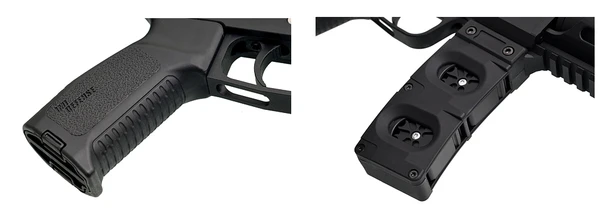
- Grip: All-weather synthetic pistol grip
- Optics mounting: Weaver/Picatinny rail
Overall Precision and Practical Value
The AGT Vixen Pre Charged Air Rifle stands out through its unusually lightweight construction combined with a substantial pressure system and precision-oriented components.
Its compact dimensions, regulated operation, 250 cc reservoir, CZ barrel, adjustable trigger, reversible sidelever, and optic-ready receiver create a balanced platform for lawful target and sporting applications.
For anyone evaluating this model, the most important considerations are the exact Standard or Long configuration, caliber, regional power specification, reservoir condition, regulator health, barrel condition, magazine function, and overall maintenance history.
Construction Quality, Air-System Consistency, Trigger Feel, Accuracy Factors, Ergonomics, and Long-Term Reliability
Overall Construction Quality
A lightweight pneumatic rifle still needs strong structural integrity, especially when high-pressure components, a precision barrel, loading mechanism, optic rail, trigger assembly, and stock must work together consistently.
The receiver, reservoir, barrel assembly, fasteners, controls, and grip should therefore feel secure without unnecessary movement or looseness. Good component alignment helps preserve repeatable performance over long-term sporting use.
Receiver Condition
The receiver provides the central mounting structure for the rifle.
It should remain free from cracks, impact damage, corrosion, loose fasteners, or abnormal movement. Because the barrel, loading system, trigger linkage, and optic mounting area depend on correct receiver alignment, its condition directly influences reliability.
Barrel Integrity
The barrel should remain clean, straight, and protected from physical damage.
A quality barrel can provide excellent precision potential, but its performance still depends on suitable ammunition, consistent pressure delivery, optic stability, and shooting technique.
Excessive cleaning should be avoided.
Muzzle Crown Condition
The muzzle crown should remain free from dents, scratches, or impact damage.
Even relatively small defects can influence the way the projectile leaves the barrel.
Consequently, the muzzle deserves protection during cleaning, transportation, and storage.
Barrel Support
The barrel assembly should remain secure without unexpected movement.
Loose mounting points can affect point-of-impact consistency.
Any developing play should be investigated before extensive shooting continues.
Regulated Air Delivery
The regulator plays an important role in maintaining stable pressure supplied to the firing system.
Instead of allowing reservoir pressure to influence every shot directly, regulated delivery helps maintain a more consistent working pressure across the usable portion of the air charge.
This supports predictable performance.
Regulator Consistency
A healthy regulator should behave similarly throughout a shooting session.
Large unexplained changes in velocity, sound, or point of impact may indicate that inspection is required.
Internal regulator servicing should be completed using appropriate procedures.
High-Pressure Reservoir
The onboard air cylinder stores substantial compressed air while helping keep the platform relatively lightweight.
Because it operates under significant pressure, it should always be treated as a critical component.
Deep scratches, impact damage, heat exposure, or deformation should be taken seriously.
Reservoir Surface Inspection
The external surface should remain free from structural damage.
Minor cosmetic marks may not affect function, but deeper defects require professional evaluation.
Any uncertain damage should be checked before further filling.
Pressure Management
The stated maximum working pressure should never be exceeded.
Only filling equipment rated for the required pressure should be connected.
Pressure should be monitored carefully throughout the charging process.
Fill Port Care
The fill connection should remain clean and protected from contamination.
Dust, grit, or damaged sealing surfaces can cause air leakage.
The connector should be inspected before every filling session.
Pressure Gauge Monitoring
The gauge allows the user to monitor remaining air.
It can also help reveal slow leaks during storage.
If pressure drops unexpectedly without use, the pneumatic system should be inspected.
Seal Condition
Seals maintain air pressure throughout the system.
Age, contamination, incorrect lubrication, or wear can eventually cause leakage.
Persistent leaks should be diagnosed properly rather than repeatedly compensated for through refilling.
Valve Condition
The firing valve experiences repeated pressure cycles.
It should operate consistently without unexplained air loss.
Internal valve work should never be performed while the rifle remains pressurized.
Adjustable Trigger
A well-set trigger can improve consistency by allowing the shooter to apply pressure smoothly.
A predictable first stage followed by a clear release helps reduce unnecessary movement.
Trigger adjustments should remain within manufacturer-approved limits.
Trigger Consistency
The trigger should behave the same way from shot to shot.
Changes in pull weight, excessive movement, or inconsistent engagement should be investigated.
Reliability is more important than creating an excessively light setting.
Trigger Technique
Good trigger control supports precision.
Pressure should be applied steadily while sight alignment is maintained.
Consistent finger placement also helps reduce unwanted lateral movement.
Sidelever Operation
The operating lever should cycle smoothly and positively.
It should not require excessive effort or feel rough.
If movement becomes unusually resistant, the mechanism should be inspected instead of forced.
Reversible Control Layout
The loading lever can accommodate different user preferences through its reversible configuration.
This improves practical ergonomics.
Any approved change should still be checked carefully for correct installation and smooth cycling.
Magazine Function
The magazine should index correctly and present each projectile consistently.
Feed openings and moving components should remain clean.
A damaged magazine can cause reliability problems even when the rifle itself remains mechanically sound.
Magazine Maintenance
Magazines should be protected from impact.
Dropping them onto hard surfaces may affect alignment or indexing.
Spare magazines should remain clean and stored in a suitable protective pouch.
Ammunition Consistency
Different factory pellets can produce noticeably different group sizes.
Weight, head diameter, skirt condition, and manufacturing consistency all influence performance.
Testing several suitable types can help identify which option behaves most consistently.
Precision Factors
Accuracy depends on several systems working together.
Barrel condition, regulator stability, trigger control, ammunition consistency, optic mounting, shooting position, and environmental conditions all contribute.
Therefore, precision should be evaluated systematically.
Optic Mounting Stability
The upper mounting interface should remain rigid and secure.
Loose scope mounts can create unexplained shifts in point of impact.
Correct mounting torque is important because excessive force can also damage equipment.
Eye Relief
The optic should provide a complete sight picture without forcing the shooter into an awkward position.
Correct eye relief improves comfort and repeatability.
Mount placement should be adjusted before detailed zeroing begins.
Lightweight Handling
The relatively low overall weight is one of the platform’s strongest practical characteristics.
It can reduce fatigue during longer sessions and make repositioning easier.
However, very light rifles can also make poor technique more noticeable because movement transfers quickly into the sight picture.
Shoulder Position
Consistent shoulder contact helps improve repeatability.
The rifle should sit naturally without requiring excessive pressure.
A relaxed but stable position generally supports better control.
Cheek Placement
The shooter’s head should return to approximately the same position behind the optic for every shot.
Consistent cheek placement helps maintain alignment.
Optic height should therefore suit the stock geometry.
Pistol Grip Condition
The grip should remain secure and comfortable.
Loose mounting points can negatively affect control.
The textured surface should also remain clean enough to provide consistent hand placement.
Accessory Weight
Additional equipment changes the rifle’s balance.
Scopes, mounts, bipods, lights, or other accessories should only be added when they provide a genuine practical benefit.
Unnecessary weight can reduce the advantage of the lightweight design.
External Surface Care
Metal and synthetic surfaces should be wiped clean after use.
Sweat, dust, moisture, and fingerprints should not remain on exposed metal components for long periods.
Regular light maintenance helps preserve the finish.
Fastener Inspection
Visible screws and mounting points should be checked occasionally.
Repeated use and transport can gradually loosen hardware.
Correct torque should be followed rather than overtightening components.
Moisture Protection
The rifle should remain dry during storage.
Moisture can contribute to corrosion and may also affect seals, optics, and other components.
A stable indoor environment is preferable.
Temperature Management
Extreme heat can affect pressure behavior, seals, lubricants, and optics.
Long-term storage inside a hot vehicle should be avoided.
Stable temperatures support better component life.
Transport Protection
During transport, the rifle should be unloaded and secured inside an appropriate case.
The barrel, reservoir, optic, controls, and grip should be protected from impact.
Applicable local laws should always be followed.
Routine Inspection
Before use, reservoir pressure, optic security, magazine condition, visible fasteners, and control function should be checked.
After use, moisture and dirt should be removed before storage.
Small developing issues are easier to correct when discovered early.
Professional Servicing
Internal work involving the regulator, valve, reservoir, or other high-pressure components should be handled by a competent technician.
Incorrect disassembly can damage the system and create serious hazards.
Suitable replacement parts and approved procedures are strongly preferable.
Long-Term Reliability
Long-term reliability depends on stable pressure delivery, healthy seals, a protected barrel, predictable trigger operation, smooth cycling, secure optics, suitable ammunition, correct filling practices, and careful storage.
When these areas are maintained consistently, the rifle can preserve its lightweight handling, mechanical efficiency, precision potential, and dependable operation across extended lawful sporting use.
Practical Shooting Experience, Handling, Air Efficiency, Precision Factors, Comfort, and Everyday Use
Practical Shooting Character
A lightweight pneumatic rifle should feel easy to manage while still delivering the consistency expected from a regulated platform. In everyday use, balance, trigger feel, air management, loading speed, optic alignment, and shooting position become more important than specifications alone.
The reduced overall weight can make longer shooting sessions more comfortable, particularly when the rifle is frequently repositioned.
Lightweight Handling
Low overall weight is one of the strongest practical advantages of this design.
The rifle can be moved between shooting positions without creating unnecessary fatigue. However, a lighter platform may also react more noticeably to poor technique, so controlled breathing, stable support, and consistent shoulder pressure remain important.
Balance and Stability
Good balance helps the rifle feel predictable.
The air cylinder, receiver, barrel, optic, and grip should create a neutral handling character without making the front or rear feel excessively heavy.
Accessories can change this balance considerably.
Shoulder Placement
Consistent shoulder contact improves repeatability.
The rifle should rest naturally against the shoulder without requiring excessive pressure.
Using the same position for each shot helps maintain similar eye alignment and trigger movement.
Cheek Position
A repeatable cheek position helps the shooter’s eye return to the same location behind the optic.
Small changes in head position can alter the sight picture.
Therefore, optic height should be selected carefully.
Eye Relief
Correct eye relief improves comfort during longer sessions.
The optic should provide a full field of view without requiring the shooter to stretch forward or pull excessively backward.
Proper mounting position should be established before detailed zeroing.
Grip Comfort
The pistol-style grip should allow a relaxed and consistent hand position.
Excessive grip pressure can introduce unwanted movement.
A comfortable grip also makes trigger control easier.
Trigger Control
The adjustable trigger can support deliberate shooting when set correctly.
The shooter should apply pressure smoothly rather than abruptly.
Predictable engagement helps reduce movement at the moment the shot is released.
Trigger Follow-Through
After firing, maintaining the same position briefly helps prevent movement caused by anticipation.
Good follow-through also makes it easier to identify whether technique is affecting group size.
Consistency remains the central goal.
Loading Lever Ergonomics
The operating lever should be easy to reach from the normal shooting position.
A smooth cycle reduces unnecessary movement between shots.
This can make repeated target shooting more efficient.
Smooth Cycling
The lever should move without grinding, sticking, or excessive resistance.
If cycling becomes noticeably harder, the rifle should be inspected before continued use.
Forcing the mechanism can create unnecessary wear.
Magazine Convenience
The magazine system allows several shots to be prepared without manually loading every projectile directly into the breech.
This can improve rhythm during range sessions.
A properly functioning magazine should index consistently.
Magazine Reliability
Feed openings and indexing components should remain clean.
A damaged or dirty magazine can create loading problems even when the rifle itself is functioning correctly.
Spare magazines should be protected from impact.
Ammunition Selection
Different factory pellets can perform very differently in the same barrel.
Weight, head diameter, skirt quality, and manufacturing consistency all influence grouping.
Testing suitable options under controlled conditions helps identify the most consistent match.
Accuracy Potential
Precision depends on several systems working together.
Barrel condition, regulator behavior, trigger control, optic stability, ammunition quality, environmental conditions, and shooting technique all contribute.
Therefore, accuracy should never be judged from only one factor.
Regulated Shot Behavior
The regulator helps maintain more consistent air delivery over the useful portion of the reservoir charge.
This supports more stable shot-to-shot performance.
A predictable pressure cycle is especially useful during deliberate target sessions.
Air Efficiency
Practical shot count depends on caliber, pressure, projectile weight, temperature, and the individual factory setup.
Instead of relying only on advertised figures, owners should observe how the rifle performs during normal use.
This gives a better understanding of real efficiency.
Pressure Monitoring
The gauge should be checked before shooting begins.
Monitoring pressure helps the shooter understand when the rifle is approaching the lower end of its useful operating range.
It can also reveal gradual air loss during storage.
Filling Routine
The reservoir should only be filled with correctly rated equipment.
Connections should remain clean and secure before pressure is introduced.
Controlled filling makes the process easier to monitor.
Reservoir Awareness
The pressure cylinder should be protected from impact, deep scratches, excessive heat, and chemical contamination.
Because it stores highly compressed air, physical damage should never be ignored.
Any questionable condition should receive professional assessment.
Bench Shooting
The lightweight configuration works well from a bench.
A stable rest can help reduce human movement while allowing the rifle to maintain a natural position.
The support should not place abnormal pressure on the air cylinder.
Supported Shooting
A front support can improve repeatability during accuracy testing.
However, the contact point should remain consistent.
Changing where the rifle rests can alter behavior and make groups harder to compare.
Unsupported Shooting
The low weight can make unsupported shooting easier to manage for some users.
Nevertheless, a stable stance and controlled breathing remain important.
A lightweight rifle can also amplify movement if technique becomes inconsistent.
Optic Stability
The optic and mounts should remain secure throughout the shooting session.
If point of impact changes unexpectedly, the mounting system should be checked before assuming an internal mechanical issue.
Loose mounts commonly create confusing accuracy problems.
Reticle Alignment
The reticle should remain level when the rifle is held naturally.
Incorrect alignment can encourage inconsistent cant.
A properly installed optic supports more repeatable sighting.
Environmental Conditions
Outdoor results are influenced by wind, temperature, humidity, and changing light.
Stable conditions provide a clearer picture of mechanical precision.
Groups recorded in very different conditions should not always be compared directly.
Wind Influence
Light projectiles can be affected noticeably by crosswinds.
Changing wind direction can enlarge groups even when the rifle is functioning correctly.
Calm conditions are preferable for evaluating intrinsic accuracy.
Temperature Influence
Temperature can affect reservoir pressure, seals, lubricants, and projectile behavior.
Very different temperatures may produce different results.
Consistent testing conditions provide more reliable information.
Accessory Management
Additional accessories should be selected carefully.
Every attachment increases total weight and can change balance.
Only equipment that offers a clear practical benefit should be installed.
Range Preparation
Before each session, the rifle should be checked for reservoir pressure, optic security, magazine condition, visible damage, and control function.
A short inspection can prevent avoidable interruptions.
It also creates a consistent routine.
During Shooting
Changes in sound, cycling effort, pressure behavior, or accuracy should be noticed rather than ignored.
Consistent operation provides a useful baseline.
Unexpected changes may indicate maintenance needs.
Post-Session Care
After shooting, the exterior should be wiped clean and dry.
Moisture, fingerprints, and dust should not remain on metal surfaces for long periods.
The rifle should then be stored securely.
Storage Conditions
A dry, temperature-stable environment is preferable.
The rifle should remain unloaded and secured against unauthorized access.
Applicable local storage requirements should always be followed.
Transport Considerations
For transportation, the rifle should be unloaded and protected inside an appropriate case.
The barrel, reservoir, optic, grip, and controls should be shielded from impact.
Local transport regulations should be checked before travel.
Everyday Ownership
The strongest practical advantage of this platform comes from combining low weight, regulated air delivery, smooth loading, a quality barrel, adjustable trigger characteristics, and simple handling.
These features make extended lawful target sessions easier to manage without sacrificing mechanical refinement.
Overall Practical Performance
A well-maintained lightweight pneumatic rifle should feel predictable, responsive, and comfortable.
When suitable ammunition, secure optics, correct pressure management, stable shooting technique, and consistent maintenance are combined, the platform can deliver strong precision potential and practical handling throughout extended lawful sporting use.
Preventive Maintenance, Pressure-System Care, Storage, Inspection, and Long-Term Reliability
Preventive Maintenance Routine
A lightweight regulated pneumatic rifle performs best when routine care is consistent. The air reservoir, regulator, seals, barrel, trigger, loading lever, magazine, pressure gauge, optic mounts, grip, and visible fasteners should all be inspected periodically.
Preventive maintenance helps identify developing problems before they affect reliability or accuracy.
High-Pressure Reservoir Care
The air cylinder should always be treated as a critical pressure component.
It must remain protected from deep scratches, impact damage, excessive heat, chemical contamination, and unauthorized modification.
Any questionable structural damage should be professionally evaluated before the rifle is filled again.
Maximum Pressure Awareness
The stated working-pressure limit should never be exceeded.
Only filling equipment rated for the required pressure should be connected.
Careful pressure monitoring during filling helps protect the reservoir, seals, valve system, and fittings.
Fill Port Condition
The fill connection should remain clean and protected from dust or debris.
Contaminated fittings can damage seals and create leaks.
The probe or connector should also be inspected before every filling session.
Controlled Filling
Air should be introduced gradually.
A controlled fill allows the shooter to monitor pressure accurately and reduces unnecessary heat buildup.
The connection should never be forced into place.
Pressure Gauge Monitoring
The gauge provides useful information about the amount of stored air.
Checking it before and after shooting can also help reveal gradual leakage.
Unexpected pressure loss during storage should be investigated.
Seal Condition
Seals maintain pressure throughout the pneumatic system.
Age, contamination, incorrect lubrication, or ordinary wear can reduce sealing efficiency.
Persistent leakage should be properly diagnosed instead of repeatedly compensated for through refilling.
Regulator Health
The regulator supports consistent pressure delivery.
Changes in shot behavior, unusual pressure changes, or large variations in performance may indicate that inspection is needed.
Internal regulator work should be handled by someone familiar with high-pressure systems.
Valve System Care
The firing valve experiences repeated pressure cycles.
It should operate consistently without abnormal leakage.
Internal servicing should never be attempted while the rifle remains pressurized.
Barrel Maintenance
The barrel should remain clean and protected from physical damage.
Cleaning should be conservative rather than excessive.
A precision barrel generally benefits from careful inspection more than frequent aggressive cleaning.
Bore Condition
The internal surface should be checked if accuracy changes unexpectedly.
Contamination or residue can sometimes affect consistency.
Suitable cleaning equipment should always be used.
Muzzle Crown Protection
The crown should remain protected from impact.
Even small damage can affect projectile release and group consistency.
Care should be taken during cleaning, transport, and storage.
Barrel Alignment
The barrel assembly should remain secure and properly aligned.
Any unusual movement or looseness should be investigated.
A stable barrel relationship helps preserve point-of-impact consistency.
Trigger Inspection
The trigger should maintain a predictable feel.
Unexpected changes in pull weight, movement, or engagement should be treated seriously.
Adjustments should remain within manufacturer-approved limits.
Trigger Housing Cleanliness
Dust and debris should not be allowed to build up around the trigger.
External cleaning can be performed carefully.
Unnecessary internal disassembly should be avoided.
Loading Lever Maintenance
The operating lever should move smoothly and positively.
Grinding, sticking, or sudden resistance can indicate contamination, alignment problems, or wear.
The mechanism should never be forced.
Breech Area
The loading area should remain clean.
Seals around the breech should be inspected for visible damage.
A healthy seal helps maintain efficient air transfer and consistent performance.
Magazine Care
Magazines should remain clean, dry, and protected from impact.
Feed openings and indexing components should be inspected periodically.
A damaged magazine can create feeding problems even when the rifle itself remains mechanically healthy.
Ammunition Storage
Pellets should be stored in a clean, dry container.
Bent skirts, dirt, or deformation can reduce accuracy and make loading inconsistent.
Careful handling helps preserve ammunition quality.
Optic Mount Security
Scope mounts should remain firmly attached.
Loose hardware can create unexplained changes in point of impact.
However, excessive tightening should also be avoided because it can damage mounts or optic tubes.
Rail Inspection
The mounting rail should remain secure and free from damage.
Fasteners should be checked occasionally.
Any movement between the rail and receiver should be corrected before accuracy testing continues.
Grip Condition
The grip should remain securely attached.
Loose mounting points can affect control and comfort.
Its surface should also remain clean enough to provide a consistent hand position.
Visible Fasteners
External screws and mounting points should be inspected periodically.
Repeated use and transport can gradually loosen hardware.
Correct torque is preferable to excessive tightening.
Lightweight Frame Care
A lightweight platform can be easier to handle, but reduced mass does not remove the need for careful treatment.
The rifle should not be dropped, dragged, or exposed to unnecessary impact.
Structural components should be protected during transport.
Moisture Protection
The rifle should be dry before storage.
Moisture can contribute to corrosion and may affect seals, optics, and other components.
A dry indoor environment is preferable.
Temperature Management
Extreme heat can influence pressure behavior, seals, lubricants, and optics.
Long-term storage inside hot vehicles should be avoided.
Stable temperatures help preserve mechanical and pneumatic parts.
Chemical Exposure
Strong solvents, fuels, aggressive cleaners, and unsuitable lubricants should be kept away from seals and high-pressure components.
Certain chemicals can damage synthetic materials.
Only compatible maintenance products should be used.
Lubrication
Lubrication should be minimal and component-specific.
Excess oil can attract dirt, while unsuitable products may damage sealing materials.
High-pressure areas require particular caution.
External Surface Care
The exterior should be wiped down after use.
Sweat, fingerprints, dust, and moisture should not remain on exposed metal for extended periods.
Light routine care helps preserve the finish.
Protective Case Use
A suitable case helps protect the barrel, reservoir, optic, grip, and controls during transportation.
The rifle should fit securely without excessive pressure on sensitive components.
Loose accessories should be stored separately.
Post-Transport Inspection
After travel, the pressure cylinder, optic mounts, grip attachment, fill connection, and controls should be checked.
Transport can loosen hardware or cause impact damage.
A quick inspection can identify problems before use.
Long-Term Storage
For extended periods of non-use, the rifle should remain clean, dry, unloaded, and secured.
Pressure-system storage should follow manufacturer guidance.
The rifle should also remain protected from excessive heat and unauthorized access.
Periodic Storage Checks
An unused rifle should still be inspected occasionally.
Reservoir pressure, seals, metal surfaces, mounts, and external hardware should all be reviewed.
Slow leaks often become easier to detect over time.
Accuracy Monitoring
If accuracy changes, the cause should be investigated systematically.
Ammunition quality, optic security, barrel condition, environmental factors, pressure consistency, and shooting technique should all be considered.
This approach avoids unnecessary mechanical adjustments.
Professional Servicing
Work involving the regulator, valve, reservoir, or other high-pressure internal components should be handled by a qualified technician.
Incorrect disassembly can damage the system and create serious safety hazards.
Appropriate replacement parts and approved procedures are strongly preferable.
Maintenance Records
Keeping records of seal replacements, professional servicing, repairs, and pressure-system inspections can simplify long-term ownership.
Documentation also provides useful history if the rifle is later transferred to another owner.
Long-Term Reliability
Long-term reliability depends on stable air delivery, healthy seals, a protected barrel, consistent trigger operation, smooth loading, secure optics, correct filling practices, proper storage, and timely servicing.
When these areas are maintained carefully, the rifle can preserve its lightweight handling, precision potential, mechanical consistency, and dependable performance across extended lawful sporting use.
Be the first to review “AGT Vixen Pre Charged Air Rifle”
Related products
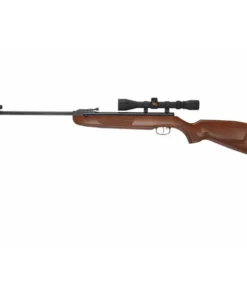
AGT URAGAN
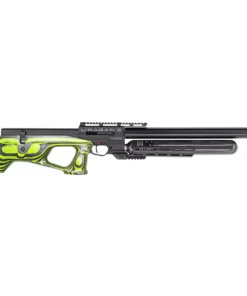

AGT URAGAN
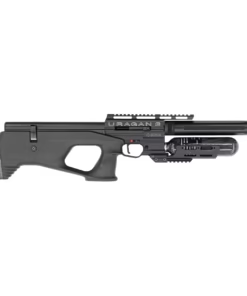
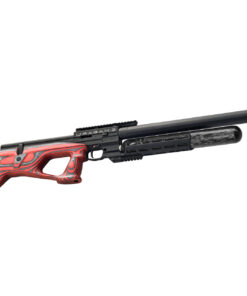
AGT URAGAN


AGT URAGAN

AGT URAGAN
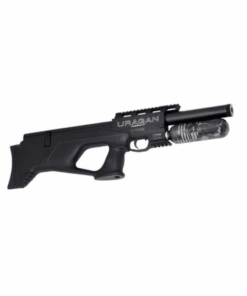
AGT URAGAN
Reviews
There are no reviews yet.