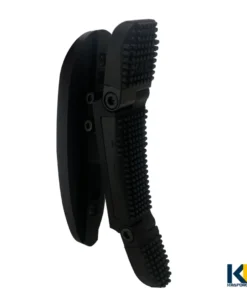
Kraford & Lypt KLS-M Adjustable Stock
$100.00
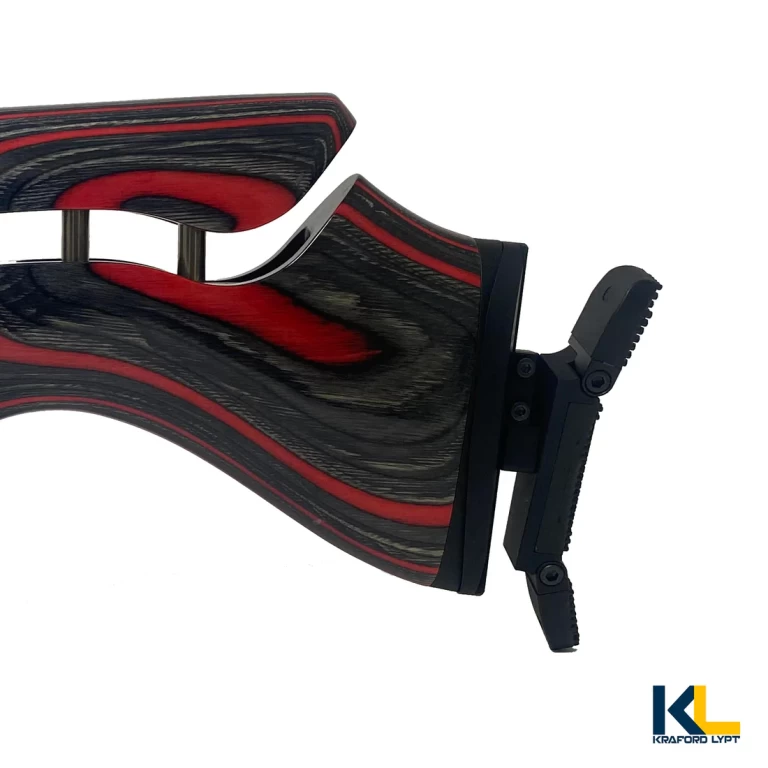
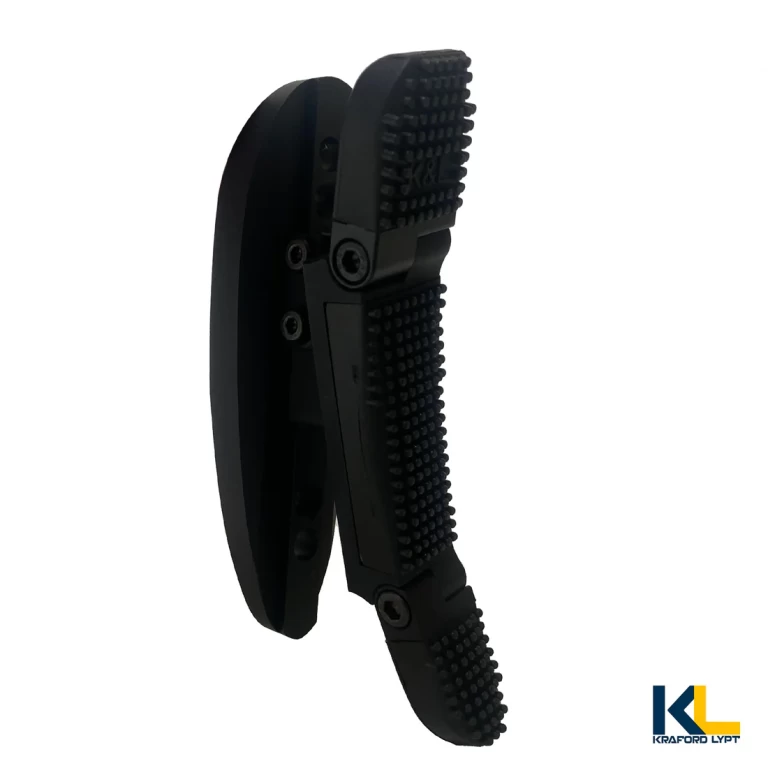
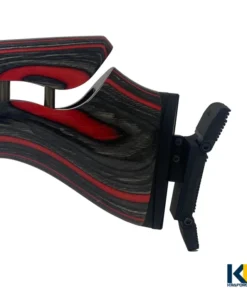
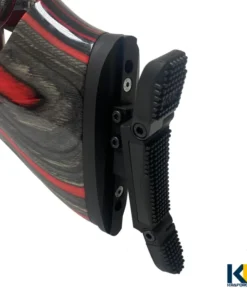
The KLS-M is compatible with any Minelli stock that has their generic rubber pad with cast and elevation adjustment. Rifles that are compatible include the Daystate Redwolf, Renegade, Wolverine 2, Wolverine R, FX Crown, BSA Gold Star SE, R10 SE, RAW HM1000xlrt and many more.
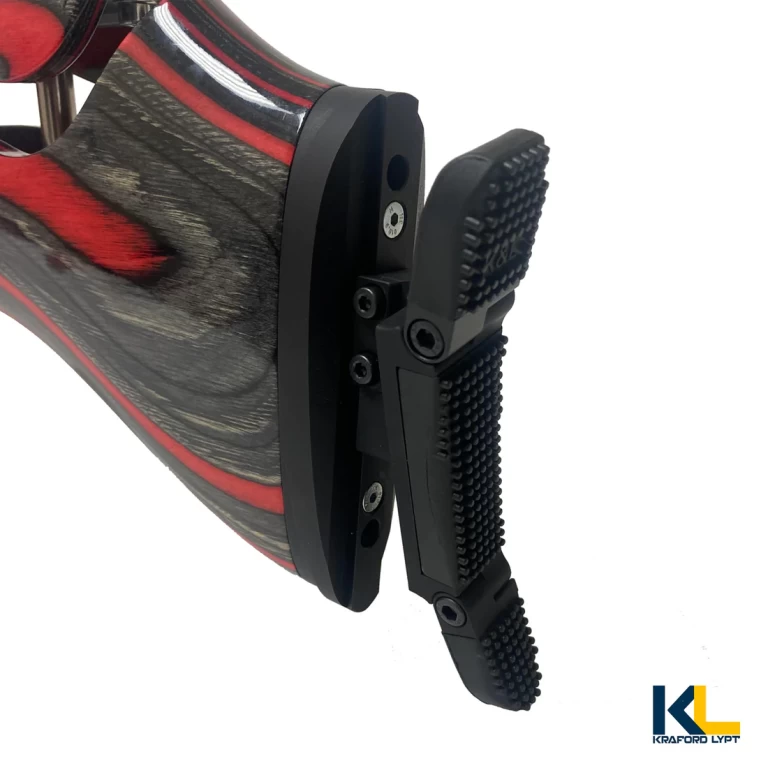
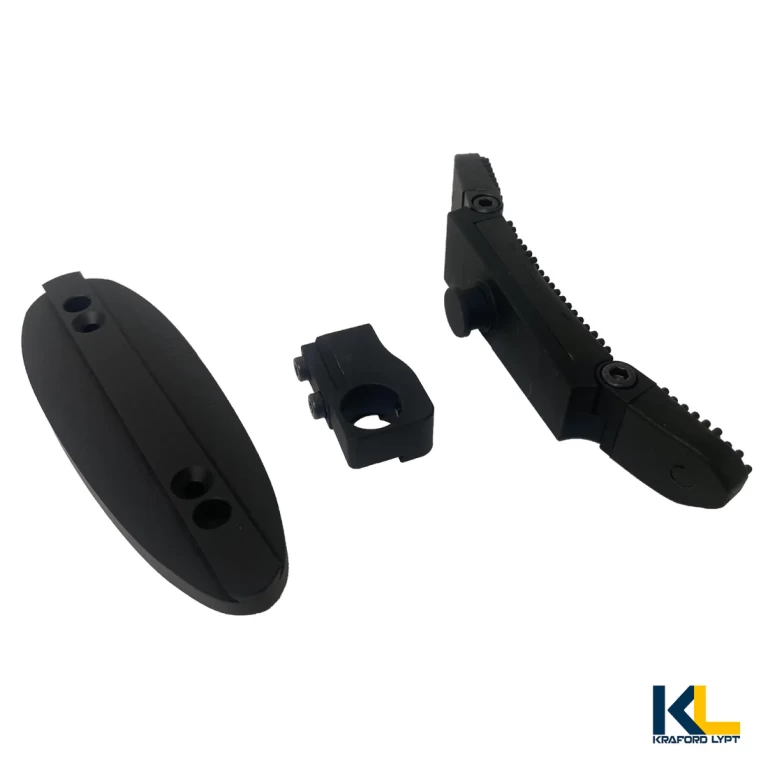
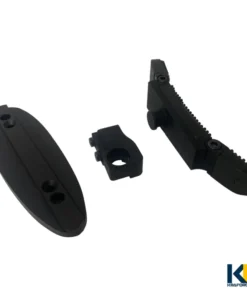
- Butt pad from the KLS-2.
– This features a rubber contact surface with small gripping pips.
– The rubber pads are mounted on machined aluminum brackets - Easier elevation adjustment dove tail rail
- The plate allows to keep proper cast on and cast off adjustment
- Cant compensation
- Future ability to add a monopod
Kraford & Lypt KLS-M Adjustable Stock – Precision Ergonomics, Custom Fit, and Advanced Shooting Comfort
The Kraford & Lypt KLS-M Adjustable Stock is designed for shooters who want greater control, comfort, and customization from their shooting platform. A high-quality adjustable stock plays an important role in improving the connection between the shooter and the rifle by allowing adjustments that better match individual body position, shooting style, and personal preferences.
Unlike standard fixed designs, an adjustable stock provides a more personalized experience by allowing users to fine-tune important areas such as length of pull, cheek positioning, and overall shoulder support. This creates a more natural shooting position, helping shooters maintain better stability and confidence during extended sessions.
Why Choose the Kraford & Lypt KLS-M Adjustable Stock?
The main reason shooters choose an adjustable stock is to achieve improved comfort and better control. Every shooter has different body dimensions, shooting techniques, and preferences. A stock that can be adapted to the individual allows for a more efficient and comfortable setup.
The Kraford & Lypt KLS-M Adjustable Stock is ideal for:
- Precision shooting enthusiasts.
- Competitive shooters.
- Field shooters.
- Airgun users.
- Rifle owners seeking improved ergonomics.
A properly fitted stock helps reduce unnecessary movement and allows the shooter to focus more effectively on accuracy and consistency.
The Importance of Adjustable Stock Technology
A rifle stock is one of the most important contact points between the shooter and the firearm system. The quality of this connection can influence comfort, stability, and overall shooting confidence.
An adjustable design provides advantages such as:
- Personalized fit.
- Improved shoulder positioning.
- Better cheek alignment.
- Increased shooting comfort.
- Enhanced control.
By creating a more natural shooting position, an adjustable stock helps users develop a more consistent shooting technique.
Precision Ergonomics and User Comfort
Ergonomics plays a major role in modern shooting equipment design. A well-designed stock allows the shooter to maintain a comfortable position while reducing fatigue during longer shooting sessions.
Important ergonomic factors include:
- Proper shoulder support.
- Comfortable cheek placement.
- Balanced weight distribution.
- Natural hand positioning.
- Improved shooting posture.
These features are especially valuable for users who spend extended periods practicing or competing.
Adjustable Features and Customization
The ability to customize a rifle setup allows shooters to create a configuration that matches their personal requirements.
Adjustable stock systems can improve:
- Shooting consistency.
- Comfort.
- Stability.
- User confidence.
- Overall control.
A personalized setup allows users to adapt their equipment rather than adjusting their shooting style around a fixed design.
Designed for Modern Precision Platforms
Modern shooters often combine advanced accessories and precision components to create highly customized systems. Adjustable stocks are commonly used alongside premium airgun and rifle platforms where comfort and control are essential.
Popular high-performance platforms include:
- Daystate Delta Wolf Performance
- Daystate Blackwolf
- Delta Wolf
- Huntsman Daystate
- Daystate Alpha Wolf
- Alpha Red Wolf
- Daystate Redwolf
- Daystate Wolverine Sapphire
These systems demonstrate the importance of ergonomic customization in advanced shooting applications.
Supporting Advanced Airgun Setups
The world of precision airguns continues to evolve with advanced technologies and accessories. Components such as adjustable stocks, precision barrels, and mounting solutions help shooters create highly refined setups.
Modern airgun configurations may include:
- Air gun PC platforms.
- Electronic systems.
- Precision accessories.
- Suppression solutions.
- Custom mounting options.
For users interested in premium PCP technology, comfort and adjustability are essential considerations.
Compatibility With Shooting Accessories
A modern shooting setup often includes additional accessories designed to improve functionality and user experience.
Common accessories include:
- Air gun suppressor.
- Airgun moderator.
- Air rifle moderator.
- M-Lok to Picatinny rail adapter.
- Enhanced rubber butt pad.
- Magpul MOE SI accessories.
- Rifle sling systems.
Understanding how accessories work together helps shooters build a more effective configuration.
Improving Rifle Handling and Control
A properly adjusted stock improves how the shooter interacts with the rifle. When the stock fits correctly, the shooter can maintain better control and a more stable position.
Benefits include:
- Improved aiming comfort.
- Reduced physical strain.
- Better shooting posture.
- Increased confidence.
- More consistent performance.
This makes adjustable stocks valuable upgrades for many shooting applications.
Understanding Proper Rifle Setup
Creating an effective shooting platform requires attention to detail. Many users research topics such as:
- How to put a gun sling on a rifle.
- How to attach sling to rifle.
- Trigger adjustment concepts.
- Magazine compatibility.
- Barrel configurations.
A carefully planned setup helps maximize comfort and usability.
Why Precision Shooters Value Customization
Precision shooting requires consistency, and consistency often begins with proper equipment fit. An adjustable stock allows shooters to create a more repeatable shooting position.
A customized setup can help users:
- Maintain better alignment.
- Improve comfort.
- Reduce movement.
- Build confidence.
- Develop stronger shooting habits.
Final Overview of the Kraford & Lypt KLS-M Adjustable Stock
The Kraford & Lypt KLS-M Adjustable Stock provides shooters with a practical solution for improving comfort, control, and customization. Through advanced ergonomic design and adjustable features, it allows users to create a shooting platform that better matches their individual needs.
Whether used with precision rifles, advanced airgun systems, or customized shooting platforms, this adjustable stock offers the flexibility and performance required by modern shooters who value accuracy, comfort, and long-term usability.
Engineering Design, Build Quality, and Performance Characteristics
Advanced Design Philosophy
A high-quality component is created through careful planning, precise manufacturing, and a deep understanding of user requirements. Every element must contribute to comfort, reliability, and practical performance.
The design process focuses on creating a balanced solution where strength, flexibility, and usability work together. A well-developed system allows users to achieve a more natural interaction while maintaining dependable performance during regular use.
This approach ensures that the product remains valuable for both everyday applications and demanding situations.
Precision Manufacturing and Construction Quality
Quality construction is essential for long-term reliability. Every part must be produced with attention to detail to ensure proper function, durability, and consistency.
Important manufacturing considerations include:
- High-quality material selection.
- Accurate component production.
- Strong structural integrity.
- Careful finishing processes.
- Reliable assembly standards.
These characteristics help create a product that can withstand repeated use while maintaining its performance.
Ergonomic Development and User Fit
Ergonomics plays a major role in creating equipment that feels natural and comfortable. A design that supports the user properly can improve confidence and reduce unnecessary strain.
A well-developed ergonomic approach considers:
- Natural body positioning.
- Comfortable contact points.
- Improved balance.
- Better handling.
- Reduced fatigue.
These factors allow users to maintain a more effective and comfortable position during use.
Balanced Structure and Stability
Balance is an important factor when designing precision equipment. A balanced structure allows users to maintain better control and operate more comfortably.
A stable design provides:
- Improved handling.
- Greater confidence.
- Reduced movement.
- Better control.
- Enhanced user experience.
When equipment feels balanced, users can focus more effectively on their technique and performance.
Durability Through Strong Materials
Durability depends on selecting appropriate materials and using reliable construction methods. Products designed for regular use must maintain their quality over time.
Strong construction helps provide:
- Resistance to regular wear.
- Long-term reliability.
- Consistent performance.
- Improved protection.
- Reduced maintenance concerns.
This creates greater value for users who expect dependable equipment.
Adaptability and User Customization
Modern equipment design increasingly focuses on flexibility and personalization. Users have different preferences, body dimensions, and operating styles, so customization becomes an important advantage.
Adaptable designs allow users to:
- Adjust their setup.
- Improve comfort.
- Create a personalized experience.
- Match equipment to their requirements.
- Improve overall usability.
This flexibility makes the product suitable for a wide range of users.
Improving Control and Handling
Control is influenced by how naturally the user interacts with equipment. A thoughtful design helps create a stronger connection between the user and the product.
Improved handling can provide:
- Better stability.
- More comfortable operation.
- Increased confidence.
- Improved consistency.
- Greater user satisfaction.
These benefits become especially important during extended sessions.
Performance-Focused Engineering
A successful design must consider both immediate performance and long-term reliability. Every feature should contribute toward creating a more effective and enjoyable experience.
Performance-focused engineering considers:
- User comfort.
- Functional reliability.
- Practical operation.
- Structural strength.
- Consistent results.
This approach helps ensure that the product continues meeting user expectations.
Attention to Detail
Small design details can have a significant impact on overall performance. Careful consideration of minor features often separates ordinary products from premium solutions.
Important details may include:
- Surface finishing.
- Adjustment mechanisms.
- Connection points.
- Weight distribution.
- User interaction areas.
Each detail contributes to the complete experience.
Long-Term Reliability and Value
Investing in quality equipment involves considering how well it performs over time. A well-designed product should continue providing benefits after extended use.
Long-term advantages include:
- Reduced replacement needs.
- Consistent performance.
- Improved satisfaction.
- Better ownership value.
- Greater confidence.
This makes quality engineering an important factor when choosing equipment.
Supporting Different User Requirements
A strong design should support different levels of experience and different user goals. Whether someone is developing skills or seeking improved performance, adaptability creates additional value.
A flexible solution allows users to:
- Learn comfortably.
- Improve gradually.
- Adjust preferences.
- Maintain confidence.
- Continue progressing.
This makes the equipment useful across various applications.
Final Engineering Perspective
A successful precision component combines thoughtful design, durable construction, ergonomic development, and reliable performance. Through careful engineering and user-focused development, it provides a foundation for improved comfort, control, and long-term satisfaction.
Practical Use, Maintenance, and Developing Long-Term Skills
Creating a Better User Experience
A well-designed product becomes more valuable when it supports the user’s needs during real-world applications. Comfort, control, and reliability all contribute to a more enjoyable experience and allow users to focus on improving their abilities.
With regular use, users become more familiar with their equipment and develop better techniques. This process creates confidence and helps achieve more consistent results over time.
Improving Comfort During Extended Use
Comfort is an important factor when equipment is used for longer periods. A properly configured setup can help reduce unnecessary strain and allow users to maintain better focus.
Benefits of improved comfort include:
- Reduced fatigue.
- Better concentration.
- Improved control.
- More natural positioning.
- Greater confidence.
A comfortable experience encourages users to continue practicing and developing their skills.
Developing Consistent Techniques
Consistency is achieved through practice, patience, and attention to detail. Small improvements in handling and preparation can create noticeable progress.
Important areas of development include:
- Creating repeatable routines.
- Practicing regularly.
- Improving stability.
- Reviewing results.
- Adjusting techniques.
A consistent approach allows users to build stronger habits and improve gradually.
Understanding Personal Preferences
Every user has different requirements and preferences. Learning what works best for individual needs is an important part of creating an effective setup.
Personal preferences may involve:
- Comfort level.
- Positioning.
- Handling style.
- Adjustment choices.
- Intended application.
Understanding these preferences helps users create a more personalized experience.
The Importance of Proper Preparation
Preparation plays an important role in achieving reliable results. Taking time before use to confirm everything is ready helps users remain focused and confident.
A good preparation routine includes:
- Checking overall condition.
- Confirming adjustments.
- Reviewing important features.
- Organizing accessories.
- Ensuring proper setup.
Good preparation reduces distractions and improves the overall experience.
Responsible Equipment Care
Regular care helps maintain quality and extend product life. Proper attention prevents unnecessary wear and keeps equipment performing effectively.
A practical care routine includes:
- Cleaning after use.
- Checking for changes.
- Protecting surfaces.
- Storing correctly.
- Following recommended practices.
These simple habits support long-term reliability.
Creating Effective Storage Habits
Storage conditions can influence the lifespan and condition of equipment. Keeping products in a suitable environment helps prevent avoidable damage.
Good storage practices include:
- Choosing a clean location.
- Avoiding extreme conditions.
- Keeping components organized.
- Protecting against impacts.
- Checking condition regularly.
Proper storage supports lasting performance.
Learning Through Experience
Experience is one of the most valuable factors in improving performance. Each use provides an opportunity to understand equipment better and develop stronger skills.
Users can improve by:
- Reviewing previous sessions.
- Identifying areas for growth.
- Learning from mistakes.
- Adjusting methods.
- Continuing practice.
This approach creates steady improvement over time.
Maintaining Long-Term Value
Quality equipment represents a long-term investment. Responsible ownership helps protect that investment and ensures continued usefulness.
Long-term value is supported by:
- Regular maintenance.
- Careful handling.
- Proper storage.
- Responsible operation.
- Continued learning.
These actions help preserve performance and satisfaction.
Adapting as Skills Improve
As users gain experience, their goals may change. A flexible design allows users to continue improving without needing unnecessary changes.
Progress may involve:
- Developing new techniques.
- Improving confidence.
- Refining preferences.
- Exploring different applications.
- Increasing experience.
This creates a more rewarding ownership journey.
Building Confidence Through Familiarity
Familiarity creates confidence. As users spend more time with their equipment, they develop a better understanding of how to achieve their desired results.
Confidence grows through:
- Regular practice.
- Proper preparation.
- Understanding operation.
- Maintaining good habits.
- Learning continuously.
This connection between user and equipment improves the overall experience.
Final Practical Perspective
The best results come from combining quality equipment with proper care, preparation, and continued development. By creating good habits and understanding their setup, users can enjoy improved comfort, reliability, and long-term satisfaction throughout ownership.
Care Procedures, Protection, and Maintaining Long-Term Performance
Establishing a Reliable Care Routine
Proper care is essential for preserving the condition, reliability, and long-term value of equipment. Regular attention helps maintain quality and ensures that the product remains ready for continued use.
A consistent maintenance routine does not need to be complicated. Simple actions performed regularly can reduce unnecessary wear and help protect important components.
Developing responsible care habits from the beginning creates a stronger ownership experience and supports dependable performance.
Performing Regular Inspections
Routine inspections allow users to understand the condition of their equipment and identify possible concerns early. Regular checks provide confidence and help prevent avoidable problems.
A complete inspection process may include:
- Reviewing overall condition.
- Checking important areas.
- Looking for signs of wear.
- Confirming proper operation.
- Monitoring changes over time.
- Ensuring everything remains secure.
These steps support reliability and help maintain consistent performance.
Cleaning and Protecting Equipment
Regular cleaning helps preserve both appearance and functionality. Dust, dirt, moisture, and environmental exposure can gradually affect equipment if proper care is not provided.
After use, users should consider:
- Removing surface debris.
- Cleaning carefully.
- Allowing materials to dry properly.
- Protecting sensitive areas.
- Preparing equipment for storage.
These practices help maintain quality and prevent unnecessary deterioration.
The Importance of Proper Storage
Storage plays an important role in protecting equipment between uses. A suitable environment helps prevent damage and maintains condition over time.
Effective storage practices include:
- Selecting a clean location.
- Avoiding excessive moisture.
- Protecting against accidental impacts.
- Keeping accessories organized.
- Reviewing condition regularly.
Proper storage contributes to improved durability and long-term reliability.
Safe Handling and Transportation
Careful handling is important when moving or preparing equipment. Improper handling can create unnecessary stress and reduce the lifespan of important components.
Recommended transportation habits include:
- Securing equipment correctly.
- Using suitable protection.
- Avoiding rough handling.
- Organizing smaller items.
- Inspecting after movement.
These precautions help maintain quality in different situations.
Understanding Natural Wear
All equipment experiences gradual changes through regular use. Recognizing normal wear allows users to respond appropriately and maintain good condition.
Regular observation helps identify:
- Changes in appearance.
- Areas requiring attention.
- Signs of excessive use.
- Possible maintenance needs.
- Adjustments that may be required.
Early awareness allows users to take action before small concerns become larger problems.
Extending Equipment Lifespan
The lifespan of equipment depends greatly on how it is treated. Responsible ownership, careful handling, and regular maintenance all contribute to preserving value.
Effective care practices provide benefits such as:
- Longer service life.
- Improved reliability.
- Better condition.
- Reduced unexpected concerns.
- Greater user confidence.
These benefits demonstrate the importance of consistent attention.
Preparing Before Each Use
Preparation helps create a smoother and more reliable experience. Before use, users should confirm that equipment is ready and properly organized.
A preparation routine may include:
- Checking condition.
- Confirming readiness.
- Reviewing important areas.
- Organizing accessories.
- Ensuring proper setup.
Good preparation improves confidence and reduces unnecessary interruptions.
Responsible Ownership Practices
Responsible ownership involves understanding equipment requirements and treating products with care and respect.
Good ownership includes:
- Following recommended procedures.
- Maintaining cleanliness.
- Protecting against damage.
- Performing regular checks.
- Addressing concerns promptly.
These practices support a stronger and more reliable experience.
Maintaining Quality Through Consistency
Quality is preserved through repeated care and attention. Regular maintenance, proper storage, and careful handling all contribute to keeping equipment in excellent condition.
Users who maintain strong routines can continue enjoying dependable performance and long-term value.
Creating a Long-Term Protection Strategy
A long-term protection strategy combines inspection, maintenance, storage, and responsible use. This approach helps preserve quality while supporting continued performance.
A successful strategy focuses on:
- Preventative care.
- Regular attention.
- Safe handling.
- Proper preparation.
- Continued responsibility.
These principles help maintain reliability throughout ownership.
Final Maintenance Perspective
Proper care provides the foundation for long-term performance and reliability. By maintaining effective routines, protecting equipment, and monitoring condition, users can maximize durability and continue enjoying dependable operation for many years.
Frequently Asked Questions and Ownership Guide
How important is regular maintenance?
Regular maintenance is essential for preserving condition and supporting dependable operation over time. Even carefully designed equipment benefits from consistent attention because routine care helps identify possible concerns before they become more serious.
A simple maintenance routine helps protect quality, improve confidence, and support a more enjoyable ownership experience.
How can users improve their overall experience?
Improvement comes from a combination of practice, preparation, understanding, and responsible ownership. Users who take time to learn their equipment and develop good habits often achieve better consistency.
Helpful approaches include:
- Practicing regularly.
- Reviewing previous experiences.
- Maintaining proper routines.
- Understanding different conditions.
- Improving techniques gradually.
- Paying attention to important details.
These habits support continued development and greater satisfaction.
What should new owners focus on first?
New owners should focus on becoming familiar with their equipment and creating responsible habits from the beginning.
Understanding proper operation, care requirements, and recommended procedures provides a stronger foundation and helps users gain confidence naturally.
Taking time to learn gradually can prevent unnecessary mistakes.
Why is proper storage important?
Proper storage helps protect equipment from unnecessary exposure and damage. A suitable environment helps maintain condition while keeping everything organized.
Good storage practices include:
- Keeping equipment clean.
- Avoiding excessive moisture.
- Protecting against accidental impacts.
- Maintaining organization.
- Checking condition regularly.
These steps contribute to long-term reliability.
How does experience influence performance?
Experience allows users to better understand their equipment and make more informed decisions. Over time, users become more comfortable recognizing changes, adapting to situations, and improving their approach.
The knowledge gained through experience becomes one of the most valuable parts of ownership.
What factors influence long-term reliability?
Long-term reliability depends on several important factors working together, including:
- Quality construction.
- Proper maintenance.
- Responsible handling.
- Suitable storage.
- Regular inspection.
- Correct usage.
When these elements are managed properly, equipment can continue providing dependable service for many years.
How often should equipment be inspected?
Inspection frequency depends on how often equipment is used and the conditions it experiences. Users who regularly operate their equipment should create a habit of checking important areas before and after use.
Regular inspections help identify changes early and provide additional confidence.
How can owners protect their investment?
Protecting an investment requires consistent attention and responsible ownership. Proper care, careful handling, and suitable storage all contribute to maintaining long-term value.
Owners can protect their equipment by:
- Following recommended care practices.
- Keeping components organized.
- Preventing unnecessary damage.
- Addressing concerns quickly.
- Maintaining regular routines.
These actions support continued reliability.
Why is preparation important before use?
Preparation helps create a smoother and more enjoyable experience. Taking time to review condition, organize necessary items, and consider surroundings allows users to focus more effectively.
A prepared approach reduces interruptions and improves confidence.
What creates a successful ownership experience?
A successful ownership experience comes from combining quality equipment, responsible care, and continued learning.
Users who maintain good habits and take care of their equipment are more likely to enjoy dependable performance and lasting satisfaction.
How can users continue improving?
Continuous improvement requires patience, practice, and a willingness to learn. Even experienced users can continue developing by reviewing their approach and discovering better methods.
Improvement can be supported by:
- Learning from previous sessions.
- Developing stronger routines.
- Practicing consistently.
- Understanding personal preferences.
- Remaining open to new knowledge.
This mindset helps create a more rewarding experience.
Final Ownership Advice
Long-term satisfaction depends on more than the initial purchase. Continued care, responsible use, and ongoing improvement all contribute to lasting value.
By developing strong habits and maintaining proper routines, users can enjoy reliability, confidence, and a positive ownership experience for many years.
Final Thoughts and Long-Term Ownership Experience
Creating a Complete Ownership Journey
The experience of owning quality equipment develops over time through regular use, proper care, and continuous learning. While initial performance is important, long-term satisfaction comes from reliability, confidence, and the ability to grow through experience.
A carefully maintained product becomes a dependable part of the user’s routine, providing support and confidence throughout many sessions.
The Importance of Consistent Care
Consistency is one of the most important elements of successful ownership. Regular attention, careful handling, and responsible maintenance help preserve condition and ensure dependable operation.
Small actions performed regularly can create significant benefits, including:
- Improved reliability.
- Extended service life.
- Better condition.
- Reduced concerns.
- Greater confidence.
These habits help maintain value and support a positive experience.
Growing Through Experience
Experience develops gradually through practice, observation, and continued use. As users become more familiar with their equipment, they gain better understanding and improve their ability to achieve consistent results.
Each session provides opportunities to:
- Learn new techniques.
- Improve personal skills.
- Understand performance characteristics.
- Build stronger routines.
- Increase confidence.
This process makes ownership more enjoyable and rewarding.
Protecting Long-Term Value
Quality equipment represents an investment that deserves proper attention. Responsible ownership helps protect that investment by maintaining condition and supporting dependable operation.
Long-term value can be preserved through:
- Regular maintenance.
- Careful transportation.
- Proper storage.
- Routine inspections.
- Responsible handling.
These practices contribute to continued satisfaction over many years.
The Role of Patience and Development
Meaningful improvement requires patience and dedication. Users who focus on gradual development often achieve better results because they allow themselves time to learn, adapt, and improve.
Continued progress comes from:
- Practicing consistently.
- Reviewing experiences.
- Learning from challenges.
- Refining techniques.
- Maintaining positive habits alpha wolf barrel.
This approach supports lasting confidence can wolverine go on planes.
Building Confidence Through Knowledge
Understanding equipment is an important part of ownership. Knowledge allows users to make better decisions, prepare more effectively, and create stronger routines.
Greater understanding helps users:
- Recognize important details puddy bottle cover.
- Adapt to changing situations.
- Maintain equipment correctly.
- Improve consistency.
- Enjoy the experience more fully.
Confidence grows naturally when users become familiar with their equipment day wolf m-lok to picatinny rail adapter.
Looking Toward Future Possibilities
Technology and design continue to evolve as manufacturers develop improved solutions and refined approaches. However, the foundations of quality remain consistent.
The characteristics that continue to define excellent products include:
- Reliability.
- Durability.
- Practical design.
- User comfort.
- Consistent operation.
These principles guide future development and ensure continued improvement.
A Commitment to Responsible Ownership
Responsible ownership creates a stronger relationship between users and their equipment. Proper care, attention, and continued learning help maintain performance while increasing overall satisfaction.
Good ownership involves:
- Respecting equipment requirements delta wolf meaning.
- Maintaining effective routines.
- Preparing carefully.
- Continuing to learn.
- Using equipment responsibly.
These practices create lasting benefits.
Final Conclusion
A successful ownership experience is created through the combination of quality design, responsible care, and continuous improvement.
By maintaining good habits, protecting equipment properly, and continuing to develop skills, users can enjoy dependable performance, lasting value, and confidence throughout many years of ownership weatherby vanguard trigger adjustment Daystate Delta Wolf PCP Air Rifle.
Be the first to review “Kraford & Lypt KLS-M Adjustable Stock”
Related products
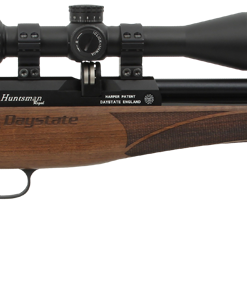
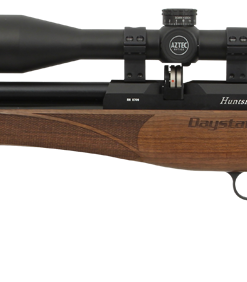
Daystate Air Rifle
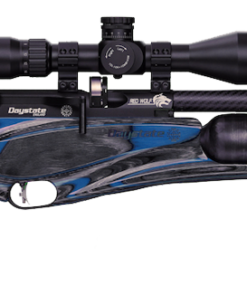
Daystate Air Rifle
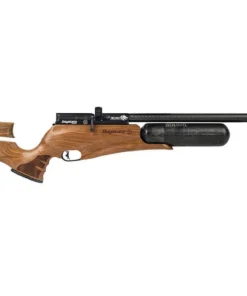
Daystate Air Rifle
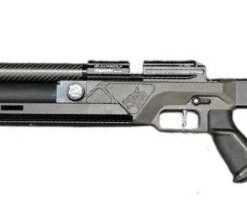
Daystate Air Rifle
Daystate Air Rifle
Daystate Air Rifle
Daystate Air Rifle

Daystate Air Rifle
Daystate Black Wolf Cylinder Laminate .177 Pre-Charged Air Rifle
Reviews
There are no reviews yet.