
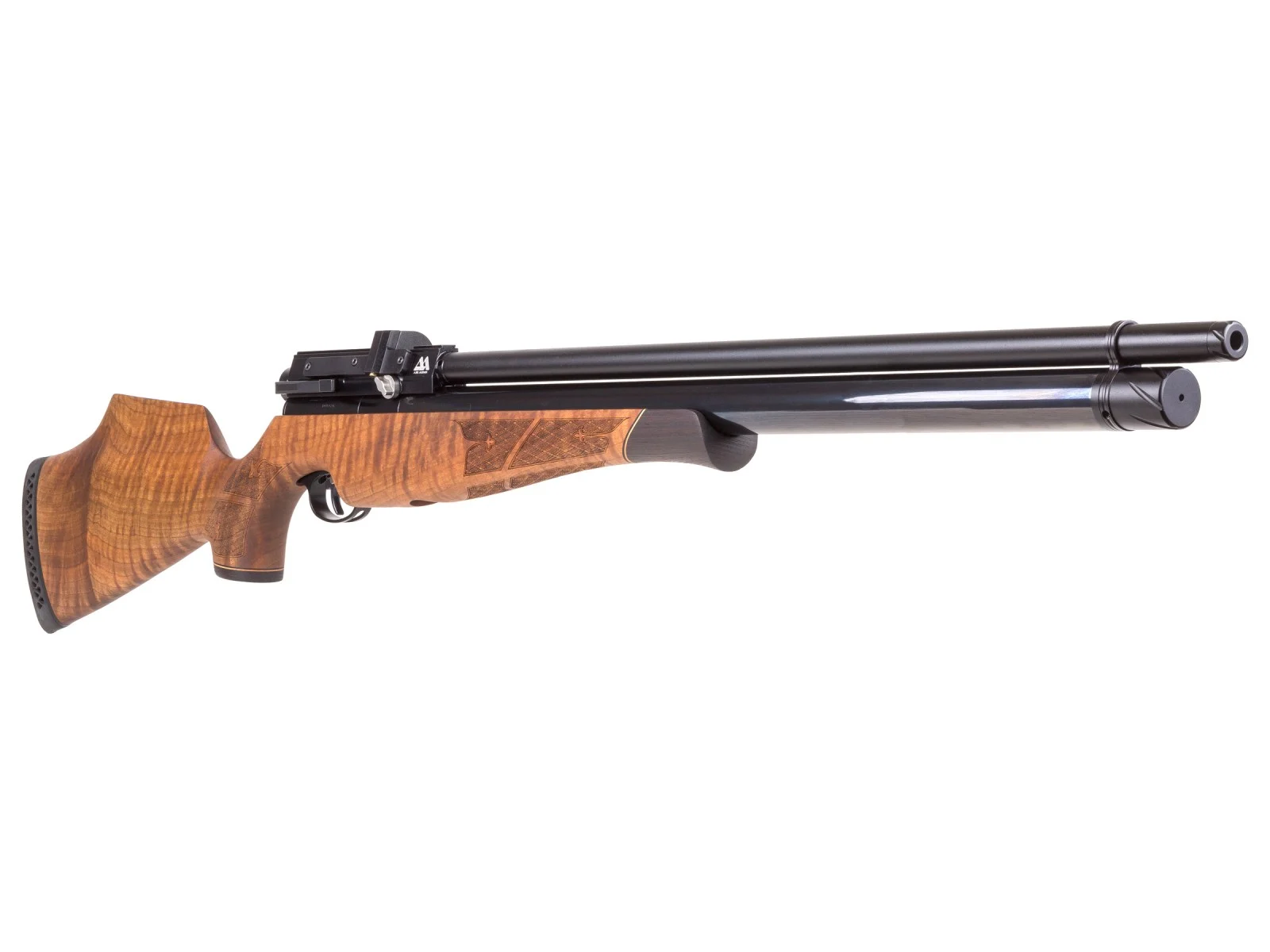












Air Arms S510 XS Xtra FAC Regulated Walnut Stock


$1,370.00
Description
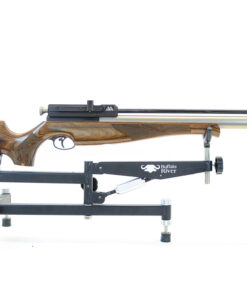
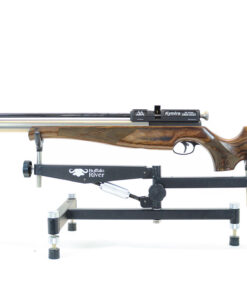
If you value accuracy but don’t want to sacrifice beauty, you’re in luck. The Air Arms S510 XS Xtra FAC Regulated air rifle with walnut stock is a remarkably accurate airgun, and it gives away nothing in the looks department. While single-shot air rifles tend to be more accurate than repeaters, the Air Arms rifles have proven that’s not true if you follow high-quality manufacturing practices. This airgun is an XS Xtra, which means it’s the full-size version. You get slightly more power with the same legendary accuracy as the carbine version, and more shots per fill thanks to the longer air cylinder, making this rifle well-suited to hunting and offering superior benchrest shooting performance.
Made in England, this Air Arms S510 XS Xtra FAC Regulated airgun with walnut stock is part of the decades-long tradition of exquisite air rifles from Air Arms. Their state-of-the-art manufacturing plant consistently produces superior air guns that are the gold standard for sporting air rifles worldwide. Bluing, triggers, stocks, mechanical function, and more are the envy of airgun manufacturers worldwide. With a Lothar Walther barrel, adjustable trigger, 10-shot magazine for fast follow-up shots, and 5-position power adjuster, this airgun is another winner. Whether you’re plinking, or target shooting, or small-game hunting, this tried-and-true, durable air rifle does it all in style. If you want one of the best sporting air rifles made today, Air Arms is your ticket to shooting satisfaction, and the S510 XS Xtra will be in your family for years to come.
Air Arms S510 XS Xtra FAC PCP Air Rifle, Regulated, Walnut Stock
- Precharged pneumatic
- Sidelever action
- Fully Regulated
- 10-shot repeater
- 2-stage adjustable trigger
- 5 position power adjustment
- 11mm scope grooves (no open sights)
- 3,625 psi fill pressure (250 bar)
- Built-in manometer (air pressure gauge)
- 288cc air tank
- Lothar Walther barrel
- Shrouded barrel for extra-quiet shooting
- Checkered pistol grip and forearm
- Superbly blued
- Magnificent stock finish
- Ventilated rubber buttpad
Specifications
BrandAir Arms
Caliber.25 (6.35mm)Max Velocity815 fpsMuzzle Energy44 ft/lbsSuggested forSmall game hunting/plinkingPowerplantPre-charged pneumaticLoudness3-MediumWeight7.2 lbsFunctionRepeaterMax Shots per Fill35Cylinder Size288 ccActionSideleverFixed/adj. powerMultiple settingsShroudedYesScopeable11mm dovetailFront SightsnoneRear SightsnoneSafetyManualTriggerTwo-stage adjustableBarrelRifledBarrel Length19.75″Overall Length43.5″Capacity10 round(s)Body TypeRifleStockWalnutButtplateVentilated rubberColorBrownOperating Pressure3364 PSI / 232 BARGrip OrientationRightRegulatedYesIs Safe To Dry FireYes
Air Arms S510 XS Xtra FAC Regulated Walnut Stock – Regulated PCP Precision, Multi-Shot Performance and Traditional Walnut Engineering
The Air Arms S510 XS Xtra FAC Regulated Walnut Stock combines regulated pre-charged pneumatic engineering with the familiar smooth-running S510 side-lever action and a traditional hardwood stock.
At the center of the rifle is a regulated high-pressure air system designed to reduce pressure variation before each shot. As reservoir pressure falls during use, the regulator helps deliver more consistent working pressure to the firing valve.
That consistency matters because pellet velocity influences trajectory.
When velocity remains more stable, vertical point-of-impact variation can also be reduced, particularly as distance increases.
The Xtra FAC configuration belongs to the higher-power side of the S510 family. Therefore, licensing and possession requirements may apply depending on jurisdiction.
The rifle should always remain within the manufacturer’s intended specification and applicable law.
Mechanically, the platform combines a fixed barrel, multi-shot magazine, side-lever cycling system, two-stage trigger, high-pressure reservoir and pressure gauge.
Meanwhile, the walnut stock provides the traditional look and feel many shooters associate with sporting rifles.
The overall result is a low-recoil pneumatic system that emphasizes repeatability, predictable handling and smooth operation for lawful target and sporting environments.
Air Arms S510 XS Ultimate Sporter FAC
The Air Arms S510 XS Ultimate Sporter FAC belongs to the same broader regulated S510 family.
Its regulated pneumatic architecture is designed to provide consistent working pressure as cylinder pressure decreases.
Why Regulation Matters
Pressure inside a PCP reservoir is not constant.
It falls gradually as air is used.
Why the XS System Helps
The regulator separates the firing valve from much of that variation.
Why This Supports Precision
Stable working pressure can support stable pellet velocity.
air rifle
An air rifle uses compressed gas or mechanically compressed air to propel a pellet.
This rifle uses compressed air stored in a high-pressure reservoir.
air gun
An air gun is a general term covering PCP, spring-piston, gas-ram and CO₂ systems.
The S510 XS Xtra belongs specifically to the regulated PCP category.
air arms
Air Arms is the British manufacturer of the S510 family.
The company produces both pneumatic and spring-powered sporting platforms.
air rifles
Air rifles vary significantly in powerplant, calibre, loading system and intended use.
The S510 XS Xtra combines pneumatic power with a magazine-fed side-lever action.
pellet guns
The phrase pellet guns refers broadly to air-powered equipment designed to fire shaped pellets.
Correct pellet calibre must always be confirmed before loading.
cal .177 pellets
cal .177 pellets measure approximately 4.5 mm in diameter.
Why .177 Is Common
Its relatively low projectile mass can produce a flatter trajectory than heavier alternatives under comparable conditions.
break barrel pellet gun
A break barrel pellet gun uses a hinged barrel to cock a spring or gas-ram system.
The S510 does not use this mechanism.
Its barrel remains fixed.
airguns
Airguns include several different operating technologies.
The S510 XS Xtra stores compressed air before firing.
air pisto
The term air pisto generally refers to an air pistol.
The S510 is instead a shoulder-fired rifle.
177 caliber
177 caliber is one of the common chamberings associated with the S510 family.
Why It Matters
Calibre influences projectile weight, trajectory and air consumption.
177 pellet vs.22 pellet
The 177 pellet vs.22 pellet comparison is mainly about projectile mass and trajectory.
.177
Typically lighter.
Generally flatter trajectory.
.22
Typically heavier.
Different velocity and drop characteristics.
Why Either Requires Testing
Individual barrels can show preferences for particular pellet designs.
air arms s510 ultimate sporter .177 sub 12
The air arms s510 ultimate sporter .177 sub 12 refers to a lower-output configuration.
It should not be confused with the FAC-rated Xtra version.
Why That Difference Matters
It can affect:
Legal classification
Air consumption
Shot count
Trajectory
Licensing requirements
what is an air rifle
For what is an air rifle, it is a shoulder-fired air-powered sporting platform that launches pellets using compressed gas or mechanically generated air pressure.
airgins
The term airgins is commonly a misspelling of airguns.
The S510 belongs to the regulated PCP group within that category.
.22 air rifle
A .22 air rifle uses approximately 5.5 mm pellets.
This calibre generally uses heavier ammunition than .177.
air arms s510
The air arms s510 family is built around a smooth side-lever action and rotary magazine system.
Why the Side Lever Matters
It provides a relatively short and smooth cycling motion.
Why This Helps
The shooter can disturb the established position less between shots.
air riflery
air riflery includes several forms of structured sporting and target shooting.
Consistency is especially important when accuracy is being evaluated over repeated groups.
airgun shooting range near me
For airgun shooting range near me, the appropriate choice is an established range or club with safe backstops and clear firing procedures.
Why
A controlled range offers:
Known distances
Designated firing positions
Reliable pellet containment
Formal safety procedures
air arm
The phrase air arm is occasionally used informally.
However, Air Arms is the correct manufacturer name.
target air rifle shooting
target air rifle shooting depends on repeatability.
Important Factors
Stable body position
Sight alignment
Breathing
Trigger control
Follow-through
Why a Regulated PCP Helps
It reduces one major mechanical variable by stabilizing working pressure.
air arms s410
The air arms s410 is an earlier Air Arms PCP platform.
Although related in concept, it predates the modern S510 side-lever architecture.
air arms tx200
The air arms tx200 uses a completely different power system.
It is a spring-powered underlever rifle rather than a PCP.
177 air rifle
A 177 air rifle uses 4.5 mm pellets.
The calibre is widely used in target-oriented applications because of its relatively flat trajectory.
how do air guns work
For how do air guns work, the answer depends on the mechanism.
In This Rifle
Compressed air is stored inside the reservoir.
The regulator reduces pressure to a working level.
The trigger releases the firing mechanism.
A controlled quantity of air passes through the valve.
The expanding air propels the pellet through the barrel.
Air rifle cleaning kit
An Air rifle cleaning kit suitable for a precision PCP should use gentle, appropriate tools.
Useful Items
Soft cloth
Suitable pull-through
Cleaning patches
Manufacturer-approved maintenance products
Why Gentle Cleaning Matters
The bore and muzzle crown should not be damaged.
177 caliber vs 22
The 177 caliber vs 22 choice depends on the rifle’s actual configuration and lawful sporting purpose.
.177 Characteristics
Lower projectile mass
Typically flatter trajectory
.22 Characteristics
Higher projectile mass
Different flight characteristics
Why No Single Choice Is Always Best
Different shooting disciplines value different ballistic characteristics.
air guns for home defense
The phrase air guns for home defense does not describe the intended role of this rifle.
The S510 XS Xtra should be treated as sporting equipment for lawful target and other permitted sporting use.
air compressor rifle
The phrase air compressor rifle is sometimes used informally when discussing PCP equipment.
The rifle itself does not contain a conventional compressor.
Instead, it is filled from an external high-pressure air source.
pcp hand pump
A pcp hand pump can provide a manual filling option when specifically rated for PCP pressures.
Why Proper Equipment Matters
High-pressure systems should never be filled using improvised equipment.
air rifle calibers
Common air rifle calibers include:
.177
.22
.25
Why Calibre Matters
Calibre can influence:
Pellet weight
Trajectory
Air use
Shot count
prosport air arms
The prosport air arms reference concerns the Air Arms Pro Sport.
That model is mechanically spring-powered rather than pneumatic.
what is break barrel air rifle
For what is break barrel air rifle, it is a design in which the barrel pivots to cock the spring or gas-ram system.
The S510 uses a fixed barrel instead.
Air Arms S510 XS Ultimate Sporter FAC Walnut Stock
The Air Arms S510 XS Ultimate Sporter FAC Walnut Stock combines regulated pneumatic operation with traditional hardwood ergonomics.
Why Walnut Matters
Walnut provides:
Natural grain
Traditional appearance
Rigid construction
Individual variation
Why Stock Care Is Important
Natural hardwood should be protected from moisture and harsh chemicals.
Air Arms S510 XS Ultimate Sporter
The Air Arms S510 XS Ultimate Sporter is built around regulated S510 mechanics with additional ergonomic refinement.
Why Ergonomics Matter
Good stock fit can improve:
Cheek consistency
Shoulder position
Trigger reach
Optic alignment
Air Arms S510 FAC
The Air Arms S510 FAC refers broadly to higher-power S510 configurations.
Why FAC Status Matters
Higher output can change both performance and legal classification.
Air Arms S510 XS FAC PCP Air Rifle
The Air Arms S510 XS FAC PCP Air Rifle combines regulated pressure management with high-output pneumatic operation.
Why the Regulator Is Central
It helps stabilize the pressure presented to the firing system.
Air Arms air rifle
An Air Arms air rifle can use either spring-powered or pneumatic engineering.
The S510 belongs to the company’s multi-shot PCP family.
Fully Regulated Air System
The regulator is one of the defining features of the XS configuration.
How It Works
Reservoir air begins at high pressure.
The regulator reduces that pressure before it reaches the firing valve.
Why
The firing system does not need to react directly to every change in main cylinder pressure.
Why Regulation Supports Shot Consistency
Trajectory depends partly on velocity.
Why
Velocity variation changes flight time and pellet drop.
Therefore
Reducing velocity variation can support tighter vertical grouping.
High-Pressure Reservoir
The Xtra configuration uses a comparatively large reservoir.
Why
More stored air provides greater capacity for repeated operation.
Why Shot Count Still Varies
Higher output consumes more air.
Calibre and temperature also influence efficiency.
High-Pressure Filling
The air system operates at very high pressure.
Appropriate Equipment Includes
Purpose-built PCP pumps
Approved cylinders
Suitable compressors
Rated hoses
Correct fittings
Why Safety Matters
Compressed air stores substantial energy.
Why Overfilling Should Be Avoided
Higher pressure does not automatically improve performance.
Why
The regulator and valve are engineered around a defined working range.
Pressure Gauge
The built-in gauge provides a quick reference to reservoir pressure.
Why This Helps
The shooter can begin each session from a known pressure.
Shot Count
The number of usable shots per fill varies.
Important Factors
Calibre
Output level
Temperature
Pellet choice
Mechanical condition
Why Tracking Shot Count Is Useful
A sudden decrease may reveal an efficiency issue.
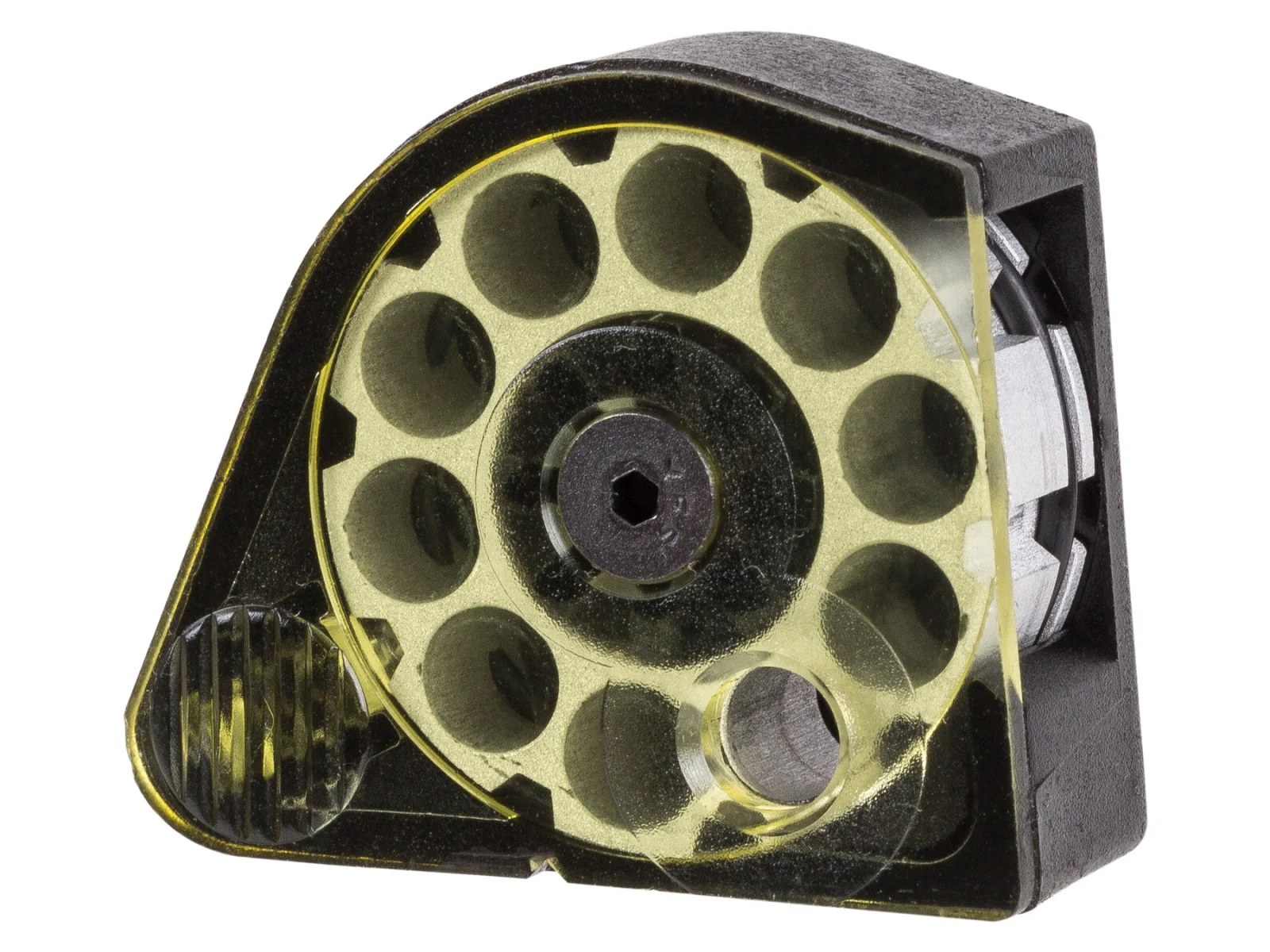
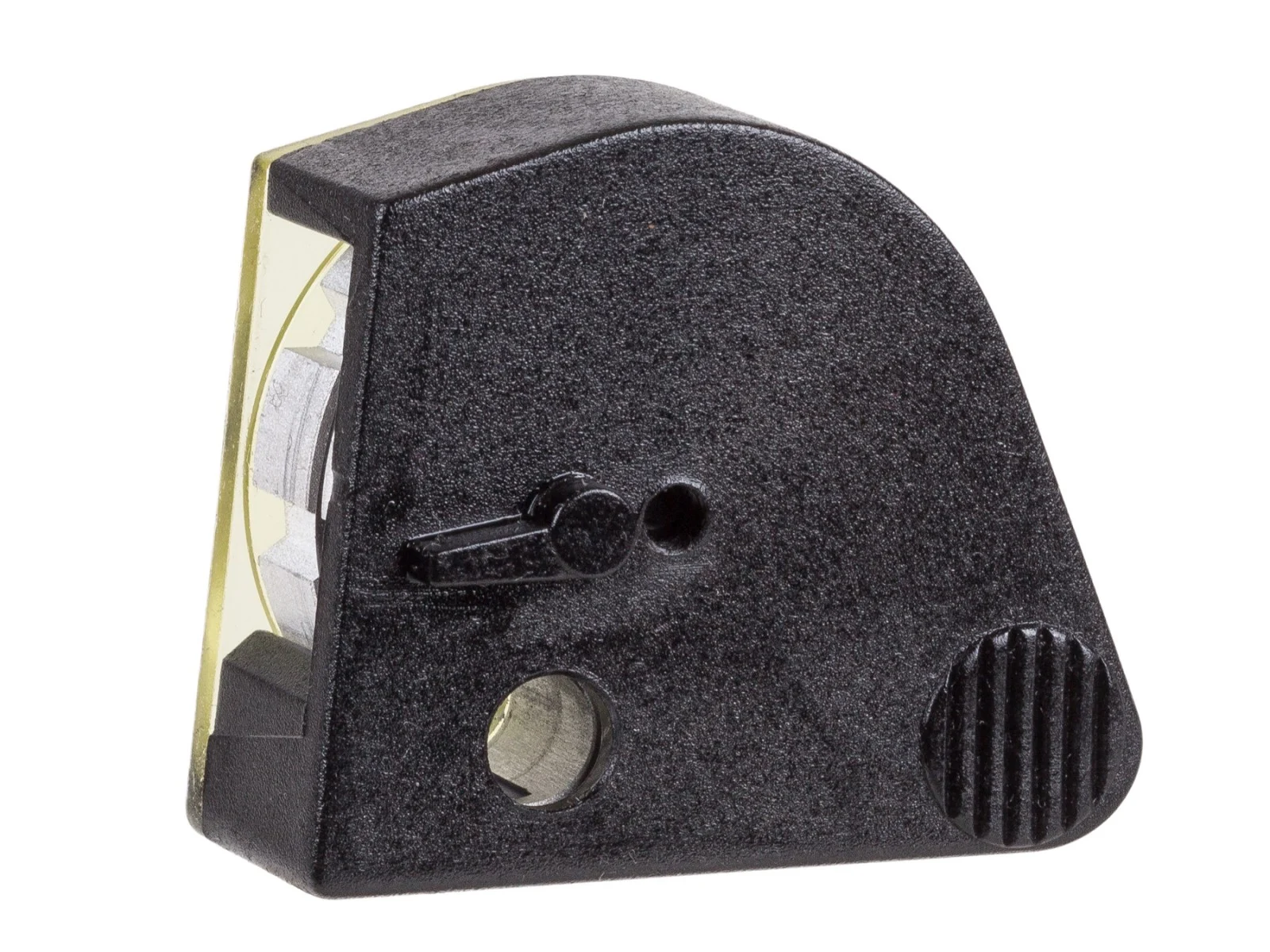
Multi-Shot Magazine
The S510 uses a rotary magazine.
Why This Matters
Several pellets can be loaded before the shooting sequence begins.
Why Maintenance Matters
A magazine should remain clean and free of damage.
Side-Lever Action
The side lever provides smooth cycling.
Why
It requires relatively little movement.
Why This Supports Consistency
The shooter can keep the shoulder and cheek closer to the established position.
Precision Barrel System
The barrel provides the pellet’s final guidance.
Why
Bore consistency affects pellet alignment.
Barrel Shroud
The barrel is enclosed within a shrouded assembly.
Why
This helps manage discharge characteristics while protecting the barrel.
Two-Stage Trigger
The trigger uses a two-stage system.
Why
The first stage prepares the shot.
The second stage provides the final break.
Why This Helps
A predictable release can reduce unwanted movement.
Walnut Stock Design
The walnut stock gives the rifle a traditional sporting character.
Why It Feels Different From Synthetic Material
Natural wood has unique density, grain and surface characteristics.
Why Every Walnut Stock Is Unique
No two pieces of natural walnut have identical grain.
Why This Matters
Each rifle has slightly different visual character.
Stock Fit
The stock establishes the relationship between shooter and action.
Important Contact Points
Cheek
Shoulder
Firing hand
Support hand
Why Consistency Matters
The same contact points help the rifle return to a repeatable position.
Low-Recoil PCP Operation
The firing cycle contains comparatively little mechanical movement.
Why
There is no large piston moving through the action during discharge.
Why This Helps
The sight picture is easier to maintain.
Why Technique Still Matters
Low recoil does not eliminate:
Trigger errors
Cant
Poor body position
Inconsistent grip
Scope Mounting
The optic should be securely mounted.
Why
A moving optic changes the zero.
Eye Relief
The shooter should see a full image without moving the head excessively.
Why
Natural eye position improves repeatability.
Scope Height
Scope height affects both comfort and trajectory reference.
Why
The sight line sits above the barrel.
Pellet Testing
Different pellet designs can behave differently.
Why
Pellet weight and dimensions vary.
Better Approach
Compare repeated groups under stable conditions.
Pellet Batch Variation
Different batches may produce slightly different results.
Why
Minor manufacturing tolerances can influence fit.
Pellet Storage
Keep pellets clean and protected.
Why
Soft lead can deform easily.
Barrel Cleaning
Cleaning should be conservative.
Why
Excessive cleaning can damage precision surfaces.
Clean When
Accuracy changes
Contamination is visible
A significant pellet change is made
Crown Protection
The crown should remain undamaged.
Why
This is the pellet’s final contact point with the barrel.
Zeroing
A reliable zero creates the reference for other target distances.
Why
Pellet trajectory is curved.
Why Several Groups Matter
One shot does not establish an accurate zero.
Better Approach
Use repeated groups and find the true center.
Wind
Wind can alter pellet flight.
Why
The pellet remains exposed to moving air.
Range Estimation
Distance affects trajectory.
Why
Pellet drop increases as flight distance grows.
Rifle Cant
Tilting the rifle can shift impact.
Why
The barrel and optic rotate relative to gravity.
Breathing Control
Breathing moves the upper body.
Why
The chest and shoulders naturally rise and fall.
Follow-Through
The shooter should remain in position immediately after discharge.
Why
It promotes repeatable technique.
Why a Stable Setup Matters
The rifle should not be changed constantly without reason.
Why
Repeated adjustment makes performance harder to interpret.
Establishing a Baseline
Record normal setup.
Useful Information
Scope position
Zero
Preferred pellet
Fill pressure routine
Stock position
Why
Future changes become easier to diagnose.
Temperature
Compressed air responds to temperature.
Why
Gas pressure changes as temperature changes.
Wet Conditions
Moisture should be removed after use.
Why
It can affect metalwork, walnut and optics.
Walnut Maintenance
The stock should be kept dry and clean.
Why
Prolonged moisture can damage the finish.
Metalwork Maintenance
Metal surfaces should be wiped after handling.
Why
Fingerprints can contain moisture and salts.
Pressure Retention
The rifle should hold air normally between sessions.
Warning Signs
Unexpected pressure drop
Audible leakage
Reduced shot count
Seal Condition
PCP systems depend on seals.
Why
They keep high-pressure air contained.
Regulator Maintenance
The regulator contains precision components.
Why Professional Service Matters
Incorrect work can affect pressure control and safety.
Valve Maintenance
The valve controls the quantity of air released.
Why
Its condition affects both efficiency and velocity.
Side-Lever Maintenance
The lever should remain smooth.
Why
Unexpected resistance may indicate wear or contamination.
Magazine Troubleshooting
If feeding becomes inconsistent, inspect the magazine first.
Check
Pellet seating
Rotation
Debris
Visible damage
Storage
Store the rifle unloaded, securely and dry.
Why
Unauthorized access should be prevented.
Transport
Use a protective case.
Why
The stock, scope, barrel and pressure system can all be damaged by impact.
Why Zero Should Be Checked After Travel
Scope movement can occur even without visible damage.
Safe Backstop
Every shot should be directed toward a suitable backstop.
Why
A target alone may not stop the pellet safely.
Where the Rifle Is Appropriate
Suitable environments include:
Authorized shooting ranges
Structured target facilities
Other lawful sporting areas with proper backstops
When the Rifle Makes Sense
This configuration suits shooters who value:
Regulated pressure consistency
Multi-shot operation
Smooth action cycling
Traditional walnut ergonomics
Low-recoil PCP behavior
Why Legal Compliance Matters
The FAC configuration may fall under additional licensing requirements.
Why
Power thresholds differ between jurisdictions.
Why Unauthorized Modification Should Be Avoided
Changes can affect:
Safety
Accuracy
Reliability
Legal status
Professional Service
A qualified technician can inspect:
Regulator
Valve
Seals
Trigger
Gauge
Action
How Good Is the S510 XS Xtra FAC?
Its technical strength comes from the integration of several systems.
The Regulator
Controls working pressure.
The Barrel
Guides the pellet.
The Trigger
Controls release.
The Magazine
Provides repeat loading.
The Side Lever
Cycles the action.
The Stock
Provides the shooter interface.
Why Precision Is a Complete System
Accuracy depends on mechanical and human consistency working together.
Mechanical Factors
Pressure stability
Barrel condition
Scope security
Trigger behavior
Pellet compatibility
Human Factors
Position
Breathing
Aim
Trigger control
Follow-through
Important Ownership Information
Before use, confirm:
Correct calibre
Safe trigger operation
Appropriate pressure
Secure scope mounts
Magazine condition
Legal licensing requirements
Reliable backstop
Final Section 1 Assessment
The Air Arms S510 XS Xtra FAC Regulated Walnut Stock combines regulated high-pressure pneumatic operation with smooth side-lever cycling, multi-shot convenience and traditional hardwood construction.
Its regulator is the mechanical center of the system.
By controlling the working pressure delivered to the valve, it helps reduce the influence of declining reservoir pressure.
That supports more stable velocity and can therefore improve trajectory consistency.
The multi-shot action adds convenience without changing the fixed-barrel layout.
Pellets are carried in the rotary magazine and cycled through the side lever, allowing the shooter to prepare successive shots with relatively little movement.
The barrel provides the precision foundation.
The trigger controls the final release.
Meanwhile, the walnut stock creates the physical connection between the shooter and rifle.
Natural wood gives every stock a distinct appearance, although it also requires sensible care.
Moisture should be removed after use, harsh chemicals should be avoided and any structural damage around mounting areas should be inspected.
High-pressure maintenance requires equal attention.
The reservoir should be filled only with correctly rated equipment.
Hoses and connectors should be inspected.
Clean, dry air is preferable.
The stated pressure limit should never be exceeded.
Internal regulator, valve and seal work should be handled as specialist servicing.
Because the rifle is an FAC configuration, legal compliance is especially important.
It should remain within the approved specification and power category applicable to the owner’s jurisdiction.
For lawful sporting and controlled range use, the S510 XS Xtra FAC Regulated Walnut Stock provides a refined combination of stable air delivery, smooth operation, low recoil and traditional ergonomics.
Its precision does not come from one component alone.
Instead, it comes from the interaction of the regulator, barrel, valve, trigger, optics, ammunition, stock and shooter.
When those variables are kept consistent, the platform can provide highly repeatable sporting and target performance.
Show less
Handling, Regulated Performance, Accuracy, Air Management, Maintenance and Long-Term Ownership
Overall Handling Character
The Air Arms S510 XS Xtra FAC Regulated Walnut Stock is designed to provide a smooth and controlled shooting experience built around low recoil, stable air delivery and traditional sporting ergonomics.
Unlike a spring-powered rifle, it does not contain a large piston that moves rapidly through the action during firing. Instead, stored compressed air is released through the valve to propel the pellet.
That creates a comparatively calm firing cycle.
As a result, the shooter can usually maintain the sight picture more easily, observe the target through the scope and evaluate trigger technique with less mechanical disturbance.
However, low recoil does not remove the need for consistent technique.
Body position, breathing, cheek contact, shoulder pressure, trigger control and follow-through still matter.
The rifle performs best when the shooter treats every shot as part of a repeatable process.
Balance and Weight Distribution
The way a rifle balances can influence comfort just as much as its total weight.
The air reservoir, barrel, action, optic and walnut stock all contribute to the overall balance point.
Why Balance Matters
If too much weight sits far forward, the support arm may fatigue quickly.
If too much mass sits toward the rear, the rifle can feel less settled.
A balanced setup allows the shooter to rely more on skeletal support and less on constant muscular correction.
Why Scope Choice Affects Balance
Large optics add noticeable weight above the action.
That can change both balance and the rifle’s center of gravity.
Therefore, the complete shooting setup should be considered rather than evaluating the rifle without its optic.
Walnut Stock Feel
The walnut stock gives the rifle a more traditional feel than synthetic alternatives.
Natural hardwood has a different surface texture, density and visual character.
It also gives each rifle a slightly individual appearance because grain patterns vary.
Why Walnut Needs Care
Natural wood should be protected from prolonged moisture.
After use in damp conditions, the stock should be dried carefully.
Harsh chemicals should also be avoided because they may damage the finish.
Why Stock Condition Matters
Minor cosmetic marks may have little effect on function.
However, cracks near the action or mounting points deserve closer attention because structural movement can affect consistency.
Grip Position
The firing hand should sit naturally around the grip.
Why
An excessively tight grip can introduce unwanted movement.
The rifle does not need to be squeezed firmly in order to remain controlled.
Better Approach
Use enough pressure to maintain safe, stable control while allowing the trigger finger to move independently.
Trigger-Finger Placement
The trigger blade should contact the finger naturally.
Why
If the finger has to stretch or curl excessively, the shooter may pull the trigger sideways.
That can disturb the rifle at the moment of release.
Two-Stage Trigger Control
The first stage allows the shooter to prepare for the shot.
The second stage provides the final release point.
Why This Helps
A clear two-stage sequence allows pressure to be applied gradually.
That makes the final break easier to anticipate without jerking the rifle.
Why Trigger Adjustment Should Remain Safe
A lighter trigger is not automatically a better trigger.
The mechanism should always retain safe engagement and predictable operation.
If the trigger begins to feel inconsistent, the rifle should be inspected before further use.
Shoulder Position
The stock should return to the same point on the shoulder for every shot.
Why
Shoulder contact influences the rifle’s angle, head position and overall stability.
Why Repeatability Matters
Even with low recoil, changing the contact point can alter the sight picture and body alignment.
Cheek Position
The shooter should establish a repeatable cheek position.
Why
The eye should naturally align with the center of the scope.
If the head sits differently from shot to shot, apparent reticle position may change.
Why Scope Height Matters
A high-mounted optic changes the vertical relationship between the eye and stock.
The shooter should therefore use a setup that allows a natural head position rather than forcing the neck upward or downward.
Eye Relief
The optic should sit at a comfortable distance from the eye.
Why
The shooter should be able to see a full image without stretching forward or pulling the head back.
A natural head position improves repeatability.
Side-Lever Operation
The side lever is one of the defining features of the platform.
Why It Helps
The action can be cycled without breaking the barrel or making a large movement.
That allows the shooter to remain closer to the established shooting position between shots.
Why Smooth Cycling Matters
A smooth lever reduces unnecessary disturbance.
If the lever suddenly becomes difficult to operate, the cause should be investigated instead of forcing the mechanism.
Magazine Handling
The rotary magazine simplifies repeated loading.
Why
Multiple pellets can be prepared before the shooting sequence begins.
Why Magazine Cleanliness Matters
Dust, debris or damaged components may interfere with rotation or pellet feeding.
Basic Magazine Checks
Inspect pellet seating.
Check smooth rotation.
Look for visible damage.
Keep the magazine free of debris.
Why Pellets Should Not Be Forced
A pellet that does not seat correctly may already be damaged.
Forcing it can deform the skirt further and may create a feeding problem.
Regulated Air Delivery
The regulator is central to the rifle’s performance.
Why
The main reservoir begins at a much higher pressure than the firing system needs.
As shots are fired, reservoir pressure gradually falls.
The regulator reduces that varying pressure to a more controlled working level.
Why This Matters
Stable pressure helps support stable pellet velocity.
Why Velocity Consistency Matters
Trajectory changes when projectile speed changes.
A slower pellet spends more time in flight and therefore drops more before reaching the target.
Why Distance Makes Variation More Visible
Small velocity differences may appear minor at short range.
At longer distances, the resulting vertical separation can become easier to see.
Why Regulation Is Not the Only Factor
The regulator can reduce one important variable, but it cannot compensate for everything.
Other influences include:
Pellet variation
Temperature
Valve condition
Barrel condition
Optic movement
Shooter technique
Pressure Monitoring
The pressure gauge should be checked regularly.
Why
It provides a practical reference for remaining reservoir pressure.
Why Starting From a Known Pressure Helps
When the rifle is filled consistently, shot count and performance become easier to compare between sessions.
Why Overfilling Is Not Beneficial
More pressure does not automatically mean better performance.
Why
The valve and regulator are designed to operate within a defined pressure range.
Overfilling can create unnecessary stress and may negatively affect normal operation.
Filling Equipment
Only equipment designed for high-pressure PCP use should be connected to the rifle.
Common Filling Options
Purpose-built hand pump
Approved high-pressure cylinder
Suitable PCP compressor
Why Ordinary Workshop Equipment Is Unsuitable
Standard compressors normally do not provide the required pressure or the clean, dry air expected by a PCP system.
Why Air Quality Matters
Moisture inside the reservoir can contribute to internal corrosion.
Clean, dry air supports long-term reliability.
Why Slow Filling Helps
Compressed air heats as pressure increases.
A controlled fill reduces excessive heat buildup.
Why Pressure May Change After Filling
As the air cools, the indicated pressure can settle slightly lower.
That is normal.
Hose Inspection
High-pressure hoses should be checked before use.
Replace Any Hose Showing
Cuts
Fraying
Bulges
Damaged fittings
Why
A hose under high pressure stores significant energy.
Visible damage should never be ignored.
Fittings and Connectors
Fill connectors should remain clean and undamaged.
Why
Contamination can damage seals or prevent proper connection.
Improvised adapters should not be used.
Shot Count Management
The number of usable shots per fill depends on several variables.
Important Factors
Calibre
Output setting
Starting pressure
Temperature
Regulator condition
Valve condition
Why Tracking Shot Count Is Useful
A sudden reduction in normal shot count can provide early warning of a problem.
Why One Session Is Not Enough
Temperature and shooting conditions may alter efficiency.
Repeated patterns are more informative.
Output Settings
Any factory-designed external control should be used conservatively and within applicable law.
Why
Changes in output alter air consumption and trajectory.
Why Higher Output Uses More Air
Producing greater projectile energy normally requires a larger quantity of compressed air.
Practical Effect
Shot count can decrease as output increases.
Why Zero May Change
Different velocities change the pellet’s flight path.
Therefore, the optic should be checked after any lawful approved change.
Why Internal Modification Should Be Avoided
Unapproved internal changes can affect:
Safety
Reliability
Consistency
Legal status
Barrel Performance
The barrel provides the pellet’s final mechanical guidance.
Why
Its bore controls how the projectile is aligned and stabilized before exit.
Why Barrel Condition Matters
Contamination, damage or poor pellet fit can reduce grouping consistency.
Crown Condition
The muzzle crown should remain protected.
Why
The pellet leaves the barrel at this point.
Any uneven damage can interfere with the consistency of pellet departure.
Barrel Shroud
The shroud surrounds the barrel assembly.
Why
It helps manage discharge characteristics and offers some physical protection to the barrel system.
Why the Shroud Should Remain Secure
Movement between components can potentially affect consistency.
Barrel Cleaning
Cleaning should be conservative.
Why
Aggressive cleaning can cause more harm than benefit if the barrel is already performing well.
When Cleaning May Be Appropriate
Accuracy changes unexpectedly.
Contamination enters the bore.
A major change in pellet type produces inconsistent results.
A long service interval has passed.
Why a Soft Pull-Through Is Useful
A suitable pull-through can reduce the risk of damaging the crown compared with careless use of a rigid cleaning rod.
Pellet Selection
Different pellets can group differently.
Why
They vary in:
Weight
Head diameter
Skirt shape
Material consistency
Why Controlled Testing Matters
Change only one variable at a time.
Why
If several things change together, it becomes difficult to identify the cause of any improvement.
Group Testing
Repeated groups provide more useful information than individual shots.
Why
A single shot can be affected by wind, aim or trigger technique.
Pellet Batch Variation
Even two batches of the same pellet may perform slightly differently.
Why
Manufacturing tolerances are never absolutely identical.
Pellet Storage
Pellets should remain clean and protected.
Why
Soft lead can deform easily.
Damaged pellets may not load or fly consistently.
Scope Mounting
The optic should remain firmly secured.
Why
Any movement between the scope and rifle changes the established zero.
Why Mount Screws Need Periodic Checks
Transport and normal handling can loosen hardware over time.
Why Over-Tightening Is Also Wrong
Excessive torque can damage threads or deform an optic tube.
Parallax
Parallax can create apparent reticle movement when the shooter changes eye position.
Why
The target image and reticle may not be located on the same optical plane.
Why Head Position Matters
A consistent cheek position helps reduce parallax-related aiming variation.
Zeroing
Zero should be established under stable conditions.
Why
It becomes the reference point for all other distances.
Why One Shot Is Not Enough
A reliable zero is based on group center, not a single pellet.
Better Approach
Shoot several groups.
Observe the average point of impact.
Adjust only when a pattern is clear.
Why Bench Testing Helps
A stable support removes some human movement.
Why Normal Shooting Positions Still Matter
The rifle should also be checked from the positions in which it will actually be used.
Rifle Cant
Tilting the rifle can change point of impact.
Why
The scope and barrel rotate relative to gravity.
Why Cant Matters More at Distance
Small angular errors can produce larger lateral displacement as range increases.
Breathing Control
Breathing naturally moves the chest and shoulders.
Why
That movement transfers into the rifle.
Better Approach
Use a natural respiratory pause rather than holding the breath for too long.
Trigger Release
The trigger should be pressed smoothly.
Why
Sudden movement can shift the rifle away from the intended point of aim.
Follow-Through
The shooter should remain in position after firing.
Why
Good follow-through reinforces a consistent shooting process and helps identify movement during release.
Standing Position
Standing provides the least external support.
Why
The shooter relies mainly on balance.
Why Rifle Fit Matters
A comfortable shoulder and grip relationship reduces unnecessary muscular tension.
Kneeling Position
Kneeling provides more structural support.
Why
The body can rely more on skeletal alignment and less on muscle.
Supported Shooting
A suitable rest can help evaluate mechanical grouping.
Why
It reduces some shooter movement.
Why Hard Clamping Is Unnecessary
A natural support arrangement usually gives a more realistic indication of field performance.
Wind
Wind can move pellets laterally.
Why
The projectile remains exposed to moving air throughout flight.
Why Mechanical Accuracy Cannot Eliminate Wind
Environmental conditions remain outside the rifle’s control.
Range Estimation
Distance affects trajectory.
Why
The pellet loses velocity and drops during flight.
Why Actual Range Data Is Valuable
Generic trajectory charts may not precisely match the specific rifle, pellet, optic height and approved operating setting.
Useful Information to Record
Zero distance
Pellet type
Scope height
Normal pressure routine
Observed trajectory
Temperature
Compressed air responds to temperature.
Why
Gas pressure changes as temperature changes.
Practical Effect
A gauge may show a different reading in cold conditions than it did in a warm room.
Why Acclimatization Helps
Allowing the rifle and optic to stabilize at outdoor temperature can reduce unexpected changes.
Wet Conditions
Rain can affect:
Grip
Optics
Walnut
Metalwork
Why Drying Matters
Moisture should not remain on the rifle after use.
Stock Maintenance
The walnut stock should be cleaned with suitable products and kept dry.
Why
Long-term moisture exposure can damage the finish.
Why Harsh Chemicals Should Be Avoided
Some solvents can attack stock finishes.
Metalwork Care
Exposed metal should be wiped after handling.
Why
Fingerprints can contain salts and moisture.
Pressure Retention
The rifle should retain pressure normally.
Possible Warning Signs
Unexpected gauge drop
Audible leakage
Reduced shot count
Why Temperature Must Be Considered
Some pressure movement is normal when temperature changes.
Persistent pressure loss is more significant.
Seals
The air system depends on multiple seals.
Why
They maintain pressure between components.
Why Seals Wear
Pressure cycling
Temperature
Time
Normal mechanical wear
Possible Signs of Seal Problems
Slow leakage
Reduced efficiency
Inconsistent pressure behavior
Regulator Maintenance
The regulator is a precision high-pressure component.
Why
Its job is to maintain controlled working pressure.
Signs That May Require Investigation
Unexpected velocity variation
Unusual pressure behavior
Reduced efficiency
Why Diagnosis Should Begin With Simple Factors
Pellet condition, temperature, fill pressure and optic security should be checked before assuming the regulator is faulty.
Valve Maintenance
The firing valve controls the release of air.
Why
Its performance directly affects both efficiency and consistency.
Why Internal Valve Work Should Be Professional
Incorrect servicing can affect pressure safety and legal output.
Side-Lever Maintenance
The lever should remain smooth.
Why
New resistance may indicate contamination, wear or a feeding problem.
Why Force Is a Bad Response
Forcing the action can damage internal parts.
Magazine Troubleshooting
If feeding becomes inconsistent, inspect the magazine first.
Check
Pellet seating
Rotation
Debris
Visible damage
Why
A feeding problem does not automatically mean the action itself has failed.
Diagnosing Accuracy Changes
Start with the easiest factors to verify.
Check First
Pellet condition
Wind
Scope security
Air pressure
Shooter technique
Then Consider
Barrel condition
Regulator performance
Mechanical service
Why This Order Helps
It reduces unnecessary disassembly.
Vertical Spread
Possible causes can include:
Velocity variation
Range error
Breathing inconsistency
Scope movement
Horizontal Spread
Possible causes can include:
Wind
Cant
Trigger movement
Poor body alignment
Why Patterns Matter
One poor group does not prove a fault.
Repeated results are much more useful.
Pre-Session Inspection
Before shooting, check:
Reservoir pressure
Scope mounts
Magazine condition
Trigger function
Stock condition
Why
Small problems are easier to correct before the session starts.
Post-Session Care
After shooting:
Wipe the rifle
Dry the stock
Inspect the magazine
Check the optic
Store the rifle securely
Why
Regular attention helps preserve both appearance and reliability.
Long-Term Mechanical Care
Routine ownership should remain conservative.
Main Priorities
Keep the rifle dry.
Protect the walnut.
Monitor pressure retention.
Inspect filling equipment.
Check optic security.
Why Internal Service Should Be Left to Specialists
The rifle contains stored high-pressure air and precision regulator components.
Professional Service May Include
Regulator inspection
Valve inspection
Seal replacement
Pressure gauge inspection
Trigger servicing
Why Service Records Help
A maintenance history makes future diagnosis easier.
Storage
Store the rifle unloaded, secure and dry.
Why
Unauthorized access should be prevented.
Why Local Requirements Matter
Storage laws differ between jurisdictions.
Transport
A protective case helps prevent impact damage.
Why
The stock, scope, barrel assembly and pressure system can all be affected by rough handling.
Why the Rifle Should Be Secured Inside the Case
Movement during transport can shift the optic or damage the stock.
After Travel
Check:
Scope position
Reservoir pressure
Trigger function
Magazine condition
Why
A quick inspection can identify transport-related problems before use.
Air Supply Planning
Owning a PCP requires a reliable source of compressed air.
Hand Pump
Advantages:
Portable
Independent
Limitations:
Physically demanding
Slower filling
High-Pressure Cylinder
Advantages:
Fast filling
Convenient
Limitations:
Needs periodic refilling and inspection
Compressor
Advantages:
Independent air supply
Limitations:
Higher cost
Maintenance requirements
Why Air Quality Matters More Than Convenience
Clean, dry air supports long-term internal reliability.
Legal Compliance
This is a higher-output configuration.
Why
Some jurisdictions regulate possession according to energy level.
Why Local Rules Must Be Confirmed
Licensing thresholds vary.
Why Unauthorized Modification Should Be Avoided
Unapproved changes can affect:
Safety
Consistency
Reliability
Legal classification
Suitable Use Environments
Appropriate settings include:
Authorized ranges
Formal target facilities
Other lawful sporting locations with suitable backstops
Why a Backstop Is Essential
A paper target alone does not guarantee pellet containment.
Why Hard Surfaces Can Be Dangerous
They may cause ricochets.
Training Value
The rifle’s low-recoil firing cycle can make shooter technique easier to evaluate.
Useful Practice Areas
Trigger control
Breathing
Body position
Follow-through
Wind observation
Why Structured Practice Helps
It allows one specific weakness to be addressed at a time.
Why Simply Firing More Shots Is Not Enough
Repetition without analysis can reinforce poor technique.
Establishing a Baseline Setup
A known configuration is valuable.
Record
Scope position
Zero
Preferred pellet
Normal fill routine
Stock contact points
Why
If something later changes, the shooter has a reference.
Why Constant Adjustment Can Be Counterproductive
Changing multiple settings at once makes performance harder to interpret.
Better Method
Change one variable.
Test it.
Record the result.
Long-Term Precision
The rifle can remain highly consistent if its principal systems stay stable.
Important Areas
Barrel
Regulator
Valve
Trigger
Scope
Stock
Why Shooter Technique Often Becomes the Largest Variable
Once the rifle is mechanically stable, human inconsistency may exceed mechanical variation.
Why This Is Useful
The rifle becomes a strong platform for disciplined practice.
Long-Term Ownership Philosophy
The best results usually come from stability rather than constant alteration.
Why
A consistent setup makes it easier to identify true changes in performance.
Final Section 2 Assessment
The Air Arms S510 XS Xtra FAC Regulated Walnut Stock combines a calm pneumatic firing cycle, regulated air delivery, smooth side-lever operation and traditional hardwood handling.
The regulator plays a central role by helping control working pressure as the main reservoir empties.
That contributes to stable velocity and predictable trajectory.
The multi-shot magazine and side lever make repeated shooting straightforward, while the fixed barrel and precision trigger provide a stable mechanical platform.
The walnut stock adds traditional feel and appearance, but it also requires sensible care.
The wood should be kept dry, protected from harsh chemicals and inspected for structural damage.
The air system requires equal attention.
Filling equipment must be correctly rated.
Hoses and connectors should be inspected.
Clean, dry air is preferable.
The reservoir should never be filled above its specified operating pressure.
Any significant regulator, valve or seal work should be handled by someone qualified to service high-pressure PCP systems.
Accuracy should always be evaluated methodically.
Use consistent pellets.
Check the optic.
Confirm pressure.
Observe the wind.
Maintain the same body position and trigger technique.
If groups change unexpectedly, begin with the simplest possible causes before assuming there is a mechanical fault.
For long-term ownership, a stable baseline is valuable.
Record the rifle’s normal zero, preferred pellet, scope position and filling routine.
Avoid changing multiple variables simultaneously.
This makes troubleshooting much easier.
Because this configuration operates in a higher-output category, legal compliance also remains important.
The rifle should remain within the approved specification and power category applicable to the owner’s jurisdiction.
For lawful sporting and controlled target use, the platform offers a refined combination of low recoil, regulated consistency, smooth cycling and traditional walnut ergonomics.
Its strongest practical quality is repeatability.
When air pressure, ammunition, optic setup, stock contact and shooter technique remain consistent, the rifle provides a stable and predictable platform for accurate shooting.
Be the first to review “Air Arms S510 XS Xtra FAC Regulated Walnut Stock”
Related products

Air Arms


Air Arms



Air Arms
Air Arms
Reviews
There are no reviews yet.