
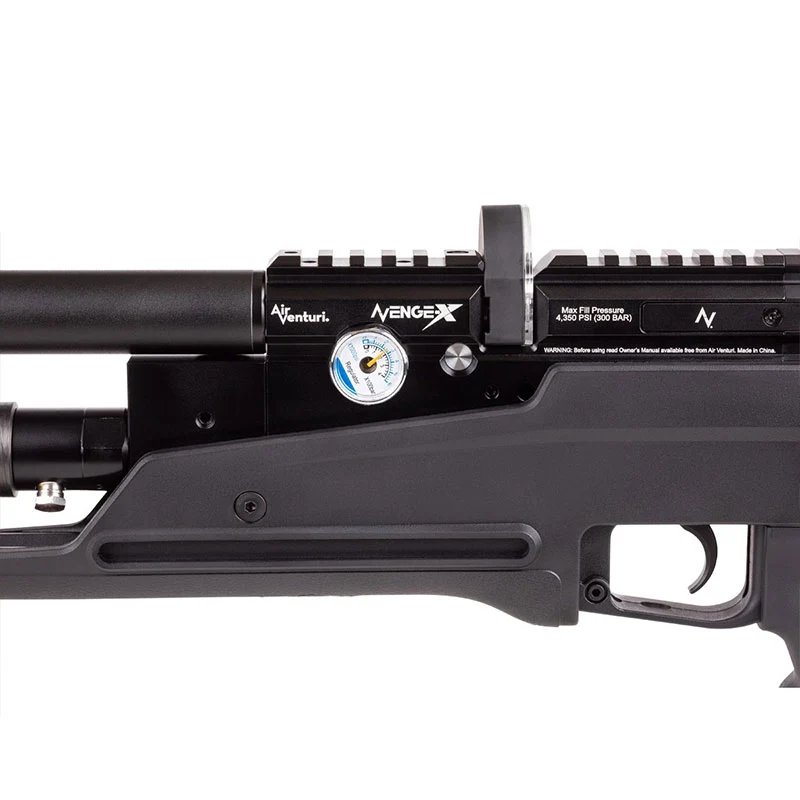
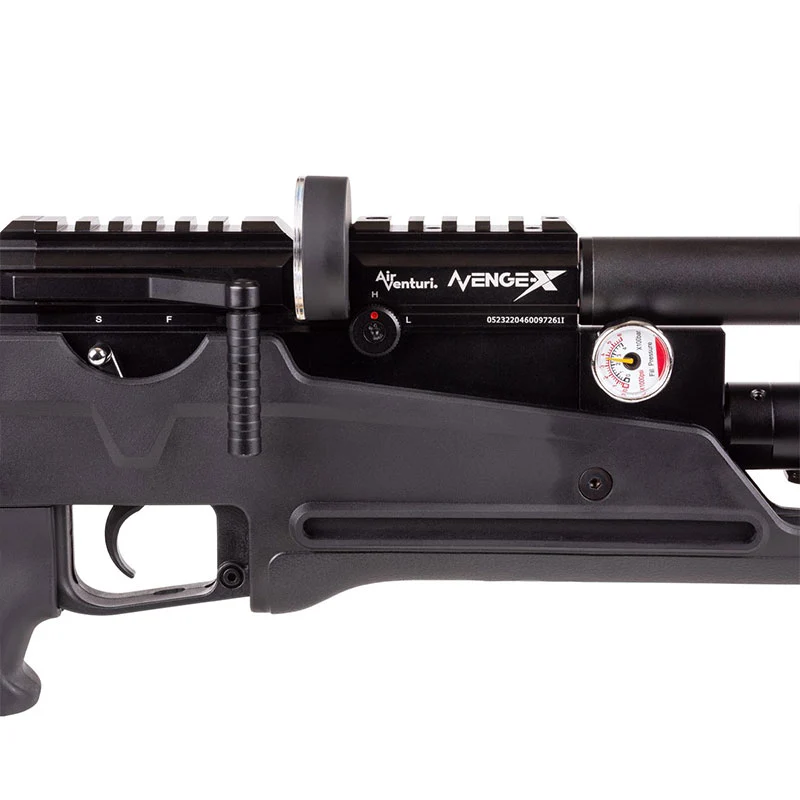
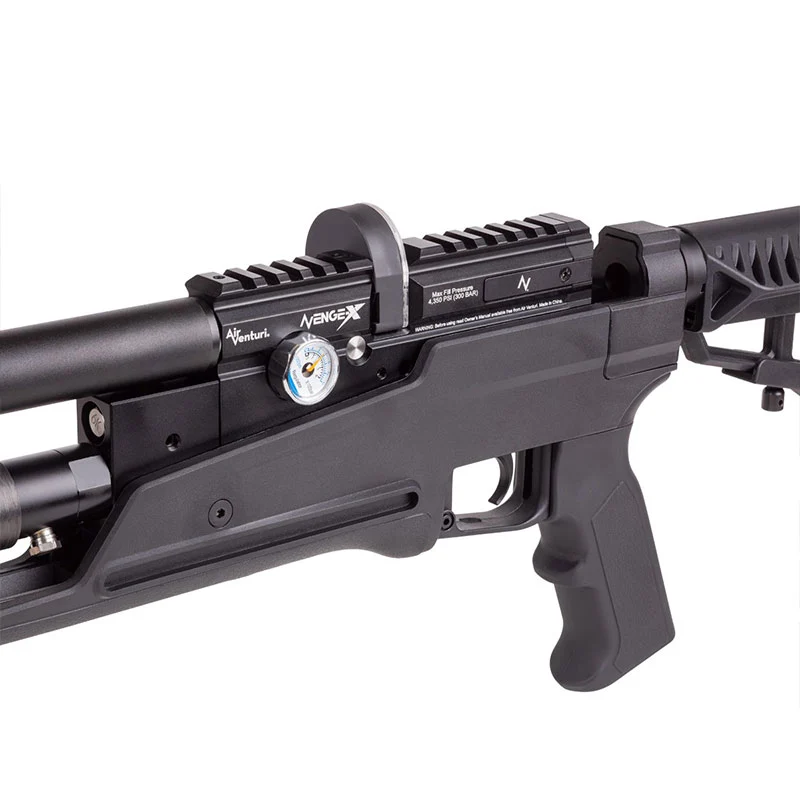
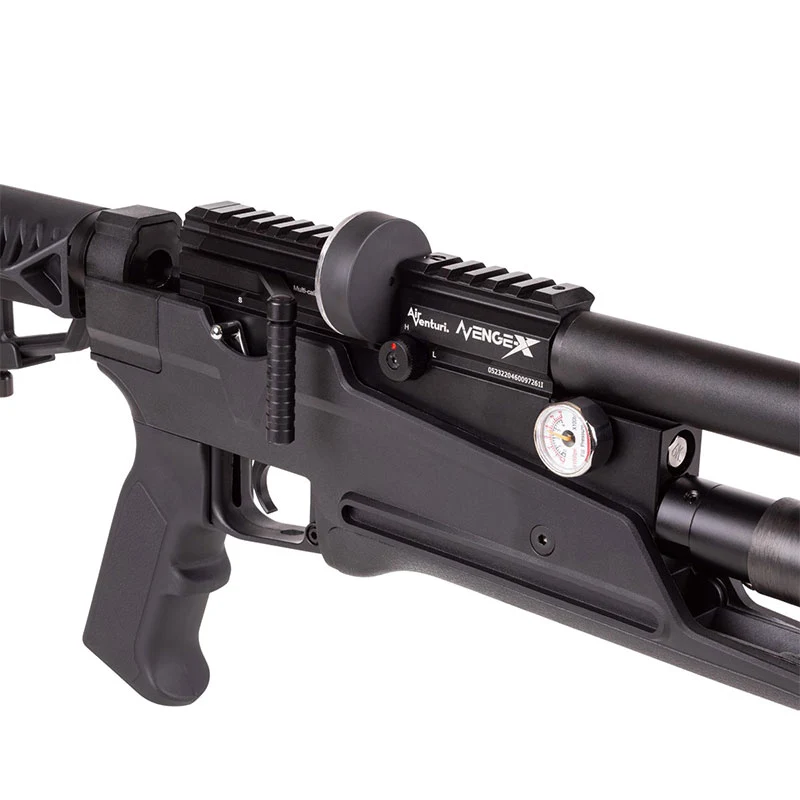
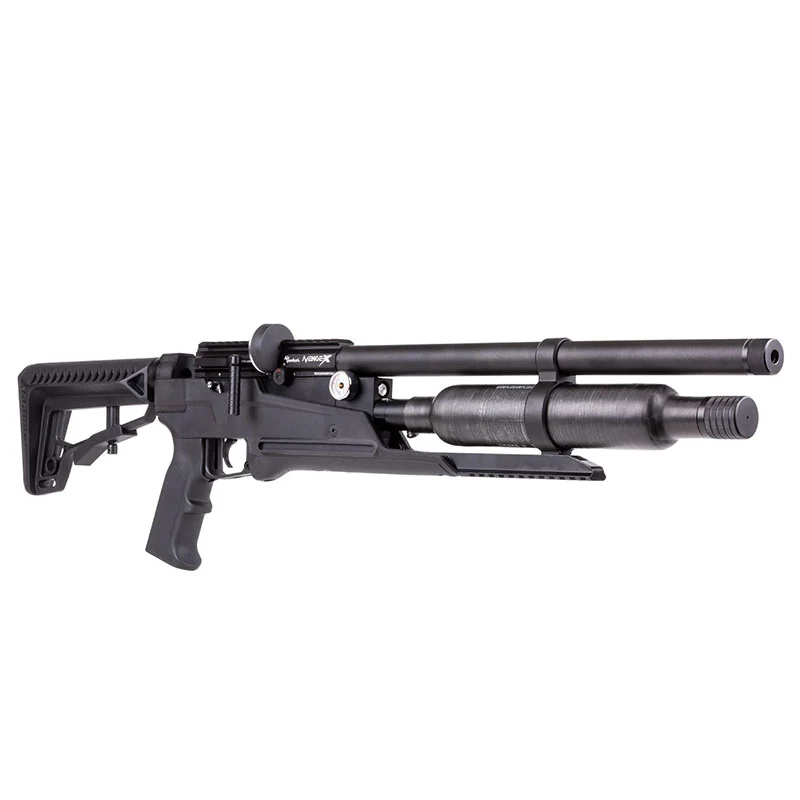
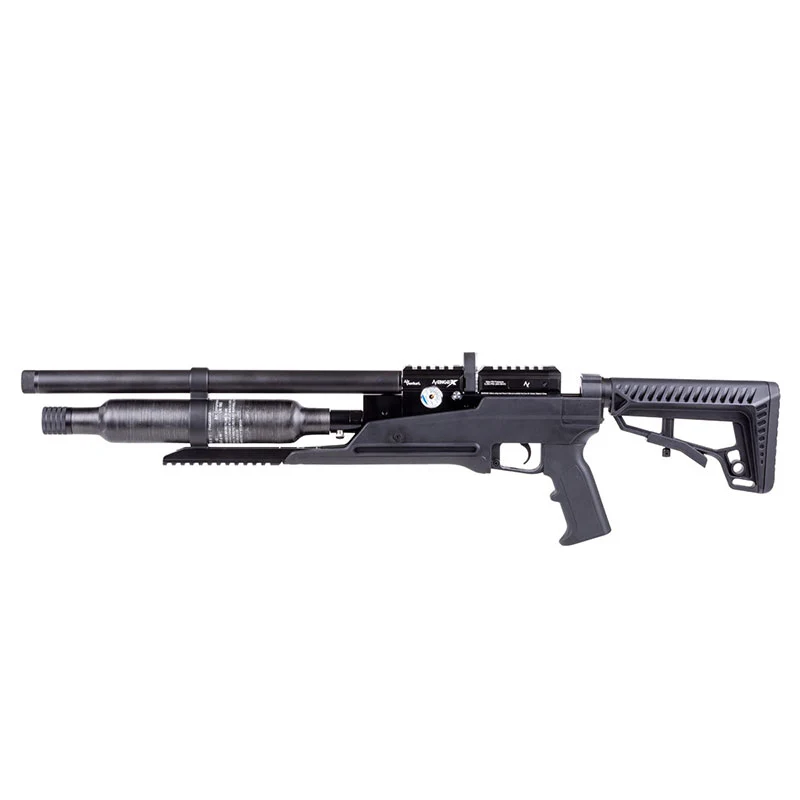
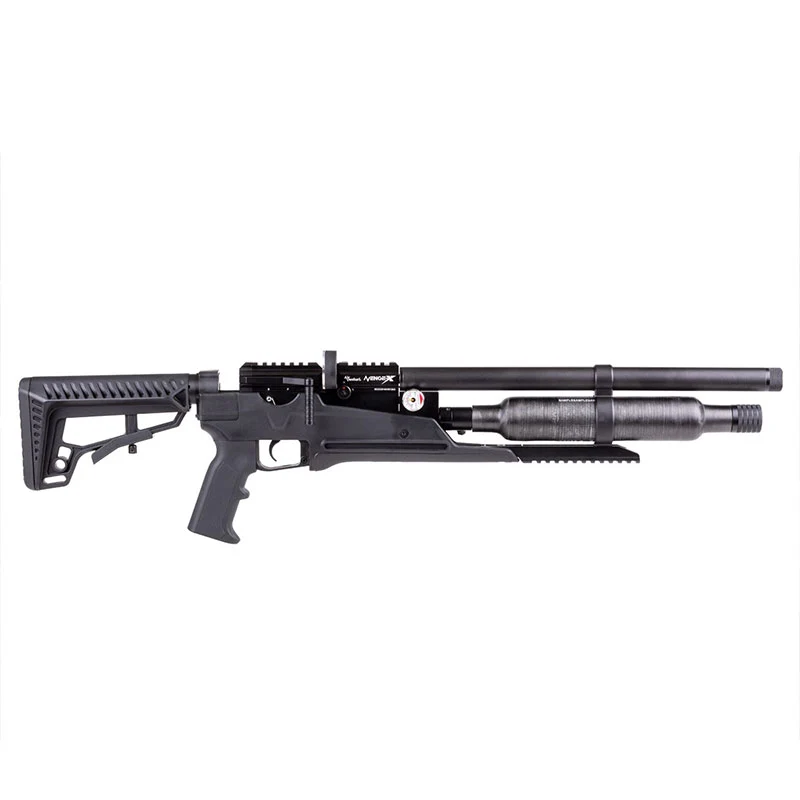
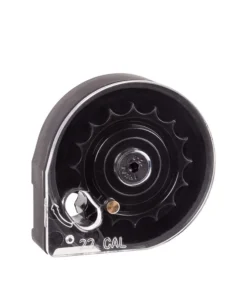
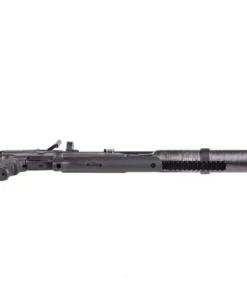
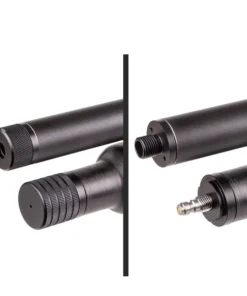
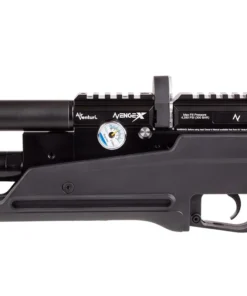
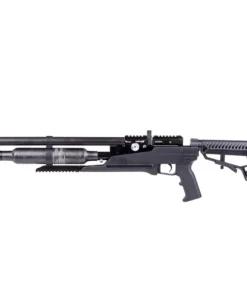
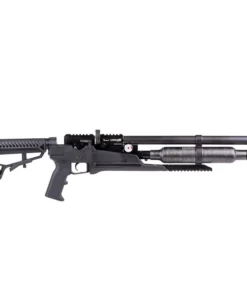
Avenge-X Tactical Carbine PCP Air Rifle, Synthetic Stock
Price range: $300.00 through $500.00
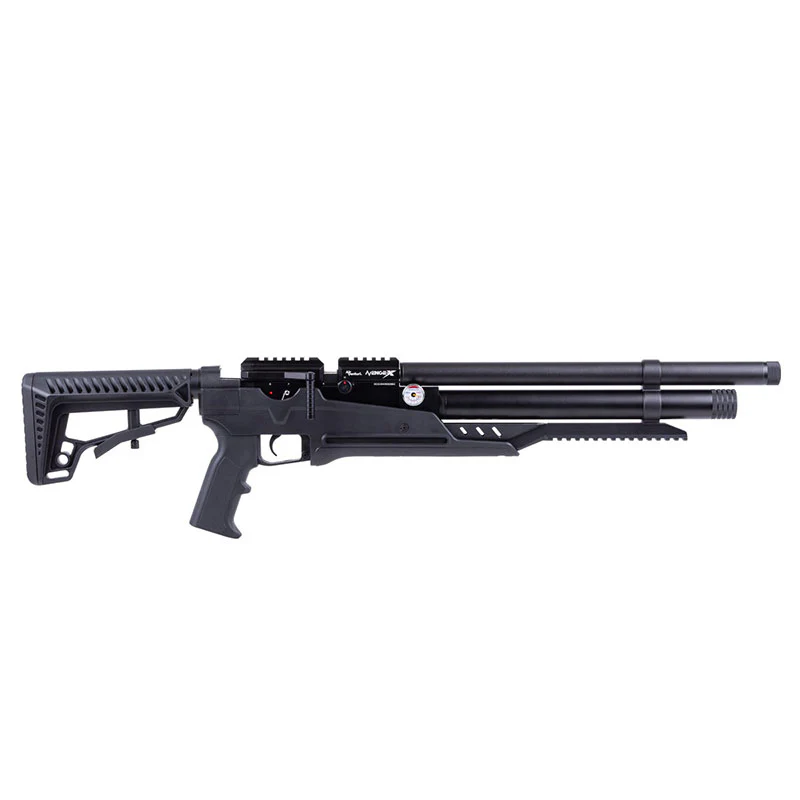
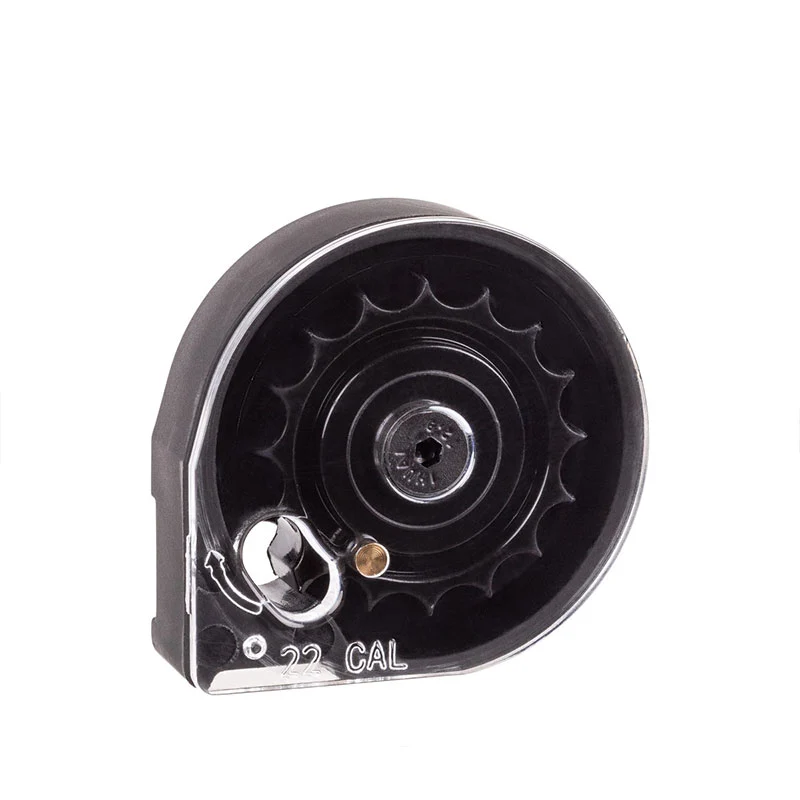
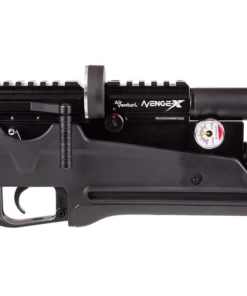
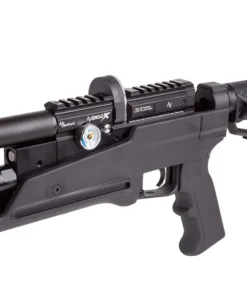
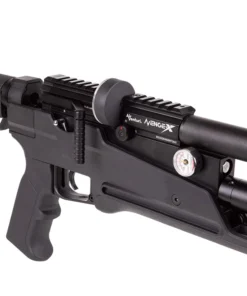
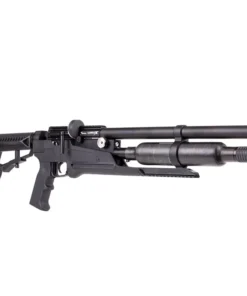
The Air Venturi Avenge-X Tactical Carbine is a compact, lightweight PCP air rifle that delivers high performance and modular versatility, featuring caliber change kits, adjustable stock options, and externally adjustable settings for power and precision. With its easy handling, customizable AR-style features, and robust shot count, it offers shooters a budget-friendly solution adaptable to a wide range of shooting needs.
Avenge-X Tactical Carbine PCP Air Rifle, Synthetic Stock | Compact Precision, Adjustable Power & Tactical Performance
Avenge-X Tactical Carbine Performance, Precision, Features, and Buyer Overview
Why Choose the Avenge-X Tactical Carbine?
The main reason to choose this compact rifle is its combination of portability, user-adjustable performance, and modular engineering. Although buyers may also search for Air Venturi Alpha, Air Venturi Alpha PCP Rifle, or Air Venturi Alpha Air Rifle, the Avenge-X Tactical Carbine belongs to a distinct modular product family. Likewise, terms such as Air Venturi Alpha Hunting Rifle, Air Venturi Alpha Tactical PCP, Air Venturi Alpha Regulated PCP, Air Venturi Alpha Multi Shot Rifle, and Air Venturi Alpha Precision Air Rifle should not be mistaken for official names of this carbine.
Instead, this model is built around a regulated precharged pneumatic action with interchangeable caliber capability. Therefore, one platform can be adapted for economical target practice, precision plinking, or more powerful lawful field use. The compact carbine measures approximately 33.25 to 36.5 inches depending on buttstock adjustment, while the tube-fed version weighs about 5.4 pounds and the bottle version approximately 5.8 pounds. Consequently, it is noticeably easier to carry and maneuver than many full-length pcp air rifles.
How Does the Adjustable PCP System Work?
Compressed air powers each shot, eliminating the spring movement associated with break-barrel designs. Before shooting, the reservoir is filled with clean, dry high-pressure air through suitable charging equipment. Owners may use an air venturi compressor, air venturi air compressor, air venturi pcp compressor, certified air venturi tank, or compatible air venturi air tank.
Portable filling solutions such as the air venturi rovair 4500 portable compressor and air venturi rovair may appeal to users who shoot away from a permanent filling station. Meanwhile, searches for ventur air compressor, air rifle compressor, and venturi air often reflect the same practical requirement: providing dependable high-pressure air for modern pcp airguns.
The externally adjustable stainless-steel regulator can be tuned up to 3,000 PSI. In addition, shooters can adjust the hammer spring and select one of two transfer-port settings. Therefore, the rifle can be tuned for projectile weight, desired velocity, air efficiency, and intended use.
How Good Is Its Precision?
Precision begins with the rifled, shrouded barrel and is supported by a predictable two-stage adjustable trigger. Furthermore, the tactical stock includes an adjustable AR-style buttstock, allowing the length of pull to be matched to the shooter’s body size, clothing, or preferred shooting position.
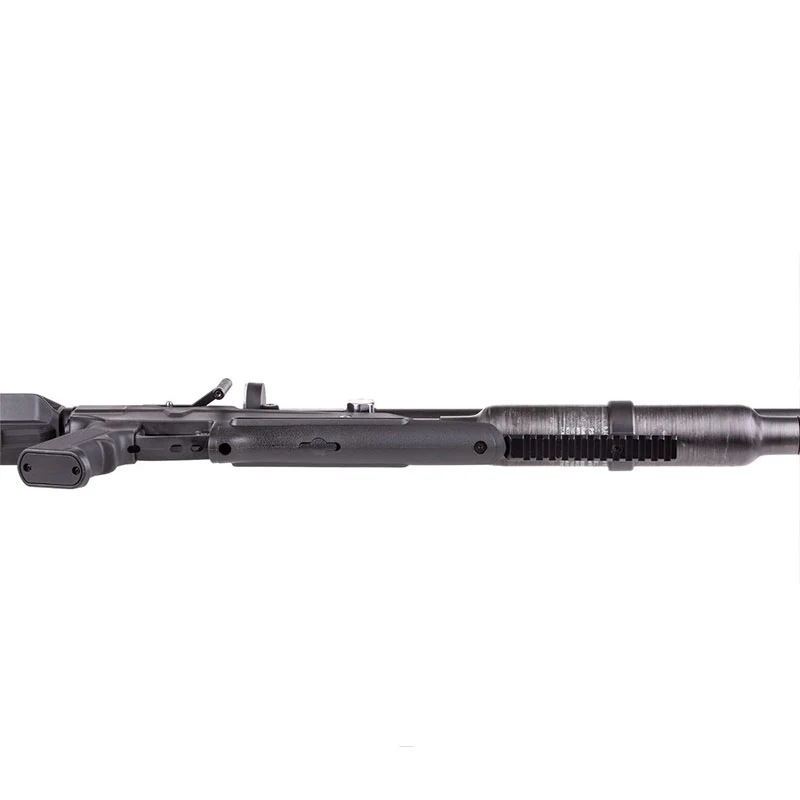
The integrated Picatinny rail accepts a broad range of optics. Therefore, users can install a suitable scope for target shooting or a compact optic for faster field handling. Because the rifle is regulated, air pressure is managed before each shot, helping produce a more consistent firing cycle across the useful portion of the fill.
However, the best accuracy will depend on projectile selection, regulator settings, hammer-spring adjustment, transfer-port position, wind, distance, and shooter technique. Testing several quality pellets remains essential because every barrel may prefer a particular weight or head size.
Where and When Should It Be Used?
The compact design makes the rifle especially practical in woodland, farm, range, and controlled backyard environments where shooting is legal and a reliable backstop is available. It can be used for recreational target shooting, precision practice, pest control, and lawful small-game hunting according to caliber, projectile, local regulations, and energy requirements.
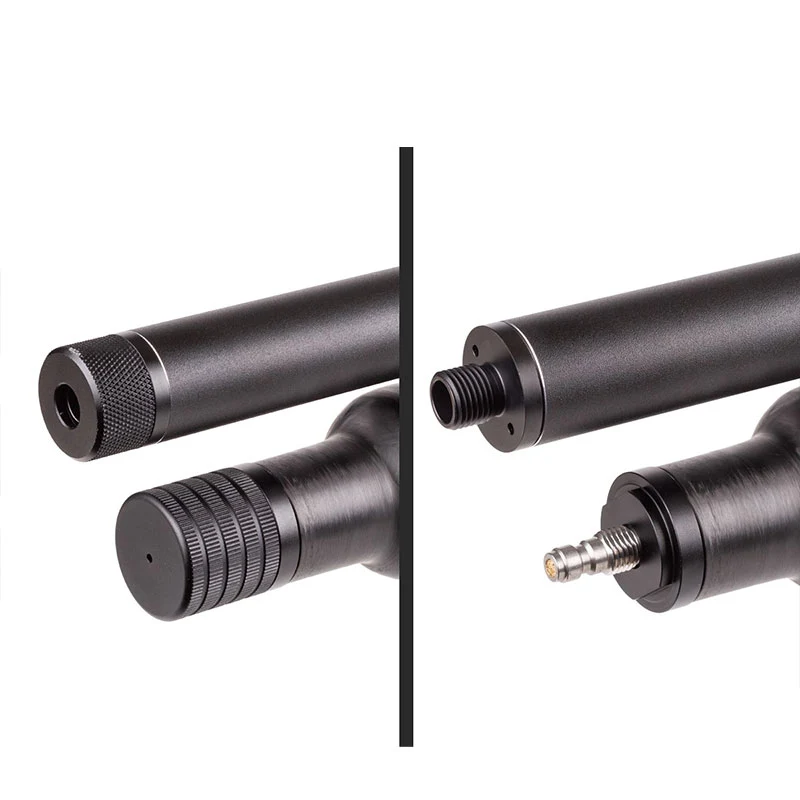
Before every session, users should confirm the rifle’s pressure, inspect the barrel and moderator threads, secure the optic, verify the zero, and check the target area. Eye protection should be worn, while hearing protection may also be appropriate depending on the environment.
Avenge-X Compared with Other Air Venturi Products
Buyers frequently compare this model with the air venturi avenger, air venturi avenger 25, air venturi avenge, and misspelled search variations such as air ventur avenge. Although the original Avenger helped establish a strong reputation for adjustable performance at an accessible avenger price, the Avenge-X platform adds greater modularity and a one-piece aluminum action. The names airventuri and air venturi refer to the manufacturer rather than a single rifle model.
Other products, including the air venturi microstrike and air venturi omnistorm, serve different sections of the air rifle and air pistol market. Likewise, the dragon claw, seneca dragon claw, 50 caliber dragon, and claw air gun belong to the larger-bore seneca air rifles category and should not be confused with this compact, pellet-firing carbine. An air bolt gun also serves a different purpose and uses specialized projectiles rather than standard pellets.
Ultimately, this carbine stands out because it combines a lightweight synthetic tactical stock, compact dimensions, multiple caliber options, adjustable power, regulated operation, and practical magazine-fed performance. For shooters who want one adaptable rifle rather than several fixed-purpose platforms, it delivers strong precision potential, convenient handling, and meaningful long-term flexibility.
Advanced Engineering, Practical Performance, and Real-World Shooting Experience
Engineered for Versatility and Long-Term Reliability
A modern pre-charged pneumatic rifle should offer much more than impressive specifications because true performance depends on how every component functions together during real-world use. This platform has been engineered to deliver dependable operation, excellent balance, and consistent accuracy while remaining comfortable throughout extended shooting sessions. As a result, both experienced shooters and dedicated enthusiasts can enjoy a rifle that performs confidently across a wide range of applications.
The overall design emphasizes durability without sacrificing handling characteristics. Every major component has been carefully integrated to create a platform that feels stable when shooting from a bench while remaining agile enough for field use. Consequently, users benefit from a rifle that adapts naturally to different environments and shooting disciplines.
Precision Begins with Consistency
Accuracy is built upon consistency rather than raw power alone. Every successful shot depends on predictable projectile flight, stable air delivery, smooth trigger control, and proper shooting fundamentals. When these factors work together, tighter groupings become much easier to achieve.
Rather than chasing maximum velocity, experienced shooters often focus on producing repeatable results. Consistent performance simplifies sight adjustments, improves confidence, and reduces unnecessary corrections during extended practice sessions. Therefore, reliable operation becomes one of the greatest advantages of a well-designed pneumatic platform.
Comfortable Handling Improves Overall Performance
Comfort directly influences practical accuracy because a rifle that fits the shooter naturally becomes easier to control. Proper balance minimizes fatigue during long practice sessions, while an ergonomic design encourages stable shooting positions regardless of the environment.
Whether shooting from a standing position, kneeling behind natural cover, sitting at the range, or using a benchrest, proper weight distribution helps maintain steady sight alignment. Consequently, shooters can concentrate on breathing, trigger control, and target focus instead of constantly adjusting their hold.
Efficient Air Management Supports Better Shooting
Compressed air serves as the driving force behind every shot, making efficient air management an essential part of overall performance. Maintaining proper operating pressure helps produce consistent projectile speeds while maximizing the number of effective shots available during each fill.
Likewise, using clean, dry compressed air protects internal components from unnecessary moisture accumulation. Regular monitoring of reservoir pressure also allows shooters to plan refills before performance begins to decline. These simple habits contribute significantly to long-term reliability.
Trigger Control Makes a Significant Difference
One of the most overlooked aspects of precision shooting is proper trigger technique. Even a highly accurate rifle cannot perform to its full potential if excessive trigger movement disturbs the sight picture immediately before firing.
Instead of pulling abruptly, experienced marksmen apply slow, even pressure while maintaining complete focus on the target. As the trigger breaks naturally, unnecessary movement is minimized, allowing the projectile to leave the barrel without disruption.
Developing this habit requires patience, yet it consistently rewards shooters with noticeably improved accuracy.
Understanding Projectile Behavior
Every projectile follows a predictable trajectory influenced by gravity, air resistance, projectile design, and environmental conditions. Although these factors cannot be eliminated, they can be understood through consistent practice and careful observation.
Learning how different projectiles perform at various distances helps shooters make informed adjustments before taking each shot. Furthermore, understanding trajectory builds confidence when engaging targets at varying ranges because holdover becomes increasingly familiar with experience.
Environmental Awareness Enhances Accuracy
Outdoor shooting introduces variables that constantly influence performance. Wind direction, wind speed, humidity, temperature, lighting conditions, and elevation all affect projectile flight to varying degrees.
Rather than relying solely on equipment, skilled shooters observe surrounding conditions before every shot. Movement in vegetation, drifting debris, and changing weather patterns often provide valuable information about wind behavior. Consequently, environmental awareness becomes an important shooting skill alongside marksmanship itself.
Routine Maintenance Preserves Performance
Reliable equipment deserves consistent maintenance. Fortunately, routine care requires relatively little effort while providing substantial long-term benefits.
External metal surfaces should remain clean and lightly protected after every shooting session. Likewise, moving components should be inspected periodically for signs of wear or looseness. Addressing minor issues early prevents unnecessary mechanical problems while preserving dependable performance throughout years of ownership.
Proper storage also contributes significantly to longevity. Keeping the rifle in a clean, dry environment minimizes corrosion while protecting internal seals and precision-machined components.
Developing Better Shooting Habits
Excellent shooting results rarely occur by accident. Instead, they develop through disciplined practice and consistent technique.
Before each shot, experienced shooters establish a stable body position, confirm a natural point of aim, regulate their breathing, and apply smooth trigger pressure without rushing the process. After firing, they maintain follow-through until the projectile has completely exited the barrel.
Repeating this routine builds muscle memory while reducing unnecessary variations between shots. Over time, confidence increases alongside measurable improvements in accuracy.
Practical Performance in the Field
Field conditions differ greatly from controlled range environments. Uneven terrain, changing weather, varying shooting angles, and unexpected obstacles all require thoughtful decision-making before every shot.
Successful shooters evaluate each situation carefully rather than relying on speed alone. They verify safe backstops, identify the intended target completely, estimate distance accurately, and account for environmental influences before proceeding. This disciplined approach improves both safety and shooting success.
Long-Term Ownership Benefits
Quality engineering continues providing value long after the initial purchase. Durable construction, dependable mechanical operation, and thoughtful design reduce maintenance demands while supporting years of reliable performance.
As familiarity grows, owners gain a deeper understanding of the rifle’s capabilities and handling characteristics. This experience allows increasingly consistent results during recreational shooting, precision target practice, and lawful field applications.
Ultimately, long-term satisfaction comes from combining quality equipment with responsible ownership, regular maintenance, continuous practice, and disciplined shooting techniques. When these elements work together, the rifle delivers dependable performance that experienced shooters can appreciate season after season.
Complete Ownership Guide, Practical Advantages, Maintenance, Safety, and Long-Term Performance
Built for Years of Dependable Shooting
A high-quality pneumatic rifle is designed to provide dependable performance over many years when it receives proper care and regular maintenance. Beyond its mechanical capabilities, long-term reliability comes from the combination of quality manufacturing, responsible handling, and consistent maintenance routines. As a result, owners can expect dependable operation whether they enjoy occasional weekend shooting or frequent practice throughout the year.
Every shooting session contributes to the overall ownership experience. The more familiar a shooter becomes with the rifle, the easier it becomes to understand its handling characteristics, preferred ammunition, and overall performance. Consequently, confidence naturally increases with continued use and experience.
Why Proper Preparation Matters
Preparation plays an important role in achieving reliable results before every shooting session. A careful inspection helps identify loose components, low reservoir pressure, damaged seals, or other issues that could affect performance. Spending only a few minutes checking the rifle before use often prevents unnecessary interruptions later.
Likewise, confirming that all accessories remain securely mounted provides additional confidence throughout the shooting session. Stable equipment allows the shooter to focus entirely on accuracy rather than equipment adjustments.
Developing Consistent Shooting Techniques
Consistency is one of the greatest contributors to precision. Rather than rushing through multiple shots, experienced shooters establish a repeatable routine that remains the same every time they prepare to fire.
Proper body positioning creates a stable shooting platform. Controlled breathing minimizes unwanted movement before the trigger breaks. Gentle trigger pressure prevents unnecessary disturbance of the sight picture, while proper follow-through maintains stability until the projectile completely exits the barrel.
These habits require practice, yet they consistently produce measurable improvements in overall accuracy.
Understanding Effective Range
Every air rifle performs best within its practical operating range. Understanding this range allows shooters to make responsible decisions while maintaining excellent accuracy.
Instead of attempting extremely long shots beyond personal ability, experienced shooters gradually increase distance through regular practice. This method builds confidence while improving trajectory knowledge and holdover estimation.
Furthermore, learning how environmental conditions influence projectile flight at different distances helps produce more predictable results during future shooting sessions.
Reading Outdoor Conditions
Outdoor environments constantly change throughout the day. Wind, humidity, temperature, atmospheric pressure, and lighting conditions all influence shooting performance.
Rather than ignoring these variables, skilled shooters learn to recognize their effects before taking each shot. Observing moving grass, tree branches, drifting leaves, or airborne dust often provides valuable information regarding wind direction and intensity.
As environmental awareness improves, shot placement becomes increasingly consistent under changing field conditions.
The Importance of Proper Maintenance
Routine maintenance remains one of the simplest ways to preserve long-term performance. After each shooting session, external surfaces should be cleaned to remove fingerprints, dust, moisture, and other contaminants that could eventually affect the finish.
Moving components should also be inspected periodically to ensure smooth operation. Tightening loose hardware before it becomes problematic helps maintain dependable performance throughout years of ownership.
Likewise, keeping the barrel reasonably clean supports consistent accuracy without excessive maintenance that could unnecessarily increase wear.
Proper Storage Protects Your Investment
Storage conditions directly influence long-term reliability. A clean, dry environment helps prevent corrosion while protecting seals, internal mechanisms, and external finishes from unnecessary deterioration.
When transporting the rifle, a protective case reduces the possibility of accidental impacts or cosmetic damage. Avoiding excessive humidity and sudden temperature changes further contributes to preserving the rifle’s mechanical integrity.
Responsible storage not only protects the equipment but also improves safety whenever the rifle is not actively being used.
Maximizing Mechanical Longevity
Mechanical longevity depends largely upon preventative care rather than corrective repairs. Small inspections performed regularly often reveal minor issues before they develop into significant mechanical problems.
Checking fasteners, inspecting seals, monitoring pressure retention, and maintaining clean operating conditions all contribute to reliable long-term performance. These simple maintenance habits require very little effort while greatly extending service life.
Improving Accuracy Through Practice
Practice remains the single most effective method for improving shooting performance. Every range session provides valuable opportunities to refine breathing techniques, trigger control, body positioning, and target acquisition.
Rather than measuring progress solely by group size, experienced shooters evaluate consistency from one session to the next. Maintaining detailed shooting notes often helps identify gradual improvements while highlighting areas that still require additional practice.
Over time, disciplined repetition transforms good shooting habits into automatic responses.
Responsible Shooting Practices
Responsible ownership extends beyond equipment maintenance. Every shooting session should begin with a complete assessment of the surrounding area to ensure that no people, animals, or valuable property are at risk.
A secure backstop remains essential regardless of shooting distance. Likewise, every target should be positively identified before preparing to fire. Safe muzzle discipline should always be maintained, while the trigger should remain untouched until the sights are aligned on the intended target.
These fundamental safety practices protect both the shooter and everyone nearby.
Adapting to Different Shooting Applications
Different shooting situations require different approaches. Benchrest shooting emphasizes maximum stability and precision, while standing positions demand greater balance and body control.
Outdoor practice often introduces changing weather conditions, uneven terrain, and varying target distances. Consequently, adaptable shooting skills become increasingly valuable as experience grows.
Learning multiple shooting positions allows the rifle to be used effectively across a wider variety of recreational and practical applications.
Confidence Through Experience
Experience builds confidence in ways that specifications alone never can. Every successful shooting session improves familiarity with equipment behavior, environmental conditions, and personal shooting technique.
As confidence increases, decision-making becomes more deliberate and controlled. Shooters learn to recognize favorable conditions, identify potential challenges, and make thoughtful adjustments before every shot.
This gradual development creates a rewarding ownership experience that continues long after the initial purchase.
Long-Term Value Beyond Performance
The true value of a quality air rifle extends well beyond its initial specifications. Reliable engineering, durable construction, practical ergonomics, and dependable operation continue providing benefits throughout many years of ownership.
Regular maintenance, disciplined practice, responsible handling, and continuous learning allow owners to experience the full potential of their equipment while preserving its performance for the future. Ultimately, long-term satisfaction comes from combining quality craftsmanship with consistent care, thoughtful preparation, and responsible shooting habits that remain effective throughout a lifetime of recreational and precision shooting.
Advanced Shooting Techniques, Performance Optimization, and Complete Ownership Experience
Mastering Precision Through Proper Technique
Precision is achieved through disciplined technique rather than equipment alone. While a well-engineered rifle provides an excellent foundation, the shooter ultimately determines how consistently each shot reaches its intended point of impact. Developing proper habits requires patience, regular practice, and careful observation, yet these efforts produce noticeable improvements over time.
Successful shooters focus on building a repeatable routine before every shot. Consistency in body position, breathing, sight alignment, trigger control, and follow-through minimizes unnecessary variables that could influence accuracy. As these techniques become second nature, overall confidence increases regardless of the shooting environment.
Establishing a Stable Shooting Position
A stable shooting position creates the foundation for accurate shooting. Every movement introduced before the trigger breaks has the potential to shift the point of impact, making body stability an essential component of precision.
Standing positions offer maximum mobility but require excellent balance and muscle control. Kneeling positions provide additional support while remaining adaptable in outdoor environments. Sitting positions often improve comfort during extended shooting sessions, whereas prone positions deliver exceptional stability whenever terrain allows.
Learning each position enables shooters to adapt effectively to changing situations while maintaining consistent control.
Breathing Control and Shot Timing
Breathing naturally causes slight body movement, which can influence accuracy during precision shooting. Rather than attempting to hold the breath for extended periods, experienced shooters coordinate trigger release during a natural respiratory pause.
This brief moment of stability reduces unnecessary movement without creating physical tension. Combined with proper trigger control, controlled breathing contributes significantly to consistent shot placement.
Regular practice allows this timing to become automatic, improving performance under both relaxed and demanding shooting conditions.
Developing Excellent Trigger Discipline
Trigger control remains one of the most valuable shooting skills. A smooth, deliberate trigger press allows the rifle to remain stable until the projectile exits the barrel.
Abrupt trigger movement often causes unwanted disturbance of the sight picture immediately before firing. Conversely, gradual and controlled pressure minimizes movement while preserving proper alignment throughout the firing sequence.
Patience during trigger release consistently produces better results than attempting to fire quickly.
Understanding External Ballistics
Projectile flight continues changing after leaving the barrel. Gravity gradually lowers the trajectory, while air resistance reduces forward velocity throughout the projectile’s flight path.
Environmental conditions further influence performance. Wind direction, humidity, temperature, elevation, and atmospheric pressure all contribute to subtle changes that experienced shooters learn to recognize over time.
Developing an understanding of these external influences allows more accurate adjustments before each shot, particularly at extended distances.
Reading Wind More Effectively
Wind estimation becomes increasingly important as shooting distances increase. Even relatively light crosswinds may produce noticeable changes in projectile impact, especially when engaging smaller targets.
Rather than relying solely on weather forecasts, skilled shooters observe natural indicators surrounding the shooting area. Grass movement, tree branches, drifting leaves, airborne dust, and lightweight vegetation often reveal valuable information regarding wind direction and intensity.
Learning to interpret these indicators improves practical field performance while reducing unnecessary corrections.
Building Confidence Through Repetition
Confidence develops through successful repetition rather than isolated achievements. Every carefully executed shooting session reinforces proper technique while strengthening muscle memory.
Instead of focusing only on immediate results, experienced shooters evaluate long-term progress. Small improvements accumulated over dozens of practice sessions often produce significant increases in overall consistency.
Maintaining realistic expectations encourages continuous improvement without creating unnecessary frustration.
Maintaining Reliable Equipment Performance
Mechanical reliability depends upon consistent care throughout the rifle’s service life. Routine inspections identify loose hardware, worn components, or minor maintenance needs before they develop into more significant issues.
Cleaning external surfaces after use protects finishes while reducing corrosion caused by moisture and fingerprints. Likewise, storing the rifle under appropriate environmental conditions helps preserve seals, moving components, and precision-machined surfaces.
Preventative maintenance remains one of the most effective methods of ensuring dependable long-term operation.
Proper Storage and Transportation pcp air rifles
Safe storage protects both the equipment and those around it. When not actively in use, the rifle should remain unloaded and securely stored where unauthorized individuals cannot access it.
Protective cases minimize accidental impacts during transportation while shielding external surfaces from scratches and environmental exposure. Additionally, avoiding excessive humidity and prolonged exposure to extreme temperatures contributes to preserving mechanical integrity over many years.
Responsible transportation practices also reduce unnecessary wear during travel to and from shooting locations.
Continuous Skill Development
Experienced shooters recognize that learning never truly ends. Every range session provides opportunities to improve trigger control, breathing technique, positional stability, environmental awareness, and overall decision-making.
Keeping detailed records of shooting distances, environmental conditions, group sizes, and equipment adjustments allows gradual progress to be measured objectively. These observations become valuable references that guide future practice while helping identify areas requiring additional attention.
Continuous learning transforms ordinary practice into meaningful long-term improvement.
Responsible Decision-Making in the Field
Every shooting opportunity requires careful evaluation before proceeding. Target identification should always be confirmed completely, while surrounding areas must remain free from potential hazards.
A secure backstop remains essential regardless of target distance. Likewise, environmental conditions should always be considered before taking any shot. Choosing not to shoot when conditions become unfavorable often reflects sound judgment rather than hesitation.
Responsible decision-making supports both safety and ethical shooting practices.
Long-Term Ownership Satisfaction
The most rewarding ownership experiences result from combining quality equipment with responsible care and disciplined practice. Familiarity with the rifle grows naturally over time, allowing owners to understand its handling characteristics, preferred ammunition, and practical capabilities more thoroughly.
This growing experience builds confidence while reducing unnecessary adjustments during future shooting sessions. As skills continue developing, the rifle becomes increasingly enjoyable to operate across a wide variety of recreational and precision shooting activities.
Ultimately, long-term satisfaction comes from consistent maintenance, thoughtful preparation, regular practice, and responsible ownership. When these principles are followed, the rifle continues delivering dependable performance, excellent accuracy, and enjoyable shooting experiences for many years to come.
Be the first to review “Avenge-X Tactical Carbine PCP Air Rifle, Synthetic Stock”
Related products
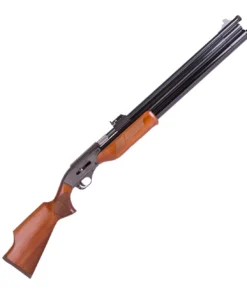
Seneca Air Rifles
Seneca Air Rifles
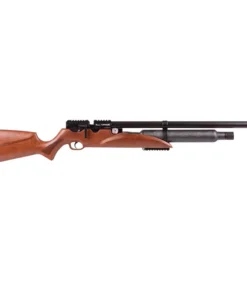
Seneca Air Rifles
Reviews
There are no reviews yet.