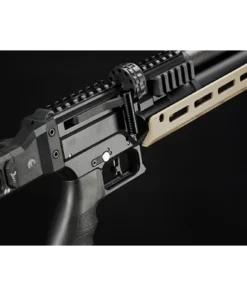
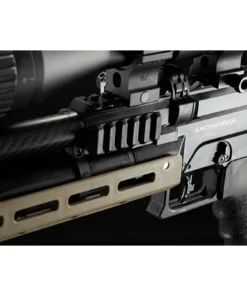
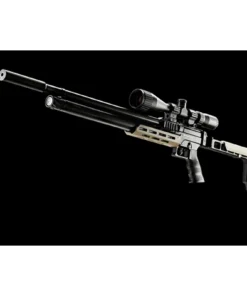
Snowpeak AP1000
$300.00
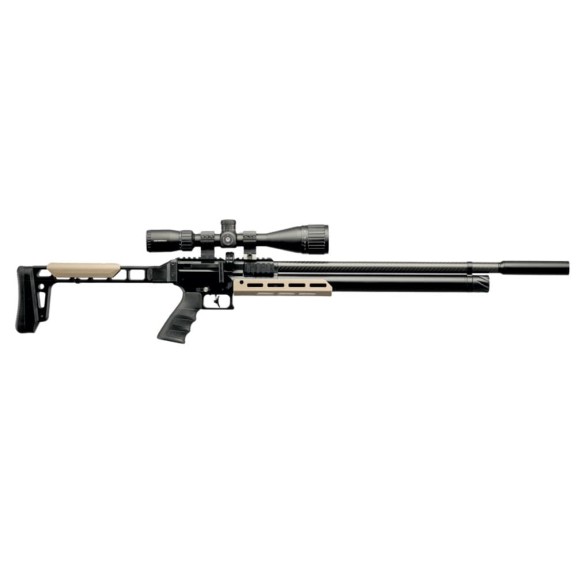
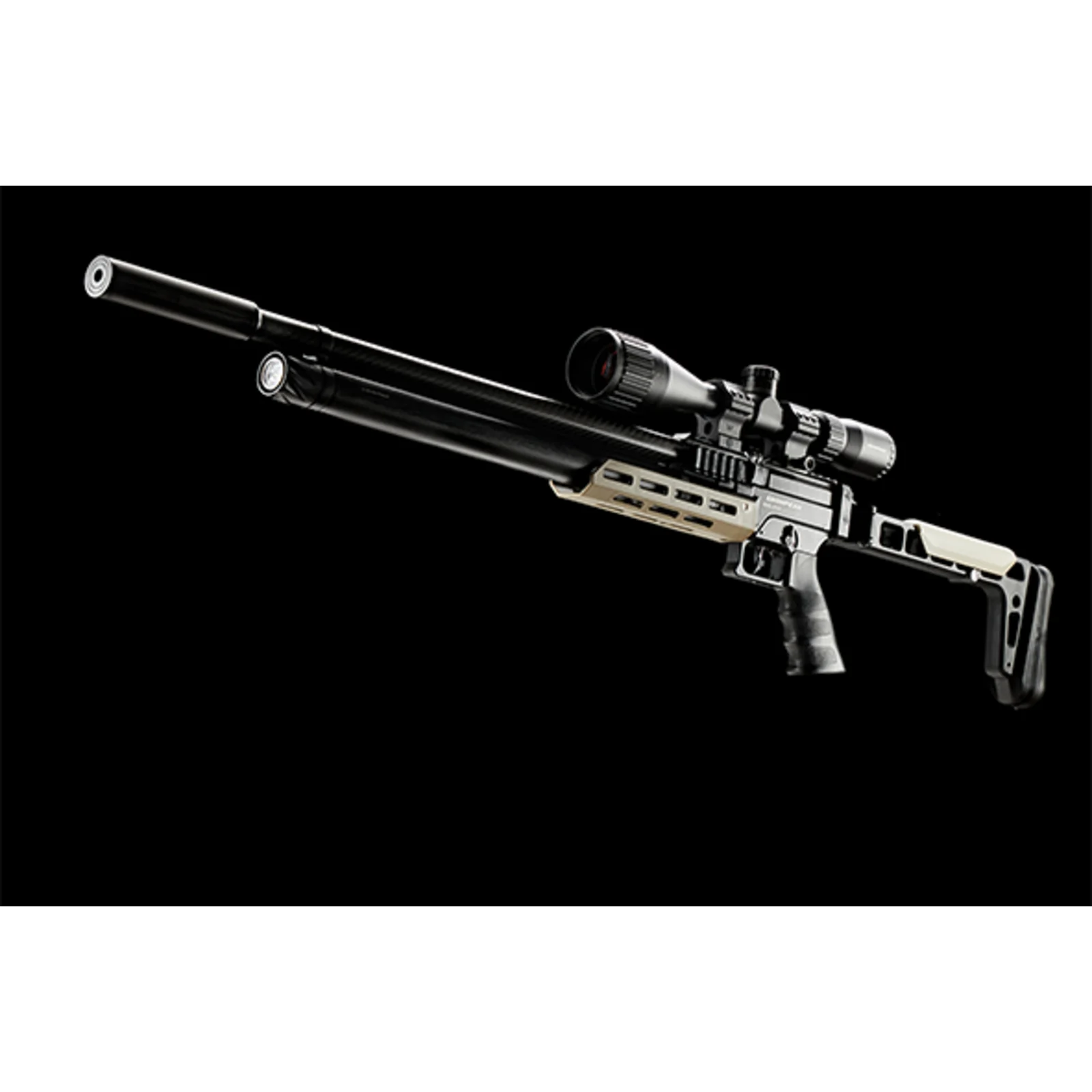
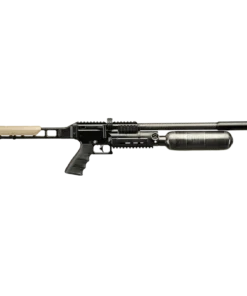
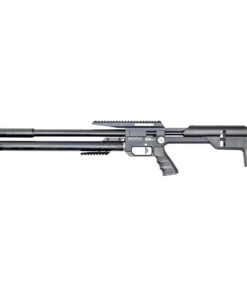
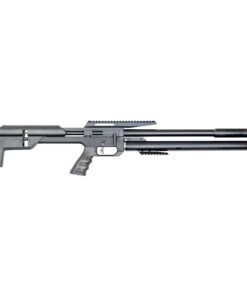
The Snowpeak Mercury (previously announced as the AP900/AP100) is a PCP air rifle that excels in versatility.
This version, featuring a 500mm barrel and a 250cc air reservoir, offers optimal power and performance potential.
The folding stock allows the overall length to be reduced from 945mm to just 725mm, making transport and storage significantly easier.
With a weight of approximately 2.15 kg, this carbine combines easy handling with a robust construction.
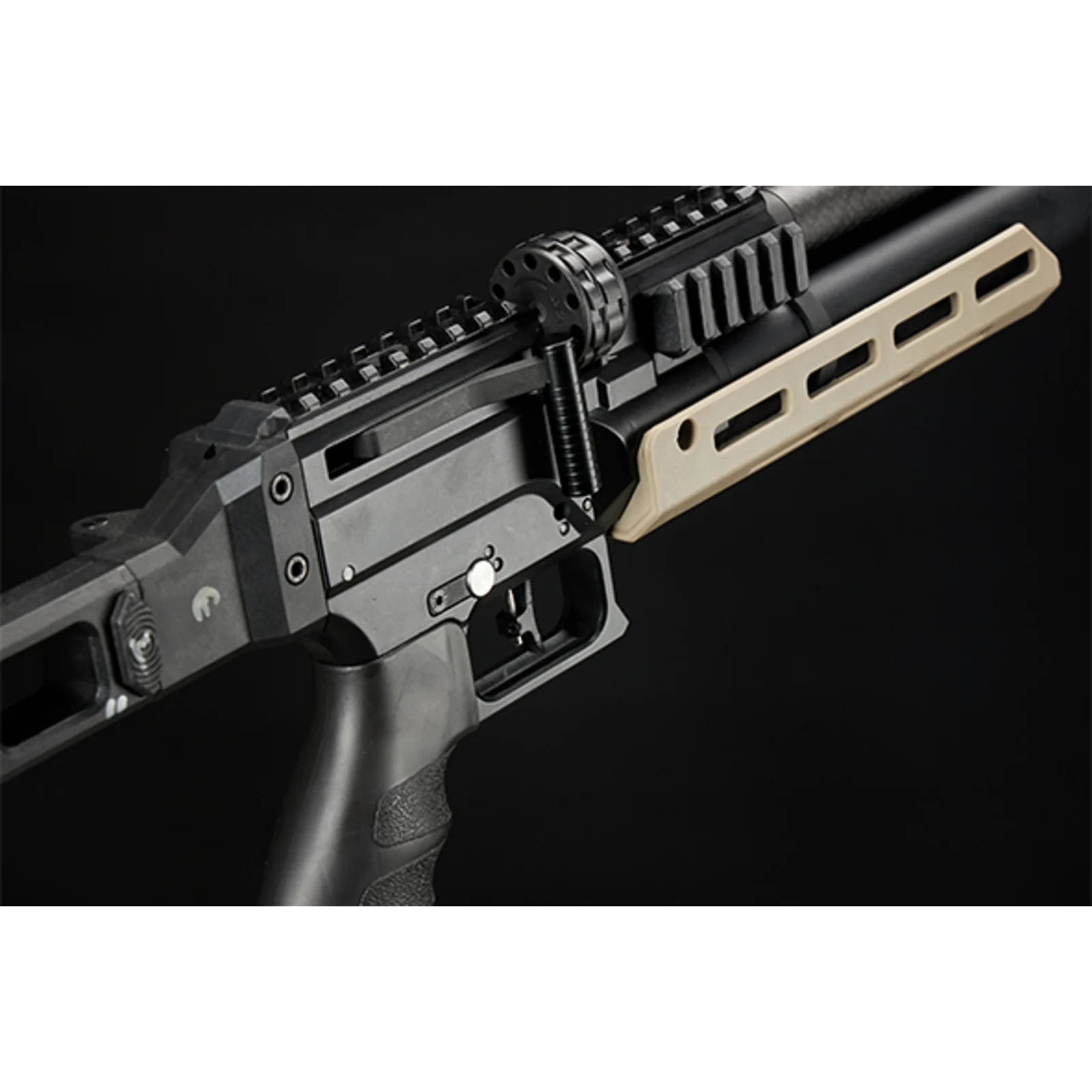
The trigger is adjustable to suit personal preference, and the manual safety contributes to controlled and secure operation.
Thanks to its built-in regulator, the Mercury delivers consistent pressure with every shot, resulting in excellent accuracy.
Accessories
The Mercury can be easily expanded with accessories and optics thanks to its modular design.
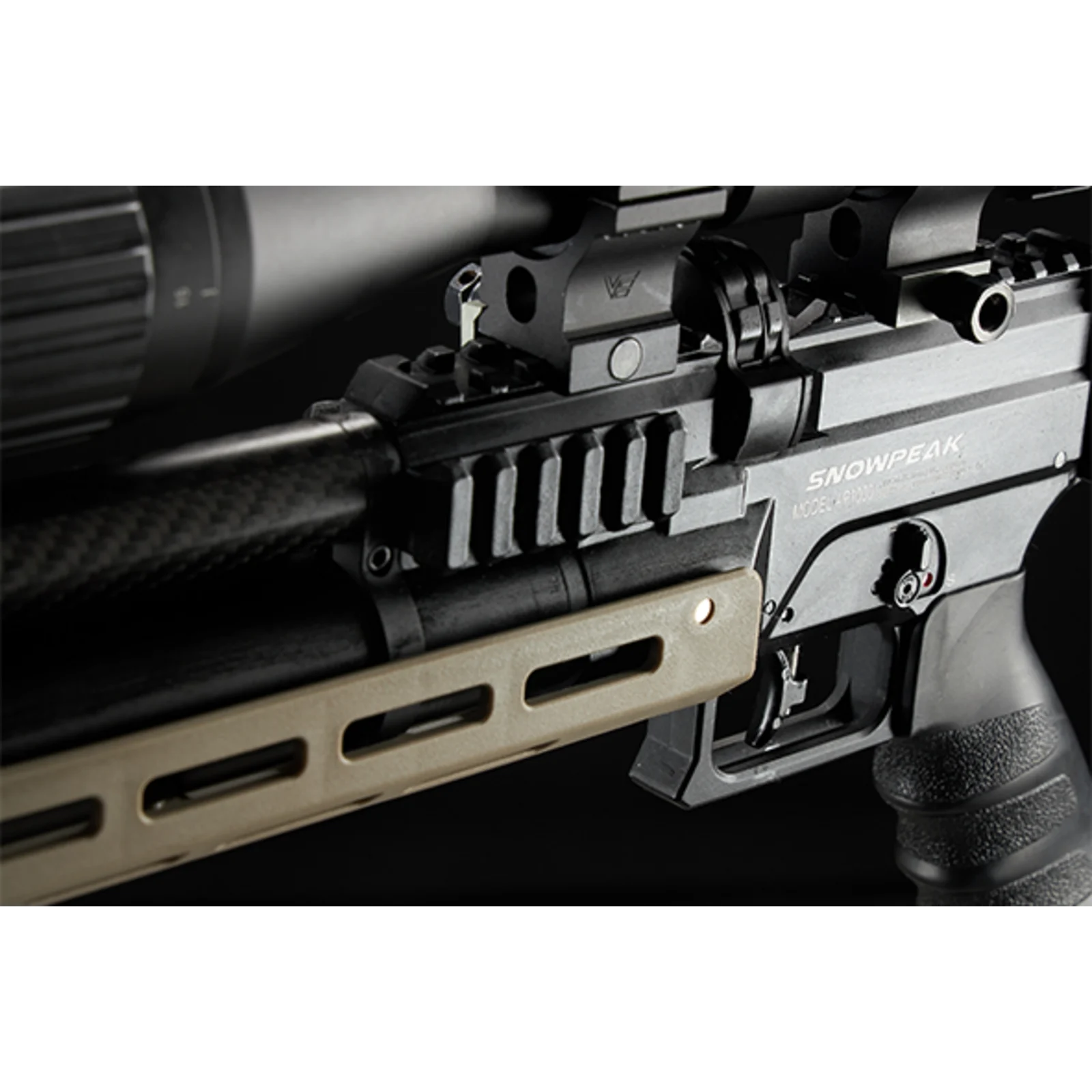
A Picatinny/Weaver rail on top allows for mounting optics such as a good scope.
The forend features M-LOK slots on the bottom and sides for attaching bipods, lights, lasers, or grips.
The stock is mounted on a Picatinny/1913 rail, allowing it to be swapped for other stocks that use the same mounting system.
A suppressor is fitted to the barrel, and the Mercury accepts any suppressor with a 1/2×20 UNF thread.
Filling the Mercury
The Mercury is supplied with a fill probe compatible with a female Foster quick‑connect coupling (not included).
This PCP air rifle can be filled up to 250 bar using a high‑pressure air tank or compressor.
| Power source: | Pre compressed pneumatic (PCP) |
| Caliber: | 5.5mm (.22) | 6.35 (.25) |
| Muzzle energy: | 40 | 55 joule |
| Fill pressure: | 250 bar |
| Air capacity: | |
| Regulator: | Yes |
| Operating system: | Sidelever |
| Magazine: | 10 | 8 shots |
| Max. projectile length: | 10.9mm |
| Optic mounting: | Picatinny/weaver |
| Weight: | 2.15kg |
| Length: | 945mm |
| Barrel length: | 500mm |
| Muzzle: | 1/2×20 UNF threaded |
| Accessories: | 2x magazine, fill probe (foster) |
Snowpeak AP1000 – Technical PCP Air Rifle
Snowpeak AP1000 Engineering, PCP Architecture, Precision, and Related Snowpeak Platforms
Snowpeak Airguns
snowpeak airguns covers a broad range of pneumatic pistols, carbines, bullpups, and full-size rifles. Specifications should therefore always remain tied to the exact model.
Snowpeak Sports
snowpeak sports is the manufacturer’s official product platform, where the AP1000 is currently listed as a full-size carbine with a 500 mm barrel and multiple air-capacity configurations.
Snowpeak AP900
The snowpeak ap900 is the shorter sibling of the AP1000. It uses a 310 mm barrel, weighs approximately 1.6 kg, and is specifically described by Snowpeak as having the AP1000 available as an extended version.
AP900B PCP Air Rifle
The ap900b pcp air rifle follows the same compact concept but uses a different body configuration and heavier listed weight. It should not be treated as an AP1000 specification.
PCP Pellet Rifle
The AP1000 belongs to the broader pcp pellet rifle category because compressed air stored before operation provides the propulsion energy.
What Is a PCP Airgun?
For what is a pcp airgun, PCP means pre-charged pneumatic. Compressed air is stored in an onboard reservoir and released through the internal valve system during operation.
AP1000 Caliber Options
Snowpeak lists 4.5, 5.5, and 6.35 mm configurations, corresponding broadly to .177, .22, and .25 caliber. Manufacturer-rated maximum velocities are approximately 1000, 950, and 850 fps respectively.
500 mm Barrel
The 500 mm barrel is one of the defining differences between this platform and the shorter member of the same family. A longer barrel changes the overall dimensions and contributes to the full-size carbine configuration.
Folding Stock Architecture
Snowpeak lists approximately 945 mm total length and about 725 mm folded length in its product characteristics, making the folding arrangement an important part of the platform’s compact-storage design.
Snowpeak PP20
The snowpeak pp20 and snow peak pp20 refer to a compact pneumatic pistol family rather than this full-size carbine.
Snowpeak PP750
The snowpeak pp750, pp750, and snow peak pp750 terms describe another compact PCP platform. Its pistol/carbine dimensions and mechanical layout should remain separate from AP1000 specifications.
Snowpeak PP750L PCP Air Pistol
The Snowpeak PP750L PCP Air Pistol is another compact pneumatic platform and should not be confused with the longer AP1000 rifle.
Snowpeak PP750L
Likewise, Snowpeak PP750L belongs to the compact pistol/carbine segment of the manufacturer’s catalog.
Snowpeak Air Pistol
The phrase Snowpeak Air Pistol describes a different form factor from the AP1000 rifle.
PCP Pistol
A PCP Pistol uses the same general compressed-air principle but differs significantly in barrel length, overall dimensions, ergonomics, and reservoir layout.
Airgun Pistol
An Airgun Pistol is a broader category that may include PCP, CO₂, and other propulsion systems.
High Power PCP Air Pistol
The phrase High power PCP air pistol should not be used to describe the AP1000 because it is a carbine-format rifle rather than a pistol.
Snowpeak PP750L PCP Air Pistol for Sale
The phrase Snowpeak PP750L PCP Air Pistol for sale relates to another model and should remain separate from AP1000 technical content.
Snowpeak P35
The snowpeak p35, p35, and pcp p 35 terms identify another Snowpeak rifle family with a different bullpup-oriented configuration.
Snowpeak P35X
The snowpeak p35x, p35x, and p35x pcp terms refer to another model family and should not be substituted for AP1000 specifications.
Snowpeak P35 vs P35X
The phrase snowpeak p35 vs p35x concerns comparison within that family rather than the AP1000.
Snowpeak M25
The snowpeak m25 uses a larger conventional rifle architecture. Snowpeak lists it in calibers up to 9 mm, with a 550 mm barrel and 245 cc air capacity.
M25 Rifle
The phrase m25 rifle therefore belongs to another platform.
M25 Weapon
The search term m25 weapon may appear online, although model-specific technical terminology provides greater accuracy.
Snowpeak M60
The snowpeak m60 belongs to another rifle family and should not be used interchangeably with the AP1000.
Snowpeak M60B
The snowpeak m60b is another separate pneumatic configuration.
How Much Did the M60 Weigh?
The phrase how much did the m60 weigh is ambiguous because several unrelated products use the M60 designation. Exact manufacturer context is necessary.
M50 Rifle
Likewise, m50 rifle can refer to unrelated equipment and should not be presented as AP1000 terminology.
Snowpeak Max
The term snowpeak max generally refers to another Snowpeak family rather than the AP1000.
Snowpeak Max 1 Price
The phrase snowpeak max 1 price concerns a different model. Snowpeak’s MAX 1 uses a 550 cc air system, 700 mm barrel, 30 MPa fill specification, and detachable high-capacity magazine architecture.
PR900 Gen 3
The pr900 gen 3 belongs to another pneumatic rifle family and should retain its own technical specifications.
HP300
The term hp300 is ambiguous and should not be incorporated as an AP1000 technical specification without model-specific confirmation.
Pellet 9mm
The phrase pellet 9mm does not describe the AP1000. Snowpeak currently lists the platform only in 4.5, 5.5, and 6.35 mm configurations.
Snow Peak Equipment
The phrase snow peak equipment is broad and can produce results for unrelated outdoor brands. Exact model identification helps avoid confusion.
Snowpeaks
Similarly, snowpeaks is a broad spelling variation and should not replace the manufacturer’s exact model terminology.
Air Gun Accessories
air gun accessories can include compatible sighting equipment, protective cases, and manufacturer-approved maintenance components. Compatibility should always be confirmed for the exact platform.
Snowfall Gun
The phrase snowfall gun is not a verified technical synonym for this product.
Snow Peak Customer Service
For snow peak customer service, technical support should be obtained through the correct Snowpeak airgun manufacturer rather than an unrelated outdoor-equipment company.
Snow Peak Brand Origin
The phrase snow peak brand origin can also produce mixed results because similarly named companies exist. The official airgun manufacturer lists its address in Shaoxing City, Zhejiang Province, China.
Pistolet PCP Arcea-Snowpeak Onix Sport
The phrase pistolet pcp arcea-snowpeak onix sport reflects regional distributor terminology and should not be treated as an AP1000 model designation.
T Rex 6000
The term t rex 6000 does not represent a verified AP1000 specification.
Why the AP1000 Architecture Matters
The extended 500 mm barrel, folding-stock arrangement, multiple caliber choices, and 250 cc/500 cc air-capacity options give the AP1000 a different mechanical profile from compact members of the same family.
Why Precision Depends on More Than Velocity
Manufacturer velocity figures describe only one part of performance. Barrel condition, projectile consistency, sight stability, pressure behavior, trigger predictability, environmental conditions, and overall mechanical health all contribute to repeatability.
Overall Technical Perspective
The Snowpeak AP1000 is best understood as a full-size PCP carbine available in 4.5, 5.5, and 6.35 mm, with a 500 mm barrel, folding stock, manual safety, approximately 2–5 lbf trigger pull, and 250 cc/500 cc air-capacity options. Snowpeak lists manufacturer-rated maximum velocities of approximately 1000, 950, and 850 fps depending on caliber.
Its specifications should remain clearly separated from the PP750, PP20, P35, M25, M60, MAX, and other Snowpeak families. For a neutral technical assessment, the most meaningful considerations are verified specifications, pressure-system integrity, barrel condition, trigger consistency, sight stability, suitable ammunition, responsible storage, and qualified servicing whenever pressure-bearing components require attention.
Long-Term Performance, Build Quality, Practical Handling, Maintenance, and Service Life
A full-size pre-charged pneumatic carbine should be evaluated not only by its initial performance but also by how effectively its mechanical systems maintain consistency throughout extended ownership. The pressure vessel, valve assembly, barrel, trigger, stock, sighting interface, seals, and external hardware must continue operating as an integrated system. Normal use gradually introduces wear, while environmental exposure can affect both metal and synthetic components. Therefore, sensible inspection and maintenance are essential for preserving dependable recreational performance.
Long-Term Construction Quality
Strong construction provides the foundation for reliable service.
However, material strength alone cannot prevent every form of deterioration. Repeated handling, transportation, moisture, temperature changes, and mechanical cycles can gradually influence equipment condition.
Structural Stability
Major structural components should remain securely positioned.
Unexpected movement between the action, barrel, stock, or mounting surfaces can indicate loose hardware or developing wear.
Regular inspection helps identify these concerns before they become more significant.
Full-Size Carbine Handling
A longer platform creates a different handling experience from compact pneumatic equipment.
Overall dimensions, barrel length, stock geometry, reservoir position, and accessory placement collectively determine balance.
Consequently, measured weight alone does not fully describe how the equipment feels during recreational use.
Folding Stock Durability
A folding stock introduces an additional mechanical interface that deserves periodic inspection.
The hinge and locking mechanism should remain secure when the stock is positioned for use.
Unexpected looseness may influence comfort and overall stability.
Stock Locking Consistency
A folding mechanism should engage predictably.
Repeated opening and closing can gradually introduce wear at contact surfaces.
Therefore, the locking area should remain free from excessive movement or visible damage.
Ergonomic Comfort
Comfort depends on the relationship between stock length, grip geometry, trigger reach, balance, and sight position.
Individual body proportions naturally influence perceived fit.
A comfortable arrangement can reduce unnecessary muscular tension during extended recreational sessions.
Grip Stability
The grip provides one of the principal contact points between the equipment and its user.
It should remain structurally sound and securely attached.
Cracking, deformation, or unexpected movement deserves attention.
Shoulder Support
A stable rear contact point contributes to consistent positioning.
The stock should remain mechanically secure whenever it is extended.
Damage or excessive movement can reduce ergonomic stability.
Pressure-Vessel Integrity
The onboard pressure vessel stores substantial compressed energy and should always be treated as a critical structural component.
Its exterior should remain free from significant impact damage, deformation, or questionable deterioration.
Suspected structural problems require professional assessment.
Pressure-System Reliability
The complete pneumatic system includes more than the reservoir.
Valves, seals, fittings, pressure-monitoring components, and internal passages must work together.
A problem affecting one component can influence overall operation.
Pressure Retention
Predictable pressure retention provides useful information about pneumatic condition.
Unexpected losses can indicate seal, valve, or connection problems.
Persistent abnormalities should receive qualified technical attention.
Seal Longevity
Seals naturally age over time.
Repeated pressure cycles, temperature variation, contamination, and storage conditions can influence their service life.
Gradual deterioration may eventually require professional replacement.
Valve Consistency
Internal valves control compressed-air movement during operation.
Consistent valve behavior contributes to predictable performance.
Significant internal valve work should remain a qualified servicing procedure.
Barrel Stability
A longer barrel should remain securely positioned relative to the action.
Significant physical impact can potentially affect alignment.
A protective case can reduce unnecessary exposure during transportation.
Bore Condition
The internal barrel surface should remain unobstructed and protected from substantial corrosion.
Cleaning should respond to actual condition rather than an unnecessarily aggressive schedule.
Excessive intervention can introduce additional wear.
Muzzle Protection
The muzzle deserves particular protection from hard surfaces.
Damage in this area can potentially influence consistency.
Careful transportation and storage reduce the likelihood of accidental impact.
Precision Over Time
Precision depends on several interacting variables.
Barrel condition, projectile uniformity, pressure behavior, sight stability, trigger consistency, environmental conditions, and overall mechanical alignment all contribute.
Therefore, one specification cannot independently guarantee repeatability.
Performance Consistency
Repeated results under comparable conditions provide a more meaningful indication of mechanical health than isolated results.
Unexpected variation should encourage systematic inspection.
Straightforward external causes should be considered before assuming an internal problem.
Projectile Condition
Appropriate projectiles should remain clean, dry, and physically uniform.
Deformation introduces unnecessary variables.
Protected storage helps preserve consistency.
Trigger Predictability
A trigger should retain familiar mechanical characteristics throughout normal ownership.
Unexpected changes in movement or resistance can indicate contamination, wear, or another developing concern.
Complex internal work should be handled appropriately.
Safety Mechanism
Mechanical safeguards provide additional protection but should never replace responsible handling.
Their operation should remain predictable.
A suspected malfunction deserves attention before continued recreational use.
Sight Stability
Sighting components should remain securely mounted.
Loose hardware can create alignment changes even when the barrel and pneumatic system remain mechanically healthy.
Periodic inspection can identify these relatively straightforward problems.
Mounting Interface Condition
Accessory mounting surfaces should remain structurally sound.
Compatible components should fit correctly without excessive force.
Overtightening can damage threads, rails, or other interfaces.
Exterior Finish
Protective finishes help shield metal surfaces from environmental exposure.
Minor handling marks can develop during ordinary ownership.
However, deeper deterioration should receive attention before corrosion progresses.
Corrosion Prevention
Persistent moisture can gradually affect exposed metal components.
Equipment should therefore remain dry during storage.
Early surface deterioration is generally easier to address than advanced corrosion.
Environmental Protection
Extreme heat, persistent humidity, and aggressive chemicals can affect materials over time.
A moderate storage environment supports long-term preservation.
Pressure-system storage should follow manufacturer recommendations.
Routine Inspection
Periodic visual inspection can identify developing concerns without requiring internal disassembly.
The reservoir exterior, barrel, stock, folding mechanism, sights, controls, pressure indicator, and accessible hardware can all be assessed.
Inspection After Impact
Equipment that experiences a substantial impact deserves additional attention.
The reservoir, barrel, stock hinge, sights, and structural components should be checked carefully.
Suspected pressure-vessel damage requires professional evaluation.
Routine Cleaning
Maintenance should emphasize preservation rather than constant intervention.
Dust, moisture, and handling residue can be removed using suitable materials.
Aggressive chemicals should be avoided unless specifically appropriate.
Avoiding Excessive Maintenance
More frequent disassembly does not automatically produce greater reliability.
Unnecessary internal intervention can introduce contamination, damaged hardware, additional wear, or alignment problems.
Complex servicing should remain limited to genuine maintenance requirements.
Secure Storage
Secure storage protects the equipment from unauthorized access and accidental handling.
The environment should remain reasonably dry and temperature stable.
Applicable storage requirements should always be respected.
Protective Case Use
A properly fitted case can protect the barrel, stock, reservoir, sights, and external hardware from scratches and impact.
However, enclosed cases can retain moisture.
Equipment should therefore be dry before prolonged enclosure.
Transportation Care
Transportation exposes mechanical equipment to vibration and potential impact.
Secure positioning inside an appropriate case helps preserve component alignment and exterior condition.
Applicable transportation requirements should always be followed.
Extended Inactivity
Mechanical equipment continues aging even while unused.
Seals can deteriorate, while unsuitable environmental conditions can affect metal and synthetic components.
Inspection is appropriate before returning equipment to recreational operation after prolonged storage.
Recognizing Developing Wear
Changes in pressure retention, trigger feel, stock stability, folding-mechanism movement, sight alignment, or overall mechanical behavior can provide useful early warning signs.
Becoming familiar with normal operation makes these changes easier to identify.
Replacement Components
Replacement parts should correspond to the exact mechanical configuration.
Visual similarity does not guarantee compatibility.
Verified components help preserve intended reliability and structural integrity.
Professional Servicing
High-pressure pneumatic equipment contains components requiring specialized knowledge.
Reservoir concerns, persistent leakage, damaged gauges, valve problems, or substantial internal faults should receive qualified professional attention.
Improvised pressure-system repairs can create serious hazards.
Maintenance Records
A basic service history becomes increasingly useful throughout extended ownership.
Professional inspections, seal replacement, component changes, and significant maintenance can be documented.
This information simplifies future condition assessment.
Overall Long-Term Assessment
A properly maintained full-size pneumatic carbine can retain stable construction, balanced handling, predictable trigger characteristics, dependable pneumatic operation, and consistent recreational performance throughout an extended service life. Its longer configuration provides a different ergonomic character from compact alternatives, while the folding rear assembly can simplify transportation and storage when maintained correctly.
Long-term reliability ultimately depends on preserving the complete mechanical platform. Reservoir integrity, healthy seals, consistent valves, barrel condition, trigger predictability, secure sights, stable stock components, appropriate projectiles, careful transportation, and suitable storage all contribute. Routine inspection helps identify developing problems early, while qualified professional servicing remains the appropriate response whenever pressure-bearing or complex internal components require specialized attention.
Engineering Design, Pneumatic Performance, Precision, Handling, and Practical Reliability
A full-size pre-charged pneumatic carbine combines compressed-air propulsion with a longer barrel, supportive stock arrangement, trigger assembly, sighting interface, and pressure-management system. These elements must operate together consistently if the equipment is expected to provide predictable recreational performance. While individual specifications can describe dimensions or mechanical characteristics, practical quality is determined by the relationship between the complete pneumatic and structural systems. Therefore, construction quality, pressure stability, barrel integrity, ergonomics, maintenance, and component alignment deserve equal consideration.
Engineering Philosophy
The overall design emphasizes a conventional carbine format supported by compressed-air technology.
Unlike a spring-driven mechanism, pneumatic propulsion does not require a large piston to accelerate through the action during every cycle.
As a result, the operating character can remain comparatively smooth.
Pneumatic Power System
Compressed air is stored before operation and subsequently controlled through internal valve components.
This arrangement separates the energy-storage process from the mechanical operating cycle.
Consequently, pressure-system condition becomes an important part of overall reliability.
Pressure Reservoir
The onboard reservoir provides the stored pneumatic energy required by the platform.
Because substantial pressure is contained inside this component, structural integrity should receive particular attention.
Significant impact or deformation requires qualified assessment.
Pressure Consistency
Predictable pneumatic performance depends on the reservoir, valves, seals, fittings, and associated internal passages functioning together.
A developing issue in one area can influence the complete system.
Therefore, pressure behavior can provide useful information about overall condition.
Pressure Monitoring
An appropriate pressure-monitoring system allows the available air supply to be observed.
Monitoring components should remain readable and physically undamaged.
Unexpected behavior should receive attention rather than being ignored.
Seal Performance
Seals retain compressed air at critical interfaces.
Their effectiveness can gradually change because of age, pressure cycles, contamination, temperature variation, and storage conditions.
Persistent leakage may indicate that professional servicing is necessary.
Valve Operation
Internal valves regulate compressed-air movement.
Predictable valve behavior contributes to consistent pneumatic operation.
Complex internal valve work should remain a professional maintenance procedure.
Smooth Operating Character
One advantage of compressed-air architecture is reduced internal reciprocating mass compared with conventional spring-driven designs.
This can create a comparatively stable mechanical cycle.
However, smooth operation still depends on correct component condition.
Full-Length Barrel Architecture
A longer barrel creates a distinctive physical profile.
The barrel should remain securely positioned relative to the receiver and sighting components.
Mechanical stability provides an important foundation for repeatability.
Rifled Bore
Internal rifling provides rotational stabilization to an appropriate projectile.
The bore should remain unobstructed and protected from substantial corrosion.
Cleaning should respond to actual condition rather than unnecessary schedules.
Barrel Alignment
Correct alignment matters throughout the service life of the equipment.
Significant physical impact can potentially disturb the relationship between the barrel and supporting structure.
Careful transportation helps reduce this risk.
Muzzle Integrity
The muzzle deserves protection from hard surfaces.
Physical damage can potentially influence consistency.
A properly fitted protective case provides useful protection during transportation.
Practical Precision
Precision is produced by several interacting variables.
Barrel quality, projectile uniformity, pressure behavior, trigger consistency, sight alignment, equipment stability, and environmental conditions all contribute.
Therefore, one specification cannot independently guarantee repeatable performance.
Consistency Between Sessions
Repeated results under comparable conditions provide useful information about mechanical health.
Unexpected changes should encourage systematic inspection.
Simple external issues can sometimes explain apparent performance problems.
Projectile Uniformity
Appropriate projectiles should remain clean, dry, and physically consistent.
Deformation can introduce additional variation.
Protected storage helps preserve their original shape and condition.
Trigger Characteristics
A predictable trigger provides consistent mechanical feedback.
Trigger movement should remain familiar throughout normal use.
Unexpected changes can indicate wear, contamination, or another maintenance concern.
Trigger Control
The trigger mechanism relies on precisely interacting components.
Unnecessary internal modification can disturb these relationships.
Maintenance should focus on preserving correct function.
Mechanical Safety
A manual safety provides an additional mechanical safeguard.
However, it should never replace responsible handling.
The equipment should always be treated according to appropriate safety practices regardless of safety position.
Stock Architecture
A supportive stock contributes to overall stability and ergonomic positioning.
Its structural components should remain securely attached.
Cracks, deformation, or unexpected movement deserve inspection.
Folding Mechanism
A folding rear assembly introduces an additional mechanical interface.
The hinge and locking components should engage securely.
Repeated movement can gradually introduce wear, making periodic inspection useful.
Locking Stability
When positioned for normal use, the rear assembly should remain stable.
Unexpected movement can affect comfort and alignment.
Developing looseness should receive attention before it becomes substantial.
Grip Geometry
Grip shape influences hand and wrist positioning.
Comfort becomes particularly important during longer recreational sessions.
Individual hand dimensions naturally influence perceived fit.
Trigger Reach
The relationship between the grip and trigger affects ergonomic comfort.
A natural hand position can reduce unnecessary muscular tension.
However, individual proportions mean no single configuration feels identical to every user.
Shoulder Support
The rear contact point contributes to stable positioning.
It should remain structurally sound and securely connected to the rest of the platform.
Physical deterioration can reduce ergonomic consistency.
Weight Distribution
Overall mass alone does not fully describe handling.
The position of the reservoir, barrel, action, stock, and accessories determines the center of gravity.
This distribution influences how the equipment feels when supported.
Full-Size Handling
A longer configuration provides a different ergonomic character from compact equipment.
The additional length changes balance and storage requirements.
Nevertheless, a folding arrangement can reduce overall dimensions when the equipment is not being used.
Sighting Stability
Sighting components should remain securely positioned.
Loose hardware can create alignment changes that may incorrectly appear to originate from another mechanical component.
Routine inspection can identify these straightforward problems.
Mounting Interfaces
Accessory mounting surfaces should remain structurally intact.
Compatible hardware should fit without excessive force.
Overtightening can damage threads or mounting surfaces.
Exterior Durability
External components encounter handling residue, dust, moisture, and environmental exposure.
Suitable routine cleaning helps preserve protective finishes.
Aggressive chemicals should generally be avoided.
Corrosion Prevention
Persistent moisture can gradually damage exposed metal surfaces.
Equipment should therefore remain dry during storage.
Early surface deterioration is easier to address than advanced corrosion.
Environmental Resistance
Moderate temperature and humidity support long-term preservation.
Extreme environmental conditions can influence seals, finishes, and other materials.
Storage location therefore matters even when equipment is used infrequently.
Routine Inspection
Regular visual assessment can identify developing concerns without requiring internal disassembly.
The reservoir exterior, barrel, stock, folding mechanism, sights, pressure indicator, controls, and accessible hardware can all be observed.
Appropriate Cleaning
Maintenance should be proportional to actual condition.
Dust, moisture, and handling residue can be removed with suitable materials.
Excessive intervention is not automatically beneficial.
Avoiding Unnecessary Disassembly
Frequent internal disassembly can introduce additional wear, contamination, damaged hardware, or alignment problems.
Complex mechanical work should therefore remain limited to genuine servicing requirements.
Storage
A secure, dry, reasonably temperature-stable environment supports long-term preservation.
Equipment should remain protected from unauthorized access.
Pressure-system storage should follow manufacturer guidance.
Protective Case
A suitable protective case can reduce exposure to scratches, vibration, and accidental impact.
However, enclosed cases may retain moisture.
Equipment should be dry before prolonged enclosure.
Transportation
Secure positioning during transportation helps protect the barrel, reservoir, stock, sights, and external components.
A suitable case can reduce unnecessary movement.
Applicable transportation requirements should always be followed.
Professional Maintenance
High-pressure pneumatic equipment requires specialized technical knowledge.
Reservoir concerns, persistent leakage, damaged gauges, valve problems, or significant internal faults should receive qualified professional attention.
Improvised pressure-system repairs can create serious hazards.
Overall Engineering Assessment
A well-maintained full-size pneumatic carbine can provide a smooth mechanical operating character, stable barrel architecture, supportive ergonomics, predictable trigger behavior, and consistent recreational performance. Its compressed-air system reduces the substantial reciprocating movement associated with traditional spring-powered mechanisms, while the longer physical configuration provides a distinctly different balance from compact alternatives.
Long-term reliability depends on preserving the complete platform rather than concentrating on one specification. Pressure-vessel integrity, healthy seals, predictable valve operation, barrel stability, trigger consistency, secure sights, structurally sound stock components, appropriate projectiles, careful transportation, and suitable storage all contribute. Routine inspection can reveal developing concerns early, while qualified servicing remains the appropriate solution whenever pressure-bearing or complex internal components require specialized attention.
Practical Ownership, Everyday Usability, Quality Assessment, Care, and Long-Term Value
A full-size pneumatic carbine can provide many years of dependable recreational service when its mechanical systems are maintained correctly and its condition is assessed regularly. Long-term ownership involves more than simply protecting the exterior. The pressure system, barrel, trigger, stock, folding mechanism, sights, seals, valves, and mounting components must continue working together as intended. Therefore, understanding how to evaluate condition, recognize normal wear, store the equipment appropriately, and identify situations requiring professional servicing can help preserve both reliability and long-term value.
Everyday Practicality
Practical usability begins with predictable handling.
A full-length configuration provides substantial support across the shoulder, grip, and forward section. Consequently, the equipment can feel stable when properly fitted to the individual user.
Balance remains just as important as overall dimensions.
Comfortable Handling
Ergonomic comfort depends on several physical relationships.
Grip angle, trigger reach, stock length, sight position, weight distribution, and individual body proportions collectively determine how naturally the platform can be supported.
A comfortable configuration reduces unnecessary muscular tension.
Stable Shoulder Positioning
The rear support provides an important contact point.
It should remain secure during normal handling because unwanted movement can affect stability.
The locking interface should therefore be checked periodically.
Folding Convenience
A folding rear assembly provides practical advantages during storage and transportation.
Reducing overall dimensions can make the equipment easier to place inside an appropriately sized protective case.
However, the folding mechanism introduces additional moving components that require inspection.
Hinge Condition
Repeated movement gradually places normal mechanical stress on a hinge.
The mechanism should continue moving smoothly while locking securely.
Unexpected lateral movement or excessive looseness can indicate developing wear.
Locking Mechanism
A secure locking system helps maintain structural stability when the rear assembly is extended.
The mechanism should engage positively without requiring excessive force.
Changes in engagement deserve attention.
Overall Build Assessment
Construction quality should be evaluated through structural stability rather than appearance alone.
A clean exterior does not automatically indicate excellent internal condition.
Similarly, minor cosmetic wear does not necessarily mean the mechanical system is deteriorated.
Evaluating a Used Example
Condition becomes especially important when evaluating previously owned equipment.
The pressure vessel, barrel, stock, grip, sights, controls, seals, gauge, mounting surfaces, and folding mechanism should all be considered.
A documented maintenance history can provide additional context.
Cosmetic Wear
Small handling marks may naturally develop over time.
These generally deserve less concern than structural cracks, severe corrosion, deformation, pressure loss, or significant mechanical looseness.
Condition assessment should therefore distinguish appearance from function.
Structural Wear
Structural deterioration deserves greater attention.
Cracks, deformation, damaged mounting points, substantial impact marks, or excessive movement can influence reliability.
Questionable components should receive appropriate assessment.
Pressure-System Condition
The pneumatic assembly represents one of the most important areas to evaluate.
A pressure vessel contains substantial stored energy.
Its structural condition should never be judged casually.
Pressure Retention
Unexpected pressure loss can indicate deterioration within seals, valves, fittings, or other pneumatic components.
A persistent problem should not simply be accepted as normal aging.
Qualified servicing can determine the appropriate response.
Seal Aging
Seals are consumable mechanical components.
Even when equipment remains unused for extended periods, sealing materials continue aging.
Temperature, contamination, pressure cycles, and storage conditions can influence their service life.
Valve Reliability
Valves control compressed-air movement within the system.
Predictable operation depends partly on their condition.
Complex valve servicing should be performed by someone with appropriate pneumatic-system expertise.
Gauge Inspection
A pressure indicator should remain readable and securely positioned.
Cracks, physical damage, or questionable readings deserve attention.
Reliable pressure information is important for assessing system condition.
Barrel Preservation
A mechanically sound barrel provides an essential foundation for consistent performance.
It should remain straight, securely mounted, and protected from significant impact.
External condition should be inspected periodically.
Internal Bore Condition
The bore should remain unobstructed.
Cleaning should be performed according to actual need rather than simply because a fixed amount of time has passed.
Unnecessary aggressive cleaning can create avoidable wear.
Muzzle Protection
The muzzle deserves careful handling.
Hard impact can potentially influence mechanical consistency.
Transportation inside a protective case reduces exposure to accidental contact.
Understanding Precision
Precision depends on multiple factors operating together.
Barrel condition, projectile uniformity, sight alignment, pressure behavior, trigger consistency, mechanical stability, and environmental conditions can all influence repeatability.
Therefore, isolated performance results provide limited information.
Consistency Testing
Repeated performance under comparable conditions provides a better indication of mechanical health.
Unexpected changes should encourage inspection of obvious external components first.
Loose sights or mounting hardware can sometimes explain apparent inconsistencies.
Trigger Condition
A predictable trigger should maintain relatively familiar mechanical characteristics.
Changes in resistance, movement, or engagement can indicate contamination or wear.
Complex internal adjustments should be approached cautiously.
Safety Mechanism Condition
A mechanical safeguard should continue operating predictably.
However, responsible handling remains essential regardless of its position.
Any suspected malfunction should receive attention before further recreational operation.
Sight Security
Sighting equipment should remain firmly mounted.
Even small amounts of movement can affect alignment.
Mounting components should therefore be included in routine inspection.
Accessory Mounting
Additional equipment can alter both balance and handling.
Accessories should be compatible with the available mounting interfaces.
Excessive tightening should be avoided because mounting surfaces can be damaged.
Weight and Balance
Overall weight provides only one measure of handling.
Where that weight is positioned matters considerably.
The pressure vessel, barrel, stock, action, and installed accessories collectively determine balance.
Practical Transport
A folding configuration can simplify transportation by reducing the space required.
Nevertheless, the equipment should remain secured within an appropriate protective case.
Movement inside an oversized case can increase exposure to impact.
Case Selection
A suitable case should provide adequate internal space without allowing excessive movement.
Padding helps protect external surfaces and sighting equipment.
The equipment should be dry before prolonged enclosure.
Moisture Prevention
Moisture represents a significant long-term storage concern.
Persistent humidity can contribute to corrosion and material deterioration.
Drying the equipment before storage helps preserve exterior and internal components.
Temperature Stability
Extreme temperatures can influence seals and other materials.
A reasonably stable environment is preferable for long-term storage.
Manufacturer recommendations should guide pressure-system storage practices.
Exterior Cleaning
Routine exterior cleaning can remove fingerprints, dust, and moisture.
Materials appropriate for the relevant surfaces should be selected.
Strong chemicals can damage finishes or synthetic components.
Cleaning Frequency
Cleaning frequency should depend on actual exposure and condition.
Equipment used in dusty or humid environments may require more attention.
Equipment kept clean and dry may need comparatively little intervention.
Avoiding Over-Maintenance
Excessive maintenance can create problems of its own.
Repeated disassembly increases the possibility of damaged hardware, contamination, or disturbed component alignment.
Maintenance should therefore remain purposeful.
Routine Inspection Schedule
Regular visual assessment provides a practical approach to preventive care.
The reservoir exterior, barrel, stock, hinge, grip, sights, pressure indicator, controls, and accessible mounting hardware can be examined without internal disassembly.
Inspection After Transportation
Long-distance transportation can expose equipment to vibration and accidental impact.
A brief inspection afterward can confirm that sights, stock components, and external hardware remain secure.
Any significant impact deserves additional attention.
Extended Storage
Equipment placed into extended storage should be appropriately prepared.
The exterior should remain clean and dry, while the storage environment should be secure and reasonably stable.
Pressure-related procedures should follow manufacturer guidance.
Returning After Storage
A visual condition check is sensible after prolonged inactivity.
Seals and other materials continue aging even when equipment is not being operated.
Unexpected changes should be investigated before normal recreational use resumes.
Replacement Components
Correct replacement parts help preserve intended mechanical relationships.
Visual similarity alone does not guarantee compatibility.
Model-appropriate components should therefore be selected whenever replacement becomes necessary.
Professional Inspection
High-pressure components require specialized knowledge.
Reservoir damage, substantial leakage, questionable pressure readings, valve problems, or serious internal faults should receive qualified professional assessment.
Improvised repairs can introduce unnecessary hazards.
Maintenance History
Documenting significant servicing can improve long-term condition assessment.
Records can include professional inspections, seal replacement, component changes, and other substantial maintenance.
This becomes particularly useful when ownership changes.
Long-Term Value
Well-maintained equipment generally retains greater practical value than neglected equipment.
Condition, mechanical reliability, maintenance history, structural integrity, and completeness all contribute.
Cosmetic appearance alone should not determine an overall assessment.
Responsible Ownership
Secure storage, careful transportation, routine inspection, appropriate maintenance, and lawful recreational use are fundamental aspects of responsible ownership.
Mechanical condition should never be overlooked simply because equipment still appears operational.
Overall Ownership Perspective
A full-size pneumatic carbine can remain a dependable recreational platform when its structural and pneumatic systems receive appropriate care. Comfortable ergonomics, stable balance, a secure folding mechanism, predictable trigger behavior, protected barrel condition, and reliable pressure retention all contribute to a satisfactory ownership experience.
Long-term value ultimately comes from preservation rather than excessive intervention. Keeping the equipment clean and dry, protecting it during transportation, inspecting important components periodically, using compatible replacement parts, maintaining service records, and seeking qualified professional assistance for pressure-system concerns can significantly support serviceability. When these principles are followed consistently, the platform is better positioned to retain its mechanical integrity, practical usability, and overall condition throughout extended ownership.
Be the first to review “Snowpeak AP1000”
Related products
Snowpeak Airguns
Snowpeak Airguns
Snowpeak Airguns
Snowpeak Airguns
Air Gun Pistol
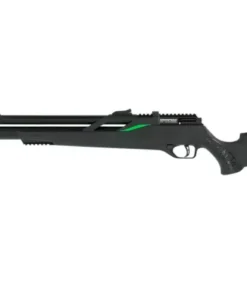
Snowpeak Airguns
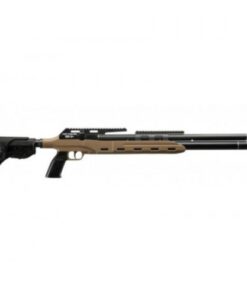
Snowpeak Airguns
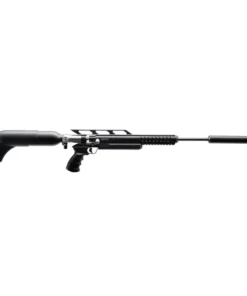
Snowpeak Airguns
Reviews
There are no reviews yet.